8 Key Things to Know about the Porto to Douro Valley Train
Master the Porto to Douro Valley train journey with our 2026 guide. Includes Linha do Douro schedules, ticket prices, scenic seating tips, and key stops.
On this page
8 Key Things to Know about the Porto to Douro Valley Train
The journey from Porto to the Douro Valley by train is one of the most beautiful rail routes in Europe. Travelers often choose this path to witness the stunning terraced vineyards that define this UNESCO World Heritage region. Planning your porto to douro valley train trip requires understanding schedules, stations, and the best scenic spots. This guide provides everything you need for a seamless and memorable adventure through the heart of Portugal.
The Linha do Douro: What the Route Covers
The Linha do Douro is a historic railway line that stretches deep into the rugged hills of northern Portugal. Construction began in the late 19th century to connect Porto with the remote wine-growing regions inland. Engineers carved the tracks through granite cliffs and steep river banks, creating a route that remains one of Europe's great rail journeys. Today it is both a working commuter line and a primary attraction for international tourists.
The route follows the Douro River for over 160 kilometers, offering views that roads simply cannot match. As the train leaves the urban sprawl of Porto, the landscape transforms quickly into terraced vineyards and schist villages. UNESCO recognized the Alto Douro Wine Region for its long history of traditional viticulture and exceptional scenic value. The tracks eventually reach the Spanish border, though most visitors stop at Pinhão or Peso da Régua.
Before the railway existed, flat-bottomed Rabelo boats navigated the river's treacherous rapids to carry wine barrels to Porto. The train replaced that trade route and became essential to the valley's economy. Every curve of the river reveals another perspective on the ancient stone-walled vineyards. The slow pace of regional services gives you time to absorb the landscape rather than rush through it.
Regional vs. InterRegional: Choosing the Right Service
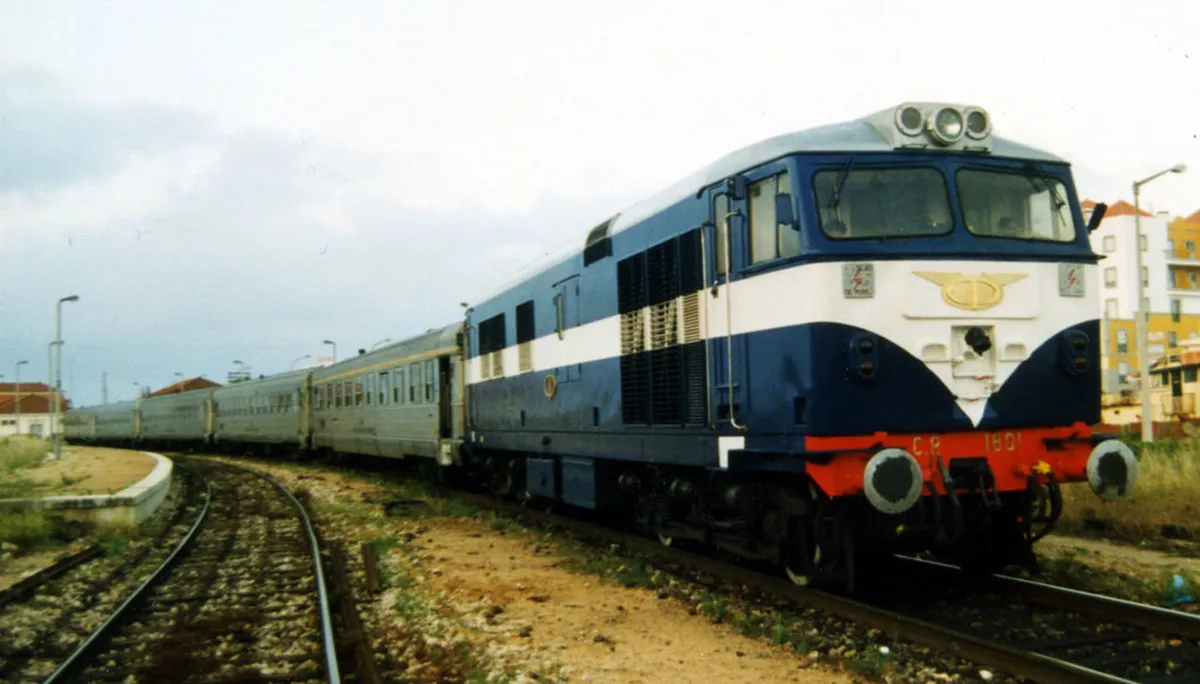
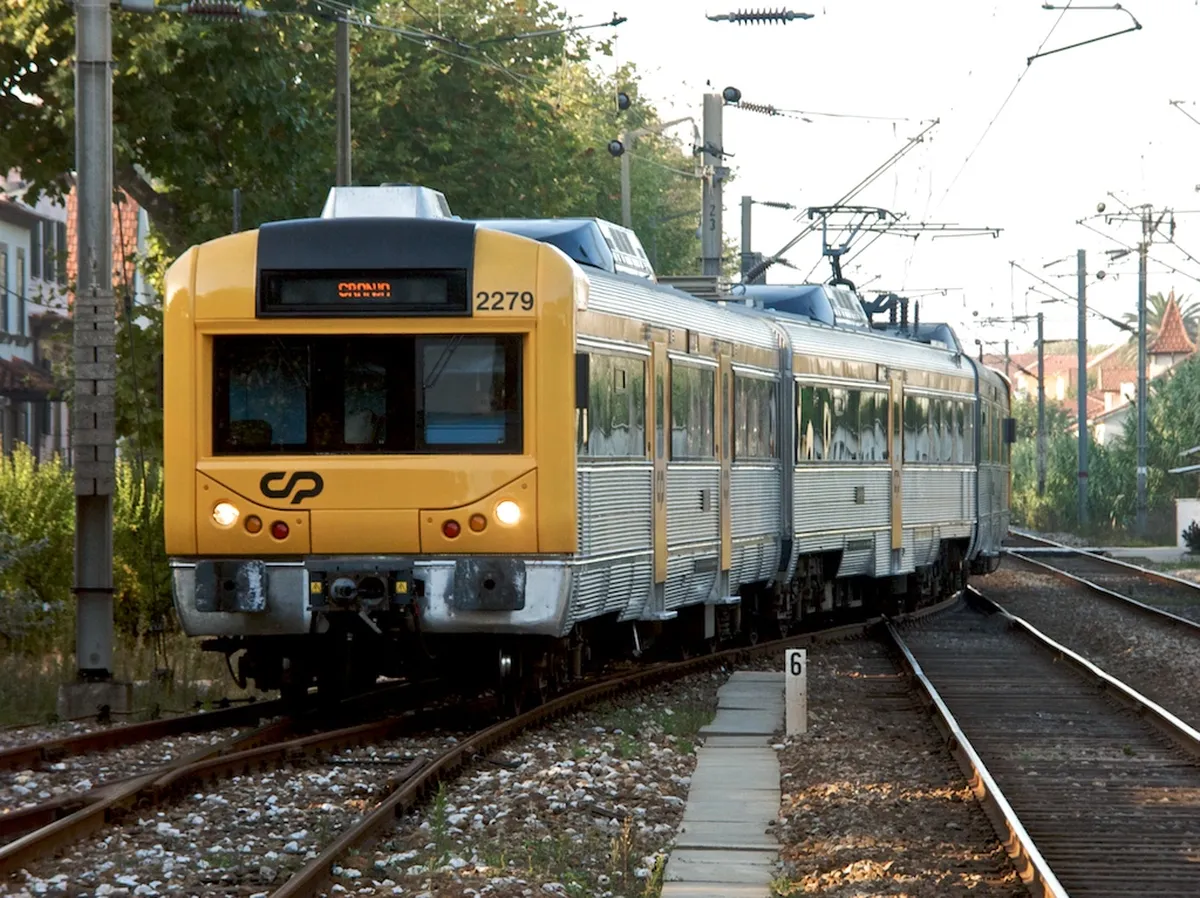
CP — Comboios de Portugal runs two distinct service types on the Linha do Douro, and the difference matters more than most guides acknowledge. Regional (R) trains stop at almost every station along the line, including small village halts that InterRegional trains skip entirely. InterRegional (IR) trains are faster and run fewer intermediate stops, cutting travel time by 20–30 minutes. The right choice depends entirely on where you want to get off.
If your destination is Pinhão or Peso da Régua, either service type works and the InterRegional is a reasonable option. If you want to hop off at smaller stops like Varosa, Ferrão, or Ferradosa for hiking or vineyard walks, you must take a Regional train. Many first-timers book an InterRegional because it looks faster on the schedule board, then discover it does not stop at their intended village. Always cross-check your destination stop against the specific train's station list on the CP website or app before purchasing.
There is a third option during summer weekends: the Historic Douro Steam Train, which is a separate leisure service with its own schedule and pricing. For a straightforward day trip in 2026, the InterRegional departing Porto São Bento around 08:20 is the most popular morning option and reaches Régua by about 10:30. Check the current timetable on CP - Comboios de Portugal as seasonal adjustments apply from May onward.
One operational detail that catches travelers off guard: some trains require a change at Caíde junction, roughly halfway between Porto and Régua. This is not a terminus — you simply cross the platform to board the connecting Douro-line train, usually with a wait of five to fifteen minutes. Your ticket covers the full journey. The CP app displays the connection clearly, but if you miss the interchange announcement, station staff at Caíde are accustomed to helping confused passengers.
Essential Train Times, Fares, and Booking Info
In 2026, a one-way ticket from Porto to Pinhão on a Regional or InterRegional service costs approximately 12 to 16 Euros per person. Tickets to Peso da Régua are slightly cheaper, typically in the 10 to 13 Euro range. Prices vary by service type and are updated by CP periodically, so always verify on the official site before booking. The steam train experience runs separately at around 45 to 50 Euros and covers a shorter scenic stretch.
You can purchase tickets at station kiosks, via the CP mobile app, or through the CP website. Regional train tickets do not assign specific seats, so you cannot truly sell out — but arriving early means more choice of window seats. Morning departures, particularly the 08:20 from São Bento, fill up with day-trippers in July and August. For flexibility on transport options, also check the porto to douro valley by car guide if you prefer self-driving.
The journey from Porto to Peso da Régua takes approximately 1 hour 55 minutes on an InterRegional service. Continuing to Pinhão adds around 30 more minutes of spectacular river-side travel. The last return train from Pinhão back to Porto typically departs around 18:15–18:30, arriving in Porto by approximately 21:00 — confirm this on the CP app the morning of your trip, as schedules shift between the summer and autumn timetable periods. Missing the last train is the most common traveler mistake on this route, so build in a buffer.
Group discounts and senior citizen rates are available for those who qualify. Keep your physical or digital ticket accessible throughout the journey as conductors check frequently. Regional trains rarely have onboard snack bars, so carry your own water and food for the journey.
The last return train from Pinhão to Porto typically departs around 18:15–18:30 and arrives in Porto by approximately 21:00. Confirm the exact time on the CP app the morning of your trip — missing the last train is the most common traveler mistake on this route.
Choosing Your Starting Station: São Bento vs. Campanhã
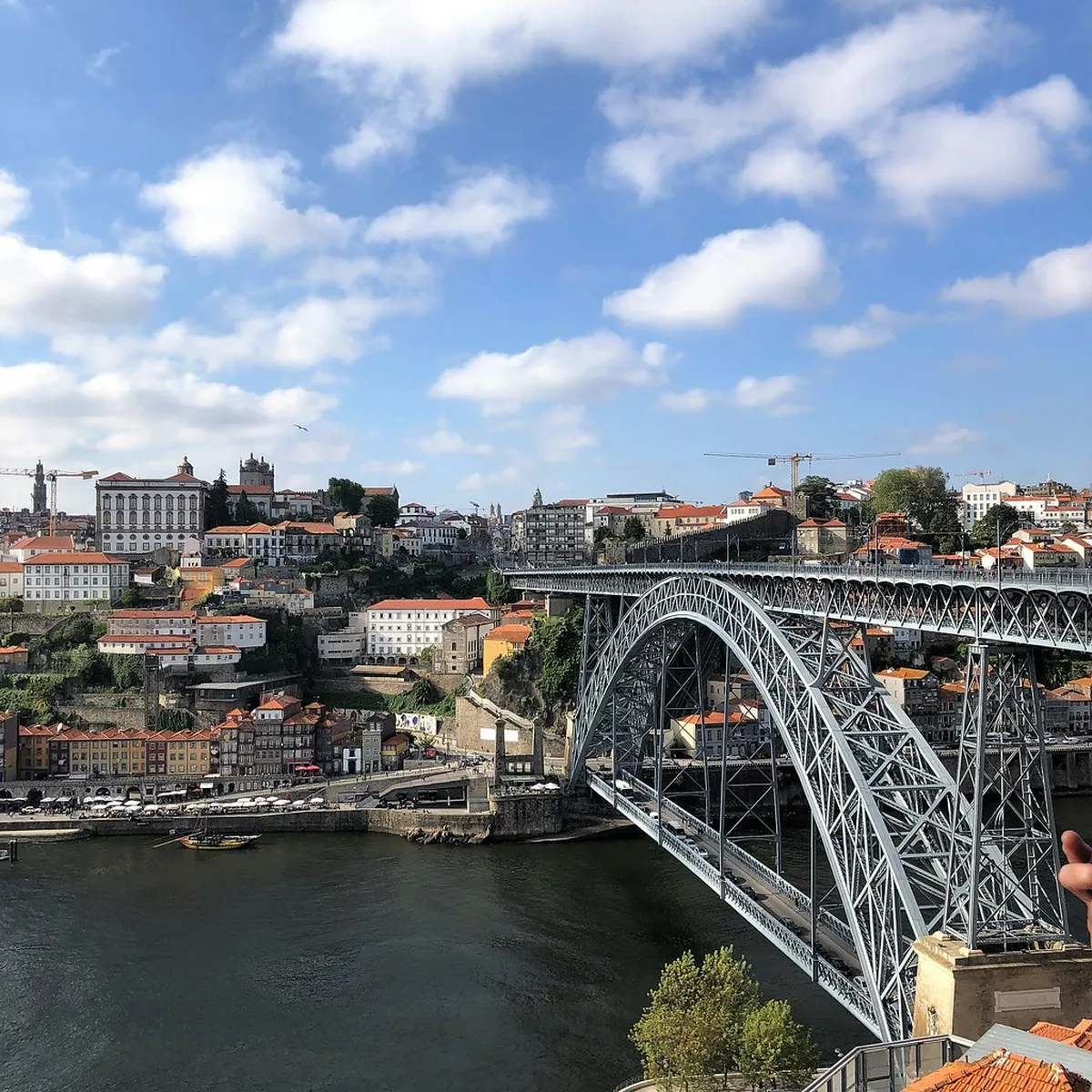
Most travelers begin at Porto São Bento, famous for its hall of over 20,000 blue and white azulejo tiles depicting Portuguese history. Boarding here is convenient if you are staying in the Ribeira, Baixa, or Bonfim neighborhoods. Many visitors also spend time exploring the nearby foz do douro porto area before heading east. São Bento is a destination in itself, and arriving early gives you time to appreciate the tilework before your train departs.
Porto Campanhã is the city's main transport hub for long-distance and connecting trains. If you are staying near Bonfim, Antas, or arriving from Lisbon, Campanhã is your practical starting point. Many Douro-bound trains stop at both stations in sequence — São Bento first, then Campanhã a few minutes later. Check your ticket to confirm whether the listed departure station is São Bento or Campanhã, especially for early morning InterRegional services.
Transferring between the two stations is free if you already hold a valid onward ticket for the valley. The ride between them takes under five minutes on a local suburban train. Arriving 30 minutes before departure is enough time to find the correct platform and validate your ticket at the yellow machines if you are using a rechargeable card. Staff at both information desks speak English and can direct you clearly.
Both stations have left-luggage lockers if you need to store bags before your departure. Campanhã has more platform space and faster access for travelers arriving directly from Lisbon by Alfa Pendular. São Bento has no luggage storage, so Campanhã is better if you are carrying large bags on a day trip from the capital.
Maximizing the Scenery: Best Views and Seating Tips
The secret to the best views is knowing which side of the train to sit on. When traveling east from Porto toward the valley, sit on the right side of the carriage. The tracks run directly alongside the Douro River, and the right side faces the water for the majority of the journey. This is consistently recommended by experienced travelers and rail resources, including the Seat61 Douro Guide.
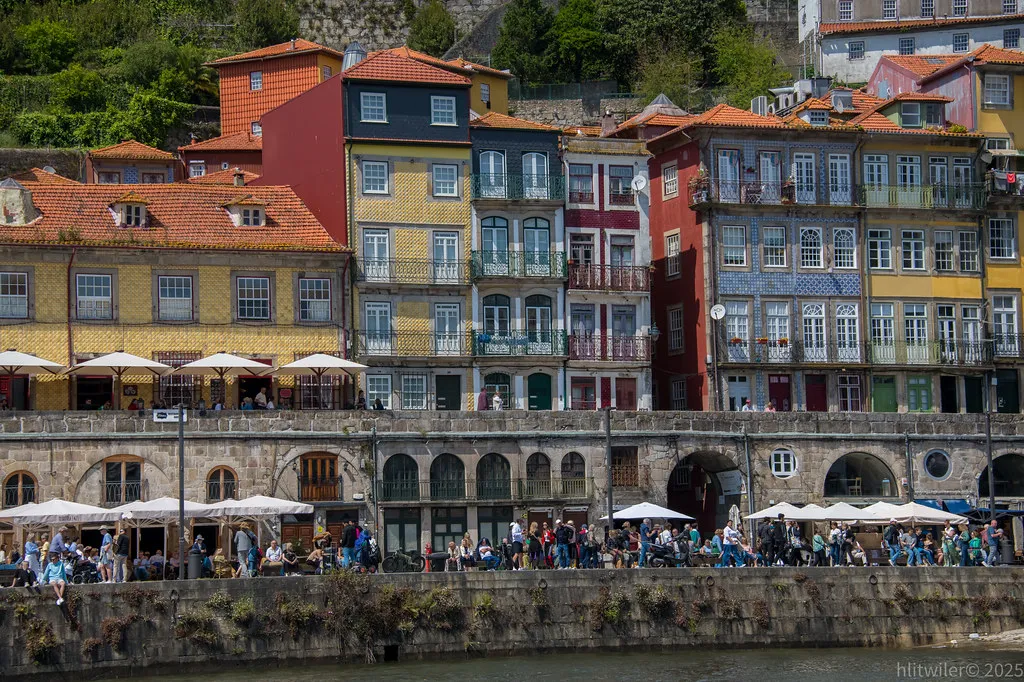
The scenery becomes truly dramatic after the train passes the town of Pala. The river widens, the steep terraced vineyards begin to dominate the horizon, and traditional Quintas appear perched high on the hillsides. You will pass through numerous tunnels blasted through granite rock and over high bridges spanning the river's gorges. Keep your camera ready and avoid sitting behind tinted windows — older Regional carriages often have opening windows that give cleaner photos.
Morning light is ideal for the outbound journey, especially in spring and autumn when the air is clear and the vines are actively green or turning gold. If the train is busy, move toward the middle carriages to find more seating. Avoid seats near the doors if you want a quieter ride away from passengers boarding and alighting at each stop. On the return journey to Porto, switch to the left side of the carriage to keep the river in view.
A practical tip for photographers: the most striking stretch is between Régua and Pinhão, where the valley narrows and the terraces rise sharply on both banks. If your primary goal is photography, consider boarding an outbound morning train and spending most of your time in this section rather than rushing to Pocinho and back.
When traveling east from Porto toward the valley, sit on the right side of the carriage — this side faces the Douro River for the majority of the journey. On the return trip to Porto, switch to the left side to keep the river in view.
The Best Stops to Hop Off: Régua, Pinhão, and Pocinho
Peso da Régua is the largest town in the valley and the main commercial hub for the region. It is home to the Museu do Douro, where you can spend an hour learning about the wine trade's long history. Régua also has the most accommodation options, the most frequent train connections back to Porto, and the easiest access to river cruise departures. You can find many douro valley tourism attractions within walking distance of the station.
Pinhão is the most celebrated stop on the line and the one most visitors prioritize. The station itself is a work of art, decorated with intricate azulejo tile panels depicting harvest scenes and traditional daily life. From here, several of Portugal's most famous wine estates — including Quinta do Crasto and Quinta da Romaneira — are within a short taxi or walking distance. The riverside promenade in Pinhão is calm and excellent for a long lunch with valley views.
Pocinho is the final stop on the line and offers a genuinely remote experience. Few tourists travel this far, making it an appealing choice for those seeking solitude and raw Douro scenery. The landscape here is drier and more rugged than the lush areas near Régua. There are limited restaurants and no tourist infrastructure in Pocinho, so plan your return train timing carefully before committing to this stop.
Each stop offers a different experience. Most day-trippers do best by choosing either Régua or Pinhão as their focus, not both — the distance between them is deceptive and the afternoon train schedule back to Porto leaves less time than most people expect. If you want to see more in a single trip, consider the douro valley 2 day itinerary which allows a proper pace through multiple stops.
Riding the Historic Douro Steam Train
The Historic Douro Steam Train is a seasonal experience that runs during the warmer months, typically June through October on specific weekend and holiday dates. A classic Henschel and Sohn steam locomotive pulls five vintage wooden carriages along the river between Régua and Tua. The atmosphere on board is festive, with live folk music and regional wine tastings included in the ticket price. Booking details and the exact 2026 calendar are available on the CP - Comboios de Portugal website under special services.
Tickets for the steam train cost around 45 to 50 Euros per person — significantly more than the standard regional fare — and must be booked well in advance as dates sell out early. The journey covers a shorter section of the line than a full day-trip on a regular train, but the pace is deliberately slow and theatrical. The smell of coal smoke, the sound of the whistle echoing off the valley walls, and the open-air platforms between carriages make it a genuinely memorable experience. It is a strong choice for families, rail enthusiasts, and anyone planning their visit around the harvest season.
The steam train includes a stop at Pinhão station to admire the azulejo tile panels. Bring a hat and sunscreen if you plan to spend time on the open-air platforms between carriages. This is not a substitute for a full scenic day trip on the regular Linha do Douro — it is a different and more theatrical add-on. If you have only one day in the valley and want maximum scenery coverage, the regular Regional service from Porto gives you more flexibility and distance.
Combining Your Rail Journey with a River Cruise
Many visitors take the train into the valley and return to Porto by boat. This douro boat then train round trip gives two distinct perspectives on the landscape — the train offers elevation and speed, while the boat provides a slow river-level view of the same vineyards. Most cruises depart from Régua or Pinhão in the early afternoon and include lunch and a visit to a local Quinta as part of the package.
Boats pass through massive navigation locks on the descent back toward Porto, which are an engineering attraction in their own right. The return river journey takes between five and seven hours depending on the starting point. You will arrive in Porto in the late evening, well in time for dinner by the waterfront. Booking a combined train-plus-cruise ticket through a tour operator often costs less than purchasing both separately and removes the need to manage separate schedules.
This combination is widely considered the definitive Douro Valley day trip. It lets you experience the landscape from two angles without retracing your route. Ensure you confirm the boat's Porto arrival dock in advance — most cruises land at the Ribeira waterfront, but a handful dock further east near Foz. Check departure times for the outbound train carefully so you arrive in Régua or Pinhão in time to join the afternoon cruise.
Practical Tips for Visiting Quintas and Managing the Day
Visiting wine estates directly from the train is easier than most guides suggest. Several top-tier estates sit within a ten-minute walk of Pinhão station — Quinta do Bomfim and Quinta da Roêda are two reliable choices for tours and tastings. Both accept walk-ins during off-peak months but require advance booking from June through September, especially during harvest in late September and early October. Most quintas charge between 12 and 25 Euros for a guided tasting session.
The valley gets intensely hot in July and August, routinely reaching 38–40°C inland. Start early, stay hydrated, and carry more water than you think you need — the path between the station and vineyard estates is exposed, with little shade. Pack a light layer for the return train as temperatures drop sharply after sunset, and the train carriage air conditioning can be aggressive. Comfortable, grippy shoes matter because paths between estates are steep and gravelly.
Local restaurants in Régua and Pinhão serve traditional dishes including roasted kid, grilled river lamprey in season, and bacalhau in various preparations. Try a white Port with tonic water as an afternoon aperitif — it is lighter than red Port and much more refreshing in the heat. Prices in the valley are noticeably lower than Porto's tourist center. Carry a small amount of cash for smaller village cafes and bakeries that do not accept cards.
Photography is best in the golden hour just before sunset. Wide-angle lenses suit the vast vineyard panoramas, but a standard zoom works well for the bridges and station tile panels. Respect private property on the vineyard trails — the terraced walls you see from the train are active agricultural land, not open paths. The slow pace of valley life is half the attraction; resist the urge to rush between spots and give yourself time to simply sit by the river.
Frequently Asked Questions
How much does the train from Porto to Douro Valley cost?
A standard regional train ticket from Porto to Pinhão costs approximately 12 to 16 Euros one way. Prices may vary slightly in 2026 based on the service type. You can buy these at any station or through the CP app. For more details, see our guide on one day in Douro Valley.
Which side of the train is best for the Douro Valley?
You should sit on the right side of the train when traveling from Porto toward the valley. This side faces the river and offers the most scenic views of the water and vineyards. On the return trip to Porto, sit on the left side to keep the river in view.
Can you buy Douro Valley train tickets at the station?
Yes, you can easily buy tickets at Porto São Bento or Porto Campanhã stations. Self-service kiosks and staffed ticket windows are both available for travelers. It is best to arrive at least 20 minutes before your departure to avoid any last-minute stress or long lines.
Is the historic steam train worth it?
The historic steam train is worth it for rail fans and those seeking a nostalgic experience. It costs more than regular trains but includes music and wine tastings. However, if you just want to see the scenery efficiently, the regular regional trains are a better value.
How long is the train ride from Porto to Pinhão?
The train ride from Porto to Pinhão typically takes between 2 hours and 15 minutes to 2 hours and 45 minutes. The duration depends on whether you take a Regional or InterRegional service. Most travelers find the time passes quickly because the views are so engaging throughout the trip.
Taking the train from Porto to the Douro Valley is a highlight of any trip to Portugal. The Linha do Douro offers a perfect blend of history, engineering, and natural beauty. By following these tips, you can enjoy a stress-free journey through one of the world's most famous wine regions. Pack your camera and prepare for an unforgettable ride along the banks of the golden river.
Use our Douro Valley tourism attractions hub to plan the rest of your trip.
For related Douro Valley guides, see our Porto to Douro Valley: 10 Essential Tips and Transport Options and Porto to Douro Valley by Car: 8 Key Planning Insights articles.
 Porto To Aveiro By Train Travel GuideJune 8, 2026