Porto to Douro Valley: 10 Essential Tips and Transport Options
Discover the best ways to get from Porto to the Douro Valley. Compare train, car, boat, and tours with local tips on wineries, timing, and scenic routes.
On this page
Porto to Douro Valley: 10 Essential Tips and Transport Options
The Douro Valley sits about 130 km east of Porto, reachable by train, car, guided tour, or river cruise. Each option trades something — cost for convenience, speed for scenery, independence for wine. This guide was updated in May 2026 to reflect current CP rail schedules, toll costs, and tour pricing. If you want a single honest answer: the train to Pinhão is the best starting point for most visitors, but getting it right requires knowing a few details that most guides skip.
Planning the trip well means the difference between a relaxed day in the vineyards and a stressful scramble. Our Portugal travel blog covers the logistics in full, so you arrive knowing exactly what to do. Below is everything you need to choose your transport, time your visit, and make the most of a day or two in the valley.
Quick Summary: The Best Way to Reach the Douro Valley
The Linha do Douro train is the default choice: it costs about €14.50 / ~$16 one way to Pinhão, takes roughly three hours, and the scenery does the entertaining. You can also rent a car for the drive if you want to reach remote wineries, or join a guided day tour if you want someone else to handle the logistics and the driving.
Boat cruises and private transfers exist at opposite ends of the budget spectrum. River cruises run the full day and are the most romantic option, while private transfers are the fastest and most expensive. Most first-timers choose either the train alone or a guided tour — both work well depending on how freely you want to drink.
- Train to Pinhão: ~€14.50 / ~$16 one way, 3 hours, departs São Bento or Campanhã.
- Rental car: ~€50 / ~$55 per day plus tolls, 90 minutes on the A4, flexible winery access.
- Guided day tour: ~€85–€120 / ~$93–$131, includes transport, lunch, and winery visits.
- River cruise: ~€90 / ~$98 for a full-day cruise to Régua, slow and scenic.
- Private transfer: ~€200 / ~$218 each way, door-to-door, fastest option available.
| Transport | Cost (one way / per person) | Journey Time | Best For |
|---|---|---|---|
| Train to Pinhão | ~€14.50 / ~$16 | ~3 hours | Scenic experience, solo or couple travel |
| Rental car | ~€50 / ~$55 per day + ~€9 tolls | ~90 minutes | Remote wineries, flexible itinerary |
| Guided day tour | €85–€120 / ~$93–$131 | Full day (pickup + return) | Hassle-free, wine tasting without driving |
| River cruise (Porto–Régua) | ~€90 / ~$98 | Full day | Scenic slow travel, romantic trips |
| Private transfer | ~€200 / ~$218 | ~90 minutes | Maximum comfort and speed |
By Train: How to Travel From Porto to Douro Valley
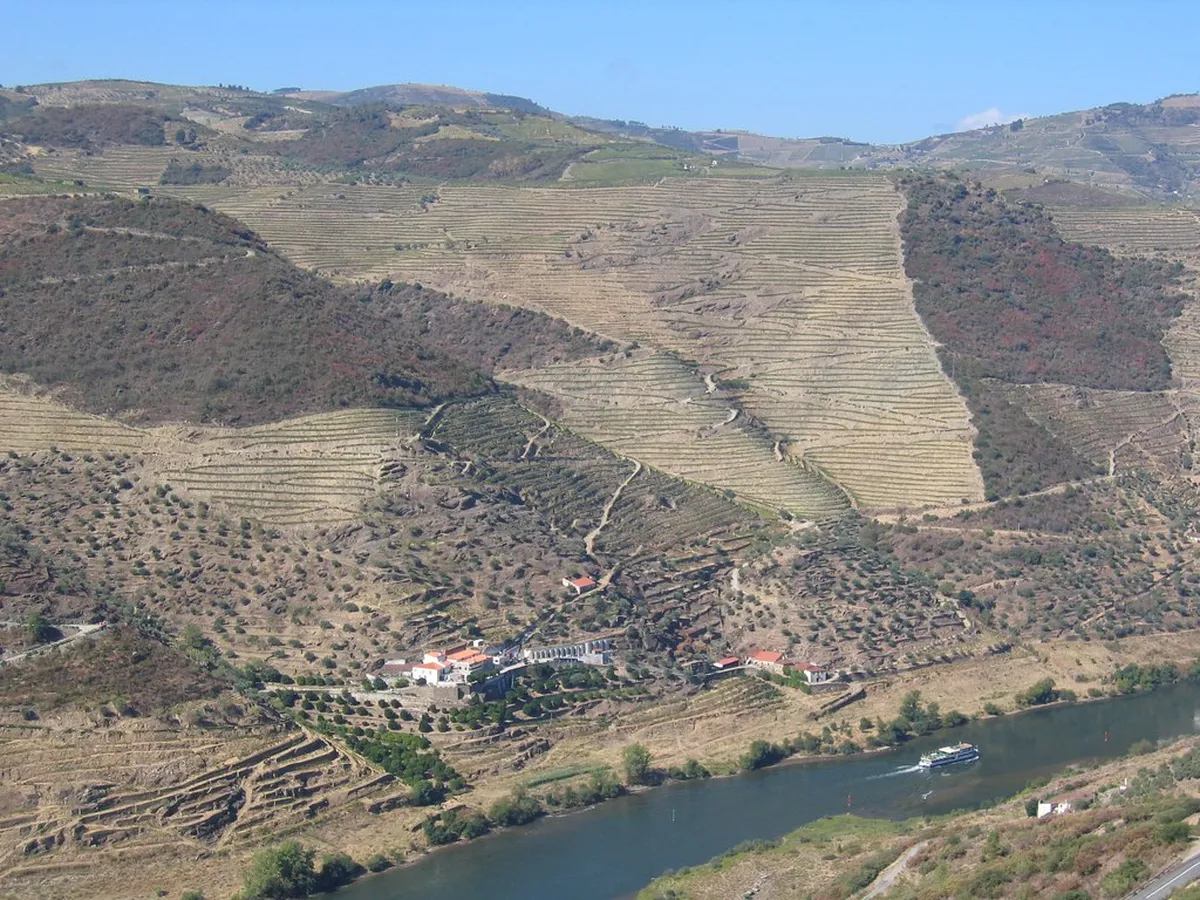
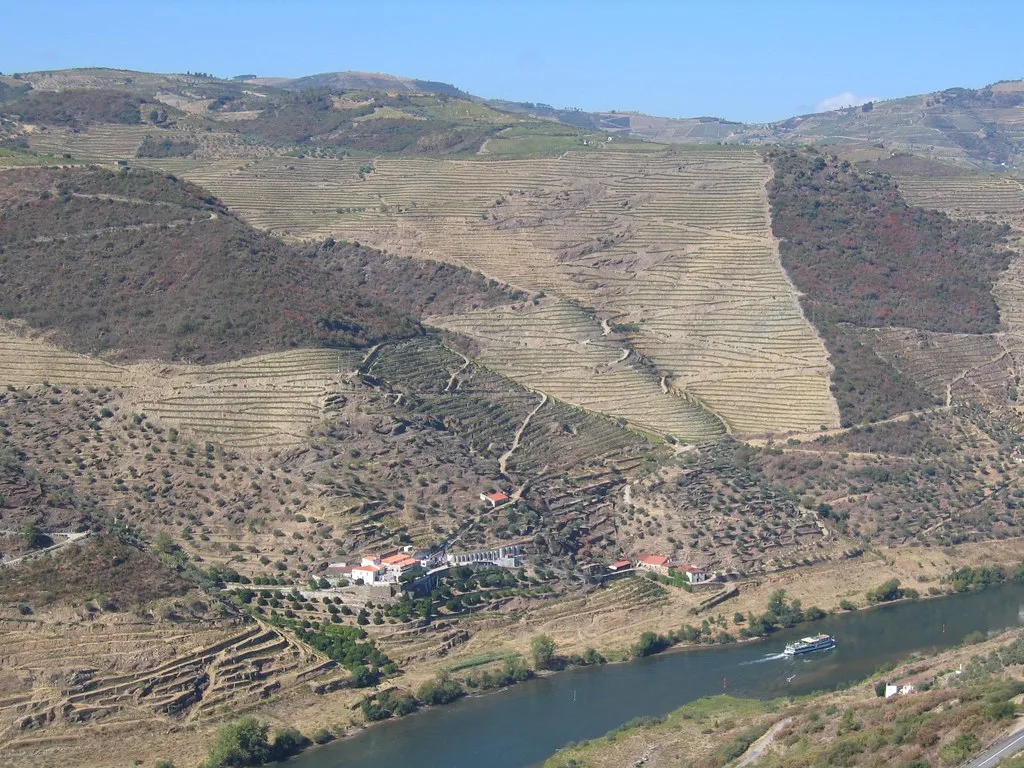
The Linha do Douro is widely considered one of the most scenic rail routes in Europe. It hugs the Douro riverbank for much of its length, passing through terraced vineyards cut into schist rock, part of the UNESCO Alto Douro wine region. Tickets can be purchased at the station or via the official CP - Comboios de Portugal website. Buy in advance in summer — trains fill up, especially on weekends in September during harvest season.
One detail most guides miss: not all trains to the Douro depart from São Bento. São Bento is the beautiful azulejo-tiled station in the city center, but several InterRegional services depart from Campanhã, Porto's main rail hub about ten minutes away by metro. Check your CP ticket carefully — it will show the departure station. Showing up at the wrong one is one of the most common mistakes first-timers make.
A second thing to understand: the journey to Pinhão is often two legs. Porto to Peso da Régua takes about two hours on the InterRegional service. The Régua-to-Pinhão leg is a slower regional train that runs only four to five times daily in 2026. The two legs are separate tickets (each around €7 / ~$7.60), and the connection time at Régua can be tight. If you want the full experience to Pinhão, check both timetables on CP before you leave Porto.
- Buy tickets at São Bento or Campanhã ticket office, or at cp.pt. Budget roughly €14.50 / ~$16 return to Pinhão.
- Confirm your departure station on the ticket — InterRegional services often leave from Campanhã, not São Bento.
- Sit on the right side of the train when heading east from Porto to face the river for the best views.
- At Peso da Régua (about two hours in), check if you need to change to the regional service for the final leg to Pinhão.
- Arrive at Pinhão station — the platform tiles alone are worth a five-minute stop before you head to the riverfront.
- Walk directly to Quinta do Bomfim or Quinta das Carvalhas, both less than ten minutes from the platform. Book your tasting slot ahead online.
Sit on the right side of the train when heading east from Porto — you will face the Douro river for the most scenic stretch. In summer, book your CP tickets at least two weeks in advance as trains fill up, especially on weekends during harvest season in September.
By Guided Tour: The Easiest and Most Popular Option
Guided day tours from Porto are the single most booked way to reach the Douro Valley, and for good reason. They pick you up from your hotel or a central meeting point in Porto, handle all driving on the mountain roads, and drop you back in the evening. This matters because Portugal has a strict drink-drive limit of 0.5 g/L — a glass and a half of wine can put you over it. On a tour, the driver stays sober and you do not have to.
Standard tours in 2026 cost between €85 and €120 / ~$93–$131 per person and typically include two or three winery visits, a traditional lunch at a quinta, and a short river cruise on a rabelo boat. Some operators also include a stop at a viewpoint like Casal de Loivos, which overlooks a bend in the river and is one of the most photographed spots in the region. Premium small-group tours cap at eight people and cost closer to €150 / ~$164, but the winery access and guiding quality is noticeably better.
The trade-off with tours is schedule inflexibility. You will visit wineries the operator has partnerships with, not necessarily the ones you chose yourself. If you want to visit a very specific estate — say Quinta do Crasto or Ramos Pinto — confirm the itinerary before booking. Tours that depart early (around 08:00) give you the most time in the valley and usually get you back to Porto by 19:00 or 20:00.
By Car: Independent Travel to the Vineyards
Driving yourself gives you access to wineries no train or tour bus can reach. The N222, which runs along the river from Peso da Régua toward Pinhão, is frequently voted one of the best driving roads in Europe. Take it slowly — it is narrow in places and the views tempt you to stop constantly. The faster route from Porto is the A4 motorway (toll: roughly €9 / ~$10 each way), which cuts the drive to about 90 minutes.
Renting a car in Porto costs around €50 / ~$55 per day for a small vehicle. Parking in Pinhão is limited; arrive before 10:00 in July and August or you will be parking a kilometer from the village. Smaller villages up in the hills — Sabrosa, Alijó, Favaios — have free roadside parking and almost no crowds.
The one firm rule: if you are driving, one person in the group stays completely sober. Portugal enforces the limit. This is a real constraint on a wine trip and is the main reason many visitors ultimately prefer a tour or the train. If your group has a dedicated non-drinker, the car opens up the entire valley. If not, it becomes a logistical burden.
Portugal enforces a strict drink-drive limit of 0.5 g/L — roughly a glass and a half of wine can put you over it. If no one in your group is staying completely sober, choose the train or a guided tour instead of renting a car.
By River Cruise: The Scenic Slow Route
A full-day river cruise from Porto to Régua takes the entire day and costs around €90 / ~$98 per person. The boat travels upstream through a series of locks — the Crestuma-Lever, Carrapatelo, Régua, and Bagauste dams — which is an experience in itself. Meals and wine are usually included. Most operators, including established Douro cruise providers, return passengers to Porto by coach rather than by boat, so the day ends around 19:00 or 20:00 depending on the operator.
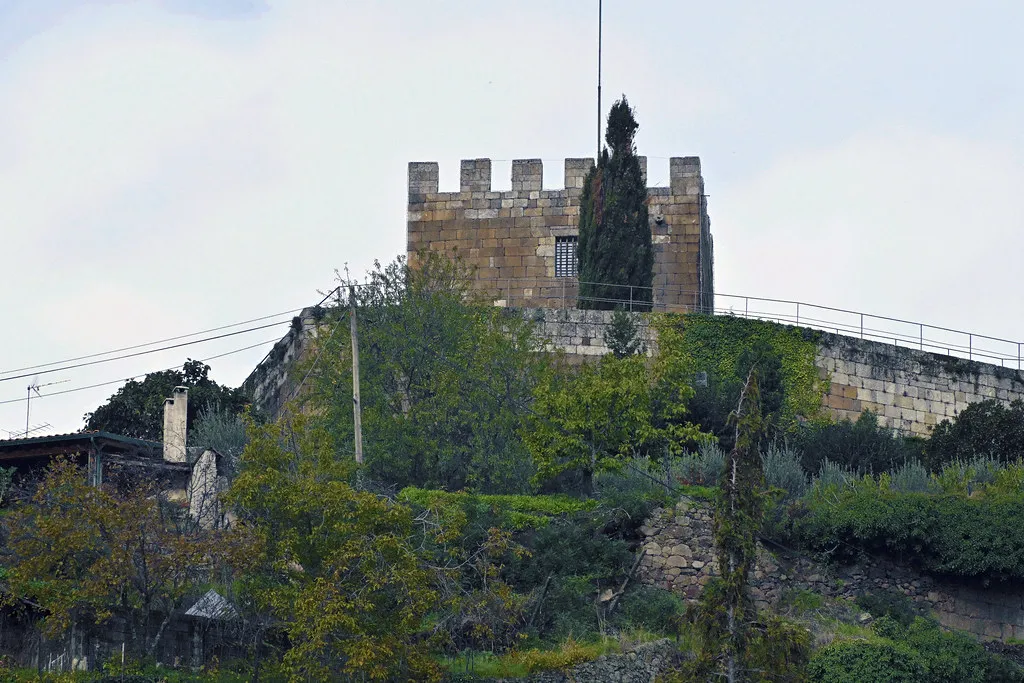
Half-day cruises departing from Régua or Pinhão are a better-value version of this. They cost around €15–€25 / ~$16–$27 per person and last one to two hours on the river. Many visitors combine the train to Pinhão with a short cruise from the Pinhão pier and then take the train back — this gives you the scenic rail journey plus the water perspective without committing to a full cruise day from Porto.
The rabelo boat — the flat-bottomed wooden vessel historically used to transport wine barrels — is the traditional craft you will see on the river. Prices and schedules for local cruises from Pinhão are posted at the quay and can also be booked through quintas and guesthouses in the village. Availability is high from April through October; the boats largely pause in winter.
Best Time to Visit the Douro Valley from Porto
The Douro Valley is open year-round but each season offers a radically different experience. Spring (March to May) brings almond and cherry blossoms on the hillsides, comfortable temperatures (15–22°C), and almost no crowds. This is arguably the most underrated time to visit — everything is green, the light is soft, and you can walk into most quintas without a reservation.
Summer (June to August) is hot — temperatures in Pinhão regularly reach 38–40°C in July. The landscape is parched and golden, which photographs beautifully but is uncomfortable for walking between wineries. Trains and tours are busiest; book everything at least two weeks ahead.
September and early October is harvest season (vindima) and the most atmospheric time. Pickers work the terraces, quintas are buzzing with activity, and some estates let visitors participate in the foot-treading of grapes. Demand peaks sharply during harvest. If you want to visit in September, book trains and winery visits at least a month in advance. Prices for guided tours also rise by 20–30% during this window.
Winter (November to February) is quiet and cheap. Winery restaurants often close midweek, and some smaller estates shut entirely. The train runs on a reduced schedule. It suits travelers who want solitude and do not mind limited winery access.
Top Wineries to Visit Near Pinhão and Régua
Once you arrive, exploring the main attractions starts with the wineries. Quinta do Bomfim, owned by Symington Family Estates and a three-minute walk from Pinhão station, is the most accessible estate for train travelers. Tastings start at €15 / ~$16 and the terrace view over the river is exceptional. Quinta das Carvalhas across the bridge is equally good and slightly less busy on weekday mornings.
Further up from the valley floor, Quinta do Crasto near Sabrosa is worth the drive for its infinity pool overlooking the vines — one of the most photogenic spots in the region. Ramos Pinto in Régua has a wine museum attached that covers the history of port production well. For something less visited, Quinta da Roêda (also Symington-owned) focuses almost entirely on Vintage Port and takes no more than six visitors per session.
Family-owned estates scattered between Pinhão and Alijó often have no minimum booking size and welcome walk-ins during the low season. These smaller producers charge €10–€12 / ~$11–$13 for a tasting and pour wines you will not find in Porto shops. Ask at your accommodation for current recommendations — the landscape changes annually as new labels gain recognition.
Overnight Stays: Why Spending the Night Changes Everything
A day trip from Porto gives you roughly six hours in the valley if you take the first train and the last train back. That is enough for two winery visits and lunch, but it leaves no time to experience the valley after the day-trippers clear out. By 17:00 in summer, Pinhão becomes a different place — quieter, cooler, and genuinely beautiful as the light drops across the terraces.
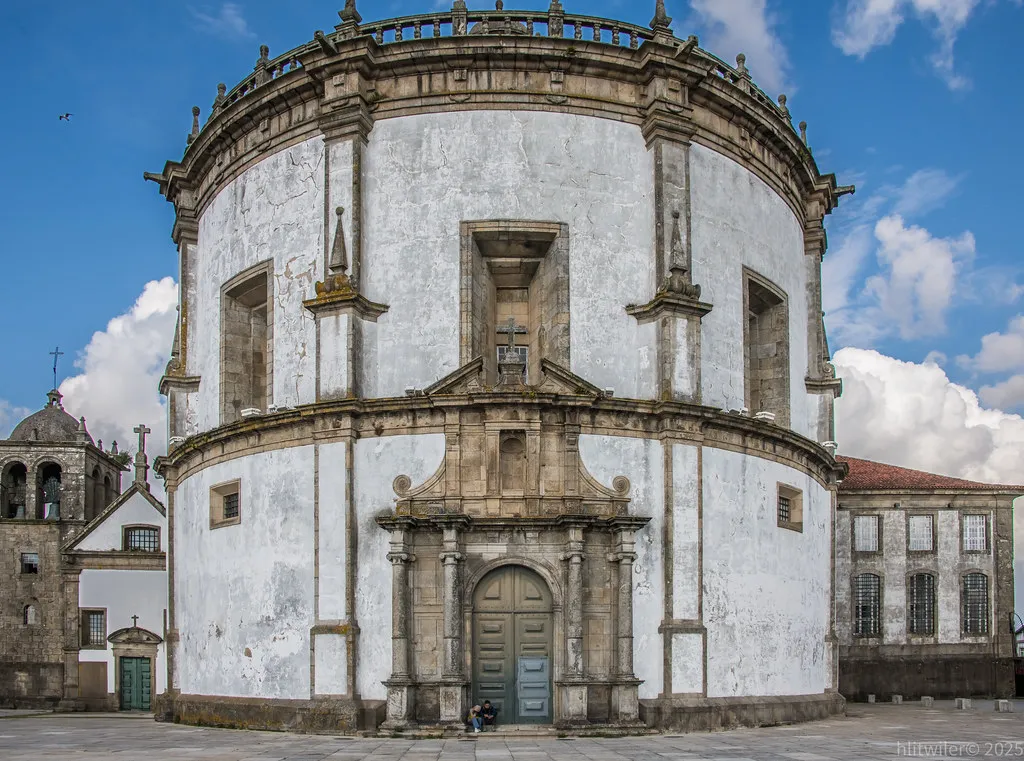
Staying overnight at a quinta hotel puts you inside the landscape. Quinta da Romaneira, Quinta do Vallado, and Quinta de la Rosa all offer rooms with vineyard views and dinner from their own estates. Expect to pay €150–€350 / ~$164–$382 per room per night depending on the property and season. These are not budget options, but the experience of waking up in a Douro quinta is one of the genuine highlights of traveling in Portugal.
For a two-day itinerary, the pattern that works best is: arrive by train in the afternoon of day one, check into your accommodation, eat dinner at the quinta, then spend all of day two exploring before catching the late train back. This gives you a full morning and afternoon in the valley without the day-trip pressure. The return train from Pinhão to Porto departs several times per day; the last departure is usually around 19:30, confirm on cp.pt before you leave.
Frequently Asked Questions
Is a day trip to the Douro Valley from Porto worth it?
Yes, a day trip is absolutely worth the effort for the stunning scenery alone. You can easily see the main highlights by taking the boat and train. Most visitors find one day sufficient for a great introduction.
How long is the train ride from Porto to the Douro Valley?
The train journey takes approximately three hours to reach the town of Pinhão. This includes a short transfer or stop in Peso da Régua. The time passes quickly because the views are so beautiful.
Can you visit the Douro Valley without a car?
You can definitely visit the region without a car by using the train. Many top-tier wineries are located within walking distance of the Pinhão station. This is the safest way to enjoy wine tastings.
Traveling from Porto to the Douro Valley is one of the best day trips in Southern Europe. The train is the easiest entry point, but understanding the two-leg journey to Pinhão and knowing which station you depart from will save you real stress on the day. Choose your transport based on how you want to drink — freely on a tour or train, carefully in a car — and book winery visits before you arrive. The valley rewards preparation.
 How to Get to Braga: 6 Best Ways to TravelJune 4, 2026