Douro Valley 2 Day Itinerary: 8 Essential Planning Steps
Plan the perfect Douro Valley 2 day itinerary with our 8-step guide covering top wineries, scenic river cruises, and local travel tips for Northern Portugal.
On this page
Douro Valley 2 Day Itinerary: 8 Essential Planning Steps
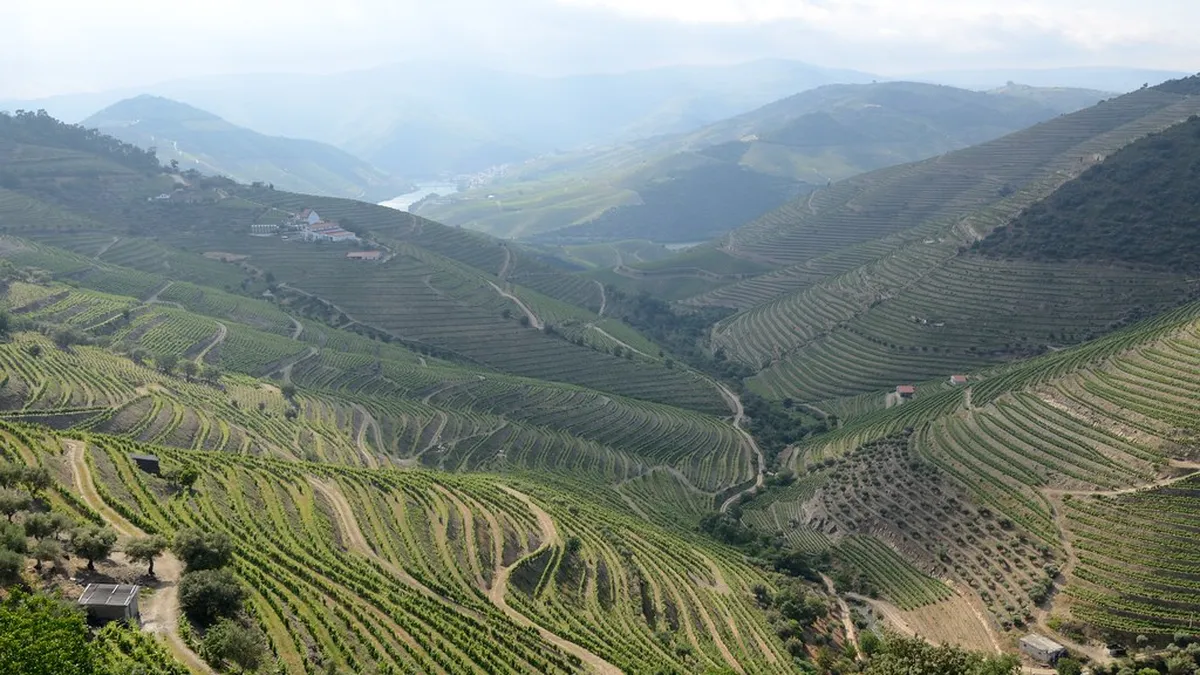
The Douro Valley is a breathtaking UNESCO World Heritage site in Northern Portugal, carved into steep schist hillsides covered in terraced vineyards. This douro valley 2 day itinerary is designed for first-time visitors who want the best possible combination of wine, scenery, and local culture without the stress of over-planning. Two days is genuinely enough to see the valley's highlights — a river cruise, two or three quintas, the N222 road, and at least one sunset viewpoint — provided you plan the logistics in advance. The golden hour light hitting the terraces from above Pinhão is something that stays with you long after you leave.
This guide covers transport from Porto, where to sleep in the valley, which wineries to prioritize, what to eat alongside the wine, and the practical details that most articles skip. Costs are quoted in EUR and reflect 2026 pricing. Booking windows, train timetables, and driving tips are all addressed so you arrive prepared rather than scrambling on arrival.
Best Time to Visit the Douro Valley
The valley is visually stunning year-round, but each season offers a different mood. Spring (April–May) brings bright green vines just pushing out new growth, mild temperatures around 18–22°C, and fewer crowds. This is arguably the best time for walking between quintas without the summer heat. Wildflowers cover the hillsides between the terraces and the river runs full. VisitPortugal's official guide recommends planning outdoor activities around the mild spring weather.
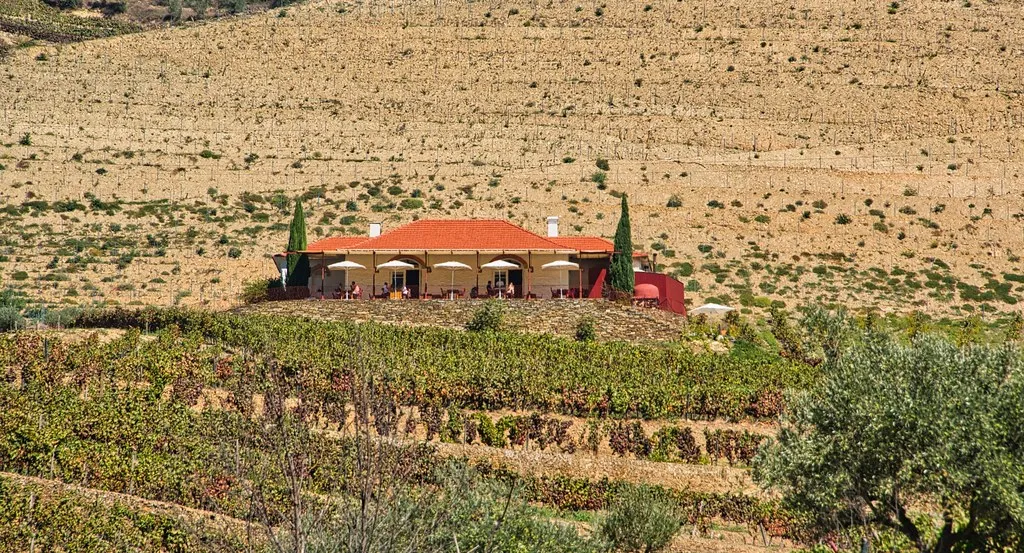
Summer (June–August) is peak season. Temperatures regularly reach 35–40°C in the valley, which can make outdoor touring uncomfortable in the middle of the day. If you visit in summer, plan winery tours for the morning and rest during the 13:00–16:00 heat. Accommodation prices are highest and rooms book out weeks in advance.
The harvest season from mid-September to mid-October is the most famous time to visit. Grape picking is largely done by hand, and many quintas welcome visitors to join the harvest or watch the traditional foot-treading (lagar) of grapes. Book everything — accommodation, winery tours, restaurant tables — at least two to three months ahead for harvest weekends. Late October and November cool down quickly, prices drop, and the vines turn amber and red for some of the best photography of the year.
Spring (April–May) is the best time for comfortable outdoor touring, with temperatures around 18–22°C and far fewer crowds than summer or harvest season. Late October also offers great conditions and lower prices once the harvest rush ends.
How to Get to the Douro Valley from Porto
Most travelers start their journey by taking the train from Porto's São Bento station. The Linha do Douro regional train runs along the river and reaches Peso da Régua in about 2 hours and Pinhão in roughly 2 hours 40 minutes. One-way tickets cost around €13–€16 depending on the class. Critically, only three to four trains per day serve Pinhão — the morning departure from Porto is typically around 08:45 or 09:10, arriving in Pinhão before noon. The last return train from Pinhão to Porto departs around 18:34. If you are doing a two-day trip and staying overnight, this timetable frees you from the evening deadline. Check the CP Douro Line schedule the week before travel because the timetable changes seasonally.
Renting a car provides the most flexibility for exploring remote viewpoints and smaller quintas that are not served by public transport. The drive from Porto takes about 90 minutes via the A4 motorway to Amarante, then the N101 toward Régua. Be prepared for narrow, winding roads once you leave the main motorway — some quinta access roads are single-lane and require reversing to pass oncoming traffic. Parking in central Pinhão is tight in summer, but there is a free parking area near the river below the station.
A popular alternative for a two-day trip is the boat and train combination. A number of operators run full-day cruises from Porto up the Douro, stopping at quintas along the way, with the return leg by train from Régua or Pinhão. This approach means you see the valley from the water on day one and can explore by road on day two. Most boat trips include a meal on board.
Day 1: Pinhão, River Views, and Your First Quintas
Catch the morning train from Porto São Bento, aiming to arrive in Pinhão by midday. The station itself is worth a few minutes: its facade is covered in 20th-century azulejo tile panels depicting scenes of the harvest and river life. From the station, walk down to the riverside in five minutes. The Douro here is wide and calm, flanked by terraced slopes rising steeply on both sides.
Book a one-hour rabelo boat cruise from the Pinhão dock, typically costing €15–€25 per person. These flat-bottomed boats were originally used to transport Port wine barrels from the upper valley down to Vila Nova de Gaia. The cruise gives you the valley from the water, which is a completely different perspective from the road. Most operators run boats hourly between 10:00 and 17:00, and you can usually buy tickets at the dock on the day.
After the cruise, head to a winery for the afternoon. Quinta das Carvalhas, visible on the hillside above Pinhão, offers tours and tastings for approximately €20–€30 per person. Quinta de la Rosa, a short drive east of the village, is family-run and known for its dry Douro reds alongside its Port. Most estates are open 10:00–17:30 but check individual quintas — some close on Mondays. End day one with dinner in Pinhão. The Rabelo restaurant near the waterfront serves honest regional cooking and a good selection of local wines by the glass.
Day 2: The N222, Viewpoints, and Régua
On your second day, renting a car — or hiring a local taxi for the day (around €80–€120) — unlocks the best the valley has to offer. The N222 between Peso da Régua and Pinhão is regularly cited as one of the most beautiful roads in the world. The drive takes about 30 minutes without stops but deserves two to three hours with frequent pull-ins at the miradores (viewpoints). The Casal de Loivos viewpoint, reached via a short detour north of Pinhão, sits 250 metres above the valley floor and delivers a panoramic shot that no other viewpoint in the valley matches.
Visit a boutique quinta for a late-morning tour. Quinta de Ventozelo, on the south bank between Régua and Pinhão, is a working estate with beautifully restored stone buildings, an olive press, and a small winery producing both Port and still wines. Tours here run approximately €25–€40 and typically last 90 minutes. Smaller quintas usually require appointments — book 48 hours ahead by email or phone.
Spend the final afternoon in Peso da Régua. The Museu do Douro on the riverfront provides excellent context on the valley's history, from phylloxera devastation in the 19th century through to the demarcated Port wine region that exists today. Admission is around €8–€12 and the museum is open until 18:00. If time allows, walk across the bridge for a view back toward Régua and the river before heading back to Porto.
What to Eat in the Douro Valley
The Douro's food culture is rooted in the same land that produces the wine. Bacalhau (salt cod) appears on almost every menu, prepared in dozens of ways — the most local version is bacalhau à lagareiro, baked with olive oil, potatoes, and garlic, named after the olive-oil pressers (lagareiros) who once worked the estates. Order it at least once. The olive oil in this region is some of the best in Portugal, cold-pressed from centuries-old trees growing between the vines.
Lamb from the Trás-os-Montes hills to the north features heavily in autumn and winter menus. Cabrito (kid goat) roasted in a wood oven is common at rural quintas. If you are visiting a quinta that offers a lunch, it will usually be a long table of shared dishes — bread, olives, charcuterie, a main, and cheese — paired with the estate's wines. These lunches typically cost €30–€50 per person and are worth every cent for the setting alone.
For wine pairing beyond Port: the Douro produces outstanding dry red wines from Touriga Nacional, Touriga Franca, and Tinta Roriz grapes. A glass of aged LBV (Late Bottled Vintage) Port alongside a wedge of local Serpa or aged Terrincho cheese is a combination that no competitor article bothers to call out — but it is the classic end to any meal in the valley. Many quintas sell their dry reds at cellar prices well below what you would pay in Porto or Lisbon.
Where to Stay: Best Bases for 2 Days
Choosing the right base shapes everything about your two-day trip. Pinhão is the most charming option for those who want to walk to the river and nearby wineries without a car. It is a small village with a handful of good accommodation options, a couple of restaurants, and the train station. Staying here removes the pressure of driving back to a city after evening wine tastings.
For a more luxurious experience, the Six Senses Douro Valley sits between Lamego and Régua and offers spa facilities, an infinity pool, and sweeping river views. It is one of the finest hotels in northern Portugal. Rates run from around €350–€600 per night depending on season. Peso da Régua is a larger working town with more budget-friendly hotel options and better train connections — useful if you are arriving without a car and want a central base.
Many quintas now offer on-site accommodation for a fully immersive stay. Quinta de la Rosa, Quinta do Crasto, and Quinta de Ventozelo all have guest rooms or cottages set among the vines. Prices range from €150–€400 per night depending on the estate and season. Breakfast is usually included. Always confirm whether the quinta has a restaurant for dinner or whether you will need to drive to the nearest village — some estates are genuinely remote.
What a 2-Day Douro Valley Trip Actually Costs
A realistic mid-range budget for two days in the valley, per person, breaks down as follows. Transport from Porto and back by train costs around €26–€32 return. One night in a mid-range quinta or hotel in Pinhão runs €120–€180 for a double room (split: €60–€90 per person). Two winery tours at roughly €25 each adds €50. A rabelo boat cruise is €20. Two dinners at local restaurants average €25–€35 per person each. The Museu do Douro entrance is €10. Add a lunch at a quinta (€35) and incidentals and you are looking at roughly €300–€380 per person for the two days excluding the cost of getting to Porto.
Budget travelers can trim significantly: skip the quinta lunch, choose a guesthouse in Régua over a quinta stay, and self-cater breakfast from the local padaria (bakery). Many estates allow you to walk their vineyard paths without a formal tour, and the train journey itself is one of the best viewpoints in the valley for free. Spending €180–€220 per person over two days is achievable without sacrificing the core experience.
Luxury travelers have no ceiling. The Six Senses alone starts at €350 per night. Add private boat charters (€200–€400), helicopter transfers, and Michelin-star dining, and a two-day itinerary can easily reach €1,500+ per person. The valley accommodates all budgets — the wine quality and the landscape are available to everyone regardless of spend.
| Expense | Budget (per person) | Mid-Range (per person) | Luxury (per person) |
|---|---|---|---|
| Train Porto ↔ valley (return) | €26–€32 | €26–€32 | Private transfer |
| Accommodation (1 night, per person) | €40–€60 | €60–€90 | €175–€300+ |
| Winery tours (×2) | €40–€50 | €50 | €80–€100 |
| Rabelo boat cruise | €15 | €20 | Private charter €200+ |
| Meals (2 dinners) | €20–€30 | €50–€70 | €100–€150 |
| Museu do Douro entry | €8 | €10 | €10 |
| Estimated total | €180–€220 | €300–€380 | €1,000–€1,500+ |
Practical Tips for First-Time Visitors
Book winery tours at least two weeks in advance, and three to four months ahead for harvest season in September and October. Popular estates like Quinta da Pacheca fill their tasting slots quickly and many do not accept walk-ins. If you are traveling during harvest, also book your accommodation and restaurant tables well in advance — the valley becomes genuinely busy on harvest weekends and rooms in Pinhão sell out fast.
Cash remains useful in the valley. Some smaller quintas and village restaurants are card-only in theory but have unreliable card terminals — always carry €50–€100 in cash. Pharmacies, petrol stations, and ATMs exist in Régua but are sparse in Pinhão and the surrounding villages. Fill up the tank before leaving the main road if you are driving into remote quinta territory.
Driving the N222 and the roads above Pinhão requires comfort with narrow lanes and no guardrail in several sections. If you are not a confident driver on mountain roads, hire a local driver or stick to the train-and-taxi combination. Taxis in Pinhão can be called via the local taxi association (ask your hotel) and a half-day hire costs roughly €60–€80. Sun protection matters more than you expect: at 35°C in an exposed vineyard with wine in your hand, sunburn arrives fast.
For a shorter visit of just one day, focus exclusively on the Pinhão area: train in the morning, boat cruise, one winery, and the train back. The valley rewards a slower pace, but one focused day is far better than none.
The N222 and roads above Pinhão have narrow lanes with no guardrail in several sections. If you are not comfortable driving mountain roads, hire a local driver or use the train-and-taxi combination — a half-day taxi hire costs roughly €60–€80.
Frequently Asked Questions
Is 2 days enough for the Douro Valley?
Yes, two days is the perfect amount of time for a first visit. You can enjoy a river cruise, visit three wineries, and see the major viewpoints. It allows for a relaxed pace without rushing back to Porto.
Can you visit the Douro Valley by train?
You can easily reach the valley by train from Porto's São Bento station. The Linha do Douro offers stunning views as it hugs the riverbank. It is the best option for those who want to avoid driving.
What are the best wineries to visit in 2 days?
Quinta das Carvalhas and Quinta da Roêda are excellent choices in Pinhão. For a boutique experience, try Quinta de la Rosa. These estates offer a great mix of history, views, and high-quality Port wine.
A douro valley 2 day itinerary offers a perfect escape into Portugal's wine heartland. By balancing river activities with winery visits, good food, and the right base, you experience the best the region has to offer. Book the big pieces — accommodation, winery tours, any harvest-season visits — well in advance, and leave the rest to chance. The terraced hills are waiting.
Whether you travel by train, rent a car, or arrive by boat, the valley rewards you with scenery that earns its UNESCO status at every turn. Enjoy every sip of Port alongside the local food, and take an extra hour at whichever viewpoint makes you stop the car. Some of the best moments here cost nothing at all.
Use our Douro Valley tourism attractions hub to plan the rest of your trip.