8 Tips for Driving From Porto To Douro Valley
Master the drive from Porto to the Douro Valley. Compare the scenic N222 vs. fast routes, find the best stops, and get practical tips on tolls and safety.
On this page
8 Tips for a 2-Day Drive From Porto To Douro Valley
Driving from Porto to the Douro Valley is the ultimate way to experience Portugal's wine heartland. I built this guide after my fourth visit to the region's terraced hills. It is ideal for first-time visitors who want freedom and flexibility. It covers the best routes, key stops, and the practical details that trip reports usually skip.
Many travelers struggle to choose between the train and a rental car. While the train is scenic, driving from Porto to Douro Valley unlocks remote viewpoints and small villages that tour buses cannot reach. This guide will help you navigate the winding roads without the usual stress.
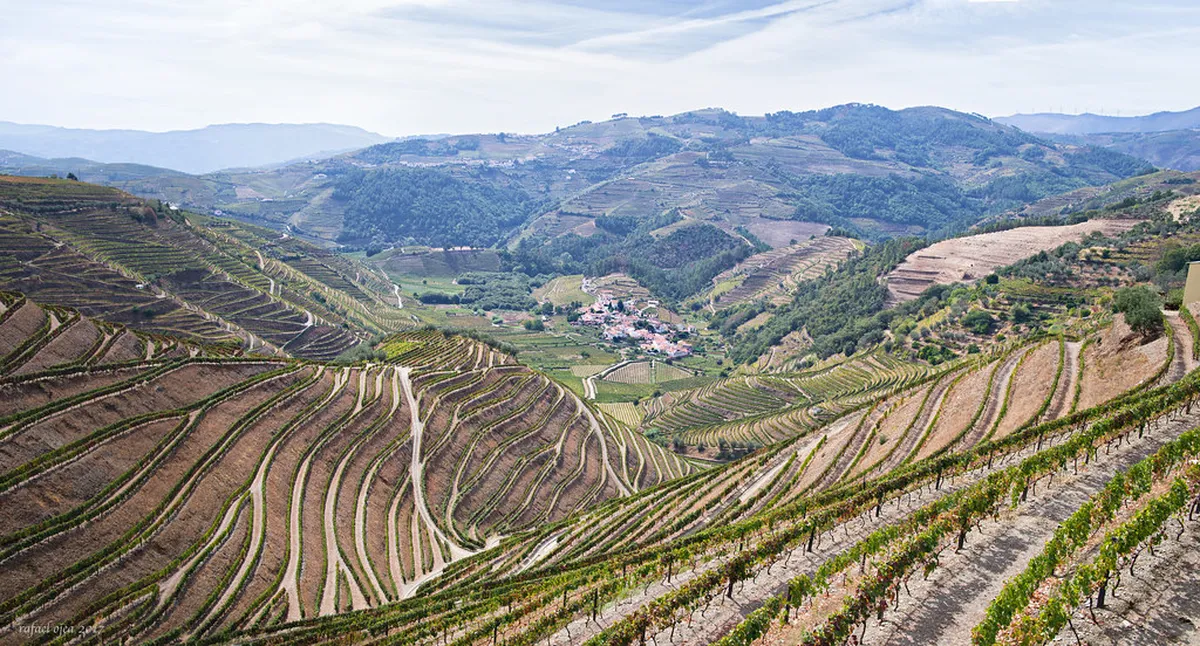
The Douro Valley is a UNESCO World Heritage site and the oldest demarcated wine region in the world. Expect steep slopes, ancient quintas, and the shimmering Douro River. Here is how to master this iconic Portuguese road trip in 2026.
How Far Is Porto to Douro Valley? Distance and Drive Time
Porto to Peso da Régua is approximately 120 km by the fastest route (A4 motorway to A24). In light traffic you can cover that in about 1 hour 30 minutes. Porto to Pinhão — the scenic heart of the valley — is roughly 155 km and takes around 2 hours on the motorway. Add 30–45 minutes if you take the N222 riverside stretch for the final leg.
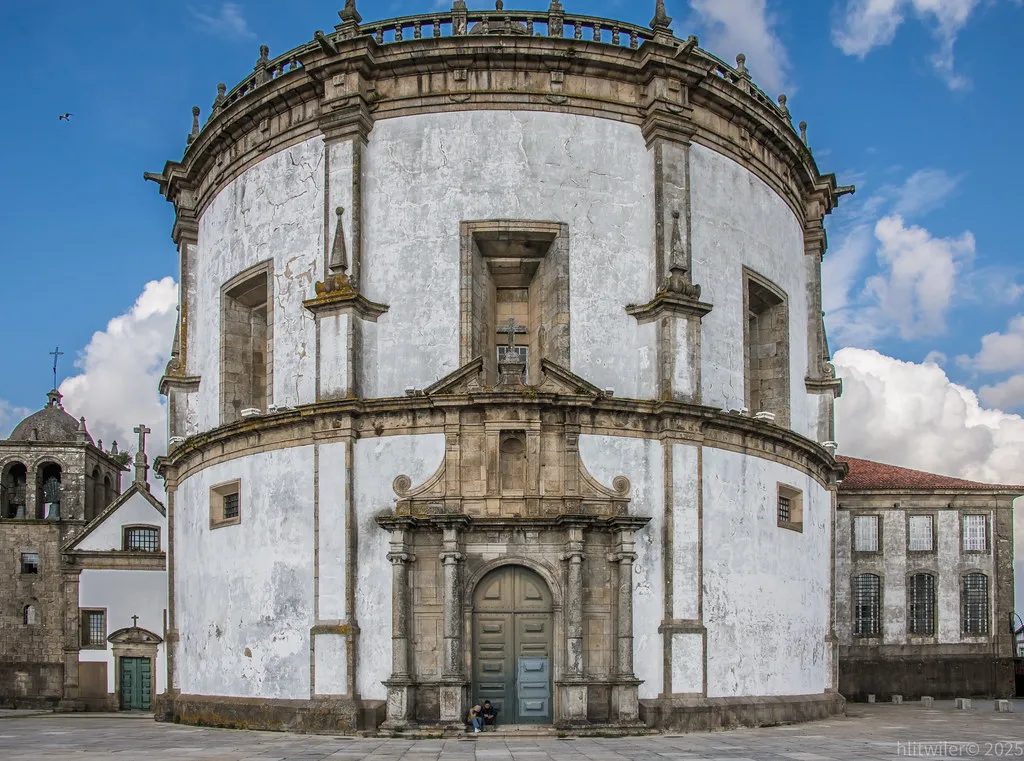
Via the scenic N222 from start to finish the journey stretches to nearer 175 km and 2 hours 45 minutes under ideal conditions. That figure assumes no stops. Realistically, plan for 4 hours of total drive time across the day once you factor in viewpoints, a coffee stop in Amarante, and a slow crawl through the riverside villages.
One nuance: Google Maps sometimes routes you via the N322 north of Pinhão rather than following the river. This is because the N222 narrows to near-single-lane width east of Pinhão village and Maps flags it as slower. If you want the full riverside experience, lock in the N222 on your map before you leave — do not rely on the default route suggestion.
Choosing Your Route: Scenic N222 vs. Fast Motorways
The A4 motorway is the most efficient way to reach the valley. It takes about 90 minutes to reach Régua from central Porto. You will pay several tolls but the road is modern and safe. This route is best for those with limited time or who feel uncomfortable on mountain roads.
The N222 is often called one of the most beautiful roads in the world. It stretches from Peso da Régua to Pinhão along the southern river bank. The road follows the water so closely that in places the vines grow right down to the tarmac edge. Check out 10 Best Douro Valley Tourism Attractions along this specific stretch for the stops worth building your day around.
For a different perspective, try the N322 north of Pinhão. This road climbs higher into the hills for panoramic valley views. It is much quieter than the N222 and feels more authentic. You will pass through small hamlets where time seems to stand still.
My recommended split: take the A4 out and the N222 for the return. This combination gives you both speed in the morning and scenery on the way home. Be prepared for hairpin turns on the smaller regional roads. Download offline maps before leaving Porto in case signal drops in the valley.
Best Time to Drive: Season and Time of Day
Harvest season — mid-September through mid-October — is the most dramatic time to visit. The terraces turn shades of amber and red, the quintas are in full production, and the valley smells of fermenting grape skins. It is also the busiest period. Book accommodation and winery tours at least four to six weeks ahead if you are traveling in this window.
Late spring (May and June) is the sweet spot for drivers. The vines are vivid green, temperatures sit in the low-to-mid 20s Celsius, and the roads are noticeably quieter than in August. Avoid the peak of summer heat (July and August) if you can — the valley can reach 40°C and driving the unshaded N222 in the afternoon is genuinely unpleasant.
Time of day matters more than most guides admit. The N222 runs roughly east to west between Régua and Pinhão. West-facing bends photograph better in the late afternoon when the sun is behind you as you drive east. If you are heading from Porto toward Pinhão in the morning, the best light is on your way back. Plan your scenic drive west (Pinhão toward Régua) in the 16:00–18:00 window for the richest shots without squinting into the sun.
Harvest season (mid-September to mid-October) is the most dramatic time to visit, but it is also the busiest. Book accommodation and winery tours at least four to six weeks ahead if you are travelling during this window.
Top Stops and Viewpoints Along the N222
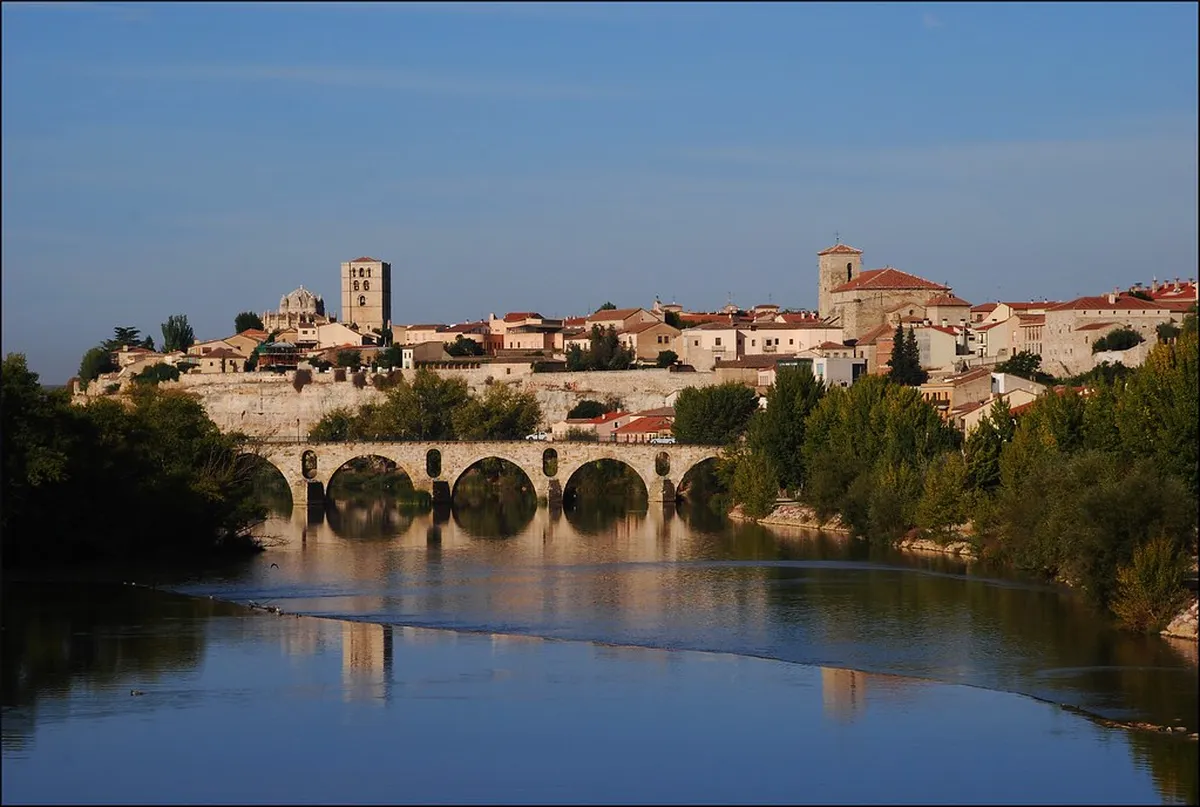
Amarante is the natural first stop, about 60 km east of Porto on the A4. The town sits above a granite bridge over the Tâmega River and has excellent cafés along the riverside promenade. Spend 30–45 minutes here for coffee and pastry before heading deeper into the valley. Most shops open by 09:00.
Miradouro de São Leonardo de Galafura is one of the finest viewpoints in the entire valley. Located above Régua off the N226, it overlooks a wide sweep of terraced vines and the river below. There is a small car park and the walk to the viewing platform takes under five minutes. This is the shot most Douro Valley travel photographers use as their hero image. For comprehensive regional tourism information, check the official Douro Valley guide.
In Pinhão itself, the train station's azulejo tile panels are worth a 15-minute stop even if you are not catching a train. The blue-and-white panels depict traditional grape harvest scenes and are some of the finest tilework outside Lisbon. Parking in the station lot is free and rarely full before 10:30.
East of Pinhão, the Miradouro do Casal de Loivos sits at roughly 500 m altitude and delivers a near-360-degree view over the valley's deepest bend. The road up is narrow but paved. Allow 20 minutes each way from Pinhão town and go before 11:00 to avoid tour coaches. This viewpoint appears on fewer tourist itineraries than it deserves.
A Suggested 2-Day Driving Itinerary
This Douro Valley 2-day itinerary starts with a drive toward Amarante. Stop for coffee before continuing to Peso da Régua, where the Museu do Douro provides excellent context on the region's wine history. Admission runs around €8–€12 and the museum opens daily until 18:00. If you only have 10 Essential Tips for One Day in Douro Valley: The Ultimate Itinerary, concentrate on the Régua–Pinhão corridor.
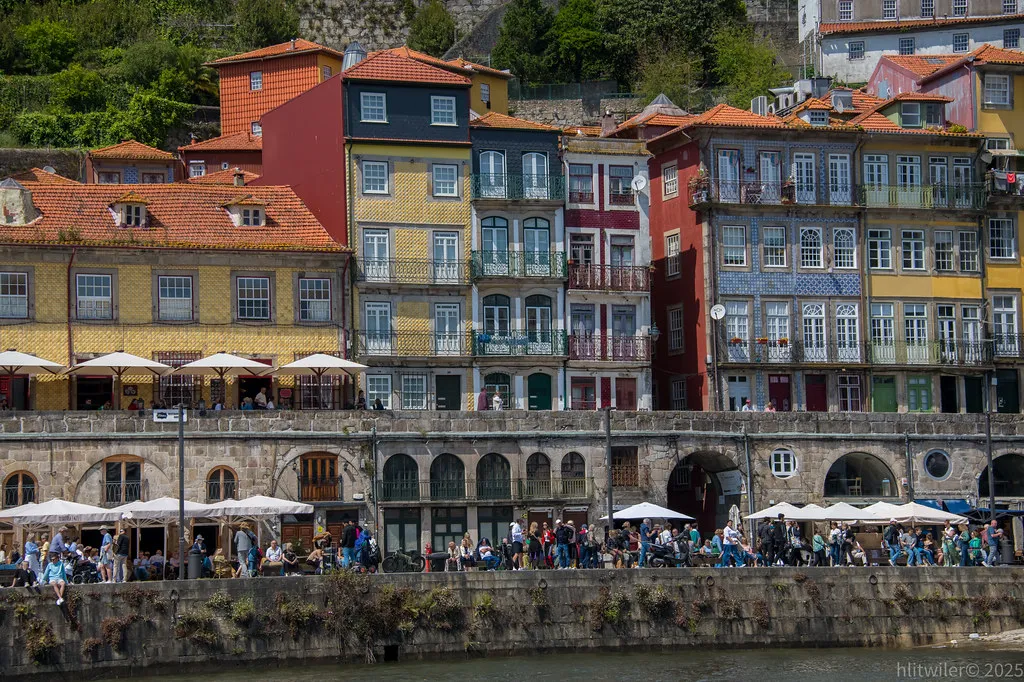
On day two, drive the N222 west to east (Régua to Pinhão) in the morning for a leisurely pace, then reverse the direction in the late afternoon for the best light on the return. Parking in Pinhão is tight — aim for the station lot or confirm your quinta has space. Book a winery tour for early afternoon, around 14:00, to avoid the midday rush.
Finish with a visit to a local quinta for tasting. Expect to pay €25–€50 for a guided tour and wine flight. Most quintas require advance booking and close by 17:30 or 18:00. I recommend the return to Porto via the A4 for a straightforward 90-minute drive without road fatigue.
- Day 1: Gateway to the vines — Amarante (09:00–10:00), Régua Museu do Douro (11:30–13:30), riverside lunch, Miradouro de São Leonardo de Galafura (15:00–16:00), overnight in Régua or a quinta
- Day 2: Deep valley immersion — N222 drive Régua to Pinhão (09:30–11:00), Pinhão station tiles, Miradouro do Casal de Loivos (11:30–12:30), quinta tour (14:00–16:00), return via A4 by 18:00
Is Driving From Porto to Douro Valley Safe?
Safety is a common concern for international drivers in Portugal. The main motorways like the A4 are excellent and well-maintained. However, the regional roads can be narrow and steep. The N222 demands concentration — keep both hands on the wheel and resist the temptation to glance at the view mid-bend. Portugal has strict enforcement through average speed cameras on major routes, so observe posted speed limits carefully.
Local drivers often move quickly and may overtake on tight bends. Stay calm and keep to your side of the white line. The roads lack shoulders in many sections, so there is little margin for error. Driving during daylight hours significantly reduces stress and keeps you safer on unfamiliar roads.
Watch out for large tour buses on the narrowest valley sections. They often need both lanes to navigate the sharpest corners. If you feel uncomfortable, simply pull over at a designated viewpoint and let them pass. The views are better when you are not white-knuckling the wheel.
Avoid driving after wine tastings. Portugal's legal blood alcohol limit is 0.5 g/L (stricter than the UK at 0.8 g/L). Most quintas offer a spittoon or very small pours for designated drivers. Appoint your driver before the day starts — a decision made at the first tasting rarely ends well.
Portugal's blood alcohol limit is 0.5 g/L — lower than in the UK and many other countries. Appoint a designated driver before the day's tastings begin, as most quintas close by 17:30–18:00 and the N222 demands full concentration after dark.
Practical Logistics: Tolls, Parking, and Car Rentals
Renting a car in Porto is straightforward at the airport or downtown. A small or mid-sized car is best for the narrow valley roads — anything longer than a standard hatchback becomes awkward on the N222's tightest bends. Automatic transmission is worth the extra €5–€10 per day on this terrain; the constant gear changes on the hills are tiring in a manual.
Portugal uses an electronic toll system called Via Verde. Most rental companies include a Via Verde transponder, but confirm this before you sign. If your rental does not have one, request it — paying at manual booths adds time and some stretches of the A4 are electronic-only with no cash option. Expect to pay around €12–€20 in tolls for a round trip Porto to Régua and back. For detailed information about all payment options for foreign vehicles, visit the official Portuguese toll authority. Keep your rental agreement handy: Portuguese police occasionally check documents at pull-ins near the valley.
Parking in Pinhão is notoriously difficult in high season. The small riverside lots fill up by 10:30 most days. Park at your quinta if they permit early arrival, or use the station lot off the main road. Régua has a larger paid car park near the train station that rarely fills up completely. If you prefer not to drive, the 8 Key Things to Know about the Porto to Douro Valley Train is a genuinely beautiful alternative for part of the journey.
Book in Advance: Essential Douro Reservations
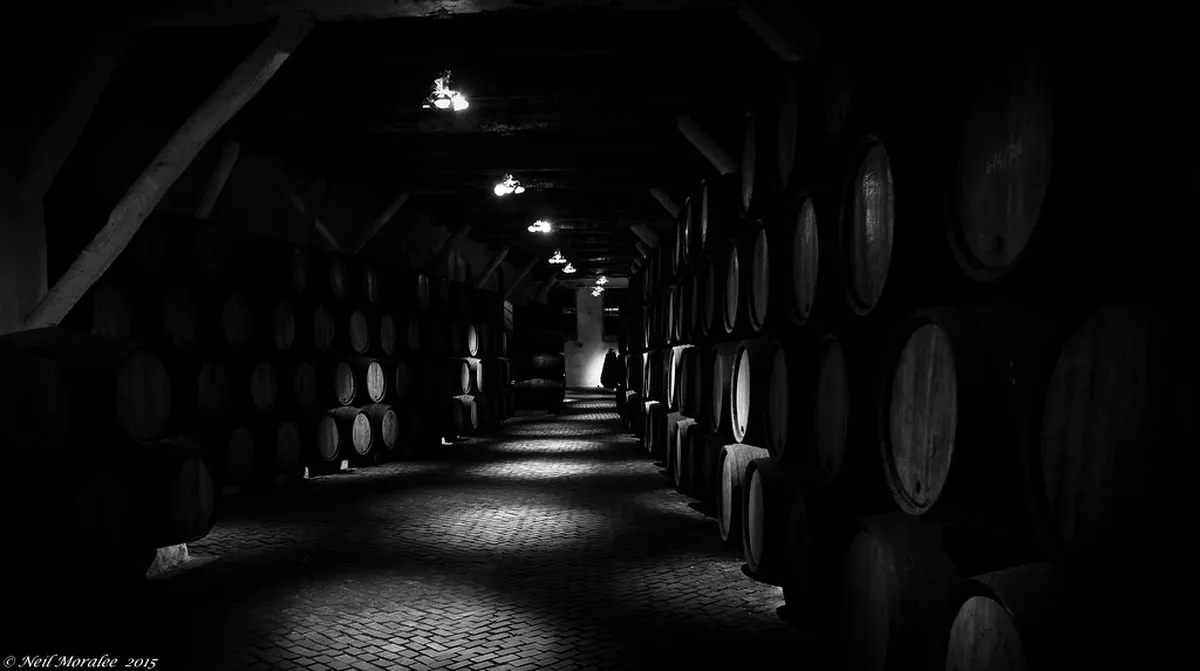
The Douro Valley has become enormously popular and spontaneous walk-ins at top wineries are now rare in summer. Book winery tours at least two to four weeks ahead in May and June; six weeks or more during harvest (September–October). Quinta da Roêda and Quinta do Bomfim are top choices near Pinhão and sell out their afternoon slots quickly during harvest.
Sandeman's Quinta do Seixo requires booking about a month in advance for the premium tour formats. Most booking portals are available directly on the winery websites. River cruises — including the traditional rabelo boat trips — benefit from at least 48 hours notice. The 11:00 AM slot generally offers the best photography light on the water.
Accommodation in the valley itself books out fast. Quintas that offer rooms (such as Quinta da Pacheca or Quinta do Crasto) often sell out months ahead for harvest weekends. If you cannot secure a quinta stay, Peso da Régua has several hotels near the waterfront that are more reliably available. Lamego, a 15-minute drive from Régua, is another solid base with more accommodation options at lower prices.
Add an Extra Day: Exploring the Alto Douro
If you have more time, head further east toward the Spanish border. The Alto Douro region is more rugged and far less visited. You will find the Foz Côa Archaeological Park in this remote area, featuring Paleolithic rock art that is tens of thousands of years old. Tours of the rock art sites must be booked several days ahead and are well worth the effort.
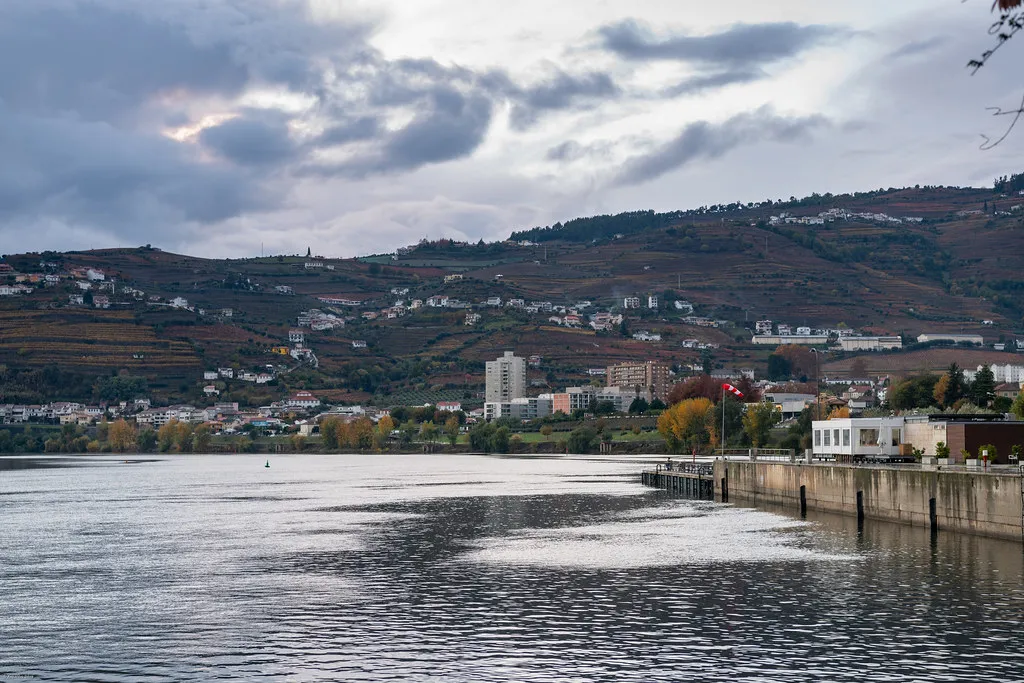
The drive to Foz Côa takes about an hour from Pinhão. The landscape shifts from lush terraced vines to a drier, rockier terrain. Visit the museum before the outdoor sites — it provides essential context and the guided tour map. There is no charge to enter the park grounds, but the guided site tours cost around €8–€15 per person.
Another excellent extension is Lamego. It is famous for the Sanctuary of Our Lady of Remedies and the grand zig-zagging baroque staircase that climbs 686 steps to the hilltop church. Lamego is only a 15-minute drive from Peso da Régua. The town also produces its own sparkling wine (espumante) and has good local restaurants along the main square — a welcome contrast to the valley's port-heavy wine focus.
Frequently Asked Questions
Is driving from Porto to Douro Valley difficult?
Driving is manageable if you stick to the A4 motorway. The regional roads like the N222 are narrow and winding, which requires focus. I recommend a small car for easier navigation through the tight village streets.
How much do tolls cost from Porto to Régua?
Tolls typically cost between $10 and $15 each way on the A4. Most rental cars include a transponder for automatic payment. You can find more details on Porto to Douro Valley: 10 Essential Tips and Transport Options logistics in our main guide.
Driving from Porto to the Douro Valley offers a sense of adventure that no train or tour bus can match. You can discover hidden viewpoints and quiet villages at your own pace. While the roads are winding, the rewards are world-class vistas and memories that stay with you. I hope this guide helps you plan a safe and memorable trip in 2026.
Remember to book wineries early, drive with extra caution on the N222, and check the time of day for the best photography light. The valley is waiting to show you its ancient, terraced beauty. Pack your camera and prepare for one of Europe's best road trips. Safe travels as you explore the heart of Portuguese wine country.