9 Best Cooking Classes in Porto (2025)
Discover the best cooking class in Porto. Compare Pastel de Nata workshops, Bolhão Market tours, and private home cooking with local chefs in 2025.
On this page
9 Best Cooking Classes in Porto
Standing at a flour-dusted table in a Porto kitchen, folding custard tart dough alongside a local chef, tells you more about this city than any museum can. Northern Portugal has one of Europe's most distinct culinary identities, shaped by the Atlantic, the Douro River, and centuries of convent cooking. A well-chosen cooking class puts all of that into your hands — literally.
This guide covers nine of the best cooking class options in Porto for 2026, from quick two-hour pastry workshops near the Sé Cathedral to full-day market-to-table experiences and Douro Valley winery sessions. Prices, booking links, and practical logistics are included for each. Many classes sell out weeks ahead during June through September, so early booking matters.
Porto's food scene blends ancient conventual recipes with modern sustainable techniques. The best classes here use ingredients sourced from the historic Bolhão Market and focus on dishes that are genuinely local — not a generic "Mediterranean" greatest-hits menu.
What Dishes Porto Cooking Classes Actually Teach
Most Porto cooking classes center on three dish categories: pastry (primarily Pastel de Nata), bacalhau (salt cod in its many preparations), and seafood stews. Understanding which dishes a class covers is the most important factor in choosing the right one. A pastry-only workshop lasts about two hours; a full bacalhau-and-sides session runs four to five hours.
The iconic Pastel de Nata custard tart dominates the short-format workshops. You will learn to make and roll the laminated puff pastry, mix the egg-and-cream custard filling, and bake the tarts at high heat until the tops are genuinely burnt in patches — that char is not a mistake, it is the marker of an authentic tart. Longer classes add Caldo Verde (the kale and chorizo soup), Arroz de Pato (duck rice), or Arroz de Marisco (seafood rice built on a slow shellfish stock).
One dish that almost never appears in mainstream class listings but defines Porto more than anything else is Tripas à Moda do Porto — slow-braised tripe with white beans and chouriço. Portuenses are nicknamed "tripeiros" (tripe eaters) because of a historical episode: the city's population donated their best cuts of meat to supply a 15th-century naval fleet and kept only the offal for themselves. A handful of private home cooking sessions and one or two specialty workshops do teach it if you request it during booking. If you want to cook the dish that literally gave Porto its people their nickname, it is worth asking specifically when you enquire.
For travelers with dietary restrictions, vegan workshops in the Cedofeita neighborhood reimagine Caldo Verde and even bacalhau-style dishes using plant-based substitutes. The vegan "bacalhau" made from hearts of palm is a credible alternative. Gluten-free adaptations are available at several studios but must be flagged at the time of booking — not on the day.
9 Best Cooking Classes in Porto (2026)
The culinary landscape in Porto ranges from humble home kitchens to high-end professional studios. These nine experiences were selected based on authenticity, quality of instruction, and use of regional ingredients. Each is a distinct format — compare them by duration, price, and dish focus rather than treating them as interchangeable.
Selecting the right food tour or cooking experience in Porto depends on your interest in specific dishes. Some workshops focus entirely on the science of pastry, while others take you through the bustling aisles of the Bolhão Market before cooking. Most sessions include a full shared meal and wine or Port pairings, which makes them strong value for a half-day activity.
- Traditional Porto Home Cooking with a Professional Chef
- This intimate private experience takes you into a local home to prepare a full three-course Portuguese meal.
- Booking via Traveling Spoon connects you with hosts who share family stories alongside culinary techniques.
- Sessions cost between €75 and €110 per person and are available by appointment in residential Porto neighborhoods.
- Reach the location via Metro to the Marquês area for a genuinely local feel outside the tourist center.
- Ask your host whether they can include Tripas à Moda do Porto — several hosts on this platform will adapt the menu on request.
- Domus Arte Pastel de Nata Workshop near the Sé
- Located in the historic center, this workshop focuses on the Portuguese custard tart from laminated dough to the final high-heat bake.
- You can book this iconic pastry experience through Domus Arte for a hands-on lesson in puff pastry folding.
- Classes cost around €28 to €42 per person for a two-hour session, running daily from 10:00 to 18:00.
- The studio is a five-minute walk from São Bento train station, easy to reach from anywhere in central Porto.
- The instructor explains why the tarts bake at 250–300°C and what the dark surface spots actually indicate about the custard inside.
- Bolhão Market Tour and Seasonal Cooking Class
- This experience begins with a guided walk through the iron-clad aisles of the renovated Bolhão Market, followed by a cooking session using what you selected.
- Morning sessions start at 09:00 and cost approximately €65 to €100, including the market tour and subsequent cooking and meal.
- The market sits directly above the Bolhão Metro stop on the Yellow Line; the walk to the cooking kitchen is under ten minutes.
- You will learn how to identify the freshest salt cod and how to read the quality of seasonal Atlantic fish at a glance.
- Your guide will introduce you to specific vendors — a good moment to ask about local cheese varieties and tinned fish to take home.
- Oh My Porto Authentic Pastry Session
- This highly-rated class covers the technical aspects of Portuguese dough lamination and custard filling in detail.
- The instructors at Oh My Porto include the monastic history of the recipe — it originated with the Jerónimos Monastery monks in Lisbon's Belém district in the early 1800s.
- Prices range from €32 to €48 per person, with afternoon slots available most days.
- Located in the Baixa district, surrounded by independent boutiques and easy to combine with a walking tour of the city center.
- Classes are capped at twelve participants, which keeps the instructor-to-student ratio personal enough for real feedback.
- Petiscos and Port Wine Pairing Workshop
- Learn to prepare a variety of petiscos (small sharing plates) while the instructor guides you through the differences between Ruby, Tawny, and White Port styles.
- This session suits travelers who prefer grazing across multiple dishes rather than producing one large main course.
- Evening classes run from 18:00 to 21:00 and cost between €55 and €85 per person.
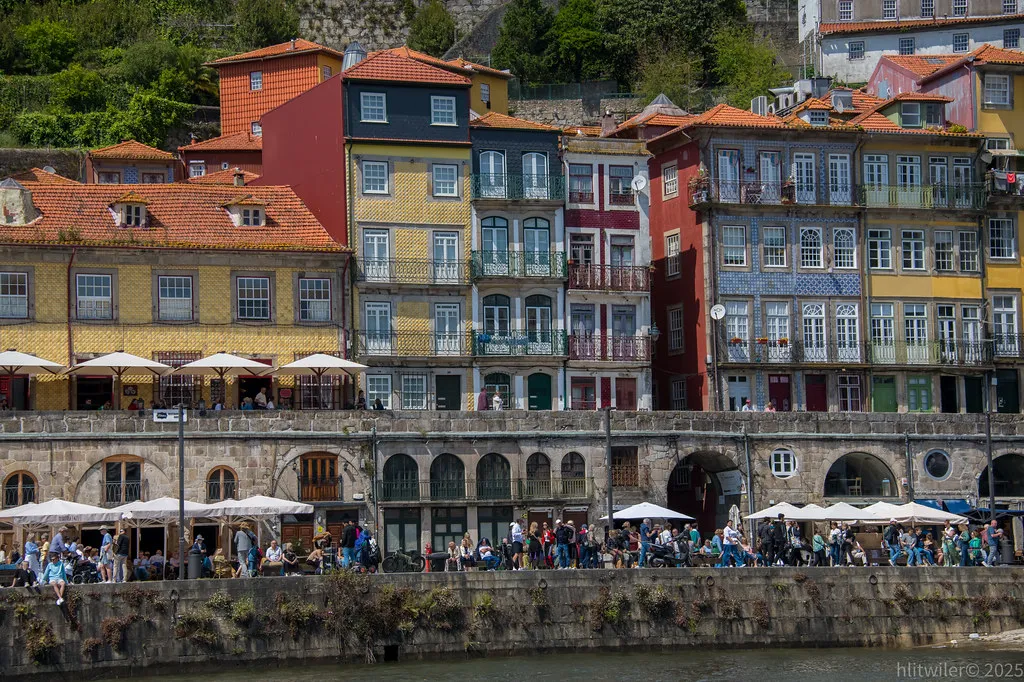
- Many of these workshops are held in the Ribeira district, walkable along the riverfront from the Dom Luís I Bridge.
- You will make a White Port and tonic as the opening drink — the standard aperitif in Porto, often overlooked by visitors who default to red wine.
- Vegan Portuguese Cooking Workshop in Cedofeita
- Traditional Portuguese cooking is heavy on meat and fish, but this class reimagines classics — Caldo Verde, pataniscas, and rice dishes — using plant-based ingredients.
- It is the most practical option for travelers with dietary restrictions who want authentic local flavors rather than a generic salad.
- Weekend and evening sessions typically cost €50 to €75 per adult; weekday slots are occasionally available at a slight discount.
- Cedofeita is the city's artsy hub, reachable by a pleasant walk from the Crystal Palace gardens or via the Blue Line Metro.
- The vegan "bacalhau" made from hearts of palm in a tomato and olive oil base is a credible stand-in that even non-vegans find convincing.
- Douro Valley Vineyard Cooking Experience
- Escape the city for a full day to cook among the terraced quintas where Port wine grapes are grown, using wood-fire techniques and produce sourced from the estate.
- This experience combines a winery tour with a rustic outdoor cooking session focused on roasted meats, bread, and bean dishes.
- Prices run €110 to €170 per person, typically including return transport from Porto and the full day's activities.
- Trains from São Bento to Pinhão take about two hours and offer some of the most scenic rail views in Europe — the Douro line hugs the river the entire way.
- Check weather before booking: the most compelling parts of this experience happen outdoors on the schist terraces.
- Matosinhos Seafood and Fish Market Class
- Head to the Atlantic coast to learn about the variety of fish that arrives daily at Matosinhos harbor, then cook it over charcoal in the traditional style.
- You will learn how to clean, prep, and grill fish, and how to build the shellfish stock that forms the base of Arroz de Marisco.
- Morning sessions from Tuesday to Saturday cost roughly €70 to €100 and align with peak market activity.
- Take the Blue Line Metro to Matosinhos Sul and walk toward the smell of the sea and charcoal grills — the route is direct and about ten minutes on foot.
- The seafood rice is the star dish here; pay close attention to the stock-making process, because that base is where all the flavor comes from.
- Conventual Sweets and Historic Dessert Workshop
- Discover the egg-yolk-rich desserts historically made by nuns in Portugal's convents — Toucinho do Céu (almond and egg cake), Papos de Anjo (angel's double chins), and Ovos Moles.
- This class focuses on recipes rarely taught in standard workshops and explains why convents became dessert production hubs after the Liberal revolution of the 1820s expelled religious orders.
- Prices are generally €42 to €68, with sessions held in the afternoon from 14:00 to 17:00.
- Most studios are in the historic center, within walking distance of the Clérigos Tower.
- These desserts are intensely sweet and best paired with a strong Portuguese espresso (uma bica) immediately after the class.
What to Expect: Logistics and What to Bring
Most classes provide aprons, all ingredients, printed recipe cards, and the shared meal at the end. A few add a small digital recipe booklet by email. What you need to bring is minimal: closed-toe shoes (especially for market-to-table sessions where floors can be wet near the seafood stalls), and optionally a small reusable bag if you plan to buy extra spices or tinned fish at the Bolhão Market before cooking.
It is generally better to arrive hungry. Almost every class ends with participants eating the food they just made, often with wine or Port included in the price. Eating a full meal beforehand wastes the best part. If the class starts at 09:00 or 10:00, a light coffee and pastry is fine — anything heavier will slow you down when the cooking gets physical.
Cancellation policies vary. Most reputable studios offer a full refund if you cancel more than 48 hours in advance. Private home-cooking sessions booked through platforms like Traveling Spoon typically require 72 hours' notice. Always check the specific policy before paying, and read recent reviews to confirm the class is still operating — some smaller studios list on multiple platforms but have not updated availability in months.
For group bookings of six or more, contact studios directly rather than booking through third-party platforms. You will often get a better per-person rate, can request menu customization, and can confirm dietary accommodations more reliably. Studios usually ask for a deposit of 30–50% to hold the date.
Most reputable studios offer a full refund if you cancel more than 48 hours in advance; private home-cooking sessions typically require 72 hours' notice. Always arrive hungry — nearly every class ends with participants eating the dishes they just cooked, often with wine or Port included in the price.
Price Comparison: What Each Format Costs in 2026
Pastry-only workshops are the most affordable entry point, typically running €28 to €50 per person for a two-hour session. They are ideal if your schedule is tight or if you are already attending a Douro Valley wine tour the same day and need something shorter in the city.
Mid-range classes — market tours, petiscos pairings, and seafood sessions — cluster between €55 and €105. These run three to four hours and include a full shared meal. The price difference between the lower and upper end of this range usually reflects group size: smaller groups cost more per head, but you get proportionally more instructor attention. For most solo travelers and couples, the mid-range sweet spot is around €70 to €85.
Full-day experiences, particularly the Douro Valley vineyard cooking day and extended private home sessions, run €110 to €180. These include transport, a winery or estate visit, and multiple cooking segments over the course of a day. They represent the strongest all-in value if you compare the total cost against booking a vineyard tour, a restaurant dinner, and a cooking class separately.
For solo travelers and couples, the mid-range sweet spot sits around €70–€85 per person, covering a three-to-four-hour session with a full shared meal included. Pastry-only workshops start as low as €28 — a practical option if you already have a half-day Douro Valley wine tour booked on the same day.
What to Skip: Overrated Culinary Tourist Traps
Avoid "express" 30-minute pastry workshops that use pre-made, frozen dough shells. You miss the most important and educational part of the process — the lamination that creates the flaky layers. If the class description does not mention making the pastry from scratch, it is almost certainly using pre-formed cups.
Be cautious of large group tours that combine a city walk with a cooking "demonstration" rather than hands-on participation. If you are not the one seasoning the fish or folding the dough, the skill does not transfer. Check recent reviews to confirm the listed chef actually leads the session rather than delegating to an assistant once the class starts.
Skip any class that cannot tell you the specific origin of its ingredients or wine pairings. Porto's culinary identity is rooted in regionality — the Douro Valley olive oil, the Atlantic fish, the chouriço from Trás-os-Montes. A vague "Portuguese-inspired" menu is a reliable sign that the class is designed for throughput, not education.
How to Choose Between Private and Group Workshops
Private classes offer total customization: you set the menu focus, adjust for allergies without negotiation, and can ask the host to cover a specific dish like Tripas à Moda do Porto or Arroz de Pato that group classes rarely include. They suit couples on a honeymoon, families with young children, or anyone who finds large group settings draining.
Group workshops are more affordable and carry a social energy that many solo travelers specifically want. You will likely share wine with people from several different countries by the time the meal is served. Professional studio kitchens also tend to have better equipment than private homes — induction ranges, proper pastry marble, commercial mixers — which matters for technical classes like laminated dough.
Regardless of format, keep the class size to twelve or fewer. Anything larger makes personal attention from the instructor difficult during the steps that actually require technique, such as the custard temperature check or the fish-gutting demonstration. A smaller group also means everyone gets to cook every stage of the recipe rather than watching half of it.
Frequently Asked Questions
What is the best cooking class in Porto for beginners?
The Pastel de Nata workshops at Domus Arte or Oh My Porto are perfect for beginners. They focus on a single iconic recipe with clear, step-by-step instructions. You will finish with a tangible, delicious result in just two hours.
Are there vegan Pastel de Nata classes in Porto?
Yes, several specialized studios in the Cedofeita district offer plant-based pastry workshops. These classes use coconut or almond-based custards and vegan-friendly puff pastry. It is best to book these at least a week in advance.
How long does a typical Porto cooking class last?
Most workshops last between three and five hours depending on the menu complexity. Pastry-only classes are shorter, while market-to-table experiences take longer due to the shopping component. Always allow extra time for the final meal.
A cooking class in Porto is one of the most practical ways to understand the city — you leave knowing why the tart has those dark spots, why tripe defined the city's identity, and how to recreate a decent Caldo Verde at home. The skills and the stories travel better than most souvenirs.
For more ideas on planning your time in Northern Portugal, visit Portugal Wander for local insights and travel tips. Book your class early, wear shoes you don't mind getting flour on, and arrive hungry.
Combine this with our main Douro Valley attractions guide for a fuller itinerary.
For related Douro Valley guides, see our Food Tour Porto Travel Guide and 7 Best Pastel de Nata Cooking Classes in Porto articles.