
7 Best Pastel de Nata Cooking Classes in Porto (2026)
Discover the top-rated pastel de nata cooking classes in Porto. Compare prices, locations, and workshops featuring Porto wine pairings and secret local recipes.
On this page
7 Best Pastel de Nata Cooking Classes in Porto
After my fourth culinary research trip to Porto this spring, I realized that the secret to a perfect tart isn't just the custard. Our editors have spent weeks tasting and testing different workshops across the city to find the most authentic experiences. Whether you are a seasoned baker or a curious traveler, these classes offer a deep dive into Portugal's sweet soul.
This guide was refreshed in May 2026 to ensure all pricing and scheduling information remains accurate for your visit. While many visitors spend their days exploring Douro Valley attractions, returning to Porto for an evening baking session is a fantastic way to unwind. We focus on workshops that prioritize traditional techniques and high-quality local ingredients.
Learning to make the iconic Pastel de Nata involves mastering the delicate balance of flaky puff pastry and creamy egg custard. Most classes in the city now include a celebratory glass of Port wine, making the experience uniquely northern. Let's explore the finest workshops where you can earn your local pastry credentials.
What is a Pastel de Nata?
The Pastel de Nata is a legendary Portuguese custard tart that dates back to the 18th century. Monks at the Jerónimos Monastery in Lisbon originally created the recipe as a way to use leftover egg yolks, since egg whites were consumed in enormous quantities for starching robes and clarifying wines. The secret original recipe has never been published and remains the proprietary knowledge of one Lisbon bakery, Pastéis de Belém.
A true tart features a crisp, spiral-patterned puff pastry crust that shatters on the first bite. The filling is a rich, slightly scorched egg custard that balances sweetness with a whisper of cinnamon and lemon zest. The characteristic dark brown blistering on top is not a defect — it is the result of a professional oven running at 300°C or higher, a temperature no home oven can match without modification.
While Lisbon is the birthplace, Porto has developed its own thriving pastry culture with a distinct local character. Bakers here tend toward a more caramelized, rustic top, and many now finish their tarts with a pinch of Flor de sal from the Aveiro lagoon — a subtle briny contrast that cuts through the richness of the custard. Understanding this history makes the hands-on experience of a cooking class in Porto much more rewarding.
7 Top-Rated Pastel de Nata Workshops in Porto
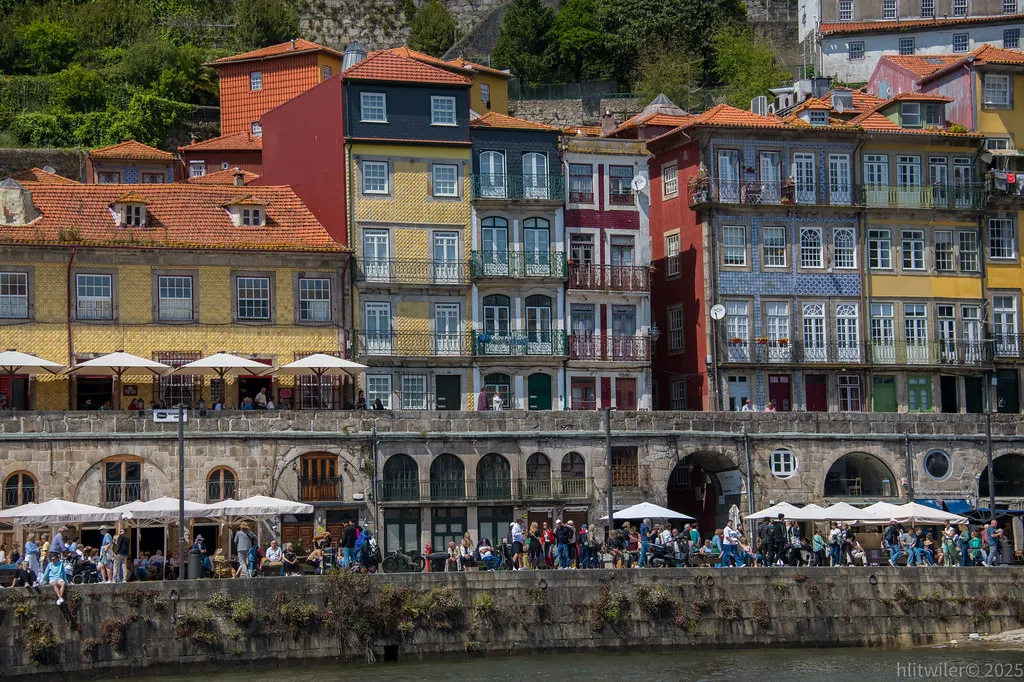
Porto offers a diverse range of baking experiences, from professional culinary studios to cozy home kitchens in the Ribeira district. We have selected these seven workshops based on instructor expertise, value for money, and the quality of the final product. All classes listed here are conducted in English or provide an English-speaking instructor, which is important for international visitors to confirm at booking.
Prices below are in EUR and reflect 2026 rates for standard adult sessions. Availability fluctuates during peak summer months from June through August, so booking at least two weeks ahead is advisable for morning slots, which sell out fastest. Most workshops are centrally located near major landmarks like the Sé do Porto or the Mercado do Bolhão and are reachable on foot from most central hotels.
If you are looking for a broader culinary experience, you might also consider a food tour in Porto to sample various regional snacks before committing to a hands-on baking session. However, nothing beats the satisfaction of pulling your own tray of golden tarts out of a professional-grade oven.
- Domus Arte Workshop near Sé Cathedral
- This highly-rated workshop takes place in a beautiful historic building just steps from the iconic Sé do Porto cathedral, making it easy to combine with a morning visit to the cathedral's azulejo cloister.
- Classes run daily at 10:00 and 15:00 and typically cost between €45 and €60 per person, including all ingredients and a Port wine tasting.
- The session includes a professional instructor, all baking materials, and a printed recipe card to take home. English is spoken throughout.
- Ola Daniela's Comprehensive Pastry Class
- Expert baker Daniela offers an in-depth pastel de nata workshop with a focus on traditional lamination technique and custard temperature control.
- Sessions usually range from €55 to €75 and run several times a week in a modern studio setting near the Bonfim district.
- You will learn the precise method for rolling the puff pastry to achieve that signature spiral crust, and Daniela explains every step in English with written notes provided.
- Private Ribeira Kitchen Experience with Eatwith
- This intimate session allows you to bake inside a local's home kitchen overlooking the Douro River, booked through the Eatwith platform.
- Prices for private or small-group sessions generally fall between €40 and €55 per guest, making it one of the more affordable options for solo travelers.
- The social atmosphere and personal stories from a Porto resident are what set this apart from studio-style classes.
- Mercado do Bolhão Market and Bake Session
- Participants begin by sourcing fresh ingredients directly from vendors at the historic Mercado do Bolhão before walking to the studio kitchen.
- The full experience lasts about four hours and costs approximately €65 to €85 including the market tour and baking class. Sessions start at 09:00 to catch the market at its liveliest.
- This is the best option if you want to understand where each ingredient comes from — instructors point out the specific egg and dairy suppliers they use.
- Vila Nova de Gaia Riverside Workshop
- Located across the Dom Luís I Bridge in Gaia, this workshop provides stunning views of the Porto skyline while you master the custard filling technique.
- Typical pricing is around €50 to €65 per person, and sessions are often paired with a short tour of the nearby Port wine cellars before or after baking.
- The cool riverside location makes this a particularly pleasant choice during summer afternoons when the city center can feel hot and crowded.
- Porto Wine and Pastry Pairing Masterclass
- This specialized class focuses on how different Port wine varieties — Tawny, Ruby, and White — complement the flavors of a freshly baked custard tart.
- Expect to pay €60 to €80 for this premium experience, which includes a guided tasting led by a certified sommelier alongside the baking session.
- Sessions run in the late afternoon, making it a natural pre-dinner activity. The class ends around 19:00, leaving you well-positioned for dinner in the Ribeira.
- Vegan Pastel de Nata Workshop at Domus Arte
- Finding plant-based traditional sweets can be difficult, but this dedicated workshop uses coconut cream and vegan margarine to recreate the classic texture and richness.
- The vegan session is priced similarly to the standard version at €45 to €65, runs once or twice per week, and should be booked at least a week in advance given limited slots.
- Instructors share the science behind achieving a flaky crust without butter and demonstrate how to get the same caramelized top using plant-based custard.
How to Book and What to Expect at Booking
The easiest booking platforms for Porto baking workshops are GetYourGuide, Viator, and Airbnb Experiences. All three offer instant confirmation, English-language listings, and a clear cancellation window — most Porto cooking classes allow free cancellation up to 24 hours before the start time. If you book directly through a school's own website, confirm the cancellation policy by email before paying, as terms vary.
Group size matters more than most travelers realize. Classes listed on large OTA platforms often cap at 10–12 participants to keep the experience manageable, but some Viator-listed sessions fill to 15 or even 20 people during July and August. If the listing does not specify a maximum group size, ask before booking. A class of six to eight people is the sweet spot for getting hands-on time with the instructor.
Most workshops require you to arrive 10 minutes early, and late arrivals can disrupt the timing of the custard-making stage. Wear comfortable, closed-toe shoes and avoid loose sleeves near the oven. Aprons are provided by every reputable school, so there is no need to dress down for the session.
Morning slots at Porto cooking classes sell out fastest, especially from June through August — book at least two weeks ahead. Most classes on GetYourGuide, Viator, and Airbnb Experiences offer free cancellation up to 24 hours before the session starts.
Best Time to Take a Pastel de Nata Class in Porto
Morning sessions starting at 09:00 or 10:00 are the most popular because they allow you to combine the workshop with a Mercado do Bolhão visit or a walk along the riverfront before the afternoon heat sets in. These slots sell out first during June through September, so book two to three weeks ahead if you are visiting in peak season. The tarts you make also serve as a solid mid-morning snack before the main tourist crowds arrive.
Afternoon sessions starting at 14:00 or 15:00 suit travelers who prefer a slower morning. The wine pairing component feels more natural in the late afternoon, and finishing around 17:00 leaves you in good shape for aperitivo hour in the Ribeira. Summer afternoons inside a well-ventilated studio are comfortable, but the Gaia riverside options are noticeably cooler than city-center venues in July and August.
November through February is the quietest period for tourist bookings, which means smaller group sizes and more instructor attention per participant. Porto winters are mild by northern European standards — temperatures rarely drop below 8°C — and the rain is light and intermittent. If a class includes a market component, November and December are excellent months because seasonal ingredients like quince and chestnuts appear at Bolhão stalls alongside the standard pantry items.
Visiting between November and February means smaller groups and more hands-on time with the instructor. Porto's winter temperatures rarely drop below 8°C, and Bolhão market stalls stock seasonal ingredients like quince and chestnuts that give your tarts a uniquely local twist.
What's Typically Included in a Porto Baking Class
Most workshops provide a comprehensive package that covers all your needs from start to finish. You can expect a printed or digital recipe card so you can recreate the tarts at home, and all necessary ingredients — high-quality flour, cinnamon sticks, fresh eggs, whole milk — are sourced and provided by the host. Bringing your own ingredients is neither necessary nor expected.
During the baking process, hosts usually offer refreshments like locally roasted coffee or traditional Portuguese tea. The highlight for many participants is the Port wine pairing during the final tasting session. This combination of sweet pastry and fortified wine is a staple of northern Portuguese hospitality and distinguishes Porto workshops from their Lisbon equivalents.
At the end of the class, you won't leave just with a full stomach and new skills. Most schools provide decorative transport boxes so you can carry leftover tarts back to your accommodation. Some premium workshops include a small souvenir such as a traditional pastry brush, a branded apron, or a bag of Flor de sal from Aveiro to recreate the Porto-style finishing touch at home.
The Technique Detail Most Classes Don't Explain Clearly
The single biggest mistake home bakers make after attending a workshop is pouring cold custard into their pastry shells. Professional Porto bakeries pour the custard while it is still warm — around 50 to 60°C — which allows it to flow evenly into the base of the shell and begin setting against the raw pastry immediately. Cold custard sits too high in the shell, creates an air pocket at the base, and produces a soggy bottom no matter how hot your oven runs.
The second thing professional instructors know but rarely spell out is the layer count in the dough. Authentic massa folhada (Portuguese laminated dough) achieves its characteristic shattering crispness through 27 layers, produced by a specific sequence of folds. Standard European supermarket puff pastry uses fewer, thicker layers and produces a chewier, breadier result. Workshops that let you handle the dough folding yourself are giving you a skill that is genuinely difficult to learn from a recipe card alone.
Porto workshops are also increasingly using Flor de sal harvested from the Aveiro lagoon, about 75 km south of Porto, as a finishing touch. A small pinch pressed onto each tart just before it goes into the oven creates a subtle briny contrast that cuts through the richness of the custard. This detail is almost never mentioned in Lisbon-focused baking guides, and it is worth asking your instructor whether they use it — and where to buy a bag before you leave Portugal.
How to Choose the Right Workshop for Your Trip
Selecting the perfect class depends heavily on your travel style and your previous kitchen experience. Social travelers often prefer group settings where they can meet people from around the world. Families, on the other hand, may find that a private session through Eatwith or a direct booking offers the flexibility needed for younger children, including adjustable timing and a less rushed pace.
One important thing to look for is whether the class uses pre-made dough. Authentic puff pastry requires over five hours of resting and folding to make from scratch. Most two-hour workshops use high-quality pre-made massa folhada to save time, which is fine — but the best instructors are honest about this and use the saved time to go deeper on custard technique rather than rushing through the assembly. A class that pretends you are making everything from scratch in 90 minutes is a red flag.
Avoid generic workshops clustered around Praça da Ribeira that target tour group walk-ins. These often use frozen industrial dough and lack the personal storytelling that makes a workshop memorable. Instead, look for instructors who explain the origin of their ingredients, connect the recipe to the history of the Sé do Porto neighbourhood, or offer a meaningful pairing rather than a perfunctory sip of port wine at the end.
Essential Tips for Making Portuguese Custard Tarts at Home
Recreating the perfect tart at home requires the hottest oven setting you can manage. Professional Portuguese bakeries run at 300°C (570°F), a temperature most home ovens cannot reach. A heavy baking steel or a preheated cast-iron pan on the bottom shelf can help transfer intense heat to the base of the pastry and reduce the soggy-bottom risk significantly.
The custard should be thickened just enough to coat the back of a spoon before it goes into the pastry shells, and it must be poured warm as explained above. Overcooking the custard on the stove leads to a rubbery texture once baked, and fine lumps of cooked egg will be visible through the transparent custard surface. Always strain through a fine-mesh sieve, and let it cool only to around 50–60°C before filling your shells.
If you decide to make your own dough, the temperature of your kitchen is critical. Butter must remain cold and solid between the dough layers to create the steam that makes the pastry shatter. Working in short intervals and resting the dough in the fridge between each fold gives you the best chance of achieving a crisp, layered result — especially important in a warm Porto summer kitchen where the butter softens fast.
FAQs About Porto's Pastéis de Nata Classes
Planning your visit to a baking school involves a few logistical considerations to ensure a smooth experience. Below are the most common questions travelers ask when booking their first pastry workshop in Porto. For more general travel advice, check our main travel blog for updated guides across Portugal.
Frequently Asked Questions
How long does a typical custard tart baking class last?
Most standard workshops in Porto last between 2 and 3 hours. This timeframe allows you to prepare the custard, assemble the tarts, and enjoy a tasting session with wine. Longer sessions usually include a market visit or a multi-course meal.
Are there vegan pastel de nata workshops in Porto?
Yes, several schools like Domus Arte offer dedicated vegan sessions. These classes use plant-based milk and specialized fats to recreate the traditional flavor profile. It is best to book these specialty classes at least a week in advance.
Do cooking classes in Porto include the recipe to take home?
Almost every reputable workshop provides a printed or digital recipe for their students. This usually includes tips for adapting the recipe to home ovens. Some instructors also provide a list of recommended flour brands available internationally.
Mastering the Pastel de Nata is more than just a culinary skill; it is a way to connect with Portuguese culture. By choosing one of these top-rated workshops, you ensure an authentic and memorable experience in the heart of Porto. Don't forget to pair your homemade tarts with a glass of Port wine for the ultimate local treat.
We hope this guide helps you find the perfect baking class for your 2026 journey. Whether you are exploring the Sé do Porto or the Ribeira, a warm tart is never far away. Safe travels and happy baking in the beautiful city of Porto!
 9 Best Cooking Classes in Porto (2025)May 17, 2026