Food Tour Porto Travel Guide: Is It Worth It?
Plan your food tour porto with top picks, neighborhood context, and timing tips. Discover if this culinary walk is worth your time and money.
On this page
Food Tour Porto: An Honest Review
Yes, a food tour porto is absolutely worth it for travelers who value cultural immersion over tourist traps. If you prefer a hands-on kitchen experience, a cooking class in Porto serves as the best alternative. I recently explored the city's winding alleys to find the most authentic bites for this review.
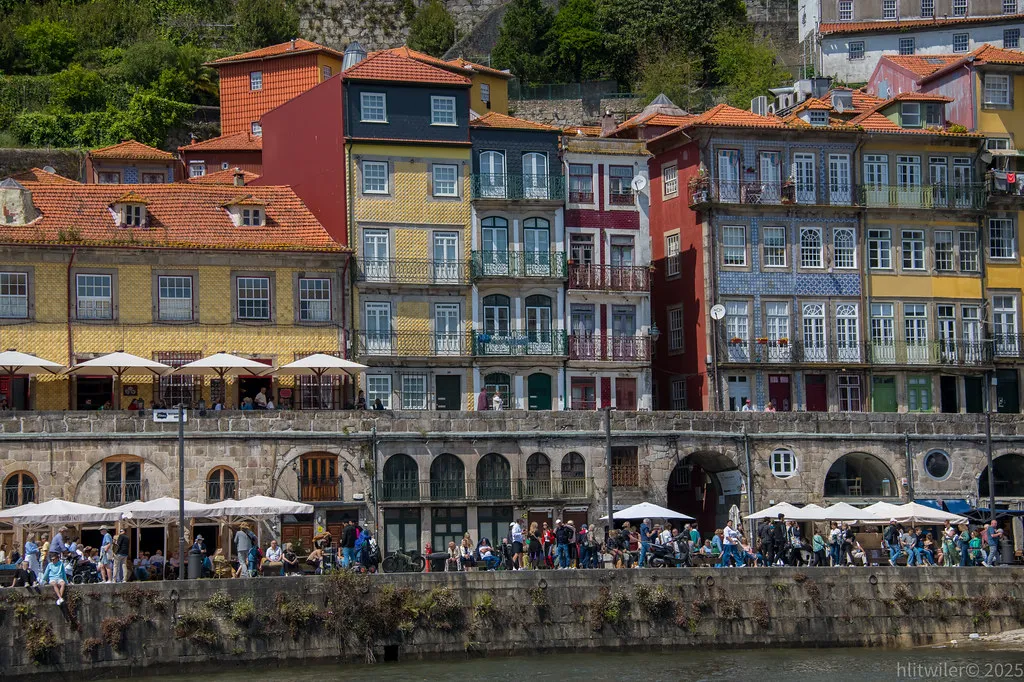
Updated for 2026, this guide reflects current pricing, operator options, and local crowd patterns. Porto's culinary scene is a dense mix of centuries-old traditions and a modern craft movement that has energized the city's backstreet bars. Walking through the Ribeira district and Bonfim, I found that the best flavors often hide behind unmarked doors and hand-painted tile facades.
Expect to spend between €75 and €120 per person for a quality guided group experience, or €150 to €250 for a private tour. Most tours run daily starting around 10:30 in the morning or 16:30 in the afternoon and last roughly four hours. Wear comfortable shoes because Porto's granite hills will test your stamina between tastings.
Which tour operator to choose
Taste Porto Food Tours is the most established name in the city and the one most commonly cited by food writers. Their Downtown Food Tour (€85 per person in 2026) covers six stops across the Bolhão and Baixa neighborhoods, with group sizes capped at twelve. They also run a Craft Beer and Food Tour that swaps Port wine for local microbreweries and is a better fit for travelers who are less interested in wine. Booking directly on their site gives you the most accurate availability.
Devour Porto Tours is the main competitor worth considering. Their walking food tours run at a similar price point and attract strong reviews for guide quality. The key difference is that Devour tends to incorporate more sit-down moments at each stop, which makes the pacing feel less rushed when the group is larger. Both operators have an English-language tour running every day of the week except Monday.
GetYourGuide and Airbnb Experiences list additional operators, some of whom offer smaller-group tours at a premium. Private tours booked directly with independent guides can be arranged for €150 to €200 per couple and allow you to customize the route around dietary needs or specific interests like bacalhau cookery or natural wine. For families or anyone with complex dietary restrictions, private is often the smarter spend.
- Tour options at a glance:
- Taste Porto Downtown Food Tour — €85, group up to 12, 4 hours
- Taste Porto Craft Beer and Food Tour — €80, beer-focused route
- Devour Porto Walking Food Tour — ~€85, more sit-down time per stop
- Private guided tours — €150–€250 per couple, fully customizable
- GetYourGuide marketplace — mix of operators, check reviews carefully
What you actually eat and drink
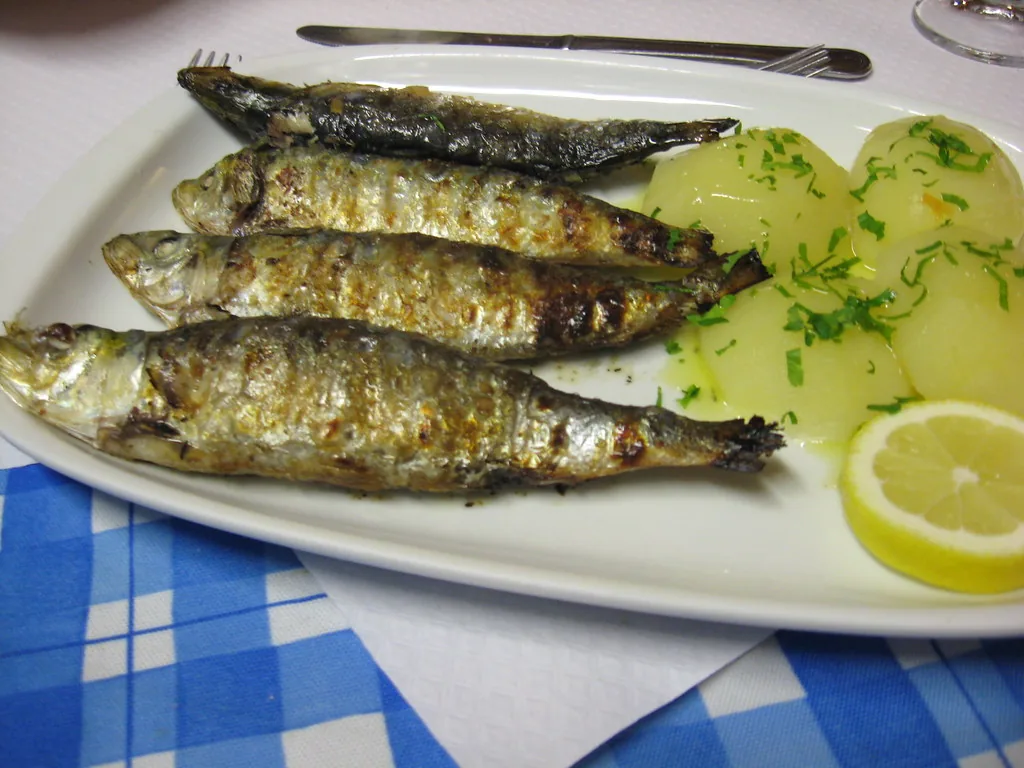
The food lineup across most Porto tours follows a reliable arc. You typically start with something light — a fresh cheese from the Trás-os-Montes mountains paired with local honey, or a small plate of cured sausage at a mercearia. From there, the stops escalate in richness. Bolinhos de bacalhau (salted cod fritters) appear at almost every operator's route because they are the gateway dish for visitors unfamiliar with Portugal's cod obsession.
The Francesinha is always the centrepiece stop. This sandwich stacks steak, wet-cured ham, linguiça, and sometimes a fried egg, then drowns the whole thing in a beer-and-tomato sauce that varies by restaurant. Most tours visit one of three or four Francesinha institutions — Café Santiago, Cervejaria Brasão, or a smaller neighbourhood spot that the guide keeps semi-secret. The version at a well-chosen tascas beats any tourist-facing restaurant on Avenida dos Aliados.
Port wine appears either mid-tour or at the final stop. Some operators bring the group to a small lodge in Vila Nova de Gaia via the Dom Luís I bridge, which doubles as the most dramatic view in Porto. Others pour a glass at a trusted wine shop in the city center. Expect a white Port as an aperitif-style pour and a tawny aged ten to twenty years as the closer. Both styles are typically included in the tour price.
- Dishes you can expect on most tours:
- Bolinhos de bacalhau — salted cod fritters
- Alheira — smoked sausage with bread and egg
- Francesinha — the unmissable beer-sauce sandwich
- Pastéis de nata — custard tart, usually from a neighbourhood bakery
- Local cheese and charcuterie from northern Portugal
- White Port and aged tawny Port wine
Neighborhoods the tour covers
Most Porto food tours operate within a compact corridor that runs from the Bolhão market south toward the Ribeira waterfront and sometimes across the bridge into Vila Nova de Gaia. This route takes in the commercial heart of the old city, where most of the historic mercearias and tascas are concentrated. The Bolhão and Baixa districts are walkable from most hotels in the center and are the natural starting point for any food walk.
The Bonfim neighborhood is beginning to appear on more tour routes as it gentrifies. It has a high density of natural wine bars, independent coffee roasters, and small-batch producers that represent the newer face of Porto's food scene. Devour Tours in particular has added a Bonfim stop to some of their routes in 2025 and 2026. It contrasts well with the older Bolhão stops and gives the tour a before-and-after narrative about how the city is changing.
Matosinhos, the coastal neighborhood known for its seafood restaurants, is outside the scope of most walking tours but worth noting for self-guided exploration afterward. If your guide mentions it, it means they are serious about fish. The 10 Best Douro Valley Tourism Attractions are best saved for a separate day trip, not added onto a food tour that already runs four hours.
Morning vs. afternoon tour: what actually changes
Most operators run two daily slots — roughly 10:30 and 16:30 — and the slot you choose changes the experience in ways that tour descriptions rarely explain. Morning tours reach Mercado do Bolhão while vendors are actively restocking and at their most talkative. Cheese and charcuterie displays are fullest before noon, and the energy of the market — fishmongers calling out prices, flower sellers arranging bouquets — is part of what makes that stop memorable. By early afternoon the market quiets considerably.
Afternoon tours trade market energy for something different. Tascas open for dinner service around 18:00, and arriving mid-preparation means the kitchen smells are at their peak and chefs occasionally come out to say a few words. The light over the Douro River is better for photographs after 17:00, and the city's working crowd starts filling the bars around the same time the tour wraps. If you are traveling in summer and the midday heat is a concern, the afternoon slot is also simply more comfortable.
There is no definitively superior slot, but the choice is meaningful. Solo travelers and anyone interested in the market culture should lean toward morning. Couples and those who want the evening to flow naturally from the tour's final wine stop should book the afternoon. Whichever slot you choose, avoid eating a large lunch or dinner beforehand — the portions are generous and the stops accumulate quickly.
Morning tours (around 10:30) catch Mercado do Bolhão at its liveliest, with cheese and charcuterie displays at their fullest. Afternoon tours (around 16:30) offer better Douro River light for photographs and flow naturally into Porto's evening bar scene.
Dietary restrictions and accessibility
Porto's traditional food is emphatically meat and fish forward, which creates real challenges for vegans and strict vegetarians on a standard group tour. Most operators note dietary needs at booking and will replace one or two stops with plant-based alternatives, but the route itself does not change. If more than half the stops are incompatible with your diet, a private tour or a self-guided walk through the increasingly vegan-friendly Bonfim and Cedofeita neighborhoods is a better use of €85.
Gluten-free travelers face a more workable situation. The cod fritters and most charcuterie are naturally gluten-free, and guides on the established tours are used to flagging the Francesinha as a skip or finding an alternative. Shellfish and nut allergies are generally easier to accommodate given how guide-led the experience is — you are not ordering from a menu, so the guide can steer you around a stop entirely if needed. Always disclose allergies in writing when booking, not just verbally on the day.
Accessibility is a real limitation. Porto's food tour routes involve 2 to 3 kilometers of walking on steep cobbled streets with elevation changes of 40 to 60 meters between the lowest and highest points. There is no wheelchair-accessible equivalent of the standard walking tour. Travelers with limited mobility should look at private tours that can be partially tailored to flatter routes, though some hills are unavoidable in this part of the city. If walking is a concern, a pastel de nata cooking class in Porto is a seated, accessible alternative.
Is a food tour porto worth the money?
When you consider the cost of six individual meals and wine, the value becomes clear. A standard tour usually includes enough food to replace both lunch and a light dinner. I found that the insider access to family-run spots justified the €85 price tag easily. You are paying for the curation and the logistical ease of navigating the city.
Budget travelers might find the cost steep compared to buying a few pastries independently. However, you would likely miss the nuances of the Craft Beer and Food Tour without guidance. The guides explain the complex relationship between the Douro Valley and Porto's wine trade. This context is something a self-guided walk simply cannot provide to the same degree.
One consideration is group size: tours with more than ten people can feel rushed at each stop. Book a mid-week slot to improve the odds of a smaller group, and confirm the maximum group cap when you book. Always verify whether the tour price includes all drinks and gratuities before committing — Taste Porto includes drinks in the listed price, while some third-party operators list food only.
Taste Porto caps group sizes at twelve and includes all drinks in the €85 listed price. Book mid-week and confirm the group cap at the time of booking — tours with more than ten people can feel rushed at each tasting stop.
- Pros: Why it is worth it
- Efficient introduction to the city's food geography
- High-quality food selections at spots tourists rarely find alone
- Educational Port wine and regional wine context
- Stress-free navigation of unfamiliar neighborhoods
- Supports local small businesses and family-run producers
- Cons: Potential drawbacks
- Requires significant uphill walking on cobblestones
- Higher upfront cost than eating independently
- Fixed menu with limited flexibility for vegans
- Group experience varies with group size
- Weather-dependent for outdoor market stops
Crowds and timing: when to book
Porto's narrow streets become extremely crowded during the peak summer months of July and August. The heat makes the uphill walks between tastings quite exhausting during midday, and popular spots fill up faster when day-tripper volume is at its peak. May, June, and September offer the best balance of pleasant weather and manageable crowds. The September harvest season also adds a wine dimension to the city's atmosphere as Douro grapes arrive in the city's cellars.
If you are visiting for a short time, book your food tour for the first full day. This strategy gives you a map of the city, a shortlist of restaurants to revisit, and a guide's worth of dinner recommendations. Many popular Francesinha spots and wine bars require reservations that your guide can help you navigate. Using those recommendations for the rest of your stay stretches the value of the tour significantly.
Winter visits from November to February are quieter and the tascas are more intimate. Porto's granite buildings can feel cold, so dress in warm layers for the walking portions. The advantage of winter is having the guide's undivided attention in a very small group, and many operators discount prices slightly in January and February. Spring is also excellent — the Easter week (Semana Santa) period sees heavy domestic tourism, so avoid that window if crowds bother you.
- Crowd calendar:
- July–August: Saturated and hot; book well ahead
- May–June: Ideal shoulder season, best weather
- September–October: Best for wine context and harvest energy
- November–April: Quieter, smaller groups, possible discounts
- Easter week: Heavy domestic travel, avoid if crowd-sensitive
Verdict: best for and skip if
The food tour porto is a fantastic choice for first-time visitors who want a deep introduction to the city in a single morning or afternoon. It is also well suited to solo travelers looking to meet people over a shared meal — the communal table format at each stop makes conversation natural. Families with older children and teenagers will enjoy the variety of snacks and historical stories, particularly the Francesinha mythology.
Skip it if you have significant mobility issues or cannot walk steep hills for two to three hours. The cobblestones are uneven and can be slippery when the Atlantic mist rolls in from the coast. Strict vegans may also find the traditional meat-heavy menus of Porto frustrating on a standard group tour — in those cases, a private tour or a pastel de nata cooking class in Porto might be a better fit.
For those staying three or more nights, consider pairing the food tour with a day trip to see the 10 Best Douro Valley Tourism Attractions. The Valley gives the wines you tasted on your tour their full geographical context. Check out the Portugal Wander blog for more regional travel inspiration and itinerary planning across northern Portugal.
- Final verdict:
- Verdict: Highly recommended for first-timers and food-curious travelers
- Best for: Foodie couples, solo travelers, families with older children
- Skip if: Mobility is limited or diet is strictly vegan
- Alternative: Hands-on cooking class or private customized tour
- Top tip: Book morning for market energy, afternoon for evening flow
Frequently Asked Questions
Which food tour porto options fit first-time visitors?
The Downtown Food Tour is the best fit for first-time visitors. It covers major landmarks like Mercado do Bolhão while introducing essential flavors. This route provides a great geographical orientation of the city center.
How much time should you plan for a food tour?
You should plan for approximately 3.5 to 4 hours. This includes walking time between five or six different tasting locations. Most tours cover about 2 to 3 kilometers of walking at a relaxed pace.
What should travelers avoid when planning a tour?
Avoid eating a large meal right before your tour starts. The portions in Porto are generous and meat-heavy. You should also avoid wearing high heels or uncomfortable shoes due to the steep, cobbled streets.
Porto is a city that reveals its secrets through its kitchens and wine cellars. A guided food tour provides the essential context that turns a simple meal into a memory. I left the city feeling full, not just of food, but of the stories of its people.
Whether you are biting into a spicy cachorrinho or sipping a 20-year-old Port, the quality is undeniable. Take the time to explore the backstreets and trust your local guide's palate. Your journey through Porto will be much richer for the effort.
 10 Essential Guimarães Restaurants to Try (2026)June 8, 2026