Citadel of Cascais: The Ultimate Visitor Guide
Discover the Citadel of Cascais. Plan your visit with tips on the Royal Palace, the Arts District, Pousada hotel stays, and the fortress's 500-year history.
On this page
Citadel of Cascais: The Ultimate Visitor Guide
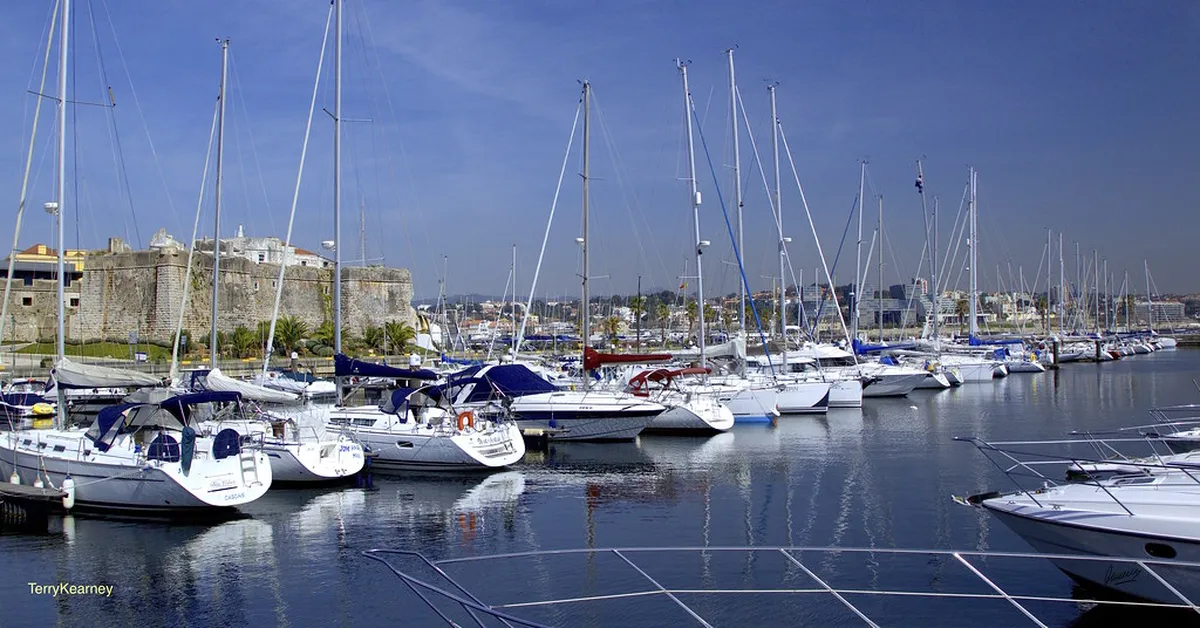
The Citadel of Cascais stands on the headland above the marina as one of the most layered historic sites on the Portuguese coast. Built in the mid-1500s on the site of an earlier tower, it has served in turn as a military fortress, a royal summer palace, a presidential residence, and now a thriving arts district. Within a single afternoon you can walk centuries of history, check into a luxury hotel, and watch Atlantic swells break against 16th-century battlements.
The fortress guards the southern entrance to the Tagus estuary and offers sweeping views across the marina toward Sintra's forested hills. Many travelers treat it as the anchor point for any Cascais tourism itinerary, and rightly so — its mix of free public access and paid museum content means there is something here for every budget and interest.
History and Military Architecture of the Cascais Citadel
The fortress began as the Torre de Santo António de Cascais, a simple coastal watchtower ordered by King João II in the late 15th century to protect the fishing settlement below. Engineers expanded it over the following decades into the substantial fortified complex you see today, designing the thick, angled bastion walls to absorb cannon fire rather than shatter under it. The star-shaped layout is a textbook example of Renaissance military engineering applied to the Atlantic coast.
In 1580 the site saw its most dramatic military episode. When King Sebastião died without an heir, Spanish troops landed at Cascais in a push toward Lisbon to force the Iberian Union. They executed four Portuguese soldiers and hung them from the citadel walls to intimidate the population. The union lasted 60 years; in 1640 Portugal crowned a new king and reasserted its sovereignty.
The citadel lost its strategic military value as the 19th century progressed and modern naval ranges made coastal stone forts obsolete. Rather than being abandoned, it found a new purpose as an elite residence — first royal, later presidential — that preserved the original battlements in exceptional condition. The full circuit of walls and their seaward bastions remain intact for visitors to walk in 2026.
Visiting the Cidadela de Cascais Palace
King Luís I adapted the old citadel governor's house into a royal vacation residence in 1870, effectively lifting Cascais out of its post-military obscurity and turning the town into the most fashionable seaside destination in Portugal. Until the regicide of King Carlos I in 1908, the royal family spent September and October in Cascais every year, drawing the entire court and a remarkable circle of intellectuals along with them.
Among those intellectuals was a literary salon known as the Vencidos da Vida — "the Defeated by Life" — whose members included novelist Eça de Queiroz and journalist Ramalho Ortigão. The group gathered in the palace to debate politics and culture during the royal summer months, and their presence shaped Cascais's reputation as a town of letters as much as a beach resort. Walking the citadel today, it is easy to imagine these writers arguing through the warm September evenings in the very courtyards you cross for free.
King Carlos I pushed the site further into the scientific mainstream, installing the first maritime biology laboratory in Portugal within the citadel walls. In 1882 his government erected the country's first tide gauge on the nearby Príncipe Real D. Luís Filipe promenade. The palace passed to the Republic after 1910 and has served as the summer residence of every President of the Republic since then, most recently following a full restoration completed during Aníbal Cavaco Silva's second term (2007–2011). The palace opened to the public in 2011 and is now managed by the Museum of the Presidency of the Republic.
One practical point that most guides omit: the royal apartments require a pre-booked guided tour rather than a simple ticket purchase at the door. You must contact the Museu da Presidência in advance by phone at 213 614 660 or by email at museu@presidencia.pt to reserve a slot. The tour runs Wednesday to Sunday and is the only way to see the private chambers and grand reception rooms used by heads of state today.
The Arts District and Pousada Historic Hotel
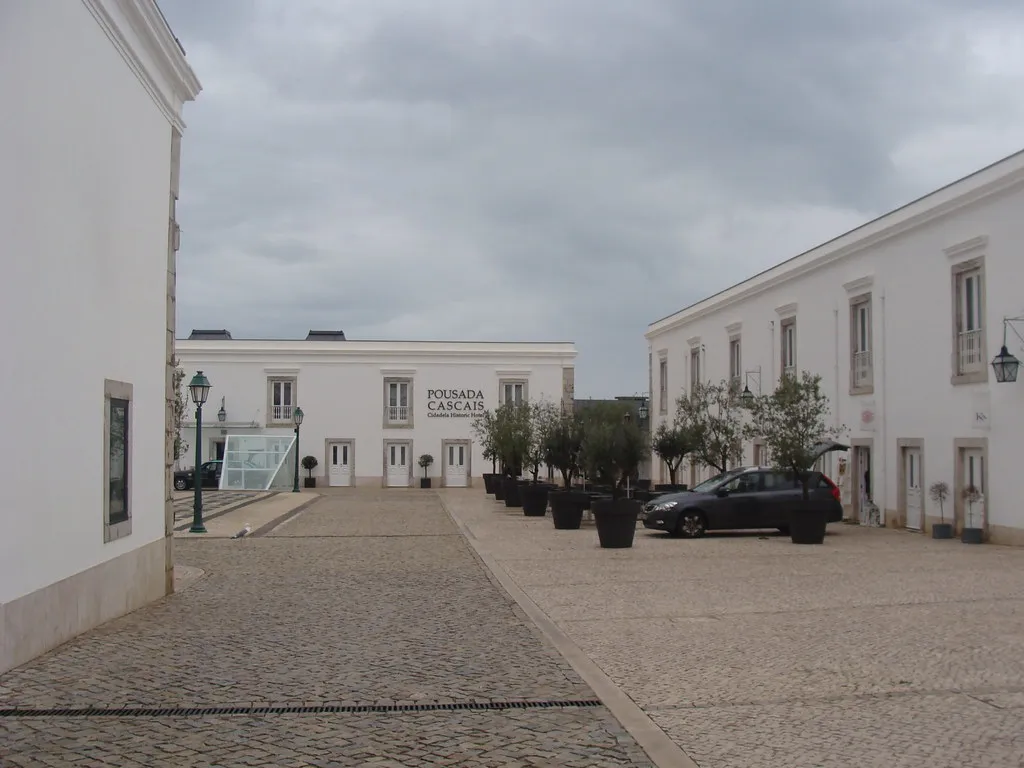
The interior of the fortress has been rebranded as the Cidadela Art District, a designation that reflects its current identity as a venue for galleries, open-air sculpture, independent studios, and rotating contemporary exhibitions. The programming changes throughout the year, which means a return visit in 2026 will not look quite the same as one made two years earlier. Local artists maintain working studios inside the walls, and it is common to catch someone mid-installation or mid-canvas on a weekday morning.
The Pousada de Cascais — also branded as Pestana Cidadela de Cascais — sits integrated directly into the fortress fabric, its corridors running through what were once barracks and officers' quarters. The hotel is four years into its current design chapter and still feels fresh: rooms vary from compact doubles looking out onto a quiet internal walkway to suites with unobstructed marina views. Rates are comfortably in the luxury tier, and staying here grants you access to the rampart promenade and outdoor pool after day visitors leave.
The most striking detail inside the Pousada lobby is an art installation of 300 starling sculptures suspended in a sweeping murmuration. Each bird represents a single day of the building's restoration — a deliberate count that gives the piece its meaning. Most visitors walking through the courtyard never learn this, which makes it one of the more quietly powerful moments the citadel offers. Ask the reception team about the full artist statement if you want the complete story.
The citadel hosts exclusive private events — GQ Portugal award ceremonies, state receptions, VIP galas — throughout the year. If you arrive to find the archway lit with coloured lights and guests in formal wear queuing beside the palace, you have not stumbled onto restricted government territory; the citadel's event calendar is semi-public and these evenings add an unexpected layer of atmosphere to the site even for outside visitors.
Admission, Tickets, and Opening Hours
The outer fortress grounds and the Arts District are free to enter and open to the public daily. You can walk the full circuit of battlements, browse the galleries, and spend time in the courtyards without paying anything. This makes the Citadel of Cascais one of the most accessible historic sites in the Lisbon day-trip belt.
The Palace museum charges around 4 EUR per person for the exhibition gallery, which runs Tuesday to Sunday from 10:00 to 18:00 (last entry 17:40). The palace is closed on Mondays, Easter Sunday, 1 May, Christmas Day, and New Year's Day. Guided tours of the royal apartments require a separate advance booking (see above) and are offered Wednesday through Sunday. Certain rooms also close without notice when the President is in residence, so confirm availability before making a special trip.
Arrive by 10:00 on weekdays to have the courtyards largely to yourself before the midday train from Lisbon empties its passengers. The late afternoon slot — around 16:00 to 18:00 — is the best for photography: the Atlantic light rakes across the stone at a low angle and the marina below fills with activity. Plan your journey with the Lisbon to Cascais transport guide for train and bus options from the capital, and check Cascais municipality for current events.
The Palace museum costs around 4 EUR per person and is open Tuesday to Sunday, 10:00–18:00. The outer fortress grounds and Arts District are always free — no ticket needed to walk the battlements or browse the galleries.
Must-See Highlights Inside the Fortress
A bronze statue of King Carlos I stands outside the palace facing the sea, and beside it a plaque records that Cascais was the first town in Portugal to have electric light. The citadel itself was the first specific building to be switched on, in September 1878 — a fact that surprises most visitors who expect this kind of technological landmark to belong to Lisbon rather than a coastal fishing town. The plaque is easy to walk past, so look for it to the right of the main palace facade.
The Chapel of Nossa Senhora da Luz sits tucked into a corner of the complex and rewards visitors who seek it out. Its interior is lined with traditional azulejo tiles depicting religious and historical scenes, and the silence inside is a noticeable contrast to the foot traffic in the outer courtyards. It is genuinely easy to miss — follow the signs rather than wandering and hoping to stumble across it.
The rampart walk along the seaward walls is the best vantage point in Cascais for open ocean views. On a clear day you can see the outline of Sintra's Serra ridge to the north and watch container ships working the Tagus approaches below. Bring a wider lens if you are shooting; the full arc of the marina requires at least 24mm to capture.
Discover more about the local cultural scene through the Cascais museums guide, which covers the Paula Rego Museum, the Condes de Castro Guimarães Museum, and other sites within walking distance of the citadel.
Practical Planning Tips for Travelers
Wear sturdy, flat-soled shoes. The cobbles in the central square are uneven and the rampart steps are steep in places; sandals or smooth-soled footwear are a consistent problem for visitors who come straight from the beach. Stone surfaces also get slippery after rain even when the rest of the town is dry.
Bring a light layer regardless of season. The fortress sits exposed on the headland and the wind off the Atlantic can drop the apparent temperature by 5–8 degrees compared to the town center. This is especially true on the seaward battlements, which have no wind protection at all.
If you are visiting the palace museum, book the guided tour in advance and arrive five minutes early — the tour groups are small and the staff start on time. For the free art district, no booking is required; simply walk through the main archway off Avenida D. Carlos I. Parking near the marina is scarce and expensive in summer; the train from Cais do Sodré (Cascais Line, 40 minutes, around 2.25 EUR each way) deposits you a ten-minute walk from the citadel entrance.
Certain rooms inside the Royal Palace close without notice when the President is in residence. Confirm availability with the Museu da Presidência before making a special trip, especially during the official summer season in September and October.
Best Attractions Near the Citadel
The Santa Marta Lighthouse is a few minutes' walk south of the citadel walls. The blue and white striped tower houses a small lighthouse museum and offers one of the most photographed viewpoints in town. The cove at the base of the lighthouse — Praia de Santa Marta — is sheltered enough for swimming even when the ocean beaches are rough.
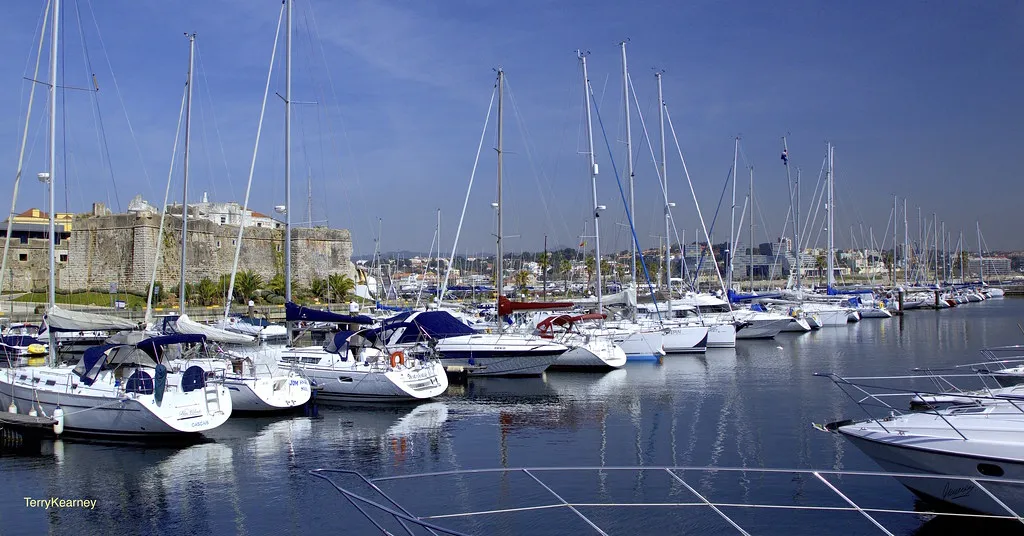
The Cascais Marina stretches immediately below the citadel's seaward wall. The waterfront is lined with cafes and restaurants at a range of price points; a coffee with a marina view will cost around 1.50–2.50 EUR, while a full seafood lunch will run 25–40 EUR per person. The walk from the citadel entrance to the far end of the marina and back is about two kilometers and can easily be folded into the same afternoon visit.
The Cascais old town walking route starts directly outside the main citadel gate. Narrow streets shaded by bougainvillea lead toward the central Largo Luís de Camões square, the fish market, and the church of Nossa Senhora da Assunção. Exploring on foot rather than following a map is the most effective way to understand how tightly the fortress and the town are woven together.
Frequently Asked Questions
Is the Citadel of Cascais free to enter?
Entrance to the main fortress walls and the Arts District is generally free for all visitors. However, if you want to enter the Royal Palace museum, you must purchase a separate ticket. Most travelers find that exploring the exterior battlements and galleries provides a wonderful experience even without the paid tour.
Can you stay inside the Citadel of Cascais?
Yes, you can stay inside the fortress at the Pousada de Cascais, which is a luxury historic hotel. The hotel rooms are integrated into the ancient walls and offer a unique blend of history and modern comfort. Staying here provides exclusive access to certain areas of the citadel after the general public leaves.
How long does a visit to the Cascais Citadel take?
A casual walk through the free areas and the Arts District usually takes about 45 to 60 minutes. If you choose to take a guided tour of the Royal Palace, plan for an additional hour. Many visitors spend a full afternoon enjoying the art galleries and the nearby marina atmosphere.
What is the history of the Palácio da Cidadela de Cascais?
The palace served as the summer residence for the Portuguese Royal Family starting in 1870. It was the site of the first electric lights in Portugal and later became a presidential residence. Today, it operates as a museum that showcases royal life and 19th-century Portuguese history. Learn more on a Cascais day trip.
The Citadel of Cascais works on multiple levels simultaneously: a free public park where you can walk ancient walls, a museum requiring advance booking for its most intimate rooms, a luxury hotel hiding one of the most thoughtfully conceived art installations on the coast, and a working presidential residence that still occasionally closes sections to the public without notice. Understanding those layers before you arrive makes the visit considerably richer.
Whether you come for the royal history, the contemporary art, the sea views, or simply a base for exploring the rest of Cascais on foot, the citadel delivers. It is the kind of place that rewards a slow afternoon rather than a rushed thirty-minute stop between beaches. Plan accordingly, book the palace tour in advance if it interests you, and leave enough time to walk the full rampart circuit before the light drops. Combine this with our main Cascais attractions guide for a fuller itinerary. For related Cascais deep-dives, see our Cascais Old Town walking route and Santa Marta Lighthouse guides.
 How To Get To Guimaraes Travel GuideJune 8, 2026