Best Time to Visit Lisbon: Month-by-Month Guide for 2026
Lisbon works year-round, but the honest best time depends on what you want. This 2026 guide covers weather by season, beach windows, festivals, budget months, and a month-by-month breakdown.
On this page
Lisbon is one of the very few European capitals you can genuinely visit in any month of the year and still have a good trip. The weather almost never turns hostile, the light stays beautiful, and the food, tiles, and trams do not close for winter. But "you can visit any time" is not the same as "every month is equal" — and the honest answer to the best time to visit Lisbon depends entirely on what you want to get out of the trip.
This 2026 guide breaks down the tradeoffs the way locals actually think about them: peak weather with crowds and high prices, shoulder-season sweet spots, and the quiet, rainy, cheap winter months. You will get real temperature and rainfall data, a month-by-month verdict, and clear guidance for budget travelers, beachgoers, and festival chasers. If you want the full list of sights once you have picked your dates, see our pillar guide to the things to do in Lisbon.
For a broader country overview, see our complete guide to the best time to visit Portugal which covers all regions from the Algarve to Porto.
Quick answer — when is the best time to visit Lisbon?
TL;DR: May and September are the sweet spots. Both months give you warm days (21–25°C), cool evenings, long daylight, lower prices than peak summer, and hotels that are not yet booked solid. Beaches are usable in September and flirting with swimmable in late May.
April and October are the next-best shoulder months — mostly dry, mild, and noticeably cheaper, with the tradeoff of a higher chance of rain and cooler evenings. June through August is peak season: hot, dry, loud, expensive, and packed, but also when the Atlantic beaches and rooftop bars are at their best. November through March is Lisbon's low season — mild by European standards (rarely below 8°C), often rainy, and up to 50% cheaper, with the major exception of Christmas and New Year.
Lisbon averages 290 sunny days per year — more than any other European capital — so even "bad" months in Lisbon are frequently sunnier than summer in London or Berlin.
Lisbon weather by season
Lisbon sits on the Atlantic at roughly the same latitude as San Francisco, and the climate behaves similarly: mild winters, dry summers, and a constant sea breeze that keeps the worst of the heat off.
Spring (March–May): Daytime highs climb from 17°C in March to 22°C in May. Expect 8–10 rainy days in March, dropping to 5 in May. Skies are bright, parks are green, and jacarandas begin to bloom in late April. Evenings still need a light jacket.
Summer (June–August): Highs sit between 25°C and 29°C, with August the hottest month. Rainfall is near zero — typically 1–3 rainy days per month. The Atlantic breeze keeps Lisbon breathable even during the occasional 35°C+ heat spike. Sea temperature climbs from 17°C in June to 19°C in August.
Fall (September–November): September is effectively a second summer: 27°C highs, dry, and warm sea. October drops to 22°C with 7 rainy days; by November you are at 17°C and about 12 rainy days. Beach days are still possible into early October.
Winter (December–February): Mild but wet. Highs of 14–15°C, lows around 8°C, and 12–14 rainy days per month. Frost is essentially unheard of in central Lisbon. Bring a waterproof jacket and layers — not a heavy coat.
Best time for budget travel
November through February is when Lisbon goes on sale. Hotel rates drop 30–50% compared with June–September peak, flights from most European hubs are at their cheapest, and sights like Jerónimos Monastery, Belém Tower, and São Jorge Castle have short or nonexistent queues. Popular restaurants in Alfama and Bairro Alto that require a two-week reservation in July can usually be booked the same day in January.
The tradeoffs are real. Daylight is short — sunset is around 5:15 pm in December — and you should plan for two or three rainy days in a typical week. Some rooftop bars close or run reduced hours. And Lisbon's trams and cobbled hills get genuinely slippery when wet, so bring shoes with grip.
The one exception to the cheap-winter rule: Christmas week and New Year's Eve. Hotel prices spike back to summer levels around December 23 and stay elevated through January 2, especially near Praça do Comércio where the NYE fireworks go off.
Mid-January through February is Lisbon's cheapest window — hotel rates drop 30–50% versus peak summer, and popular Alfama restaurants that require a two-week reservation in July can usually be booked the same day.
Best time for beach weather
June through September is the usable beach window. Lisbon's beaches — from Cascais and Estoril on the city side to the wilder Costa da Caparica across the bridge — are gorgeous year-round, but the Atlantic is cold. Even in August, sea temperature averages only 19°C, which is brisk for swimming. This is not the Mediterranean; it is ocean-cold with real surf.
That said, the air is hot (25–29°C), the sand is warm, and the Atlantic breeze makes it infinitely more pleasant than an inland European city. Surfers love it. Sunbathers love it. Competitive swimmers bring a wetsuit.
May is too cold to swim (sea at 16°C), though sunbathing is fine on a calm day. October air is still warm but the water is dropping fast by mid-month. For a full breakdown of where to go, see our guide to the best Lisbon beaches guide around Lisbon.
The Atlantic off Lisbon is noticeably colder than the Mediterranean — sea temperature peaks at only 19–21°C in August. Competitive swimmers should bring a wetsuit; casual sunbathers will find the air temperature (25–29°C) the real draw.
Best time for festivals and events
Lisbon's festival calendar is unusually rich for a city its size, and June is the undisputed peak.
Santo António (June 12–13) is Lisbon's biggest festival of the year. The entire Alfama district turns into an open-air party: folk music, paper garlands, improvised bars on every corner, and charcoal grills on every doorstep. Santo António in June is Lisbon's biggest festival, when 200,000+ sardines are grilled in a single night across the city. If you want the full, sweaty, chaotic version of Lisbon, this is the night.
Festas de Lisboa runs throughout June, with neighborhood parades (marchas populares), concerts, and street food nightly. NOS Alive, the country's biggest indie/rock festival, takes over Passeio Marítimo de Algés in early July with international headliners.
Lisbon Marathon happens in mid-October — a fast, flat, mostly riverside course that draws about 40,000 runners across all distances. Web Summit, one of the world's largest tech conferences, lands in early November and books out hotels city-wide; avoid these dates unless you are attending.
Carnival in February is smaller than Brazil's but still lively in the outlying towns. And Christmas markets pop up at Rossio and Praça do Comércio from late November through early January, with mulled wine, chestnuts, and an enormous illuminated tree by the river.
Worst time to visit Lisbon (and why)
Honest answer: Lisbon does not really have a "worst" month. There is no season where the city becomes unpleasant or impractical. But two periods have the most drawbacks.
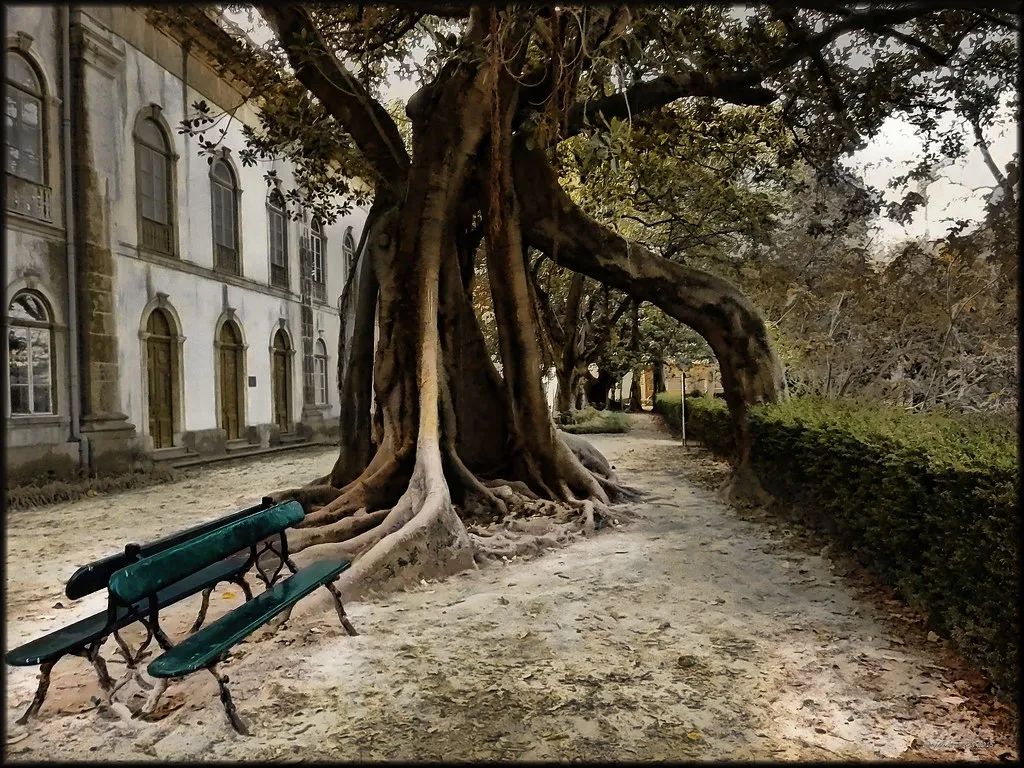
August is the hottest, most crowded, and most expensive month. Highs push 29°C, the historic center is wall-to-wall with cruise passengers and tour groups, and hotel rates peak. August averages 29°C high but the Atlantic breeze keeps it bearable — you will not melt, but you will queue. A quirk worth knowing: many Lisboetas take the entire month off, so a surprising number of neighborhood restaurants, small bakeries, and family-run shops close for two or three weeks. The city you visit in August is more tourist than local.
December through February is mild but genuinely rainy — around 90 mm of rain per month and 12–14 wet days. If your trip is built around outdoor sightseeing, viewpoints (miradouros), and long walks through Alfama, a week of winter rain can be frustrating. If you are there for food, tiles, museums, and fado bars, it barely matters.
Month-by-month breakdown
January. Coldest month (8–15°C), frequent rain, cheapest hotels. Good for food-focused trips and museum days. Short daylight.
February. Similar to January but with Carnival energy in the last week. Still cheap. Almond blossoms start in the Algarve — a good month for day trips south.
March. Shoulder begins. 17°C highs, rain tapering, prices still low. Good for walkers who do not need beach weather.
April. Reliably pleasant (20°C), occasional showers, Easter crowds in the final week. Jacarandas start blooming late month.
May. Sweet spot #1. 22°C, dry, long days, shoulder pricing. Best all-round month if you can pick one.
June. Warm (25°C), dry, and the month of Santo António and Festas de Lisboa. Busy and vibrant. Prices climbing.
July. Peak summer. 27°C, rooftop bars open, NOS Alive festival. Book everything weeks ahead.
August. Hottest, busiest, most expensive. Many locals gone. Best for beach-first itineraries.
September. Sweet spot #2. 27°C, warm sea, fewer crowds after the first week, shoulder pricing. Tied with May for best month.
October. Still mild (22°C), Lisbon Marathon, shoulder prices. Occasional rain returns mid-month.
November. Cool (17°C) and rainy, but cheap and quiet. Web Summit week is the one exception — avoid unless attending.
December. Rainy, 15°C, short days. Christmas markets and lights make the city feel festive. Prices spike for the last week only.
Lisbon month-by-month: weather, crowds, and prices at a glance
The table below condenses everything a planner actually needs into a single reference: average daytime high, typical rainy days, crowd intensity, indicative mid-range hotel rate, and a one-line highlight. Use it to lock in your dates, then read the verdict matrix further down to match your trip type.
| Month | Avg high (°C) | Rain days | Crowd | Hotel ≈ €/night | Highlight |
|---|---|---|---|---|---|
| January | 15 | 9 | Low | 90 | Empty Pena Palace, lowest hotel prices of the year |
| February | 16 | 8 | Low | 95 | Carnival (Carnaval) and almond blossoms |
| March | 18 | 7 | Med-low | 110 | Spring blooms, Easter, Lisbon Half Marathon |
| April | 20 | 6 | Med | 130 | Pleasant weather without peak crowds |
| May | 23 | 4 | Med | 150 | Best month overall — warm, dry, uncrowded |
| June | 26 | 2 | High | 180 | Santo António (June 13) — biggest party of the year |
| July | 28 | 1 | Peak | 220 | Hot, busy, and full festival season |
| August | 28 | 1 | Peak | 230 | Hottest month, locals on holiday, peak prices |
| September | 26 | 3 | High | 180 | Warm sea, less crowded than August, surf swells |
| October | 22 | 8 | Med | 140 | Indian summer, best weather/crowd balance |
| November | 17 | 11 | Low | 105 | Web Summit (mid-Nov), rainy but cheap |
| December | 15 | 10 | Med | 130 | Christmas markets, NYE at Praça do Comércio |
Hotel prices are indicative mid-range rates for a 3-star central hotel — Bairro Alto, Chiado, or Baixa — booked roughly 6 weeks ahead. Boutique and 5-star rates run 2-3x higher; hostel beds run 25-60% lower. Crowd labels are calibrated against the city's annual baseline, not against another European capital — even "peak" Lisbon is less dense than peak Barcelona or Rome.
Lisbon festival calendar 2026
Lisbon's calendar is unusually active for a city its size, and a single festival can swing both hotel prices and the on-the-ground vibe by an order of magnitude. Plan around these dates — either to attend or to avoid.
- Carnival (Carnaval) — February or early March; the date moves with Easter. Smaller than Brazil's, but lively in outlying towns like Loulé and Sesimbra.
- Lisbon Half Marathon — late March. A flat, fast course that closes the 25 de Abril Bridge to traffic for the morning.
- Santo António — June 12-13. Lisbon's saint's day. Alfama turns into an open-air party with grilled sardines, paper garlands, and impromptu bars on every corner.
- Festas de Lisboa — entire month of June. Marchas populares (neighborhood parades), free concerts, and street food across Alfama, Mouraria, and Bairro Alto.
- NOS Alive Festival — early July (typically the second weekend). Country's largest international rock and indie festival at Passeio Marítimo de Algés.
- Web Summit — mid-November (exact 2026 dates TBD). 70,000+ attendees; books out hotels city-wide and pushes rates above August levels.
- Christmas market at Praça do Comércio — December 1 through January 6. Mulled wine, chestnuts, illuminated tree, ice rink some years.
- New Year's Eve fireworks — December 31, midnight, free, launched from the river over Praça do Comércio. Arrive by 10:30 pm to find a spot.
If you are extending the trip down south, festival timing can also dictate when to visit the Algarve — see our things to do in Lagos guide for the south-coast festival calendar (Lagos Marina hosts a different festival rhythm than Lisbon).
Crowd levels by attraction
City-level crowd labels are useful, but the real planning question is when each individual sight is worst — and what the off-window looks like. The patterns below come from cruise schedules, queue-time observations, and local guide patterns rather than averages.
- Pena Palace (Sintra). Worst in August between 11 AM and 2 PM, when day-trip buses from Lisbon converge. Best in May or October at first opening (9:30 AM) — you can be back on the train by lunchtime. Winter weekdays are nearly empty but the palace can be cloud-shrouded.
- Belém Tower. Worst on summer weekday mornings between 10 AM and 3 PM. Best on a winter weekday or any sunset window — the queue evaporates after 4 PM and the river light is dramatic.
- Jerónimos Monastery. The single worst factor is cruise-ship arrival days at the Lisbon cruise terminal — check the Portos de Lisboa schedule before booking. The monastery is also free on the first Sunday of each month, which guarantees a 90-minute queue. Pay the €18 on a regular Tuesday instead.
- Castelo de São Jorge. Almost never bad in absolute terms, but late afternoon (4-6 PM) gives the best sunset light over the river and noticeably shorter queues than midday. Avoid 11 AM-2 PM in July-August.
- Tram 28. Effectively impossible to board comfortably between 10 AM and 6 PM in summer. Either ride at 8 AM from the Martim Moniz terminus, or treat it as scenic background and walk the route on foot — see our things to do in Lisbon guide for the walking version.
- LX Factory and Time Out Market. Time Out is mobbed at lunch (1-2:30 PM) and dinner (8-10 PM) year-round — go between 3 and 5 PM. LX Factory is calmest on Tuesday and Wednesday mornings.
Best month for your trip type
"What is the best time to visit Lisbon?" has six different right answers depending on what you want from the trip. Use this matrix to pick your month, then check the table above for the specific tradeoffs.

- First-timer who wants the all-rounder. May or October. Warm enough for terraces and miradouros, cool enough to walk the hills, no peak-summer crowds, hotels still 30% below August peak. May edges October because the rain risk is lower.
- Beach trip with warm water. July, August, or early September. Atlantic water tops out at 19-21°C — chilly compared with the Mediterranean but bearable for committed swimmers. Air temperature is the real draw.
- Budget traveler. November through February (skip Christmas week and Web Summit). Hotels drop 40-50% from summer, sights have no queues, and most restaurants take walk-ins. Bring a waterproof layer.
- Festival hunter. June for Santo António and Festas de Lisboa, or early July for NOS Alive. June is the cultural and culinary peak — sardines on every street and folk music until 3 AM.
- Photographer. October and November. Golden hour stretches longer than in summer, the skies carry more drama (clouds, occasional storms breaking), and the warm tile colors pop against grey backdrops.
- Family with kids. April-May or September. Manageable crowds, mild temperatures (no heat-stroke risk for small children), and shoulder pricing. The Atlantic is too cold for kids' swimming until July, so plan beach days accordingly.
- Off-season explorer who wants Lisbon empty. Mid-January through mid-February — the slowest two weeks of the year. Pair with an off-season trip to the south (see our Lisbon in winter and off-season guide for what stays open and what closes).
Frequently Asked Questions
Is Lisbon worth visiting in winter?
Yes, with adjusted expectations. Winter in Lisbon is mild (rarely below 8°C) but wet, with 12–14 rainy days per month from December to February. Hotels and flights are 30–50% cheaper, the major sights have no queues, and the food, fado bars, and museums are unaffected by weather. It is a great budget trip and a poor beach trip. Consider pairing it with day trips from Lisbon to Sintra or Óbidos, which are even more atmospheric in winter mist.
When is the cheapest time to visit Lisbon?
Mid-January through the end of February, excluding the first week of January. Hotels drop to their annual lows, flights from most European hubs are at off-peak rates, and you can walk into most sit-down restaurants without a reservation. The only catch is daylight — sunset is around 5:45 pm in mid-January.
Is December cold in Lisbon?
Not by European standards. December averages 15°C highs and 9°C lows — similar to Los Angeles in January. It is mild enough for a light jacket during the day but genuinely rainy, averaging 110 mm across 13 wet days. Bring a waterproof layer, not a heavy coat.
When does it rain in Lisbon?
Rain concentrates in November through March, with December typically the wettest month. Summer (June–August) is essentially dry, averaging just 1–3 rainy days per month. April and October are transitional — mostly dry but with occasional showers. If you want to minimize rain risk entirely, pick May through September.
Is Lisbon too hot in August?
Rarely. Average August highs are 28–29°C with occasional spikes above 35°C during heat waves, but the Atlantic breeze keeps the humidity down and the evenings comfortable (18–20°C). Compared with Seville or Rome in August, Lisbon is mild. The bigger downside in August is crowds and cost, not heat. For the full sightseeing plan once you have picked your dates, see our guide to things to do in Lisbon.
What is the best month to visit Lisbon?
May is the single best month if you can pick only one. You get 23°C daytime highs, an average of just 4 rainy days, long daylight (sunset around 8:45 PM by month end), shoulder-season hotel rates near €150 per night for a central 3-star, and crowds that have not yet hit the June-August peak. September is the close runner-up — equally warm, with a noticeably warmer sea (20-21°C versus May's 16°C), at the cost of slightly more humidity and the tail end of summer pricing.
Is Lisbon too hot in summer?
Generally no, despite peak August highs of 28-29°C. Lisbon sits on the Atlantic and benefits from a near-constant sea breeze (the locally-named "nortada") that drops evening temperatures to a comfortable 18-20°C. Heat waves above 35°C do occur — typically two or three episodes per summer lasting 2-4 days each — but humidity stays low, which makes the heat far easier to handle than in inland cities like Madrid or Seville. The harder summer issue is crowd density at major sights, not temperature.
 How to Get to Braga: 6 Best Ways to TravelJune 4, 2026