
Porto Day Trips Best Excursions: Top Regional Getaways
Best Porto day trips for 2026: Douro Valley, Braga, Guimaraes, Aveiro, Costa Nova, and Peneda-Geres with transport, prices, and practical planning tips.
On this page
Best Porto Day Trips: Top Excursions and Regional Getaways for 2026
Porto is a magnificent gateway to northern Portugal, surrounded by wine country, medieval cities, canal towns, and wild national parks all within easy reach. Most day trip destinations sit less than 90 minutes from the city center by train or car, making it possible to explore dramatically different landscapes before returning for dinner along the Douro riverfront.
The variety around Porto is remarkable. You can taste wine at terraced Douro Valley estates in the morning, explore a 10th-century castle by afternoon, and watch the sunset from a striped beach house on the Atlantic coast. Each direction from the city leads to a unique cultural or natural experience that you cannot find within the city limits.
This guide covers the seven best day trips from Porto with specific transport options, costs, timing, and practical tips for each destination. Whether you have one spare day or several, these excursions will significantly enrich your 2026 trip to northern Portugal.
Porto Day Trips at a Glance: 2026 Distance, Time & Cost Table
All distances are from Porto city centre (Sao Bento / Campanha stations). Transport prices are one-way 2026 standard fares unless noted. "Hours to allow" is the recommended minimum time at the destination, not including travel.
| Destination | Distance | Train (one-way) | Journey time (train) | Car drive | Road tolls (each way) | Guided tour (all-in) | Hours to allow | Half or full day? |
|---|---|---|---|---|---|---|---|---|
| Douro Valley / Pinhao | ~130 km | EUR 7.50–9 (regional, Sao Bento–Pinhao) | 2 h 30 min | 1 h 30 min via A4 | EUR 8–10 | EUR 80–140 pp (wine + cruise + lunch) | 6–8 h on site | Full day only |
| Braga | ~55 km | EUR 3.50 (CP urban, Sao Bento) | 55 min | 45 min via A3 | EUR 3 | EUR 40–60 pp | 4–5 h | Half-day or full |
| Guimaraes | ~55 km | EUR 3.65 (CP, Campanha) | 1 h 10 min | 50 min via A3/A7 | EUR 4 | EUR 45–65 pp | 4–5 h | Half-day or full |
| Aveiro + Costa Nova | ~75 km | EUR 3.55 (CP urban, Campanha) | 1 h–1 h 15 min | 50 min via A1 | EUR 5 | EUR 35–55 pp | 4–6 h | Full day if including Costa Nova |
| Coimbra | ~115 km | EUR 8.65 (Intercidades); EUR 8.80 (Alfa Pendular) | 1 h 15 min–1 h 25 min | 1 h via A1 | EUR 8 | EUR 50–75 pp | 5–6 h | Full day |
| Viana do Castelo | ~70 km | EUR 6–7 (CP, Campanha) | 1 h 30 min–1 h 45 min | 1 h via A28 | EUR 4 | EUR 40–60 pp | 4–5 h | Full day |
| Matosinhos | ~10 km | EUR 1.20 (Metro Line A, Andante card) | 20–25 min | 15 min | None | N/A | 2–4 h | Half-day |
| Peneda-Geres National Park | ~100 km | No direct service to trails | N/A | 1 h 30 min via A3 | EUR 5 | EUR 80–120 pp (guided hike + transport) | 6–8 h | Full day only |
| Ponte de Lima | ~80 km | No direct service | N/A | 1 h via A3/A27 | EUR 5 | EUR 45–65 pp | 3–4 h | Half-day or full |
| Amarante | ~60 km | No direct service | N/A | 1 h via A4 | EUR 4 | EUR 40–60 pp | 3–4 h | Half-day |
Prices valid May 2026. Round-trip fares are approximately double the one-way fare. Always check current fares on the CP (Comboios de Portugal) website or app, as seasonal promotions sometimes apply.
Train vs Bus vs Car vs Guided Tour: Which Is Best?
Choosing the right transport sets the tone for the entire day. Here is when each mode works best for Porto day trips in 2026.
Train (CP — Comboios de Portugal)
The best all-round option for Braga, Guimaraes, Aveiro, and Coimbra. Trains are clean, punctual, and cheap (EUR 3.50–9 one-way). No need to rent a car, find parking, or worry about tolls. Direct from Sao Bento or Campanha stations. Trains run every 30–60 minutes on most routes. The train to Pinhao (Douro Valley) is also iconic — 2.5 hours of river scenery at budget prices — but requires an early start.
- Best for: Solo travelers, couples, budget travelers, Braga, Guimaraes, Aveiro, Coimbra
- Worst for: Peneda-Geres, Ponte de Lima, Amarante (no direct service)
Bus (Rede Expressos / local operators)
Useful for the Braga–Guimaraes leg (EUR 2.50, 30 min, hourly) and for connecting between towns on a combined itinerary. Generally slower and less comfortable than trains for longer routes, but covers some destinations the train network misses.
- Best for: Connecting Braga and Guimaraes in one day, Vila do Conde, Povoa de Varzim
- Worst for: Long journeys over 90 minutes
Car Rental
Unlocks the best destinations in northern Portugal that public transport does not reach. Car hire starts at EUR 35–50 per day in Porto in 2026. A car is essential for Peneda-Geres, Ponte de Lima, Amarante, and exploring multiple Douro Valley quintas in a single day. Northern Portugal motorways are well-maintained, toll costs are predictable (EUR 3–10 per direction), and parking in smaller towns is typically free or very cheap.
- Best for: Peneda-Geres, Ponte de Lima, Amarante, multi-stop Douro Valley itineraries
- Not worth it for: Braga, Guimaraes, Aveiro, Matosinhos (train is faster and cheaper)
Guided Tour (GetYourGuide / Viator / local operators)
The simplest option when you want transport, a guide, and logistics handled — especially for first-time visitors or for destinations like Peneda-Geres where independent planning is complex. Porto Douro Valley wine tours typically cost EUR 80–140 per person all-inclusive (transport, wine tastings, river cruise, lunch). Private tours cost EUR 150–250 per person. For the Douro, guided tours actually compare favorably to independent travel when you factor in the winery entrance fees and a proper lunch at a quinta.
- Best for: Douro Valley (wine focus), Peneda-Geres, travelers without a driving license
- Not worth it for: Braga, Guimaraes, Aveiro — easy and cheap to do independently
Train tickets on the CP network for Braga, Guimaraes, and Aveiro cost as little as EUR 3.50–3.65 one-way from Porto — making these three destinations the best-value day trips on the list. There is no need to book in advance for regional trains, though arriving 15 minutes before departure is recommended on busy weekends.
For more context on how to combine these excursions with your Porto city time, see our Porto attractions guide and our detailed Porto 2-day itinerary.
Choose Your Day Trip by Interest
Not every traveler wants the same type of excursion. Use this matrix to find the best Porto day trips for your travel style.
| Interest / travel style | Best pick | Runner-up | Transport tip |
|---|---|---|---|
| Wine & gastronomy | Douro Valley (Pinhao) | Lamego (presunto, sparkling wine) | Train to Pinhao or guided tour; car for Lamego |
| Medieval heritage & UNESCO sites | Guimaraes | Coimbra (university & Romanesque cathedral) | Train from Campanha (both cities) |
| Religion & baroque architecture | Braga (Bom Jesus stairway) | Lamego (Nossa Senhora dos Remedios) | Train to Braga; car for Lamego |
| Coastal & beaches | Viana do Castelo + Cabedelo Beach | Matosinhos (Metro, 20 min) | Train to Viana; Metro for Matosinhos |
| Families with children | Aveiro + Costa Nova (boat + striped houses) | Matosinhos (beach + seafood) | Train to Aveiro; Metro for Matosinhos |
| Nature & hiking | Peneda-Geres National Park | Paiva Walkways (Arouca Geopark) | Car or guided tour essential for both |
| Budget travelers (under EUR 30 total) | Braga (train EUR 3.50, Bom Jesus free) | Guimaraes (train EUR 3.65, castle EUR 2) | Train only; pack your own lunch |
| River & boat experiences | Douro Valley cruise | Aveiro Moliceiro canal boat tour | See Douro river cruise guide for booking tips |
| Photography | Costa Nova (striped palheiros houses) | Douro Valley terraced vineyards | Train to Aveiro then bus to Costa Nova |
| Combining two cities in one day | Braga + Guimaraes | Aveiro + Coimbra (via train) | Bus between Braga and Guimaraes (EUR 2.50) |
Half-Day vs Full-Day Picks
| Destination | Duration needed | Best transport | Round-trip cost | Top highlight |
|---|---|---|---|---|
| Douro Valley (Pinhao) | Full day only | Train or guided tour | EUR 15–18 (train) | Terraced vineyards & wine tastings |
| Braga | Half-day or full | Train from Sao Bento | EUR 7 | Bom Jesus baroque stairway |
| Guimaraes | Half-day or full | Train from Campanha | EUR 7.30 | 10th-century castle & UNESCO centre |
| Aveiro + Costa Nova | Full day | Train from Campanha | EUR 7.10 | Moliceiro canal boat & striped houses |
| Peneda-Geres | Full day only | Car or guided tour | EUR 10 tolls / EUR 80–120 tour | Wild hiking & natural rock pools |
| Matosinhos | Half-day | Metro Line A | EUR 2.40 | Grilled seafood & Atlantic beach |
| Coimbra | Full day | Intercidades train | EUR 17.30 | Baroque Joanine Library |
Best Half-Day Trips from Porto (3–4 hours on site)
These destinations are compact enough to visit in a morning or afternoon and still leave time for a full evening in Porto.
- Matosinhos — 20 minutes by metro. Lunch at a grilled fish restaurant plus a walk along the beach fills 2–3 hours comfortably. Ideal if you want a low-effort excursion and great seafood without planning.
- Amarante — 1 hour by car. The bridge, the Igreja de Sao Goncalo, and a walk along the Tamega river fill 3 hours well. Combine with the Douro Valley if you have a car.
- Ponte de Lima — 1 hour by car. Portugal's oldest village is best walked in a morning. The Roman bridge, gardens, and market (every other Monday) are all within easy walking distance of free parking.
- Braga (morning only) — 55 minutes by train. The historic centre and Bom Jesus can both be done in 4 hours with an 8:30 AM departure and an early afternoon return.
Destinations That Need a Full Day
These destinations are either far from Porto or have enough sights that rushing them feels wasteful.
- Douro Valley / Pinhao — the train alone takes 2.5 hours each way. You need a 7:30–8:00 AM departure and a 7:00 PM return at minimum.
- Coimbra — the university library (Biblioteca Joanina) alone deserves 2 hours, and the cathedral, Machado de Castro museum, and riverside market fill a full day easily.
- Peneda-Geres National Park — 1.5 hours by car each way plus a half-day hike makes this a commitment. Do not try it as a half-day unless you are only doing a roadside viewpoint stop.
- Viana do Castelo — Santa Luzia sanctuary, the ferry to Cabedelo beach, and a proper seafood lunch all require a full day.
Seasonal Picks by Month
| Month / Season | Best day trip | Why |
|---|---|---|
| March–May (Spring) | Peneda-Geres | Waterfalls at maximum flow, wildflowers, mild hiking temperatures, no summer crowds |
| March–May (Spring) | Douro Valley | Green terraces, flowering almond trees, uncrowded quintas with off-peak tasting prices |
| June–August (Summer) | Viana do Castelo / Matosinhos | Atlantic beaches at their best; Cabedelo beach conditions ideal for families |
| June–August (Summer) | Aveiro + Costa Nova | Beach season; Costa Nova palheiros best photographed in summer light |
| September–October (Harvest) | Douro Valley | Grape harvest (vindima) is the most vibrant time; estate visits, live treading, harvest lunches |
| November–February (Winter) | Braga / Guimaraes | Both are urban/architectural destinations unaffected by winter; fewer tourists, lower prices |
| November–February (Winter) | Coimbra | University atmosphere at its most authentic; Fado de Coimbra concerts more frequent |
Coimbra: University City and Roman Ruins
Coimbra is one of the most underrated day trips from Porto and is often overlooked in favour of the more photogenic Aveiro or the better-known Douro Valley. It is a mistake to skip it. Portugal's former medieval capital is home to one of Europe's oldest universities, a stunning baroque library, and a vibrant Fado scene entirely distinct from Lisbon's version.
Getting There
The Intercidades train from Porto Campanha takes 1 hour 22 minutes and costs EUR 8.65 for second class. The Alfa Pendular express takes 1 hour 14 minutes for EUR 8.80. There are around 20 direct departures per day. A single ticket is enough — no advance reservation required for regional trains, though it is recommended on weekends during summer. Buses (Rede Expressos) run hourly and cost EUR 12.50 for the 1 hour 25 minute journey — no advantage over the train.
By car: 1 hour via the A1 motorway, tolls approximately EUR 8 each way.
What to See
- Biblioteca Joanina (Joanine Library): The most spectacular baroque library in Portugal, housed inside the University of Coimbra. Ornate gilded shelves reach to painted ceilings; the collection includes 60,000 volumes dating to the 15th century. Entry via the university museum pass: EUR 12.50 (includes several university buildings). Timed entry — book online in advance to avoid missing out. Time required: 45 minutes.
- Se Velha (Old Cathedral): A severe Romanesque cathedral built in 1162, one of the finest examples of Romanesque architecture in Portugal. Free entry to the nave; EUR 2.50 for the cloister. Time required: 30 minutes.
- Machado de Castro National Museum: Set in the former bishop's palace above an intact Roman forum cryptoporticus (underground Roman gallery). Exceptional medieval sculpture collection. Entry EUR 6. Time required: 1.5–2 hours.
- Conimbriga Roman ruins: The best-preserved Roman city in Portugal, located 16 km south of Coimbra by bus (30 minutes, EUR 3 each way). Intact mosaics, hypocaust heating systems, and defensive walls from the 2nd–4th centuries. Entry EUR 5. Requires 2 hours on site — feasible as an add-on if you arrive in Coimbra before 10:00 AM.
- Praca do Comercio & Santa Cruz Church: The Renaissance church in the main square contains the tombs of the first two Portuguese kings. Free entry. Good for a 30-minute stop.
Timing
Take the 8:30 AM train from Campanha, arrive by 10:00 AM, and you have 6 hours before a 5:00 PM return. That covers the library, old cathedral, Machado de Castro museum, and a proper lunch. If you want to include Conimbriga, take the 7:30 AM service and skip the museum, or stay until the 7:00 PM service. A full night in Coimbra is worth it if your schedule allows.
Ponte de Lima and Amarante: Car-Only Northern Villages
These two small towns are among the most charming in northern Portugal and see far fewer tourists than Braga or Guimaraes. Both require a car, but the drive is straightforward and the roads are excellent.
Ponte de Lima
Portugal's oldest village sits on the banks of the Lima River, about 80 km north of Porto (1 hour by car via A3/A27). The Roman bridge, one of the longest medieval bridges in Portugal, stretches across the Lima to a traditional market square. The village is unhurried and compact — everything worth seeing is within a 20-minute walk. Key stops: the Gothic Igreja Matriz, the Museu dos Terceiros (EUR 2), the riverside gardens, and the Solar dos Gelosias manor house. Free parking is available along the riverbank. If you go on the second and fourth Monday of the month, the oldest market in Portugal takes over the bridge and riverside — a fascinating living tradition that has run since 1125.
Amarante
Amarante sits where the Tamega River rushes through a granite-walled gorge about 60 km east of Porto (1 hour by car via A4). The Sao Goncalo bridge and church are the defining image of the town, reflected in the river below. The church (free entry) contains the tomb of Sao Goncalo, patron saint of love and marriage — according to tradition, touching the saint's effigy guarantees a spouse within a year. The Amadeo de Souza-Cardoso Museum (EUR 3) houses Portugal's most important collection of early 20th-century avant-garde art, surprising in a town this small. Combine Amarante with a lunch stop at one of the riverside tascas serving grilled trout and vinho verde. Amarante can be combined with the Douro Valley on the same day — the A4 motorway connects both.
Planning Your Douro Valley Day Trips
The Douro Valley deserves its own cluster of articles because no single day trip covers it adequately. Whether you are focused on wine tastings at a quinta, a river cruise through the terraced gorge, or the logistics of an independent train journey, each experience needs a different planning approach.
If you are choosing between a self-guided trip and an organised excursion, our dedicated Douro Valley day trip from Porto article covers the full independent route step-by-step, including which quintas to book, what train to take, and where to eat in Pinhao. For travelers specifically interested in the river cruise experience, we cover the full options and booking details in our Porto Douro River cruise guide. If you are planning a dedicated wine-tasting excursion, see our Porto to Douro Valley wine tasting day trip article for winery-by-winery recommendations and booking windows.
The northern side of the Douro region and the Minho beyond are covered in our guide to northern Portugal day trips from Porto, which includes Ponte de Lima, Viana do Castelo, and the Minho border towns.
Douro Valley: The Ultimate Wine Day Trip
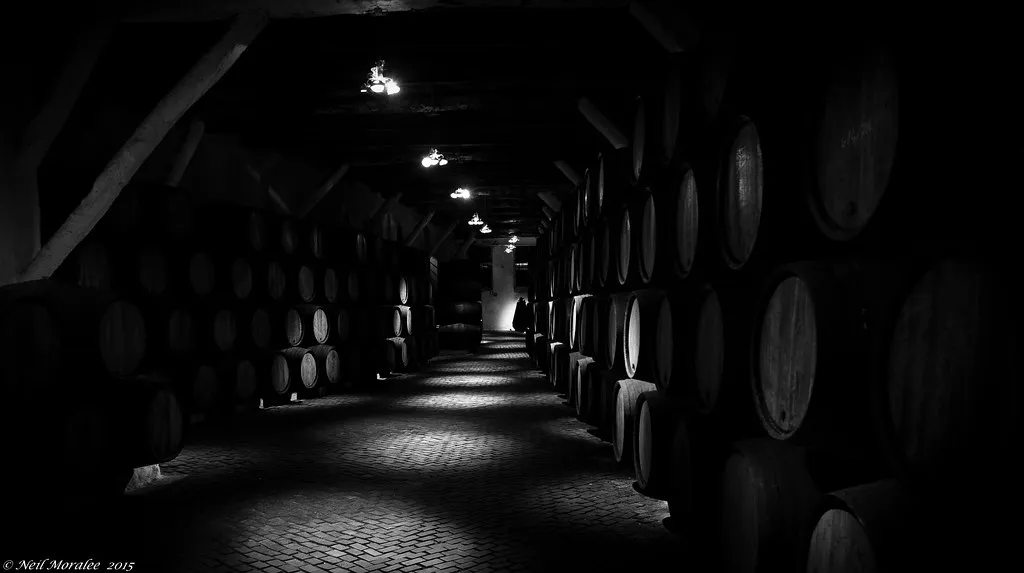
The Douro Valley is the most popular day trip from Porto and one of the most beautiful wine regions in the world. The UNESCO-listed landscape of terraced vineyards climbing steep hillsides above the Douro River has been producing wine for over 2,000 years. This is where Port wine grapes are grown before being transported to the cellars of Vila Nova de Gaia for aging.
Getting There
The most scenic option is the regional train from Sao Bento station to Pinhao, which follows the river for about 2.5 hours through tunnels and along cliff edges. A single ticket costs approximately EUR 7.50–9 (round trip EUR 15–18 in 2026). Book an early departure around 7:30–8:00 AM to maximise your time in the valley — the first train from Sao Bento to Pinhao typically departs around 8:00 AM.
Driving takes about 1.5 hours via the A4 motorway and offers more flexibility to visit multiple estates. Tolls cost approximately EUR 8–10 each way. Parking at Pinhao and Regua is free along the riverfront.
For a detailed route guide, see our Douro Valley day trip from Porto article with specific winery recommendations and the full day-by-day train schedule.
What to Do
- Wine tastings: Most estates (quintas) offer guided tours and tastings for EUR 15 to EUR 30 per person. Popular stops include Quinta do Bomfim, Quinta da Roeda, and Quinta do Crasto. Reservations are essential during harvest season (September to October).
- River cruise: Short boat trips from the Pinhao pier last one hour and cost EUR 12 to EUR 15. Full-day cruises from Porto to Regua or Pinhao (with bus return) run EUR 50 to EUR 80.
- Lunch at a quinta: Several estates serve traditional Portuguese lunch with wine pairings for EUR 25 to EUR 40 per person. Book ahead as capacity is limited.
- Viewpoints: The Sao Leonardo de Galafura viewpoint near Regua offers the most dramatic panorama of the terraced valley. Free access, reachable by car.
Timing
Allow a full day (8:00 AM departure, 7:00 PM return). The valley is too large and spread out for a half-day visit. September and October during harvest season are the most vibrant months, but the valley is beautiful year-round. Winter visits offer fewer crowds and atmospheric misty landscapes.
- Pinhao Train Journey
- Type: Regional rail along the Douro
- Duration: 2.5 hours each way
- Cost: EUR 15 to EUR 20 round trip
- Best for: Scenic travel and budget travelers
- Vineyard Wine Tasting
- Type: Guided estate tour
- Duration: 1 to 1.5 hours per estate
- Cost: EUR 15 to EUR 30 per person
- Best for: Wine enthusiasts and culture seekers
Guimaraes: The Cradle of Portugal
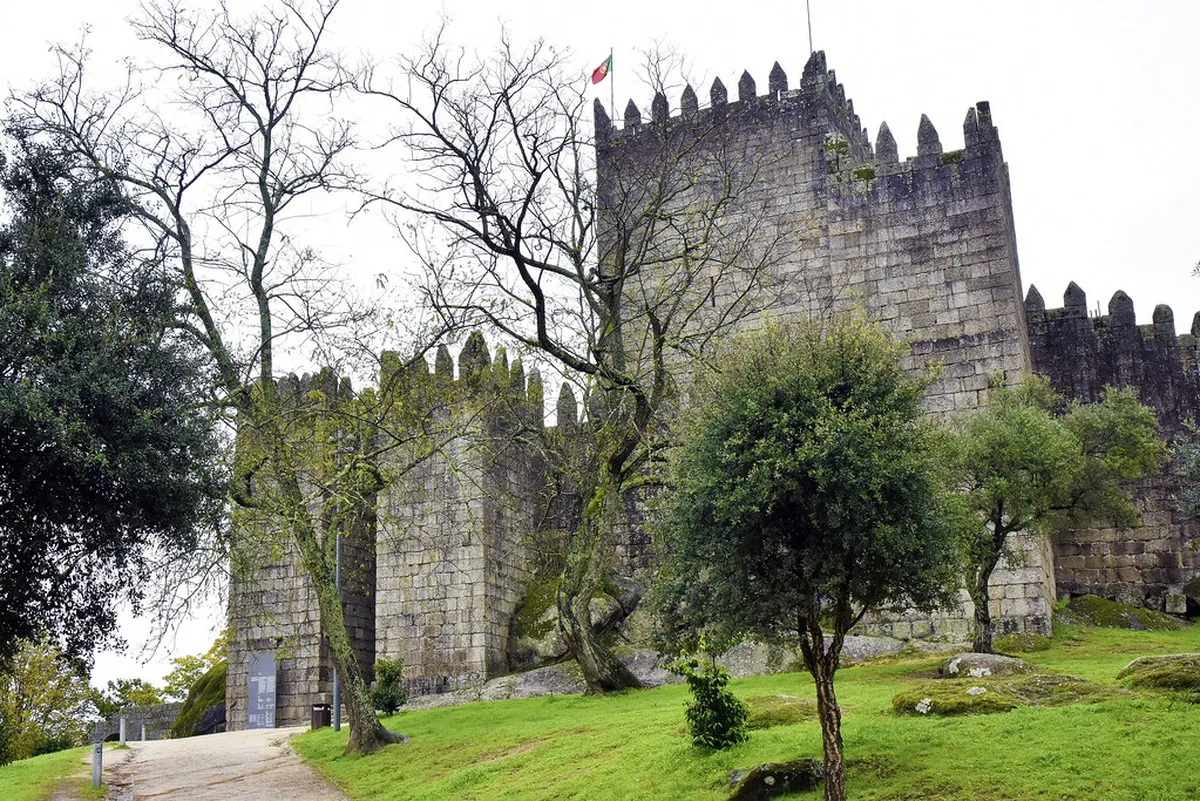
Guimaraes is widely considered the birthplace of the Portuguese nation. It was here that Afonso Henriques, the first king of Portugal, was born in the 11th century and began the military campaigns that established the country as an independent kingdom. The city's medieval center is a UNESCO World Heritage site, remarkably well-preserved with narrow stone streets, Gothic churches, and the imposing castle on the hill.
Getting There
Direct trains from Porto Campanha station run every hour and take approximately 1 hour 10 minutes. Standard round-trip tickets cost EUR 6 to EUR 8. The Guimaraes station is a 10-minute walk from the historic center.
Driving takes about 50 minutes via the A3/A7 motorways. Tolls cost approximately EUR 4 each way. Paid parking is available near the castle for EUR 2 to EUR 4 per day.
What to See
- Guimaraes Castle: The 10th-century fortress on the hilltop with thick granite walls and seven towers. Entry EUR 6. The famous inscription "Aqui Nasceu Portugal" (Portugal Was Born Here) is carved into the medieval walls.
- Palace of the Dukes of Braganza: A 15th-century palace with an impressive collection of tapestries, weapons, and furniture. Entry EUR 6. Combined ticket with the castle is EUR 10.
- Penha Mountain: Take the Teleferico de Guimaraes cable car (EUR 7.50 return) to the top of Penha for panoramic views, boulder-strewn parkland, and a hilltop sanctuary.
- Historic Center: Largo da Oliveira and Praca de Santiago form the heart of the medieval town, surrounded by traditional restaurants and artisan shops.
Where to Eat
Traditional pastries are a highlight. Toucinho do Ceu (a rich almond cake) costs about EUR 2 per piece at local bakeries. For lunch, the side streets off Largo da Oliveira offer authentic set menus for EUR 8 to EUR 12 per person, significantly cheaper than the main square restaurants.
Braga: Portugal's Religious Capital
Braga is one of the oldest cities in Portugal and has served as the religious capital of the country for centuries. The city is home to the archdiocese, numerous baroque churches, and the spectacular Bom Jesus do Monte sanctuary that draws pilgrims and tourists from around the world. Beyond the religious heritage, Braga has a vibrant university town atmosphere with excellent restaurants and a lively nightlife scene.
Getting There
Urban trains from Porto Sao Bento station run every 30 minutes and take approximately 1 hour. Round-trip tickets cost EUR 6 to EUR 7. The Braga station is centrally located, a short walk from the main sights.
Driving takes about 45 minutes via the A3 motorway with tolls of approximately EUR 3 each way.
What to See
- Bom Jesus do Monte: The monumental baroque stairway with 577 granite steps zigzagging up the hillside through ornamental fountains, chapels, and allegorical statues. You can climb the stairs (free, 20 to 30 minutes) or ride the world's oldest water-powered funicular (EUR 2 one way). The views from the top are extraordinary.
- Braga Cathedral (Se de Braga): The oldest cathedral in Portugal, founded in 1070. The interior mixes Romanesque, Gothic, and Baroque elements. Free entry to the nave, EUR 3 for the museum and treasury.
- Jardim de Santa Barbara: A beautiful formal garden next to the former archbishop's palace, filled with roses, hedges, and a central fountain. Free and open daily.
- Sameiro Sanctuary: The second-largest Marian pilgrimage site in Portugal after Fatima, located on a hilltop near Bom Jesus with views across the Minho region. Free entry.
Combining Braga and Guimaraes
These two cities are only 25 minutes apart by bus (EUR 3 each way, departures every 20 to 30 minutes). A popular full-day itinerary starts in Guimaraes in the morning (castle and palace), takes the bus to Braga for lunch and Bom Jesus in the afternoon, then returns to Porto by train in the evening. This requires an early start (8:00 AM) but is very doable and covers two UNESCO sites in a single day.
Aveiro and Costa Nova: The Venice of Portugal
Aveiro sits about 75 kilometers south of Porto and earns its Venice nickname from the network of urban canals navigated by colorful Moliceiro boats. The city blends Art Nouveau architecture with a working fishing port and a distinctive local cuisine centered on fresh seafood and the famous Ovos Moles sweets.
Getting There
The direct train from Porto Campanha takes approximately 50 minutes to 1 hour 15 minutes depending on the service type. Standard round-trip tickets cost EUR 7 to EUR 10. Trains run roughly hourly throughout the day.
Driving takes about 50 minutes via the A1 motorway. Tolls cost approximately EUR 5 each way. Parking in central Aveiro is available for EUR 3 to EUR 5 per day.
What to Do in Aveiro
- Moliceiro boat tour: A 45-minute guided cruise through the city's canals costs EUR 12 to EUR 15 per person. The colorful boats feature painted panels with humorous scenes. Tours depart from the central canal bridge throughout the day.
- Aveiro Museum (Santa Joana): Housed in a former convent, this museum showcases religious art and the tomb of Princess Joana. Entry EUR 4.
- Art Nouveau architecture: Self-guided walking tour through the central streets reveals beautifully decorated facades from the early 1900s. The Museu Arte Nova has free entry and includes a tea room.
- Salt pans: The traditional salt production site on the edge of town offers free guided visits during morning hours and a small museum explaining the centuries-old extraction process.
Costa Nova Side Trip
From Aveiro station, a local bus (EUR 2.50 each way, 15 minutes) takes you to Costa Nova, famous for its iconic striped beach houses called palheiros. Originally used by fishermen to store equipment, these colorful wooden structures now serve as vacation homes and make one of the most photogenic settings in Portugal.
The beach at Costa Nova faces the Atlantic and offers good conditions for surfing and bodyboarding. Even if you do not swim, walking along the sandy lagoon behind the houses at sunset is a peaceful end to a busy day. Fresh seafood lunches in Aveiro cost EUR 12 to EUR 22 depending on the catch of the day.
Local Specialties
Do not leave Aveiro without trying Ovos Moles, egg yolk and sugar sweets shaped like barrels, shells, or fish. These traditional confections cost about EUR 1.50 per piece and are sold in bakeries and souvenir shops throughout the city. They are recognized as a Protected Geographical Indication product by the EU.
Peneda-Geres National Park: Wild Nature
For travelers who want to escape the cities entirely, Peneda-Geres National Park is Portugal's only national park and offers a dramatic landscape of granite mountains, wild rivers, ancient oak forests, and remote stone villages. The park sits about 100 kilometers northeast of Porto and provides a complete contrast to the urban experiences of the Douro region.
Getting There
A car is strongly recommended for Peneda-Geres as public transport to the interior trails is very limited. The drive takes approximately 1.5 hours via the A3 motorway to Vila do Geres, the main gateway town. Tolls cost about EUR 5 each way.
Guided group tours from Porto (available through Viator and GetYourGuide) cost EUR 80 to EUR 120 per person and include transport, a guided hike, and often a swimming stop. This is the best option for travelers without a car.
What to Do
- Hiking: Well-marked trails range from easy riverside walks (1 to 2 hours) to challenging mountain ascents. The Trilho da Preguica (Waterfall Trail) near Geres village is one of the most popular, passing cascading waterfalls through oak forest.
- Wild swimming: Natural rock pools and river beaches throughout the park offer refreshing swimming in crystal-clear water during summer. Pocos de Tahiti and Cascata do Arado are the most famous spots.
- Garranos wild horses: The park is home to herds of Garrano ponies, a semi-wild breed that has roamed the mountains for thousands of years. You can often spot them grazing near the higher altitude trails.
- Roman road (Geira): Sections of the ancient Roman road that once connected Braga to Astorga in Spain are preserved within the park, complete with original mile markers.
Timing
May through October are the best months for visiting. Summer (July to August) is ideal for swimming but also the busiest period. Spring offers wildflowers and waterfalls at their fullest. The park roads can be challenging in winter with fog and occasional ice at higher elevations.
Matosinhos: Seafood Capital and Surf Beach
Matosinhos is technically a separate city but sits just 20 minutes north of central Porto by metro, making it the easiest and quickest day trip on this list. The town is famous throughout Portugal for having the best seafood restaurants in the region, with Rua do Herois de Franca lined with dozens of grilled fish houses that fill with locals every weekend.
Getting There
Take the Metro Blue Line (Line A) from Trindade or Bolhao station directly to Matosinhos Sul. The journey takes 20 to 25 minutes and costs EUR 1.20 with an Andante card. No reservation or advance planning needed.
What to Do
- Seafood lunch: The restaurants along Rua do Herois de Franca serve the freshest grilled fish in the region. Whole grilled sea bass or sea bream with salad and potatoes costs EUR 12 to EUR 18 per person. Seafood platters for two run EUR 30 to EUR 50. Arrive by 12:30 PM for a table without waiting.
- Praia de Matosinhos: A wide, sandy Atlantic beach popular with surfers. Surfboard rental costs EUR 15 to EUR 20 for two hours. Surf lessons start at EUR 30 per session. The beach is also excellent for a leisurely walk along the promenade.
- Mercado Municipal de Matosinhos: The local fish market is worth a morning visit to see the fresh catch being auctioned and sold. Open weekday mornings.
- Leca da Palmeira tidal pools: Alvaro Siza Vieira's famous modernist swimming pool complex sits just north of Matosinhos, built into the rocks along the Atlantic coastline. Entry EUR 4.
Viana do Castelo: Northern Coastal Gem
Viana do Castelo is a beautiful town at the mouth of the Lima River, about 70 kilometers north of Porto. It is less visited than other day trip destinations, giving it a more authentic and uncrowded atmosphere. The town combines a pretty medieval center with a dramatic hilltop sanctuary and excellent Atlantic beaches.
Getting There
Direct trains from Porto Campanha run every 1 to 2 hours and take approximately 1.5 to 2 hours. Round-trip tickets cost EUR 10 to EUR 14. Driving takes about 1 hour via the A28 coastal motorway.
What to See
- Santuario de Santa Luzia: A neo-Byzantine basilica perched on Monte de Santa Luzia above the town, accessible by funicular (EUR 3 return) or car. The views from the church steps stretch across the Lima estuary, the Atlantic coastline, and the mountains of the Minho region.
- Praia do Cabedelo: A long sandy beach across the river from the town center, reached by ferry (EUR 1.50) or car. Popular for kitesurfing and windsurfing due to consistent Atlantic winds.
- Historic center: Praca da Republica is the main square with the 16th-century Misericordia church and Renaissance fountain. The surrounding streets have good restaurants and traditional lace shops selling Viana's famous embroidery.
- Gil Eannes hospital ship: A museum ship permanently moored in the harbor, originally built to support the Portuguese cod fishing fleet on the Grand Banks of Newfoundland. Entry EUR 5.
Planning Tips and Common Mistakes to Avoid
Key Planning Tips
- One destination per day: Rushing through multiple towns leads to a superficial experience. Choose one primary destination and explore it properly. The exception is the Braga-Guimaraes combination, which works well as a single-day itinerary.
- Check train schedules in advance: Regional trains sometimes run only once every two hours, especially on weekends and holidays. Verify departure times on the CP (Comboios de Portugal) website or app the night before.
- Book restaurant tables for popular destinations: Restaurants in Pinhao (Douro Valley) and Matosinhos fill up by noon during summer. A phone call the morning of your visit saves you from a long wait or limited options.
- Carry cash for small towns: While Porto accepts cards everywhere, some smaller town buses, market vendors, and rural restaurants remain cash-only.
Common Mistakes
- Underestimating travel time to the Douro Valley. The train to Pinhao takes 2.5 hours each way, so you need a full day.
- Visiting Peneda-Geres without a car. Public transport to the park interior is extremely limited and unreliable.
- Forgetting about seasonal schedules. Many vineyard tours, boat operators, and smaller museums run reduced hours from November through March. Always verify operating hours at least one day before.
- Skipping lunch reservations at popular Douro Valley quintas during harvest season (September to October). These small restaurants have limited seating.
Douro Valley quinta restaurants and the Biblioteca Joanina in Coimbra both require advance booking and fill up quickly during peak season (June–October). Arriving without a reservation during harvest season (September–October) can mean missing out on both lunch and the library — book at least a week ahead.
Transport Cost Summary (2026 Round-Trip)
- Douro Valley (Pinhao) by train: EUR 15–18 round trip
- Guimaraes by train: EUR 7.30 round trip
- Braga by train: EUR 7 round trip
- Aveiro by train: EUR 7.10 round trip
- Coimbra by Intercidades train: EUR 17.30 round trip
- Viana do Castelo by train: EUR 12–14 round trip
- Matosinhos by Metro: EUR 2.40 round trip
- Peneda-Geres by guided tour: EUR 80–120 per person
- Ponte de Lima by car: EUR 10 tolls + fuel + free parking
- Amarante by car: EUR 8 tolls + fuel + free parking
For planning your Porto city time around these excursions, see our Porto 2-day itinerary to maximise your sightseeing between day trips. For a comprehensive look at all the highlights within the city itself, see our full Porto attractions guide. For northern Portugal destinations beyond this list, our northern Portugal day trips from Porto guide covers the Minho region, Ponte de Lima, and the border towns in detail.
Frequently Asked Questions
Which is the best day trip from Porto for wine lovers?
The Douro Valley is the premier choice for wine enthusiasts. You can visit UNESCO-listed terraced vineyards, taste wines at historic quintas for EUR 15–30 per tasting, take a river cruise through the valley, and enjoy lunch paired with regional wines. The scenic regional train from Sao Bento (EUR 7.50–9 one-way, 2.5 hours) adds to the experience. For a complete route guide, see our Douro Valley day trip article. For the river boat experience, check our Porto Douro River cruise guide.
Can I visit Braga and Guimaraes in one day from Porto?
Yes, the two cities are only 25 minutes apart by bus (EUR 3 each way). A typical itinerary starts in Guimaraes in the morning for the castle and Palace of the Dukes, takes a midday bus to Braga for lunch and Bom Jesus in the afternoon, then returns to Porto by evening train. Start early (8:00 AM train to Guimaraes) and you will have comfortable time at both destinations.
How much does a train ticket to Aveiro cost from Porto?
A standard train ticket from Porto Campanha to Aveiro costs approximately EUR 3.50 to EUR 5 each way depending on the service type. The journey takes 50 minutes to 1 hour 15 minutes on the regional line. Tickets can be purchased at station kiosks, ticket machines, or the CP mobile app. There is no need to reserve in advance for regional trains.
What is the best way to get to the Douro Valley from Porto?
The regional train from Sao Bento station offers the most scenic and affordable route, following the Douro River for 2.5 hours to Pinhao at approximately EUR 15–18 round trip (2026 fares). Driving provides more flexibility to visit multiple estates (1.5 hours, EUR 8–10 in tolls each way). Organised tours with transport cost EUR 80–140 per person and include winery visits, lunch, and sometimes a river cruise — see our Douro Valley wine tasting day trip for a full tour comparison.
Is Peneda-Geres National Park worth visiting from Porto?
Absolutely, especially if you enjoy hiking, wild swimming, and dramatic mountain scenery. The park is Portugal's only national park and offers pristine landscapes completely different from the urban day trips. You need a car or organized tour (EUR 80 to EUR 120) since public transport is very limited. The best months are May through October, with summer ideal for swimming in the natural rock pools.
Which day trip from Porto is best for families with children?
Aveiro and Costa Nova are the most family-friendly options. The Moliceiro boat tour through Aveiro's canals is entertaining for all ages, and the colorful striped houses of Costa Nova make a fun photo backdrop. The beach at Costa Nova is sheltered and suitable for children. Matosinhos is another easy option since it is just a 20-minute metro ride from Porto with a wide, sandy beach and casual seafood restaurants.
Northern Portugal offers an extraordinary diversity of day trip experiences within easy reach of Porto. From the world-class vineyards of the Douro Valley to the medieval streets of Guimaraes, the baroque splendor of Braga, and the colorful canals of Aveiro, every excursion reveals a different facet of Portuguese culture and landscape.
The key to a successful day trip is choosing one destination per day and giving yourself time to explore at a relaxed pace. Book train tickets and restaurant tables in advance during summer, carry comfortable shoes for the inevitable cobblestones, and leave room in your schedule for unexpected discoveries along the way.
For Douro Valley planning, choose between our independent guide (Douro Valley day trip), wine-tasting focused excursion (Douro Valley wine tasting day trip), or the full river experience (Porto Douro River cruise guide). For destinations north of Porto, our northern Portugal day trips from Porto guide expands on everything in the Minho region.
Whether you are a wine lover heading to the Douro, a history buff exploring Portugal's birthplace in Guimaraes, or a nature enthusiast hiking through Peneda-Geres, these excursions from Porto will be among the highlights of your 2026 trip to Portugal. Use the factsheet table and interest matrix at the top of this guide to plan your first day trip, then let each excursion lead you deeper into the remarkable region surrounding Porto.
 Porto To Aveiro By Train Travel GuideJune 8, 2026