Lisbon, Porto, Sintra: A First-Timer's Guide to Portugal's Big Three
First-timer's guide to Lisbon, Porto, and Sintra for 2026. How long to spend in each city, what order to visit, realistic budgets, and common planning mistakes.
On this page
Lisbon, Porto, Sintra: A First-Timer's Guide to Portugal's Big Three for 2026
Almost every first trip to Portugal revolves around the same three places: Lisbon, Porto, and Sintra. Lisbon is the capital on the Tagus, Porto is the smaller, moodier rival on the Douro, and Sintra is the UNESCO palace town an hour west. Together they cover the country's most iconic food, wine, and scenery. If you are planning a first visit for 2026 and trying to slice up a week, this guide is written for you.
Most first-timers get two decisions wrong. First, how much time to give each place — Sintra gets underestimated, Porto overestimated, and Lisbon usually gets the wrong neighborhood. Second, the order. Lisbon then Porto works. Porto then Lisbon is usually better. This guide explains why, with day counts, 2026 prices, and the small notes that separate a smooth trip from one spent arguing about train tickets at Oriente.
Why These Three Cities Anchor Every First Trip
Portugal is a small country, but its personality shifts between regions. The three cities first-timers build trips around are also the most distinct, which makes a one-week trip feel bigger than its mileage.
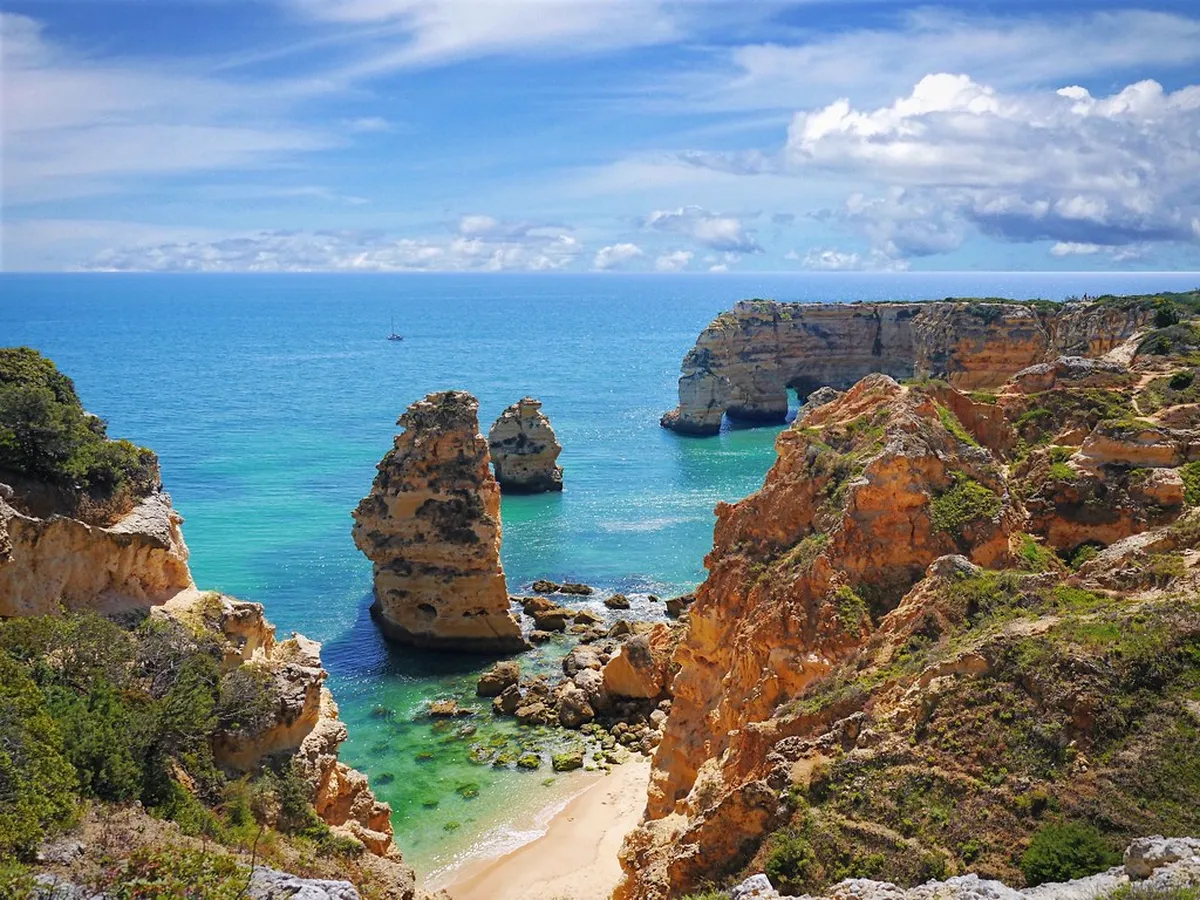
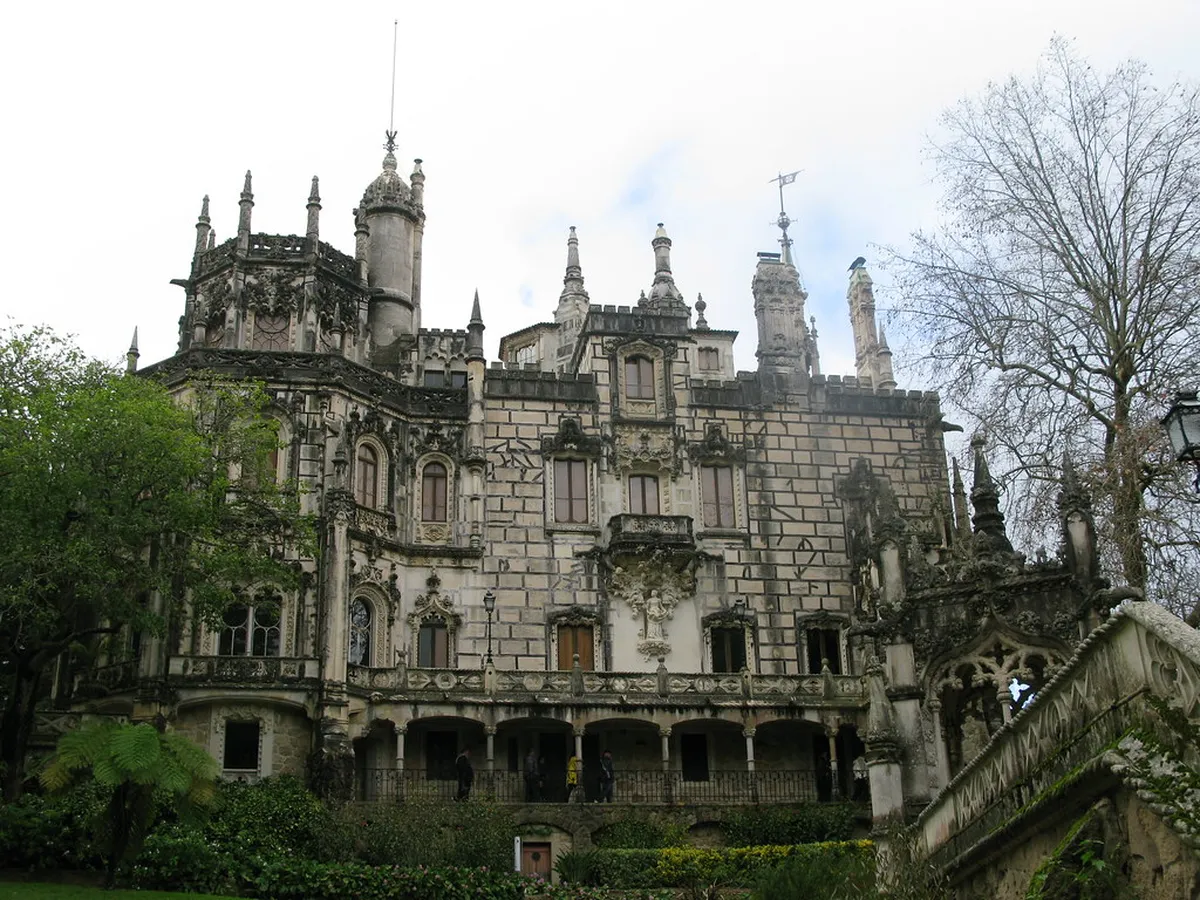
Lisbon is the capital of seven hills, yellow trams, and tiled facades, with food and nightlife strong enough to hold you four days. Porto is the compact granite city of the Douro and the home of Port wine. Sintra, in the misty hills between Lisbon and the Atlantic, is where Pena Palace, Quinta da Regaleira, and the Moorish Castle sit in a small radius. Add a Douro Valley day trip and you have four experiences in one country: capital, river city, fairytale hills, wine country.
How Many Days to Give Each Place
This is the single question first-timers get wrong most often.
Lisbon: 3 Full Days Minimum
Three days is the sweet spot. One for Alfama, the castle, and Baixa. One for Belém and the riverfront. One for Chiado, Príncipe Real, and Bairro Alto in the evening. For an hour-by-hour pacing plan, the Lisbon 3-day itinerary from Eurocityguide maps exactly how to sequence the city with timings for the Jerónimos Monastery and Belém Tower queues. Add Sintra as a day trip and you are at four full days based in Lisbon. Two days is too short; four is the upper limit unless you are adding Cascais or Setúbal.
Porto: 2 to 3 Days
Porto is deceptively small. The historic center — Ribeira, Sé, Clérigos, Vila Nova de Gaia across the bridge — covers about two square kilometers, and you can walk between main sights in 15 minutes. Two days is enough for the essentials; a third day fits the Douro Valley, which is essentially mandatory on a first visit. Anything beyond three days and you will be filling afternoons unless you are a serious wine traveler.
Sintra: One Long Day, Not Half a Day
Sintra from Rossio station takes 40 minutes each way, and the palaces are spread over a hilly park. Trying to do Pena Palace, Quinta da Regaleira, and the Moorish Castle in a half-day is miserable. Plan a full day — 8:00 AM train out, 6:00 PM train back — and accept you will only see two of the three major sites properly. Our Sintra one-day vs two-day guide breaks down which pairing works best.
What Order Should You Visit?
Most first-timers default to Lisbon first, then Porto. Nothing wrong with that. But if you have flexibility, consider flipping it: fly into Porto, work your way south to Lisbon, and fly out from there. Porto is smaller and gentler — starting there lets you adjust to Portuguese pace and food before dropping into Lisbon's louder energy. It is easier to build up to Lisbon than scale down from it.
Transport works in both directions. The Alfa Pendular high-speed train connects Porto Campanhã to Lisbon Santa Apolónia or Oriente in 2 hours 45 to 3 hours 15, with tickets €25 to €45 if booked a week or two ahead on CP. It runs roughly hourly. For a deeper comparison of the two cities before deciding where to spend extra nights, our Porto vs Lisbon comparison guide breaks down both cities across cost tables, day-trip ecosystems, food, nightlife, and a step-by-step decision checklist.
Where Sintra fits depends on your Lisbon block. The most common pattern: Days 1-3 Lisbon, Day 4 Sintra, Day 5 train to Porto, Days 5-7 Porto. Flipped: Days 1-3 Porto, Day 4 train to Lisbon, Days 4-7 Lisbon with Sintra as Day 7. Either works.
Sample First-Timer Itineraries
The Classic 7-Day Trip
Fly into Lisbon on Day 1 (evening arrival, soft landing in Alfama). Days 2 and 3 in Lisbon — castle, Alfama, Belém, viewpoints. Day 4 Sintra day trip. Day 5 morning train to Porto, afternoon walk through Ribeira. Day 6 Clérigos, Livraria Lello, Port wine in Gaia. Day 7 Douro Valley, fly out that evening or the next morning. Our full Portugal 7-day itinerary covers this route with hotel neighborhoods and train times.
The Relaxed 10-Day Trip
Use three extra days to sleep a night in Sintra, add a Cascais beach day, or extend Porto to fit both the Douro and a day in Aveiro. Book a proper pastéis de nata food tour and a Francesinha crawl instead of eating on the run.
The Tight 5-Day Trip
Three days Lisbon with Sintra as Day 3, two days Porto. Skip the Douro. Works best if you are traveling from elsewhere in Europe and not fighting transatlantic jet lag.
Realistic 2026 Budget Per Person
Portugal remains one of Western Europe's best-value destinations, but prices have climbed since 2023. A mid-range first-timer should plan €100 to €140 per day — roughly €700 to €1,000 for a week before flights.
Breakdown: mid-range hotel or Airbnb at €70 to €110 per double, food €35 to €50 (pastry breakfast, prato do dia lunch, dinner with wine), €7 to €10 transport, and €15 to €25 for attractions on paid-site days. Porto runs 15 to 20 percent cheaper than Lisbon across every category.
Where first-timers overspend: taxis on hills they could walk, tourist-trap restaurants around Rossio, and commercial Fado-dinner shows at €60 to €90 when an authentic Fado bar runs €25 to €40. Where they underspend and regret it: Sintra palace tickets at the gate (summer lines hit 90 minutes) and Port wine tastings — the €20 to €30 premium tasting is worth double the €12 basic tour.
Porto runs 15 to 20 percent cheaper than Lisbon across hotels, food, and transport. If you are watching your budget, spending your extra nights in Porto rather than Lisbon can save €20 to €30 per day per person.
Where You Sleep Matters More Than You Think
First-timers often end up in Parque das Nações or Marquês de Pombal because hotels there are cheaper. Both are a mistake. Parque das Nações is a business district 20 minutes from the historic center. Marquês de Pombal is a traffic circle.
Stay in Baixa, Chiado, or the edge of Alfama. You will walk everywhere, and the evening atmosphere is where most of the memory of Lisbon lives. Our best areas to stay in Lisbon guide covers the tradeoffs, including which streets are loud at night.
In Porto, the same logic applies: stay in Ribeira, Baixa, or near São Bento station. Avoid Boavista unless you want a 25-minute metro ride to every sight. See our where to stay in Porto guide for specifics.
Common First-Timer Mistakes
Underestimating the hills. Lisbon is genuinely steep, and the calçada portuguesa cobblestones are polished so smooth by centuries of foot traffic that they become dangerously slippery when wet. Rubber-soled shoes with real grip, not flat sneakers.

Trying to do Sintra as a half-day. It cannot be done well. Either commit a full day or skip it.
Riding Tram 28 at peak hours. Between 10 AM and 4 PM it is packed with tourists and pickpockets. Ride it at 8:00 AM or after 7:00 PM. Or take it one stop uphill for the photo and walk the rest.
Eating where menus are in four languages. Good tascas in both cities serve a daily special (prato do dia) for €9 to €13 including bread, soup, and a glass of wine. If the menu is in English, German, French, and Spanish, walk on.
Not booking Pena Palace online. In summer the gate queue hits 90 minutes. Online booking via the official parquesdesintra.pt site is €1 cheaper and skips the line.
Tram 28 between 10 AM and 4 PM is heavily targeted by pickpockets. Keep bags in front of you and avoid riding it during peak tourist hours — take it at 8:00 AM or after 7:00 PM for a safer, less crowded experience.
Language, Money, and Small Practicalities
Portuguese is the language, but English is widely spoken in both cities. A few words — bom dia, obrigado/obrigada, faz favor, a conta — go a long way. Do not assume Spanish will work.
Portugal is on the Euro. Cards are accepted almost everywhere, but keep €20 to €40 in cash for tips and small cafés. ATMs marked "Multibanco" are safe — avoid Euronet machines, which charge inflated fees. Tipping is not expected but appreciated. Tap water is safe everywhere in both cities.
Frequently Asked Questions
Is it better to fly into Lisbon or Porto first?
Either works, but flying into Porto and out of Lisbon is often smoother for first-timers. Starting in the smaller, quieter city lets you adjust to Portuguese pace before Lisbon's louder energy. The Alfa Pendular makes the transfer easy in under three hours for €25 to €45, and Lisbon has more direct long-haul flights home.
How many days total do I need for a first trip to Portugal?
Seven days covers Lisbon, Porto, and Sintra without feeling rushed. Ten days lets you add the Douro Valley and a beach day in Cascais. Five days is possible but forces you to skip the Douro. Anything under five days should focus on Lisbon and Sintra only.
Do I need a rental car?
No. Lisbon, Porto, and Sintra are connected by frequent trains and local transport. A car is actually a liability in both city centers — parking is expensive and historic streets are pedestrianized. Rent only if you plan to add Alentejo countryside or coastal villages trains cannot reach.
What is the best time of year for a first visit?
April to early June and September to early October. Temperatures sit at a comfortable 20 to 26 degrees, prices have not hit peak, and crowds are manageable. See our best month to visit Portugal guide for month-by-month detail.
A first trip built around Lisbon, Porto, and Sintra does not require much to go right. Give each city the time it deserves, sleep in the historic center, and resist cramming in a fourth city. The country is small enough to come back to — most first-timers do.
The rest is food, hills, and golden light. Eat where locals eat, wear shoes that grip the cobblestones, book Pena Palace online, and take the train north at least once. Leave room for the unstructured afternoon — a glass of wine on a miradouro, a slow walk back across the Dom Luís I Bridge at sunset — that turns out to be the memory you keep.
 How to Get to Braga: 6 Best Ways to TravelJune 4, 2026