Lisbon Food Tour Pasteis de Nata Guide: Best Spots
Lisbon food tour and pasteis de nata guide for 2026. Best bakeries ranked, self-guided tasting route, history, prices, and tips from a local Portuguese writer.
On this page
Ultimate Lisbon Food Tour Pasteis de Nata Guide for 2026
No trip to Lisbon is complete without eating a pastel de nata — the crispy, flaky custard tart that has become the single most iconic food in Portugal. These golden pastries, with their caramelized custard centers and spiral-layered puff pastry shells, are sold in virtually every bakery, cafe, and even gas station across the country — but the difference between a mass-produced nata and a freshly baked masterpiece is enormous. This Lisbon food tour pasteis de nata guide takes you beyond the famous names to find the bakeries that truly deserve your appetite and your Euros.
Lisbon's nata scene has evolved significantly in recent years, with serious competition emerging to challenge the long-standing supremacy of the original Pastéis de Belém shop. Award-winning bakeries like Aloma, Confeitaria da Glória, and Manteigaria have raised the bar with their own distinctive styles, and the annual "Best Pastel de Nata in Lisbon" competition generates fierce debate among locals who take their custard tarts as seriously as the French take their croissants. This guide ranks the top bakeries, maps out a self-guided tasting route, and teaches you how to identify a truly excellent nata from the mediocre imitations. Prepare your appetite for the sweetest journey through the streets of Portugal's capital.
The Fascinating History of Pastéis de Nata in Lisbon
The story of the pastel de nata begins in the kitchens of the Jerónimos Monastery in Belém, where Hieronymite monks in the 18th century used enormous quantities of egg whites to starch their religious habits and linens. With hundreds of leftover egg yolks accumulating daily, the monks developed a rich custard recipe to avoid waste — combining the yolks with sugar, flour, and cream to create a filling that they baked inside flaky pastry shells. These tarts became a local delicacy and an important source of revenue for the monastery.
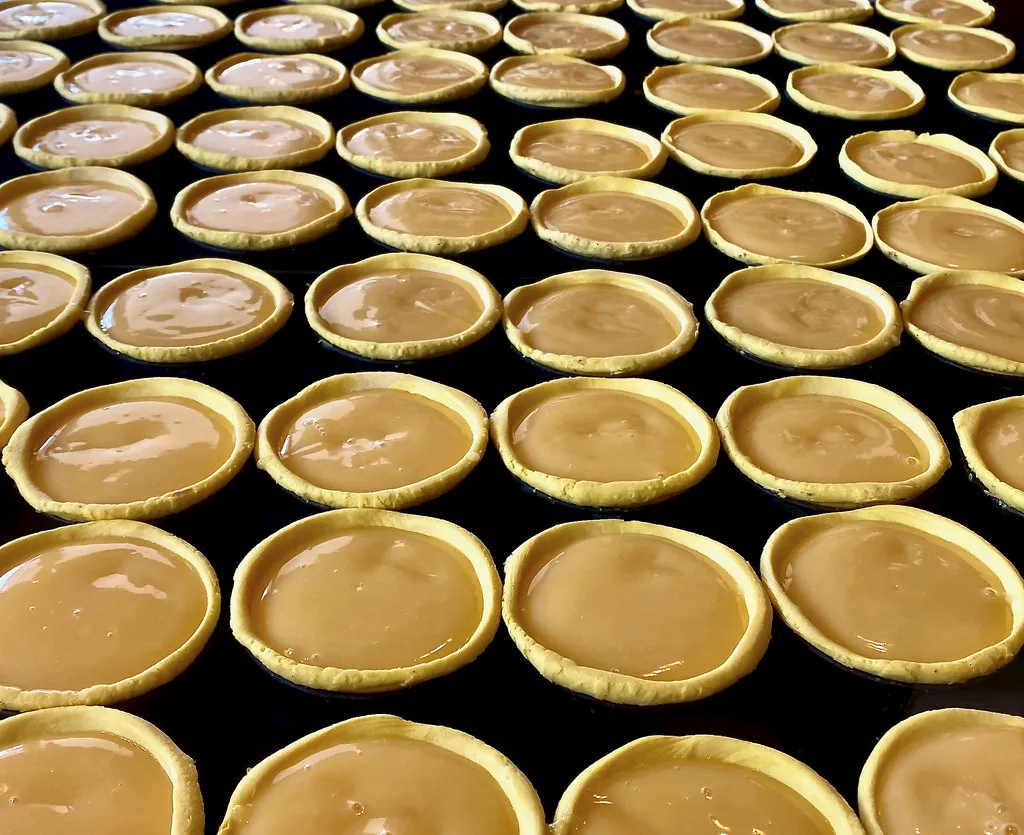
The Liberal Revolution of 1834 dissolved Portugal's religious orders and forced the Jerónimos monks out of their monastery. In financial desperation, they sold their secret custard recipe to a businessman named Domingos Rafael Alves, who owned a sugar refinery adjacent to the monastery. In 1837, he opened a small shop called Pastéis de Belém, which has been baking and selling those same tarts continuously for nearly 190 years. The shop now produces over 20,000 tarts daily, and the original recipe is known to only three master bakers who work in a locked room — the Oficina do Segredo (Secret Workshop) — that no other employee is permitted to enter.
While Pastéis de Belém claims the original recipe, the broader nata tradition spread throughout Lisbon and eventually across the world. The key distinction is that only the Belém shop can legally use the name "Pastéis de Belém" — every other bakery in Portugal must call their version "pastel de nata" (cream pastry). This legal protection is similar to Champagne from France, and it adds a layer of prestige to the Belém experience. Today, pastéis de nata is the most consumed pastry in Portugal, with the country producing an estimated 20 million tarts annually. Visiting the original shop is one of the most essential things to do in Lisbon for history and food lovers alike.
The 8 Best Bakeries for Pastéis de Nata in Lisbon (Ranked)
1. Pastéis de Belém — The Legendary Original
The most famous pastry shop in Portugal has earned its reputation over nearly two centuries. The tarts here have a distinctive character — the pastry is exceptionally thin and shatters at first bite, the custard has a slightly eggy richness that other bakeries cannot replicate, and the charred spots on top are more pronounced than anywhere else. The blue-and-white tiled interior seats over 400 people across several large rooms, and watching the bakers work through the glass window is part of the experience. A single tart costs 1.30 Euros, and you should order at least two because one is never enough. Queue times average 20 minutes during summer but drop to under 5 minutes in winter. Location: Rua de Belém 84-92.
2. Aloma — The Award Winner
Aloma won the prestigious "Best Pastel de Nata in Lisbon" award in both 2024 and 2025, and many locals now consider it the finest bakery in the city. Their nata features a slightly crispy, crème brûlée-like caramelized top and a filling that is creamier and less sweet than the Belém version. The shop is located in Campo de Ourique, away from the main tourist areas, which means shorter queues and a more authentic neighborhood experience. A tart costs 1.20 Euros. This is the bakery that serious food lovers prioritize over all others. Location: Rua Francisco Metrass 67.
3. Manteigaria — The Fresh Obsession
Manteigaria has built its reputation on one principle: absolute freshness. Their open kitchens feature a bell that rings every time a new batch emerges from the oven, and staff encourage you to eat your tart within 60 seconds of it leaving the tray. The pastry is buttery and rich, the custard silky-smooth, and the overall experience feels theatrical and exciting. They have several locations including Rua do Loreto in Chiado and inside the Time Out Market. A tart costs 1.20 Euros. No seating at the Chiado location — you eat standing at the counter or walking outside. Location: Rua do Loreto 2 (Chiado), Time Out Market (Cais do Sodré).
4. Confeitaria Nacional — The Historic Grande Dame
Operating since 1829, Confeitaria Nacional is the oldest continuously running pastry shop in Lisbon — even predating Pastéis de Belém. Their pastel de nata is more traditional in style, with a thicker pastry base and a custard that leans slightly sweet. The grand interior with ornate ceilings and marble counters makes you feel like you have stepped back into the 19th century. Beyond natas, their bolo de arroz (rice cake) and folhados de creme (cream puffs) are excellent. Location: Praça da Figueira 18B, right next to Rossio square.
5. Confeitaria da Glória — The 2023 Champion
Winner of the "Best Pastel de Nata" award in 2023, Confeitaria da Glória combines a modern minimalist aesthetic with a deeply traditional approach to baking. Their tarts have an intense caramel flavor with a perfectly thin, crispy shell. The shop is small and intimate, located near the Glória Funicular, making it an easy stop before or after visiting the São Pedro de Alcântara viewpoint. Tarts cost 1.25 Euros. Location: Calçada da Glória 22.
6. Fábrica da Nata — The Comfortable Option
Fábrica da Nata provides what many modern travelers want: excellent tarts in a comfortable, spacious setting with plenty of seating, reliable Wi-Fi, and combo deals. Their custard is slightly creamier and sweeter than traditional versions, which many international visitors prefer. The combo of a tart plus a glass of port wine for about 5 Euros is one of the best value deals on any food tour. Multiple central locations including Praça dos Restauradores and Rua Augusta. Location: Praça dos Restauradores 63.
7. Pastelaria Alcôa — The Alcobaça Tradition
Originally from the monastery town of Alcobaça, this bakery brings a different regional tradition to Lisbon. Their natas use a recipe with roots in yet another monastery's kitchen, giving the tarts a subtly different flavor profile — lighter, more aromatic, with hints of citrus. Located on Rua Garrett in Chiado, it is perfectly positioned on the Pastel Promenade route described below. Location: Rua Garrett 37.
8. Vegan Nata — The Plant-Based Pioneer
For travelers who follow a vegan diet, Vegan Nata has solved the impossible challenge of creating a custard tart without eggs or dairy. Their plant-based version uses coconut cream, turmeric for color, and a house-made vegan puff pastry that is surprisingly close to the original texture. Two locations in Chiado and Campo de Ourique. Tarts cost 2.50 Euros — more than traditional versions but worth it for the innovation. Location: Largo do Chiado.
- Pastéis de Belém — Rua de Belém 84
- Style: Original recipe since 1837
- Cost: 1.30 Euros
- Wait: 5-20 minutes depending on season
- Best for: History and tradition
- Aloma — Rua Francisco Metrass 67
- Style: Crème brûlée caramelized top
- Cost: 1.20 Euros
- Wait: Under 5 minutes
- Best for: Award-winning quality
- Manteigaria — Rua do Loreto 2
- Style: Ultra-fresh, eaten within 60 seconds
- Cost: 1.20 Euros
- Wait: Under 5 minutes
- Best for: Freshness and theater
Self-Guided Pastéis de Nata Tasting Route
The best way to compare Lisbon's nata offerings is a self-guided walking tour that hits the top bakeries in a logical geographic order. This route covers approximately 4 kilometers, takes 2-3 hours at a leisurely pace, and costs about 8-10 Euros for five tarts plus coffees. Start in the morning when bakeries are freshest and your appetite is strongest.
The Pastel Promenade: Chiado-Baixa Route (1.5 hours)
Begin at Manteigaria on Rua do Loreto in Chiado — eat your first tart fresh from the oven while watching the bakers through the glass. Walk 200 meters east along Rua Garrett to Pastelaria Alcôa for a different monastic-style nata. Continue past the statue of Fernando Pessoa to Confeitaria Nacional on Praça da Figueira for the oldest bakery experience. This concentrated route — known locally as the "Pastel Promenade" — packs three excellent stops into a 15-minute walk.
Extended Route: Add Belém (3 hours total)
From the Baixa, take Tram 15E west to Belém (25 minutes) and join the queue at Pastéis de Belém for the original recipe. After your tart, walk the flat riverfront to see the Belém Tower and Monument to the Discoveries — perfect for working off the calories. If you still have appetite and energy, return to Cais do Sodré and stop at Manteigaria's second location inside the Time Out Market for a final comparison tart.
Local's Route: Campo de Ourique (2 hours)
For a less touristy experience, take Tram 28 to Campo de Ourique and visit Aloma, the two-time award winner that many locals consider the best nata in the city. Walk through the Mercado de Campo de Ourique food hall for lunch (excellent bifanas and fresh seafood stalls) before taking the tram back to the center. This route gives you the most authentic neighborhood experience and avoids tourist crowds entirely.
Start your tasting route on a weekday morning — most bakeries open by 8:00 AM and queues are shortest before 11 AM. The full self-guided Chiado-Baixa-Belém route covers approximately 4 kilometres and costs about 8–10 Euros for five tarts plus coffees.
How to Spot an Authentic, High-Quality Pastel de Nata
With hundreds of bakeries selling natas across Lisbon, knowing what separates an excellent tart from a mediocre one helps you avoid disappointment and maximize your food tour. The pastry shell is the first indicator of quality — it should be extremely thin, visibly layered in a spiral pattern at the bottom, and shatter with a crisp crack at first bite. If the base is thick, doughy, or chewy, the tart has either been sitting too long or was poorly made. Hold the tart up to the light — you should be able to see the spiral layers in the base.
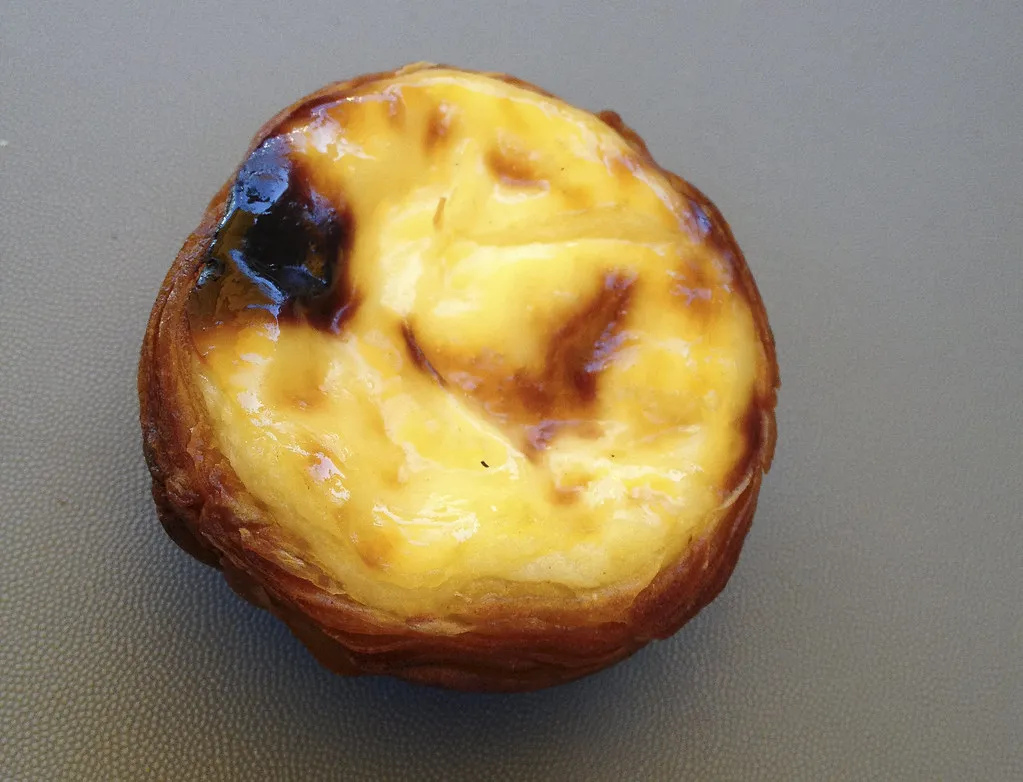
The custard filling should be smooth, creamy, and slightly wobbly in the center — not set firm like a flan or baked custard. The surface must have dark brown or black charred spots, which form when the oven reaches 400-500°C and the sugar in the custard caramelizes rapidly. These spots indicate proper baking technique and add a smoky, bitter-sweet complexity to the flavor. A tart with a perfectly uniform pale yellow top was baked at too low a temperature and will taste flat and one-dimensional.
Temperature is critical to the overall experience. The ideal nata is served warm — not hot, not cold. At the right temperature (about 2-5 minutes out of the oven), the pastry is at maximum crispness and the custard has a molten, yielding texture that flows slightly when you bite into it. Cold tarts lose their crunch within an hour as the pastry absorbs moisture from the custard. Always ask the server when the last batch came out, and wait for the next one if necessary — the difference between a warm nata and a room-temperature one is the difference between a good experience and an extraordinary one.
Regarding toppings, the traditional approach is a generous dusting of cinnamon and powdered sugar from the shakers found on every bakery counter. Take your first bite plain to appreciate the natural flavor — the interplay of butter, egg, sugar, and a hint of lemon peel. Then add cinnamon for subsequent bites. Some purists insist on cinnamon only, others prefer sugar only, and a few rebels use both. There is no wrong answer, but starting plain is the universal local recommendation.
Always ask staff when the last batch came out — a nata eaten warm (2–5 minutes from the oven) has maximum pastry crispness and a molten custard centre. Cold tarts lose their crunch within an hour as the pastry absorbs moisture from the filling.
Beyond Natas: Essential Lisbon Food Experiences
While pastéis de nata deserve their spotlight, Lisbon's food scene extends far beyond custard tarts, and a proper food tour should include several other iconic dishes and drinks. The bifana — a simple pork sandwich marinated in garlic, white wine, and piri-piri sauce, served on a crusty roll — is arguably the most popular street food in Portugal. The best bifanas cost 3-4 Euros at neighborhood cafes and pair perfectly with an ice-cold Super Bock beer. Try the legendary bifanas at O Velho Eurico in Mouraria or As Bifanas do Afonso in Praça da Figueira.
Bacalhau (salt cod) is the national dish of Portugal, with an estimated 365 recipes — one for every day of the year. The most common preparations in Lisbon include Pastéis de Bacalhau (salt cod fritters, 1-2 Euros each, sold at most bars), Bacalhau à Brás (shredded cod with scrambled eggs, fries, and olives), and Bacalhau com Natas (cod baked in a cream sauce). For the best bacalhau experience, visit a traditional tasca like Taberna da Rua das Flores in Chiado or A Cevicheria in Príncipe Real.
Fresh seafood is another Lisbon essential, particularly grilled sardines (sardinhas assadas) which are available from mid-May through October and served whole at riverside restaurants for 8-12 Euros per plate. Amêijoas à Bulhão Pato — clams cooked in white wine, garlic, and cilantro — is a starter that appears on virtually every seafood menu and costs 10-14 Euros. The Time Out Market and best restaurants in Lisbon offer excellent seafood at every price point.
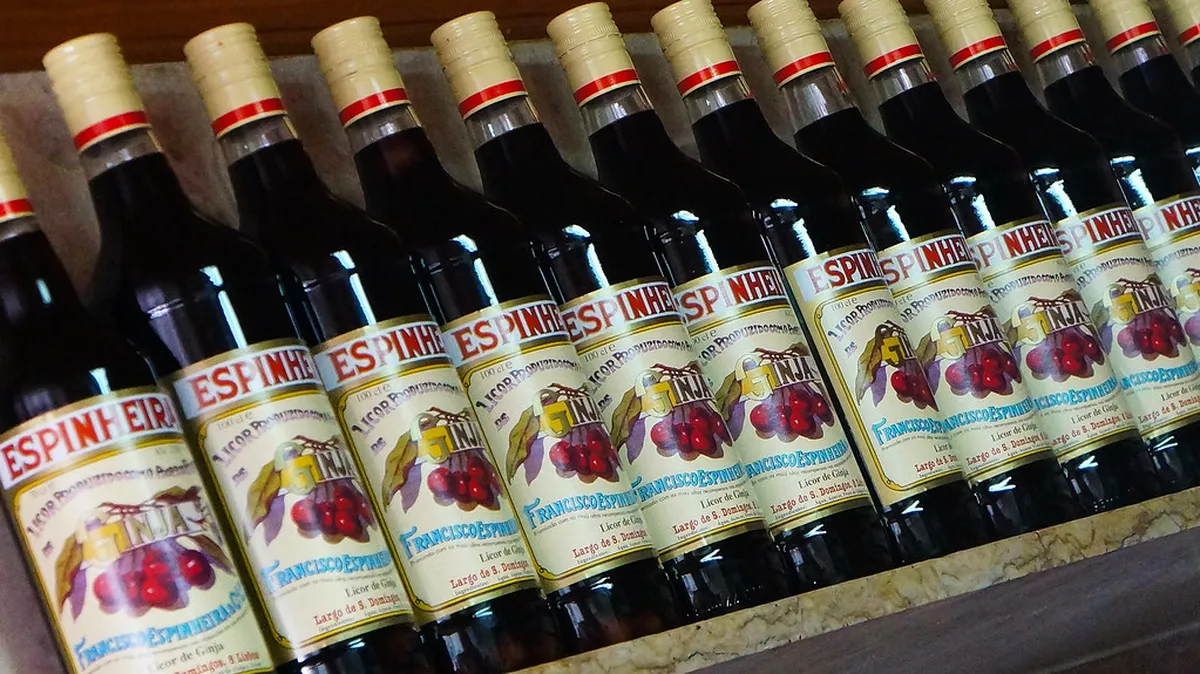
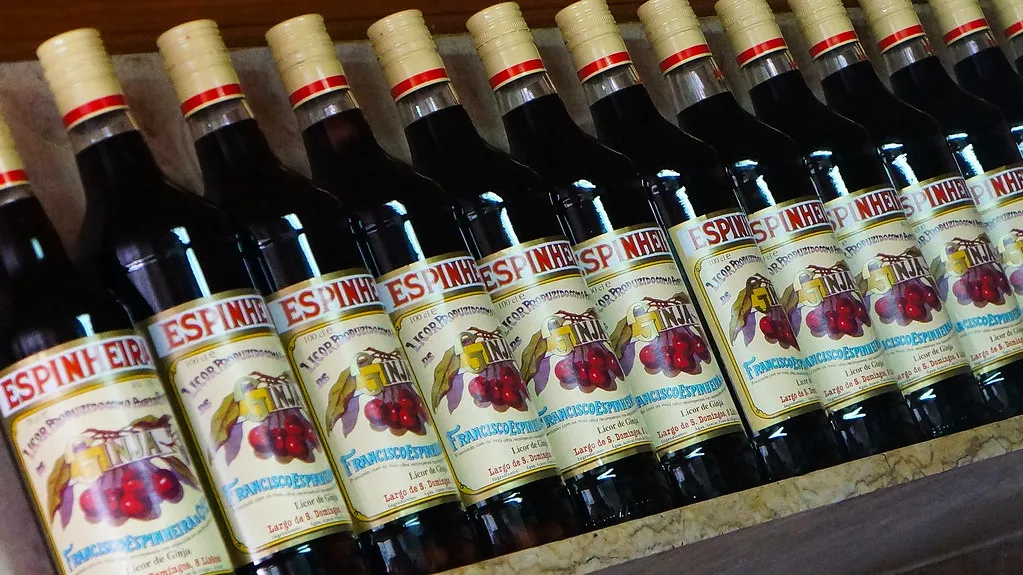
No food tour is complete without trying ginjinha — the sour cherry liqueur that is Lisbon's signature drink. Tiny ginjinha bars near Rossio square serve shots for 1.50-2 Euros, and you can choose to have it "com elas" (with cherries in the glass) or "sem elas" (without). The tiny A Ginjinha bar at Largo de São Domingos has been serving since 1840 and is the most famous spot. For a modern twist, try ginjinha served in a small chocolate cup — you drink the liqueur, then eat the cup.
Best Neighborhoods for Food Exploration
Belém is the spiritual home of the pastel de nata and a must-visit first stop on any food tour. Beyond the famous bakery, this riverside district offers several excellent restaurants specializing in traditional Portuguese cuisine, and the flat waterfront walk provides welcome relief from the hilly center. Plan at least half a day here to combine the bakery visit with the Jerónimos Monastery and Belém Tower — the cultural context adds meaning to the food experience.
The narrow streets of Alfama offer a more intimate, neighborhood food experience. Small family-run bakeries here often sell natas made from recipes passed down through generations, and eating a warm tart while listening to Fado music drifting from a nearby window creates one of Lisbon's most memorable moments. Alfama is also the best neighborhood for seafood, with tiny tascas serving grilled fish, octopus, and shellfish at prices significantly lower than the tourist restaurants in Baixa.
Baixa and Chiado are the central hubs for organized food tours and solo food exploration. The concentration of bakeries along the Pastel Promenade route makes comparison tasting easy, and the area's grand historic cafes — Brasileira, Confeitaria Nacional, Versailles — provide a cultural backdrop to your eating adventure. Mouraria, the multicultural neighborhood adjacent to Alfama, adds international flavors to the mix with excellent Indian, Chinese, and African restaurants alongside traditional Portuguese spots. For evening food experiences, the Príncipe Real neighborhood offers Lisbon's trendiest wine bars and contemporary Portuguese restaurants.
Practical Tips for Your Lisbon Food Tour
Ordering like a local enhances your experience at any traditional bakery counter. Most Portuguese people enjoy their nata with a bica (strong espresso) — the bitterness of the coffee perfectly balances the sweetness of the custard, and this pairing is considered essential by locals. Order your coffee first and drink it standing at the counter while your tart arrives warm from the oven. The standing-at-the-counter tradition is not rudeness — it is how most Portuguese people eat their daily pastries, and the service is faster than sitting down.
Pricing for a single tart in 2026 ranges from 1.10 to 1.50 Euros at most bakeries, with the vegan versions at Vegan Nata running about 2.50 Euros. Buying a box of six usually saves you 10-15% at most shops, and these boxes are designed for travel — perfect for taking back to your hotel or as edible souvenirs for fellow travelers. Most bakeries now accept contactless payments and credit cards, but the smallest neighborhood cafes may still prefer cash, so carrying 10-20 Euros in coins and small notes is wise.
Guided food tours typically run 3-4 hours and cost 60-80 Euros per person including tastings at 5-8 stops. Several reputable companies — Taste of Lisboa, Eating Europe (Lisbon), and Devour Lisbon — offer well-reviewed tours that include nata tastings alongside other Portuguese dishes, providing cultural context and history that you miss when eating solo. If budget is a concern, this self-guided route delivers a comparable experience for the price of the tarts themselves.
For the best nata experience overall, plan your food tour for a weekday morning when bakeries are freshest, queues are shortest, and your taste buds are most receptive. Eating five or six tarts in succession will reveal distinct differences between bakeries that are impossible to notice when eating just one tart per visit across multiple days. Bring water to cleanse your palate between stops, and pace yourself — each tart contains approximately 250-300 calories.
Frequently Asked Questions
What is the best bakery for pastéis de nata in Lisbon in 2026?
Aloma in Campo de Ourique won the "Best Pastel de Nata in Lisbon" award in both 2024 and 2025, making it the current champion. However, Pastéis de Belém remains essential for the historical experience and unique original recipe, and Manteigaria offers the freshest experience with tarts eaten within 60 seconds of leaving the oven. The best approach is to visit at least two or three bakeries to compare styles — each has a distinct character that appeals to different preferences.
What is the best time of day to go on a Lisbon food tour?
Morning is the ideal time because bakeries produce their freshest batches early, queues are shortest before 11 AM, and your appetite is at its peak. Most bakeries open by 8:00 AM, and visiting between 9:00 and 11:00 AM gives you warm tarts with minimal waiting. Avoid the 12:30-2:00 PM lunch rush at the Time Out Market location, and the 3:00-5:00 PM cruise ship crowd at Pastéis de Belém. Weekend mornings can also be busy at popular spots, so weekday visits are optimal.
How many calories are in a pastel de nata?
A standard pastel de nata contains approximately 250-300 calories, depending on size and recipe. The main calorie sources are butter in the puff pastry (about 150 calories) and sugar and egg yolks in the custard (about 100-150 calories). On a typical Lisbon food tour day, you will walk 15,000-20,000 steps across hilly terrain, burning roughly 500-800 calories from walking alone — so three or four tarts are easily justified by the physical effort of exploring the city.
Can I bring pastéis de nata home on a plane?
Yes, you can carry pastéis de nata on a flight, and most bakeries provide sturdy cardboard boxes designed for transport. The tarts are best consumed within 12-24 hours of baking — after that, the pastry loses its crispness even in a sealed container. Keep the box flat in your carry-on bag to prevent the custard from shifting. They do not need refrigeration for short flights (under 4-5 hours). For longer journeys, consider buying frozen natas from the airport duty-free shop, which you can reheat at home in a 200°C oven for 8-10 minutes.
Are there vegan or gluten-free pastéis de nata in Lisbon?
Vegan Nata, with locations in Chiado and Campo de Ourique, specializes in plant-based custard tarts made with coconut cream and vegan puff pastry (2.50 Euros each). For gluten-free options, choices are more limited — no major bakeries currently offer a certified gluten-free nata due to the essential puff pastry component. Some health-food cafes in Príncipe Real offer gluten-free adaptations, but they differ significantly from the traditional recipe. If you have celiac disease, the custard filling alone (without pastry) is naturally gluten-free — some bakeries will accommodate this request.
What is the difference between pastel de nata and pastel de Belém?
The name "Pastel de Belém" is a legally protected trademark that can only be used by the original bakery Pastéis de Belém in the Belém district, which has been using the same secret recipe since 1837. Every other bakery in Portugal must call their custard tarts "pastel de nata" (cream pastry). The recipe differences are subtle but real — the Belém version has a more eggy custard, thinner pastry, and more pronounced charred caramelization. Whether it is actually "better" than modern competitors like Aloma or Manteigaria is a matter of personal taste that locals debate passionately.
Exploring Lisbon through its bakeries and food traditions is one of the most rewarding ways to experience the city's culture, history, and daily rhythms. The pastel de nata is far more than a pastry — it is a living connection to an 18th-century monastic tradition, a source of fierce local pride, and a daily ritual that brings together office workers, students, grandmothers, and tourists at the same worn marble counters. Whether you visit the legendary Pastéis de Belém for the historical experience, Aloma for the current award-winning champion, or Manteigaria for the theatrical freshness, every tart tells a story about Portuguese craftsmanship and culinary tradition.
Use this guide to plan your own tasting route, compare the distinctive styles of each bakery, and discover the wider world of Lisbon's extraordinary food scene beyond the custard tart. From bifanas to bacalhau, ginjinha to grilled sardines, Lisbon rewards the hungry traveler at every turn. Your 2026 food tour awaits — and your first warm, crispy, perfectly caramelized pastel de nata is worth the trip alone.
 How to Get to Braga: 6 Best Ways to TravelJune 4, 2026