Lisbon 3 Day Itinerary: The Ultimate 2026 Guide
Perfect Lisbon 3 day itinerary for 2026. Day-by-day guide with costs, transport tips, Alfama, Belém, Sintra day trip, and the best local food spots.
On this page
The Perfect Lisbon 3 Day Itinerary: A Local's Comprehensive Guide for 2026
Lisbon captivates every traveler with its golden light, iconic tiled facades, and steep cobblestone streets that open onto sweeping river views at every turn. Three days is the ideal length for a first visit — long enough to explore the historic neighborhoods, taste the legendary food, and take a magical day trip to Sintra's fairy-tale palaces, but compact enough to keep the pace exciting without burning out. This Lisbon 3 day itinerary maps out every hour, with realistic walking distances, current 2026 prices, and local tips that go beyond the standard guidebook advice.
The city's layout naturally divides into three distinct areas that each deserve a full day: the ancient east (Alfama, Baixa, and the castle), the maritime west (Belém and the waterfront), and the enchanted hills of Sintra just 40 minutes away by train. This itinerary follows that geographic logic to minimize backtracking, with each day building on the last. Expect to walk 12,000-18,000 steps daily on hilly terrain, so pack comfortable shoes with rubber soles — the famous Portuguese cobblestones are beautiful but notoriously slippery, especially when wet.
Day 1: Historic Heart of Alfama, Baixa, and the Castle
Morning: Alfama and the Castle (9:00 AM - 1:00 PM)
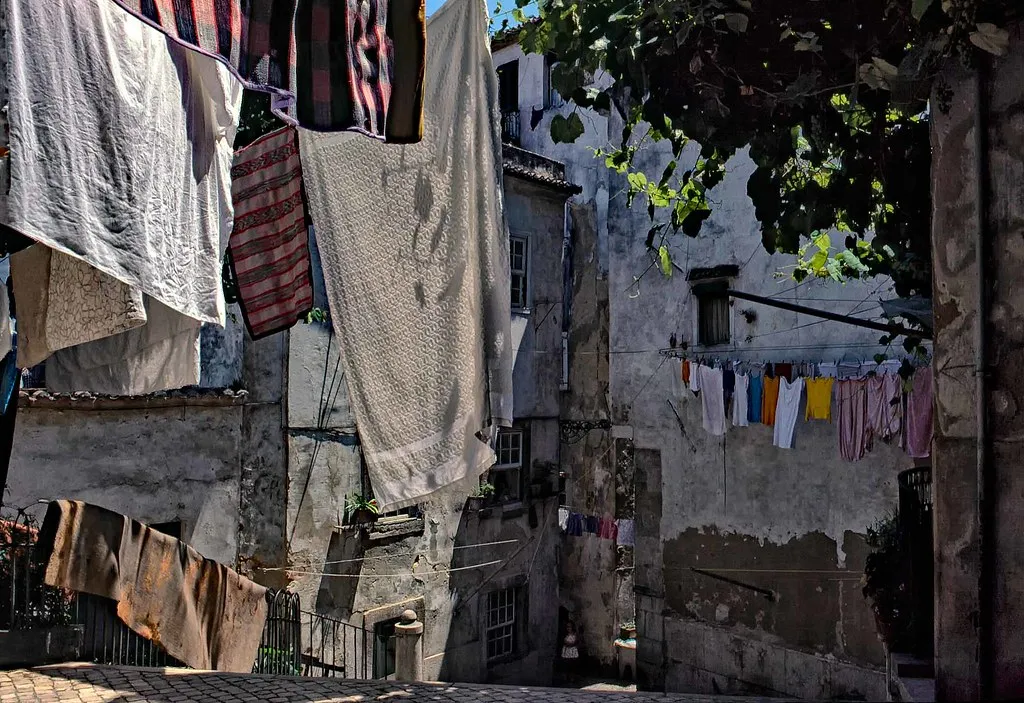
Start your first morning in the ancient Alfama district, which survived the devastating 1755 earthquake and preserves its medieval street layout of winding alleys, hidden plazas, and laundry-draped balconies. Take the metro to Martim Moniz and walk uphill toward the Castelo de São Jorge, which opens at 9:00 AM — arriving at opening time means you will have the ramparts and panoramic viewpoints largely to yourself before the tour bus crowds arrive around 10:30 AM. Entry costs 15 Euros per adult in 2026, and children under 12 enter free.
Spend about 90 minutes exploring the castle grounds, which include archaeological ruins, a camera obscura that projects a live 360-degree image of the city, and roaming peacocks that delight both adults and children. The views from the castle walls are arguably the best in the entire city — you can see the red rooftops of Alfama tumbling down to the river, the 25 de Abril Bridge, and the Cristo Rei statue across the Tagus.
After the castle, wind your way downhill through Alfama's narrow streets toward the Portas do Sol and Santa Luzia viewpoints, stopping to photograph the tile-covered facades and peek into tiny neighborhood shops selling canned sardines and handmade ceramics. The walk from the castle to these viewpoints takes about 15 minutes and is entirely downhill. Stop at one of the terrace kiosks for a coffee and soak in the view over the river before continuing down to the Sé Cathedral, Lisbon's oldest church dating from 1147.
Afternoon: Baixa and Chiado (1:00 PM - 6:00 PM)
Descend into Baixa, the elegant lower town rebuilt in a precise grid pattern after the 1755 earthquake. Start with lunch at a traditional tasca on Rua dos Correeiros — look for the daily specials board (prato do dia) offering a full meal with drink and coffee for 9-12 Euros. After lunch, walk through the grand Praça do Comércio to the waterfront, where the monumental arch frames a stunning view of the Tagus River.
Continue north through the pedestrian Rua Augusta shopping street to the Rossio square, then take the Santa Justa Lift (5.30 Euros, free with 24-hour transit card) up to the Carmo Convent ruins. This roofless Gothic church, destroyed in the earthquake and left as an open-air memorial, provides one of the most atmospheric photo opportunities in Lisbon. The adjacent archaeological museum costs 5 Euros and takes about 30 minutes.
Walk through Chiado, the intellectual and literary quarter, pausing at the historic Café A Brasileira (where a bronze statue of poet Fernando Pessoa sits at an outdoor table) before browsing the elegant shops on Rua Garrett. If you enjoy books, the Livraria Bertrand on Rua Garrett holds the Guinness record as the world's oldest operating bookshop, founded in 1732.
Evening: Sunset and Fado (6:00 PM onward)
End your first day by watching the sunset from Miradouro da Graça, which faces west and offers a perfect view of the castle silhouetted against the evening sky. The terrace kiosk serves wine, beer, and petiscos (Portuguese tapas) at reasonable prices. After sunset, head to the Alfama or Mouraria neighborhood for a traditional Fado dinner. Reservations are recommended — expect to pay 25-40 Euros per person for dinner with live music at venues like Mesa de Frades or Clube de Fado.
Day 2: Belém's Maritime Heritage, LX Factory, and Bairro Alto
Morning: Belém Monuments (9:00 AM - 1:00 PM)
Take the modern Tram 15E from Praça do Comércio to Belém (about 25 minutes, 1.65 Euros with a Viva Viagem card). This western district is where Portugal's Age of Discovery began, and the grand maritime monuments here reflect the ambition and wealth of that era. Start at the Jerónimos Monastery, a UNESCO World Heritage Site and the finest example of Manueline architecture in the country. The carved stone cloister is breathtaking — limestone columns twisted into ropes, branches, and sea creatures that took nearly a century to complete. Entry costs 10 Euros per adult, and the monastery opens at 10:00 AM. Arrive by 9:45 to be first in line.
Before or after the monastery, join the queue at Pastéis de Belém — the original bakery that has been making custard tarts from a secret recipe since 1837. The line moves fast, and these warm, flaky tarts with a cinnamon-dusted custard center cost just 1.30 Euros each. Eat them warm with a sprinkle of cinnamon and powdered sugar for the authentic experience. The blue-tiled interior rooms are large enough to seat groups, and watching the bakers work through the glass is part of the charm. See our complete Lisbon food tour and pastéis de nata guide for more bakery recommendations across the city.
The Jerónimos Monastery opens at 10:00 AM — arriving by 9:45 puts you first in the queue. Combine your visit with Pastéis de Belém next door; each tart costs just 1.30 Euros and is best eaten warm at the bakery.
Walk west along the flat riverfront path to the Belém Tower, the iconic fortified tower that once guarded the entrance to Lisbon's harbor. Entry costs 8 Euros, and the narrow spiral staircase to the top offers river views — though the tower is small and the queue can be long, so decide based on your time. Continue past the Monument to the Discoveries and the striking MAAT museum of art, architecture, and technology, which has a walkable rooftop with river views (free rooftop access, museum entry 11 Euros).
Afternoon: LX Factory and Time Out Market (1:30 PM - 5:30 PM)
From Belém, take the tram or walk 15 minutes east to LX Factory, a converted industrial complex now housing independent shops, design studios, galleries, and excellent restaurants in a gritty-chic setting. Browse the Sunday vintage market (if visiting on the right day) or eat lunch at one of the creative restaurants. Landeau Chocolate serves what many consider the best chocolate cake in Lisbon.
Afterward, head to the Time Out Market at Cais do Sodré for a late afternoon snack or early dinner. This curated food hall features stalls from some of Lisbon's top chefs, including Henrique Sá Pessoa and Alexandre Silva. Communal seating means you can sample dishes from multiple stalls — expect to spend 15-25 Euros per person for a satisfying meal with a drink.
Evening: Bairro Alto Nightlife (7:00 PM onward)
Walk or take the Glória Funicular up to Bairro Alto, Lisbon's famous nightlife district. Start with sunset at the nearby Miradouro de São Pedro de Alcântara viewpoint, then explore the grid of narrow streets that come alive after dark with dozens of small bars, restaurants, and ginjinha (sour cherry liqueur) shops. A shot of ginjinha costs about 1.50 Euros and is a quintessential Lisbon experience. For dinner, find the best restaurants in Lisbon serving fresh grilled fish — expect 20-30 Euros per person at a mid-range spot with wine.
Day 3: A Fairy-Tale Day Trip to Sintra
Getting There (8:00 AM - 9:00 AM)
Dedicate your final day to a magical escape to Sintra, the UNESCO-listed town of fairy-tale palaces and misty forests in the hills 30 kilometers west of Lisbon. Trains depart every 20 minutes from Rossio Station, the ride takes 40 minutes, and a return ticket costs 4.50 Euros in 2026. Catch the 8:15 or 8:35 AM train to maximize your time — Sintra gets very busy by mid-morning, and arriving early means shorter queues at the palaces. Check our Lisbon to Sintra train guide for detailed schedule and ticket information.
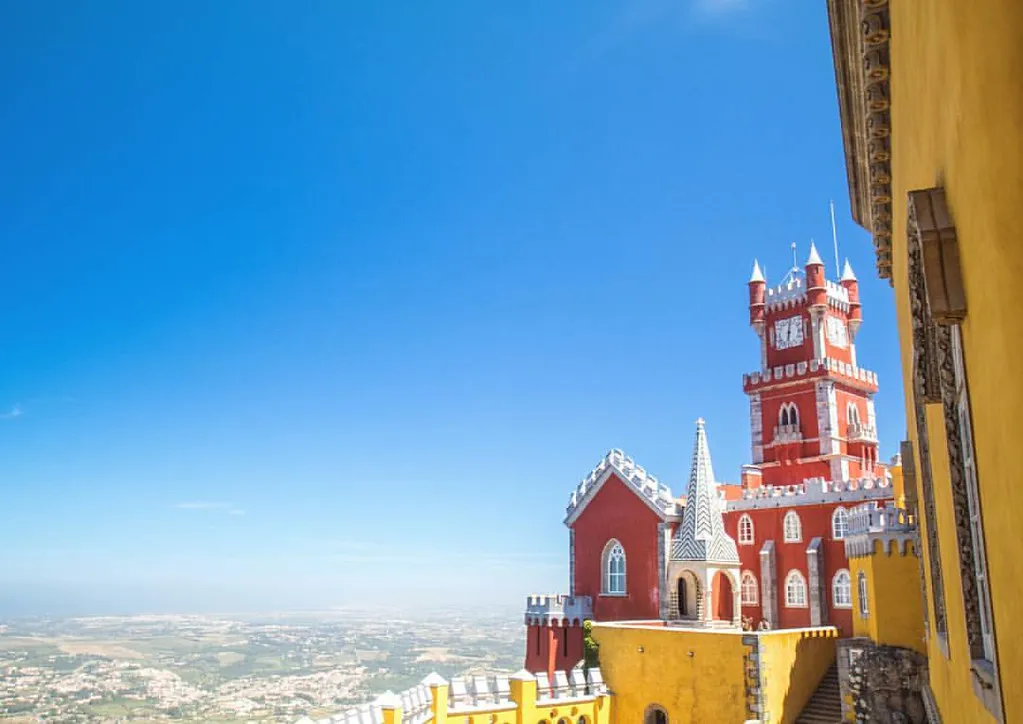
Morning: Pena Palace (9:30 AM - 12:30 PM)
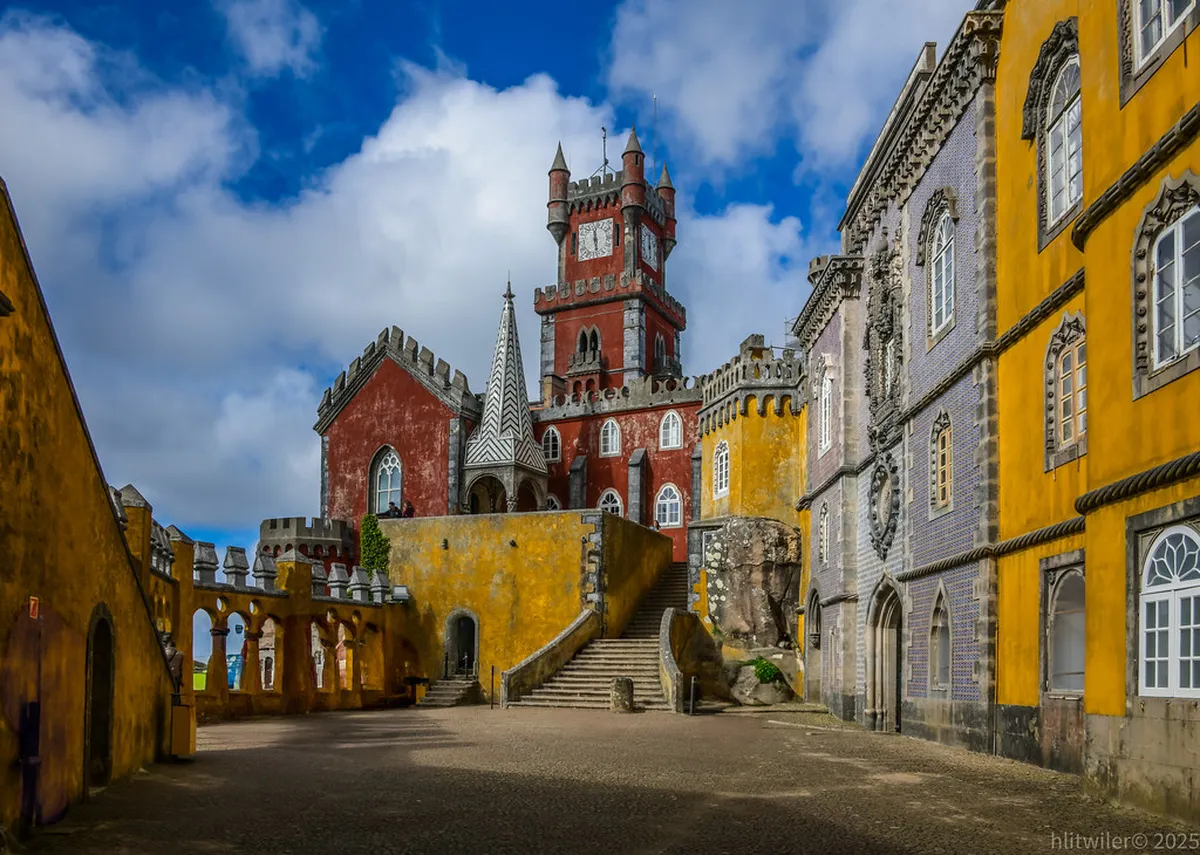
From Sintra train station, take Bus 434 (Scotturb circular route, 7 Euros return) up the steep hill to the Pena Palace. This Romanticist masterpiece is Portugal's most visited monument and the highlight of any Sintra visit — its bright yellow, red, and blue towers perched atop a forested mountain look like something from a children's storybook. Entry costs 14 Euros per adult for the park and palace in 2026, and you absolutely must book your time slot online in advance during summer to avoid being turned away at the gate.
Spend at least two hours exploring the palace interiors (lavish royal apartments, a chapel with a stunning altarpiece) and the surrounding 200-hectare park filled with exotic trees, hidden grottoes, and winding paths. The views from the palace terraces on a clear day extend all the way to the Atlantic coast and back to Lisbon. Wear sturdy walking shoes as the paths between the park entrance and the palace are steep and can be slippery when damp.
Afternoon: Quinta da Regaleira and Town Center (12:30 PM - 4:30 PM)
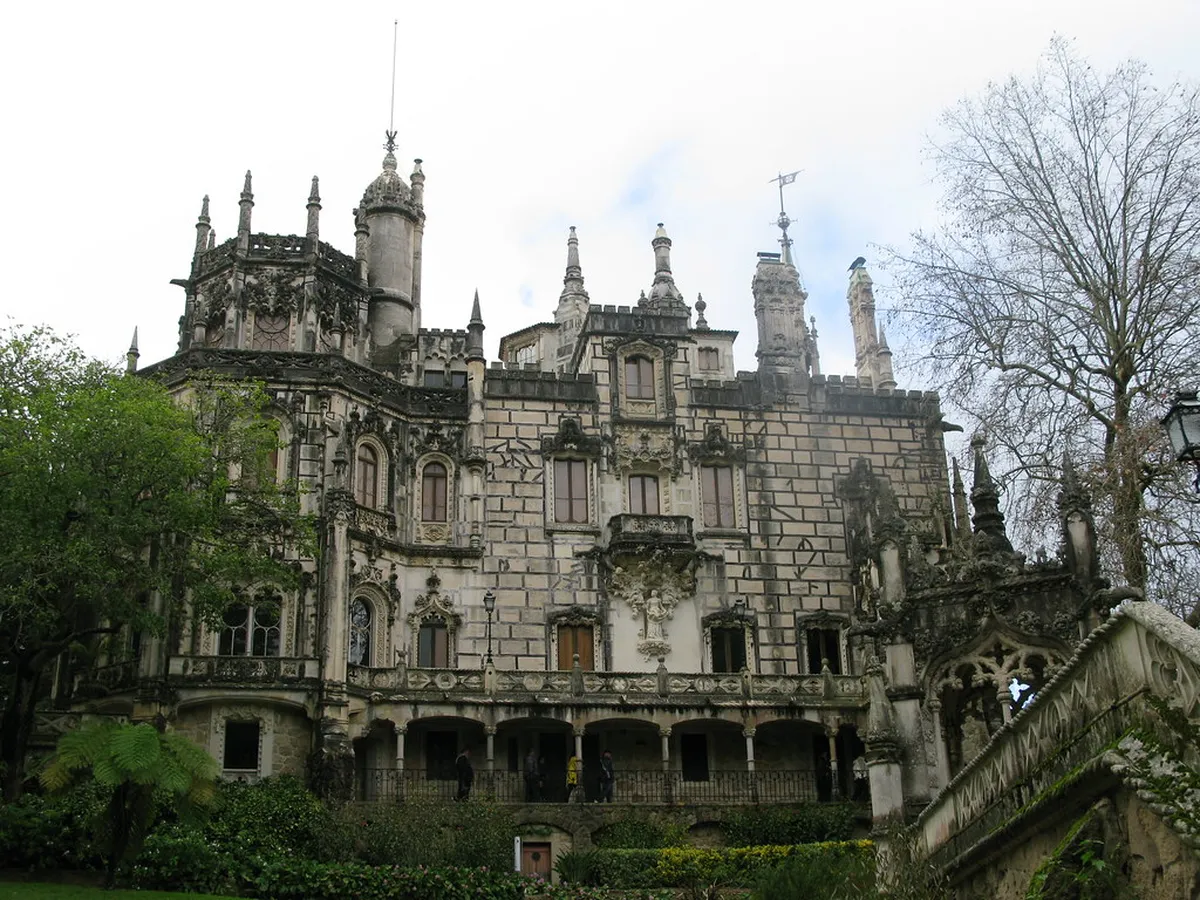
Walk or take the bus back down to the town center and visit Quinta da Regaleira, the mystical estate famous for its Initiation Well — a 27-meter inverted tower spiraling underground that feels like descending into another world. The gardens are full of hidden tunnels, secret passages, and grottos that make exploration feel like an adventure game. Entry costs 10 Euros and you need 60-90 minutes for a thorough visit.
Have lunch in Sintra town at one of the restaurants near the National Palace — try traditional Sintra queijadas (cheese pastries) and travesseiros (almond puff pastries) at Piriquita bakery, a local institution since 1862. A sit-down lunch at a typical Sintra restaurant costs 12-18 Euros per person. If you have time, consider a quick visit to the Moorish Castle, whose crumbling walls and dramatic hilltop position offer some of the best views in the entire region.
Evening: Return and Celebration Dinner (5:00 PM onward)
Take the train back to Lisbon and enjoy a final celebratory dinner in Príncipe Real, Chiado, or Santos. These neighborhoods offer some of the most exciting contemporary Portuguese cuisine, with tasting menus at acclaimed restaurants like Belcanto (2 Michelin stars, from 165 Euros) or more accessible spots like Taberna da Rua das Flores (small plates 8-15 Euros each, no reservations — arrive before 7:30 PM). End your three days with a last sunset from one of the miradouros or a glass of port wine at a Bairro Alto bar.
Lisbon 3-Day Budget Breakdown for 2026
Understanding the real costs helps you budget accurately for your trip. Lisbon is one of the most affordable Western European capitals, but prices have risen steadily since 2023. Here is a realistic daily budget breakdown per person for a mid-range trip in 2026.
Accommodation in a well-located 3-star hotel or quality Airbnb averages 70-120 Euros per night for a double room, depending on the neighborhood and season. Food costs are very reasonable — expect to spend 30-45 Euros per day eating well at local restaurants (breakfast pastry and coffee 3-4 Euros, lunch prato do dia 9-12 Euros, dinner 15-25 Euros). Transport on public transit costs 6.80 Euros for a 24-hour pass or about 20 Euros total for 3 days. Major attraction entry fees total approximately 50-60 Euros across three days (castle, monastery, Sintra palaces).
A realistic total budget for 3 days in Lisbon is 250-350 Euros per person including accommodation, food, transport, and main attractions — or about 80-115 Euros per day. Budget travelers can reduce this to 50-70 Euros daily by staying in hostels, eating lunch specials, and focusing on free attractions like the miradouros and Alfama walking tours. Luxury travelers should budget 200+ Euros per day for boutique hotels, fine dining, and private tours.
- Budget breakdown per person per day (mid-range)
- Accommodation: 35-60 Euros (half of double room)
- Food: 30-45 Euros (3 meals + snacks)
- Transport: 7 Euros (24-hour transit card)
- Attractions: 15-20 Euros (1-2 paid sites per day)
- Total: 87-132 Euros per day
| Attraction | Entry Fee (2026) | Day | Tip |
|---|---|---|---|
| Castelo de São Jorge | 15 € / adult, free under 12 | Day 1 | Arrive at 9:00 AM opening to beat crowds |
| Santa Justa Lift | 5.30 € (free with 24h transit card) | Day 1 | Load a Viva Viagem card to ride for free |
| Carmo Convent Museum | 5 € | Day 1 | ~30 min visit; striking roofless Gothic nave |
| Jerónimos Monastery | 10 € / adult | Day 2 | Queue at 9:45 AM before doors open at 10:00 |
| Belém Tower | 8 € / adult | Day 2 | Skip if queue is long; views from outside are free |
| Pena Palace (park + palace) | 14 € / adult | Day 3 | Book time slot online in advance during summer |
| Quinta da Regaleira | 10 € / adult | Day 3 | Allow 60–90 min for tunnels and Initiation Well |
Essential Lisbon Travel Tips for a Smooth Trip
Navigating the seven hills requires comfortable footwear with excellent rubber-soled grip — this is the single most important piece of gear for your trip. Many tourists underestimate the physical demand of walking these steep, polished cobblestone streets and end up with sore feet or even injuries from slipping. Purchase a 24-hour Viva Viagem card for 6.80 Euros to access the entire public transport network including trams, buses, funiculars, and the metro. The Navegante card is the better option for 3 days, with unlimited zone coverage.

Dining times in Portugal start later than in most Northern European countries — locals typically eat lunch between 1:00 and 2:30 PM and dinner after 8:00 PM. Making reservations is highly recommended for popular restaurants, especially during the summer travel season from June to September. You will often find the best and most authentic food in small, family-run tascas hidden on side streets away from the main tourist squares. The best restaurants in Lisbon guide covers specific recommendations by neighborhood.
Lisbon's miradouros (viewpoints) provide free, breathtaking panoramas of the city that rival any paid observation deck in Europe. These terraces are perfect for watching the sunset with a cold drink from a nearby kiosk — visit the complete miradouros guide for a full list with the best times for each. Many travelers find that choosing to stay in one of the best areas in Lisbon near the central viewpoints makes daily exploration much easier.
Watch out for pickpockets on Tram 28 and in crowded areas like Praça do Comércio and Rua Augusta. Keep valuables in a front pocket or crossbody bag. Tipping is not obligatory in Portugal but rounding up the bill or leaving 5-10% at sit-down restaurants is appreciated. Tap water is safe to drink everywhere in Lisbon, so bring a refillable bottle to save on buying water throughout the day.
Tram 28 is notorious for pickpockets during peak hours (10 AM – 4 PM) when carriages are densely packed. Keep your bag in front of you and store valuables in a zipped inner pocket before boarding.
Frequently Asked Questions
Is 3 days enough time to visit Lisbon?
Yes, three days is the ideal duration for a first visit to Lisbon. You can comfortably explore the historic center (Alfama, Baixa, Chiado) on Day 1, the maritime district of Belém on Day 2, and take a day trip to Sintra on Day 3. If you want to add beach time in Cascais or explore neighborhoods like Príncipe Real and Parque das Nações more deeply, consider extending to 4-5 days.
What is the best way to get around Lisbon?
Walking is the best way to explore each neighborhood in depth, but the metro is essential for crossing the city quickly between districts. The 24-hour Viva Viagem transit card (6.80 Euros) covers metro, trams, funiculars, and buses — essential for a day of viewpoint hopping. Ride the Tram 28 for the scenic experience but avoid it during peak hours (10 AM - 4 PM) when it is packed. Taxis and Uber are affordable for longer distances, typically 5-10 Euros within the city center.
How much does a 3-day trip to Lisbon cost per person?
A mid-range traveler should budget 250-350 Euros per person for 3 days, covering accommodation (70-120 Euros/night for a double), food (30-45 Euros/day at local restaurants), transport (20 Euros total for transit cards), and major attractions (50-60 Euros for the castle, monastery, and Sintra palaces). Budget travelers can manage on 50-70 Euros per day using hostels and lunch specials. Luxury travelers should expect 200+ Euros per day.
When is the best time of year to visit Lisbon?
Spring (April-May) and autumn (September-October) offer the perfect balance of warm weather (18-25°C), manageable crowds, and lower prices. Summer (June-August) brings guaranteed sunshine and the liveliest atmosphere but also peak crowds, prices 30-50% higher, and temperatures that can exceed 35°C. Winter in Lisbon (December-February) is mild at 12-16°C, very affordable, and wonderfully uncrowded. Check our best time to visit Lisbon guide for monthly breakdowns.
Should I include Sintra in my Lisbon 3-day itinerary?
Absolutely — Sintra is the most popular day trip from Lisbon for good reason. The Pena Palace and Quinta da Regaleira are among Portugal's most extraordinary attractions, and the train ride takes just 40 minutes for under 5 Euros. Most travelers say Sintra is the highlight of their entire Lisbon trip. The only alternative would be swapping Sintra for a beach day in Cascais, but if this is your first visit to the region, Sintra should take priority.
Do I need a Lisbon Card or transport pass?
The Lisbon Card (27 Euros for 24 hours) includes free entry to 38 attractions plus unlimited public transport. It pays for itself if you visit 3+ paid attractions per day — for example, the castle (15 Euros) + Jerónimos Monastery (10 Euros) + Santa Justa Elevator (5.30 Euros) already exceeds the card cost. If you prefer a slower pace with fewer paid sites, the 24-hour Viva Viagem transit card at 6.80 Euros is better value since many of Lisbon's best experiences — viewpoints, Alfama walks, markets — are completely free.
A three-day visit offers the perfect introduction to the unique soul of Portugal and its captivating capital city. From the medieval alleys of Alfama to the maritime grandeur of Belém and the fairy-tale castles of Sintra, this itinerary covers the essential Lisbon experience at a pace that feels immersive rather than rushed. You will leave with lasting memories of Fado music echoing through narrow streets, warm custard tarts fresh from the oven, and sunset panoramas that look like they were painted by the golden Portuguese light.
The beauty of this Lisbon itinerary is its flexibility — swap Sintra for Cascais on a hot day, extend a museum visit that captivates you, or add a fourth day to explore Príncipe Real's antique shops and botanical garden. Lisbon rewards curiosity, and the best discoveries often happen when you wander off the planned route into an unmarked alley or follow the sound of live music to a hidden courtyard. Start planning your 2026 adventure today.
 How to Get to Braga: 6 Best Ways to TravelJune 4, 2026