Moorish Castle Sintra Guide: Complete Visitor Tips 2026
Moorish Castle Sintra guide: 2026 tickets, opening hours, trails, and best viewpoints. Plan your visit to Castelo dos Mouros in Sintra.
On this page
Essential Moorish Castle Sintra Guide for 2026 Visitors
High above the mist-covered hills of Sintra stands the ancient and rugged Castelo dos Mouros, a medieval fortress dating back over 1,100 years that offers some of the most dramatic panoramic views in all of Portugal. While many travelers rush to the colorful Pena Palace next door, the Moorish Castle rewards visitors with a completely different experience — one focused on raw history, military architecture, and sweeping vistas rather than ornate interiors. Walking the weathered ramparts, you can see the Atlantic Ocean to the west, Lisbon to the east, and the entire Serra de Sintra forest canopy stretching in every direction below.
The castle serves as a silent witness to over a millennium of Iberian history, from Moorish occupation through the Christian Reconquista to Romantic-era restoration by King Ferdinand II. Archaeological excavations since 1976 have uncovered Islamic pottery, Christian burial sites, and medieval grain silos that tell the layered story of the people who lived and fought within these granite walls. At €12 per ticket and roughly 90 minutes to explore, the Moorish Castle offers outstanding value compared to the pricier palaces and is often cited as the most atmospheric and photogenic site in the entire Sintra region.
The History of the Moorish Fortress
Built by the Moors during the 8th and 9th centuries, this hilltop fortification served as a vital defensive outpost controlling the surrounding territory and monitoring the distant Tagus River estuary. The strategic position at approximately 460 meters elevation gave defenders an unobstructed view of approaching armies from any direction. You can still see the original grain silos and water cisterns that sustained the garrison during extended sieges, evidence of the sophisticated logistical planning that made this position nearly impregnable.

The fortress changed hands dramatically during the Christian Reconquista when King Afonso Henriques captured it in 1147 following the fall of Lisbon. After the conquest, the Moorish prayer room within the walls was converted into a Christian chapel dedicated to Sao Pedro, and a small community of settlers occupied the fortress. The ruins of this Church of Sao Pedro still stand today, offering a poignant glimpse into the religious transition that shaped the Iberian Peninsula's identity for centuries.
By the 15th century the castle had lost its military significance and fell into gradual decline as the population moved down to the more comfortable town center. Centuries of neglect and the devastating 1755 earthquake left the structure in a ruinous state that might have been lost entirely. It was King Ferdinand II, the visionary behind nearby Pena Palace, who rescued the ruins during the 1840s as part of his grand Romantic landscaping project, integrating the castle into the forested park that connected his palatial estate to the broader mountain.
Since 1976, systematic archaeological excavations have revealed a rich material record spanning multiple civilizations. Islamic ceramics, Christian tombstones, medieval coins, and remnants of daily life fill the on-site Archaeological Interpretation Centre housed within the restored chapel. These artifacts demonstrate that the castle was not merely a military installation but a living community where families of different faiths coexisted across centuries. Taking time to study the information plaques and visit the interpretation center transforms the visit from a scenic walk into a genuine historical education.
Ticket Prices and Opening Hours for 2026
Adult tickets for the Moorish Castle cost €12 when purchased at the gate, with a 5% discount available for online bookings through the official Parques de Sintra website. Children aged 6 to 17 and seniors over 65 pay a reduced rate of €10, while children under 6 enter free. The online booking system allows you to select a timed entry slot, which is highly recommended during summer weekends when the site receives its heaviest visitor traffic.
Opening hours vary by season. During the peak summer period (April through September), the castle opens daily at 9:30 AM with last admission at 6:00 PM and final closing at 6:30 PM. Winter hours (October through March) may shift to 10:00 AM opening with last entry at 5:00 PM. The ticket office closes from 12:00 PM to 1:00 PM for a midday break, which catches some visitors off guard — plan your arrival to avoid this window. Most travelers spend 60 to 90 minutes exploring the full circuit of walls, towers, and viewpoints.
Combination tickets offer the best value if you plan to visit multiple Sintra monuments on the same day. The most popular bundle pairs the Moorish Castle with Pena Palace at approximately €28 to €30, saving 5% to 10% compared to buying individual tickets. Other combinations include the National Palace or Monserrate Palace. Check current combo pricing on the Parques de Sintra website before your visit, as bundle options and prices are updated seasonally. For a full overview of all Sintra castles and their ticket options, see our dedicated guide.
The Lisboa Card tourist pass provides a discounted rate at the Moorish Castle and several other Sintra monuments, which can add up to significant savings across a multi-site day. Arrive right at 9:30 AM opening for the shortest queues, the coolest temperatures for climbing, and the best morning light for photography. Late afternoon visits (after 4:00 PM) also offer thin crowds and beautiful warm light but leave less time to explore the full rampart circuit before closing.
The ticket office at the Moorish Castle closes from 12:00 PM to 1:00 PM for a midday break — plan your arrival to avoid this window. Online booking through the Parques de Sintra website also unlocks a 5% discount and lets you reserve a timed entry slot, which is especially useful on summer weekends.
How to Reach the Moorish Castle
The most popular way to reach the castle entrance is by taking the 434 Scotturb tourist bus from the Sintra train station. This circular route stops at the historic town center, then climbs the mountain road to the Moorish Castle gate and continues to Pena Palace before looping back to the station. In 2026, a single trip costs €4.55 and the all-day hop-on-hop-off pass costs €13.50 — the day pass is worthwhile if you plan to visit both the castle and Pena Palace. Buses run every 15 to 20 minutes during peak hours but queues at the station can be long during mid-morning.
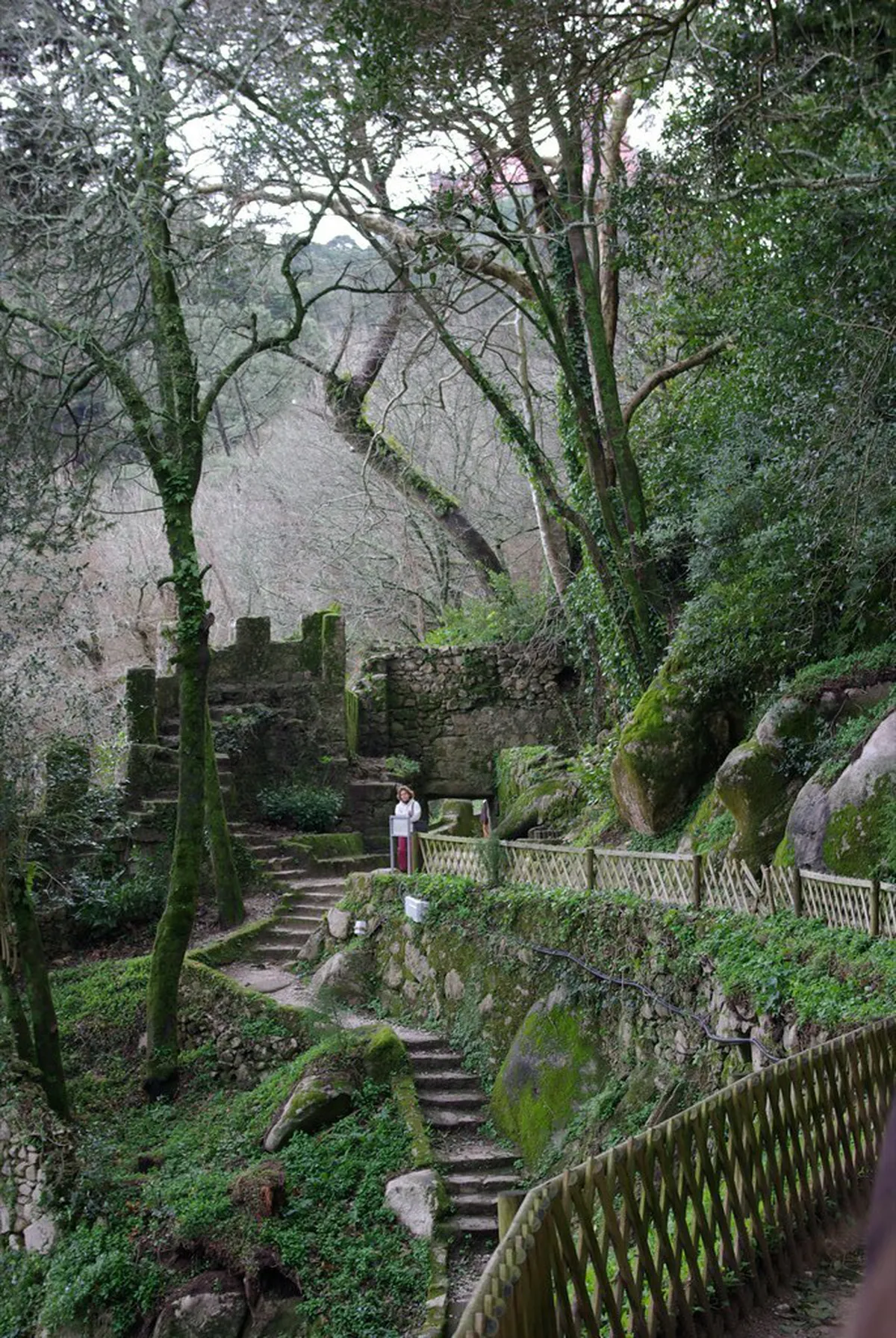
Active travelers who prefer a scenic approach should consider the Villa Sassetti hiking trail, which starts near the Sintra town hall in the historic center. This steep but rewarding climb takes approximately 45 to 60 minutes through lush forests and past granite boulders, following a path that originally connected the historic Sassetti estate to the hilltop monuments. The trail is well-marked but genuinely demanding — expect continuous uphill climbing with several hundred meters of elevation gain. It is best suited for fit hikers with proper footwear who want to experience the natural beauty of the Serra de Sintra away from the road.
A second pedestrian path, the Santa Maria trail, offers an alternative walking route from the town center that is slightly less steep but longer, taking about 50 to 70 minutes. Both trails are free and provide a much richer sensory experience than the bus ride, passing through dense forest canopy with glimpses of the castle walls appearing through the trees. However, attempting these trails in the midday heat of July or August is not recommended — the combination of steep climbing and high temperatures exhausts most hikers.
Taxis and ride-sharing apps like Uber and Bolt can drop you near the castle entrance for €7 to €12 from the train station, depending on demand. This is a cost-effective choice for small groups of 2 to 4 people who want to save time without paying for a tour. Driving a private car to the castle is generally discouraged due to extremely limited parking — local authorities restrict vehicular access during busy weekends and holidays, and the few available spots fill before 10:00 AM. Using public transport or a ride-share remains the stress-free option for most visitors.
Exploring the Ramparts and Famous Viewpoints
The walk along the perimeter walls is the undisputed highlight of any visit, offering a 360-degree panorama that shifts dramatically with each section of the rampart circuit. The walls follow the natural contours of the granite mountaintop, creating a jagged and impressive silhouette that is visible from the town center far below. Stone steps — some original, some restored — lead you along narrow walkways with low walls on either side, providing an immersive sense of medieval defensive architecture that no photograph can fully capture.
The Royal Tower (Torre Real)
The highest point of the entire castle complex, the Royal Tower requires climbing approximately 220 steep stone steps to reach the summit. The reward is the single best panoramic viewpoint in all of Sintra — from here you can see the colorful towers of Pena Palace rising from the forest canopy to the south, the Atlantic Ocean and Cabo da Roca to the west, the town of Sintra directly below, and on very clear days, the distant skyline of Lisbon to the east. Photographers should bring a wide-angle lens and plan to spend 10 to 15 minutes at the top for optimal shots. The steps are steep and uneven, so take your time and use the handrails where available.
The Ancient Cistern
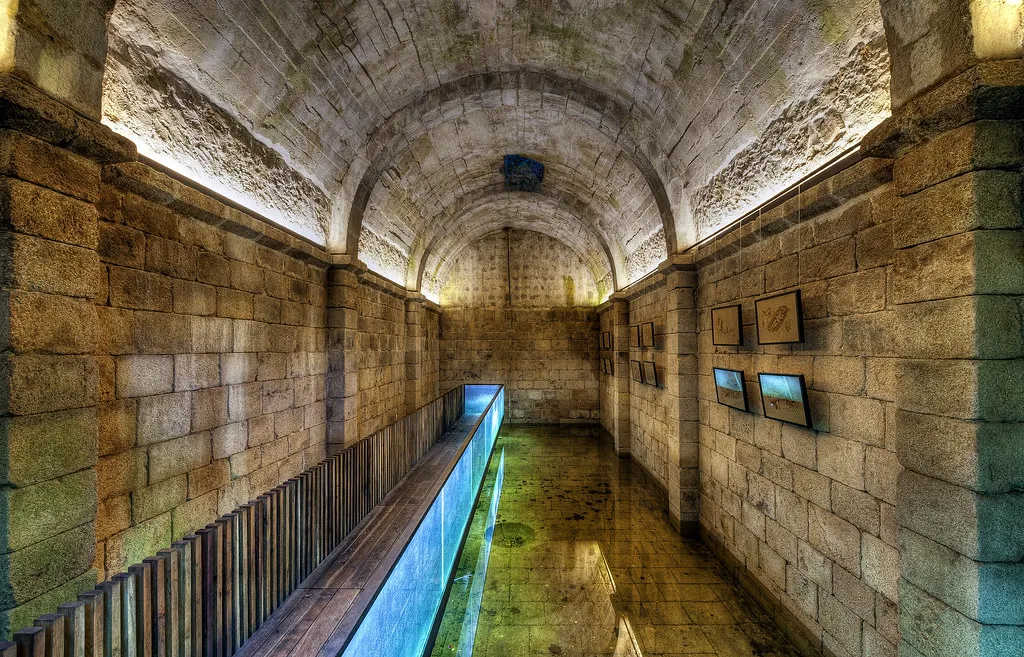
Descend into a large vaulted underground chamber that was designed to collect vital rainwater for the garrison during times of siege. This engineering marvel ensured the castle maintained a reliable water supply even when cut off from external sources for weeks or months. The cool, dim interior provides a welcome respite from the sun during warmer months, and the acoustics of the vaulted ceiling create an atmospheric effect that evokes the fortress's medieval past. Information boards explain the hydraulic system and its importance to the castle's defensive capability.
The Moorish Silos and Interpretation Centre
Near the main entrance, excavated grain storage silos dating to the 8th century demonstrate how the Moorish garrison sustained itself during long defensive operations. The adjacent Archaeological Interpretation Centre, housed within the restored Chapel of Sao Pedro, displays ceramics, coins, tools, and burial artifacts recovered during decades of excavation. This small but excellent museum brings historical context to the stones you walk on and is included in your entry ticket — do not skip it, especially if you are interested in the Moorish period of Iberian history.
The Perimeter Wall Walk
The full circuit of the castle walls takes 30 to 45 minutes to walk at a moderate pace, excluding time spent at viewpoints and the interpretation center. Various flags fly from the towers representing different eras of the castle's history — Moorish, Portuguese royal, and modern. Along the walk you will encounter narrow passages, watchtower platforms, and sections where the original Moorish construction is clearly distinguishable from later Christian-era additions. The walls undulate dramatically with the mountaintop terrain, creating a rollercoaster effect of ascending and descending stone stairways.
- The Royal Tower (Torre Real)
- Type: Highest viewpoint
- Best for: Panoramic photography
- Location: Southern wall
- Access: 220 steep stone steps
- Time: 15–20 minutes
- The Ancient Cistern
- Type: Underground water storage
- Best for: Historical engineering, shade break
- Location: Lower courtyard
- Feature: Vaulted stone ceiling
- Time: 10 minutes
- The Moorish Silos
- Type: Grain storage
- Best for: Archaeological interest
- Location: Near entrance
- Age: 8th century
- Time: 10 minutes
- Archaeological Interpretation Centre
- Type: Museum
- Best for: Historical context
- Location: Chapel of Sao Pedro
- Included: In entry ticket
- Time: 15–20 minutes
Moorish Castle vs Pena Palace: Which Should You Visit?
This is one of the most common questions travelers ask, since both monuments sit on the same hilltop and can be visited in sequence. The short answer: if you have time and budget for both, do both — they offer completely different experiences that complement each other perfectly. The Moorish Castle is about outdoor exploration, military history, and unobstructed panoramic views, while Pena Palace is about ornate Romantic architecture, colorful interiors, and landscaped gardens.
If you must choose only one, the decision depends on your interests. History enthusiasts, hikers, and photographers tend to prefer the Moorish Castle for its atmospheric ramparts, archaeological significance, and the best views in Sintra. Architecture lovers, families with children, and first-time visitors often choose Pena Palace for its instantly recognizable colorful towers and richly decorated royal interiors. The castle is also significantly cheaper (€12 vs €20), less crowded, and requires less structured timing since there are no timed entry slots.
The optimal strategy is to visit Pena Palace first at the 9:00 AM opening (when crowds are lightest), then walk 10 minutes to the Moorish Castle for a 11:30 AM arrival. This sequence means you explore the castle during the late morning when the light is excellent for photography and the hilltop breeze keeps temperatures comfortable. The combo ticket saves 5% to 10% off individual prices. After the castle, take the 434 bus back down to the town center for a well-deserved lunch. For help fitting both into your schedule, see our Sintra one day vs two days itinerary.
Practical Tips for a Smooth Castle Visit
Sturdy hiking shoes with good grip are essential — the stone steps throughout the castle are uneven, worn smooth by centuries of foot traffic, and can be dangerously slippery when wet. Sandals, flip-flops, and smooth-soled shoes are genuinely unsafe on the steep rampart staircases. The castle has virtually no shade, so sun protection (hat, sunscreen, sunglasses) is important during spring and summer months when the exposed stone walls radiate heat.
Wind can pick up quickly at this altitude, so bringing a light jacket or windbreaker is smart even on seemingly calm days. Carry a reusable water bottle — the small cafe near the entrance has basic refreshments but at elevated tourist prices, and there are no water fountains along the rampart circuit. Temperatures on the exposed walls can feel significantly hotter than in the shaded forests below, so hydration is critical during summer visits.
The Moorish Castle is unfortunately not wheelchair accessible due to the steep terrain, narrow stone steps, and uneven pathways that define the site. There is a small accessible area near the main entrance and the interpretation center for visitors with limited mobility, but reaching the ramparts and towers requires climbing numerous flights of stone stairs. Visitors with knee or joint issues should be aware that the 220 steps to the Royal Tower are the most demanding section.
Time your visit strategically by checking the local weather forecast — Sintra's unique microclimate means fog can roll in unexpectedly, completely obscuring the panoramic views that are the castle's main attraction. If clouds are heavy when you arrive at the hilltop, consider visiting Pena Palace's interior first and saving the castle for when the sky clears. The Sintra mists often lift by late morning as the sun warms the air. For current conditions and more visitor planning details, check the best time to visit Sintra.
The stone steps throughout the castle are worn smooth by centuries of foot traffic and become dangerously slippery when wet. Sandals, flip-flops, and smooth-soled shoes are genuinely unsafe on the steep rampart staircases — sturdy hiking shoes with good grip are essential for a safe visit.
Combining the Castle with Other Sintra Sites
The Moorish Castle's hilltop location makes it easy to combine with Pena Palace, which shares the same mountaintop and is just a 10-minute walk away via a paved road or forested path. Most visitors pair these two sites into a single morning, arriving at Pena Palace at 9:00 AM and transitioning to the castle by 11:30 AM, then descending to the town center for lunch by 1:00 PM.

In the afternoon, walk 15 minutes from the historic center to Quinta da Regaleira, whose mystical Initiation Well and underground tunnels provide a striking contrast to the castle's open-air military architecture. This three-site combination — Pena Palace, Moorish Castle, Quinta da Regaleira — is the classic full-day Sintra itinerary and the one we recommend most for first-time visitors with good fitness levels.
If you have two days in Sintra, save the castle for your second morning when you can arrive right at opening without the pressure of squeezing in three sites. The quieter atmosphere of a weekday second-day visit, combined with early morning light, creates the most atmospheric and photogenic castle experience. Use the rest of your second day for Monserrate Palace, the National Palace, or a coastal trip to Cabo da Roca. For help structuring multi-day plans, see our guide on things to do in Sintra.
Frequently Asked Questions
Is the Moorish Castle worth visiting compared to Pena Palace?
Yes, the Moorish Castle offers a completely different experience — rugged medieval ramparts, military history, and the best 360-degree panoramic views in Sintra. At €12 (vs €20 for Pena Palace), it is also better value and significantly less crowded. Ideally, visit both since they are just 10 minutes apart on the same hilltop.
How long does it take to visit the Moorish Castle?
Most visitors spend 60 to 90 minutes walking the full rampart circuit, climbing the Royal Tower, visiting the cistern, and exploring the Archaeological Interpretation Centre. Allow extra time for photography at the viewpoints — the vistas are genuinely worth lingering over, especially from the Royal Tower summit.
Can you walk from the Moorish Castle to Pena Palace?
Yes, the two sites are very close together on the same hilltop. It is a short 10-minute walk between the ticket offices along a paved road or a parallel forested path. This proximity makes it easy to visit both sites in a single morning session without any additional transport.
Is the Moorish Castle wheelchair accessible?
The majority of the castle is not wheelchair accessible due to steep terrain, narrow stone steps, and uneven medieval pathways. A small accessible area exists near the entrance and the Archaeological Interpretation Centre. The ramparts and Royal Tower require climbing numerous flights of stone stairs and are not suitable for visitors with significant mobility limitations.
How do I get to the Moorish Castle from the Sintra train station?
Take the 434 Scotturb tourist bus from the station, which costs €4.55 for a single ride or €13.50 for an all-day hop-on-hop-off pass. The bus stops directly at the castle gate. Alternatively, the Villa Sassetti hiking trail from the town center takes 45 to 60 minutes uphill, or a taxi/Uber costs €7 to €12.
What is the best time of day to visit the Moorish Castle?
Right at the 9:30 AM opening offers the fewest crowds, coolest temperatures for climbing, and clear morning light for photography. Late afternoon after 4:00 PM is also excellent with warm golden light and departing tourists. Avoid the 11:00 AM to 2:00 PM window when tour groups create the heaviest foot traffic on the narrow ramparts.
Are there combo tickets for the Moorish Castle and other Sintra sites?
Yes, the official Parques de Sintra website sells combination tickets pairing the Moorish Castle with Pena Palace (most popular), the National Palace, or Monserrate. These bundles save 5% to 10% off individual ticket prices and are available for online purchase with timed entry slots.
The Moorish Castle delivers an experience unlike any other monument in Sintra — raw, atmospheric, and deeply connected to over a thousand years of Iberian history. The combination of medieval military architecture, panoramic Atlantic views, and archaeological discoveries makes it a must-visit site that rivals the far more famous Pena Palace. At just €12 and 90 minutes of your time, it offers the best value of any attraction on the Serra de Sintra mountaintop.
Plan your logistics carefully by booking tickets online, arriving early for the shortest queues, and wearing proper footwear for the steep stone steps. Whether you hike the Villa Sassetti trail or ride the 434 bus, the effort of reaching this fortress is handsomely rewarded by views and atmosphere that linger in memory long after you descend. For help building a complete Sintra schedule around the castle, explore our Sintra day trip from Lisbon guide and the full Sintra castles guide.