Sintra to Cabo da Roca Day Trip: Complete 2026 Guide
Sintra to Cabo da Roca day trip: 2026 bus schedules, hiking trails, coastal stops, and the Cascais loop. Complete guide to Europe's westernmost point.
On this page
How to Plan the Perfect Sintra to Cabo da Roca Day Trip in 2026
Reaching the rugged westernmost point of mainland Europe offers a sense of true adventure and geographical significance that stays with every traveler long after they leave. Many visitors combine the mystical forests and ornate palaces of Sintra with the dramatic Atlantic cliffs of Cabo da Roca to create a full day of stunning contrasts. The 18-kilometer journey between these two landmarks passes through the Sintra-Cascais Natural Park, one of Portugal's most ecologically diverse protected areas. Getting the logistics right ensures you spend more time admiring the view and less time waiting at bus stops or scrambling for transport.
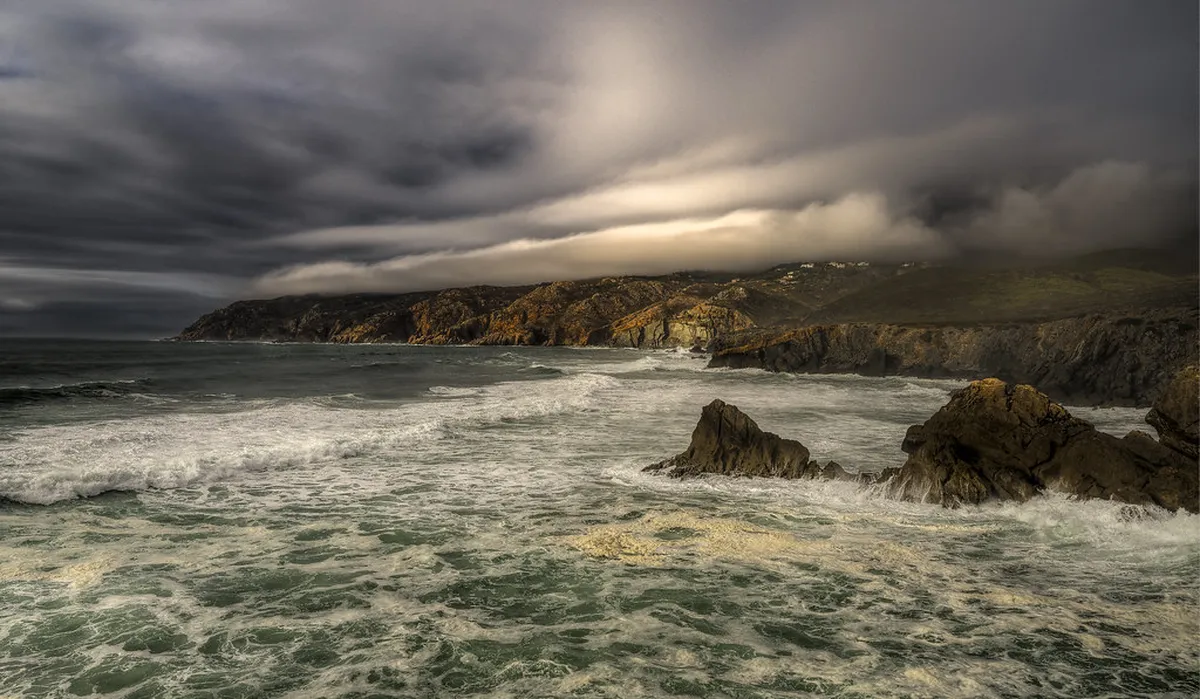
The coastline reveals a side of the Lisbon region that most hurried tourists miss during their short palace-focused visits. You will encounter sheer 140-meter cliffs, a historic lighthouse dating to 1772, hidden beaches accessible only by steep hiking trails, and clifftop villages perched above the crashing Atlantic. The famous poet Luis de Camoes described this coast as the place "where the land ends and the sea begins," and standing at the monument you will understand exactly why. This guide covers every practical detail — transport options, the best stops along the route, what to do at the cape, and the scenic Cascais loop return — so your 2026 coastal excursion is seamless and rewarding.
Transport Options from Sintra to Cabo da Roca
The most popular way to reach Cabo da Roca from Sintra is the 1253 Scotturb bus, which departs from a stop near the Sintra train station where the 434 and 435 buses also pick up passengers. The journey takes approximately 40 to 45 minutes and costs €4.50 for a single ticket in 2026. Buses run roughly every 30 minutes during the summer season but drop to hourly service in the shoulder months of October through April. Always photograph the posted schedule at the bus stop when you arrive so you know exactly when the last return bus departs.
An alternative bus, the 1624 route, reaches Cabo da Roca in about 35 minutes but departs from the Portela de Sintra terminal, which is a 15-minute walk from the main town center. This route is less crowded and can be useful if you are arriving by car and parking at the Portela lot. Both bus routes accept the Viva Viagem card, so you can tap on and off without needing exact cash change.
Using ride-sharing apps like Bolt or Uber is another way to reach the cliffs quickly and comfortably. A one-way trip from the Sintra station typically costs between €12 and €18 depending on the time of day and demand. Groups of three or four travelers often find ride-sharing more economical than buying individual bus tickets, especially if you want to make stops along the route at viewpoints the standard bus bypasses. Negotiate with a local taxi for a round-trip fare if you want the driver to wait at the cape for 45 minutes while you explore.
Walking the coastal trails from Sintra to Cabo da Roca is the most immersive option for fit hikers with time to spare. The route through the Sintra-Cascais Natural Park takes approximately four hours along established forest and coastal paths. This option is best suited for experienced hikers who can handle rocky terrain, elevation changes, and limited shade. For most visitors, taking the bus out and optionally hiking between coastal stops offers the best balance of adventure and convenience.
- Bus 1253 Service (main route)
- Cost: €4.50 per person (2026)
- Duration: 40–45 minutes
- Frequency: Every 30 minutes (summer) / hourly (off-season)
- Departs from: Sintra train station area
- Bus 1624 (alternative route)
- Cost: €4.50 per person
- Duration: 35 minutes
- Frequency: Less frequent
- Departs from: Portela de Sintra terminal
- Ride-Sharing (Uber/Bolt)
- Cost: €12–€18 one-way
- Duration: 20–25 minutes
- Best for: Groups of 3–4 sharing the fare
- Rental Car
- Parking: Free at the main visitor lot
- Availability: Limited during midday peak
- Duration: 20 minutes drive
| Transport Option | Cost (2026) | Duration | Frequency | Best For |
|---|---|---|---|---|
| Bus 1253 (Scotturb) | €4.50 per person | 40–45 min | Every 30 min (summer) / Hourly (off-season) | Solo travelers, budget trips |
| Bus 1624 (alternative) | €4.50 per person | 35 min | Less frequent | Those parking at Portela de Sintra |
| Ride-Share (Uber/Bolt) | €12–€18 one-way | 20–25 min | On demand | Groups of 3–4 splitting the fare |
| Rental Car | Varies | 20 min | On demand | Flexible itineraries with stops |
| Hiking (coastal trail) | Free | ~4 hours | N/A | Fit hikers with a full day |
The 1253 Scotturb bus accepts the Viva Viagem card, so you can tap on and off without needing exact cash. A single ticket costs €4.50 in 2026 — buying a return journey saves you having to queue again at the cape.
Best Stops on the Sintra to Cabo da Roca Route
Many travelers race directly to the cape and miss the charming villages and beaches that line this spectacular coastal corridor. Planning one or two intermediate stops transforms a quick bus ride into a full coastal adventure through some of the most photogenic scenery in Portugal.
Azenhas do Mar
This clifftop village features white-washed houses perched precariously above the deep blue Atlantic, creating one of Portugal's most photographed coastal scenes. A natural saltwater pool at the base of the cliff offers swimming during calm summer days, and the village restaurants serve fresh grilled fish with panoramic ocean views. Azenhas do Mar is best reached by car or taxi from the Sintra road, as bus connections require a transfer. Allow 30 to 45 minutes to walk the village, take photos from the viewpoint, and enjoy a coffee at a cliffside cafe.
Praia da Adraga
Consistently ranked among Portugal's most beautiful beaches, Praia da Adraga lies at the end of a steep descent through a gorge carved from towering volcanic rock formations. The beach features dramatic sea caves, crystal-clear water, and a well-regarded seafood restaurant right on the sand. It serves as a natural midpoint for those trekking the established coastal trails between Sintra and the cape, approximately 2 kilometers north of Cabo da Roca. Expect to spend at least an hour here if you enjoy photography, swimming, or simply absorbing the raw coastal beauty.
Praia da Ursa (Ursa Beach)
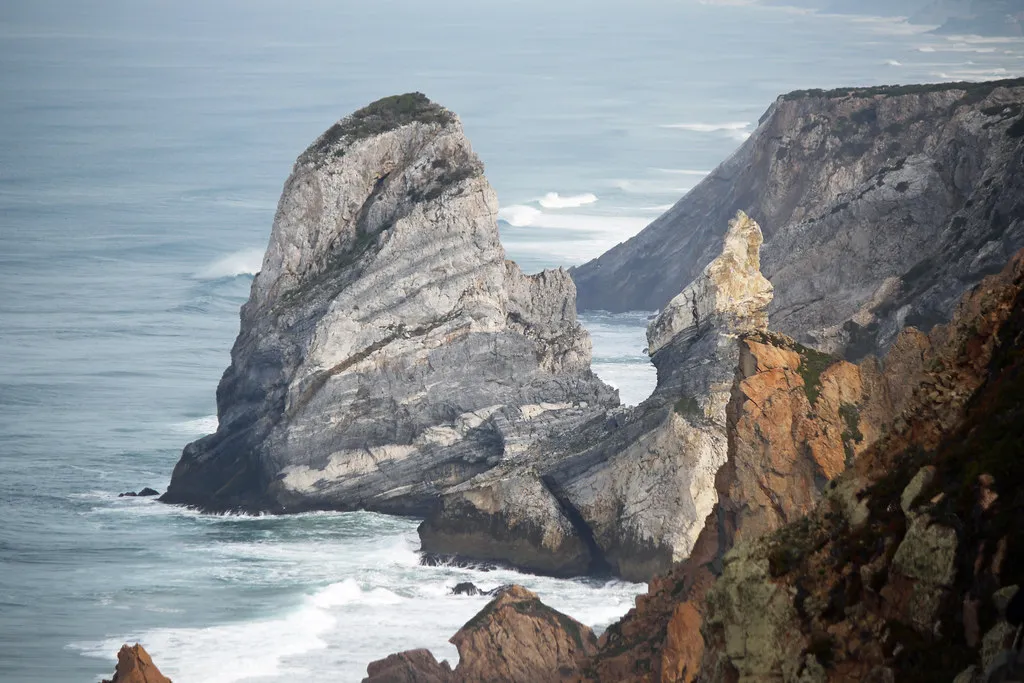
For the most adventurous visitors, the steep 20-minute descent to Ursa Beach reveals a pristine cove dominated by two massive rock pillars rising from the surf. The trail down is challenging and requires proper footwear, good fitness, and at least 45 minutes round trip including time at the bottom. There are absolutely no facilities — no shade, no water, no lifeguards — so bring everything you need. Located just 1 kilometer north of Cabo da Roca, this secluded beach remains one of the most spectacular and least crowded coastal spots in the entire Lisbon region.
Almocageme Village
This small village along the coastal road offers a more authentic taste of the region at local prices. Traditional cafes serve fresh pastries and strong Portuguese coffee without the tourist markup found at the cape itself. The village church and surrounding farmland provide a tranquil contrast to the dramatic coastline. Stopping here for a light lunch or snack is a smart budget move before or after your visit to the monument.
What to See and Do at Cabo da Roca
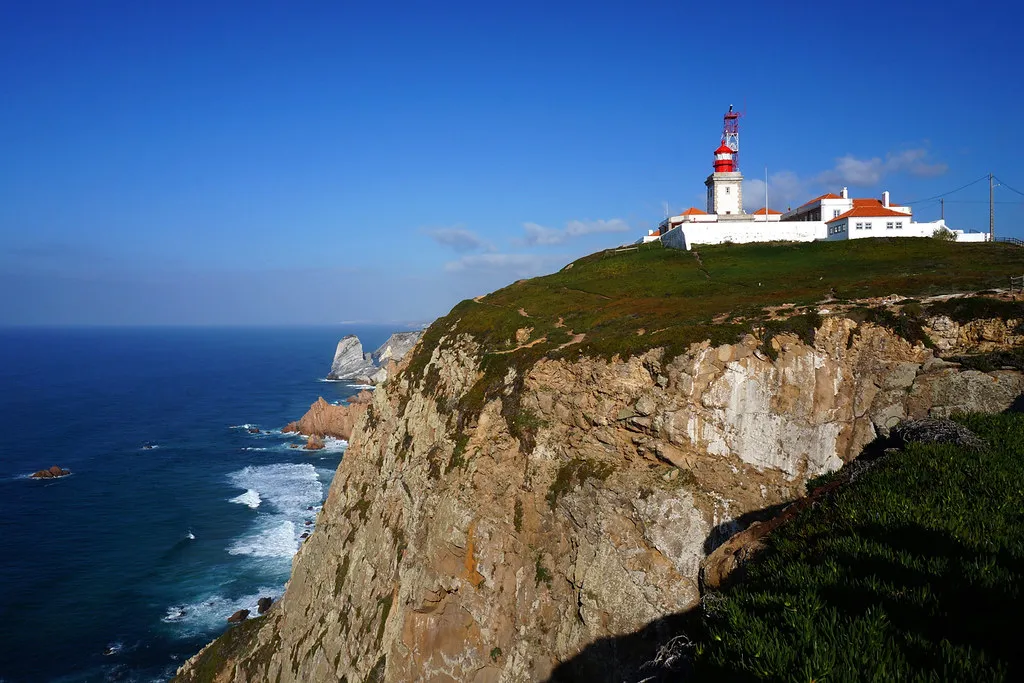
Standing at the edge of the European continent is both humbling and exhilarating, with nothing but the vast Atlantic Ocean stretching westward to the Americas. The iconic red-roofed Cabo da Roca lighthouse has guided sailors since 1772 and remains the focal point for visitors, though you cannot enter the lighthouse itself. A stone cross monument marks the exact coordinates — 38°47'N, 9°30'W — and features the famous inscription from Camoes: "Onde a terra se acaba e o mar comeca" (Where the land ends and the sea begins).
The visitor center sells a decorative certificate proving you reached the westernmost point of mainland Europe. These certificates make a popular souvenir and are available during the center's operating hours. A small gift shop and basic cafe offer drinks, snacks, and postcards, though prices are higher than in the nearby villages. Most visitors spend 45 to 60 minutes at the cape, which provides enough time to walk the fenced cliff paths, take photos at the monument, and browse the visitor center.
Safety is essential when exploring the exposed clifftop terrain surrounding the monument. High wooden fences and railings protect visitors from the sheer 140-meter drops into the Atlantic below, but you should never climb over or lean against these barriers. The cliff edges beyond the fenced areas are unstable due to constant erosion and can crumble without warning. Strong Atlantic gusts can catch you off guard, especially near the perimeter — avoid wearing loose hats or scarves that might blow toward the edge.
Wildlife enthusiasts will enjoy spotting peregrine falcons, various gull species, and cormorants that nest in the craggy rock faces below the cliffs. The surrounding vegetation consists of hardy succulents, low-lying scrub, and endemic plant species adapted to the salty, windswept conditions. In spring, wildflowers add splashes of color to the otherwise rugged landscape. The ecological diversity of this corner of the Sintra-Cascais Natural Park is remarkable given the extreme exposure to Atlantic weather systems.
Weather and Best Time to Visit
Weather conditions at Cabo da Roca are notoriously different from the sheltered town center of Sintra, which sits in a protected mountain valley. Atlantic winds regularly blow at 30 to 50 kilometers per hour, and the wind chill can make temperatures feel 8 to 10 degrees Celsius colder than the forecast suggests. Even on a bright July day when Lisbon hits 35°C, the cape may feel like 18 to 22°C with the wind. A windbreaker or light jacket is essential regardless of the season or weather forecast.
Timing your visit is the secret to avoiding the massive crowds that arrive via organized tour buses between 11:00 AM and 3:00 PM. During this window, dozens of coaches line the parking lot and hundreds of people compete for photo spots near the monument. For a quieter experience, arrive either before 10:00 AM or after 4:00 PM. Sunset visits are spectacular but require careful planning — the last return bus to Sintra departs early evening, and ride-shares become significantly more expensive once public transport ends.
Fog can occasionally roll in from the ocean and completely obscure the view within minutes. These coastal mists are most common in the early morning and can clear up as the sun warms the air by late morning. If you see thick fog at the cape, consider spending an extra hour at one of the coastal villages or beaches and returning later. Checking a live webcam of the area before departing Sintra can save you from arriving during a complete whiteout. The best time to visit Sintra and the coast is generally May through October, with September offering the warmest water temperatures and thinner crowds.
Atlantic winds at Cabo da Roca regularly blow at 30–50 km/h and can make temperatures feel 8–10°C colder than the Sintra forecast. Always pack a windbreaker regardless of how warm it feels in the town center — the cliff edge is significantly more exposed.
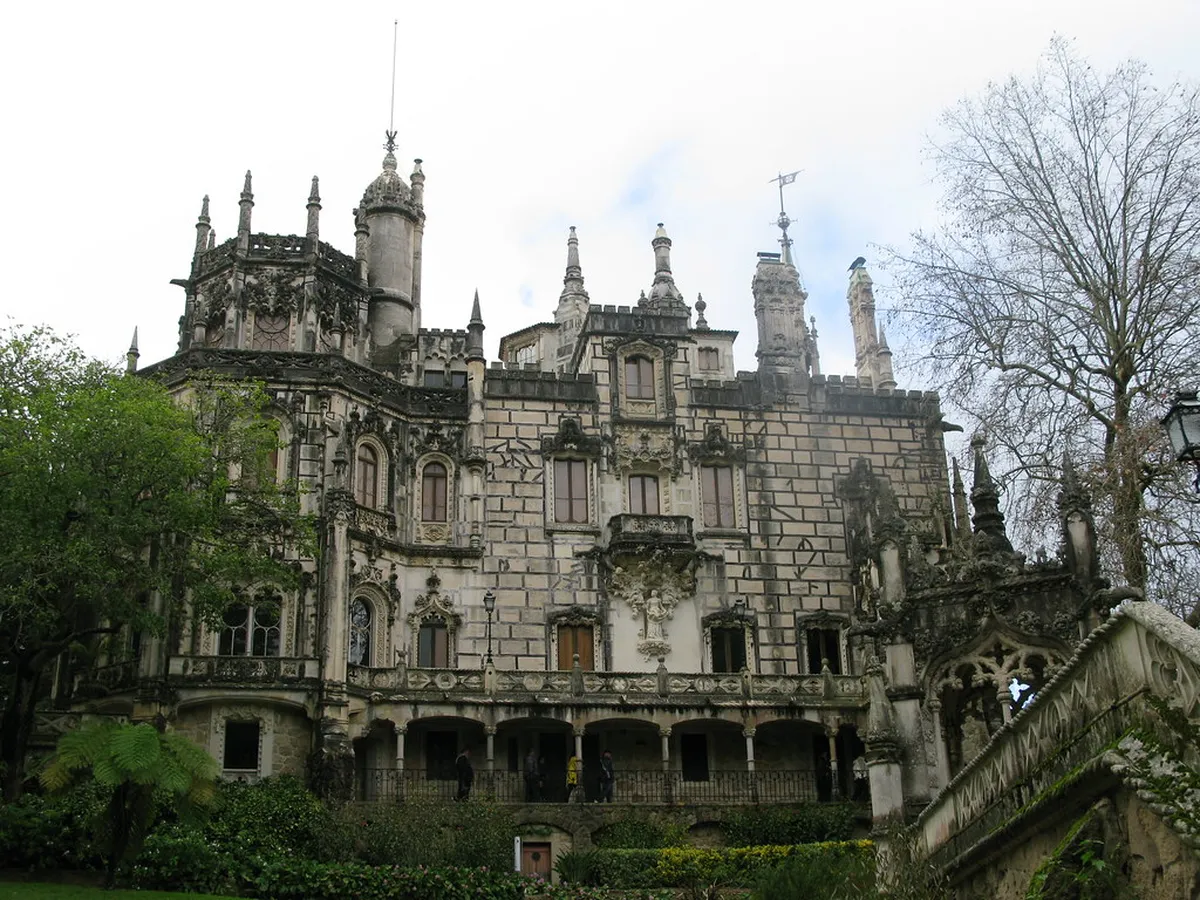
Many visitors make the mistake of trying to see too many Sintra castles before heading to the coast, leaving themselves exhausted and rushed. Choose a maximum of two palaces in the morning to preserve enough energy and daylight for the coastal excursion. The combination of Pena Palace in the morning and Cabo da Roca in the afternoon creates a balanced day with both cultural and natural highlights.
The Scenic Cascais Loop Return
Instead of backtracking to Sintra, many experienced travelers continue south from Cabo da Roca to the seaside town of Cascais, creating a spectacular one-way loop that covers the entire western coastline. The 1253 bus continues from Cabo da Roca to Cascais, taking about 30 minutes along a winding coastal road with stunning ocean views. From Cascais, frequent trains run along the coast back to Lisbon Cais do Sodre station in about 35 minutes, completing the loop.
Cascais offers a completely different atmosphere — a polished seaside resort town with sandy beaches, a charming pedestrianized center, waterfront restaurants, and a relaxed marina. Before catching your train, walk to the Boca do Inferno (Mouth of Hell), a dramatic sea arch where waves thunder into a collapsed cave about a 15-minute walk west of the center. Many travelers enjoy a sunset dinner overlooking the marina before taking the final coastal train back to Lisbon during golden hour.
This circular route provides a far more diverse and satisfying experience than a simple out-and-back journey from Sintra. You see the mountain palaces, the wild Atlantic coast, the westernmost point of Europe, and a glamorous beach town — all in a single day. Starting your day with the early train from Lisbon to Sintra (see our Lisbon to Sintra train guide), visiting one or two palaces, busing to Cabo da Roca, and continuing to Cascais for the evening creates the ultimate Sintra day trip from Lisbon.
Planning this loop requires keeping track of different transport schedules for buses and trains. Use the Scotturb app or Google Maps to check the real-time location of the 1253 bus to minimize waiting at the cape. The last bus from Cabo da Roca to Cascais typically departs around 7:00 PM in summer and 5:30 PM in winter, so factor this into your afternoon timing. Most travelers who complete this full loop consider it the single best day trip they did during their entire Portugal holiday.
Common Mistakes to Avoid on Your Cabo da Roca Trip
The most common error is underestimating travel time between attractions and trying to cram too much into a single day. While the cape itself takes only 45 to 60 minutes, the combined bus journeys, waiting times, and intermediate stops can easily consume 4 to 5 hours. Build buffer time into your schedule so that a delayed bus or an extended beach stop does not cascade into missing your final connection. Allow at least four hours for the coastal portion of your itinerary.
Dressing inappropriately for the exposed conditions is another frequent mistake that ruins many visits. Even when the town center of Sintra feels warm and sheltered, Cabo da Roca will be windy and 8 to 10 degrees cooler. Light summer clothing simply is not enough — bring a windbreaker, tie back long hair, and secure anything that could blow away. Sunscreen is also essential despite the cool temperatures, as the UV exposure at this latitude is high, especially between May and September.
Relying solely on credit cards for small purchases can lead to frustration at the cape's basic facilities. While restaurants in Cascais accept digital payments, small vendors at the monument and visitor center often prefer cash. Having €20 to €30 in small bills covers snacks, the souvenir certificate, and public toilets. This is also useful for tipping tuk-tuk drivers or paying for the bus if your travel card runs out of credit.
Missing the final bus of the day is a logistical nightmare that is easily avoided with a 5-minute check at the start of your visit. Always photograph the return bus schedule posted at the Cabo da Roca stop as soon as you arrive. Set a phone alarm for 15 minutes before your planned departure to give yourself time to walk from the cliffs back to the bus stop. If you do miss the last bus, an Uber or Bolt to Cascais will cost around €15 to €20 — expensive but not catastrophic.
Hiking Trails Near Cabo da Roca
The coastline around the cape offers some of the finest hiking in the Lisbon region, with well-established trails connecting beaches, clifftops, and fishing villages. The most popular short hike leads north from Cabo da Roca to Praia da Ursa, a 1-kilometer path taking about 20 minutes each way along exposed coastal cliffs with sweeping ocean views. The descent to Ursa Beach itself adds another 20 to 30 minutes each way on a steep, rocky trail that requires good footwear.
Heading south from the cape, the coastal path to Guincho Beach follows the cliffs for approximately 8 kilometers through the heart of the Natural Park. This intermediate-level hike takes about 2.5 hours and passes several dramatic viewpoints, wildflower meadows, and sheltered coves. Guincho Beach at the end is famous for windsurfing and kitesurfing, and local restaurants serve excellent fresh seafood overlooking the waves.
For a longer adventure, the full trail from Praia da Adraga north of the cape to Cascais in the south covers about 15 kilometers and takes 4 to 5 hours. This route passes through Cabo da Roca itself, making the monument a natural midpoint for water refills and a rest break. Bring at least 1.5 liters of water per person, sun protection, and proper hiking shoes — the terrain alternates between rocky coastal paths, sandy sections, and exposed clifftop tracks with limited shade.
Frequently Asked Questions
Is there a direct bus from Sintra to Cabo da Roca?
Yes, the 1253 Scotturb bus connects the Sintra train station directly to Cabo da Roca. The journey takes 40 to 45 minutes and costs €4.50 in 2026. Buses run every 30 minutes in summer and hourly in the off-season. An alternative route, the 1624, departs from Portela de Sintra terminal.
How much time should I spend at Cabo da Roca?
Most visitors find 45 to 60 minutes sufficient to see the monument, walk the fenced cliff paths, and visit the gift shop. If you plan to hike to Ursa Beach (20 minutes each way) or walk the coastal trails, allow 2 to 3 hours total. Photographers may want extra time for changing light conditions.
Can I visit Cabo da Roca and the Sintra palaces in one day?
Yes, if you limit yourself to two palaces in the morning and head to the coast after lunch. Trying to fit three palaces plus the cape leads to exhaustion and rushed visits. The optimal combination is Pena Palace early morning plus Cabo da Roca in the afternoon, with the scenic Cascais loop back to Lisbon.
Is there an entrance fee for Cabo da Roca?
Access to the cliffs, the monument, and the lighthouse grounds is completely free. You only pay for transportation, food, the optional souvenir certificate at the visitor center, or parking (also free at the main lot). This makes Cabo da Roca one of the best-value excursions in the Lisbon area.
What is the Cascais loop and is it worth doing?
The Cascais loop means continuing south from Cabo da Roca by bus to the seaside town of Cascais instead of returning to Sintra. From Cascais, a 35-minute coastal train takes you back to Lisbon. This route is highly recommended because it adds a charming beach town to your day and avoids backtracking, giving you maximum variety.
How cold is it at Cabo da Roca compared to Sintra?
Cabo da Roca is typically 8 to 10 degrees Celsius colder than sheltered Sintra due to constant Atlantic winds. Even on a hot summer day, the wind chill at the cape can make it feel like 18 to 22°C. Always bring a windbreaker or light jacket regardless of the weather forecast in Lisbon or Sintra.
Can I hike from Sintra to Cabo da Roca?
Yes, experienced hikers can walk from Sintra to Cabo da Roca in approximately 4 hours through the Sintra-Cascais Natural Park. The trail passes through forests and coastal paths with significant elevation changes. Most visitors prefer to take the bus and save their energy for shorter coastal hikes near the cape itself.
A journey from the historic palaces of Sintra to the wild Atlantic cliffs of Cabo da Roca creates one of the most memorable day trips in all of Portugal. The contrast between ornate Romantic architecture and raw, windswept coastline captures the essence of what makes this region so special. By following this guide and planning your transport and timing carefully, you can navigate the logistics with total confidence and focus on the views.
Whether you choose the local bus, a scenic coastal hike, or the complete Cascais loop back to Lisbon, your visit to the edge of Europe will be a highlight of your 2026 travels. Take a moment to breathe in the salty air, read the words of Camoes on the stone monument, and appreciate standing at the point where an entire continent ends. For help planning the rest of your Sintra itinerary, explore our guide to things to do in Sintra and the full one day vs two days itinerary.