Lisbon with Kids Family Guide: Top Tips for 2026
Complete Lisbon with kids family guide for 2026. Best attractions, stroller tips, family restaurants, beaches, and day trips for stress-free Portugal travel.
On this page
The Ultimate Lisbon with Kids Family Guide for 2026
Lisbon is one of the best family-friendly cities in Europe, offering an irresistible mix of ancient castles, interactive science museums, sunny beaches, and a food culture that welcomes children with open arms. Portuguese people genuinely adore kids — you will find restaurant staff offering high chairs before you even ask, hotel concierges suggesting family activities unprompted, and locals stopping to smile at your children on every cobblestone street. This Lisbon with kids family guide covers everything you need to plan a stress-free vacation in 2026.
The city does present some challenges for families, particularly the steep hills and narrow sidewalks that make stroller navigation difficult in the historic center. But with the right planning — choosing flat neighborhoods for stroller days, using public transport wisely, and knowing which attractions have the best facilities — Lisbon becomes remarkably easy to explore with children of all ages. From toddlers to teenagers, this guide helps you find the right activities, avoid the common pitfalls, and create memories that will last a lifetime.
Top Interactive Museums and Attractions for Families
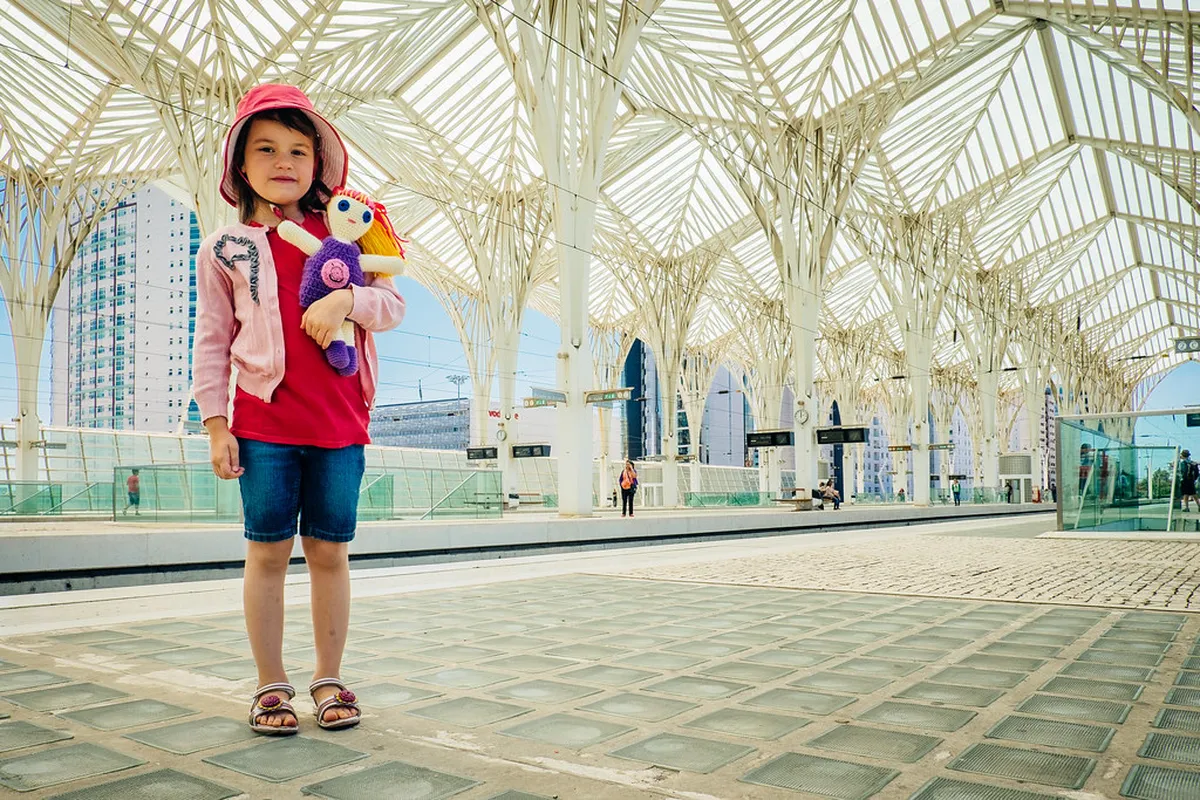
The Parque das Nações district on the eastern waterfront is the undisputed family capital of Lisbon — flat, modern, stroller-friendly, and home to the city's best indoor attractions. You can easily spend an entire day here without climbing a single hill, which makes it the perfect destination when small legs are tired from exploring the historic center. The wide riverside promenades, playgrounds, and cable car ride add free outdoor activities between paid attractions.
The Oceanário de Lisboa is consistently rated among the top three aquariums in Europe and is the number one family attraction in Portugal according to TripAdvisor. The central tank holds 5 million liters of water and is home to sharks, rays, sunfish, and sea otters that captivate children of every age. Standard adult tickets cost 25 Euros in 2026, children aged 4-12 pay 18 Euros, and children under 3 enter free. Book your time slot online at least a day in advance during summer to avoid queues that can reach 45 minutes.
Right next door, the Pavilhão do Conhecimento (Knowledge Pavilion) offers hands-on science experiments designed for children from toddlers to teenagers. Kids can ride a bicycle on a high wire, build giant structures with oversized blocks, explore optical illusions, and experiment with water physics in the outdoor splash area. Entry costs 14 Euros for adults and 9 Euros for children, and the museum stays open from 10 AM to 6 PM on most weekdays. The indoor exhibits provide a perfect air-conditioned escape during the hot afternoon hours of July and August.
Beyond Parque das Nações, the Castelo de São Jorge is a hit with children who love climbing ramparts, spotting peacocks roaming the grounds, and pretending to be medieval knights defending the fortress walls. Entry costs 15 Euros for adults, and children under 12 enter free. The castle grounds are spacious enough for kids to run freely, and the café inside has a terrace with one of the best views in Lisbon — perfect for parents who need a coffee break while the children explore.
- Oceanário de Lisboa (Lisbon Oceanarium)
- Type: Marine aquarium — sharks, otters, penguins
- Best for: All ages, especially under 10
- Where: Parque das Nações
- Cost: Adults 25 Euros, children 4-12 pay 18 Euros, under 3 free
- Pavilhão do Conhecimento Science Center
- Type: Interactive science museum
- Best for: Ages 3 to 16
- Where: Largo José Mariano Gago, Parque das Nações
- Cost: Adults 14 Euros, children 9 Euros
- Castelo de São Jorge
- Type: Medieval castle with ramparts and peacocks
- Best for: Ages 4 and up
- Where: Alfama hilltop
- Cost: Adults 15 Euros, children under 12 free
Book your Oceanário de Lisboa tickets online at least a day in advance during summer — walk-up queues can reach 45 minutes. Children under 3 enter free, and the Pavilhão do Conhecimento next door makes a great air-conditioned afternoon follow-up.
Navigating Lisbon's Hills with Strollers and Young Children
The honest truth about Lisbon with a stroller is that the historic center is extremely challenging. The famous Calçada Portuguesa cobblestones are beautiful but bumpy, the hills are genuinely steep — some with 15-20% gradients — and many sidewalks in Alfama and Bairro Alto are too narrow for a standard-width pushchair. Most experienced family travel bloggers recommend a sturdy baby carrier instead of a stroller for children under 15 kilograms, and bringing a lightweight umbrella stroller with large wheels for flat areas only.
If you must bring a stroller, focus your stroller days on flat neighborhoods: Parque das Nações is completely level with wide modern sidewalks, the Belém waterfront is flat and paved, and the Baixa grid between Praça do Comércio and Rossio square is manageable. Save the hilly districts — Alfama, Graça, Bairro Alto, and Mouraria — for carrier days when children can ride on your back while you navigate the steep steps and narrow lanes.
Public elevators and funiculars are essential tools for families moving between city levels. The Elevador da Glória connects the lower Baixa to Bairro Alto, the Elevador da Bica links the riverside to the upper neighborhood, and several public elevators hidden in residential buildings (like the one in Largo da Oliveirinha) provide free shortcuts between steep levels. These lifts are often free with a 24-hour Viva Viagem transit card, which costs 6.80 Euros in 2026 and is the best investment a family can make for getting around.
Avoid the iconic Tram 28 with young children — it is nearly always packed with tourists, there is no space for strollers, and pickpockets target distracted passengers. Instead, take the modern Tram 15E to Belém, which uses larger, air-conditioned carriages with dedicated wheelchair and stroller spaces. The metro system is also fully accessible with elevators at most stations, making it the fastest and most comfortable way to cross the city with a family.
A 24-hour Viva Viagem transit card costs 6.80 Euros in 2026 and covers the metro, buses, funiculars, and public elevators — the single best investment for families navigating between Lisbon's steep levels. The Elevador da Glória and Elevador da Bica are both included.
Best Family-Friendly Neighborhoods to Stay
Choosing the right neighborhood is critical for a stress-free family trip, and the best areas to stay in Lisbon depend heavily on your children's ages. For families with babies and toddlers, the Parque das Nações district offers modern apartment rentals with lifts, flat sidewalks, a playground every few hundred meters, and direct access to the Oceanarium — all without a single steep hill in sight.
Families with older children who want a central location should consider Chiado or Baixa, where you can walk to most major attractions and have excellent restaurant options on every block. The Martinhal Chiado Family Suites Hotel is purpose-built for families and includes an M Kids Club that runs daytime and evening sessions, allowing parents to enjoy a dinner out while children are entertained. Rates start around 250 Euros per night for a family suite in 2026.
Budget-conscious families often find the best value in Graça, where spacious Airbnb apartments with washing machines (essential for family travel) are available for 80-120 Euros per night. The neighborhood is residential and authentic, with a local market, several playgrounds, and easy tram access to the city center. Just be aware that most apartments in traditional Graça buildings lack elevators, so confirm the floor level before booking.
Historic Adventures in Alfama and Belém
The Alfama district feels like a giant open-air maze for curious children to explore — narrow alleys twist and turn past tiny squares with colorful laundry hanging overhead, cats lounging on warm steps, and the distant sound of Fado music drifting from shuttered windows. Getting intentionally lost here is half the fun, and children love the treasure-hunt feeling of discovering each new hidden plaza. The Castelo de São Jorge sits at the top and provides a dramatic reward for the climb, with peacocks roaming the grounds and ramparts wide enough for running.
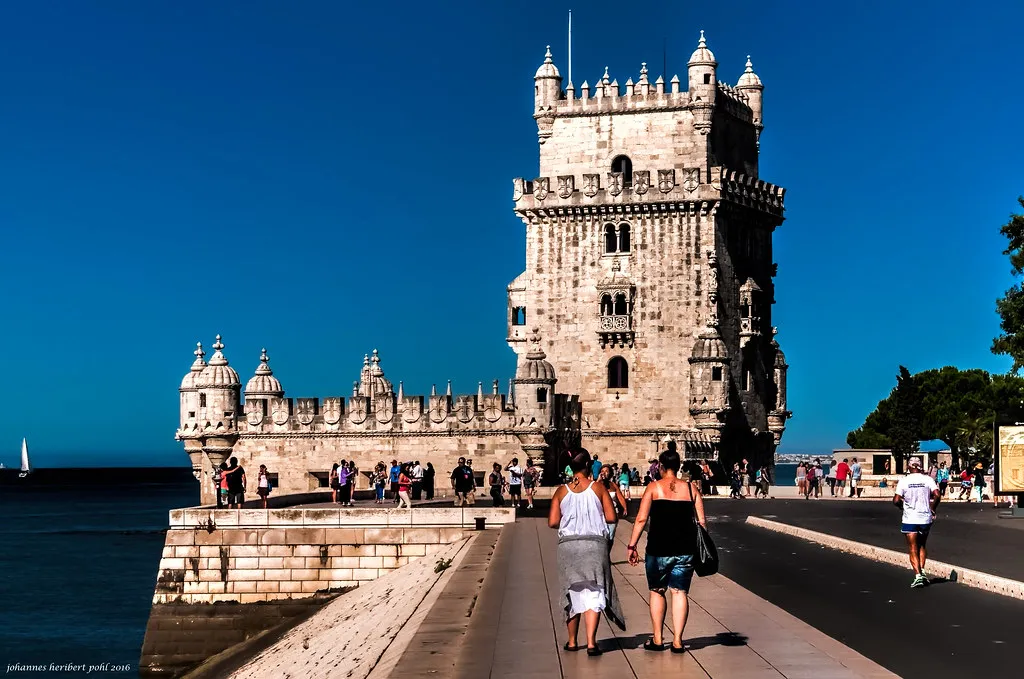
Belém is the other essential family district, offering wide open green spaces that provide a welcome contrast to the cramped streets of the old town. The Jerónimos Monastery is a UNESCO World Heritage Site with a stunning cloister that even architecture-resistant teenagers tend to appreciate. The Belém Tower looks like a miniature fortress rising from the river, and kids enjoy climbing the narrow spiral stairs to see the cannons and the view from the top — though the stairs are too narrow for strollers.
No trip to Belém is complete without eating a warm Pastel de Nata at the original Pastéis de Belém bakery, which has been serving the same secret recipe since 1837. The bakery has several large rooms that can accommodate families easily, and watching the bakers through the glass windows as they prepare thousands of tarts daily is entertainment in itself. These sweet custard treats cost about 1.30 Euros each and pair perfectly with a warm chocolate milk for the kids. Read our complete Lisbon food tour and pastéis de nata guide for more bakery recommendations.
Best Day Trips and Beach Escapes
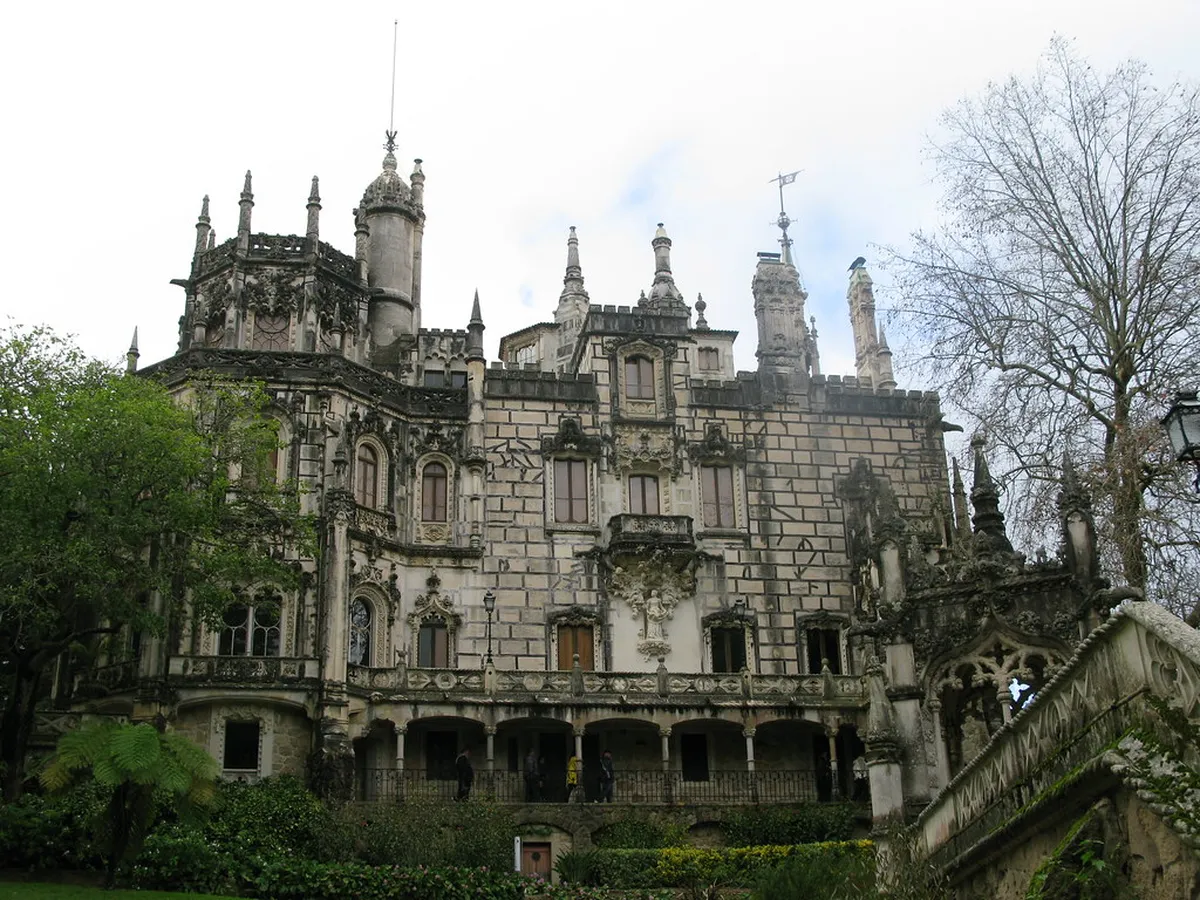
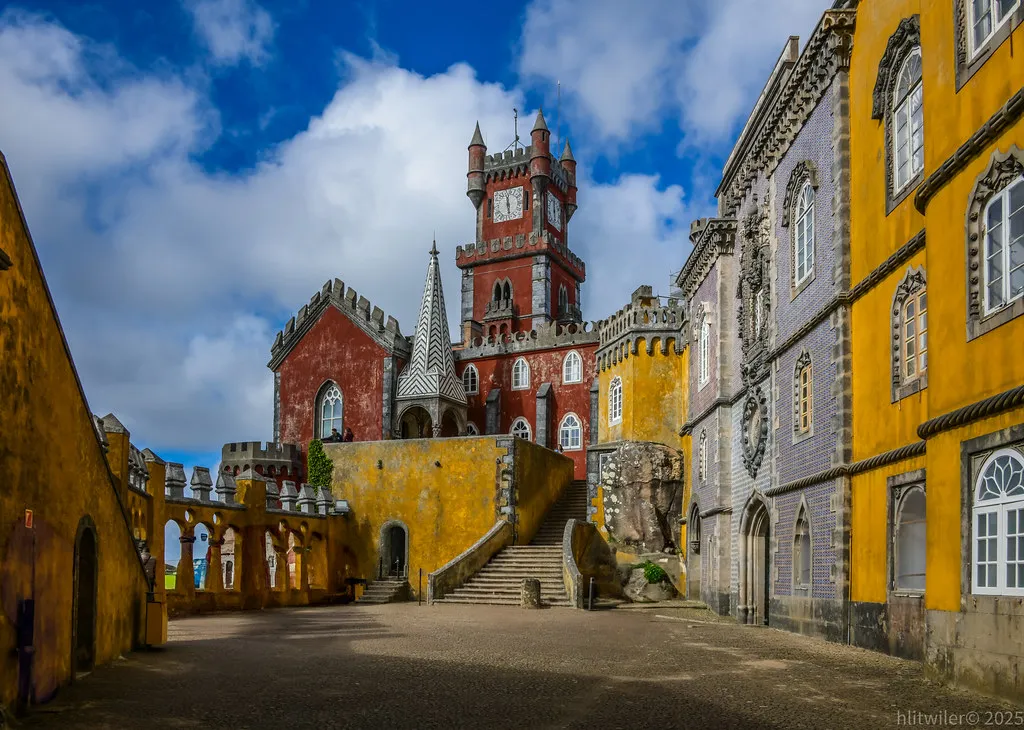
Taking day trips from Lisbon gives families a chance to experience a different side of Portugal and break up the city sightseeing. Sintra is the most popular family day trip because its colorful palaces genuinely look like they came from a Disney movie — the Pena Palace with its bright yellow and red towers sits atop misty forested hills, and children love exploring the fairy-tale turrets and winding forest paths. Be warned that Sintra involves significant walking on steep terrain, so it works best for children aged 5 and older. The train from Rossio Station takes 40 minutes and costs under 5 Euros for a return ticket.
For a more relaxed family day, head to the coastal town of Cascais by train from Cais do Sodré station — the 40-minute ride follows the scenic coastline and costs about 4.50 Euros return. Many Lisbon beaches near Cascais have calm, sheltered waters perfect for small children. Praia da Rainha is a tiny cove right in the center of Cascais with gentle waves, while Praia de Carcavelos offers a long sandy stretch with lifeguards and beach facilities including umbrella and chair rentals for about 15 Euros per set.
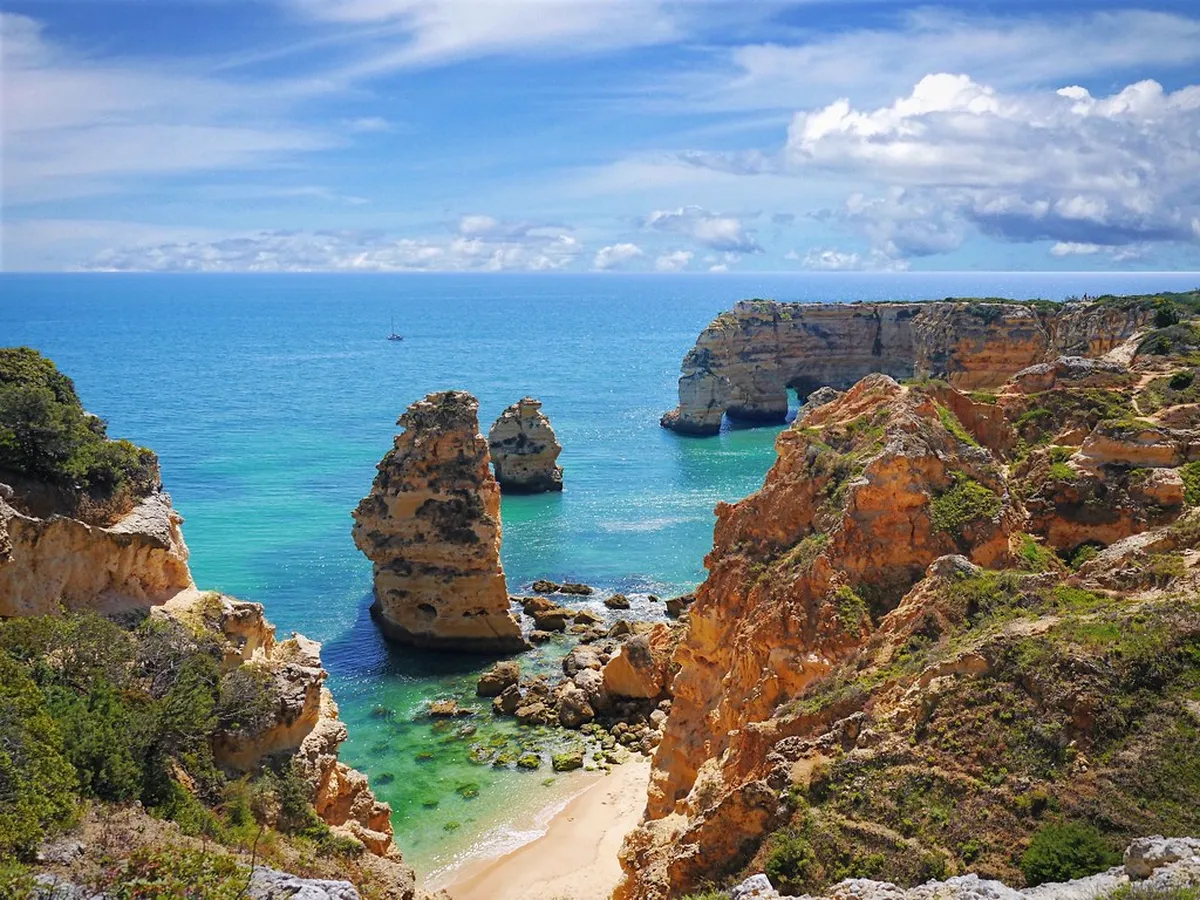
Setúbal, across the river on the Arrábida peninsula, is a less crowded alternative with some of the best beaches in the Lisbon region. Praia de Galapinhos was voted the best beach in Europe in 2017 and has crystal-clear water protected by limestone cliffs. The ferry from Lisbon to Setúbal takes about an hour and provides a fun boat adventure that children enjoy as much as the beach itself. Pack plenty of sunscreen, water, and snacks since beach-side restaurants in Arrábida are limited.
Family Dining Tips and Kid-Friendly Restaurants
Portuguese restaurants are genuinely welcoming to families with children — dinner service starts later than in northern Europe (usually around 7:30-8:00 PM), but most places happily serve families earlier, and high chairs appear without asking in even the smallest tascas. Children are expected to eat with the family at restaurants, including at dinner, which is a refreshing cultural norm for families traveling from countries where kids are often unwelcome at evening dining.
Be aware of the couvert — bread, butter, olives, and sometimes cheese or pâté placed on your table automatically. These items are not free and you will be charged for what you eat, typically 3-5 Euros per person. It is perfectly acceptable and very common to send them back untouched if you do not want them. This can save you money and prevent kids from filling up on bread before the main course arrives.
The Time Out Market in Cais do Sodré is the best option when your family cannot agree on one cuisine. You can find everything from traditional codfish dishes to high-quality burgers, sushi, pizza, and gelato — all from curated Lisbon chefs rather than generic food court fare. Seating is communal at long wooden tables, which actually works well for larger families. Arrive before 12:30 PM for lunch to find seats before the office crowds appear. For the best restaurants in Lisbon with a more traditional atmosphere, look for family-run tascas in Graça or Mouraria where lunch specials (prato do dia) cost 8-12 Euros and include a main course, drink, and coffee.
For breakfast, head to any local pastelaria (pastry cafe) where children can choose from display cases of fresh pastries while parents order a strong bica (espresso) or galão (milky coffee similar to a latte). A family breakfast of pastries and drinks typically costs under 10 Euros for four people. Copenhagen Coffee Lab in Príncipe Real is popular with families for its spacious interior and excellent children's menu.
Parks, Playgrounds, and Outdoor Activities
Lisbon has more hidden playgrounds than most visitors realize, tucked into residential parks and gardens across the city. Jardim da Estrela has one of the best play areas with modern equipment, a duck pond, and a pleasant cafe where parents can sit within sight of the playground. The Jardim do Torel near Avenidas Novas offers a swimming pool (summer only) alongside a shaded playground with views over the city. Both are free to enter and rarely crowded even on weekends.

For a bigger outdoor adventure, the Monsanto Forest Park is Lisbon's largest green space — a vast urban forest with cycling paths, picnic areas, and the Parque Recreativo do Alto da Serafina playground complex that includes rope courses and zip lines for older children. The park is accessible by bus from the city center in about 20 minutes and provides a genuine nature escape without leaving the city limits.
The Belém waterfront offers flat cycling paths that are perfect for families with children old enough to ride bikes. Several rental shops near the Belém Tower rent bikes and children's seats for about 15 Euros per half day. The path runs along the river for several kilometers, passing the Monument to the Discoveries and the MAAT museum, with no traffic or hills to worry about.
Frequently Asked Questions
Is Lisbon a stroller-friendly city for families?
Lisbon is challenging for strollers in the historic center due to steep hills, cobblestones, and narrow sidewalks. A structured baby carrier is strongly recommended for Alfama, Bairro Alto, and Graça. However, Parque das Nações, Belém, and Baixa are flat and fully stroller-accessible. If you bring a stroller, choose a lightweight model with large rubber wheels. Many families alternate between carrier days (hilly areas) and stroller days (flat neighborhoods) for the best results.
What is the best time of year to visit Lisbon with kids?
Spring (April-May) and early autumn (September-October) offer the best conditions for families — temperatures of 18-25°C are comfortable for walking, crowds are manageable, and prices for flights and hotels are 20-30% lower than peak summer. July and August are hottest (often above 35°C) and most crowded, making outdoor sightseeing exhausting for young children. Winter is mild (12-16°C) and very affordable, but some outdoor attractions have shorter hours. Check our best time to visit Lisbon guide for detailed seasonal advice.
Are there many playgrounds in the center of Lisbon?
Yes, several excellent playgrounds are hidden in city parks and gardens. Jardim da Estrela has the best central playground with modern equipment, a duck pond, and a parent-friendly cafe. The playground at the Adamastor viewpoint in Santa Catarina is small but offers stunning river views. Parque das Nações has multiple playgrounds along the waterfront. For a bigger adventure, the Monsanto Forest Park has rope courses and zip lines for older children, accessible by bus in 20 minutes from the center.
How many days should I spend in Lisbon with my family?
Plan for at least four to five days to see the main highlights at a family-friendly pace without rushing. This allows time for the Oceanarium and Parque das Nações (1 day), historic Alfama and the castle (1 day), Belém (half day), a beach or Sintra day trip (1 day), and a relaxed exploration day. A longer stay of seven days is ideal for including both Sintra and a beach day plus rest time. Check our Lisbon 3-day itinerary for a faster-paced option.
Is Lisbon safe for families with young children?
Lisbon is very safe for families and consistently ranks among the safest capital cities in Europe. Violent crime is extremely rare in tourist areas. The main concern is pickpocketing on crowded Tram 28 and in busy areas like Baixa and Praça do Comércio — keep valuables in front pockets or a crossbody bag. The biggest physical risk is actually the slippery cobblestones, especially when wet, so ensure everyone wears shoes with good grip. Portuguese people are exceptionally welcoming to children and will often go out of their way to help families.
Lisbon is a fantastic destination that offers something special for every family member — from toddlers mesmerized by sea otters at the Oceanarium to teenagers climbing castle ramparts and parents savoring wine at sunset viewpoints. The Portuguese culture of genuinely welcoming children into restaurants, shops, and public life makes family travel here feel natural rather than stressful. Using this Lisbon with kids family guide will help you navigate the hills, find the best attractions, and plan a trip that balances adventure with the downtime every family needs.
Remember to pack comfortable shoes with good grip, bring a baby carrier instead of relying solely on a stroller, and stay flexible with your daily schedule — some of the best family moments in Lisbon happen spontaneously when you stumble upon a hidden playground, a friendly cat in an Alfama alley, or a freshly baked Pastel de Nata that makes your child's eyes light up. Start planning your 2026 family adventure and experience the warmth of Portugal with your loved ones.
 How to Get to Braga: 6 Best Ways to TravelJune 4, 2026