Lisbon Viewpoints Miradouros Guide: Best Views in 2026
Complete guide to Lisbon's best miradouros in 2026. Free viewpoints, sunset spots, hidden gems, and tips for the most stunning city panoramas.
On this page
The Ultimate Lisbon Viewpoints Miradouros Guide for 2026
Lisbon is famously known as the city of seven hills, and those steep slopes create natural balconies that offer breathtaking vistas across red-roofed neighborhoods, the shimmering Tagus River, and the Atlantic horizon beyond. With more than 20 official miradouros scattered across the city, choosing where to start can feel overwhelming. This Lisbon viewpoints miradouros guide covers the 10 best spots — from iconic terraces packed with golden-hour crowds to hidden local favorites where you might be the only visitor.
What makes Lisbon's viewpoint culture special is that nearly every miradouro is completely free to visit and open around the clock. Unlike observation decks in other European capitals that charge 15-25 Euros for rooftop access, Lisbon gives you world-class panoramas for the price of a 1.50 Euro espresso from a nearby kiosk. Whether you are chasing the perfect sunrise photo or a romantic sunset drink, this guide will help you plan your route through the winding streets of the Portuguese capital.
Miradouro da Senhora do Monte: The Highest View
Standing at 100 meters above sea level, Miradouro da Senhora do Monte is the highest public viewpoint in Lisbon and delivers an unobstructed 360-degree panorama that no other terrace can match. Located in the quiet Graça neighborhood, this hilltop perch lets you see the São Jorge Castle below, the 25 de Abril Bridge in the distance, the Cristo Rei statue across the river, and on clear days even the Serra da Arrábida mountains to the south. Many visitors consider this the single best spot to watch the sunset over the historic red rooftops.
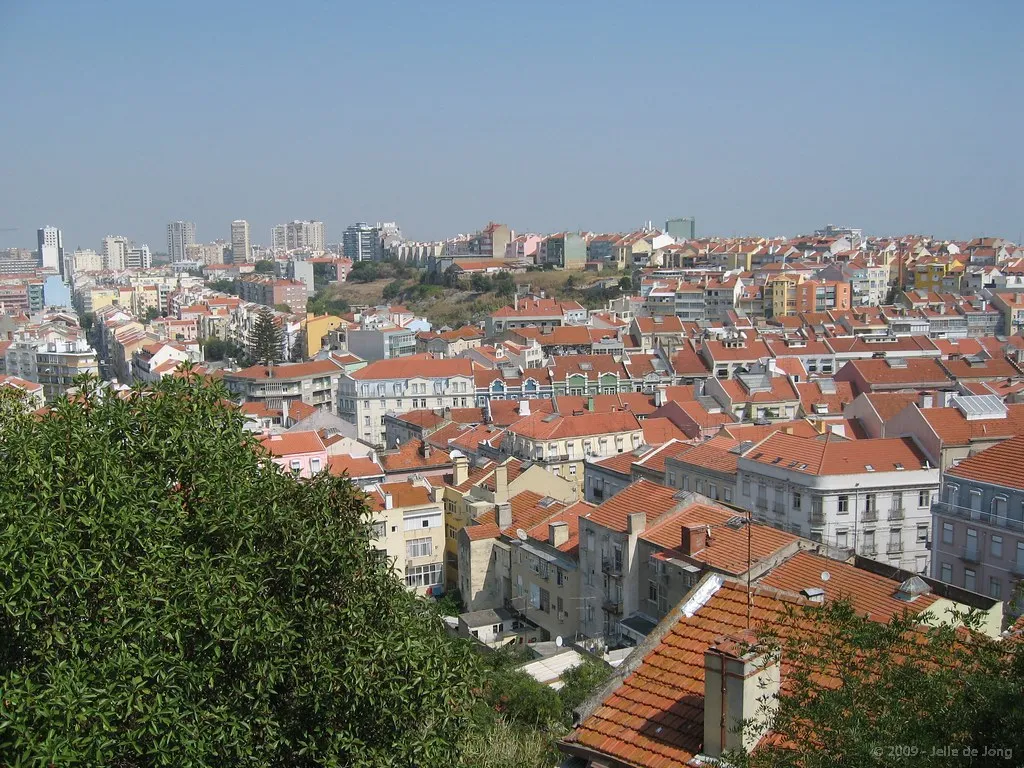
Large pine trees provide welcome shade during hot summer afternoons, and a small chapel dedicated to the Virgin Mary adds a contemplative atmosphere to the space. Look for the ceramic tile map installed at the viewing wall — it identifies every major landmark visible in the distance and helps you orient your photos. Local musicians frequently perform acoustic sets while the sky changes colors in the late evening, creating a soundtrack that perfectly complements the view.
Getting here requires some effort since the hill is steep, but you can take a tuk-tuk from Alfama or Bus 734 from Martim Moniz. Bring a light jacket because the wind often picks up significantly after sunset. This spot is perfect for travelers who want a quieter, more authentic experience away from the crowded terraces of the city center. Arrive at least 30 minutes before sunset to secure a spot on the low stone walls where locals sit.
Miradouro de Santa Luzia and Portas do Sol
These two viewpoints sit side by side in the heart of Alfama Lisbon and together form the most photographed panoramic terrace in the entire city. Miradouro de Santa Luzia features stunning blue-and-white azulejo tile panels depicting the Christian reconquest of Lisbon, a bougainvillea-draped pergola, and a lush garden filled with bright purple flowers. Local artists often set up easels here to paint the river view, and the scene feels like stepping into a postcard from a different century.
Just 50 meters east, Portas do Sol offers a wide sun-drenched balcony that overlooks the maze of narrow Alfama streets tumbling down to the waterfront. You can easily spot the white towers of the Church of São Vicente de Fora and the dome of the National Pantheon from here. This is also where the iconic Tram 28 Lisbon route passes directly below, making it one of the best places to photograph the famous yellow streetcars against a backdrop of terracotta rooftops.
These viewpoints get very busy between 11 AM and 4 PM when cruise ship passengers and tour groups arrive. Arriving before 10 in the morning gives you quieter conditions and the soft eastern light that photographers prefer. The kiosks at both terraces serve affordable drinks — a beer costs around 3 Euros and a coffee about 1.50 Euros. Several small museums and historic sites including the Museu de Artes Decorativas are within a two-minute walk.
For the best experience, visit Santa Luzia first for the tile art and garden atmosphere, then walk east to Portas do Sol for the wider panorama and a drink at the terrace bar. The morning light hits the river and Alfama rooftops most beautifully from this angle, while the afternoon sun creates harsh shadows. Keep your belongings secure as pickpockets occasionally target distracted tourists at these popular spots.
Miradouro da Graça
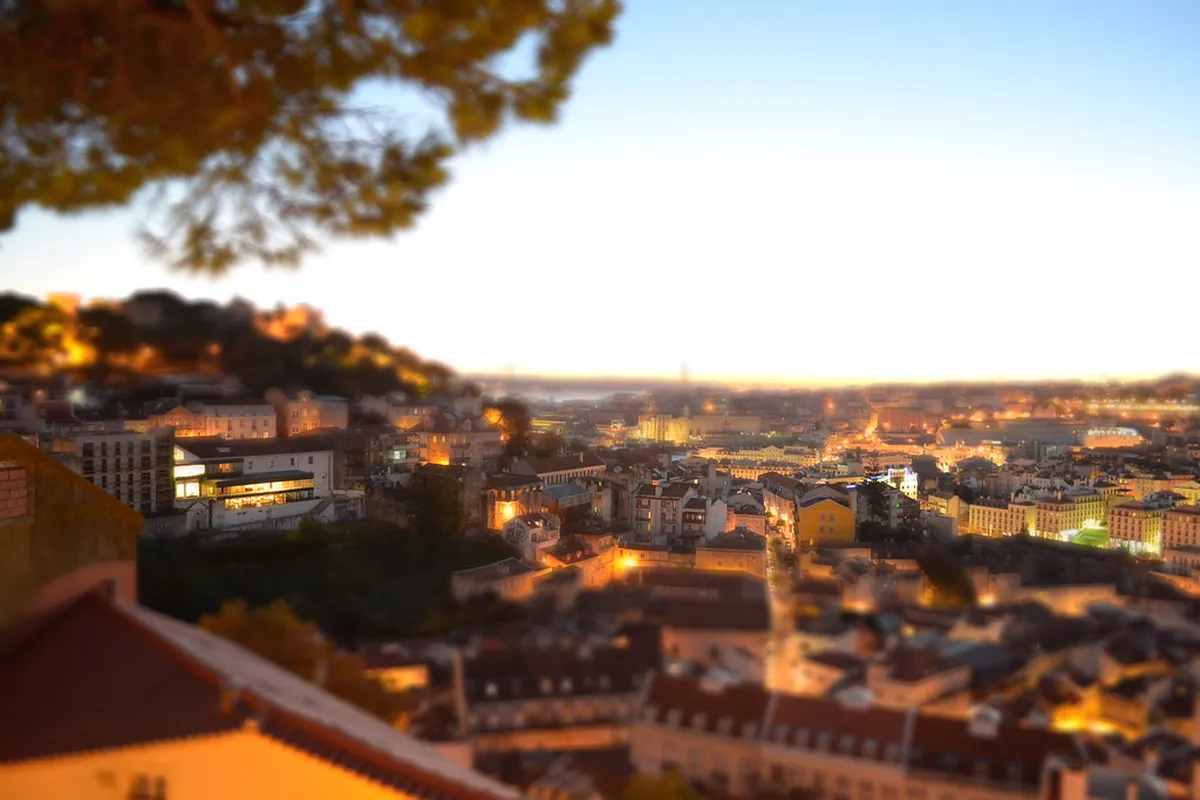
Often confused with nearby Senhora do Monte, Miradouro da Graça sits just below it and offers a distinctly different experience — more social, more lively, and centered around a popular open-air kiosk bar. The terrace faces west toward the castle and the Baixa district, making it one of the best sunset viewpoints in Lisbon. On warm evenings, every bench and wall is occupied by locals sharing wine and conversation while the sky turns orange and pink.
The kiosk here serves craft cocktails, local wines, and petiscos (Portuguese tapas) at reasonable prices, typically 4-7 Euros for drinks. This social atmosphere makes Graça feel less like a tourist attraction and more like a neighborhood gathering spot. The adjacent Augustinian convent and the Igreja da Graça church provide a historic backdrop, and the shaded pine grove behind the terrace offers a cooler retreat during hot afternoons.
Reach this viewpoint by taking Tram 28 to the Graça stop or walking uphill from Martim Moniz square in about 15 minutes. The climb passes through authentic residential streets where you can see daily Lisbon life — neighbors chatting from windows, children playing in tiny squares, and laundry drying overhead. This walk is part of the experience and worth doing at least once during your trip.
The kiosk at Miradouro da Graça serves craft cocktails and local wines for 4–7 Euros and stays open late into the evening. Arriving on a warm weekday evening gives you the best chance of joining the local crowd without the weekend crush.
Miradouro de São Pedro de Alcântara
Situated in the bohemian Bairro Alto district near the top station of the Glória Funicular, this grand two-level garden terrace is arguably the most elegant viewpoint in Lisbon. The upper terrace features a large ornamental fountain, well-maintained flower beds, and sweeping views of the São Jorge Castle, the Baixa grid, and the river beyond. A detailed ceramic tile map on the balustrade identifies every visible landmark, making this an excellent spot for first-time visitors getting oriented.
The lower level of the garden is usually much quieter and shaded by mature trees — perfect for a peaceful morning visit while the upper terrace fills up later in the day. At night, this viewpoint transforms into one of the most romantic spots in the city when the castle is illuminated and the downtown lights sparkle below. It stays open late into the evening, making it a natural post-dinner destination for couples staying in the best areas of Lisbon.
Taking the historic Glória Funicular from Restauradores square is the easiest way to reach the top — the ride costs 3.80 Euros for a return trip or is included with a 24-hour Viva Viagem transit card. Many people gather at the terrace kiosk to enjoy a Sagres beer or a glass of Portuguese wine during the golden hour. The atmosphere is lively and social, making it a great place to meet other travelers. Try arriving by 5 PM in summer to secure a bench near the railing before the sunset crowd arrives.
Miradouro de Santa Catarina (Adamastor)
Known locally as the Adamastor viewpoint after the mythological sea monster statue that guards the terrace, Santa Catarina is the most bohemian and youthful miradouro in Lisbon. Located between Bairro Alto and the river, this wide terrace attracts a younger crowd of backpackers, students, and digital nomads who gather here with guitars, beers from the nearby minimarket, and a relaxed vibe that feels more like a beach party than a tourist attraction.
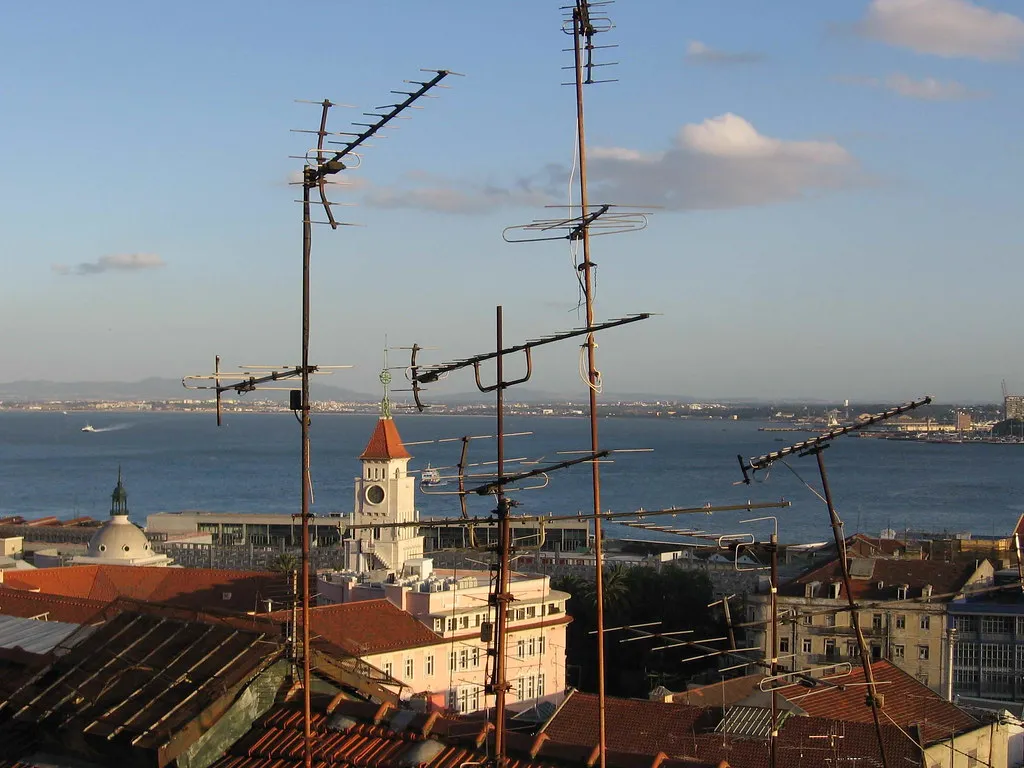
The view faces south across the Tagus toward the 25 de Abril Bridge and the Almada hills, with massive cargo ships and ferries passing below. Sunsets here are dramatic because the bridge frames the western sky, creating a silhouette effect that photographers love. The terrace is also where many Lisbon walking tours end, so you often meet fellow travelers willing to share restaurant recommendations and travel stories.
This spot is easily reached on foot from Chiado — walk down Rua Marechal Saldanha for about five minutes. A small kiosk sells drinks and snacks, but many visitors bring their own from the shops on Rua de Santa Catarina. Be aware that the area can get quite loud on weekend evenings, which is part of its charm but not ideal if you prefer a contemplative sunset experience.
Hidden Gem: Miradouro da Rocha Conde d'Óbidos
Most travelers stay in the historic center and completely miss this quiet industrial viewpoint near the Santos neighborhood. It overlooks the busy Alcântara port area and provides one of the most dramatic perspectives of the 25 de Abril Bridge — the massive suspension cables stretch directly overhead, with cruise ships and cargo vessels moving slowly along the Tagus below. This perspective shows the modern, working side of Lisbon that most visitors never see.
The nearby Museu Nacional de Arte Antiga has an excellent cafe with similar views, perfect for a warm coffee break. Travelers can reach this area by taking Bus 713 or 714 from Cais do Sodré or enjoying a long riverside walk from the city center — about 25 minutes along the waterfront promenade. Walking along the river is one of the best ways to see the city from an entirely different angle than the hilltop terraces.
There is no entrance fee, and the area is rarely crowded at any time of day. The sunset from this industrial vantage point offers a unique orange glow over the metal bridge that contrasts beautifully with the more traditional red-roofed views from the hills above. Consider combining this visit with a stop at LX Factory, the trendy creative hub in a converted industrial complex just 10 minutes away on foot.
Hidden Gem: Miradouro de Santo Amaro
Tucked inside the grounds of a unique circular chapel in the Alcântara neighborhood, Miradouro de Santo Amaro is one of those places that never appears in typical tourist guides. The viewpoint sits within walking distance of LX Factory and provides tranquil views over the Ponte 25 de Abril suspension bridge from a completely different angle than any other miradouro in the city. The small garden surrounding the chapel is meticulously maintained and often completely empty, even on summer weekends.
This is the perfect retreat for travelers who have already visited the famous viewpoints and want something genuinely off the beaten path. The 16th-century Capela de Santo Amaro is worth a look inside for its beautiful painted ceiling and octagonal layout. Combined with a visit to LX Factory for lunch and Rocha Conde d'Óbidos for sunset, this trio of Alcântara viewpoints makes an excellent half-day itinerary away from the crowded historic center.
Santa Justa Elevator and Carmo Ruins
The Elevador de Santa Justa is Lisbon's only vertical street elevator and one of the few viewpoints in the city that charges an admission fee — 5.30 Euros for a return ride and rooftop access, or free with a 24-hour Viva Viagem transit card. Designed by Raoul Mesnier du Ponsard, a student of Gustave Eiffel, this neo-Gothic iron tower rises 45 meters above the Baixa streets and provides a bird's-eye view directly down into the grid-pattern downtown district.
The rooftop platform is small and can feel crowded during peak hours, but the perspective is truly unique — you look down at the Rossio square, across to the castle, and south to the river in a way no other viewpoint offers. Queue times can reach 30-45 minutes in summer, but visiting before 9 AM or after 7 PM usually means minimal wait. An insider tip: you can reach the upper walkway for free from the Largo do Carmo side, bypassing the elevator entirely and accessing the same viewing platform from the Carmo Convent ruins.
The ruined Carmo Convent itself, destroyed in the 1755 earthquake and left roofless as a memorial, provides another atmospheric viewing experience. The open arches frame the sky dramatically, and the adjacent archaeological museum costs only 5 Euros. This area connects directly to the top things to do in Lisbon in the Chiado district.
Best Times to Visit Each Miradouro
Timing matters enormously when visiting Lisbon's viewpoints, and choosing the right miradouro for the right time of day can make the difference between a magical experience and a crowded, harsh-light disappointment. Sunrise chasers should head to Portas do Sol or Santa Luzia, which face east and catch the first golden light over the river. The warm tones hitting the Alfama rooftops at 7 AM in summer create photography conditions that rival any sunset.
For sunset, the west-facing viewpoints are best: Senhora do Monte provides the highest panorama, Santa Catarina offers the most dramatic bridge silhouette, and São Pedro de Alcântara delivers the most elegant garden setting. Most summer sunsets happen between 8:30 and 9:00 PM, while winter sunsets arrive around 5:30 PM. Arriving 30-45 minutes early is essential for securing a good spot at the popular terraces.
Night visits are underrated and often the most atmospheric. São Pedro de Alcântara is stunning when the castle is illuminated, and the Graça kiosk stays open late with a lively crowd. The city lights create a completely different view than daytime, and you will often find that the terraces are surprisingly quiet after 10 PM. If you are visiting Lisbon in winter, the earlier sunsets actually work in your favor since you can enjoy golden hour without waiting until 9 PM.
- Best for Sunrise
- Portas do Sol — east-facing, golden Alfama light
- Santa Luzia — tile gardens in soft morning glow
- Best for Sunset
- Senhora do Monte — highest 360-degree panorama
- Santa Catarina — bridge silhouette, bohemian vibe
- São Pedro de Alcântara — elegant garden setting
- Best at Night
- São Pedro de Alcântara — illuminated castle view
- Graça — lively kiosk bar, local atmosphere
Practical Tips for Viewpoint Hopping
Exploring Lisbon's miradouros on foot is the most rewarding way to experience the city, but the hills are genuinely demanding — expect to walk 15,000 to 20,000 steps on a full viewpoint day. Wear sturdy shoes with good rubber grip because the famous Calçada Portuguesa limestone sidewalks become dangerously slippery when wet. Many tourists underestimate the physical challenge and end up exhausted by mid-afternoon, so pace yourself and use transport for the steepest climbs.
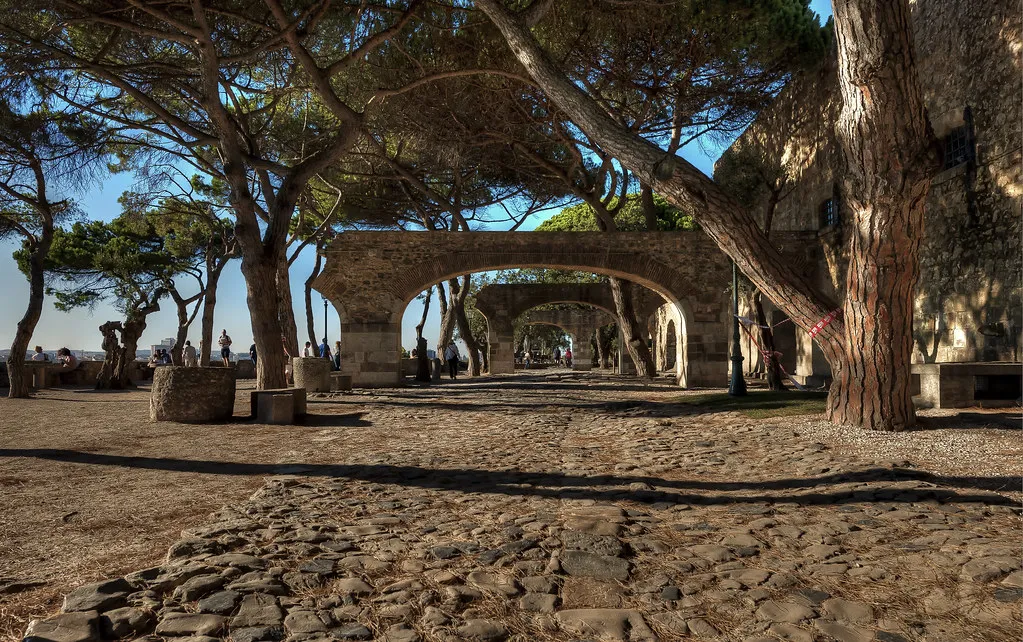
A 24-hour Viva Viagem transit card costs 6.80 Euros in 2026 and gives you unlimited access to trams, funiculars, buses, and the metro — essential tools for reaching hilltop viewpoints without destroying your legs. The Glória Funicular connects Restauradores to São Pedro de Alcântara, Tram 28 serves Graça and Alfama viewpoints, and Bus 734 reaches Senhora do Monte. Planning your route to hit east-facing viewpoints in the morning and west-facing ones at sunset maximizes your photography results.
Atlantic fog can sometimes roll in and obscure the views during early mornings, particularly in spring and autumn. Check the local weather forecast before heading out. Selecting the best area to stay in Lisbon near Graça or Alfama puts you within walking distance of five major miradouros, while Bairro Alto provides quick access to São Pedro de Alcântara and Santa Catarina. If you are planning a full 3-day Lisbon itinerary, spread your viewpoint visits across different days to avoid hill-climbing fatigue.
A 24-hour Viva Viagem transit card costs 6.80 Euros in 2026 and covers unlimited trams, funiculars, and buses — including the Glória Funicular to São Pedro de Alcântara and Tram 28 to the Alfama viewpoints. It also grants free access to the Santa Justa Elevator rooftop, saving you the 5.30 Euro ticket price.
Frequently Asked Questions
Which Lisbon viewpoint is best for watching the sunset?
Miradouro da Senhora do Monte is the best overall sunset spot because it is the highest point in the city and offers an unobstructed 360-degree panorama. You can see the sun drop below the Atlantic while the castle, bridge, and Cristo Rei statue are all illuminated by golden light. Arrive at least 30 minutes early to secure a seat on the stone walls. For a more social atmosphere, Miradouro da Graça just below has a kiosk bar serving drinks while you watch the sky change colors.
Are all the miradouros in Lisbon free to visit?
The vast majority of Lisbon's viewpoints are completely free public terraces open 24 hours a day. The only notable exception is the Santa Justa Elevator rooftop, which costs 5.30 Euros for a return ticket — though you can bypass this by accessing the upper walkway for free from the Carmo Convent side. Some viewpoints have kiosks where you can buy drinks, but purchasing is entirely optional.
How do I get to the viewpoints without walking uphill?
Lisbon has excellent public transport that can save your legs on the steepest climbs. The Glória Funicular takes you directly to São Pedro de Alcântara, the Bica Funicular reaches the Santa Catarina area, and Tram 28 stops near the Graça and Alfama viewpoints. Tuk-tuks are a fun but pricier option at 15-20 Euros per ride. A 24-hour Viva Viagem transit card for 6.80 Euros covers all trams, funiculars, and buses, making it the most economical approach for a full day of viewpoint hopping.
Is it safe to visit the viewpoints at night?
Most major viewpoints are very safe to visit at night because they are popular social gathering spots where locals drink, chat, and enjoy the illuminated cityscape. São Pedro de Alcântara, Graça, and Santa Catarina all have active kiosks and regular foot traffic well past midnight. However, use normal city precautions — keep valuables secure, stick to well-lit paths, and be more cautious at isolated viewpoints like Senhora do Monte after dark, where fewer people tend to linger.
What is the best viewpoint in Lisbon for photography?
Portas do Sol and Santa Luzia are the best for morning photography because they face east and catch golden light on the Alfama rooftops and river. For sunset shots, Santa Catarina provides a dramatic bridge silhouette, while Senhora do Monte gives you the widest panorama. The Santa Justa Elevator offers a unique top-down perspective of the Baixa grid that no other viewpoint can replicate. For Instagram-worthy shots with azulejo tiles in the foreground, Santa Luzia is unbeatable.
How many viewpoints can I visit in one day?
A fit walker can comfortably visit 4-5 viewpoints in a single day by combining hilltop walks with public transport for the steepest climbs. A good route covers Portas do Sol and Santa Luzia in the morning, São Pedro de Alcântara after lunch via the Glória Funicular, and then walks to Santa Catarina for sunset. Add Graça or Senhora do Monte if you have the energy. Spread visits across your trip if you want to enjoy each spot without rushing — two viewpoints per day at different times of day is ideal.
Lisbon offers some of the most spectacular free urban viewpoints in all of Europe, and the miradouro culture is woven into the daily rhythm of the city. From the sweeping 360-degree panorama at Senhora do Monte to the bohemian sunset scene at Santa Catarina, every terrace tells a different story about this city of seven hills. Following this guide ensures you find the right viewpoint for every mood — whether you want quiet contemplation, a social evening with locals, or the perfect sunrise photograph over the Alfama rooftops.
Plan to visit at least three or four different miradouros during your trip, ideally at different times of day, to appreciate how dramatically the light and atmosphere change from morning to night. Pair your viewpoint explorations with the best things to do in Lisbon and a walk through Alfama's winding streets for a complete experience of the Portuguese capital in 2026.
 How to Get to Braga: 6 Best Ways to TravelJune 4, 2026