Portugal Summer Packing List: What to Expect in 2026
Pack smart for Portugal summer 2026. Clothing, shoes for cobblestones, SPF 50, adapters, and region-by-region weather tips from a local expert.
On this page
Portugal Summer Packing List: What to Expect and What to Bring in 2026
Planning a summer trip to Portugal requires understanding a climate that ranges from the cool, misty mornings of Porto to the scorching 40-degree heat of the inland Alentejo plains. Getting your suitcase right makes the difference between a comfortable, carefree vacation and days spent overheating in the wrong fabrics or limping on blistered feet across slippery cobblestones. This Portugal summer packing list covers everything you need for a trip that might include Lisbon's steep hills, the Algarve's golden beaches, and the Douro Valley's terraced vineyards, all in a single itinerary.
The summer season from June through September brings vibrant energy to the streets, with outdoor festivals, late-night dining, and beaches packed with locals and visitors alike. Temperatures regularly exceed 30 degrees Celsius along the coast and climb above 40 degrees inland, while UV levels sit consistently at Very High or Extreme on the UV index. A well-organized packing strategy lets you transition seamlessly from historic city sightseeing to golden-sand beach days without checking an extra bag. This guide includes specific product recommendations, regional weather breakdowns, and the common mistakes that first-time visitors to Portugal frequently make.
Summer Weather Across Portugal: What to Actually Expect
The Algarve coast is the hottest region, with July and August daytime temperatures averaging 30 to 33 degrees Celsius and occasional spikes above 40 degrees during heat waves. Coastal breezes called the Nortada provide some relief in the late afternoon, but the sun remains intense from about 10 AM to 6 PM. If you are heading to the Algarve beaches, expect the strongest UV levels in the country and plan beach time for mornings or late afternoons rather than the midday peak.
Lisbon typically runs two to three degrees cooler than the Algarve but still regularly exceeds 30 degrees Celsius in July and August. The city sits on seven hills, and the combination of steep walking routes and direct sun exposure makes hydration critical. Morning sightseeing is strongly recommended, as the narrow streets of Alfama and Bairro Alto trap heat by early afternoon. Understanding the Portugal weather by month helps you time your daily activities for maximum comfort.
Porto and the northern coast are the most moderate, with summer temperatures typically reaching 25 to 28 degrees Celsius. Mornings can start with a marine mist known as cacimba that burns off by mid-morning, and evenings near the Douro River can feel genuinely cool, dropping to 15 or 16 degrees. Northern Portugal occasionally sees brief summer showers, particularly in June, which is unusual compared to the almost rain-free south. Pack a light rain layer if Porto is on your itinerary.
Inland areas like the Alentejo and the upper Douro Valley experience the most extreme heat, regularly exceeding 38 to 42 degrees Celsius during July and August. Shade is limited in the vast agricultural plains, and air conditioning in rural guesthouses is not guaranteed. If your itinerary includes wine country or interior castle towns, schedule outdoor activities for early morning or late evening and carry at least two liters of water per person.
Clothing: Fabrics, Styles, and What to Leave Behind
Choosing the right fabrics is the single most important clothing decision for a Portuguese summer. Linen is the gold standard because it stays cooler than cotton in high heat, dries quickly when you sweat, and looks polished enough for evening dining. Organic cotton is the next best option, especially for t-shirts and undergarments. If you visit Portugal in June, you will notice locals wearing light, loose-fitting layers in neutral colors. Avoid synthetic polyester and nylon, which trap heat and moisture against the skin and can become unbearable by mid-afternoon.
Pack five to seven tops and three to four bottoms that mix and match easily. Neutral colors like white, beige, navy, and light grey stay cooler than dark colors in direct sun and create a polished look appropriate for both sightseeing and restaurant dinners. A lightweight scarf or pashmina is a versatile addition that serves as a shoulder cover for church visits, a beach cover-up, and an evening wrap when coastal breezes pick up after sunset.
For evenings, Portuguese culture leans toward smart-casual rather than ultra-casual. Men can wear chino shorts or linen trousers with a collared shirt. Women will feel comfortable in a midi dress or linen pants with a blouse. Dressing slightly more formally for dinner is standard practice in Lisbon and Porto, where the restaurant culture carries more formality than the beach towns of the Algarve.
Active travelers should pack one or two sets of moisture-wicking athletic wear for hiking or cycling. The coastal trails along the Algarve and the hilly streets of Lisbon demand breathable, quick-drying fabrics. A dedicated swim cover-up with UPF 50 fabric provides extra skin protection during transitions between beach and town. Bring at least two swimsuits to allow proper drying time between beach days.
- Lightweight Linen Trousers or Skirts
- Fabric: 100% linen or linen blend
- Best for: Evening dinners, city sightseeing, church visits
- Pack: 2 pairs
- Benefit: Superior breathability, wrinkle-relaxes when worn
- Cotton T-Shirts and Tank Tops
- Material: Soft organic cotton or cotton-modal blend
- Best for: Daily sightseeing, beach transitions
- Pack: 5-7 items (mix colors)
- Benefit: Easy to wash in hotel sink, quick drying
- Wide-Brimmed Sun Hat
- Style: Straw, canvas, or packable fabric
- Best for: Beach days, outdoor sightseeing, vineyard tours
- Protection: Full face, ear, and neck coverage
- Benefit: Prevents heatstroke, reduces glare
- Light Scarf or Pashmina
- Material: Cotton or silk blend
- Best for: Church entries, evening wrap, beach cover
- Pack: 1 versatile neutral color
- Benefit: Meets religious site dress codes, doubles as blanket
Footwear: Conquering Cobblestones and Sand
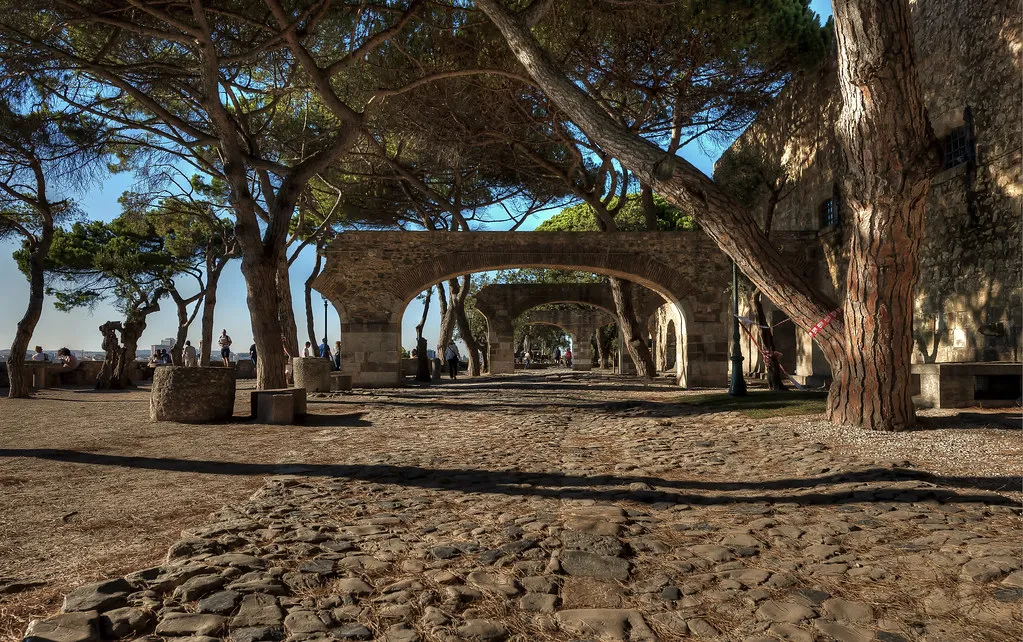
The traditional Portuguese pavement, known as calçada portuguesa, is beautiful but notoriously treacherous for visitors. Polished limestone and basalt stones become extremely slippery when worn smooth by centuries of foot traffic or slightly dampened by sea mist, spilled drinks, or the water used to clean cafe terraces each morning. You need shoes with excellent rubber grip and good arch support to navigate the steep hills of Lisbon, the uneven lanes of Coimbra, and the waterfront promenades of Porto safely.
Portuguese calçada pavement becomes extremely slippery when wet or worn smooth. Avoid smooth-soled shoes or heels in Lisbon, Porto, and Coimbra — thin heels catch in the gaps between stones on steep streets like Rua da Bica and can cause serious falls.
Fashionable sneakers with cushioned insoles and rubber outsoles are the best all-around choice for full walking days. Brands designed for urban walking provide better arch support than fashion sneakers and prevent the foot fatigue that sets in after eight to ten kilometers of hilly terrain. Break in any new shoes at least two weeks before your flight to avoid painful blisters. The summer heat causes feet to swell, so choose footwear that offers slightly more room than your normal size.
Heels are impractical for exploring historic city centers. The gaps between calçada stones catch thin heels, and the steep gradients of streets like Rua da Bica in Lisbon or Rua das Escadas do Barredo in Porto make them genuinely hazardous. If you want height for dinner, opt for wedges or platform sandals with a wide, flat base. Sturdy sandals with ankle straps and a thick rubber sole work well for coastal walks and castle explorations.
Pack three core pairs of footwear: comfortable walking shoes for city days, sturdy sandals for beaches and casual evenings, and one pair of smarter shoes for dinners. Avoid bringing multiple pairs that serve the same purpose, as shoes take up the most luggage space. Moisture-wicking socks are essential if you are wearing closed-toe shoes in temperatures above 30 degrees, as sweaty feet inside hot shoes cause blisters faster than anything else.
Sun Protection and Health Essentials
High-quality sunscreen is expensive in Portuguese tourist areas, with major brands costing 15 to 25 euros per bottle at pharmacies and beachside shops. Purchase a broad-spectrum formula with at least SPF 50 before you leave home and pack enough for your entire trip. Apply generously every two hours, and reapply immediately after swimming, as the Atlantic salt water strips sunscreen faster than pool water. Lip balm with SPF 30 is another frequently forgotten item that prevents painful burns on a body part that receives constant sun exposure.
Sunscreen costs 15 to 25 euros per bottle at Portuguese pharmacies and beach shops. Buy your preferred SPF 50 broad-spectrum formula before leaving home — a week of beach days can easily consume a full bottle, and restocking mid-trip is expensive.
A reusable water bottle saves money and keeps you hydrated throughout long sightseeing days. Tap water is safe to drink in all Portuguese cities and most rural areas, though the mineral taste varies by region. Look for public fountains marked "agua potavel" in city squares and parks to refill for free. Aim to drink at least two to three liters per day when temperatures exceed 30 degrees, increasing to four liters if you are hiking or spending extended time at the beach.
Basic first aid supplies deserve a place in your daypack. Adhesive bandages, antiseptic wipes, and anti-chafing balm or powder address the most common heat-related discomforts. The combination of high temperatures, increased sweating, and long walking distances causes skin chafing in thighs, underarms, and feet for many travelers. A small tube of anti-blister stick applied before putting on shoes can prevent the problem entirely. Carry hand sanitizer for use before eating street food like pasteis de nata from market stalls.
If you take prescription medication, bring more than enough to cover your trip plus a buffer of extra days. Portuguese pharmacies are well-stocked and pharmacists can often help with minor ailments, but prescription rules differ from other countries and your specific medication may not be available under the same brand name. Over-the-counter antihistamines and insect repellent are useful if your itinerary includes evening dining outdoors or countryside stays where mosquitoes are more active.
Electronics, Adapters, and Travel Tech
Portugal uses Type C and Type F electrical outlets, which accept the standard European round two-pin plug. If you are traveling from the UK, US, Australia, or any country using a different plug format, bring at least one adapter. Purchase it before departure, as adapters become harder to find and more expensive once you leave major airport shops and tourist centers. The electrical voltage is 220-240V, which is compatible with most modern phone chargers, laptops, and camera battery chargers that accept dual voltage (check the fine print on your charger).

A portable power bank is essential for full-day sightseeing when you may not have access to outlets for 10 to 12 hours. Navigation apps, camera use, and restaurant searches drain phone batteries quickly, and finding a cafe with a free outlet at the exact moment you need one is unreliable. A 10,000mAh power bank provides two to three full phone charges and fits easily in a daypack. Charge it overnight in your hotel room so it is ready each morning.
Download offline maps for Google Maps or Maps.me before departure. While mobile data coverage across Portugal is excellent, downloading maps in advance eliminates the risk of getting lost in areas with weak signal, such as the Douro Valley countryside or remote sections of the Algarve coast. If you are visiting from outside the EU, check your mobile provider's roaming charges, as EU roaming rules may not apply and data costs can be expensive. Purchasing a local Portuguese SIM card at Faro or Lisbon airport costs about 15 euros and provides generous data for your entire stay.
Regional Packing Differences: North vs South vs Interior
If your itinerary focuses on the Algarve and the southern coast, prioritize beach gear, strong sun protection, and the lightest possible clothing. Pack multiple swimsuits, a quick-dry microfiber towel, reef-safe sunscreen, and water shoes for the rocky coves near Ponta da Piedade and Benagil. The Atlantic water is surprisingly cold even in summer, ranging from 18 to 22 degrees Celsius, which shocks many visitors expecting Mediterranean warmth.
Northern itineraries centered on Porto and the Douro Valley require more layering flexibility. Mornings can be cool and misty, requiring a light sweater, while afternoons warm into the mid-20s and call for t-shirts and shorts. A light waterproof jacket is advisable for Porto at any time of summer, as brief showers can appear without much warning. For wine region visits, smart-casual clothing is appropriate for tastings at upscale quintas.
Lisbon falls somewhere in between. The city is hotter than Porto but windier than the Algarve, and the dramatic hill walking means you need the most supportive footwear of any Portuguese destination. Pack your sturdiest walking shoes specifically for Lisbon, and bring a light cardigan for air-conditioned museums and the occasional breezy viewpoint at the miradouros. Determining the best month to visit Portugal depends partly on how much heat you can tolerate, as July and August push even Lisbon above 35 degrees on peak days.
If your trip includes interior regions like the Alentejo or upper Douro Valley, add a wide-brimmed hat with a chin strap (wind is common on the plains), an extra water bottle, and lightweight long-sleeved shirts for sun protection when shade is scarce. Temperatures above 40 degrees are common in July and August, and air conditioning is not standard in many traditional guesthouses and rural accommodations.
Dress Code, Etiquette, and Common Packing Mistakes
Portuguese people generally dress in a smart-casual style, even in warm weather. Wearing swimwear, going shirtless, or walking barefoot away from the beach is considered disrespectful in most towns and cities. Save flip-flops for the poolside and opt for leather sandals or clean sneakers when going to lunch. Most restaurants in Lisbon and Porto will not refuse entry based on clothing, but you will feel more comfortable and be treated better if you dress with a minimum of care.
Religious sites including cathedrals, churches, and monasteries require visitors to cover their shoulders and knees. This applies at major monuments like Jeronimos Monastery in Lisbon, the Clerigos Tower in Porto, and the monasteries of Batalha and Alcobaca. Keeping a light shawl or scarf in your day bag solves this instantly without the need to carry a separate outfit. Avoid wearing very short shorts or sleeveless tops if you plan a day of monument-hopping.
Common mistakes to avoid: Overpacking heavy denim jeans that are too hot for July and impossible to dry if washed. Bringing too many shoes that serve the same purpose. Forgetting that sunscreen is expensive locally and running out mid-trip. Packing only dark-colored clothing that absorbs heat. Bringing a large suitcase when a carry-on would force better packing discipline. Not bringing a refillable water bottle. Forgetting a power adapter and paying premium prices at the airport.
The Complete Portugal Summer Packing Checklist
This checklist covers a 7-to-14-day summer trip across multiple Portuguese regions. Adjust quantities based on your specific itinerary length and access to laundry facilities.
- Clothing
- 5-7 lightweight tops (linen or cotton)
- 2-3 bottoms (linen trousers, chino shorts, skirts)
- 2 swimsuits
- 1 lightweight evening outfit
- 1 light jacket or cardigan
- 1 scarf or pashmina
- 7+ underwear and moisture-wicking socks
- Footwear
- 1 pair comfortable walking sneakers (broken in)
- 1 pair sturdy sandals with grip
- 1 pair dinner shoes or wedges
- Sun and Health
- Sunscreen SPF 50 (bring from home)
- SPF lip balm
- Wide-brimmed hat
- Polarized sunglasses
- Reusable water bottle (1L minimum)
- Anti-chafing balm
- Basic first aid kit
- Prescription medications plus extras
- Electronics
- European plug adapter (Type C/F)
- Portable power bank (10,000mAh+)
- Phone charger cable
- Waterproof phone case
- Misc
- Quick-dry microfiber towel
- Day backpack (20-25L)
- Reusable shopping bag
- Photocopies of passport and insurance
Frequently Asked Questions
What is the most important item on a Portugal summer packing list?
Comfortable walking shoes with excellent rubber grip are the most critical item. Portuguese cobblestone streets, known as calçada portuguesa, are beautiful but treacherously slippery and uneven. The steep hills of Lisbon, Porto, and Sintra demand shoes with cushioned insoles and sturdy soles that prevent both slipping and foot fatigue over eight to ten kilometer walking days.
Do I need a jacket for Portugal in the summer?
Yes, a lightweight jacket or cardigan is recommended. While days are hot across the country, coastal areas experience Atlantic breezes that feel cool after sunset, and northern cities like Porto can drop to 15 degrees Celsius in the evening. Air-conditioned restaurants, museums, and trains can also feel chilly after a hot day outdoors. A linen blazer or light denim jacket works for both warmth and evening dining.
Can I wear shorts in Portuguese churches?
Most cathedrals and major religious sites in Portugal require visitors to cover their knees and shoulders. Short shorts, miniskirts, and sleeveless tops are not permitted at monuments like Jeronimos Monastery or Clerigos Tower. Carrying a light scarf to drape over shoulders and wearing knee-length shorts or a midi skirt is the simplest solution for days that include both sightseeing and beach time.
Is sunscreen expensive to buy in Portugal?
Sunscreen is significantly more expensive in Portuguese pharmacies and tourist-area shops than in most home countries, typically costing 15 to 25 euros per bottle for a reputable brand. Buying your preferred SPF 50 sunscreen before departure saves money and ensures you have a formula that suits your skin. Pack enough for your full trip, as a week of beach days can easily consume a full bottle.
What type of electrical adapter do I need for Portugal?
Portugal uses Type C and Type F plugs with standard European round two-pin connectors at 220-240V. Travelers from the UK, US, Australia, and Asia need an adapter. Most modern phone chargers and laptop adapters are dual-voltage (100-240V) and work with just a plug adapter, but check your specific devices before plugging in. Hair dryers and curling irons from non-European countries may require a voltage converter in addition to a plug adapter.
How hot does Portugal get in the summer?
Coastal areas average 28 to 33 degrees Celsius in July and August, with the Algarve being the hottest coastal region. Inland areas like the Alentejo and upper Douro Valley regularly exceed 40 degrees Celsius during heat waves. Porto stays comparatively mild at 25 to 28 degrees. The UV index reaches Very High to Extreme levels across the country from June through September, making sun protection essential regardless of which region you visit.
Preparing the right suitcase for a Portuguese summer means prioritizing breathable fabrics, supportive footwear, and serious sun protection over fashion-forward outfits you will never wear twice. The cobblestone streets, intense UV levels, and varied regional climates all demand practical planning that goes beyond a typical beach holiday packing list.
Focus on versatility: linen pieces that transition from day to evening, walking shoes that handle both steep city hills and sandy beach paths, and a sun protection strategy that starts before you leave home rather than at an overpriced Algarve pharmacy. For more seasonal planning, compare this summer guide with our Portugal in October shoulder season guide to see which conditions suit your travel style best. Whatever you pack, remember that the best souvenir from Portugal is not something you buy, but the memories of golden light on ancient stone walls, fresh sardines on a riverfront terrace, and cliff-top walks above the Atlantic.