Sintra by Train vs Car vs Tour: Best Travel Guide 2026
Sintra by train vs car vs tour: 2026 prices, schedules, and parking rules compared. Find the best transport for your Sintra day trip from Lisbon.
On this page
Sintra by Train vs Car vs Tour: Choosing Your Best Route in 2026
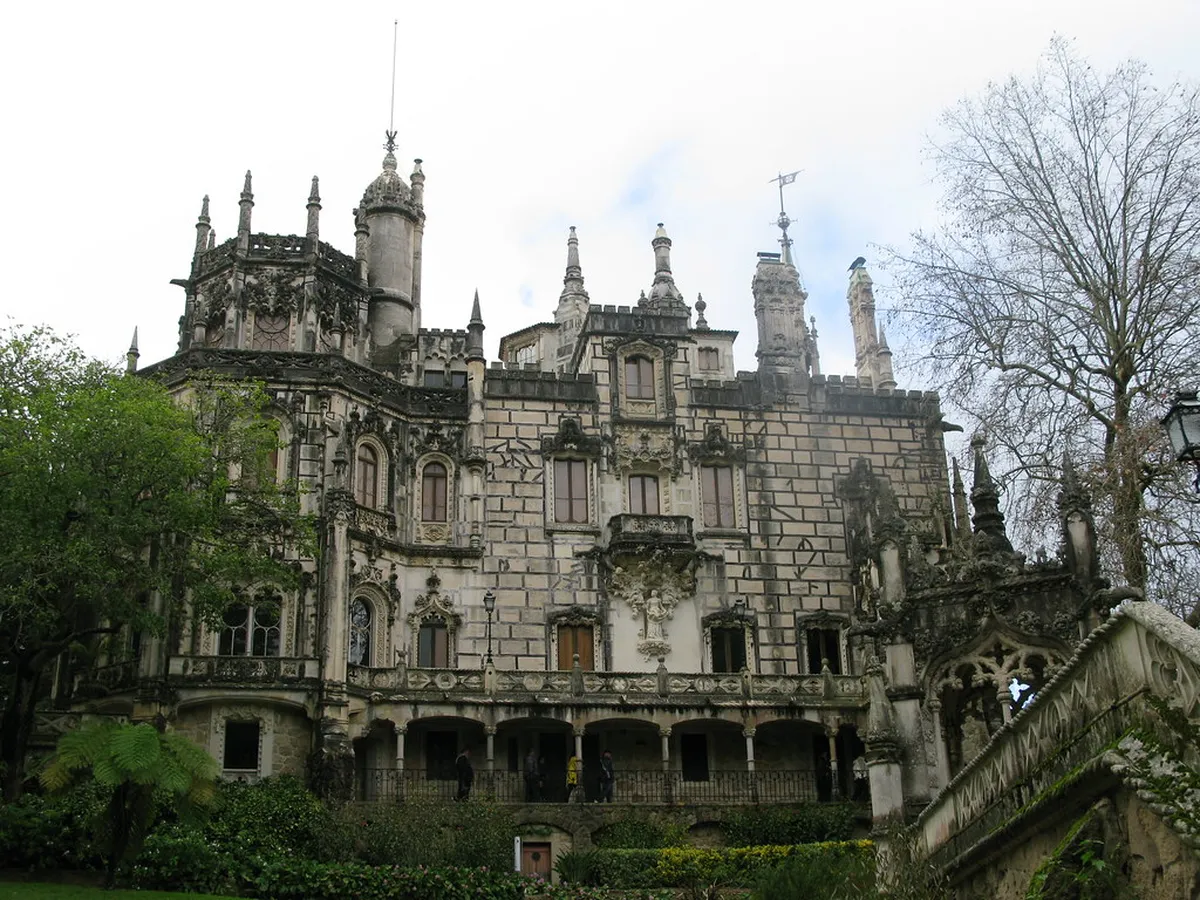
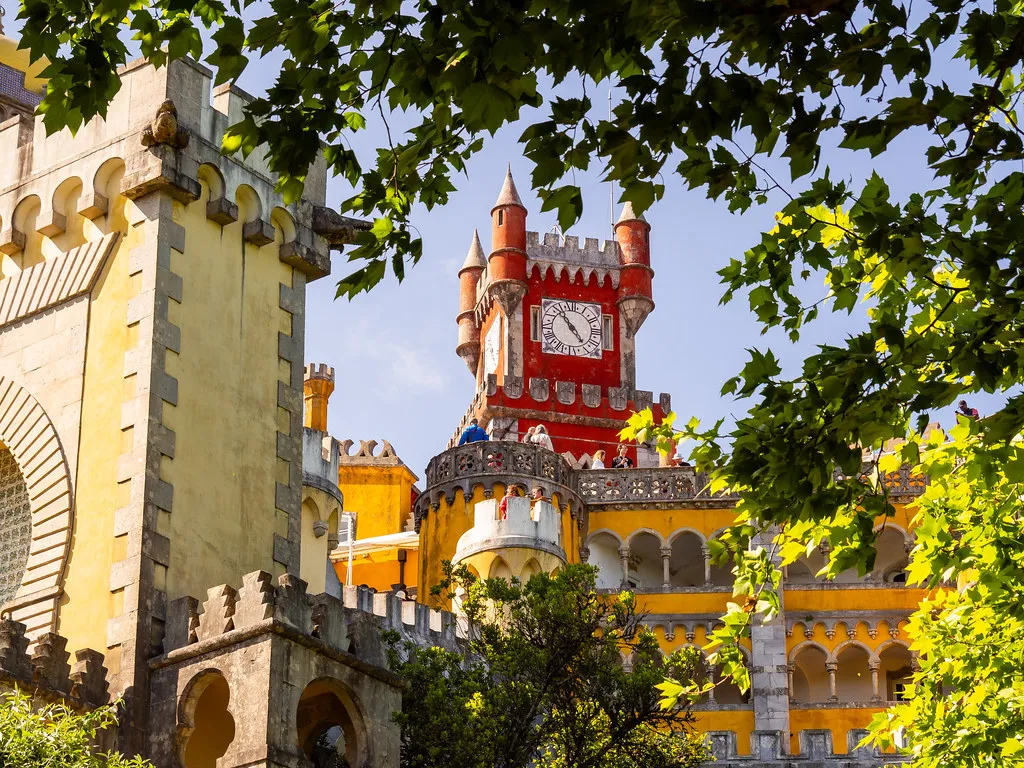
Sintra feels like a fairytale world hidden within the lush green hills of the Portuguese Riviera, drawing over two million visitors each year. Choosing the right transport from Lisbon directly affects how much you see, how much you spend, and how relaxed you feel at the end of the day. Traffic restrictions, limited parking, and steep mountain roads make this decision more important than it first appears. Our guide compares Sintra by train vs car vs tour with up-to-date 2026 prices and schedules so you can plan the perfect escape.
The mist-covered peaks and ornate palaces attract thousands of visitors every single day throughout the busy summer season. Navigating the steep terrain requires careful planning to avoid long delays and unnecessary walking uphill in the heat. Each travel method offers a unique perspective on the landscape and different levels of logistical control over your itinerary. Whether you prioritize budget, flexibility, or convenience, understanding the trade-offs ensures your Sintra experience lives up to its magical reputation.
Taking the Train to Sintra: Budget and Efficiency
The train from Lisbon to Sintra is the most popular and affordable way to reach this UNESCO World Heritage town. Trains depart frequently from Rossio Station in central Lisbon starting at 5:41 AM, with services running every 20 to 30 minutes throughout the day until just past midnight. The journey takes approximately 40 minutes and costs just €2.30 per single trip in 2026, making a return journey under €5. You can also board from Oriente Station near the airport or Entrecampos Station if your hotel is in the modern part of the city.
You will need a Viva Viagem magnetic card to ride, which costs €0.50 for the card itself and can be loaded at ticket machines. One important detail that catches many travelers off guard: if your Viva Viagem card already has metro or tram credit loaded, you cannot use it for the train until the balance reaches zero. Each card is valid for one person only, so every member of your group needs their own. Alternatively, holders of the Lisboa Card can ride the Sintra train for free as part of their 24-hour, 48-hour, or 72-hour tourist pass.
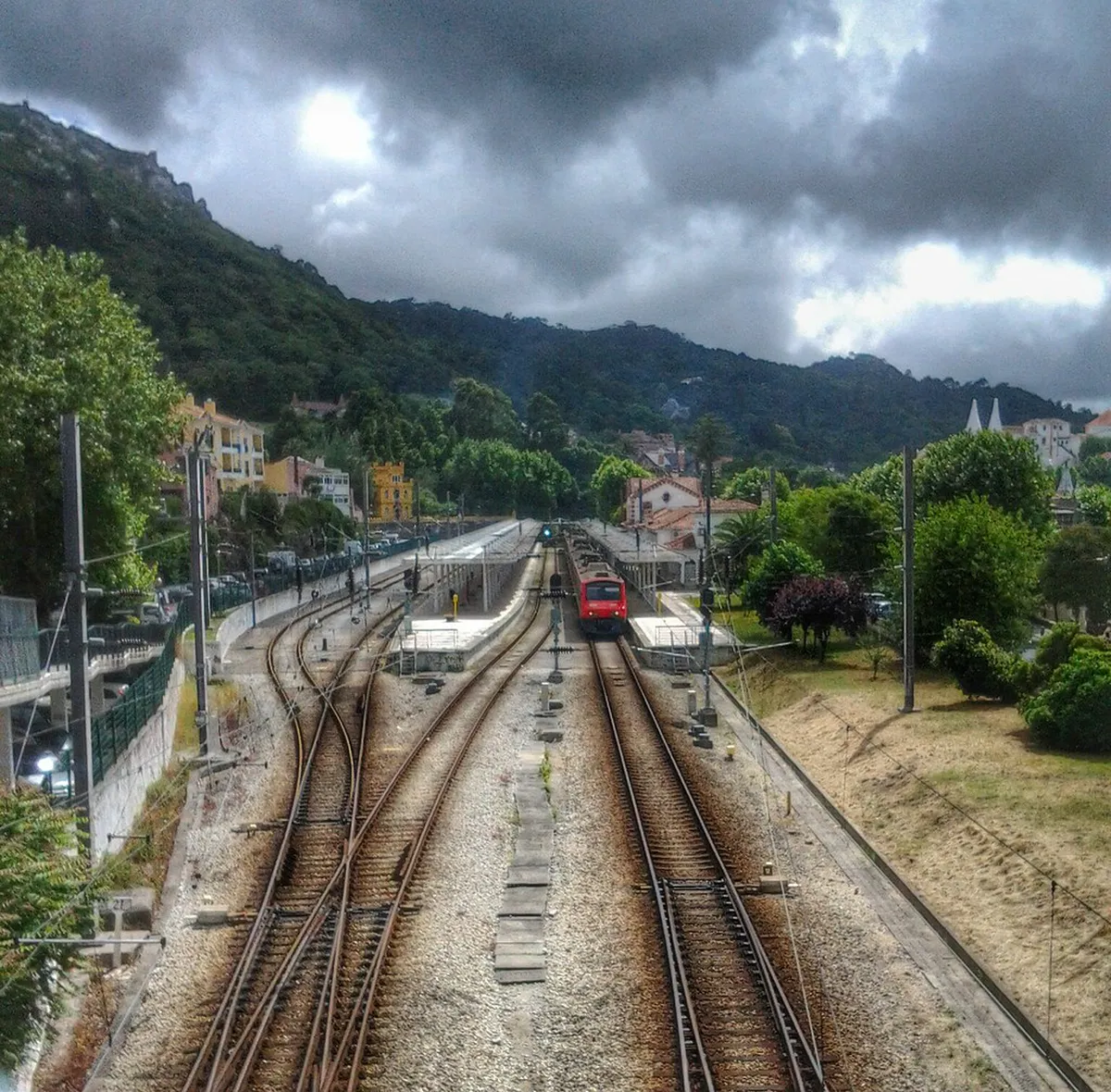
Arriving by rail places you directly at the Sintra train station, which is about a 15-minute flat walk from the historic center past several charming local cafes. You will find tourist information booths right outside the station doors to assist with maps, bus connections, and palace ticket bookings. This method works best for solo travelers, couples, and anyone who prefers independent exploring without the stress of driving. For a detailed breakdown of schedules and connections, consult our guide on the Lisbon to Sintra train.
Early morning departures are highly recommended to beat the large crowds that arrive by late morning and continue through mid-afternoon. The 7:30 AM or 8:00 AM train from Rossio places you in Sintra by 8:15 or 8:45, giving you a head start on palace queues. Trains can get quite packed during summer weekends, so standing for the 40-minute journey is common if you board after 9:00 AM. Despite the occasional crowding, the train remains the preferred method for both locals and seasoned travelers who know the logistics of this popular day trip.
Catch the 7:30 AM or 8:00 AM train from Rossio to arrive in Sintra before the crowds descend. Your Viva Viagem card must have a zero balance before it can accept train credit — buy a fresh card (€0.50) to avoid delays at the gate.
Driving to Sintra: Flexibility vs Parking Stress
Renting a car provides maximum flexibility for those who want to combine Sintra with remote beaches, coastal viewpoints, or the scenic drive to Cabo da Roca afterward. The drive from Lisbon takes 30 to 45 minutes via the A37 or IC19 motorway, depending on traffic. However, the town's historic center is closed to non-resident traffic during daytime hours, and the narrow winding roads leading to the hilltop palaces are frequently restricted to buses and authorized vehicles only. These 2026 parking rules are strictly enforced, with fines starting at €60 for violations.
Finding a legal parking spot near the historic center during summer can take over an hour of circling increasingly crowded streets. The smartest strategy is to park at the Portela de Sintra lot near the secondary train station, where spaces are more plentiful and often free. From there, you can take a short bus ride or a 10-minute walk to reach the main tourist areas. Another option is the lower car parks near the town center, which charge around €1 to €2 per hour but fill up quickly after 10:00 AM.
GPS navigation can sometimes be unreliable among the thick forests and high stone walls of the Serra de Sintra mountain. Manual transmission rental cars, which are the default in Portugal, can be difficult to handle on the steep inclines if you are not accustomed to them. The combination of tight turns, pedestrians walking in the road, and tour buses squeezing through narrow lanes makes driving inside Sintra genuinely stressful for most visitors. Local police actively patrol the hilltop zones and ticket illegally parked cars throughout the day.
If you must drive, arrive before 9:00 AM to secure a spot in the lower lots, and plan to use the 434 tourist bus for the hilltop attractions. Driving makes the most sense if your broader itinerary includes the Sintra-Cascais Natural Park, the Atlantic beaches, or an onward journey to a different region of Portugal. Electric vehicle charging stations are available but often occupied by local residents. Always check for road closures on the Sintra municipality app before leaving Lisbon, as seasonal restrictions can reroute your entire approach.
Sintra's historic center is closed to non-resident traffic during daytime hours, and narrow hilltop roads are restricted to buses and authorized vehicles. Parking fines start at €60 and are actively enforced by local police throughout the day.
Booking a Guided Tour: Convenience and Expert Insight
Guided tours remove the stress of navigating public transport schedules, managing timed palace entry tickets, and finding parking in crowded mountain zones. Most professional operators include skip-the-line access to popular sites like Pena Palace and sometimes Quinta da Regaleira, saving up to an hour of queue time during peak season. Full-day tours typically cost between €60 and €100 per person and last 8 to 10 hours, often including stops at Cabo da Roca and the seaside town of Cascais. Small-group tours with 8 to 15 participants offer a more personalized experience compared to the large 50-person coach excursions.
Expert guides share fascinating stories about the royal families who once spent their summers retreating to these cool, forested hills. They know the optimal visiting sequence to avoid crowds at each monument and can adjust the route based on real-time conditions. Most tours provide door-to-door service from your Lisbon hotel, which saves significant time during a short vacation. You will likely see more attractions in a single day than you would by navigating independently, especially if it is your first visit to the region.
The cost usually includes transport and a guide but may not always cover palace entry fees, so read the inclusions carefully before booking. Lunch is sometimes included as part of a premium tour package, but budget options may only provide a free period in the town center. Tours are excellent for families with children who might struggle with the logistics of public buses, tuk-tuks, and steep footpaths. The social aspect of a group tour also appeals to solo travelers looking to share the experience with other visitors.
Private tours start at around €150 for a half-day and €250 or more for a full day but offer complete flexibility over timing and itinerary. This option suits couples celebrating a special occasion or small groups who want a bespoke experience. Some private operators offer unique add-ons like wine tastings in the Colares wine region or sunset visits to quieter sites like Monserrate Palace. You can find highly-rated tour options on GetYourGuide and Viator with free cancellation up to 24 hours before departure.
Side-by-Side Transport Comparison for 2026
Deciding between the train, a car, or a tour depends on your personal travel style, group size, and how you want to spend your limited time. Solo travelers and couples almost always find the train to be the most rewarding and cost-effective way to explore. Groups of four or more may appreciate the shared cost savings of a private tour or a rental car, especially if the coastal route is part of the plan. Consider how much energy you want to spend on logistics versus actually enjoying the Sintra castles and gardens.

Time is a major factor since the train takes about 40 minutes from central Lisbon while driving can take up to 60 minutes with traffic. Tours usually last 8 to 10 hours and cover a wide variety of locations in a single sweep. If you only have half a day, the train offers the quickest access to the town center with minimal overhead. The table below summarizes the key differences to help you make a confident choice.
| Option | Cost (2026) | Travel Time | Best For | Flexibility |
|---|---|---|---|---|
| Train (CP Urbanos) | €2.30 single / €4.60 return | 40 min each way | Solo travelers, couples, budget | High |
| Rental Car | €40–€60/day + fuel + parking | 30–60 min (traffic-dependent) | Coastal itineraries, multi-stop | Maximum |
| Group Tour | €60–€100 per person | 8–10 hours (full day) | First-time visitors, families | Low |
| Private Tour | €150–€250+ | 4–10 hours (half or full day) | Special occasions, small groups | High |
| Lisboa Card + Train | ~€27 (24 h pass) | 40 min each way | Multi-site visitors, palace-goers | High |
- The Budget-Friendly Rail Option
- Type: Public Train (CP Urbanos)
- Best for: Solo travelers, couples, budget-conscious
- Where: Rossio, Oriente, or Entrecampos Station
- Cost: €2.30 single / €4.60 return (+ €0.50 Viva Viagem card)
- Travel time: 40 minutes each way
- Flexibility: High — go at your own pace
- The Flexible Rental Car Choice
- Type: Private Vehicle
- Best for: Coastal exploring, multi-stop itineraries
- Where: Lisbon Airport or city rental office
- Cost: €40–€60 per day + fuel + parking
- Travel time: 30–60 minutes depending on traffic
- Flexibility: Maximum — but parking is a major headache
- The All-Inclusive Guided Tour
- Type: Organized Group or Private
- Best for: First-time visitors, families, stress-free travel
- Where: Hotel pickup or central meeting point
- Cost: €60–€100 group / €150–€250+ private
- Travel time: Full day (8–10 hours)
- Flexibility: Low (group) to High (private)
Getting Around Sintra Once You Arrive
Reaching the town is only half the challenge — the palaces sit high on the Serra de Sintra peaks, and you still need a way up the mountain. The 434 Scotturb tourist bus is the most popular option, running a circular loop from the train station to the historic center, the Moorish Castle, and Pena Palace before returning to the station. In 2026, a single trip on the 434 costs €4.55, while the all-day hop-on-hop-off ticket is €13.50. A separate bus, the 435, runs from the station to Quinta da Regaleira and Monserrate Palace for the same fare structure.
Tuk-tuks are a fun and fast way to navigate the steep hills if you prefer a private ride with narrated commentary. Drivers often provide mini-tours and local tips as they zip through the narrow cobblestone streets and forest roads. Negotiate the price before you start — a one-way ride from the station to Pena Palace typically costs €10 to €15 per person. Walking between the Moorish Castle and Pena Palace is manageable in about 10 minutes along a paved road, but walking uphill from the town center takes 45 to 60 minutes and is extremely steep.
Ride-sharing apps like Uber and Bolt operate in the area but face the same traffic restrictions as private cars during peak hours. Drivers may not be able to drop you off directly at the palace gates when access roads are closed to non-bus vehicles. Using the official tourist buses remains the most reliable way to reach the highest points of the mountain without uncertainty. The Villa Sassetti hiking trail offers an alternative pedestrian route from the town center to the castle, taking about 45 minutes through shaded forest paths — a rewarding option for fit travelers who enjoy the natural side of the things to do in Sintra.
Money-Saving Tips for Sintra Transport
The Lisboa Card tourist pass covers unlimited train rides between Lisbon and Sintra, plus free or discounted entry to several Sintra monuments. A 24-hour Lisboa Card costs around €27 and pays for itself if you combine the train fare with at least two palace entries. Families with children under 5 benefit from free train travel, and children aged 6 to 17 get discounted palace tickets. Always check the Parques de Sintra website for combination tickets that bundle two or three monuments at a 5% to 10% discount.
If you plan to visit multiple sites in a single day, the 434 hop-on-hop-off bus pass at €13.50 offers far better value than buying individual single rides at €4.55 each. Loading a Navegante card instead of single Viva Viagem trips can also save money if you are staying in the Lisbon metro area for several days and plan multiple suburban train journeys. Avoid purchasing tickets from unofficial sellers near the station, as prices are inflated and the tickets may not work on the electronic gates.
For groups of three or four travelers, splitting a ride-share from Lisbon to Sintra can cost about €15 to €20 total, which competes with individual train fares while saving 10 minutes of travel time. However, you lose the return trip flexibility that comes with having a train ticket ready. Budget-minded travelers who want to check the best time to visit Sintra should target weekdays in April, May, or October when both transport and palace queues are significantly shorter.
Which Transport Is Best for Your Travel Style
First-time visitors with limited time should take the train. It is the simplest, cheapest, and most reliable way to reach Sintra, and you can be at the first palace by 9:30 AM if you catch an early departure. Pair the train with a 434 bus pass and you have a complete transport solution for under €20 per person round trip, leaving your budget for palace tickets and local food instead of parking fees and fuel.
Families with young children or travelers with mobility concerns may prefer a guided tour or private transfer that eliminates walking between transport connections. The door-to-door service and skip-the-line access justify the higher cost when comfort and convenience are priorities. If your group has four or more people, a private tour can sometimes cost less per person than individual train tickets plus bus passes plus palace entries, especially when combo deals are factored in.
Adventurous travelers planning a full-day road trip along the Atlantic coast — combining Sintra, Cabo da Roca, Guincho Beach, and Cascais — should consider renting a car for the coastal segment only. Take the train to Sintra in the morning, explore the palaces, then pick up a ride-share to Cabo da Roca and continue by bus down to Cascais for the scenic coastal train back to Lisbon. This hybrid approach gives you the best of both worlds without the parking headache. For a complete itinerary combining these destinations, see our Sintra day trip from Lisbon guide.
Frequently Asked Questions
Is it better to take the train or drive to Sintra in 2026?
The train is better for the vast majority of visitors. A return ticket costs under €5 and the 40-minute ride avoids all parking stress, traffic restrictions, and road closures that plague drivers in the Sintra hills. Driving is only worthwhile if you plan to continue along the Atlantic coast to Cabo da Roca and Cascais afterward.
How much does a guided tour to Sintra cost in 2026?
A standard group tour typically costs between €60 and €100 per person and includes transport plus a professional guide. Private tours start at around €150 for a half-day. Most tours include skip-the-line palace access but may not cover entry fees, so read the inclusions carefully before booking.
Can I use the Viva Viagem card for the Sintra train?
Yes, but with an important catch. If your Viva Viagem card already has metro or tram credit loaded, you cannot use it for the train until the balance reaches zero. You will need to buy a new card (€0.50) or wait until your existing balance is used up. Each card is valid for one person only.
How long is the train ride from Lisbon to Sintra?
The train ride from Rossio Station to Sintra takes approximately 40 minutes. Trains run every 20 to 30 minutes throughout the day, starting at 5:41 AM. The service also operates from Oriente and Entrecampos stations for travelers staying in the eastern or modern parts of Lisbon.
Can I use Uber to get around Sintra?
Yes, Uber and Bolt operate in Sintra, but drivers face the same traffic restrictions as private cars during peak hours. They may not be able to drop you at the palace gates when roads are closed to non-bus vehicles. For reaching the hilltop attractions, the 434 tourist bus at €4.55 per single ride or €13.50 for a day pass is more reliable.
Is the Lisboa Card worth it for a Sintra day trip?
The 24-hour Lisboa Card (around €27) covers unlimited Sintra train rides and provides discounted or free entry to several monuments. It pays for itself if you combine the train fare with at least two palace visits. It also covers Lisbon metro, trams, and buses, making it excellent value for a packed sightseeing day.
Where should I park if I drive to Sintra?
Park at the Portela de Sintra lot near the secondary train station, where spaces are more plentiful and often free. Avoid trying to park near the palaces or historic center, where spots are extremely limited and parking fines start at €60. Arrive before 9:00 AM for the best chance of finding a space during summer months.
Choosing between the train, car, or a tour depends on how you value time, money, and convenience. The train offers the best value at under €5 return, while a guided tour provides the most comprehensive and stress-free experience for first-time visitors. Driving is best reserved for travelers who want to explore the rugged Atlantic coastline beyond the palaces and are willing to deal with parking challenges. Regardless of your choice, this magical destination will be a highlight of your 2026 trip to Portugal.
Prepare for your journey by checking the latest CP train schedules, booking timed palace tickets online at least three days ahead, and wearing comfortable walking shoes for the steep paths and stone stairs. Consider our Sintra one day vs two days itinerary to decide how much time to allocate for this enchanted royal retreat. However you arrive, the misty hills and ornate palaces of Sintra will reward every moment of your planning.