Portugal in September 2026: The Second Sweet Spot for Travel
September is Portugal's second sweet spot — warmest Atlantic of the year, Douro harvest season, dropping prices, and thinning crowds after the August peak.
On this page
If June is Portugal's first sweet spot, September is its second — and many seasoned travelers will argue it is actually the better of the two. By the time September rolls around in 2026, the punishing heat of August has eased, the Atlantic has finally warmed up to its annual peak, and the Douro Valley is buzzing with the grape harvest. Hotel prices start sliding mid-month, restaurant reservations open up, and the light takes on that softer, golden quality that photographers chase all year.
I've spent every September in Portugal for the last eight years, and the pattern is always the same: the first two weeks feel like a quieter August, and the last two weeks feel like you've been let in on a secret. If you only have one chance to see Portugal at its best, September is the month I'd pick. For a wider seasonal view, our Portugal in June complete guide guide covers the early-summer counterpoint.
Portugal weather in September
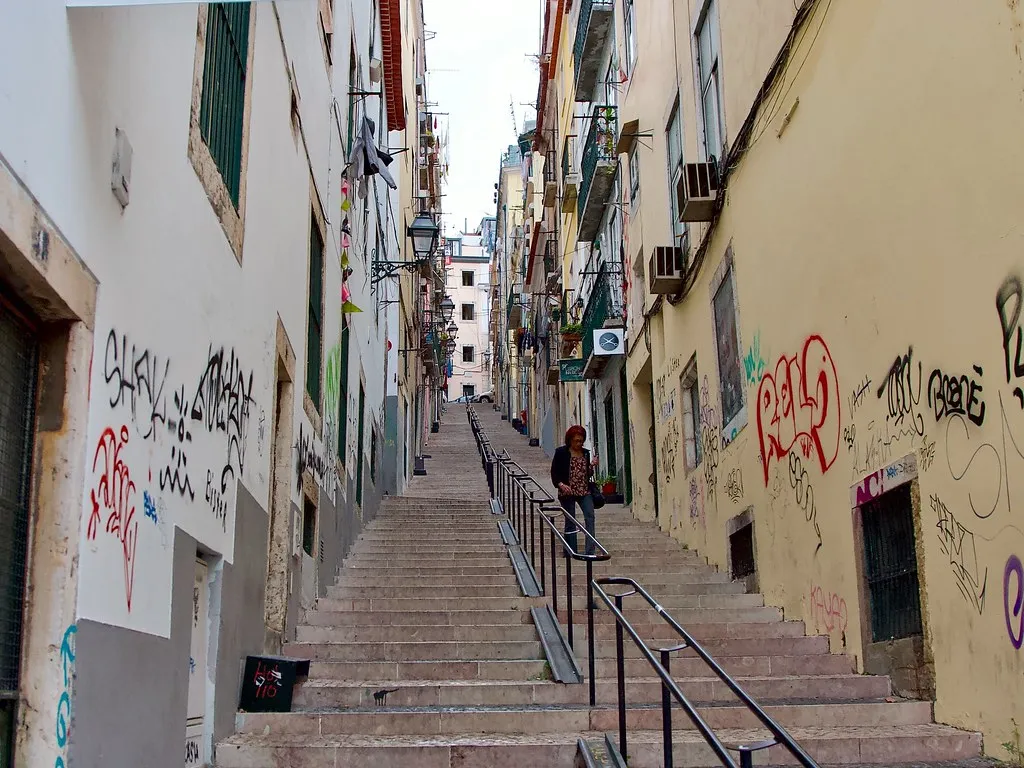
September weather in Portugal is what most travelers imagine when they picture "perfect." The brutal edge of August is gone, but summer hasn't packed up. Lisbon averages 18–27°C (64–81°F), with around 9 hours of sunshine a day and only 3–4 rainy days across the entire month. Afternoons still call for shorts and a t-shirt, but evenings are comfortable rather than sticky — you can finally sleep with the window open.
Porto, further north, runs cooler: 16–23°C (61–73°F). Expect slightly more cloud cover and the occasional overcast morning, especially in the second half of the month. The Douro Valley, protected from Atlantic weather systems by the coastal mountains, stays noticeably warmer and drier — harvest workers are often in t-shirts at noon and light jackets by 8pm.
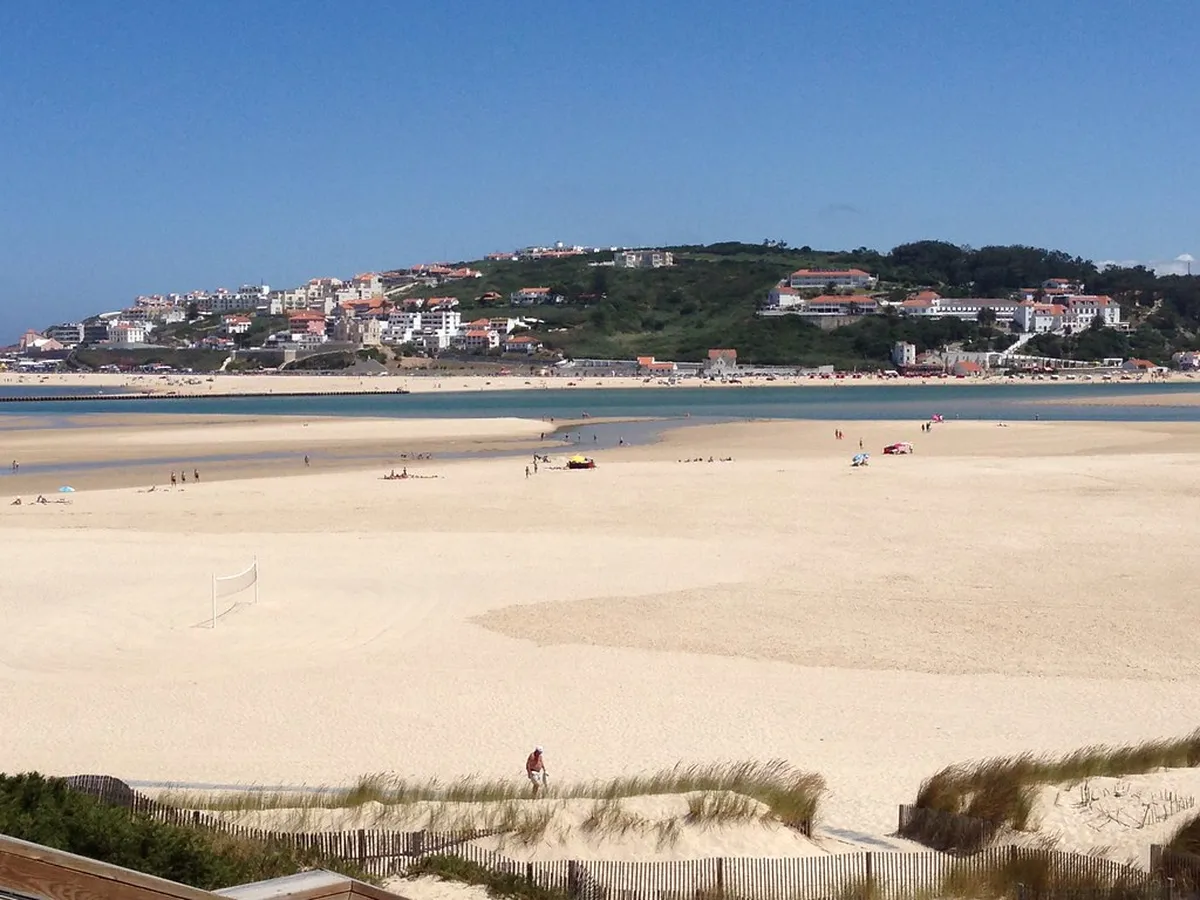
The Algarve is the last region to cool down. Faro, Lagos, and Albufeira hold 19–27°C (66–81°F) well into late September, with water temperatures that are genuinely swimmable (more on that below). Rainfall in the Algarve is almost nonexistent until the last week of the month — you can confidently plan beach days without a backup.
The one thing that does change noticeably across September is daylight. On September 1, sunset is around 8:05 pm in Lisbon; by September 30, it's closer to 7:15 pm. Plan your late-afternoon viewpoints and sunset dinners a bit earlier as the month progresses.
Sunset drops by nearly 50 minutes over the course of September in Lisbon — from around 8:05 pm on the 1st to 7:15 pm by the 30th. Book rooftop bars and miradouro viewpoints 30 minutes earlier each week to catch the golden hour.
The Atlantic is at its warmest — finally
Here is the paradox that surprises most first-time visitors: the Atlantic is warmer in September than it is in June, July, or even August. Seawater has enormous thermal inertia — it takes months to absorb the summer heat, and it reaches its annual peak in early-to-mid September.
Expect 19–20°C (66–68°F) along the Lisbon coast, 20–21°C (68–70°F) in the Algarve, and slightly cooler readings in the north around Porto. That is roughly 1–2°C warmer than the same beaches in June, and it's the difference between "refreshing dip" and "actually staying in the water."
This window lasts through early October. If swimming is a priority — especially at exposed west-coast beaches like Praia do Guincho or Comporta — September is the single best month of the year to do it. Bring goggles; underwater visibility at the Algarve sea caves peaks in the same window.
Douro Valley harvest (vindima)
If you time your trip right, September hands you something no other month can: the vindima, Portugal's wine harvest. From roughly September 10 through early October, the Douro Valley erupts into motion. Grapes are picked by hand on terraced hillsides that have looked the same for 300 years, trucks rumble into quintas at all hours, and the air in the valley smells like fermenting fruit.
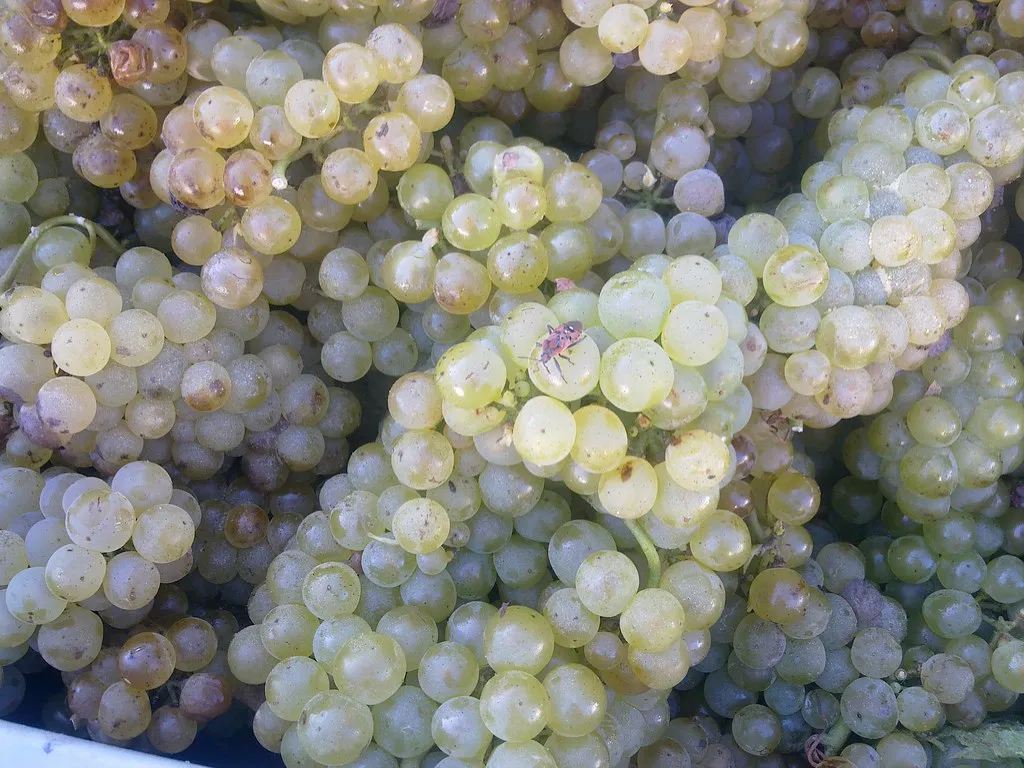
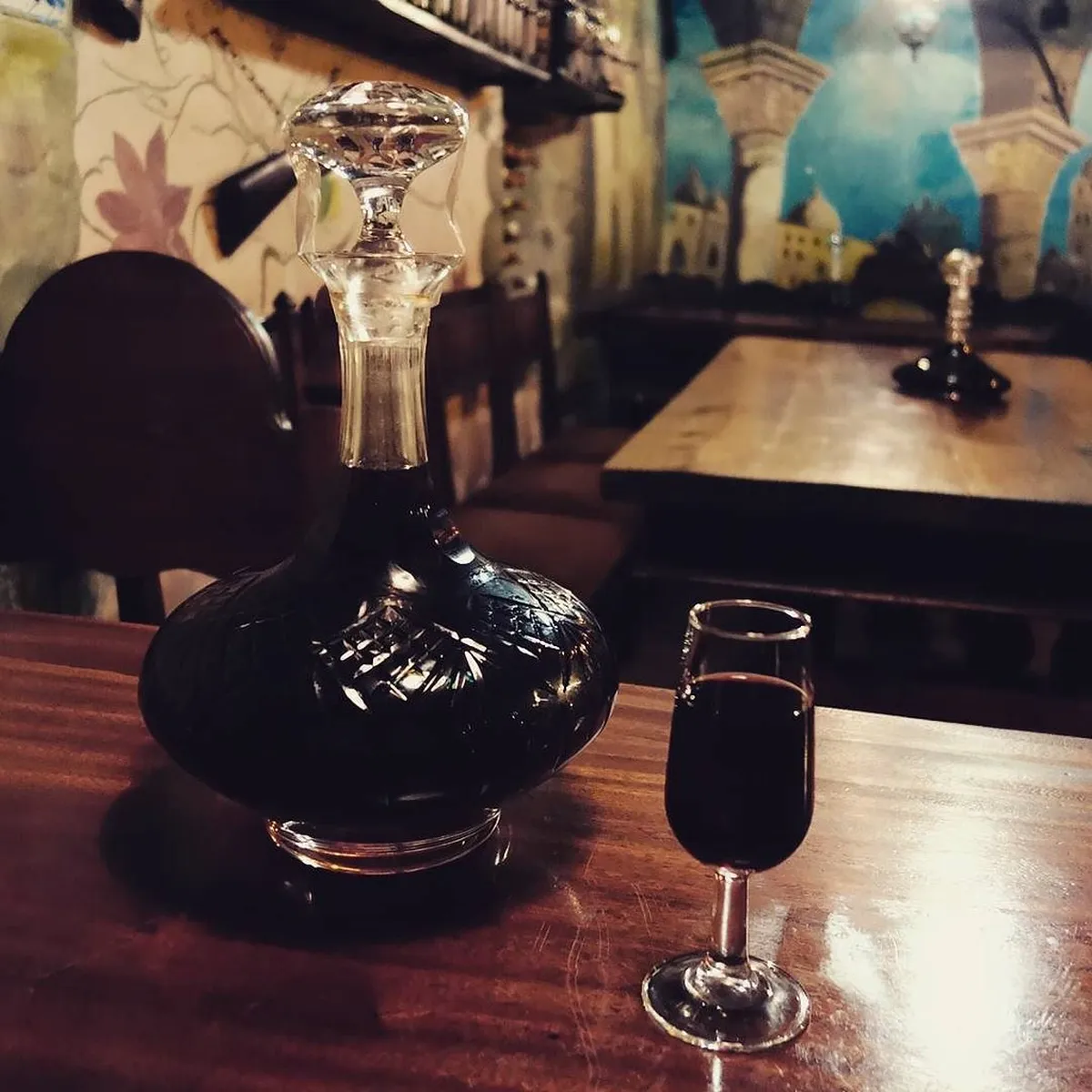
Many of the working quintas — Quinta do Seixo, Quinta do Crasto, Quinta Nova, Quinta do Bomfim, and dozens of smaller family estates — open their doors to visitors during harvest. A typical harvest experience includes a vineyard tour, a walk through the press house while it's actively running, a port tasting led by the winemaker, and (at some quintas) the chance to join the traditional foot-treading of grapes in the granite lagares. It is as hands-on as wine tourism gets in Europe.
A few practical notes. Harvest dates shift each year based on the weather — a hot summer pushes vindima earlier, a cool one delays it. By late August the major quintas publish their confirmed dates. Book harvest tours 1–2 months ahead; the foot-treading experiences fill first and are often limited to 10–15 guests per session. Stay in Pinhão or Peso da Régua to be in the middle of the action, and consider at least one overnight at a working quinta — watching the valley go quiet at sunset while the press room keeps humming is something August simply cannot offer.
Crowds and prices in September
September in Portugal has two distinct halves, and understanding the split is the key to planning a good trip.
September 1–15: Still busy. European families with school-age kids have cleared out, but couples, retirees, and North American visitors are arriving in force. Lisbon and Porto feel about 70% as crowded as August. Popular Algarve beaches are manageable but not empty. Hotel prices have softened 10–15% from August peaks but are still firmly in high-season territory. If you want the warm-weather experience with slightly more breathing room, this is your window.
September 16–30: Noticeably quieter. Beach towns empty out dramatically after the third week. Hotel rates drop 20–30% almost overnight — the same room in Lagos that cost €220 on September 14 can be €150 on September 21. Restaurants that required bookings in August take walk-ins again. The weather is still gorgeous, the water is still warm, but you're no longer elbowing anyone for a spot on the sand.
In my experience, the last two weeks of September are the best Portugal week of the year — full stop. You get August weather, June crowds, and harvest-season energy in the Douro, all at shoulder-season prices. Compared to Portugal in August, it is night and day.
The sharpest hotel price drops happen almost overnight around September 15–21 — the same Lagos room that costs €220 in early September can drop to €150 a week later. If your dates are flexible, shifting arrival by even a few days can mean significant savings.
Festivals and events
September's calendar leans into the harvest. Across the Douro and Alentejo, small villages run festas da vindima — wine harvest festivals with local bands, grilled meats, and open bodegas pouring freely. Favaios, Alijó, and São João da Pesqueira are all worth a detour if you're in the region mid-month.
Lisbon runs its Beer & Wine festival series in Belém and along the riverside in early September, with food stalls and tastings from producers across the country. Porto's Festival Internacional do Marisco (International Seafood Festival) typically runs in the second week, spotlighting Atlantic shellfish and the region's white wines. In the Algarve, smaller towns host end-of-summer arraiais — late-night street parties with grilled sardines, bread, and red wine from plastic cups.
Check local tourism boards two weeks before arrival — harvest festival dates are announced close to the event because they depend on when picking starts.
What to pack for Portugal in September
September packing is mostly a continuation of summer with one critical addition: layers for the evening. During the day, lightweight clothes still dominate — linen shirts, shorts, sundresses, breathable t-shirts. Swimwear stays essential through the entire month, and sunscreen (SPF 30 minimum) is non-negotiable — UV levels in the Algarve are still high enough to burn fair skin in under 30 minutes.

For the evening, bring a light jacket, cardigan, or long-sleeve shirt. Sintra gets cool and misty after 7pm even in early September, Porto's riverside evenings can drop to 15°C (59°F), and Douro Valley nights are genuinely cool. A light scarf does double duty at rooftop bars and in restaurants with overzealous air conditioning.
Footwear: comfortable walking shoes or sneakers for Lisbon's hills and Porto's cobblestones, plus a pair of sandals for the beach. A small daypack, a refillable water bottle, and a light rain layer for the last week of the month round out the list. Skip the heavy jacket — you won't need it.
Frequently Asked Questions
Is September a good time to visit Portugal?
September is arguably the best time to visit Portugal. You get warm, stable weather (18–27°C in Lisbon), the Atlantic at its annual peak temperature, the Douro Valley harvest, thinning crowds especially after September 15, and hotel prices that drop 20–30% mid-month. For a month-by-month comparison, see our best month to visit Portugal guide.
Is the water warm enough to swim in September?
Yes — September has the warmest Atlantic water of the entire year in Portugal. Sea temperatures reach 19–20°C along the Lisbon coast and 20–21°C in the Algarve, which is 1–2°C warmer than the same beaches in June. The ocean takes months to absorb summer heat, so it peaks in early-to-mid September and stays swimmable through early October.
Is September better than August in Portugal?
For most travelers, yes. September delivers similar (or warmer) sea temperatures, milder daytime heat, fewer crowds — especially in the second half of the month — and hotel prices 20–30% below August rates. The only reason to prefer August is if you specifically need peak beach-party atmosphere in the Algarve or are traveling with school-age children on a fixed calendar.
When does it start to cool down in Portugal?
Noticeable cooling begins in the last week of September in the north (Porto, Douro, Minho), and the first week of October across Lisbon and the Algarve. Evenings cool before days do — you'll want a light jacket by 7pm starting around September 20. Sea temperatures hold into early October before starting a slow decline.
Are hotels cheaper in September?
Hotels drop modestly (10–15%) in early September compared to August, then drop significantly (20–30%) after September 15 as the shoulder season begins. Lisbon and Porto see more gradual declines, while beach destinations like Lagos, Albufeira, and Tavira see the sharpest price cuts in the second half of the month.