Algarve 3 Day Itinerary Travel Guide
Plan your Algarve 3 day itinerary with top picks, neighborhood context, timing tips, and practical booking advice for a smoother trip.
On this page
The Ultimate Algarve 3 Day Itinerary
Planning an Algarve 3 Day Itinerary is the fastest way to see Portugal's southern coast without burning the trip on logistics. This guide is built for first-time visitors who want golden cliffs, sea caves, and a real Faro old town in three tight days. I rebuilt the plan after a spring 2026 visit so the timings, prices, and tour windows reflect what is actually running this season. The pace is brisk but never frantic — long beach lunches still fit between the headline stops.
The Algarve in 2026 is busier than it was pre-pandemic, especially on the Lagos-to-Carvoeiro stretch, and the small Benagil boats now sell out 7–14 days ahead in shoulder months. You will find practical advice on 12 Best Things to Do in the Algarve for every budget, plus realistic drive times between bases. We hit the famous spots before 10:00 to avoid the midday tourist wave from Albufeira day trips.
First-timers often try to cover the entire 155 km coastline in 72 hours and end up driving the whole trip. This itinerary fixes that by anchoring you in the western and central Algarve, with one focused day in Faro. We pick Lagos and Faro as the two bases because they each have train stations, walkable old towns, and direct access to a different signature landscape — the Ponta da Piedade cliffs and the Ria Formosa lagoon.
3-Day Algarve Itinerary At a Glance
This is the short version, structured to keep transfers under 45 minutes per leg. Each day groups activities by neighborhood so you spend the day on foot or on a boat, not in the car. You can swap Day 2's hike for a second beach day if the wind picks up — the Seven Hanging Valleys trail is exposed and miserable above 25 km/h gusts.
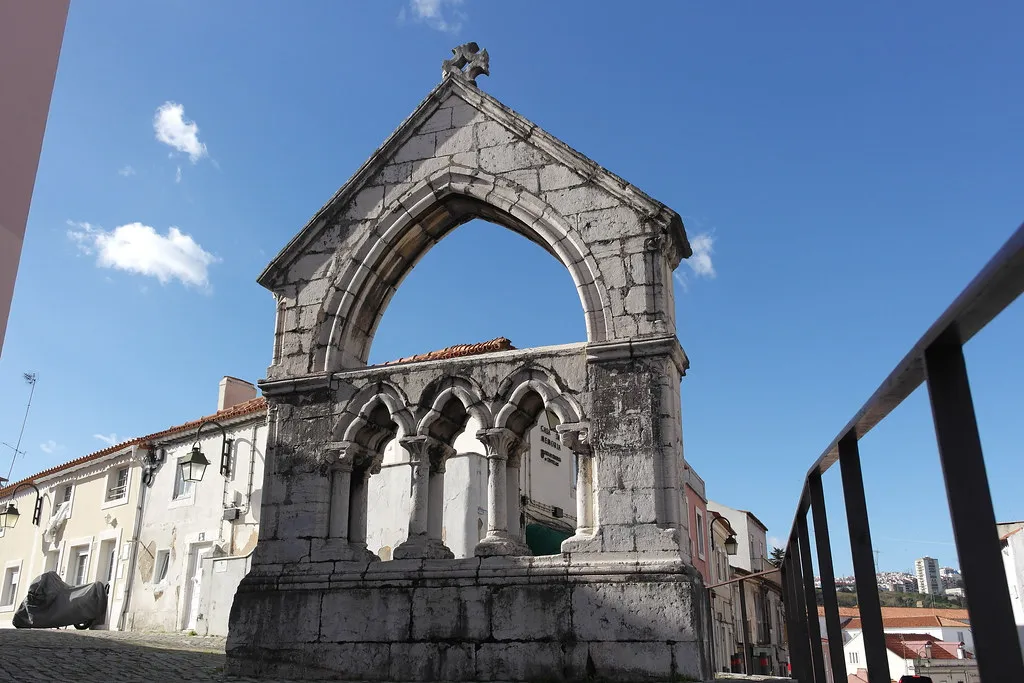
Pace check: expect roughly 11, 10, and 9 hours of active time across the three days, including meals. Most of Day 1 is on foot in Lagos. Day 2 needs a car or a pre-booked transfer because the Benagil cliffs are not on the train line. Day 3 is fully walkable and ends near Faro Airport, which is useful if you are flying out the next morning.
I recommend checking the local tide table here before your Lagos morning. Low tide opens the rock tunnel between Praia da Batata and Praia dos Estudantes; high tide locks them off completely. Plan the Ponta da Piedade boat for the two-hour window around low tide for the best cave access.
- Day 1: Lagos coast classics
- Morning: Lagos Old Town walk + Mercado de Escravos
- Afternoon: Ponta da Piedade boat tour
- Evening: Marina seafood dinner
- Day 2: Central cave adventures
- Morning: Benagil Cave kayak or boat
- Afternoon: Seven Hanging Valleys trail (Carvoeiro to Marinha)
- Evening: Carvoeiro cliffside sunset
- Day 3: Faro historic charm
- Morning: Faro Cidade Velha walk
- Afternoon: Ria Formosa lagoon boat to Ilha Deserta
- Evening: Petisco dinner near Arco da Vila
Where Is Algarve, Portugal?
The Algarve is mainland Portugal's southernmost region, running about 155 km from the Spanish border at Vila Real de Santo António in the east to Cabo de São Vicente in the west. Faro is the regional capital and the only international airport (FAO). Most first-time visitors choose between the best towns in Algarve based on whether they want cliffs, lagoons, or quieter fishing villages.
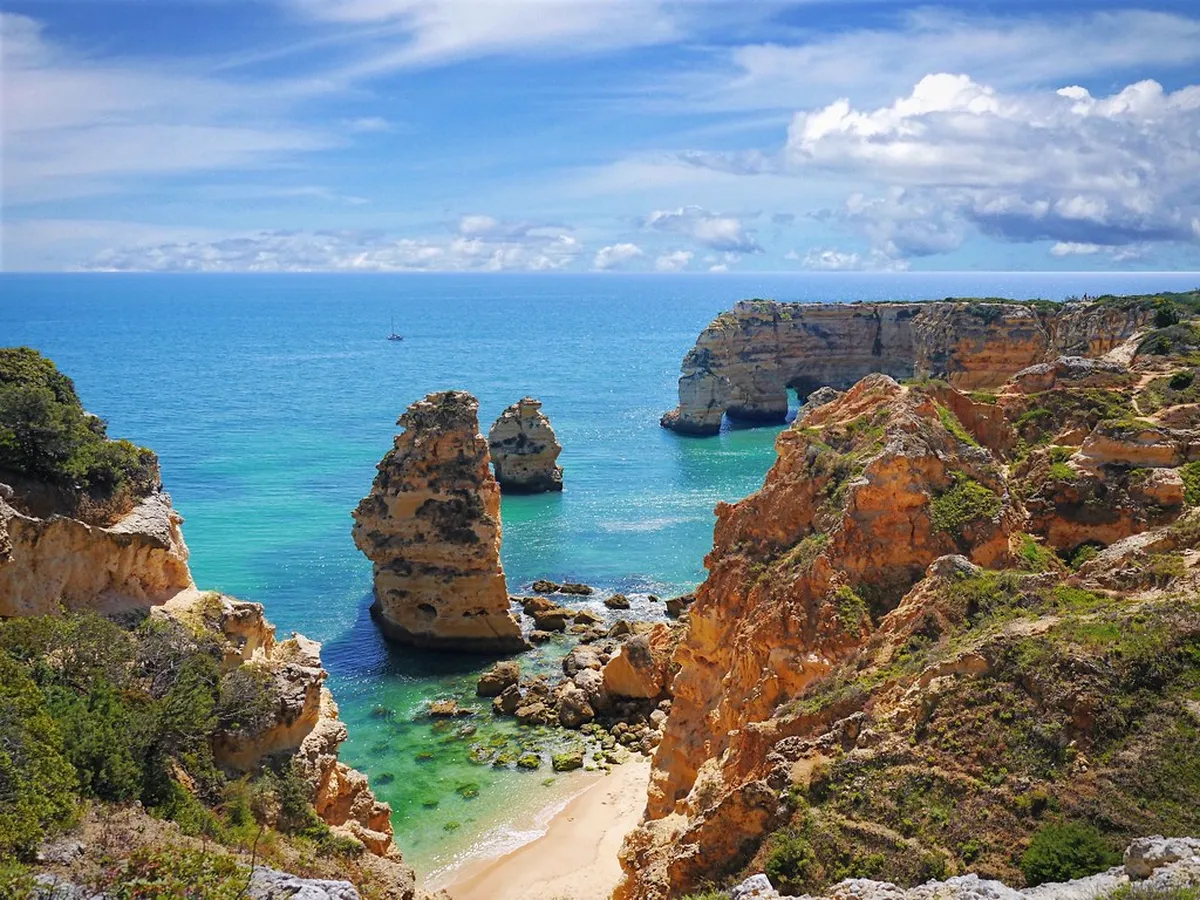
The coastline shifts character three times. The Barlavento (west, from Lagos to Sagres) has the iconic ochre cliffs and the dramatic surf coast. The central Algarve around Albufeira and Carvoeiro mixes resort towns with the Benagil sea caves. The Sotavento east of Faro flattens into barrier-island beaches and the protected Ria Formosa lagoon — quieter, warmer water, and the only spot where you reach the beach by ferry.
From Lisbon it is roughly 2 hours 50 minutes to Faro by car on the A2/A22 motorway (tolls about €23 one-way) or 3 hours by intercity train from Lisbon Oriente. Faro Airport has direct flights from most major European cities year-round, with Ryanair, easyJet, and TAP carrying most of the volume. The region averages over 300 sunny days a year, with late April through mid-June offering the best balance of warm sea, open tours, and pre-peak prices.
What's the Easiest Way of Getting to the Algarve?
If your trip starts in the UK, Ireland, Germany, or the Netherlands, fly directly into Faro (FAO) — it is almost always cheaper and faster than connecting via Lisbon. Off-season returns from London Stansted dipped to €45 in March 2026, and even peak July fares stay under €200 on Ryanair if you book by April. From the airport, a metered taxi to Faro old town runs about €10; to Lagos it is roughly €90 fixed or 1 hour 5 minutes by car.
If you are already in Lisbon, the comfortable choice is the Comboios de Portugal Alfa Pendular or Intercidades train from Oriente station to Faro. Tickets start around €22 in Conforto class when booked five days ahead, and the ride takes just under 3 hours with Wi-Fi and a café car. To continue from Faro to Lagos, take the regional Linha do Algarve train — about 1 hour 40 minutes with one change at Tunes, around €8.
Driving from Lisbon adds flexibility but costs more than people expect once you factor in the A2 tolls, fuel at roughly €1.70/L diesel, and Lagos parking (most old-town hotels charge €12–18 per night). For a three-day trip with two bases, I usually fly into Faro, pick up a rental there for Day 2 only, and return it on Day 3 morning.
The Perfect Algarve 3 Day Itinerary
Start in Lagos so you see the most photographed rock formations on Day 1 while you still have energy for cliff stairs. The old town is fully walkable, and grabbing a 9:00 pastel de nata at Casa do Pastel de Belém near Praça Gil Eanes saves both time and money. Budget travelers can find more cost-saving angles in our 15 Best Things to Do and Planning Tips for Algarve With Kids guide, where family-priced meal and tour picks overlap with solo budget travel.
Day 2 moves you east to the Benagil coastline. The cave is best photographed from the water between 9:30 and 10:30 when the overhead skylight beams down onto the sand floor. Pre-book a kayak or small Zodiac from Praia de Benagil rather than a big catamaran — the large boats cannot enter the cave itself, only pause outside. Plan to arrive at the beach 30 minutes before your slot; parking fills by 9:00 in shoulder season.
Day 3 hands you a calmer, more authentic side of the Algarve. Faro often gets dismissed as just an airport, but the walled Cidade Velha has the region's best Romanesque cathedral and a bone chapel behind Igreja do Carmo. Use the 12 Best Things To Do In Faro: The Ultimate Guide guide for the deeper picks. The Ria Formosa lagoon is a UNESCO-protected wetland and the only way to reach Ilha Deserta — Portugal's true southernmost point.
- Day 1: Explore Lagos and dramatic cliffs
- Morning: 9:00 Old Town walk + Mercado de Escravos (€3)
- Afternoon: 14:00 Ponta da Piedade boat (75 min, €25)
- Evening: 19:30 Marina dinner at Casinha do Petisco
- Active time: 11 hours
- Logistics: Walkable town and boat
- Optional: Forte da Ponta da Bandeira
- Day 2: Discover Benagil and coastal trails
- Morning: 9:30 kayak in Benagil (2 hr, €35)
- Afternoon: 13:00 Seven Hanging Valleys (6 km one-way)
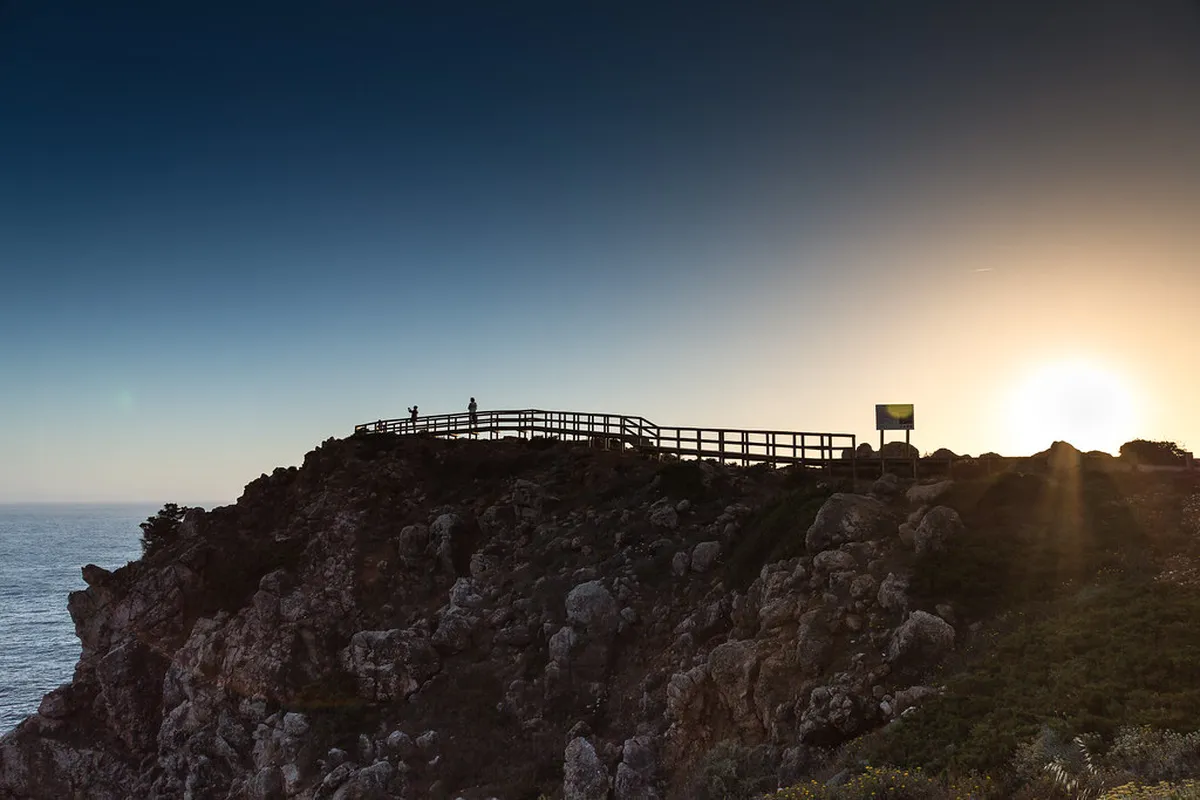
- Evening: 18:00 Carvoeiro sunset at Algar Seco
- Active time: 10 hours
- Logistics: Car or taxi required
- Optional: Algar Seco boardwalk
- Day 3: Experience Faro and Ria Formosa
- Morning: 10:00 Faro Old Town + Sé Cathedral (€3)
- Afternoon: 14:00 local food tour of Faro.
- Evening: 19:00 Faro dinner near Arco da Vila
- Active time: 9 hours
- Logistics: Train or short drive to Faro
- Optional: Capela dos Ossos
| Day | Base | Highlight Activity | Approx. Cost | Active Hours | Transport |
|---|---|---|---|---|---|
| Day 1 | Lagos | Ponta da Piedade boat tour (75 min) | €25–30 | ~11 hrs | On foot |
| Day 2 | Carvoeiro area | Benagil Cave kayak or Zodiac (2 hr) | €25–35 | ~10 hrs | Car or taxi |
| Day 3 | Faro | Ria Formosa lagoon + Ilha Deserta ferry | €3 entry + ferry | ~9 hrs | Train or car |
Must-Do Algarve Tour — Benagil Caves Boat Trip
The Benagil Cave is the single non-negotiable booking of a 3-day Algarve trip. As of January 2026, walking into the cave from the water is banned to protect the sand floor — you must view it from a boat, a kayak, or a SUP that stays in the water. Small Zodiac boats from Praia de Benagil run €25–30 for 45 minutes and squeeze inside the cave; large catamarans from Portimão (€35–55) only pause at the entrance.
Time the trip to your goals. For the famous overhead light beam on the cave floor, you want 09:30–11:00 in May–September when the sun angle is high. For calmer water and fewer boats inside the cave, take a 17:00 sunset slot. Swell above 1.5 metres typically cancels small boats; check Windguru for Benagil the night before. Refunds are standard if the operator cancels, so do not pay for tour insurance.
Pre-book at least 14 days ahead in shoulder months (April, May, September, October) and 4–6 weeks ahead for July and August. Kayak tours start from Praia do Carvalho (5 minutes from Benagil) and are easier for first-timers — the water is calm in the protected cove. Bring a dry bag for your phone; the Zodiacs splash.
For the famous light beam on the Benagil Cave floor, time your boat or kayak for 09:30–11:00 in May through September when the sun angle is high enough to beam directly through the overhead skylight. Swell above 1.5 metres typically cancels small boats — check Windguru for Benagil the night before.
Why I Chose Lagos Over Other Algarve Towns
Lagos strikes the rare balance between an actual historic town and a walkable beach base. The old town is enclosed by 16th-century walls, the marina is a 5-minute walk from the train station, and four named beaches — Batata, Estudantes, Pinhão, Dona Ana — are all within 25 minutes on foot. Albufeira is faster to reach from Faro Airport but feels like a resort strip with British pubs; Lagos still has independent restaurants and Portuguese signage.
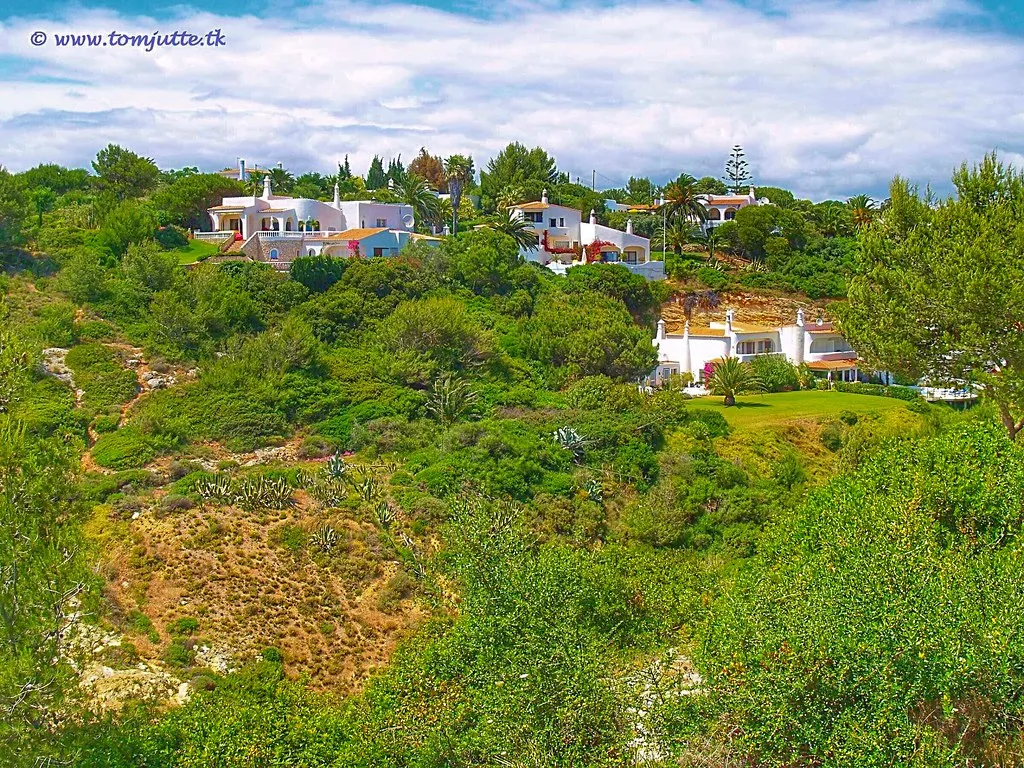
Compared to Carvoeiro, Lagos is bigger and has more dining range under €20 per head. Compared to Tavira (the eastern alternative), it is closer to the Benagil caves and the Sagres surf coast. The Lagos train station also makes it possible to do this whole itinerary car-free — the regional line runs west from Faro through Albufeira and Portimão to Lagos.
Staying in Lagos also opens the wilder Barlavento as a half-day add. Sagres is 50 minutes by car or bus, with the 17 Best Things to Do in Sagres: 2026 Travel Guide guide covering Cabo de São Vicente and the Fortaleza. For couples who want quieter clifftop hotels, our 8 Best Tips for Planning an Algarve for Couples Trip page lists the small luxury options between Lagos and Sagres.
Do I Need to Rent a Car When Visiting the Algarve?
For this exact 3-day itinerary you can skip the car if you book a half-day Benagil transfer for Day 2. The Lagos–Faro train covers Days 1 and 3. But if you want flexibility for the Seven Hanging Valleys or a Sagres add-on, renting a car for 24 hours on Day 2 only is the sweet spot — about €30–45 plus fuel.
Parking is the real friction. Lagos and Faro old-town streets are paid (€1/hour, 09:00–19:00) and almost always full. Book a hotel with included parking or use the free Estacionamento da Mãe d'Água lot in Lagos and walk in. The A22 motorway uses electronic-only tolls (Via Verde or rental-car transponder) — paper tolls do not exist, and unpaid tolls trigger a €60–100 fine after the rental return.
If you would rather not drive, base yourself in a central hub and use organized day tours to reach the major coastal landmarks. Many boat tours depart directly from the main marinas in Lagos and Albufeira. This approach takes more planning but works well for nervous drivers or solo travelers who don't want the parking headache.
Best Places to Stay During Your 3-Day Algarve Itinerary
For this itinerary, split your nights — two in Lagos, one in Faro. The split sounds fussy but saves an hour of back-tracking on Day 3 morning and puts you 10 minutes from FAO if you fly out Day 4. In Lagos, look at the area between Praça Gil Eanes and Avenida dos Descobrimentos: under €120 in shoulder season for a double with breakfast at Lagos Avenida Hotel or Marina Rio.
For a quieter Lagos stay with a sea view, Cascade Wellness Resort (Porto de Mós side, 15 min walk to old town) starts around €180 in May and includes pool access. Boutique guesthouses like The Salty Lodge fill the €90–130 band and skew younger and surfer-friendly. Avoid the highway-side Lagos hotels — they look cheap online and are a 25-minute walk from anything you want to see.
In Faro, prioritise the marina district inside the city walls. Hotel Faro & Beach Club has direct boat departures to Ilha Deserta from its private pier and runs around €140 in May. For a budget option, Hostel 33 sits 200 metres from the train station and has private rooms from €55. Either way, Faro is small enough that one night is plenty.
Algarve Weather Delays and When to Go
The Algarve has a Mediterranean climate, but the western Barlavento gets significantly more wind than the eastern Sotavento. May and September are the structural sweet spots: sea temperature 19–22°C, daytime highs around 24°C, and Benagil boats running all day. July and August push 32°C inland with peak crowds — fine for beach loungers, painful for cliff walks.
Plan for one weather-delayed activity per trip in any month outside July and August. The most common cancellations are small Benagil boats (swell), Ria Formosa ferries to Ilha Deserta (fog in spring), and the Seven Hanging Valleys trail (heat above 30°C is dangerous on the exposed sections). Always have a Plan B — Lagos old town, the Faro Cidade Velha, or a wine tasting inland.
Winter (November to February) is genuinely quiet and 30–40% cheaper. Sea is too cold to swim, but cliff walks are at their best with green grass on the headlands. Avoid Christmas week, which has Portuguese domestic prices and limited tour availability.
Book in Advance for Your Algarve Trip
Three things sell out for a 3-day trip in 2026: Benagil small boats and kayaks (14 days ahead in shoulder, 4 weeks in July/August), Ria Formosa ferries to Ilha Deserta (4–7 days ahead), and dinner at the best Lagos seafood spots like Casinha do Petisco (call 2–3 days ahead — they don't take online bookings). Tour cancellation policies are usually free up to 24 hours before, so lock things in early without risk.
For Lagos accommodation in May, June, and September, book 6–8 weeks ahead for under €130 doubles. After that the price ladder jumps fast. Faro is more forgiving — even peak summer you can find a marina-area room 2 weeks out. Use Booking.com flexible-cancellation rates and rebook 30 days out if prices drop.
Consider booking a vineyard tasting + safari wine tour if you have a third evening free. These small-group tours have 8–12 person caps and offer a rare inland perspective. The Algarve has 16 IGP wineries; most are within 30 minutes of Albufeira.
Benagil small boats and kayaks sell out 14 days ahead in shoulder months and 4–6 weeks ahead in July and August. Most operators offer free cancellation up to 24 hours before departure, so book early without risk and rebook if your plans change.
Add an Extra Day: Day-Trip Add-Ons
If you have more time, expand to an Algarve 5 Day Itinerary Travel Guide or stretch further with the Algarve 7 Day Itinerary: The Ultimate Road Trip Guide. The first add-on most travelers should pick is Sagres for the wild western capes — Cabo de São Vicente was considered the edge of the known world until the 15th century. Pair it with a stop at Praia do Amado for the surf coast.
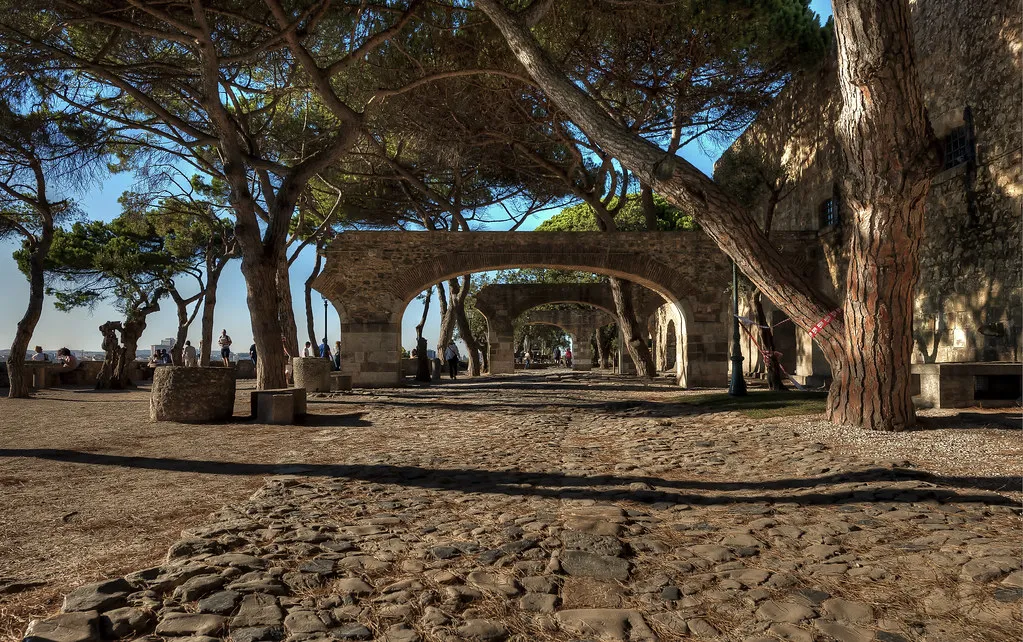
The second strong add is Tavira, 35 minutes east of Faro. The Roman bridge, the seven-church old town, and the ferry to Ilha de Tavira (a 12 km barrier-island beach) make it a complete day. The Sotavento here has the warmest sea water in mainland Portugal — 23°C by mid-July.
The third option is inland — Monchique for thermal springs and the Fóia summit (902 m, the highest point in the Algarve), or Silves for the Moorish red-sandstone castle. A fourth or fifth day genuinely opens up the region; three days alone forces you to skip everything inland.
Frequently Asked Questions
Is 3 days in the Algarve enough?
Three days is enough to see the major highlights like Lagos and Benagil. You will need to move quickly and focus on one or two areas. For a more relaxed pace, consider staying five days.
What is the best month to visit the Algarve?
May, June, and September offer the best weather and fewer crowds. July and August are very hot and crowded. Winter is quiet but some attractions may have limited hours.
Do I need a car for a 3-day Algarve trip?
A car is highly recommended to maximize your short time. It allows you to travel between towns and beaches on your own schedule. Public transport is too slow for a 3-day trip.
An Algarve 3 Day Itinerary delivers a real introduction to Portugal's southern beauty if you anchor in Lagos and Faro and book Benagil ahead. By focusing on Lagos cliffs, the Benagil sea cave, and Faro's Cidade Velha, you cover the three signature landscapes — Barlavento cliffs, central caves, Sotavento lagoon — in 72 hours.
Pack sunscreen and grippy walking shoes for the cliff stairs, and check the tide before the Day 1 boat. The Algarve rewards travelers who book early, start at 09:00, and treat the car as a Day 2 tool rather than a full-trip dependency. Enjoy three days on one of Europe's most photogenic coastlines.