

17 Best Things to Do in Sagres: 2026 Travel Guide
Plan your trip with the 17 best things to do in Sagres. Explore the fortress, surf wild beaches, and catch the sunset at the end of the world.
On this page
17 Best Things to Do in Sagres
Standing on the Sagres cliffs you feel the raw power of the Atlantic wind. This town is vastly different from the manicured resorts of the central Algarve — a rugged sanctuary where fishing boats share the harbor with surf vans. This guide was last refreshed in May 2026 with current pricing and 2026 seasonal hours.
Sagres is famously the place where the land ends and the sea begins. Prince Henry the Navigator established his school of navigation here in the 15th century, launching the Age of Discovery. Skip looking for the Sagres Beer factory in town — it is brewed in Vialonga near Lisbon. Focus instead on the coastal fortress, the cape, and the hidden beaches tucked beneath the limestone cliffs.
Things to do when you visit Sagres
Sagres sits on a remote peninsula with a distinct microclimate compared to its eastern Algarve neighbors. Winds are fierce, which is exactly why the area is a pilgrimage site for serious surfers. The local culture stays rooted in the sea, with fresh seafood dominating every restaurant menu in the village.
The headland is genuinely a fishing village and a surf town fused together. Watch trawlers unload sardines and octopus at Porto da Baleeira by mid-afternoon, then walk fifteen minutes west and you are among barefoot surfers waxing boards at Praia do Tonel. That dual personality is what separates Sagres from Portimão or Carvoeiro, where tourism has largely erased the working coast. For more of these tucked-away spots, see our 18 Essential Algarve Hidden Gems and Travel Tips.
17 Best Things to Do in Sagres
The list below covers historic landmarks, beaches, surf spots, and cultural experiences for the 2026 travel season. Most cliff-top sites are fully exposed to the wind — bring sturdy shoes and check the forecast before heading out. Keep a flexible schedule because Atlantic weather can rearrange plans within a few hours. To slot Sagres into a longer route, pair these with our wider 10 Best Towns in the Algarve breakdown.
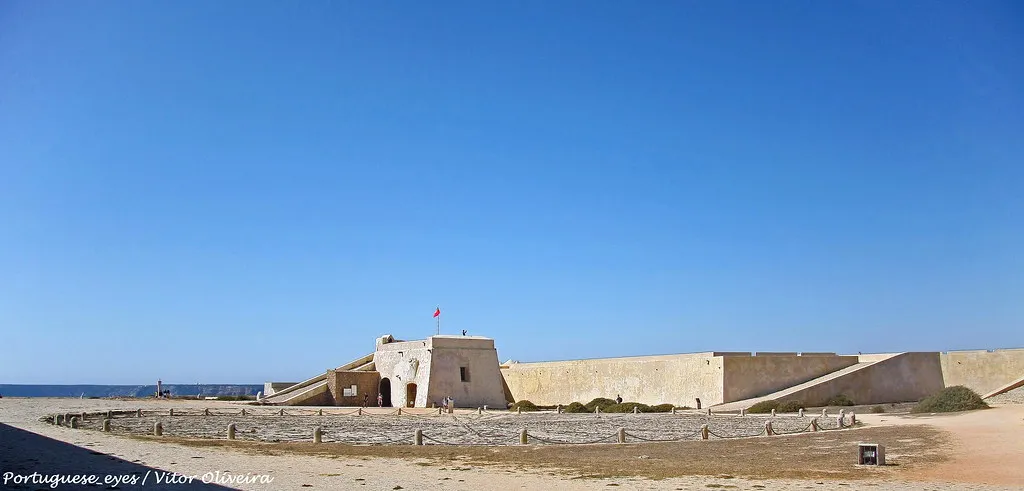
The Fortaleza de Sagres costs €3 per adult (€1.50 reduced) and is open daily 09:30–20:30 from May through September. Arrive before 11:00 to beat the midday wind that picks up across the exposed plateau.
- Explore the historic Fortaleza de Sagres
- Entry costs €3 per adult (€1.50 reduced); open daily 09:30–17:30 (until 20:30 May–September).
- The 1.5km cliffside perimeter takes about an hour and gives dramatic views of the crashing Atlantic.
- Arrive before 11:00 to beat the midday wind that picks up across the exposed plateau.
- Visit the Cabo de São Vicente lighthouse
- The southwesternmost point of mainland Europe sits atop 75-meter cliffs.
- Grounds are free; the small navigation museum charges €1.50 and runs 10:00–18:00 (closed Mondays).
- Hold onto hats and phones — the gusts have sent more than one drone into the Atlantic.
- Marvel at the Rosa dos Ventos
- This 43-meter diameter stone wind compass inside the fortress is a testament to early navigational science.
- Included with fortress admission; best viewed from the surrounding ramparts.
- Stand in the center of the circle to appreciate the scale of the structure underfoot.
- Relax on the sands of Praia da Mareta
- The most accessible beach in town, sheltered from the harsh northern nortada winds.
- Beach access is free; several cafes stay open from April through October.
- Calm water suits casual swimming and stand-up paddle — park in the lot above the beach.
- Watch expert surfers at Praia do Tonel
- Just west of the fortress, this beach catches consistent west swells against dramatic rock stacks.
- Free, year-round access; surf peaks November through February.
- Sit on the cliffs and watch pros tackle the Atlantic rollers; the descent is steep, take care with boards.
- Discover the sheltered cove of Praia do Beliche
- Tucked between Sagres and the cape, reached via a long set of stone stairs.
- Towering cliffs shelter the cove on windy afternoons; entry is free and crowds stay light.
- Visit at low tide to explore the small caves carved into the limestone walls.
- Enjoy family time at Praia do Martinhal
- Wide bay with shallow waters and fine sand, the best choice for families with small children.
- Free, a 20-minute walk east of the harbor; Blue Flag rated with seasonal lifeguards.
- Book a beachfront restaurant for a sunset dinner overlooking the offshore islets.
- Take a professional surf lesson at Tonel or Beliche
- Group lessons cost €40 to €55 per person and include board, wetsuit, and beach transport.
- Schools like Sagres Natura, Wavesensations, and Pure Surf Camps run daily sessions from 09:00.
- Instructors switch between south-facing and west-facing beaches each morning depending on swell direction.
- Observe the daily auction at Porto da Baleeira
- The working fishing harbor offers an authentic look at the village's marine economy.
- The lota (fish auction) usually begins around 15:00 on weekdays; access to the quay is free.
- Watch boats unload octopus, sardines, and mackerel — keep clear of the forklifts.
- Hike a section of the Rota Vicentina
- The Trilho dos Pescadores (Fishermen's Trail) passes through Sagres with Europe's best coastal hiking.
- The 12km path north to Vila do Bispo showcases rare flora and dramatic cliff-edge views.
- Carry at least 1.5 litres of water — there is almost no shade along the exposed paths.
- Go bird watching at the Sagres Peninsula
- The headland is a critical migration bottleneck between Europe and Africa each autumn.
- Guided half-day birding tours cost around €35; October hosts the Sagres Birdwatching Festival.
- Head to the Cabranosa plateau just north of town for peak raptor concentrations.
- Cycle the scenic route to Vila do Bispo
- Daily bike rentals in town cost €15 to €20; shops open from 09:00 to 18:00.
- The 45-minute ride to Vila do Bispo runs through quiet country roads.
- Choose a mountain or gravel bike for the sandy tracks leading to hidden west-coast viewpoints.
- Shop for traditional pottery at Mó Artesanato
- This shop is recognizable by the hundreds of hand-painted plates covering its exterior walls.
- Handmade bowls and tiles range from €5 to over €90; open daily 10:00–19:00.
- The best place in town to buy an authentic Galo de Barcelos or hand-painted house number.
- Taste local flavors with a Sagres Beer
- The beer is brewed near Lisbon, not here, but drinking one in its namesake town is a rite of passage.
- An "imperial" (small glass) costs €1.50 to €2.50 at local bars along Rua Comandante Matoso.
- Ask for Sagres Preta if you prefer a darker, maltier lager over the standard pilsner.
- Join a dolphin watching boat tour
- Common and bottlenose dolphins live off the cape; whales pass through seasonally.
- Tours depart from Porto da Baleeira, run roughly 90 minutes, and cost €35 to €55.
- Mornings have the calmest seas and best visibility; bring a windproof jacket even in summer.
- Visit the secluded Ponta da Atalaia viewpoint
- This lesser-known headland gives a stunning view of the fortress from across the bay.
- Free access via a short walk from the eastern side of the harbor.
- Look for the ruins of an ancient Islamic ribat (fortified monastery) that once stood here.
- Experience a dramatic winter storm extravaganza
- From November through February, Atlantic storms send waves crashing over the 75-meter cliffs.
- For wave-watching that rivals Nazaré, this is the southern equivalent.
- Stay at least three meters back from the brink — rogue waves and crumbly limestone are real hazards.
Head to one of the great Sagres beaches
The single most useful skill in Sagres is matching the day's wind direction to the right beach. The peninsula's geography means you have four main beaches all within ten minutes of each other, each facing a different compass point. When the nortada blows from the north (most summer afternoons), Mareta and Martinhal stay glassy while Tonel turns into a blown-out mess. When the wind swings southerly in autumn, the opposite happens.
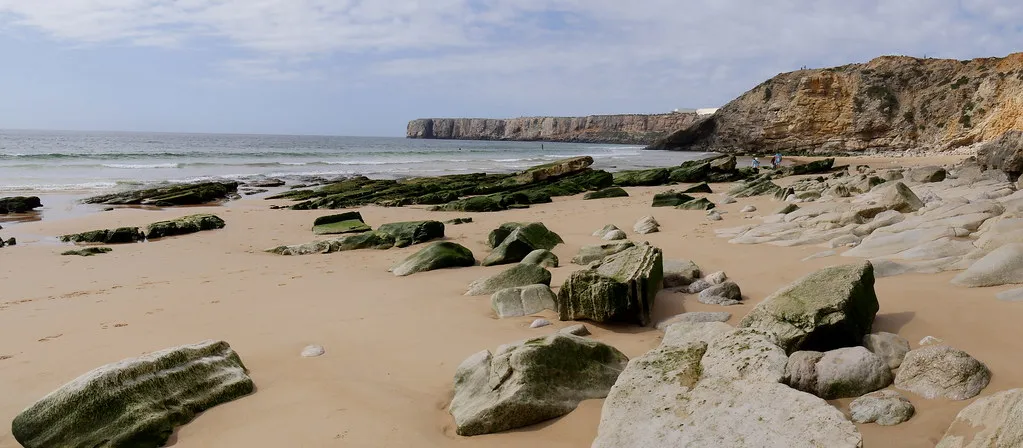
Use this quick wind-protection cheat sheet before you load up the car. Praia da Mareta faces south and is sheltered from north winds — best for swimming and beginner surf, with €3 sun-lounger rentals in season. Praia do Martinhal also faces south, even calmer, ideal for paddleboards and families with toddlers. Praia do Tonel faces west and catches every Atlantic swell — ideal for intermediate surfers when winds are offshore (easterly). Praia do Beliche, tucked between cliffs facing southwest, is the all-rounder when the wind is unclear; it stays usable in more conditions than any other Sagres beach.
Stronger surfers should add Praia do Castelejo and Praia da Cordoama, both a 15-minute drive north toward Vila do Bispo. These are exposed west-coast beaches with serious waves, no lifeguard outside July–August, and almost no shelter. If you have surfed the south-facing Lagos surfing beaches already, the Castelejo bowl is the natural next step up.
Explore the Western Algarve on a road trip
A car turns Sagres from a single-stop destination into the gateway for the wildest stretch of the Portuguese coast. The classic loop starts in Lagos, runs along the N125 to Vila do Bispo, then drops south to Sagres for the fortress and the cape before swinging north up the EN268 along the Costa Vicentina.
Stop in Vila do Bispo for lunch at one of the family-run grills — Eira do Mel and Café Correia both serve the local cataplana for around €18 per person. From there, take signed turn-offs to Praia do Castelejo, Praia da Cordoama, Praia da Bordeira, and Praia do Amado, each a different cliff-cove combination on the wild Atlantic side. Most of these beaches share a single bumpy gravel road, so a basic rental car is fine if you drive slowly.
End the day back in Sagres for sunset at the cape, then dinner in town. The full loop is roughly 110 kilometers and takes a long day with stops. If you only have half a day, base from Lagos and run the Sagres day trip directly without the north-coast detour. For a multi-day version that also covers inland villages and viewpoints, see our guide to the Algarve's historic towns and the best Algarve viewpoints.
Famous Sagres sunsets at the lighthouse
Sunset at Cabo de São Vicente is the bucket-list moment of southern Portugal — the sky turns deep orange and purple behind the lighthouse. Arrive at least 45 minutes before sunset to secure a viewing spot on the rocks. The parking lot fills fast in July and August, so come early or walk in from town.
The quirky local tradition is the "Letzte Bratwurst vor Amerika" stand — literally the Last Bratwurst Before America. The roadside van serves German sausages to sunset watchers and hands out a humorous certificate with each order. Expect to pay €5 to €6 for a bratwurst with bread; it usually runs from late morning until shortly after sunset, weather permitting.
Temperatures drop fast once the sun goes down. Even after a 30°C summer day the Atlantic breeze at the headland feels biting, so bring a windbreaker. It is the best way to close out a day on the wild western edge of Portugal.
The parking lot at Cabo de São Vicente fills completely in July and August well before sunset. Arrive at least 45 minutes early or walk in from town — and stay at least three meters back from the cliff edge, where rogue waves and crumbly limestone are real hazards.
Where to stay in Sagres
Sagres is small enough that location matters less than vibe. Three main areas split the town: the village center around Rua Comandante Matoso (closest to bars and restaurants), the harbor side near Porto da Baleeira (quietest, walking distance to Mareta beach), and the Martinhal area three kilometers east (resort-style, best for families).
For surfers and slow travelers, guesthouses in the village center run €70 to €120 per night in shoulder season and book up fast. Pousada de Sagres, set on the cliffs above Mareta, sits in the €180 to €260 range with the best sea views in town. Martinhal Sagres Beach Family Resort is the area's only true family resort, with kids' clubs and self-catering villas from €280 per night in low season — a different price tier but a different product.
Budget travelers should look at the surf-camp hostels and shared apartments inland of the N268, where dorm beds run €25 to €40 and many camps include breakfast plus daily surf transport. Book at least three months ahead for July and August; outside those months you can usually find a room within a week of arrival.
Is a day trip to Sagres worth it?
A day trip from Lagos lets you see the fortress and the lighthouse, but you may feel rushed and you will miss the peaceful atmosphere that settles in after the tour buses leave. Staying two or three nights lets you engage with the surf culture and hiking trails, and you can choose beaches based on the day's wind direction.
For tight schedules, plug Sagres into a larger road trip through the western Algarve. Vamus route 47 runs between Lagos and Sagres, but a rental car gives you flexibility for beach-hopping. If you are based further afield, see our guide to Algarve Day Trips From Lisbon Travel Guide for longer itineraries.
Expert guidance for planning a trip to Portugal
The drive from Faro Airport takes about 90 minutes via the A22 motorway, then the N125 for the final stretch. By bus, Vamus route 47 runs from Lagos bus station — check 2026 schedules at vamus.pt, as frequency drops sharply November to March.
The best time to visit depends on your interests: summer for swimming, autumn and winter for consistent surf swells, spring for hiking and the early-October Sagres Birdwatching Festival. For quieter crowds, target May or late September. Respect the cliffs — many edges have no railings, so keep at least three meters back. For a wider tour, see our complete Algarve guide.
Frequently Asked Questions
Is Sagres beer actually made in Sagres?
No, the famous Sagres beer is not brewed in the town. It is produced in Vialonga, which is located near Lisbon. The brand was named after the town to honor its historical importance in Portuguese maritime history.
Which beach in Sagres is best for swimming?
Praia da Mareta is generally considered the best beach for swimming. It is the most sheltered from the prevailing north winds, resulting in calmer waters. Other beaches like Tavira Beaches in the east offer warmer water, but Mareta is the top local choice.
How much time do I need at the Sagres Fortress?
You should plan for approximately 60 to 90 minutes to explore the fortress grounds. This allows enough time to walk the perimeter, view the wind compass, and visit the small lighthouse. Arriving early helps you beat the afternoon wind.
Sagres remains one of the most evocative destinations in Portugal, offering a raw beauty that is hard to find elsewhere. From the historic ramparts of the fortress to the legendary sunsets at the cape, it is a place that stays with you. Whether you come for the surf, the history, or the solitude, you will find a town that marches to its own beat.
We hope this 2026 guide helps you navigate the best things to do in this remarkable corner of the world. Pack your windbreaker, respect the cliffs, and prepare to experience the true end of the world. Safe travels as you explore the wild and wonderful coastline of Sagres.
 10 Best Towns in the Algarve (2026 Travel Guide)May 17, 2026