18 Best Things to Do in Tavira: A Complete Algarve Guide (2026)
Discover the best things to do in Tavira, Portugal. From the historic Roman Bridge and Castle to Tavira Island beaches and hidden Phoenician ruins.
On this page
18 Best Things to Do in Tavira
Tavira sits on both banks of the Gilão River in the eastern Algarve, roughly 30 km east of Faro and 25 km from the Spanish border. The town blends Moorish castle walls, a 17th-century arched bridge, Phoenician ruins, and ferry access to one of Portugal's quietest barrier-island beaches. Unlike Albufeira or Vilamoura further west, Tavira keeps its working-fishing-port character and rewards visitors who prefer salt pans and azulejo facades to high-rise resorts.
This guide was refreshed in May 2026 with current ferry timings, entry fees in euros, and parking notes. Most major sights cluster within a 15-minute walk of Praça da República, so a day visit is feasible — but two nights lets you catch the evening atmosphere once the day-trippers leave. Pair this with our broader things to do in the Algarve guide if you are planning a wider regional trip.
Explore Tavira Castle and the Castle Walls
The Castelo de Tavira sits at the highest point of the old town and dates to the Moorish 11th century, with later Christian reconstructions after the Reconquista. The interior courtyard is a manicured garden, and the partial wall walk delivers the cleanest panorama of Tavira's distinctive pyramid-shaped "scissor" roofs and the Gilão River bend.
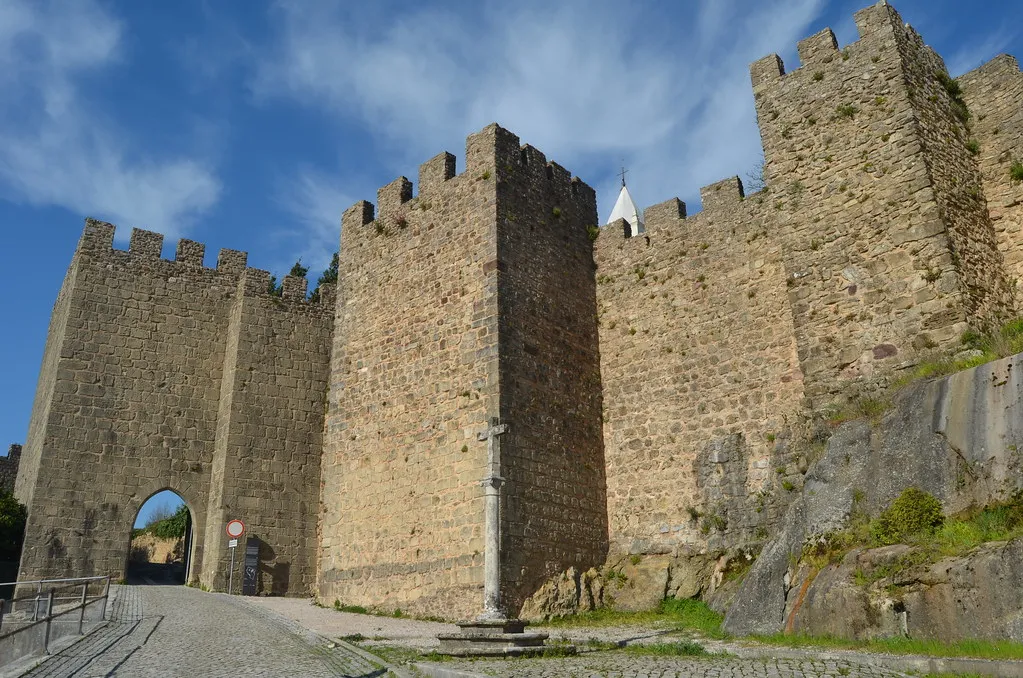
Entry is free. Summer hours run 10:00–19:00 and winter hours 10:00–17:00, though the gate can close earlier when staff are short. The ramparts have no handrails on the inner edge, so keep small children on the courtyard side. Allow 30–45 minutes including photos.
Entry to Tavira Castle is free. The ramparts have no handrails on the inner edge — keep small children on the courtyard side. The best panorama of the town's distinctive scissor rooftops is from the wall walk.
Walk Across the Roman Bridge (Ponte Romana)
The seven-arched pedestrian bridge is Tavira's most photographed landmark, even though a 2018 archaeological survey concluded the current structure is largely a 1667 rebuild on a medieval foundation rather than genuinely Roman. The "Roman" name has stuck, but treat it as a beautiful 17th-century crossing, not an untouched ancient relic.
It is open 24 hours and free. The best light is roughly 30 minutes before sunset, when the river reflects the ochre and white facades on the south bank. Cross to the north side for the postcard view back toward Santa Maria do Castelo church and the castle walls above.
View the City Through the Camera Obscura
Housed in the converted Torre de Tavira water tower on Calçada da Galeria, this Leonardo-style camera obscura uses a periscope mirror and lens to project a real-time 360° image of Tavira onto a concave white disc inside a darkened room. A guide rotates the optics and narrates landmarks as they appear — the castle, the church towers, the river, and the salt pans roll past in sequence.
Tickets are around €5 for adults and €3 for children, with sessions every 20–30 minutes between 10:00 and 17:00 (closed Sundays in winter). The room seats roughly 12, and summer slots fill by midday, so arrive early or call ahead. The system only works in good daylight, so cloudy mornings are weaker.
Take the Ferry to Tavira Island (Ilha de Tavira)
Ilha de Tavira is an 11 km barrier-island sandbar inside the Ria Formosa Natural Park, fronted by some of the cleanest, shallowest Atlantic water in the Algarve. Two ferry routes serve it: the direct town ferry from the Quatro Águas dock (a 5-minute crossing) and a shorter walk-on service from the riverfront in summer only.
Round-trip fares are roughly €2.50–€3 per adult. The town ferry runs every 30 minutes from late May through September, and hourly in shoulder season; the last return is usually around 20:00 in July and August and 18:00 in spring. Confirm same-day timings on the Tavira ferry schedule, especially in October when service drops to weekends.
The last ferry return from Tavira Island is around 20:00 in peak summer and 18:00 in spring — missing it means a much longer water taxi workaround. In August, ferry queues at the pier can run 30–45 minutes in both directions.
Admire the Traditional Tile (Azulejo) Houses
Tavira has one of the densest concentrations of azulejo-clad residential facades in the Algarve, a legacy of the wealthy 19th-century merchant families who shipped tile from Lisbon to face their townhouses. The richest cluster sits on the north bank around Rua Dr. Parreira and the streets leading up to Jardim da Alagoa, plus the small lanes off Praça Dr. António Padinha.
Treat it as a self-guided walking loop of about 45 minutes. Patterns range from cobalt-blue geometric repeats to Art Nouveau florals; many panels carry the maker's mark near the bottom corner if you look closely. Mornings give the softest cross-light for photos before the tiles go into the harsh midday glare.
Shop at the Mercado Municipal
The riverside market is open Monday to Saturday, 07:00–14:00, and is busiest between 09:00 and 11:00 when restaurants buy the morning's catch. Stalls cover fresh Atlantic fish, regional honey from the Serra de Caldeirão, dried figs, almonds, salt, and a small fruit-and-vegetable hall in the back.
The adjacent free car park (see the Mercado Municipal parking lot on Google Maps) is the single most useful arrival point for day-trippers — it is the only large free lot within a 10-minute walk of the historic center, and it almost never fills before 10:00.
Visit the Renaissance Igreja da Misericórdia
Built between 1541 and 1551, the Igreja da Misericórdia is widely considered the finest pure Renaissance building in the Algarve. The carved limestone portal on the exterior is by master sculptor André Pilarte; inside, blue and white 18th-century azulejo panels narrate the seven works of mercy along the nave.
Entry is €2.50 and tickets also include the small attached museum. Opening hours are Monday to Saturday, 10:00–13:00 and 14:30–17:30 (mornings only in winter). Allow 25 minutes; pair it with Santa Maria do Castelo, which is a 3-minute uphill walk away.
Spot Flamingos in the Ria Formosa Natural Park
Pink flamingos overwinter in the lagoons and salt pans east of town from roughly October through April, with peak numbers in February and March. The most reliable viewing spot is the dirt track that runs from the Quatro Águas car park along the salt-pan dikes — you can usually see them with the naked eye, but binoculars turn an OK sighting into a memorable one.
Go at low tide, when the birds wade in the exposed shallows; check a tide chart before setting out. Black-winged stilts, spoonbills, and little egrets share the same pans, so the walk repays attention even outside flamingo season. The route is flat, exposed, and largely shadeless.
Hike to the Pego do Inferno Waterfall
About 5 km inland near Asseca, the Pego do Inferno is a small natural pool and waterfall reached on a 10-minute walk from a roadside pull-out. There is no entry fee and no facilities; wear closed shoes, as the descent passes over loose stone.
Important seasonal note — by late June the stream often slows to a trickle, and by August it can be a stagnant pool with no falling water at all. The site shines after spring rains and again from late October. If you only have one day in Tavira and visit in high summer, skip this one and use the time on the island instead.
Take a Day Trip to Santa Luzia (Octopus Capital)
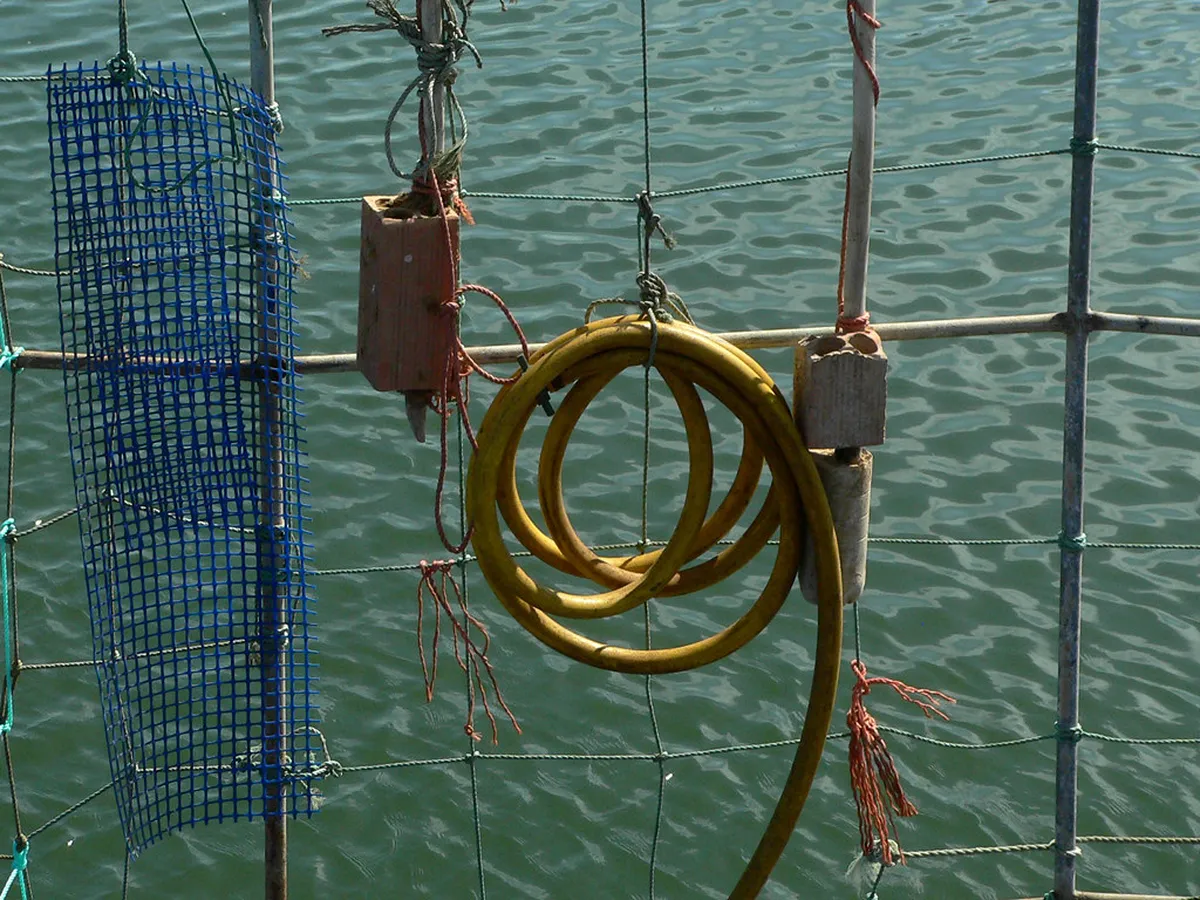
Santa Luzia is a working octopus-fishing village 3 km west of Tavira, reachable by a 7-minute drive or a regular local bus. The fleet still hauls in clay pots strung in long lines — you can see the empty pots stacked at the quayside. Lunch is the reason to come: try polvo à lagareiro (octopus roasted with garlic, olive oil, and potatoes) at Casa do Polvo Tasquinha (mains €18–€24) or the more casual Restaurante O Capelo near the lighthouse.
From the western edge of Santa Luzia, a miniature tourist train (€2 round trip, runs hourly in season) crosses the wooden bridge over the salt marsh to Praia do Barril — a much quieter alternative to the main Tavira Island beach.
Relax in the Jardim Público de Tavira
This compact riverfront park stretches between Praça da República and the Mercado Municipal, with a 19th-century bandstand at its center and several shaded benches under jacarandas (in bloom late May to early June). It is the single best place to recover from midday heat without spending money.
The park hosts free outdoor concerts on Saturday evenings from late June through August — schedules are posted at the bandstand and on the town hall noticeboard. A small café on the square side sells reasonably priced espresso and pastries if you want to linger.
See the Phoenician Ruins (Ruínas Fenícias)
One of Tavira's most surprising sights sits not in a museum but under the floor of the Biblioteca Municipal Álvaro de Campos on Rua Comunidade Lusíada. Excavations during the library's construction uncovered Phoenician walls dating to roughly the 8th century BC, plus later Roman and Islamic strata — Tavira is one of the few sites on the Iberian Atlantic coast with continuous occupation that deep.
Glass floor panels let you look down into the dig. Entry is free during library hours (Monday to Friday, 10:00–18:00; Saturday 10:00–13:00). Most visitors walk past without realizing what is below, which makes it one of the more rewarding 18 Essential Algarve Hidden Gems and Travel Tips for history-minded travelers.
Visit the Anchor Graveyard at Praia do Barril
Hundreds of rusted iron anchors lie half-buried in the dunes behind Praia do Barril, arranged in long rows that recede toward the sea. They are the last hardware of Tavira's tuna-fishing fleet, which collapsed in the 1960s when migratory tuna stopped passing close to shore. Each anchor once held the corner of an offshore net trap (the armação) that funneled tuna into killing chambers — a brutal but historically important industry that supported the entire eastern Algarve for centuries.
Access is free. Take the miniature train (€2) or walk the 1.2 km wooden boardwalk from Pedras d'el Rei. Early morning shadows make the rows photograph best; midday flattens them out.
Drink Coffee in Praça da República
Tavira's main square sits beside the river and the town hall, ringed by café terraces under white umbrellas. Café Veneza on the southwest corner is the long-running local favorite for an espresso (€0.80) and a pastel de nata; the terrace at Anazu has the better river view but charges €2.50 for the same coffee.
This is a working square, not a tourist showpiece — old men play cards near the bandstand most afternoons, and the produce vans from the market trundle through at lunchtime. Early evening, around 18:00, is when the square fills with locals before dinner.
Ride the Tavira Tourist Train
The open-sided road train does a 45-minute loop from Praça da República through the salt-pan road to Quatro Águas and back via the residential streets. It is the easiest way to cover ground in summer heat with small children or limited mobility, and the loop crosses several spots not reachable on the main walking route.
Adult tickets are around €5, children €3, with departures roughly every hour from 10:00 in season. You can pre-book through the Civitatis tourist train listing if you want a guaranteed seat in July and August.
Walk the Salinas Salt Pans
The salt pans stretch east from the Quatro Águas ferry dock and are still worked by hand from late May through September. Producers rake the surface to harvest Flor de Sal — the delicate top layer that forms only in dry, low-wind conditions — and the geometric grid of evaporation basins creates one of the more photogenic walks in the region.
The flat dike path is free and open daylight hours. Bring a hat; there is no shade. Several producers (Necton, Salmarim) sell finishing salts at the gate for €4–€8 a tin, a much better souvenir than airport-shop trinkets.
Visit Santa Maria do Castelo Church
Built on the foundations of Tavira's main mosque after the Christian reconquest in 1242, Santa Maria do Castelo houses the tomb of Dom Paio Peres Correia and seven knights killed at the nearby battle of Caçela. The interior mixes Gothic arches with later Manueline and Baroque additions; the clock tower can be climbed for an unobstructed second viewpoint over the rooftops.
Entry to the church is €3 (church plus clock tower €5). Open Monday to Saturday, 10:00–13:00 and 15:00–18:00. The clock tower has a narrow spiral stair and is not suitable for anyone with mobility issues.
Walk the Waterfront at Cabanas de Tavira
Cabanas is Tavira's quieter sister village, 7 km east. A 1.5 km wooden boardwalk runs along the Ria Formosa lagoon between the village center and the eastern fishing quay, lined with tiled houses and small seafood restaurants. The lagoon itself is too shallow for swimming, but a small water taxi (€2 round trip, runs continuously in summer) drops you on the sandbar opposite, which has the cleanest swim water in the eastern Algarve.
Cabanas is on the same regional train line as Tavira (3-minute hop) and makes a natural late-afternoon side trip after a morning in town. The boardwalk at sunset, with the lagoon turning copper, is the single best free moment in this part of the coast.
What to Skip in Tavira: An Honest Take
The Pego do Inferno waterfall is the most common source of disappointment. If you arrive any time from July through September, expect a stagnant pool rather than a waterfall — the upstream catchment is small and dries out fast. The signage at the site has not been refreshed since 2019 and overstates conditions.

Manage expectations around the "Roman" Bridge — it is beautiful but not actually Roman, and history enthusiasts looking for genuine antiquity will get more from the Phoenician ruins under the library or the Islamic Museum's 11th-century Tavira Vase. Treat the bridge as a scenic crossing, not an archaeological site.
Finally, the main Tavira Island beach near the ferry pier is packed shoulder-to-shoulder on August weekends, and the ferry queues can run 30–45 minutes in both directions. If you are visiting in peak summer, redirect to Praia do Barril via Santa Luzia or to the Cabanas sandbar — both deliver the same Atlantic water without the crowd.
Where to Stay in Tavira
The honest trade-off is walkability versus beach access. Staying inside the historic center (north or south bank within 5 minutes of Praça da República) means everything in this guide is on foot, including restaurants and the morning market — but you will need the ferry or a car to reach the island beach each day.
Staying in Cabanas de Tavira or near Quatro Águas trades evening atmosphere for direct lagoon and beach access; you sacrifice the lit-up squares and azulejo streets after dark. For a first visit, the historic center wins — Tavira's pull is the town, not the beach, and the ferry crossing is short enough that day-tripping to the sand is no burden.
Budget travelers should check the HI Tavira Hostel near the bus station; mid-range visitors will find restored townhouse guesthouses in the streets behind the church for €90–€130 a night in shoulder season.
How to Get to Tavira
Most visitors arrive via Faro Airport, 30 km west. The Algarve regional train (Linha do Algarve) runs from Faro to Tavira roughly hourly, takes 35–45 minutes, and costs €3.90 one way — book at the station or on the CP app. The Tavira train station is a 10-minute walk from the old town across the Roman Bridge.
By car, the A22 motorway runs east from Faro and takes 25 minutes (toll roughly €2). Park at the free Mercado Municipal lot rather than attempting the narrow historic-center streets, which are largely pedestrianized and have no resident-exempt visitor bays. Rental prices vary widely; compare on Discover Cars before you arrive.
From Lisbon, the fastest option is the Alfa Pendular train to Faro (3 hours) followed by the regional to Tavira, total around 4 hours and €30–€45. Direct buses (Rede Expressos) take 4.5 hours and cost €22–€28. If you are pairing Tavira with nearby Faro, see our Faro travel guide for the wider transport hub.
Is Tavira Worth Visiting for a Day Trip?
Tavira is absolutely worth a visit, though one day feels tight if you also want the island. For a day trip, focus on the castle, the Roman Bridge, the Mercado Municipal, and a quick ferry to the island beach — that hits the four highest-rated experiences and leaves time for lunch in Santa Luzia.
With two nights you can add the Phoenician ruins, the azulejo walking loop, an evening on Praça da República, and a sunset on the Cabanas boardwalk. The town genuinely transforms after the day-trippers leave around 18:00, and missing the evening atmosphere is the single biggest mistake first-time visitors make. Use it as a base for a 7-day Algarve itinerary if you want a slower-paced regional trip.
Compared with the rest of the region, Tavira sits at the calm, cultural end of the spectrum — the opposite of Albufeira's nightlife or Lagos's surf scene. Among the Algarve's historic towns, only Silves rivals it for atmosphere, and Tavira pairs that with beach access neither Silves nor Loulé can match. For 2026, it remains the eastern Algarve's most rewarding single stop.
Frequently Asked Questions
How do you get to the beach in Tavira?
You must take a ferry from the town center or Quatro Águas to reach the beach on Tavira Island. The boat ride takes about 10-20 minutes and costs roughly $3 for a round trip. Ferries run frequently throughout the day during the summer season.
Can you see flamingos in Tavira?
Yes, flamingos are frequently spotted in the salt pans and marshes of the Ria Formosa Natural Park. The best time for birdwatching is from autumn through spring. Head to the salt pans near the Quatro Águas pier for the most reliable sightings.
Where is the best place to park in Tavira?
The free parking lot next to the Mercado Municipal is the best option for visitors. It is a large, accessible area located just a short walk from the historic center. Parking within the old town streets is difficult and often restricted to residents.
Tavira remains a shining example of the Algarve's enduring charm and rich historical tapestry. By following this guide, you can navigate the best sights while avoiding the common pitfalls of seasonal crowds. The combination of Moorish ruins, golden islands, and fresh seafood makes it a destination that stays with you long after you leave.
Whether you are crossing the Roman Bridge at sunset or discovering Phoenician ruins under a library, the town offers endless surprises. Pack your walking shoes and prepare for a slower, more meaningful travel experience in one of Portugal's most beautiful corners. We hope this list helps you plan an unforgettable trip to the heart of the eastern Algarve.
 10 Best Towns in the Algarve (2026 Travel Guide)May 17, 2026