
12 Best Things To Do In Faro: The Ultimate Guide (2026)
Discover the best things to do in Faro, Portugal. From the historic Old Town and Bone Chapel to Ria Formosa boat tours and local Fado sessions.
On this page
12 Best Things to Do in Faro
After my third visit to Faro last summer, I realized most travelers treat it as a mere transit hub for the airport. This charming capital offers a much deeper experience than the busy resort towns further west. The city manages to preserve an authentic Portuguese soul that often feels lost in the more commercialized coastal strips. I found that staying in the city center provides a perfect balance of history, nature, and incredible seafood.
Last refreshed in May 2026, this guide reflects the latest changes for your trip this year. Faro is particularly appealing compared to places like Vilamoura or Lagos, with restaurant prices roughly 20 to 30 percent lower than the central Algarve resort strip. Whether you are here for the medieval walls or the pristine lagoons, the city rewards those who linger. Expect a slower pace of life where coffee breaks in sun-drenched plazas are the main event.
Is Faro worth visiting for more than a night? Absolutely, especially if you enjoy historic Portuguese towns with fewer crowds. The proximity to the Ria Formosa Nature Reserve makes it a haven for birdwatchers and beach lovers alike. It serves as the ultimate base for exploring the eastern Algarve without the high price tag of luxury resorts, and pairs naturally with a wider 12 Best Things to Do in the Algarve itinerary.
Is Faro Worth Visiting?
Many visitors wonder if they should skip the capital in favor of the famous golden cliffs further west. Faro provides a distinct cultural edge that you won't find in purpose-built holiday villages. Walking through the cobblestone streets feels like stepping back into a time before mass tourism dominated the region. The city remains a living, breathing community where locals outnumber tourists even in the peak of summer.

The value for money here is significantly better than in the central Algarve. Dining at local spots like Chefe Branco offers a taste of traditional Cataplana for around €18 to €22 per person, often half the price of equivalent dishes in Albufeira or Vilamoura. You can easily walk across the entire downtown area in twenty minutes, making it highly accessible. This compactness allows for a stress-free itinerary that doesn't rely on expensive car rentals or long bus rides.
Faro also shines as a year-round destination. While the beach towns can feel like ghost towns in January, Faro stays vibrant with its university population and local markets. The mild winters (averaging 16°C in January) are perfect for exploring the Roman ruins or hiking the nearby salt pans. It is arguably the best place in the region for those seeking an authentic off-season city break, a niche that resort-heavy neighbors like Albufeira or Portimão simply cannot fill.
12 Best Things to Do in Faro (2026)
The historic core of Faro, known as Vila Adentro, contains most of the city's architectural treasures. Walking through the ancient gateways feels like a journey through Roman, Moorish, and Christian eras. Most of these landmarks are clustered together, allowing you to see the main sights in a single afternoon. I recommend starting at the harbor and working your way inward through the Arco da Vila.
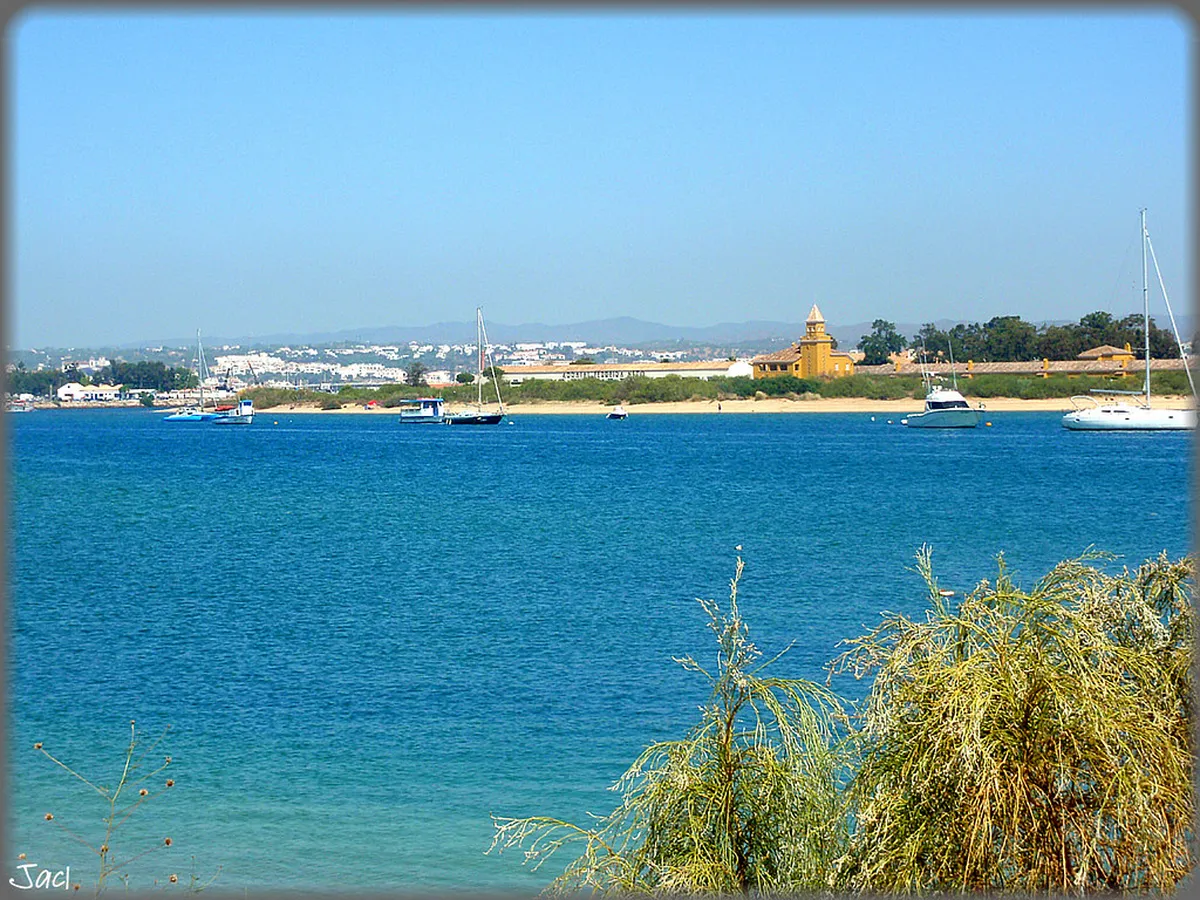
Nature lovers will find their sanctuary in the Ria Formosa Nature Reserve. This vast system of lagoons and islands protects a delicate ecosystem of flamingos and rare seahorses. Boat tours depart regularly from the pier, offering a variety of routes to secluded island beaches. It is a stark contrast to the built-up coastlines found elsewhere in the Algarve.
Local culture is best experienced through the city's unique sounds and flavors. Faro is one of the few places in the south where you can find high-quality Fado performances in intimate settings. The municipal market provides a sensory overload of fresh Atlantic fish and regional almond sweets. Don't miss the chance to explore the pretty pedestrian shopping streets after the midday heat fades.
- Wander Through the Historic Old Town (Vila Adentro)
- This medieval walled center is the heart of Faro's history and architectural charm.
- Expect to spend about two hours exploring the narrow alleys and whitewashed buildings for free.
- Most visitors enter through the neoclassical Arco da Vila near the marina area.
- Wear comfortable shoes as the traditional calçada stones can be quite slippery when wet.
- Climb the Faro Cathedral (Sé) for Panoramic Views
- The cathedral features a mix of Gothic and Baroque styles with a stunning bell tower.
- Entry costs roughly €5.00 and it is typically open Monday to Saturday from 10:00 to 18:00.
- The climb to the top offers the best view of the Ria Formosa lagoons and city rooftops.
- Look for the small museum inside which houses rare religious artifacts from the 17th century.
- Visit the Eerie Chapel of Bones (Capela dos Ossos)
- Located behind the Carmo Church, this small chapel is lined with the remains of over 1,000 monks.
- The site is open daily until 17:00 and requires a small entrance fee of about €2.00.
- It serves as a haunting memento mori designed to provoke reflection on the temporary nature of life.
- Go early in the morning to avoid the tour groups that often crowd the tiny space.
- Explore the Ria Formosa Nature Reserve by Boat
- This protected wetland is one of the seven natural wonders of Portugal and a birdwatcher's paradise.
- Standard boat tours range from €25.00 to €40.00 and usually last between two and four hours.
- Tours depart from the Cais da Porta Nova pier located just outside the old city walls.
- Book a sunset tour to see the lagoon colors change while the flamingos are most active.
- Sunbathe at the Expansive Praia de Faro
- This long sandy spit is the main city beach and offers plenty of space even in August.
- Access is free and you can reach it via the bridge or a seasonal ferry from the marina.
- The area features several casual bars and cafes perfect for a lunch of grilled sardines.
- Try the lagoon side of the beach for calmer waters if the Atlantic waves are too rough.
- Delve into History at the Faro Municipal Museum
- Housed in a former 16th-century convent, this museum showcases the city's Roman and Moorish heritage.
- Tickets are usually €2.00 and the museum is open Tuesday through Sunday from 10:00 to 18:00.
- The standout exhibit is a massive 3rd-century Roman mosaic discovered near the train station.
- Check the schedule for the live Fado sessions that take place in the peaceful cloister.
- Admire the Neoclassical Arco da Vila Gateway
- This grand archway serves as the main entrance to the Old Town and features a statue of St. Thomas Aquinas.
- It is a public monument that you can admire for free at any time of the day.
- Storks often build massive nests on top of the arch during the spring and summer months.
- Pause inside the archway to read the informative plaques about the city's defensive history.
- Experience a Live Fado Performance
- Traditional Portuguese soul music is performed at the Municipal Museum at 11:30 and 15:00.
- These sessions typically last about 90 minutes and offer a deep dive into local culture.
- Prices for the performance usually include museum entry and cost around €10.00 to €15.00.
- Arrive fifteen minutes early to secure a seat in the front row for the best acoustics.
- Shop for Local Flavors at the Faro Municipal Market
- This bustling indoor market is where locals buy fresh produce, regional cheeses, and Atlantic seafood.
- It is open every morning except Sunday and is located a short walk from the main shopping area.
- Entry is free and it provides an excellent opportunity to buy edible souvenirs like fleur de sel.
- Visit before 11:00 to see the fishmongers in action before they sell out of the daily catch.
- Stroll the Pretty Cobbled Shopping Streets
- Rua de Santo António is the main pedestrian artery filled with boutiques and traditional cafes.
- The street is paved with beautiful black and white mosaic patterns known as Portuguese pavement.
- Stop at a local bakery for a Dom Rodrigo, a traditional sweet made from egg threads and almonds.
- Many shops close for a couple of hours in the early afternoon, so plan your shopping for late morning.
- Escape on a Day Trip to the Roman Ruins of Estoi
- The village of Estoi features a pink Rococo palace and extensive 1st-century Roman ruins at Milreu.
- You can take a local bus from the Faro terminal for about €4.00 each way.
- The palace gardens are free to enter, while the Milreu ruins have a small admission fee.
- The contrast between the ornate palace and the ancient mosaics makes for fantastic photography.
- Discover the Fishing Heritage of Olhão
- Only ten minutes away by train, Olhão offers a grittier and more industrial fishing port vibe.
- The town is famous for its brick-red market buildings and North African-style flat-roofed houses.
- Train tickets are very affordable, usually costing under €3.00 for a return trip.
- Eat at one of the waterfront restaurants for the freshest shellfish platter you will find in the eastern Algarve.
Faro Beaches: Praia de Faro vs Ilha Deserta
The choice between the two main Faro beaches comes down to whether you want convenience or solitude. Praia de Faro sits at the end of a narrow sandbar reachable by car, bus 16, or a short seasonal ferry. It has bars, sunbeds for around €15 per pair, lifeguards in summer, and a small village atmosphere that gets lively on August weekends. Most visitors who only have an afternoon between flights end up here, and it suits that purpose well. For a deeper dive into the region's coast, the local guide to the 10 Best Beaches In Faro Algarve compares each shore in detail.
Ilha Deserta, by contrast, is exactly what its name promises: an uninhabited barrier island with no roads, no hotels, and a single seasonal restaurant. The ferry from Faro's Porta Nova pier runs roughly hourly in summer and costs about €10 to €12 return, with a 30-minute boat ride each way. There are no sunbeds and no shade beyond what you bring, but you will likely have entire stretches of white sand to yourself even in July. Pack water and reef-safe sunscreen; the dunes are protected and you should stick to marked paths.
Decision rule: pick Praia de Faro if you are travel-tired, on a budget, or want lunch and a swim within two hours; pick Ilha Deserta if you have a full day, want a proper escape, and don't mind paying €10 to access it. Families with small children almost always prefer the calm lagoon side of Praia de Faro for safety, while couples and photographers gravitate to Ilha Deserta for the dramatic light.
The Ilha Deserta ferry from Faro's Porta Nova pier runs roughly hourly in summer and costs about €10 to €12 return. There are no sunbeds or shade on the island, so pack water and reef-safe sunscreen before you board.
Day Trips from Faro
Faro's central position on the Algarve rail line makes it one of the cheapest day-trip bases in southern Portugal. Trains east and west run every one to two hours and rarely cost more than €5 each way. The local bus network adds inland villages that the train misses, including Estoi and Loulé. Most travelers can comfortably cover two day trips inside a three-day stay, and the Algarve 3-day itinerary shows how to sequence them without renting a car.
Heading east, Tavira is the most rewarding choice for first-timers. The Roman bridge, salt pans, and Moorish castle make for a slow, scenic half-day, and the town is noticeably quieter than Faro itself; the Tavira guide walks through the route. Westward, beach-focused day trippers usually pick Carvoeiro for its cliff walks or Sagres for the dramatic end-of-the-world cliffs and surf beaches. Sagres is a longer haul (about 90 minutes by bus) so it is best paired with a sunset return.
For something genuinely off-radar, the inland village of Estoi pairs well with a short hike around the Milreu Roman ruins, while lesser-known corners of the Algarve like Cacela Velha or Alte work as quieter alternatives if Tavira and Lagos feel too touristed in peak summer.
Where to Stay in Faro
Faro is small enough that you can stay almost anywhere and still walk to the main sights, but the neighborhood you choose changes the feel of the trip. Vila Adentro (inside the medieval walls) is the most atmospheric option, with restored townhouses converted into boutique hotels in the €110 to €180 range. The trade-off is limited parking and a strict ZER low-emission zone that fines unregistered cars; if you arrive by rental, confirm your hotel handles the permit.
The marina and downtown area offer the best value for first-time visitors. Three-star hotels around Praça Dom Francisco Gomes run €70 to €110 in shoulder season and put you a five-minute walk from the train station, the market, and the Old Town gate. Budget travelers should look at the streets around Rua de Portugal where small guesthouses dip to €50 a night and a hostel dorm bed runs under €25.
For a beach base, Praia de Faro itself has a handful of self-catering apartments perched on the sandbar, typically €120 to €200 a night in summer. These suit families who want to swim before breakfast, but be aware that the entire bar strip closes by November and dining options dry up off-season. You can book your stay in Faro via Stay22 to compare live rates across these neighborhoods. Travelers undecided between Faro and the resorts can read the side-by-side Lagos vs Albufeira vs Faro comparison before booking.
A Faro City Break: What It Actually Costs in 2026
One of Faro's strongest selling points, and one that almost no major guide spells out, is exactly what a frugal city break costs in 2026. A morning coffee at a local pastelaria still runs €0.80 to €1.20, less than half the price you'd pay across the river in Seville. A pastel de nata is €1.20 to €1.60. The Municipal Museum, Cathedral, and Chapel of Bones combined come to under €10 in total entry fees, which is unusually generous for a European capital-region city.
A two-course lunch with house wine at a local tasca like A Tasca da Lota or Vila Adentro costs €12 to €16 per person, and dinner with a starter, main, and a glass of vinho verde rarely tops €22. The Faro municipal bus runs at €2.50 a ride or €4.00 for a 24-hour pass. Add a single Ria Formosa boat tour (€25 to €40) and a return train to Olhão (€3) and you have a full, content-rich day for under €60.
The single biggest budget trap is the Uber from the airport at peak weekend hours; surge pricing can push the €10 standard fare to €18 to €22. The fixed-rate taxi line at the terminal posts €10 to €15 depending on the city zone, so if your phone shows surge, walk to the rank instead.
Uber surge pricing at Faro Airport on peak weekend evenings can push a standard €10 fare to €18–€22. Walk to the fixed-rate taxi rank at the terminal instead — fares are capped at €10–€15 to the city center.
What to Skip in Faro
While the Forum Algarve shopping mall is convenient, it lacks local soul and isn't worth your limited vacation time. It is a standard modern shopping center with international brands you can find anywhere else in Europe. I suggest skipping the generic mall experience and focusing on the traditional shops in the city center instead. The atmosphere in the downtown pedestrian zone is much more rewarding for a traveler.
Be wary of the generic souvenir shops that line the immediate area around the marina. Many of these stores sell mass-produced items that are not actually made in Portugal. You will find better quality cork products and ceramics by wandering into the smaller side streets of Vila Adentro. Supporting local artisans ensures you take home a piece of authentic Portuguese craftsmanship.
Unless you are a completionist, you might find the Regional Museum of the Algarve a bit underwhelming compared to the Municipal Museum. The collection is somewhat dated and lacks the impressive Roman mosaics found in the convent museum. If you only have time for one cultural institution, prioritize the Municipal Museum for its superior curation. This choice allows you more time to enjoy a long lunch at a local tasca.
Master the Logistics of Getting to and Around Faro
Getting from the airport to the city center is remarkably easy and affordable. An Uber typically costs under €10 off-peak, which is often cheaper and faster than waiting for the local bus. The bus line 16 also runs regularly and costs about €2.50 per person for the short journey. I found that pre-booking a private transfer is rarely necessary unless you have excessive luggage. If you arrive late and head west, the Lagos to Faro airport transfer guide covers the reverse route in detail.
Once you are in the city, your own two feet are the best mode of transport. The entire historic district and the shopping area are pedestrian-friendly and very compact. If you plan on exploring further, the main train and bus stations are located conveniently next to each other. Trains east toward Tavira run roughly hourly until 21:00, and the long-distance bus station handles the western Algarve and Lisbon.
For families with kids, the entire pedestrian core is stroller-friendly and most museums waive entry for under-12s; the Algarve with kids guide outlines which sites best reward a short attention span. For a quieter mix of small towns and beaches across the region, the best Algarve towns roundup can help you decide which post-Faro base suits your trip.
Frequently Asked Questions
How many days should I spend in Faro?
Two to three days is the ideal amount of time to see the main sights and enjoy a boat tour. This allows one day for the Old Town, one for the Ria Formosa, and a final day for a nearby trip to Estoi or Olhão.
Is Faro safe for solo travelers?
Faro is generally very safe for solo travelers, even at night in the city center. Standard precautions should be taken in the busier nightlife areas, but the local community is welcoming and the crime rate is low.
What is the best time of year to visit Faro?
The shoulder seasons of May, June, and September offer the best balance of warm weather and manageable crowds. Winter is also excellent for a quiet city break, as temperatures remain mild enough for outdoor exploration.
Faro is much more than just an airport gate; it is a city of layers that rewards those who take the time to look. From the haunting beauty of the Bone Chapel to the serene lagoons of the Ria Formosa, the variety here is surprising. I hope this guide helps you see the capital as the vibrant cultural heart of the Algarve that it truly is.
Whether you are planning a longer Algarve exploration or a quick weekend escape, Faro serves as a perfect anchor. The combination of history, affordability, and natural beauty makes it a standout destination in southern Portugal. Pack your walking shoes and prepare to fall in love with the sun-bleached walls of the Vila Adentro.
Explore More Faro Guides
Deep-dive guides for every part of a Faro trip — from the historic Old Town and Ria Formosa islands to day trips, nightlife, and where to stay.
Old Town & Landmarks
Ria Formosa, Islands & Beaches
Itineraries & Day Trips
Nightlife & Where to Stay

 10 Best Towns in the Algarve (2026 Travel Guide)May 17, 2026