
Things To Do In Estoril Travel Guide
Plan things to do in estoril with top picks, neighborhood context, timing tips, and practical booking advice for a smoother trip.
On this page
Things To Do In Estoril
Estoril sits on the Portuguese Riviera just 30 minutes from Lisbon by train. This elegant coastal town pairs golden beaches with one of Europe's largest casinos, a spy-filled wartime history, and a seafront promenade that connects directly to Cascais. Whether you have a single afternoon or a full weekend, there are more things to do in Estoril than most visitors expect.
The town gained its cosmopolitan reputation in the 1940s, when neutral Portugal drew exiled European royalty, diplomats, and secret agents to its grand hotels. That glamour has never fully faded. Tamariz Beach still draws crowds in summer, the casino garden fills with evening strollers, and the coastal walkway remains one of the best flat walks on the Lisbon coast.
This guide covers the main attractions, practical beaches, seafood dining, day trips, and the logistical details you need before you arrive.
Must-See Estoril Attractions
Casino Estoril is the town's defining landmark. The complex is Europe's largest casino and houses two showrooms, three restaurants, four bars, and an art gallery inside the main building. Entry to the gaming floors requires a valid ID. During the day the panoramic foyer overlooking the garden is free to visit, and evening concerts and live shows run year-round — check the official schedule before you arrive.
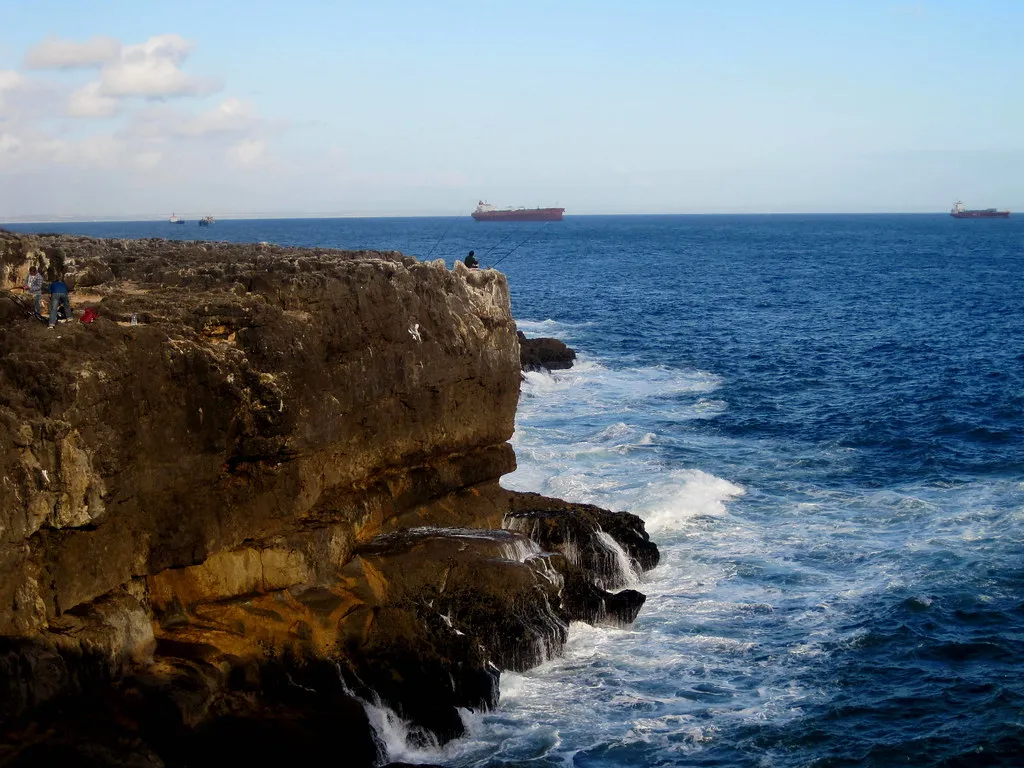
Praia do Tamariz is the beach directly across from the train station. It has soft sand, calm water for swimming, and a saltwater seawater pool integrated into the rocks at the eastern end — a popular alternative for families who prefer wave-free entry into the sea. The beach gets crowded in July and August; arrive before 10:00 to secure a spot near the pool.
Walking along the Paredão seawall connects Estoril to Cascais in a flat 3-kilometre stroll with the Atlantic on one side. You can compare the different character of the two towns by reading an Estoril Beach Travel Guide: 10 Essential Tips and Spots before you decide which beach to prioritise.
Praia do Tamariz gets very crowded in July and August. Arriving before 10:00 secures a spot near the saltwater rock pool at the eastern end of the beach, which is especially popular with families.
Estoril: James Bond, Spies, and Grand Hotels
The spy history of Estoril is well-documented and genuinely fascinating. During the Second World War, Portugal's official neutrality made the town a rare meeting ground where British and German intelligence officers operated simultaneously. The casino was a known venue — agents from opposing sides played cards at the same tables while collecting information.
Ian Fleming visited Estoril in 1941 on a wartime intelligence mission and later drew on the setting for Casino Royale, the first James Bond novel published in 1953. The Palácio Estoril Hotel was the social hub for many of these operatives and still operates as a five-star property today. Walking through its lobby gives a tangible sense of that era — the architecture and scale have changed very little.
The grand hotels along the waterfront — including the Palácio, Hotel Inglaterra, and the InterContinental Cascais-Estoril — were largely built or expanded during this period to accommodate wealthy refugees from occupied Europe. Several Portuguese noble families also settled in Estoril's villa-lined streets, establishing the residential character that distinguishes it from neighbouring Cascais.
Beaches and the Coastal Walkway
Estoril has three main beaches within walking distance of the train station. Praia do Tamariz is the most central and busiest. Praia de São Pedro do Estoril, a short walk east, is smaller and significantly quieter — at low tide the rocky shoreline reveals natural pools that work well for young children. Praia de São João do Estoril sits further east and is popular with local families precisely because it attracts fewer day-trippers from Lisbon.
The coastal cycle path runs from Estoril all the way to Praia do Guincho, about 8 kilometres west of Cascais. Bicycles and e-bikes are available for rent at several points in both Estoril and Cascais at around €10–15 per hour. The path passes the Boca do Inferno sea chasm — a natural rock formation where Atlantic waves funnel upward through a cleft in the cliff — before the terrain turns rugged and wild near Guincho, a beach regularly used for international surfing competitions.
Even if you only walk the Estoril-to-Cascais section, the 3-kilometre promenade takes about 40 minutes at a relaxed pace and passes several seafront cafes where you can stop for a coffee or a glass of local white wine. Explore the wider Estoril Coast Travel Guide: Best Things to Do & Planning Tips if you want to cover more ground by car.
| Beach | Distance from station | Character | Best for |
|---|---|---|---|
| Praia do Tamariz | 50 m | Busy, central, saltwater rock pool | First-time visitors, families |
| Praia de São Pedro do Estoril | Short walk east | Smaller, quieter, natural rock pools at low tide | Young children, quieter days |
| Praia de São João do Estoril | Further east | Local favourite, fewer day-trippers | Escaping summer crowds |
| Praia do Guincho | ~8 km west of Cascais by cycle path | Wild Atlantic, surf conditions | Surfing, windswept scenery |
| Carcavelos | One stop east by train | Wide beach, reliable surf | Beginner surfers, families |
Eating Fresh Seafood in Estoril
Estoril's position on the Atlantic means the fish supply is genuinely fresh and the local kitchens know how to handle it. Grilled sea bream (dourada), monkfish rice (arroz de tamboril), and cuttlefish stew with pasta are standard on menus up and down the coast. Avoid the most obvious tourist-facing terrace restaurants near the casino and walk two streets back — prices drop considerably and the quality is often better.
The 12 Best Estoril Restaurants: A Local's Dining Guide guide covers specific addresses and price ranges. As a rule, a full seafood lunch with wine costs €20–35 per person at a mid-range local restaurant in 2026. The Guincho area west of Cascais has more upscale options with ocean views, but those run €60 and above per person.
For a quick, inexpensive meal, the pastelarias (pastry shops) near the train station serve fresh pastéis de bacalhau (salt cod fritters) and bifanas (pork sandwiches) for €1.50–3 each. These make a practical and genuinely local lunch alternative before an afternoon on the beach.
A full seafood lunch with wine costs €20–35 per person at a mid-range local restaurant in 2026. Walk two streets back from the casino-facing terraces for noticeably lower prices and often better quality.
Watch Estoril Praia Play
Estoril Praia is one of the oldest football clubs on the Lisbon coast, founded in 1939. The club has a history of punching above its weight in the Primeira Liga — it reached the UEFA Europa League in both 2012/13 and 2013/14, and two of Portugal's most decorated managers, Fernando Santos (Euro 2016 winner) and Marco Silva, started their coaching careers at the António Coimbra da Mota stadium.
The stadium holds around 8,000 spectators and is compact by top-flight standards, which puts fans very close to the pitch. The atmosphere on match days is lively but relaxed — this is not an ultras-heavy ground. Tickets typically cost €10–20 and are available at the stadium box office on match days or via the club's website. The ground is located about 2 kilometres inland from the seafront.
The club colours are yellow and blue. If Benfica or Sporting visit, expect a full house and a notably louder crowd than usual. For a casual traveller looking for an affordable, authentic Portuguese football experience without the complexity of Lisbon's big two, this is the best option on the coast.
Museums, Art, and Culture
The Museu dos Instrumentos Musicais, housed in the Palácio dos Marqueses de Pombal in Estoril, holds a carefully preserved collection of antique European and Portuguese instruments including harpsichords and rare stringed pieces. On select dates the museum hosts intimate live concerts in the palace rooms — check locally for the current schedule as these events sell out quickly.
Casa das Histórias Paula Rego in nearby Cascais is one of the most significant contemporary art museums on the Lisbon coast. The building was designed by architect Eduardo Souto de Moura and is immediately recognisable by its twin red-pyramid towers. The permanent collection covers the full arc of Paula Rego's career — her large-format paintings are psychologically charged and unlike anything else in Portuguese museums. Entry costs around €5. Many visitors combine it with a stroll through the Cascais park immediately behind the building.
For a broader look at the area's history and cultural scene, the 10 Best Cascais Tourism Attractions: A Complete Travel Guide guide covers the Museu do Mar Rei Dom Carlos I and the Citadel Palace, both a short walk from Cascais train station.
The Estoril Circuit
The Autódromo do Estoril hosted Formula 1 from 1984 to 1996, and the Portuguese Grand Prix was won here by Ayrton Senna, Alain Prost, and Nigel Mansell among others. The circuit is still active today, running national and international motorsport events as well as track days for amateur drivers. It sits about 4 kilometres north of the town centre.
Visitors can arrange guided tours of the facility in advance by contacting the circuit directly. Driving experience sessions — where you lap the circuit in a road car under instruction — are bookable through the circuit's events office, typically starting around €150–200 for a session. This is the only F1-legacy circuit in Portugal that offers public track access, and it is genuinely overlooked by the mainstream travel guides covering Estoril.
If you are a motorsport enthusiast, combining a morning at the circuit with an afternoon on Tamariz Beach makes for an unusually varied day on the coast. The circuit is reachable by taxi from the train station in about 10 minutes, or by bus from Cascais.
Day Trips from Estoril
Sintra is the most obvious day trip and genuinely earns the hype. The town is 20 minutes from Estoril by train (change at Cascais for the Sintra line, or travel directly from Lisbon's Rossio station). Pena Palace and Quinta da Regaleira are the most visited sites — both require timed entry tickets booked online in advance, particularly from May through September. The UNESCO World Heritage region means the site is busy, so arriving at opening time (09:30) makes a significant difference.
Cascais itself works as a half-day extension from Estoril rather than a full day trip. The walk along the seafront promenade takes 40 minutes, and Cascais town centre adds another 2–3 hours for the marina, the Citadel, and lunch. Carcavelos, one stop east of Estoril on the Lisbon line, has one of the widest beaches on the coast and reliable surf conditions for beginners — several surf schools operate there year-round.
For an outdoor day, the Sintra-Cascais Natural Park offers coastal trails to Cabo da Roca, the westernmost point of mainland Europe, and the dramatic Boca do Inferno cliffs. The park is reachable by bus from Cascais or by bicycle along the extended coastal cycle path.
Good to Know Before Visiting Estoril
The train from Lisbon's Cais do Sodré station is the standard way to reach Estoril. The journey takes around 30 minutes and trains run every 20 minutes throughout the day. A single ticket costs approximately €2.35 in 2026 using a reloadable Navegante card, which is worth buying if you plan more than two train journeys. A taxi from central Lisbon runs €35–45 depending on traffic. The Estoril train station sits directly across from Tamariz Beach — you step off the platform and the sand is 50 metres away.
The best months for beach visits are May through September. July and August are the busiest, with accommodation prices peaking and Tamariz Beach at its most crowded. May, June, and September offer good weather with noticeably fewer visitors. The casino, promenade, and restaurants operate year-round, and winter weekends can be pleasantly quiet for exploring the town on foot.
Most of Estoril's centre is flat and walkable. The casino garden, Tamariz Beach, the train station, and the main seafront restaurants are all within a 10-minute walk of each other. Side streets climbing toward the residential hills above the town are steeper. Wearing comfortable shoes is important if you plan the Estoril-to-Cascais promenade walk or the longer cycle path toward Guincho.
Frequently Asked Questions
Is Estoril in Portugal worth visiting?
Yes, Estoril is definitely worth a visit for its blend of luxury, history, and beautiful beaches. It offers a more relaxed atmosphere than Lisbon while remaining very accessible. You can find great places to stay by checking a neighborhoods guide for the best local options.
What are the best things to do in Estoril?
The top activities include visiting Casino Estoril, sunbathing at Tamariz Beach, and walking the scenic coastal promenade. History fans will enjoy exploring the spy-themed past of the grand hotels. Sports enthusiasts can also catch a local football match at the Estoril Praia stadium.
How long time do you need to visit Estoril?
A single day is enough to see the main sights, but two or three days allow for a more relaxed pace. This extra time lets you explore nearby Cascais and enjoy the local dining scene. It also gives you more flexibility to enjoy the beaches if the weather is nice.
Estoril offers a unique mix of coastal beauty and historical intrigue that appeals to all travelers. From the glamour of the casino to the simple joy of a beach day, there are many things to do in estoril. The town serves as a perfect base for exploring the wider Portuguese Riviera.
Whether you are interested in James Bond history or just want to soak up the sun, this destination will not disappoint. The easy transport links and friendly atmosphere make planning a trip very simple. Start your journey today and discover the timeless charm of this seaside gem. For the wider city context, see our complete Cascais tourism attractions guide. For related Cascais deep-dives, see our Estoril restaurants and Estoril beach vs Cascais guides.
 Free Things To Do In Guimaraes Travel GuideJune 8, 2026
 Guimaraes With Kids Travel GuideJune 8, 2026
 Ovos Moles De Aveiro Travel GuideJune 8, 2026