10 Best Things to Do and Planning Tips for Portimao
Discover the 10 best things to do in Portimao, from the sands of Praia da Rocha to the historic Arade riverfront. Includes local tips, logistics, and dining.
On this page
10 Best Things to Do and Planning Tips for Portimao
Portimao is the western Algarve's second-largest city and the region's busiest cruise port, but it still keeps a working-town character that resort neighbors like Albufeira have largely lost. You can stand on a riverfront where sardine boats still unload at dawn, then walk twenty minutes south to a 1.5-kilometer stretch of cliff-backed sand that dominates every Algarve poster.
The trick is understanding that Portimao is really two places. The old city around the Arade River is the local Portimao — pastelarias, the canning museum, grilled fish stalls. Praia da Rocha, perched on the cliffs to the south, is the resort Portimao — high-rise hotels, beach bars, English breakfasts. Most visitors only see one. This guide covers both and tells you which to base in.
Below are the best things to do in the wider Algarve filtered down to what's actually within Portimao city, plus the logistics that the typical day-trip itinerary leaves out. The 2026 ferry timetable, cruise-day crowd patterns, and a few sardine-festival dates are all current as of this update.
Must-See Portimao Attractions
Praia da Rocha is the headline beach and reasonably so. The sand runs roughly 1.5 kilometers below ochre cliffs, broken by isolated rock stacks that get photographed at sunset. The wooden boardwalk along the back of the sand connects most beach bars, and there are usually a dozen sunbed concessions charging 12 to 18 EUR for two loungers and a parasol in 2026. Arrive before 11:00 in July or August or expect to walk five minutes from the steps before finding clean sand.
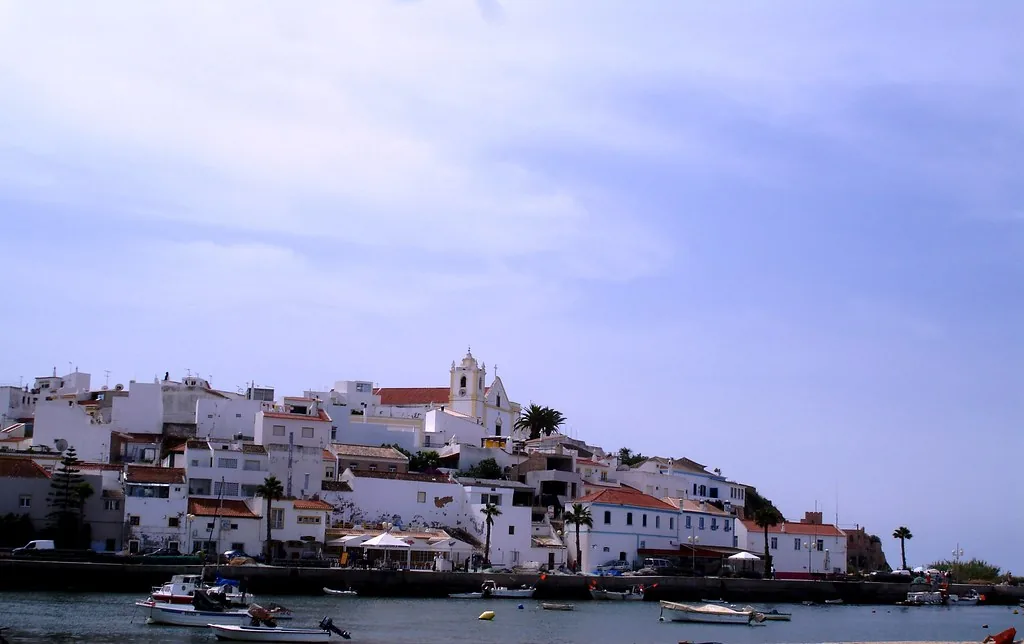
The Ribeirinha is the palm-lined promenade tracing the Arade River north from the marina. It is where Portimao locals actually walk in the evening, especially the stretch between Largo 1º de Dezembro and the old Ponte Velha bridge that links the city to Ferragudo. The early-evening light on the boats here is better than anything you will see at Praia da Rocha.
Fortaleza de Santa Catarina caps the western end of Praia da Rocha and is free to enter. The 17th-century fort was built to guard the Arade River mouth from Spanish raiders and Barbary corsairs. The terrace gives you the only clean view that takes in the cliffs, the river mouth, and Ferragudo on the far bank in a single frame — the postcard angle photographers like Vitor Oliveira from Torres Vedras, Portugal have published from this exact spot.
.jpg)
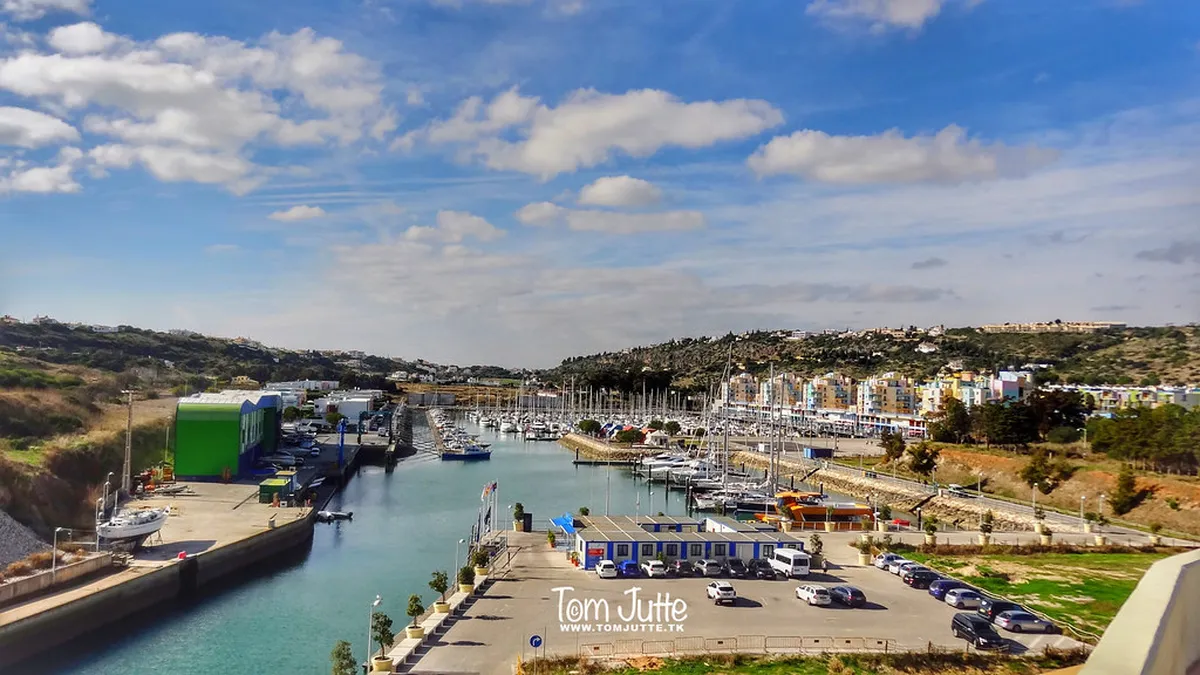
The Portimao Marina sits between the city and Praia da Rocha. It is the departure point for nearly every boat trip in the western Algarve, including the Benagil cave tours covered in our Benagil cave guide. The promenade itself is modern and a bit sterile, but the cafe seating works for a sunset drink before dinner.
Museums, Art, and Culture in Portimao
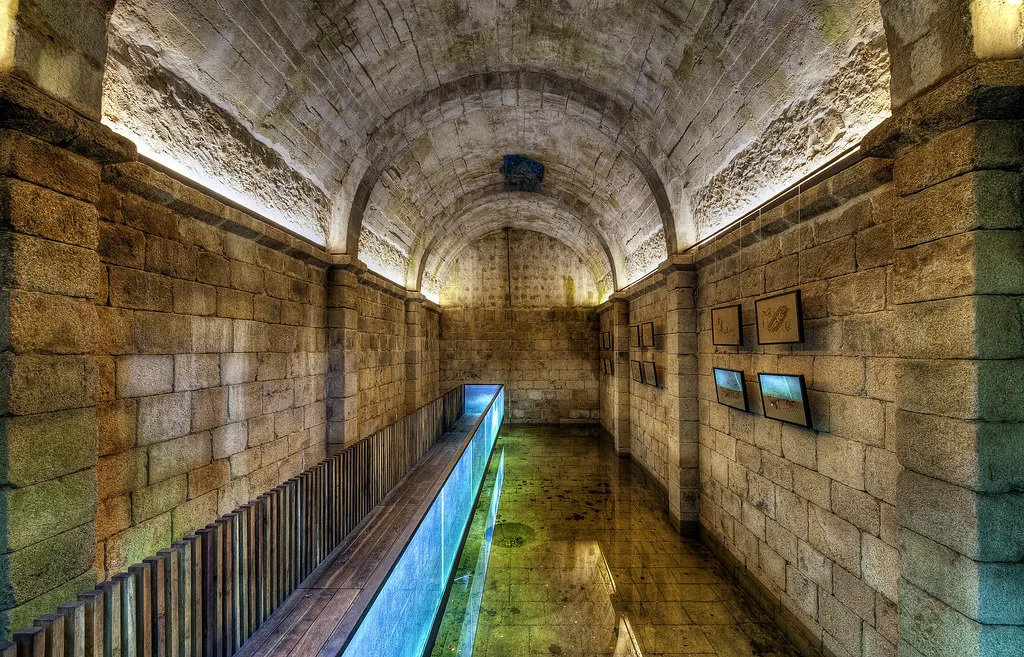
The Museu de Portimao is the single best museum in the western Algarve and the reason to spend time in the old city rather than just hitting the beach. It occupies the restored Feu Hermanos sardine canning factory on the riverfront and preserves the original production line — sorting, gutting, cooking, sealing, labeling — so you walk through the building roughly the way a fish moved through it in 1925. Entry is 3 EUR in 2026, free on the first Sunday of the month, and a quiet 90 minutes is enough. Closed Mondays.
Igreja do Colegio is the 17th-century former Jesuit church a few blocks inland from the river. The yellow-trimmed facade is the most photographed church exterior in the city, and the cool, dim interior is a useful midday refuge when the riverfront hits 35 °C. The merchant Diogo Goncalves funded it after surviving a sea storm; his tomb is in the main chapel.
Igreja da Nossa Senhora da Conceicao, the city's mother church, is two blocks further uphill. It started in the 15th century and shows it in the surviving Gothic doorway and gargoyle. Most visitors miss it because no tour bus stops here.
Street art has gradually colonized the older blocks east of Rua do Comercio in the last few years. The largest pieces sit on factory walls behind the bus station and celebrate the city's canning and fishing past — worth a slow loop if you have an hour before catching a train.
The Museu de Portimao costs just 3 EUR in 2026 and is free on the first Sunday of each month. Plan to arrive at 10:00 when it opens to avoid the cruise-ship crowds that typically arrive from 11:30.
Parks, Gardens, and Outdoor Spots in Portimao
Jardim 1º de Dezembro is the small tiled-bench park beside the river. Each azulejo bench depicts a different scene from Portuguese history, from the founding of the kingdom to the discovery of Brazil. It is the most concentrated piece of folk-art tilework in the city and free to wander at any hour.
The Arade River itself is the city's outdoor amenity. SUP rentals run from the marina in summer for around 18 to 25 EUR an hour, and the protected water inside the Ponte Velha makes it an easier paddle than the open coast. Birdwatchers find more in the salt pans on the Ferragudo side of the river than in town.
The cliff path at Ponta Joao de Arens, west of Praia da Rocha, is the closest piece of genuinely wild coastline to the city center. The footpath runs a couple of kilometers along the cliff edge with views back over the rocks and is almost empty outside peak hours. The Wikimedia Commons photo collection by Aires Almeida from Portimao gives you a sense of the drop. Wear closed shoes; there is no railing for most of it.
.jpg)
For greener walking inland, the wider region's slot canyons, fajas, and miradouros are worth a half-day. Compare options in our roundup of 18 Essential Algarve Hidden Gems and Travel Tips if you want something less obvious than the cliff walks closest to the city.
Family-Friendly and Budget-Friendly Options in Portimao
The Benagil cave boat trip is the single most family-friendly day out from the city. Tours leave Portimao Marina roughly every 30 minutes from 09:00 to 17:00 in 2026 and cost 25 to 35 EUR per adult, about half that for children under 12. Kayak and SUP versions of the same trip require a bit more swimming confidence and are not great with under-eights.
Praia do Vau is the family-favorite alternative to busy Praia da Rocha, about 3 kilometers west. Calmer water, rock pools at low tide, and a much smaller boardwalk strip mean it is easier with strollers and toddlers. The 56 city bus from Praia da Rocha terminates within a five-minute walk. For a wider shortlist of family-friendly sand, our list of the best beaches in the Algarve ranks them by access and shade.
The Mercado Municipal on Rua Dom Carlos I is the cheap-eats anchor for budget travelers. Stalls open from 07:00 to 14:00 Monday to Saturday, and the upstairs cafes serve a full lunch — soup, grilled fish, salad, wine — for around 9 to 11 EUR in 2026, well below restaurant prices a block south.
If you are traveling with kids and weighing how much of the wider region to fit in, the trade-offs are laid out in our Algarve 3-day itinerary, which slots Portimao alongside Lagos and Carvoeiro without turning into a coach-tour pace.
Real Portimao vs Resort Portimao: A Practical Trade-off
This is the single most useful framing for planning a trip and almost no other guide spells it out. Portimao functions as two separate towns that happen to share a postcode. The old city around the Arade River is working Portugal — pastelarias, the canning museum, school-run traffic, grilled-fish lunch crowds of locals on Saturday. Praia da Rocha, two kilometers south on the clifftop, is resort Portugal — 1970s-and-later high-rises, English and German signage, sports bars, late-opening restaurants priced for sunburnt tourists.
The choice matters because once you check in you mostly stay near your hotel. Base in the old city if you want a working-town atmosphere, can handle a 20-minute walk or a 3-EUR cab to the beach, and care about eating where Portuguese families eat. Base in Praia da Rocha if you have small children, a mobility constraint that makes daily beach walks painful, or a holiday brain that just wants sand outside the front door. Couples on short trips often find the old city is more rewarding even if every guidebook steers them toward the cliffs.
One detail that gets lost: the Portimao cruise terminal sits between the two. On cruise-ship days — typically 20 to 30 days a year, posted on the port authority's calendar — Praia da Rocha gets a sudden 1,000-passenger bump from 11:00 to 15:00 and the riverfront restaurants fill at 12:30. If you can read the schedule before booking, do.
How to Plan a Smooth Portimao Attractions Day
Start at the Mercado Municipal at 08:30 for coffee and a freshly baked Bolo de Dom Rodrigo. The market is fully alive by 09:00 and the riverfront is still cool enough to walk without sunscreen burning into your eyes. Cross to the Museu de Portimao for the 10:00 opening — you want to be inside the old canning factory before the cruise crowd arrives at 11:30.
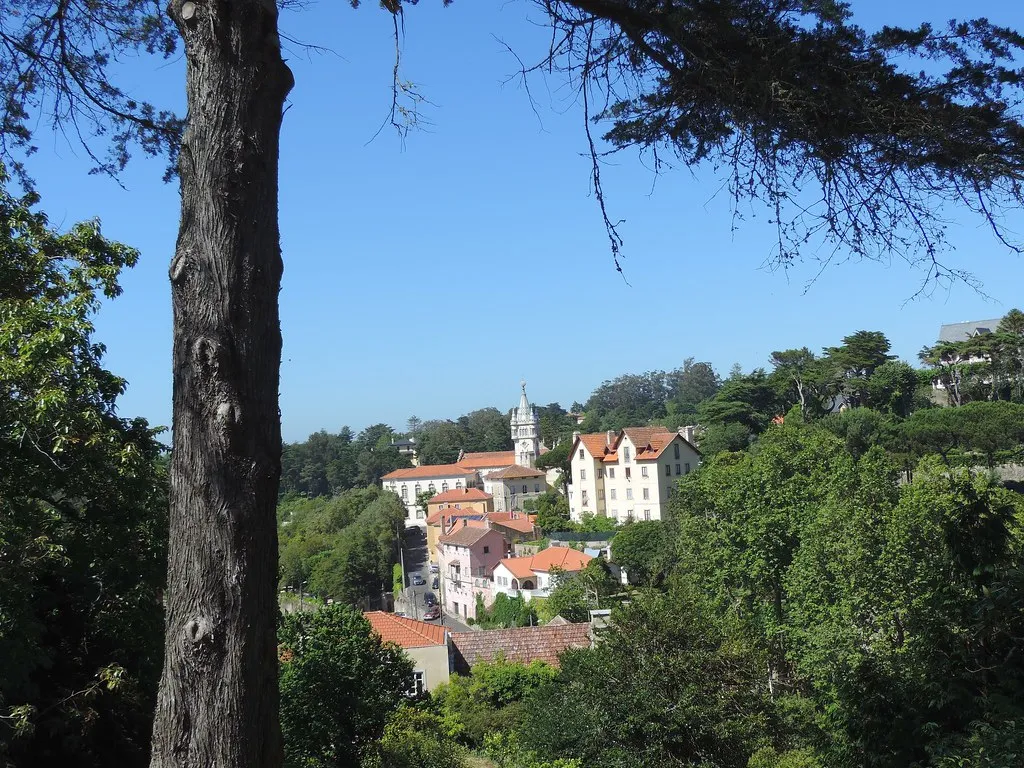
Walk the Ribeirinha south to the marina from around 11:30, then either catch a Benagil cave boat (booked the day before; same-day slots usually gone by 10:00 in summer) or push on to Praia da Rocha for an afternoon on the sand. Lunch inland at one of the grilled-sardine stalls near the old bridge between 13:00 and 14:30 if you are not on a boat; outside that window the charcoal is cold.
End the day at Fortaleza de Santa Catarina for sunset around 20:30 in June and July, 18:30 in winter. The terrace is free, faces straight into the setting sun across the river mouth, and is a five-minute walk down to dinner at the marina or back up to Praia da Rocha. Skip the high-rise hotel bars on the cliff and walk one block inland — the same sangria costs 3 EUR less and the customers are local.
Portimao Planning Cheatsheet
Getting in is straightforward. The A22 toll motorway connects to Faro Airport in under an hour and to Spain's Huelva in 90 minutes. The Linha do Algarve regional train stops at Portimao station, a 15-minute walk north of the river, with hourly services from Faro for 6.00 EUR one-way and a 3.5-to-5-hour ride from Lisbon (one change at Tunes) for around 30 EUR. Long-distance buses with Rede Expressos and Flixbus run direct from Lisbon for 10 to 20 EUR and take roughly 4 hours.
The best months to visit are May, June, late September, and early October. July and August are loud, hot, and three times the price; winter is mild but quiet, with most beach bars shut from mid-November to mid-March. If you are stretching euros, the patterns in our 10 Best Towns in the Algarve comparison show where Portimao sits on the budget scale relative to Lagos, Tavira, and Sagres.
Walking handles the old city and the river-to-marina stretch. Praia da Rocha sits on a cliff above the marina — there are stairs and a free elevator from Avenida Tomas Cabreira, or a flat 25-minute coastal walk. Bolt and Uber both operate; rides from old city to Praia da Rocha run 4 to 6 EUR in 2026.
- Quick transport reference
- From Faro Airport: 1 hour by car, 1.5 to 2 hours by train
- Train station: 15-minute walk north of the river
- Long-distance bus terminal: opposite the train station
- City-center to Praia da Rocha: 25 minutes on foot or 4 to 6 EUR by ride-hail
- Cruise port: walking distance from both old city and Praia da Rocha
July and August bring peak crowds and prices roughly three times higher than off-season. Most beach bars close from mid-November to mid-March, so a winter visit means a quieter but more limited experience.
Where to Stay: Neighborhood Guide
The old city around Rua do Comercio and Largo 1º de Dezembro is the right base if you want to wake up in working Portugal. Hotels here are mostly small B&Bs and three-star renovations in 19th-century townhouses, with doubles in the 80 to 140 EUR range in 2026. You walk to the museum, the market, and grilled-sardine row, and Praia da Rocha is a 25-minute amble or a quick ride.
Praia da Rocha is where the high-rise hotel stock sits. The Bela Vista Hotel & Spa is the long-standing beachfront luxury choice at 300 EUR plus; mid-range picks include RR Hotel da Rocha and the older Algarve Casino Hotel, both directly above the sand. Pick this neighborhood if your kids will revolt at any non-pool transition or if mobility is a real factor — everything you need is on Avenida Tomas Cabreira.
The Portimao Marina sits between the two, with the modern Jupiter Marina Hotel as the standout. It works for couples who want something stylish without the cliff-top resort feel — a 10-minute walk to either the old city or Praia da Rocha. For a quieter base, see our 10 Essential Tips for Your Praia da Rocha Portimão Guide, or consider villages with a slower pace covered in Things To Do In Carvoeiro: The Ultimate Algarve Travel Guide.
Restaurants and Dining in Portimao
Grilled sardines are not metaphorical here. The cluster of restaurants under the south side of the Ponte Velha bridge — Forte e Feio, Dona Barca, A Casa do Avo — grills sardines on charcoal on the sidewalk between 12:30 and 14:30, then again from 19:00. A meia-dose of six sardines with potatoes and salad runs 9 to 12 EUR in 2026; the smoke and the smell tell you where to walk before any menu does. The annual Festival da Sardinha in early August takes over the riverfront with cheaper portions and live music.
Cataplana de marisco — the copper-pan seafood stew that is Algarve's signature dish — is best at A Lota near the marina or at Dona Barca. It is sized for two people, costs 35 to 50 EUR for the pan, and arrives bubbling. Order it 20 minutes before you actually want it; nobody pre-cooks cataplana.
For inexpensive lunch the Mercado Municipal upstairs runs prato do dia plates of grilled fish, soup, and a small carafe of wine for 9 to 11 EUR. For pastry stops, Pastelaria Antonieta on Rua do Comercio has been making Dom Rodrigo almond cakes since the 1970s and is where locals go when a non-Portuguese cafe is selling tourist-priced versions of the same thing two doors away.
How Long to Spend in Portimao
A day trip from a base in Lagos or Albufeira covers the headlines: museum, riverfront, sardine lunch, an hour at Praia da Rocha. If that is all you have, leave early and skip the cliff walks. Visitors slotting Portimao into a wider trip will find it pairs naturally with the spots in 15 Best Things to Do in Albufeira: 2025 Algarve Guide on a one-day east-west itinerary.
Three days is the sweet spot. Day one is the old city and museum; day two is a Benagil cave boat plus a full beach afternoon; day three is a day trip to Silves or Lagos. You will also start to figure out where to eat without checking reviews, which is the actual point of a three-day stay anywhere.
A week makes Portimao a base camp. From here you can hit Sagres at the far western tip — the wild end of Europe is covered in our 17 Best Things to Do in Sagres: 2026 Travel Guide guide — and still be back for dinner. Self-catering apartments at the marina end of the city open up at this length of stay and trim costs versus daily hotel meals.
Day Trips to Lagos and Silves
Silves is the inland day trip and the one most visitors skip. The town climbs a hill 15 kilometers north of Portimao, dominated by a red sandstone Moorish castle that is the most intact in the Algarve. Trains from Portimao take 15 minutes and cost 1.55 EUR one-way in 2026; the walk from Silves station to the castle is 20 minutes uphill. Go for half a day and combine it with lunch at one of the riverside restaurants near the old Roman bridge.

Lagos is the coastal day trip and the busier one. Trains run hourly and take 25 minutes for 2.55 EUR. Once there, the Ponta da Piedade cliff walk and the Lagos beaches are the headlines, alongside the central sights and activities in the old town. Lagos is a busier, prettier, more obviously touristy town than Portimao — useful context for the Real-vs-Resort framing earlier in this guide.
If you have a car or are willing to take the slower bus, the wild southwestern tip at Sagres is the contrasting day trip — empty cliffs, surf, and Cape Saint Vincent, the last lighthouse before Brazil. The three-town circuit of Portimao, Silves, and Sagres gives you industrial, medieval, and natural Algarve in roughly equal doses, which is more interesting than visiting three beach towns in a row.
Frequently Asked Questions
Is Portimao worth visiting for a day trip?
Yes, Portimao is definitely worth a day trip to see the Museu de Portimão and Praia da Rocha. You can enjoy a traditional sardine lunch by the river and explore the historic center. Check our blog for more regional travel tips.
Which area is better: Portimao or Praia da Rocha?
Portimao city center is better for local culture, history, and traditional dining. Praia da Rocha is ideal for travelers who want direct beach access and a lively nightlife scene. Both areas are within walking distance of each other.
What is the best way to get around the city?
Walking is the best way to explore the riverfront and the city center. For reaching further beaches or the train station, you can use local buses or affordable ride-sharing apps. The city is mostly flat and very pedestrian-friendly.
Portimao rewards visitors who understand that it is two towns sharing a name. The old city gives you working Portugal — the canning museum, the sardine-grill smoke, the tiled benches, the Saturday market. Praia da Rocha gives you the resort version — the long cliff-backed beach, the high-rise hotels, the easy English menus. The best trips use both deliberately rather than accidentally.
For a short visit, anchor the day at the Museu de Portimao and the riverfront, then drop down to Praia da Rocha for the afternoon. For a longer stay, base in the old city, use the trains to Silves and Lagos for day trips, and end most evenings on the marina or at the fort. The city is small enough to make all of this easy and varied enough to keep a week from feeling repetitive.
Whichever side of Portimao you choose, the seafood, the river light at sunset, and the cliff walks are the through-line. Safe travels, and order the cataplana with twenty minutes to spare.
For more Algarve city deep-dives, see our Albufeira trip guide and Carvoeiro guide guides.
 Faro Weather By Month: 8 Key Climate InsightsJune 4, 2026