
Algarve in Winter: The Ultimate Guide to Sun and Seafood
Discover the Algarve in winter. Our guide covers the best towns for snowbirds, winter weather expectations, citrus harvest tips, and how to save 50% on luxury stays.
On this page
Algarve in Winter
I visited the Algarve last January and found the crisp air perfect for hiking, the orange groves heavy with fruit, and Lagos cafes still full of locals at lunch. Late February to mid-March is the sweet spot for most travelers — almond blossoms cover the inland hills and daytime highs nudge 18°C / 64°F. Updated May 2026 from my winter 2026 visit to keep prices, ferry schedules, and festival dates current.
The Algarve in winter is a snowbird-friendly escape with 300+ sunny days a year, sea-cliff trails empty of crowds, and luxury resort rates that drop 40–60% off August prices. It is not bikini weather, but the bright blue skies, citrus harvest, and Carnival season give the coast a personality you simply cannot see in July. This guide helps you pick the right base, set expectations on weather, and find the towns that stay alive once the summer charter flights stop.
Algarve in Winter at a Glance
The southern coast of Portugal transforms into a quiet sanctuary once the summer crowds depart in late October. Daytime temperatures usually hover around 16–18°C / 61–64°F from December through February, with January the coolest and March the brightest. You can walk Meia Praia at low tide for an hour and pass fewer than ten people. It is the perfect time for an Algarve on a Budget: 8 Essential Planning Tips trip — apartment rentals in Albufeira and Lagos routinely list for €35–60 per night.
Working cities like Faro, Lagos, Portimão, and Tavira remain fully active throughout the year because they have year-round populations and student communities. Smaller resort villages — think Armação de Pêra, Carvoeiro side streets, parts of Quarteira — feel close to ghost towns in January when most beachside bars shutter. Anchor your stay in a larger hub and day-trip out, and you will find open restaurants, working buses, and an authentic Portuguese rhythm.
Why Visit the Algarve in Winter: Weather, Crowds, and Costs
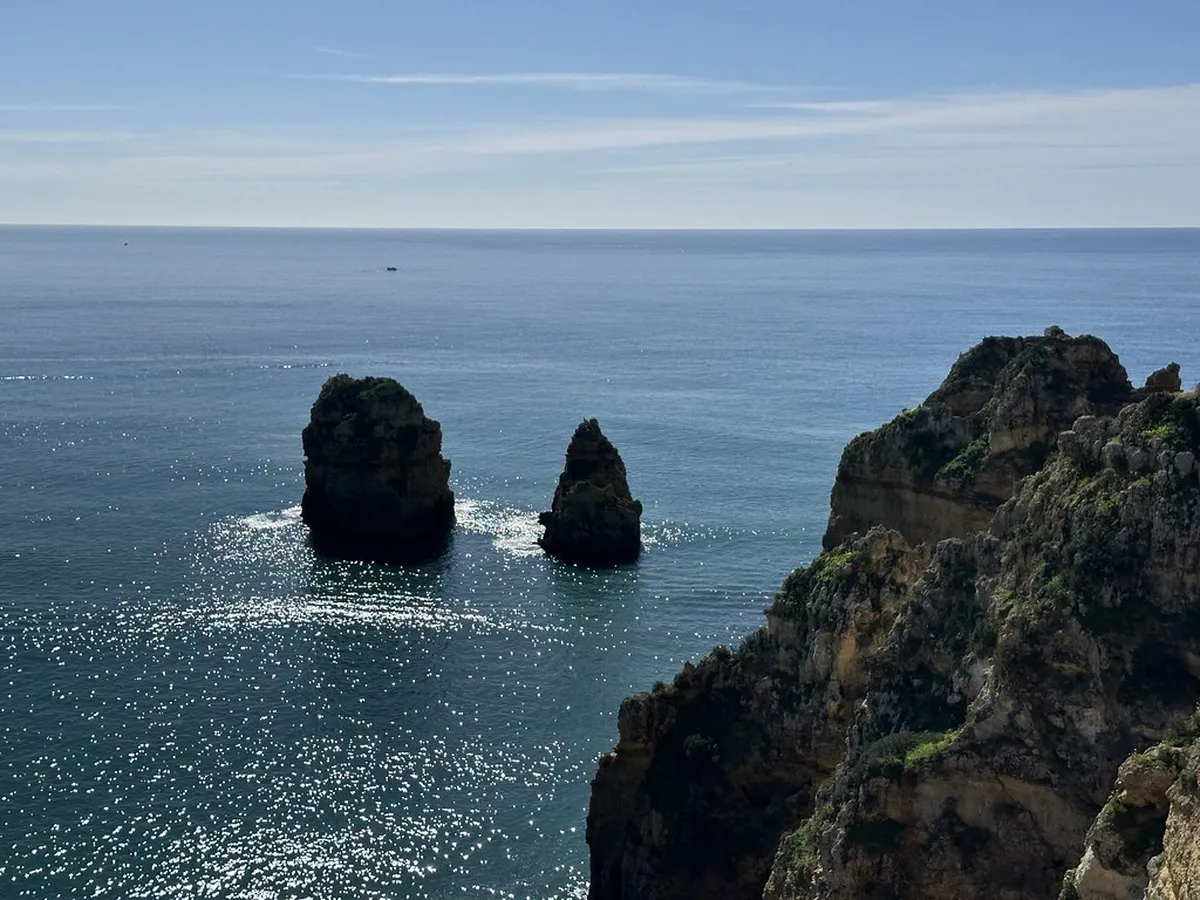
Three reasons drive the off-season case. First, weather: the Algarve gets 300+ days of sunshine a year, and even in January the sun is strong enough for a long beach walk in a fleece. Second, crowds: you can get a same-day table at restaurants that have a two-hour summer queue, and the Pontal de Ponta da Piedade clifftop trail is essentially yours alone at sunrise. Third, cost: high-end hotels and apartments slash rates 40–60% versus August.
The trade-offs are real and worth knowing. The Atlantic stays around 15°C / 59°F, so swimming is for surfers in wetsuits, not casual bathers. Rain comes in short bursts — typical winter months see 8–12 rainy days, but most pass within a couple of hours. Some attractions shut: water parks like Slide & Splash and Aquashow close from October until April, and Benagil Cave boat tours cancel often when Atlantic swells exceed two meters. Plan museums, markets, and historic towns as your foul-weather backstops.
Late February to mid-March is the sweet spot for most winter visitors: daytime highs reach 17–18°C / 63–64°F, almond blossoms cover the inland hills, and hotel rates are still at their winter lows before the spring shoulder surge.
Season Comparison: Winter vs. Shoulder Months
Understanding the nuances of each month helps you plan the best possible itinerary. November often brings the last lingering warmth and the first decent surf swells. January is typically the coolest month but also offers the most striking clarity for coastal photography. Rain is possible but usually comes in short bursts rather than lasting for days, and skies clear quickly afterward.
Shoulder months like May or October offer warmer seas for those wanting to swim. In contrast, winter is the prime season for golfers and serious hikers — the Best Time to Visit Algarve: Weather and Seasonal Guide for the Fisherman's Trail is November to March. Prices for car rentals, flights, and accommodation are at their absolute lowest. Cross-reference our Algarve Weather By Month: Climate Data and Monthly Averages guide before booking.
| Month Range | Daytime Temp | Crowds | Prices | Best For |
|---|---|---|---|---|
| Early Nov to Mid-Dec | 18°C / 64°F | Very Low | Low | Quiet coastal walks, surfing |
| Late Dec to Early Jan | 16°C / 61°F | Moderate | Medium | Christmas markets, holidays |
| Late Jan to Mid-Feb | 15°C / 59°F | Very Low | Lowest | Citrus harvest, Loulé Carnival |
| Late Feb to Mid-Mar | 17°C / 63°F | Low | Low | Almond blossoms, golf, hiking |
Is the Algarve Warm Enough in Winter?
Many travelers ask if they can sunbathe in the Algarve during the winter season. The honest answer: the sun is strong enough for shirt-sleeves at midday in a sheltered spot, but air temperatures rarely exceed 20°C / 68°F. You will want a sweater the moment the sun drops behind a cliff in the late afternoon, and the Atlantic remains chilly at around 15°C / 59°F. Locals will tell you frankly that it is not "lying on a towel in a bikini" weather for most of December through February.
A regional quirk called the Levante wind occasionally blows warm air up from North Africa, pushing temperatures into the low 20s°C / low 70s°F for two or three days at a stretch. Sheltered south-facing spots — Praia da Marinha, the Lagos marina terrace, the Tavira riverside — feel several degrees warmer than the official forecast. I suggest booking accommodation with central heating; many older stone houses are unheated and can feel damp on cloudy mornings, which is the single most common complaint from first-time winter visitors.
Snowbirds, Long Stays, and Who the Winter Algarve Suits
The Algarve is one of Europe's top snowbird destinations because monthly apartment rentals between November and March routinely land in the €700–1,200 range for a one-bedroom in Lagos or Albufeira, and €900–1,500 for two bedrooms with a pool view. Many Canadian and British retirees stay for three to five months on the strength of mild weather, English widely spoken, direct flights from London and Toronto, and a public hospital system that handles tourist emergencies well.
It suits walkers, golfers, surfers, food lovers, gluten-free travelers (Portuguese restaurants increasingly offer celiac-safe menus), and anyone wanting a slow pace. It does not suit nightlife seekers — Albufeira's famous "Strip" is essentially dormant in January — or travelers expecting hot beach weather. If you are weighing locations, our Lagos in winter deep-dive compares Lagos directly with Tavira and Albufeira for long-stay snowbirds.
Pick X If: Choosing Your Winter Base
Choosing the right base is essential for a successful winter trip to southern Portugal. Some towns are better suited for long-term snowbirds while others cater to weekend explorers and weekend hikers. You should consider your interests like golf, hiking, history, or food before booking. Browse our 12 Best Things to Do in the Algarve pillar guide for cross-season inspiration.
- Pick Lagos if you want surfing, dramatic coastal cliff walks, and a young expat scene
- Pick Faro if you want museums, a working-city atmosphere, and easy airport access
- Pick Vilamoura if you want world-class golf and an upscale marina with year-round restaurants
- Pick Tavira if you want authentic Portuguese charm, slow-paced living, and great seafood
- Pick Albufeira if you want a central base, beach access, and the widest supermarket selection
- Pick Silves if you want inland calm, medieval history, and orange groves at your doorstep
Vibe Check: Major Algarve Towns in Winter
This is the table I wish someone had given me before my first winter trip. It rates the major bases on three practical axes — how lively the streets feel, how many cafes and shops remain open, and how easy it is to find outdoor activities once you arrive.
| Town | Quietness | Open Amenities | Outdoor Activity Level |
|---|---|---|---|
| Lagos | Pleasantly quiet | High — most restaurants open | High — surf, hiking, boat tours |
| Faro | Working-city buzz | Very High — full year-round | Medium — birding, museums |
| Tavira | Very quiet | Medium — many open weekdays | Medium — ferries reduced |
| Albufeira | Quiet old town, dead Strip | Medium — supermarkets all open | Medium — beach walks, day trips |
| Vilamoura | Resort-quiet | Medium-High — marina open | High — golf, walking trails |
| Armação de Pêra | Near-deserted | Low — most bars closed | Low — birding the lagoon |
| Silves | Quiet but local | Medium — cafes around square | Medium — castle, hiking |
Lagos in Winter: Surfing and Coastal Cliffs
Lagos is a favorite for younger travelers, digital nomads, and surfers during the winter months. The Atlantic swells are at their most consistent from November through March, making nearby breaks at Praia do Amado and Zavial paradise-grade. Surf schools in the 18 Essential Algarve Hidden Gems and Travel Tips area west of Lagos run group lessons for €40–55 including a 4/3mm wetsuit. The famous cliffs of Ponta da Piedade are stunning under the low winter sun.
Hiking trails like the Fisherman's Trail are much more comfortable without the summer heat — temperatures sit in the 15–18°C / 59–64°F range, ideal for the long coastal stages. I recommend visiting the Saturday market on Avenida dos Descobrimentos for fresh fish and citrus, and grabbing a pastel de nata at Pastelaria Gombá. Many cafes in the old town stay open all winter to serve the local community. For more activity ideas, view the Lagos Sights and Activities guide.
Silves — Medieval Walls and Rolling Orange Groves
Silves is the former Moorish capital and offers a deep dive into Portuguese history that few summer day-trippers ever experience properly. The red sandstone castle stands out beautifully against the green winter landscape and rolling citrus groves. I once spent a sunny December afternoon exploring the quiet cobblestone streets and climbing the castle walls in 17°C / 63°F weather — far more comfortable than the 38°C / 100°F summer norm. Pair Silves with nearby Monchique for a full inland day; our 13 Best Things to Do in Monchique guide maps the route.
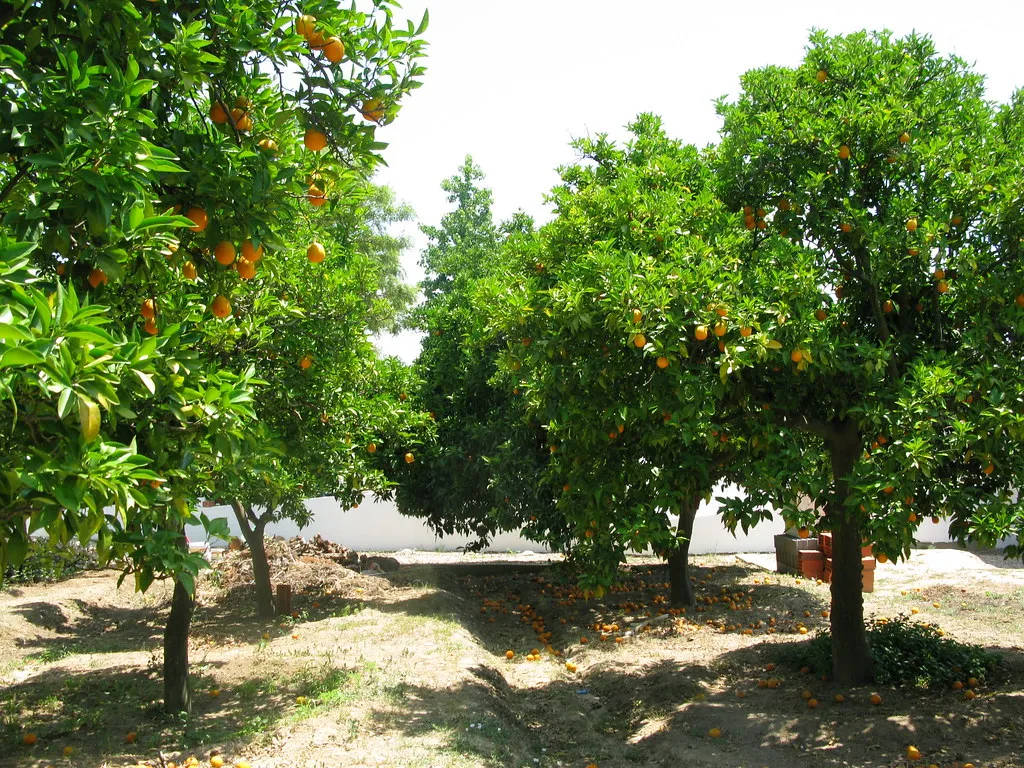
Winter is also peak season for the famous Algarve oranges — sweet, thin-skinned, and harvested from late November through February. The Silves Orange Festival (Festa da Laranja) runs over a weekend in early February with live folk music, hot orange cake, and stalls selling 5-kilo bags for €4–6. The town's small Saturday market sells the freshest fruit anywhere in the region. This inland escape belongs on any 10 Best Algarve Historic Towns for History Lovers route.
Vilamoura in Winter: Marina Views and World-Class Golf
Vilamoura is the Algarve's most polished resort, and winter is when golfers fly in for tee times that book three months ahead in summer. Six championship courses sit within a ten-minute drive — Old Course, Pinhal, Laguna, Victoria, Millennium, and Dom Pedro — with green fees dropping to €70–110 in low season versus €150–200 in spring and summer. Tee times after 13:00 frequently discount further.
The marina itself stays active year-round because of the resident yachting community and a cluster of restaurants and wine bars that never close. Long, flat walking paths circle the marina and link to Praia da Marina and Praia da Falésia — the latter is the most photogenic beach in the central Algarve, with ochre cliffs glowing at golden hour. For couples wanting a calm, well-appointed winter base without the hassle of an old town, see our 8 Best Tips for Planning an Algarve for Couples Trip guide.
Faro — Old Walls, Tidal Landscapes, and Winter Calm
Faro is often overlooked but serves as a fantastic winter base for culture lovers and birdwatchers. The historic Old Town inside the walls is home to the Cathedral, the Bone Chapel (Capela dos Ossos), and the Municipal Museum, all open year-round and clustered within a 10-minute walk. I suggest taking an early-morning boat tour through the Ria Formosa Natural Park to see flamingos, spoonbills, and stilts — the lagoon is one of Portugal's most important wintering grounds for migratory birds, and a 90-minute tour runs about €30 in low season.
The city feels authentic because it does not rely solely on summer tourism — students from the university, year-round civil servants, and an active retiree community keep cafes busy on weekdays. A perfect rainy-day plan: Faro Cathedral, Museu Municipal, lunch at A Tasca for cataplana, then a 15-minute taxi to Estoi Palace to see the rococo gardens. The official Visit Portugal – Algarve site lists current Christmas and Carnival event schedules.
Tavira — The Riviera of the Algarve
Tavira is widely considered the most beautiful town in the entire region, and winter strips away the cruise-tour crowds to reveal it. The Gilão River reflects the white houses and the ancient Roman bridge, and you can wander cobblestone alleys in 16°C / 61°F sun without bumping into another tourist. Winter in Tavira is exceptionally peaceful and perfect for couples seeking a slow pace. Our 18 Best Things to Do in Tavira: A Complete Algarve Guide resource maps the best walking loop.
The nearby beaches on Tavira Island are accessible by a short ferry ride from Quatro Águas — note the winter schedule drops to four crossings a day, with the last return around 17:30. While the water is cold, the long stretches of empty sand are ideal for shell-collecting and meditative walks. Local tavernas like Aquasul and Veneza serve fresh octopus and clams (Conquilhas) caught in the nearby lagoon. The Tavira Tourism Guide lists current winter ferry schedules.
Pêra — Dunes, Birds, and Serene Coastal Paths
Pêra (officially Armação de Pêra) is half asleep in winter — most beachside bars and the seafront promenade clubs are closed from October to Easter. But that is exactly why birdwatchers love it. The Lagoa dos Salgados, a coastal lagoon just behind the dunes, becomes one of the most important winter wetlands in southern Europe. From December through February you can see flamingos, white storks, purple swamphens, and Eurasian spoonbills on a quiet two-hour loop walk along the wooden boardwalks.
Pack binoculars, walk the boardwalk from the western parking lot (free, signposted off the N125) and continue along the dunes toward Galé. Bring snacks — only one cafe near the lagoon stays open in winter. Pêra is not a base, it is a day trip. Stay in Albufeira or Carvoeiro and drive 15 minutes out for one of the most under-discussed nature experiences on the Algarve coast.
What's Closed in Low Season?
It is important to manage your expectations regarding tourist attractions and amenities in winter. Major water parks like Slide & Splash, Aquashow, and Zoomarine close from October until April. Many beach-side bars in smaller resorts like Armação de Pêra and Praia da Luz stop operating entirely after the last summer charter flight. Boat tours to the Benagil Cave run weather-dependent — expect a 50% cancellation rate in December and January when Atlantic swells exceed 2 meters.
Some hotels use the quiet winter months to perform noisy renovations, so check recent reviews before booking. I recommend calling ahead to confirm specific restaurants are still serving dinner — Monday and Tuesday closures are widespread off-season. Public transport schedules, especially the local Vamus buses, are significantly reduced, sometimes to four buses a day on minor routes. Major museums, castles, the Ria Formosa boat tours, and all working markets generally remain open to the public.
Benagil Cave boat tours cancel roughly 50% of the time in December and January when Atlantic swells exceed 2 metres. Always check the morning of your planned tour and have a museum or market itinerary ready as a backup.
Loulé Carnival and February Festivities
Most winter guides skip this entirely, but February is the Algarve's most lively cultural month. Loulé Carnival, held over three days the weekend before Lent, is the oldest Carnival in Portugal and runs since 1906. Three big parades of satirical floats roll through the town center, samba schools perform on the main stage, and street food stalls serve farturas (Portuguese churros) and grilled chouriço. Tickets for the parade-route seating cost €5–10; arrive an hour early for a free standing spot near the start.
Smaller Carnivals run the same weekend in Quarteira, Lagos, and Sesimbra. The Silves Orange Festival usually lands the weekend before Carnival, which gives you a near-perfect two-weekend itinerary in early February: oranges Saturday, Carnival the following Friday and Sunday. Pair with the almond-blossom drives between Tavira and Castro Marim for what is genuinely the best week to be in southern Portugal in the entire calendar year.
What to Pack for a Winter Trip
Packing for the Algarve in winter requires a strategy of versatile layers. The temperature can change rapidly when you move from the sun into the shade or when an Atlantic wind kicks up along an exposed clifftop. Our late-January trip to Sagres was windy enough that a windbreaker was absolutely essential. You should also pack a swimsuit — many hotels and resorts keep their heated indoor pools running all winter, and some have spa thermal circuits worth a half-day.
- Lightweight cotton t-shirts and long-sleeved shirts for the middle of warm days
- A fleece or light puffer for chilly evenings and breezy coastal walks
- A waterproof shell or compact umbrella for occasional winter rain showers
- Comfortable walking shoes with grip for cobblestone streets and cliff trails
- Sunglasses and SPF 30 — the winter sun is surprisingly strong on south-facing beaches
- A swimsuit for heated pools and the rare brave dip on a Levante-warmed day
Winter in the Algarve for Foodies: Seafood and Citrus
Winter is the best time to sample the heartier side of Portuguese cuisine. The Cataplana — a rich seafood-and-pork stew named after the copper clam-shell pot it is cooked in — is perfect for cooler days, and most family-run restaurants ladle it tableside for two for €30–40. You will find that local clams, known as Conquilhas, are exceptionally fresh from the Ria Formosa lagoon during November and December and turn up in everything from arroz de marisco to simple garlic-and-coriander sautés.
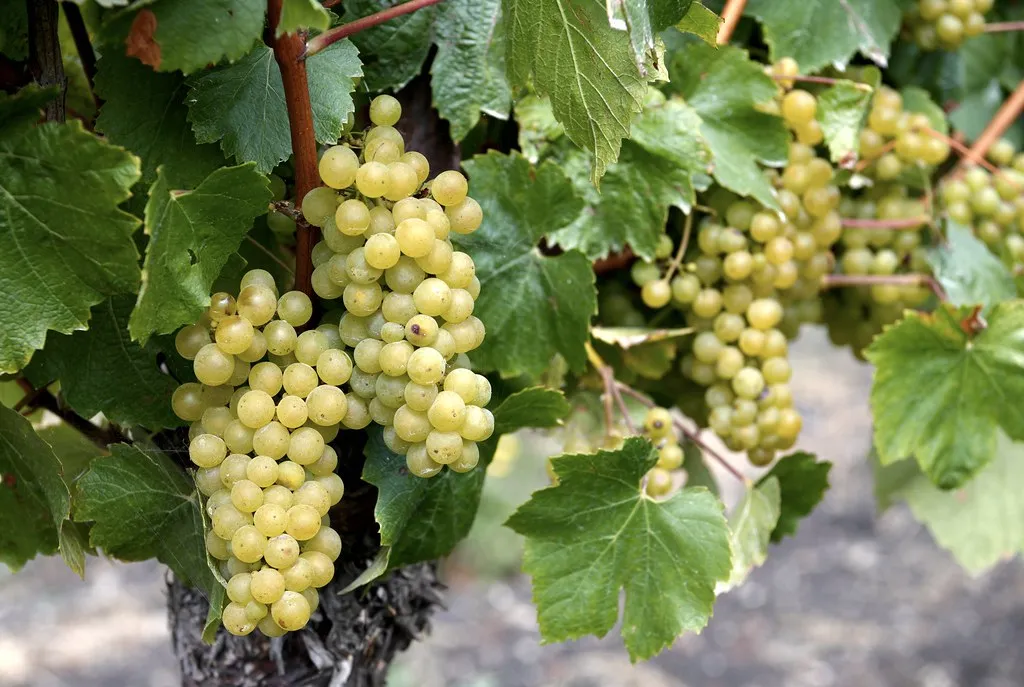
I love visiting the morning markets in Loulé (Saturdays the biggest) or Olhão (a daily Mercado Municipal) during the winter months. The lack of crowds means vendors actually chat about what is in season — winter oranges, lemons, almonds, monkfish, octopus, dried figs. Do not miss the chance to try Medronho, the local firewater distilled from arbutus berries in the Monchique hills. It is strong (typically 40–48% ABV) and locally claimed to keep you warm; the truth is somewhere between folklore and lived experience.
Frequently Asked Questions
Is the Algarve a good winter destination for snowbirds?
Yes, the Algarve is excellent for snowbirds due to its mild climate and low costs. Many retirees stay for months to enjoy the sun. You will find a welcoming community in towns like Lagos and Tavira.
Can you swim in the Algarve in December?
Swimming in the ocean is quite cold in December as water temperatures drop significantly. Most people prefer using heated hotel pools instead. However, surfers often wear thick wetsuits to enjoy the winter Atlantic swells.
Which Algarve towns are not ghost towns in winter?
Faro, Lagos, and Portimão remain very active during the winter months. These are working cities with year-round populations. Avoid small seasonal resorts like Quarteira if you want a lively atmosphere.
The Algarve in winter is a rewarding destination for those who value peace, authenticity, and a working local culture. You can explore stunning landscapes, historic towns, citrus groves, and Carnival parades without the stress of summer crowds. While the weather is not tropical, the mild sun is perfect for an active outdoor holiday — hiking, golf, surfing, birding, slow lunches that stretch into the afternoon.
Planning ahead will ensure you find the best open restaurants and comfortable accommodation in a town that stays alive after dark. Use this time to connect with locals at markets and tavernas, and enjoy the world-class seafood at your leisure. The southern coast is waiting to surprise you with its winter charm, bright blue skies, and surprisingly long list of things to do.
 Faro Weather By Month: 8 Key Climate InsightsJune 4, 2026
 10 Best Towns in the Algarve (2026 Travel Guide)May 17, 2026