13 Best Things to Do in Monchique (2026)
Discover the best things to do in Monchique, from the peaks of Fóia to the thermal baths of Caldas. Plan your trip with our expert guide to the Algarve's mountains.
On this page
13 Best Things to Do in Monchique
After my fourth visit to the Serra de Monchique, I still find new corners to explore in this emerald mountain range. While most visitors stick to the beaches, heading inland reveals a side of the 12 Best Things to Do in the Algarve that feels worlds away from the Atlantic surf. The air here is cooler, scented with eucalyptus and pine — a welcome respite from the peak summer heat. I wrote this 2026 guide to help you navigate the winding roads and find the most authentic experiences in the hills.
This refresh covers updated thermal-spa pricing for 2026, the post-2018-fire trail conditions on Picota and Fóia, and the new artisan studios that have opened since the wildfires. Monchique is more than just a viewpoint; it is a hub for traditional crafts and ancient wellness rituals. The pace of life slows down significantly once you begin the ascent from the coast. Whether you seek a challenging hike or a quiet afternoon in a thermal spa, this mountain village delivers.
I remember standing on the summit of Fóia as the mist cleared, revealing the entire southern coastline in one panoramic sweep. That moment is why I keep returning to these hills year after year. Each location below has been vetted on the ground in the last twelve months. Get ready to discover the 'Alternative Algarve' through these hand-picked local experiences.
The Lush Escape: Why Monchique is the Algarve's Green Heart
Monchique serves as a dramatic contrast to the golden cliffs and turquoise waters found in the southern 18 Essential Algarve Hidden Gems and Travel Tips. The volcanic soil creates a fertile landscape where cork oaks and chestnut trees thrive in abundance. This microclimate ensures that the hills remain vibrant and green even when the coastal plains begin to brown in August. It is a sanctuary for biodiversity and a playground for those who prefer boots over flip-flops.
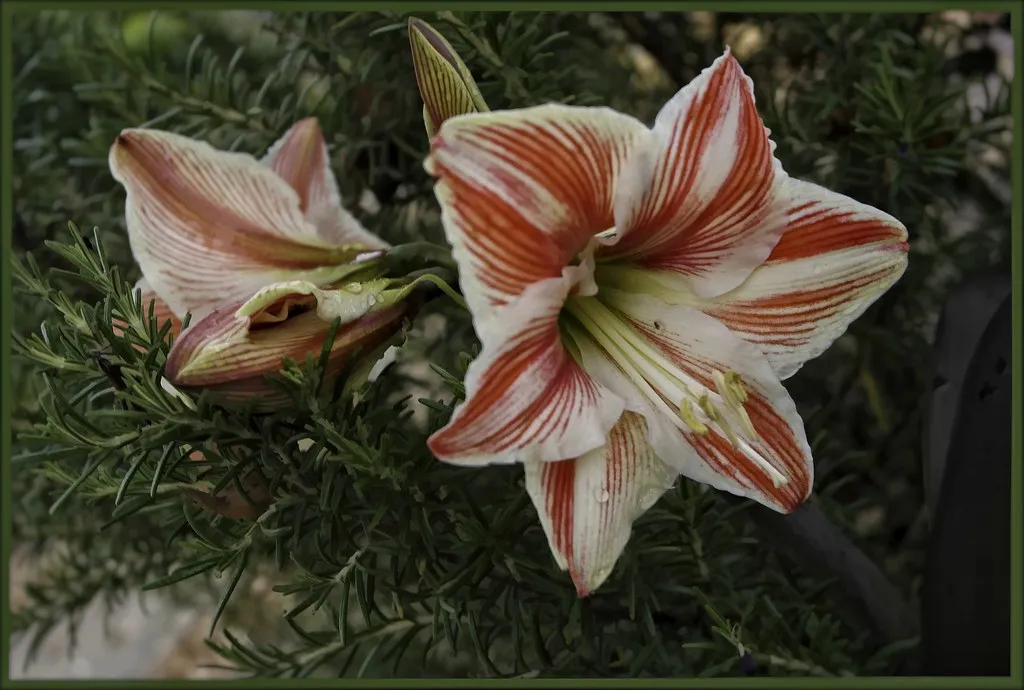
The village itself clings to the hillside with narrow, cobbled streets that challenge even the most confident drivers. Local artisans still produce the famous 'cadeiras de tesoura' or scissor chairs, a design dating back to Roman times. Walking through the town center feels like stepping into a living museum of Portuguese mountain culture. You will encounter friendly locals who are often eager to share stories of the mountain's history.
Visitors often underestimate the time needed to fully appreciate the area's depth and variety. While a day trip is common, staying overnight allows you to experience the misty mornings and star-filled nights. The silence here is profound, broken only by the sound of distant cowbells or the wind through the trees. It is the perfect destination for those looking to recharge their batteries away from the tourist crowds.
13 Best Things to Do in Monchique (2026)
This list represents the very best of the region, ranging from high-altitude peaks to hidden valley waterfalls. We have categorized these items to include iconic landmarks, quiet nature spots, and immersive cultural workshops. Each selection has been chosen based on its historical significance, natural beauty, or unique local flavor. Make sure to check the weather forecast before heading out, as mountain conditions can change in minutes.
Many of these attractions are free to access, making Monchique an excellent choice for budget-conscious travelers. However, some experiences like the thermal baths or guided museum tours require advance booking during the summer months. I recommend starting your day early to secure parking at the most popular trailheads and viewpoints. The following items will provide a comprehensive overview of what makes this mountain range so special.
From the dizzying heights of the highest peak to the sulfur-scented waters of the valley, variety is the theme here. You will find that the locals take great pride in their mountain heritage and traditional way of life. Be prepared for some steep walking, as the terrain is rarely flat in this part of the world. Let's dive into the essential experiences that define a trip to Monchique.
Day passes for the Caldas de Monchique thermal circuit cost between 20 and 40 Euros depending on the season, and the facilities are open daily from 10am to 7pm. Book treatments in advance during summer months to avoid disappointment.
- Summit the Majestic Fóia Peak
- This peak is the highest point in the Algarve and offers views that reach the Atlantic coast on clear days.
- Access to the summit is free and open daily, though the mountain weather can change very rapidly.
- Visit the small stone monument at the top for the best photo angle of the surrounding valleys.
- I suggest bringing a windbreaker even in summer as the breeze at 902 meters is often quite chilly.
- Relax in the Caldas de Monchique Thermal Baths
- This historic spa village features alkaline waters that have been used for healing since the Roman occupation.
- Day passes for the thermal circuit typically cost between 20 and 40 Euros depending on the season.
- The facilities are open daily from 10am to 7pm, but it is best to book treatments in advance.
- Try the local bottled water directly from the fountains to experience its unique, high-pH mineral taste.
- Explore the Monchique Historic Town Center
- The town center is a maze of steep, winding streets lined with traditional whitewashed houses and colorful doors.
- Walking here is free, though you should wear sturdy shoes to handle the uneven and slippery cobblestones.
- Most shops and cafes are open from 9am until sunset, providing plenty of time for casual wandering.
- Look for the Manueline-style doorway at the local church which showcases intricate 16th-century stone carvings.
- Visit the Creative Studio Bongard
- This unique art gallery and garden features surreal ceramic sculptures inspired by the local flora and fauna.
- Entry to the garden is usually free, and the studio is open Tuesday through Saturday from 10am to 6pm.
- The studio is located just outside the main town on the road leading toward the Fóia summit.
- Take a moment to walk through the lush garden where the sculptures seem to grow out of the earth.
- Hike the Scenic Picota Peak Trail
- Picota is the second-highest peak and offers a more rugged, less crowded alternative to the main Fóia summit.
- Hiking the trail is free and takes approximately three hours for a round trip from the village center.
- The path is open 24/7, but I recommend finishing before sunset to avoid navigating the rocky terrain in the dark.
- This trail provides a much better sense of isolation and wilderness than the paved road up to Fóia.
- Discover the Ruins of Convento do Desterro
- These 17th-century Franciscan monastery ruins offer a hauntingly beautiful look at the region's religious past.
- Access to the ruins is free, though the site is currently unmanaged and requires careful treading among the stones.
- The site is always open, but the best light for photography occurs during the early morning hours.
- You might see local goats grazing inside the roofless chapel, which adds to the site's atmospheric charm.
- Learn Local History at Parque da Mina
- This cultural park features a restored manor house, an old grocery store, and a traditional medronho distillery.
- Entrance tickets for adults range from 10 to 15 Euros and include access to the farm animals.
- The park is open daily from 10am to 6pm and is located in the Vale de Boi area.
- The reconstructed grocery store is particularly fascinating for seeing how locals shopped before the era of supermarkets.
- Cross the Barranco do Demo Suspension Bridge
- This 50-meter-long wooden suspension bridge hangs high above a deep gorge on the Alferce hiking circuit.
- Crossing the bridge is free of charge and forms part of the larger Passadiços do Barranco do Demo.
- The walkway is open during daylight hours and is best accessed from the village of Alferce nearby.
- Be prepared for a slight sway as you walk across the middle of the gorge for a real thrill.
- Find the Hidden Cascata do Barbelote Waterfall
- This is one of the most impressive waterfalls in the Algarve, cascading down a sheer rock face.
- There is no cost to visit, but the access road is a rough dirt track that requires a sturdy vehicle.
- The waterfall is best visited in late winter or spring when the water flow is at its strongest.
- Look for the small wooden signposts along the road to Fóia to find the start of the descent.
- Watch Artisans Make Traditional Scissor Chairs
- The 'cadeira de tesoura' is a folding wooden chair with Roman origins that is still handcrafted in local workshops.
- Visiting the workshops like Leonel Telo is free, and craftsmen are often happy to demonstrate their skills.
- Workshops are typically active on weekdays from 9am to 6pm in the heart of the village.
- The smell of freshly cut chestnut wood inside these small shops is a sensory highlight of the town.
- Step Inside the Igreja Matriz de Monchique
- The main parish church features a stunning Manueline portal and an interior decorated with traditional blue tiles.
- Entrance is free, though visitors should be respectful of ongoing services and dress appropriately for a church.
- The church is usually open to the public from 9am to 5pm, with a break for lunch.
- Check out the unusual 'knotted' stone columns near the entrance which are typical of the Portuguese Manueline style.
- Sample Spirits at Loja do Mel e do Medronho
- This local shop specializes in mountain honey and the famous medronho firewater distilled from arbutus berries.
- Entry is free, and small tasting samples are often provided for a nominal fee or for potential buyers.
- The shop is located in the town center and is open daily from 10am until 6pm.
- Try the 'Melosa' version which mixes the strong spirit with honey and lemon for a much smoother taste.
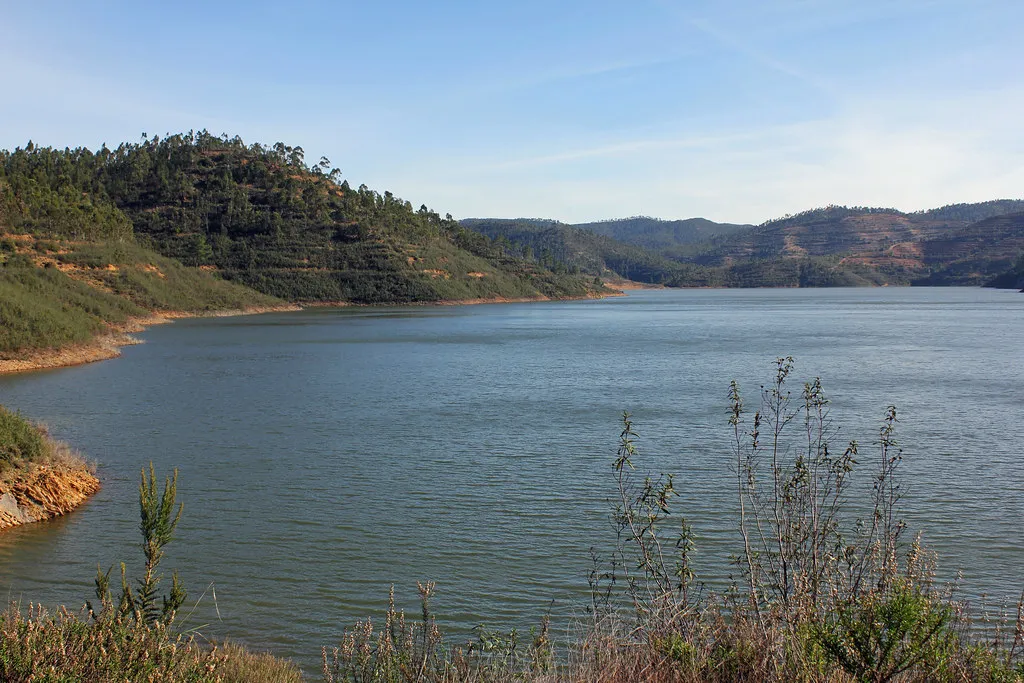
- Walk the Shores of Barragem da Bravura
- This large reservoir is located on the edge of the Monchique hills and offers peaceful walking trails.
- Access to the dam and the surrounding parkland is free and open to the public at all times.
- It is a 20-minute drive from the town center and serves as a great spot for a quiet picnic.
- The area is excellent for birdwatching, so bring binoculars to spot the local eagles and herons.
Mountain Gastronomy: How to Eat and Medronho Etiquette
The food in Monchique is hearty and designed to sustain those working in the demanding mountain terrain. Unlike the seafood-heavy coast, the menus here focus on pork, wild boar, and locally grown vegetables. Assadura is a must-try dish consisting of roast pork seasoned with garlic, olive oil, and lemon juice. You will find that most traditional restaurants offer generous portions at very reasonable prices.
Medronho is the legendary local spirit, often called 'firewater' due to its high alcohol content and potency. When sampling this clear brandy, the golden rule of local etiquette is to sip it slowly rather than shooting it. It is traditionally served at room temperature at the end of a meal to aid in digestion. Many families still produce their own batches using copper stills hidden in the mountain valleys.
Honey is another staple of the region, produced by bees that forage on the abundant wildflowers and eucalyptus. You can find various grades of honey, from light and floral to dark, rich, and slightly medicinal. Many of the 10 Best Algarve Historic Towns for History Lovers nearby look to Monchique for these premium natural products. I always make sure to buy a jar of the dark heather honey before leaving the village.
Fóia vs. Picota: Which Peak Offers the Best Views?
Choosing between the two main peaks depends entirely on what kind of experience you are looking for. Fóia is the highest point and is easily accessible by car, making it the top choice for families. The summit is often busy, but it offers a wide range of facilities including a cafe and gift shop. The summit terrace gives you a 360-degree view across all Algarve's best towns when the cloud lifts.
Picota offers a more authentic hiking experience with rocky trails and a significant lack of commercial development. While it is lower than Fóia, the views feel more intimate as you look down over the village rooftops. The climb is steep and requires a moderate level of fitness and proper hiking boots. I prefer Picota for the sense of peace and the feeling of having the mountain to myself.
If you have the energy, it is possible to hike between the two peaks on a well-marked trail system. This route takes you through cork forests and past abandoned stone houses that tell of a harder era. Expect the full circuit to take most of the day, so pack plenty of water and some local snacks. The contrast between the two summits provides a complete perspective of the Serra de Monchique landscape.
How to Get to Monchique from the Coast
Driving is the most efficient way to reach Monchique, as public transport is limited. From Portimão the drive on the N266 takes about 30 minutes (25 km); from Lagos roughly 45 minutes via the N125 and N266; from Faro airport plan on 80 minutes (90 km). The final 12 km from Caldas up to Monchique village is a series of tight switchbacks — take it slow if you are not used to mountain roads.
By bus, the Vamus Algarve line 7607 runs from Portimão bus terminal to Monchique roughly six times daily on weekdays (fewer on Sundays), costing around 4 EUR each way. The journey takes 50 minutes but the bus does not continue up to the Fóia summit, so you would need a taxi or a guided tour to reach the peak. If you prefer not to drive, several operators run the WOW Algarve Tour with half-day pickups from Albufeira, Carvoeiro, and Lagos.
Parking is free but tight in the village center. Use the larger lot below the Miradouro de Monchique or the dedicated bays at the Fóia summit. The mountain can be shrouded in thick cloud even when the coast is sunny, so check the IPMA forecast or the Fóia webcam before making the drive — a cloudy base usually means white-out at the top.
Where to Stay in Monchique: Spa Hotels vs. Eco-Retreats
For thermal-spa indulgence, the five-star Macdonald Monchique Resort & Spa sits on the slopes between the village and Caldas, with infinity pools, an indoor thermal circuit, and rooms typically 180 to 280 EUR per night in 2026. Down in the spa hamlet itself, the historic Villa Termal Caldas de Monchique runs four restored 19th-century hotels around the springs at 110 to 190 EUR, with guests getting discounted access to the bathing pavilion.
Eco-retreats and rural farmhouses suit hikers and budget travelers better. Vilafoia, a small family-run hotel just outside the village toward Fóia, has panoramic-view rooms from around 95 EUR including breakfast. Casa Rosada and Mons Cicus are restored cork-farmer cottages tucked in the hills, often booked through Airbnb for 80 to 130 EUR a night. For full immersion, Quinta da Tapada do Gramacho offers permaculture stays with cooking classes and trail access.
If you only have one night, sleep up in the village itself rather than down in Caldas — the cobbled streets are far more atmospheric after the day-trippers leave, and you wake up to mist clearing off the cork forests rather than the spa carpark. Book ahead for July and August; the locals' summer exodus from coastal heat fills the better mountain rooms by mid-spring.
Day Trips Near Monchique: Silves, Carvoeiro, and the Coast
Monchique pairs naturally with a stop in Silves, the old Moorish capital 25 minutes south, where the red-sandstone castle and Gothic cathedral round out a mountain-and-history loop. Heading southwest brings you to Carvoeiro in about 35 minutes — the boardwalk over the cliffs to Algar Seco is the perfect cool-down after a sweaty Picota hike. Portimão is the closest large town for restaurants, supermarkets, and the marina.
For something quieter, the village of Alferce sits 9 km east and serves as the main trailhead for the Passadiços do Barranco do Demo suspension bridge walkway. Aljezur, on the wild west coast, is 45 minutes northwest and gives you access to the surf beaches of the Costa Vicentina if you want to swap mountain air for Atlantic spray. Many visitors combine Monchique with the best time to visit the Algarve coastal stops on a multi-day inland-to-coast loop.
If you only have one extra day, I'd send you to Silves in the morning for the castle and cathedral, then push north to Monchique for an afternoon hike and a thermal soak. The two destinations are linked by the scenic N124 road, which passes orange groves, cork harvests in late spring, and a handful of family-run grills serving frango piri-piri at locals' prices.
Medronho Etiquette: How to Sample Without Overdoing It
Most guides mention medronho — the clear arbutus-berry brandy distilled in copper stills across the Serra — but few explain how to drink it like a local. The honest stuff clocks in at 48 to 52 percent ABV, and locals serve it in 20 ml glasses at room temperature after a meal, never chilled and never as a shot. Sip across two or three minutes; the flavor only opens up as it warms in the glass and on the tongue.
For the best tastings, head to Parque da Mina's on-site distillery, where the maker walks you through three age expressions side by side for around 8 EUR; the Loja do Mel e do Medronho in the village center offers smaller free pours if you intend to buy a bottle (expect 18 to 35 EUR for a 500 ml bottle of certified Monchique medronho). Skip the gas-station versions: they're cheaper but often industrially-produced, lacking the slow copper-still character that defines the real thing.
If straight medronho is too punchy, ask for melosa — the same spirit cut with mountain honey and a squeeze of lemon, served slightly warmed in winter. It's the version older locals press on visitors after lunch and an easy gateway into the regional drinking culture. Pair it with a slab of Monchique-cured presunto or queijo da serra for the full effect.
What to Skip and When to Go
I would skip the overpriced souvenir shops located right at the Fóia summit. The crafts you see there are usually mass-produced and not actually made in the Monchique region — buy from the village workshops down below, where artisans sell directly. The summit cafe is fine for a quick coffee but the queue at midday can swallow 30 minutes; if you're tight on time, eat in the village before driving up.
Best time to visit is March through May for wildflowers and clear views, or September through November for chestnut harvest and warm-but-not-hot weather. Summer can hit 32°C in the village but stays a comfortable 24°C on Fóia, which is why coastal Portuguese flee inland in August — meaning everything is busier and pricier. Winter visits are quiet and dramatic; pack a fleece, expect occasional fog, and you'll get the spa pavilions almost to yourself.
Monchique's mountain weather can change rapidly — the summit can be cloud-covered even when the coast is sunny. Always check the IPMA forecast or the Fóia webcam before driving up, and bring a windbreaker even in summer as the breeze at 902 metres can be quite chilly.
Avoid Sundays in low season if you plan to do workshop visits — many artisan studios close, and the smaller liquor shops only open on request. Check Instagram or call ahead for Studio Bongard, Leonel Telo, and the smaller medronho producers; the Tuesday-to-Saturday opening pattern is fairly consistent but exceptions happen, especially during the August holiday week.
Frequently Asked Questions
Is Monchique worth visiting for a day trip?
Yes, Monchique is absolutely worth a day trip to escape the heat and see the Algarve's green interior. You can easily combine the Fóia summit with a lunch in the village and a quick stop in Caldas.
What is the best time of year to visit Monchique?
Spring and autumn are the best times to visit for hiking and clear views. The temperatures are mild, and the wildflowers or autumn colors make the landscape particularly beautiful for photography.
Can you visit Monchique without a car?
While possible via a bus from Portimão, it is quite difficult to reach the peaks or waterfalls without your own vehicle. Most visitors without a car choose to join a guided day tour from the coast.
Monchique remains one of the most rewarding destinations for those willing to venture beyond the Algarve's shoreline. From the healing waters of Caldas to the rugged trails of Picota, it offers a diverse range of mountain experiences. I hope this guide helps you discover the quiet beauty and rich traditions of this unique Portuguese village.
Remember to pack a layer for the cooler air and an appetite for the local mountain cuisine. Whether you are crossing a suspension bridge or sipping medronho with a local, Monchique will leave a lasting impression. Enjoy your journey into the green heart of the Algarve and safe travels on those winding roads.