Lagos in Winter: Off Season Algarve Travel Guide 2026
Visit Lagos in winter 2026 for mild 16C weather, 50% hotel savings, empty cliff paths, and authentic Algarve culture. Complete off-season planning guide.
On this page
Lagos in Winter: Your Complete Off Season Algarve Guide for 2026
Lagos transforms into a remarkably peaceful sanctuary during the cooler months, trading the summer crowds for empty cliff paths and quiet cafes buzzing with local life. The Algarve enjoys more than 300 days of sunshine per year, and even in the depths of December and January, you can expect more clear days than cloudy ones. Daytime temperatures hover around 15 to 18 degrees Celsius, making Lagos one of the warmest winter destinations in mainland Europe.
Travelers seeking a slower pace, significant cost savings, and authentic Portuguese culture find the off-season atmosphere refreshing and rewarding. Accommodation rates drop by 40 to 60 percent compared to July and August, and a growing community of digital nomads and long-stay travelers has made Lagos a year-round destination rather than just a summer hotspot. This guide covers everything you need to plan a winter visit to Lagos Portugal in 2026, from weather expectations and activities to practical costs and insider tips.
Winter Weather and What to Actually Expect
The Algarve winter is nothing like northern Europe. Daytime temperatures typically range from 14 to 18 degrees Celsius between November and February, with occasional warmer spells pushing above 20 degrees even in January. The sun still feels genuinely warm at midday, and you can comfortably sit at an outdoor cafe terrace in a light sweater on most days. Average daily sunshine ranges from five hours in December to seven hours in February as the days begin to lengthen. For month-by-month climate data across the whole region, see our Algarve weather by month guide.
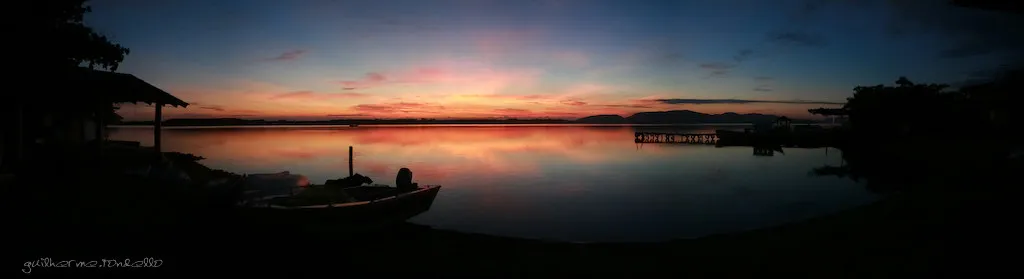
Rain is the main variable, with December being the wettest month at around 94 millimeters of rainfall. However, winter rain in the Algarve typically arrives as short, intense downpours rather than the all-day drizzle common in northern climates. A morning shower often gives way to a sunny afternoon, so keeping a compact umbrella or rain jacket handy lets you adapt quickly. The landscape turns a vibrant green as the winter rains nourish the wildflowers and grasses that carpet the cliffs and hillsides.
Sea temperatures drop to around 15 to 16 degrees Celsius, which rules out casual swimming for most visitors but remains warm enough for surfing in a good wetsuit. Wind can be a factor, particularly along the exposed west coast around Sagres, where gusts sometimes exceed 40 kilometers per hour. The sheltered bays near Lagos town, including Praia Dona Ana and Praia do Camilo, stay much calmer and are pleasant for beach walks even on breezy days.
Pack layers rather than heavy winter clothing. A medium-weight jacket, a couple of sweaters, comfortable walking shoes with good grip, and a waterproof outer layer will cover you for all conditions. Sunscreen remains necessary, as UV levels stay moderate even in winter and the reflected light off the ocean and white-washed buildings can cause unexpected sunburn. Consult our weather in Lagos Algarve by month guide for a full 12-month data table of highs, lows, sea temperatures, sun hours, and rainfall.
Winter daytime temperatures in Lagos typically hover between 14 and 18°C, so a medium-weight jacket and a waterproof layer are all you need. UV levels stay moderate year-round, so pack sunscreen even if skies look grey.
Best Things to Do in Lagos During Winter
Outdoor enthusiasts will find that winter is actually the best season for hiking along the Algarve cliffs. The famous Ponta da Piedade coastal trails are far more enjoyable when temperatures sit at 16 degrees rather than 35 degrees, and you can walk for hours without the risk of heat exhaustion. The Seven Hanging Valleys Trail between Carvoeiro and Benagil ranks among Europe's finest coastal walks and is practically empty in winter. The crisp air and dramatic storm light make every cliff-top viewpoint more atmospheric.
Exploring the historic Lagos old town landmarks is a genuine pleasure without the summer bustle. You can admire the intricate azulejo tilework on the 18th-century Church of Santo Antonio without other tourists blocking your view. The Lagos Municipal Museum, the Slave Market Museum, and the Governors Castle all have shorter queues and cost under five euros each. The Saturday morning market at Mercado Municipal is packed with locals buying fresh produce, fish, and regional cheeses, and browsing the stalls gives you a window into daily Portuguese life.
Surfers actively prefer the winter months because the Atlantic swells become more consistent, larger, and more powerful. The beaches around Lagos, particularly Porto de Mos and Meia Praia, receive quality surf throughout the season. Several surf schools remain open year-round, with winter lesson packages typically costing 40 to 60 euros per session including wetsuit rental. Water temperatures require a 4/3mm wetsuit, which reputable schools provide as standard.
Birdwatching becomes excellent in winter as migratory species settle in the Ria de Alvor estuary and the lagoons east of Lagos. Species including flamingos, spoonbills, and various waders can be spotted from the Alvor boardwalk, which is free to walk. Dolphin-watching boat tours operate year-round from Lagos Marina, with winter sightings actually more reliable as the resident bottlenose dolphin population stays close to shore.
- Ponta da Piedade Boat Tours
- Type: Guided boat excursion
- Best for: Scenic cliff and grotto views
- Where: Lagos Marina
- Cost: 20 to 35 euros per person
- Mercado Municipal Visit
- Type: Local fresh market
- Best for: Regional produce and local culture
- Where: Avenida dos Descobrimentos
- Cost: Free entry
- Surfing at Porto de Mos
- Type: Outdoor water sport
- Best for: Consistent winter Atlantic swells
- Where: West Lagos coast
- Cost: 40-60 euros with lesson and wetsuit
- Seven Hanging Valleys Trail
- Type: Cliff-top hiking
- Best for: Scenic walks in mild temperatures
- Where: Carvoeiro to Benagil (day trip from Lagos)
- Cost: Free
Empty Beaches and Cliff Walks Without the Crowds
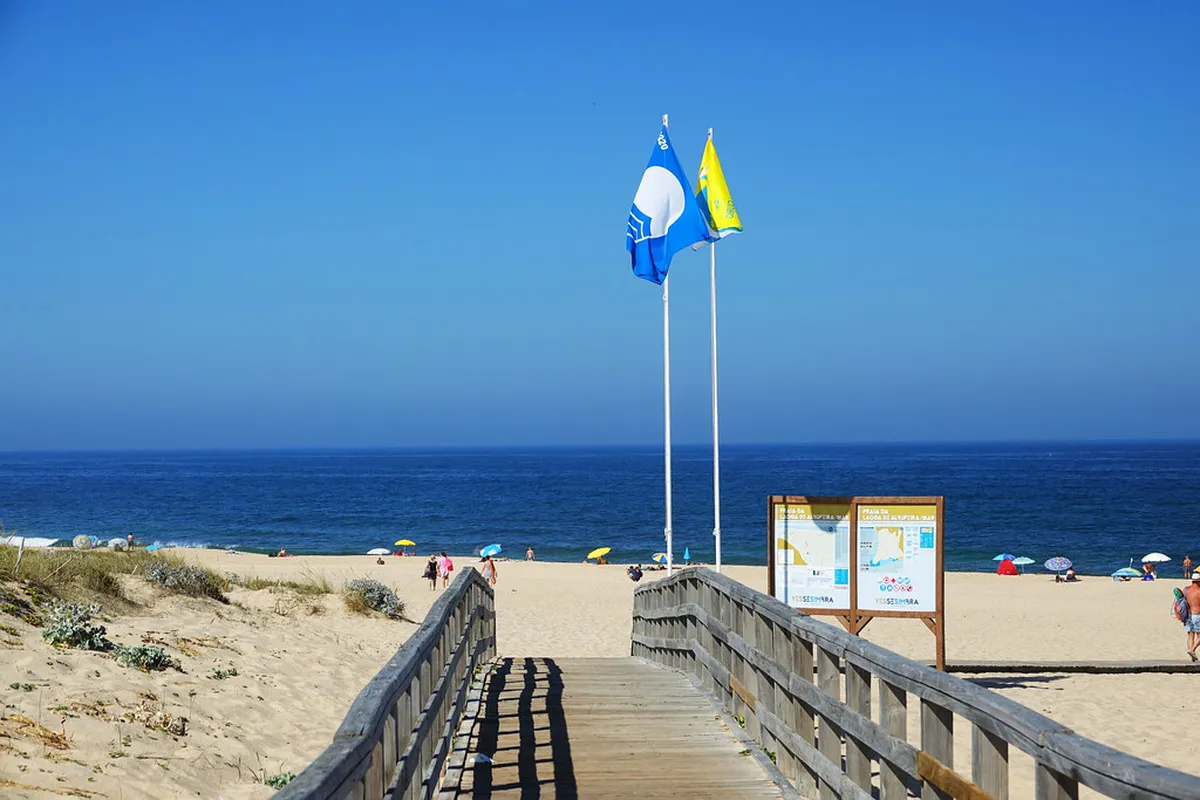
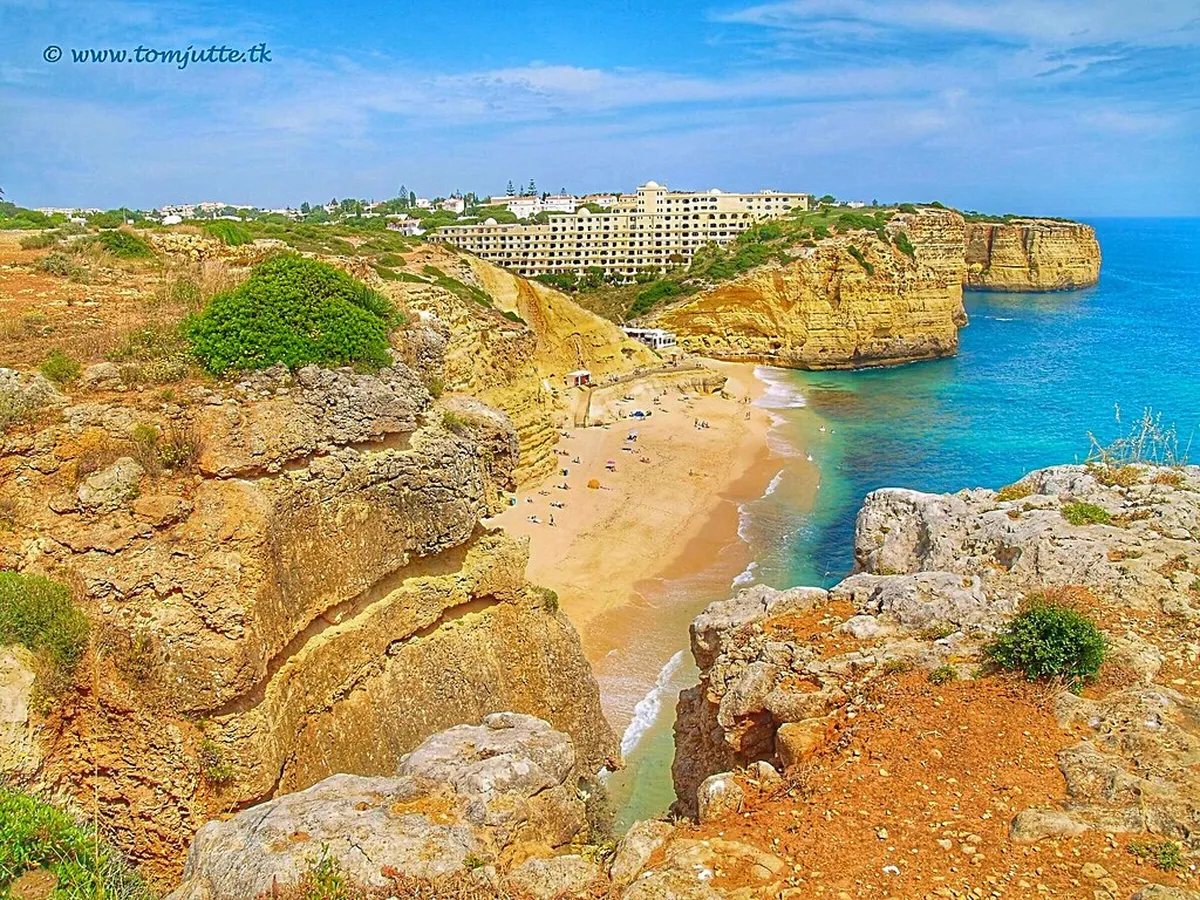
The golden sands of the best beaches in Lagos Portugal are nearly deserted during the winter months. You can walk along Praia Dona Ana, Praia do Camilo, and Praia dos Estudantes without navigating through rows of sun loungers and beach umbrellas. The dramatic limestone cliffs look even more striking against the deep blue winter sky, with storm waves crashing against the sea stacks creating spectacular displays of spray and foam.
Ponta da Piedade remains the standout destination and is arguably more beautiful in winter than in summer. The staircase leading down to the water at the base of the headland is far safer to navigate without crowds jostling on the narrow steps. You can sit on the cliff edge in complete solitude and watch the sunset paint the golden limestone in shades of orange and red. On calm days, the Ponta da Piedade boat tours still operate, offering an intimate experience with just a handful of passengers per boat.
Beachcombing becomes a rewarding activity as winter storms wash up interesting shells, sea glass, and driftwood along the tide line. Meia Praia, the longest beach near Lagos at over four kilometers, offers an uninterrupted morning walk with nothing but the sound of waves and the occasional winter wader bird for company. The sound of the Atlantic crashing against the cliffs provides a soothing soundtrack for contemplative coastal walks that are simply not possible during the busy summer season.
Photography conditions are exceptional in winter. The low angle of the sun creates long shadows and warm golden tones throughout the day, not just at sunrise and sunset. Morning mist occasionally hugs the cliff tops, creating ethereal conditions for landscape photography. The absence of beach umbrellas and crowds means clean compositions are easy to achieve at even the most popular viewpoints.
Digital Nomads and the Winter Community
Lagos has become one of the Algarve's most popular bases for digital nomads and remote workers, particularly during the winter months when long-term apartment rentals become very affordable. A one-bedroom apartment in the town center typically costs 500 to 800 euros per month between October and April, compared to 1,200 to 2,000 euros during the summer peak. Many landlords offer discounts for stays of three months or longer.
The town has a growing coworking infrastructure, with Lagos Avenida Cowork offering desks with marina views, high-speed fiber internet reaching up to 1 Gbps, and a community of international remote workers. Several cafes around the old town also serve as unofficial work spaces, with reliable Wi-Fi and no pressure to leave after a single coffee. The Bora cafe near the marina and Artistas on Rua Candido dos Reis are popular choices among the remote working community.
Social life thrives through organized meetups, WhatsApp groups, and Facebook communities including Algarve Digital Nomads and Portugal for Digital Nomads. Weekly events cover interests from beach volleyball and hiking to language exchange and co-cooking dinners. The expat community has grown substantially over the past few years, meaning you will meet a mix of long-term residents and seasonal visitors at any given time. The community WhatsApp groups are the fastest way to find roommates, used furniture, and local recommendations.
Accommodation, Transport, and Winter Costs
Hotel rates drop dramatically once the summer season ends. A quality three-star hotel or boutique guesthouse that charges 120 euros per night in August often drops to 50 to 70 euros in January. Luxury apartments with ocean views become genuinely affordable, and several properties offer long-term stay discounts of 20 to 30 percent for bookings exceeding two weeks. Checking our Lagos Portugal guide will help you find the best neighborhoods for your winter base.
Car rental prices follow the same seasonal pattern. A compact car that costs 50 euros per day in summer drops to 15 to 25 euros per day during the winter months, making it very affordable to explore the wider Algarve region. Traffic is almost nonexistent on the main roads, and parking in the Lagos city center is free in many areas that charge fees during summer. The day trips from Lagos become much easier to plan when roads are empty and attractions are uncrowded.
Dining costs remain stable year-round, but you will find more value through fixed-price lunch menus that many restaurants offer on weekdays. A three-course menu do dia, including drink, typically costs eight to twelve euros at local restaurants away from the waterfront. Most traditional restaurants in the old town stay open through the winter to serve the local community, though some seasonal beach bars and tourist-oriented establishments close from November through March.
Flights to Faro airport become significantly cheaper in winter, with budget carriers like Ryanair and easyJet often offering fares under 50 euros each way from major European cities. The Lisbon to Lagos train runs year-round and costs approximately 25 euros for a one-way ticket, taking about four hours through scenic Alentejo countryside.
Winter hotel rates in Lagos can be 40–60% lower than summer peaks, and car rentals drop to as little as 15–25 euros per day. Booking accommodation for three months or longer often unlocks an additional landlord discount on apartment rentals.
Winter Day Trips Worth Taking
The cooler temperatures make winter the ideal season for visiting the inland thermal spa of Caldas de Monchique, where you can soak in naturally heated mineral waters surrounded by forested mountains. The spa offers day passes starting at about 15 euros, and the drive through the Monchique mountain range is particularly beautiful in winter when the hillsides are covered in green rather than the parched brown of summer.
Silves and its medieval Moorish castle make an excellent winter day trip, as you can walk the cobbled streets and explore the archaeological museum without competing for space with summer tour groups. The drive takes only 25 minutes, and the countryside between Lagos and Silves is dotted with orange and almond groves that bloom in January and February, creating a surprisingly colorful landscape.
Sagres and Cape Saint Vincent take on a wild, dramatic character in winter that many travelers find more appealing than the sunbaked summer version. Storm watching from the 75-meter cliffs is a powerful experience, and the lighthouse stands against skies that can shift from brilliant blue to brooding grey within minutes. Just bring a windproof jacket, as the exposed headland catches the full force of Atlantic weather.
Frequently Asked Questions
Is Lagos worth visiting in winter?
Yes, Lagos is absolutely worth visiting in winter for its peaceful atmosphere, mild 15-18 degree weather, and dramatic Atlantic scenery. You can enjoy cliff walks, boat tours, and outdoor dining on most days without the summer crowds. Accommodation costs drop by 40 to 60 percent, making it one of the best value destinations in southern Europe during the cooler months.
Can you swim in the Algarve in winter?
The Atlantic water temperature drops to around 15-16 degrees Celsius in winter, which is too cold for casual swimming without a wetsuit. Surfers wearing 4/3mm wetsuits comfortably spend hours in the water, and several surf schools operate year-round. Many hotels and guesthouses have heated pools if you want to swim without braving the ocean temperatures.
What is the cheapest month to visit Lagos?
January and February are typically the cheapest months to visit Lagos and the wider Algarve. Hotel rates reach their lowest point, flights to Faro are at their cheapest, and car rentals drop to 15-25 euros per day. Many local businesses offer special off-season promotions to attract winter visitors.
Are restaurants and shops open in Lagos during winter?
Most restaurants in the old town and city center remain open year-round, serving the permanent local population and winter visitors. Some seasonal beach bars and tourist-oriented establishments close from November through March, but the core dining and shopping scene stays active. The Mercado Municipal operates its normal schedule, and the supermarkets and pharmacies keep regular hours throughout the winter.
Is Lagos good for digital nomads in winter?
Lagos has become one of the Algarve's top digital nomad bases, especially in winter when long-term apartment rentals drop to 500-800 euros per month. The town offers coworking spaces with high-speed fiber internet, a welcoming international community with regular social events, and a mild climate that allows outdoor living most days. The combination of low costs, reliable infrastructure, and quality of life makes it competitive with more established nomad hubs.
Visiting Lagos during the winter months offers a refreshing and budget-friendly way to experience the real Algarve, free from the tourist crowds that dominate from June through September. Whether you enjoy cliff hiking, surfing, quiet beach walks, or simply working remotely from a sunny cafe terrace, the off-season provides a peaceful backdrop that reveals the authentic character of this historic coastal town.
The growing community of digital nomads and long-stay visitors means Lagos maintains a lively social scene even in the quietest months, and the combination of mild weather, affordable accommodation, and genuine Portuguese culture creates a winter experience that many travelers find more rewarding than the hectic summer season. Start planning your 2026 winter getaway now to take advantage of the best accommodation deals before the early-booking discounts disappear.