Lagos to Sevilla Day Trip Guide: Best Ways to Travel in 2026
Complete Lagos to Sevilla day trip guide for 2026. Drive times, bus schedules, organized tour prices, top sights, tapas spots, and the time zone trick most travelers miss.
On this page
Your Ultimate Lagos to Sevilla Day Trip Guide for 2026
Crossing the border from Portugal into Spain opens up one of Europe's most magnificent cities for a single-day adventure. Sevilla, the capital of Andalucia, sits roughly 275 kilometers east of Lagos Portugal and is reachable by car in two hours and forty minutes via well-maintained motorways. The cultural contrast between the laid-back Algarve coast and the flamenco-charged streets of southern Spain makes this one of the most rewarding cross-border excursions available from the western Algarve in 2026.
This Lagos to Sevilla day trip guide covers every transport option (organized bus tours, self-drive, train-plus-transfer, private transfer), realistic timings, the border-crossing process, must-see sights for a one-day visit, and the time zone trap that catches most first-time visitors off guard. Sevilla is home to the largest Gothic cathedral in the world, the UNESCO-listed Royal Alcazar, and the grandest public square in Spain — and with smart planning you can experience all three plus the Triana riverside neighborhood in a single day. We include 2026 pricing, fuel and toll estimates, a tested hour-by-hour itinerary, and tips for booking the tickets that frequently sell out two to three weeks in advance.
Distance, Drive Time, and the One-Hour Time Difference
The road distance from Lagos to Sevilla is 275 kilometers (171 miles) along the most direct A22 / A-49 motorway route. Google Maps and Waze both report a typical 2026 drive time of 2 hours 40 minutes for a non-stop trip in light traffic, rising to roughly 3 hours during summer Friday afternoons or Sunday evening returns. This is comfortably within day-trip range — round-trip driving sits at five and a half hours, leaving seven to eight hours on the ground in Sevilla if you depart Lagos by 7:00 AM.
The single most important planning detail is the one-hour time difference between Portugal and Spain. Portugal operates on Western European Time (WET, UTC+0 in winter / UTC+1 in summer) while Spain follows Central European Time (CET, UTC+1 in winter / UTC+2 in summer). Spain is one hour ahead year-round. The moment you cross the Guadiana River bridge near Vila Real de Santo António, your phone should jump forward sixty minutes. Depart Lagos at 7:00 AM Portuguese time and you will arrive in Sevilla at approximately 10:40 AM Spanish time, not 9:40 AM.
The good news is that the return crossing gives the hour back. Leaving Sevilla at 7:00 PM Spanish time means arriving back in Lagos around 8:40 PM Portuguese time rather than 9:40 PM. This gained hour makes the long drive home feel significantly shorter. Always set your phone to update time zones automatically, and double-check any bus or tour pickup times to confirm whether they are listed in Portuguese or Spanish local time — operators are inconsistent about which clock they print on the ticket.
Spain is one hour ahead of Portugal year-round. Depart Lagos at 7:00 AM and you arrive in Sevilla at approximately 10:40 AM Spanish time — always double-check whether bus and tour pickup times are printed in Portuguese or Spanish local time, as operators are inconsistent.
Transport Options Compared: Tour, Drive, Bus, Train, or Transfer
There are five realistic ways to make the Lagos to Sevilla day trip in 2026. Each has trade-offs in cost, flexibility, and how much sightseeing time you actually get on the ground.
1. Organized Day-Trip Bus Tour (most popular)
Operators including GetYourGuide, Viator, and several Algarve-based agencies run full-day coach excursions from Lagos to Sevilla every Tuesday, Thursday, and Saturday from March through October, dropping back to weekends only in winter. Pickup is typically between 06:30 and 07:00 AM at central Lagos hotels or the Avenida bus stop, with return around 8:30 PM. Tour prices in 2026 range from 75 to 110 euros per adult, with most including a guided walking tour of the Cathedral exterior, Plaza de España, and the Santa Cruz quarter, plus three to four hours of free time. Cathedral and Alcázar entrance tickets are usually NOT included — budget another 25 euros if you want to enter both. This is the lowest-stress option for solo travelers and couples who do not want to drive.
2. Self-Drive (best flexibility)
Driving remains the most flexible option for a day trip of this distance and works out cheapest for groups of three or four. The route follows the A22 motorway east across the Algarve, crosses the Guadiana River bridge into Spain at the Ayamonte border, then joins the A-49 motorway directly to Sevilla. Toll costs on the Portuguese side total roughly 7 to 9 euros each way via the electronic Via Verde system in 2026, while the Spanish A-49 motorway is toll-free. Fuel for the round-trip in a small economy rental car (Fiat Panda, Peugeot 208, etc.) runs 35 to 45 euros at 2026 Portuguese pump prices of about €1.78/L for petrol and €1.65/L for diesel.
Most major rental agencies in Portugal allow cross-border travel into Spain, but you must explicitly confirm this with your provider at pickup. Some budget rental companies (Goldcar, OK Mobility, InterRent) charge a cross-border supplement of 30 to 50 euros, so factor this into your cost comparison. Ensure you have your rental agreement, passport, and insurance documents easily accessible, as random Guardia Civil spot-checks do occur within 25 kilometers of the border. Total self-drive day-trip cost including fuel, tolls, and central Sevilla parking typically lands at 75 to 110 euros for the round trip — split four ways that is under 30 euros per person.
3. Train Plus Bus Combo (budget option, slow)
There is no direct train link between the Algarve and Sevilla in 2026, but a train-plus-bus combo is possible for budget travelers who do not want to drive. Take the Comboios de Portugal regional train from Lagos to Faro (about 1h 35m, €7.50) and connect to an ALSA or FlixBus coach from Faro bus station to Sevilla Plaza de Armas. Total journey time is roughly 5 to 6 hours each way with the connection — too long for a meaningful same-day return, so this combo is really an overnight option dressed up as a day trip.
4. ALSA / FlixBus Direct Bus (budget, schedule-limited)
ALSA and FlixBus both operate direct coach services between Lagos Terminal Rodoviário and Sevilla Plaza de Armas in 2026, with the first departure leaving Lagos at 08:00 and arriving at Sevilla at approximately 13:45 Spanish time. The journey takes 4 hours 45 minutes due to intermediate stops at Albufeira, Faro, and Huelva. Tickets in 2026 cost between 14 and 30 euros each way depending on how far in advance you book on Omio or directly with the operator. However, given that the last return bus departs Sevilla at around 16:50, a day trip by public bus gives you only about three hours in the city — barely enough to see the Cathedral exterior and grab a quick tapas plate. Bus travel works better as a one-way or overnight trip rather than a same-day excursion.
5. Private Transfer (best for groups)
Private transfer services like Daytrip offer door-to-door transport with optional sightseeing stops along the route, including Silves Castle, the whitewashed village of Alte, and the Roman archaeological site of Italica on the outskirts of Sevilla. These services typically cost 220 to 380 euros for one to four passengers in 2026 and eliminate all the stress of navigation, parking, and toll systems. For groups of three or four, the per-person cost (around 60–95 euros) becomes competitive with organized bus tours while giving you full schedule control on the return.
| Option | Time each way | 2026 cost | Hours in Sevilla |
|---|---|---|---|
| Organized bus tour | 3h 15m | 75–110 €/person | 5–6 hrs |
| Self-drive | 2h 40m | 75–110 €/car total | 7–8 hrs |
| Train + bus combo | 5–6 hrs | 22–35 €/person | Not viable same-day |
| Direct ALSA / FlixBus | 4h 45m | 14–30 €/person | ~3 hrs |
| Private transfer | 2h 50m | 220–380 €/vehicle | 7–8 hrs |
Crossing the Portugal–Spain Border in 2026
Both Portugal and Spain are full Schengen Area members, so there are no permanent passport checkpoints on the Guadiana International Bridge. You drive straight across at motorway speed and the only sign you have entered Spain is the change of road numbering (A22 becomes A-49) and your phone clock jumping forward an hour. Despite the lack of fixed controls, you must always carry a valid passport or national ID card — Guardia Civil and Portuguese GNR run random mobile patrols within the 25-kilometer border zone, and rental car insurance is contingent on you being able to prove identity at any roadside stop.
If you are renting in Portugal and crossing into Spain, your insurance documents (the green card) must explicitly cover Spain. Most reputable rental brands include Spain by default, but discount brokers sometimes void coverage at the border. Double-check this at pickup. Tolls on the Portuguese A22 are electronic-only and require a Via Verde transponder or an automatic license-plate billing setup arranged by your rental company at pickup — there are no manual toll booths to stop at. Once you cross into Spain, the A-49 is completely toll-free all the way to Sevilla.
What to See in One Day in Sevilla: The Big Four
For a single-day visit you should focus on four landmarks that sit within a compact walking radius in the historic center: the Cathedral with the Giralda tower, the Royal Alcázar, Plaza de España, and the Triana neighborhood across the Guadalquivir river. Each has a distinct flavor, and together they showcase the Roman, Moorish, Christian, and modern Andalusian layers of the city.
Sevilla Cathedral and the Giralda Tower
The Sevilla Cathedral is the largest Gothic cathedral in the world and a UNESCO World Heritage site that took over a century to build. The interior is staggeringly vast, with 80 individual chapels, the tomb of Christopher Columbus borne by four bronze kings, and an extraordinary golden altarpiece that is the largest in Christendom. Climb the Giralda Tower for a panoramic view of the city's sprawling white rooftops; the ramp-based ascent was originally designed so that the muezzin could ride a horse to the top during the building's previous life as a 12th-century Almohad mosque minaret. Entry costs 13 euros in 2026 when purchased online and includes the tower climb. Book your time slot at least two weeks in advance during spring and autumn, three weeks in summer.
The Royal Alcázar
The Royal Alcázar sits just steps from the cathedral and represents over a thousand years of continuous royal residence. The palace complex is the oldest still-functioning royal palace in Europe, with Mudéjar architecture that served as a filming location for Game of Thrones (the gardens stand in for Dorne's Water Gardens). Walking through the Patio de las Doncellas reveals intricate geometric tilework and carved stucco arches that rival the Alhambra in Granada. The gardens extend over seven hectares and provide a cool, shaded retreat during the afternoon heat. General admission costs 14.50 euros in 2026, but tickets frequently sell out two to three weeks ahead of time during peak season. If online tickets are unavailable, guided tour packages from licensed operators often include guaranteed entry for 30 to 40 euros.
Plaza de España
Plaza de España is a grand semi-circular building constructed for the 1929 Ibero-American Exposition, spanning over 50,000 square meters within the Maria Luisa Park. The plaza features 48 colorful tiled alcoves, each representing a different province of Spain with hand-painted ceramic scenes depicting historical events. You can walk the entire perimeter for free and enjoy street performers, horse-drawn carriages, and the bustling atmosphere. Renting a small rowboat to paddle along the plaza's canal costs 6 euros per person for 35 minutes in 2026 and provides a unique perspective of the ornate bridges and the central fountain. This is the perfect final stop before heading back to the border.
Triana — The Flamenco Quarter Across the River
If you have an extra hour after Plaza de España, walk fifteen minutes west across the Puente de Isabel II to the Triana neighborhood. Triana is the historical heart of Sevilla flamenco and ceramic-tile production, with a bustling food market (Mercado de Triana) built on top of the old Castle of San Jorge ruins. Calle Betis runs along the riverbank lined with tapas bars that overlook the Torre del Oro on the opposite side — the golden sunset views here are the best in the city. A 20-euro tapas-and-tinto round in Triana is a memorable substitute for an expensive sit-down dinner.
Where to Eat: Tapas in Santa Cruz and Triana
The Santa Cruz neighborhood is the historic Jewish quarter and home to the city's best concentration of traditional tapas bars. Narrow, winding alleys provide natural shade from the Andalusian sun and lead to hidden plazas filled with orange trees and the sound of flamenco guitar drifting from open doorways. The best strategy is to look for crowded bars where locals are standing at tall barrels or marble counters to eat, as these spots prioritize quality and turnover over tourist ambiance.
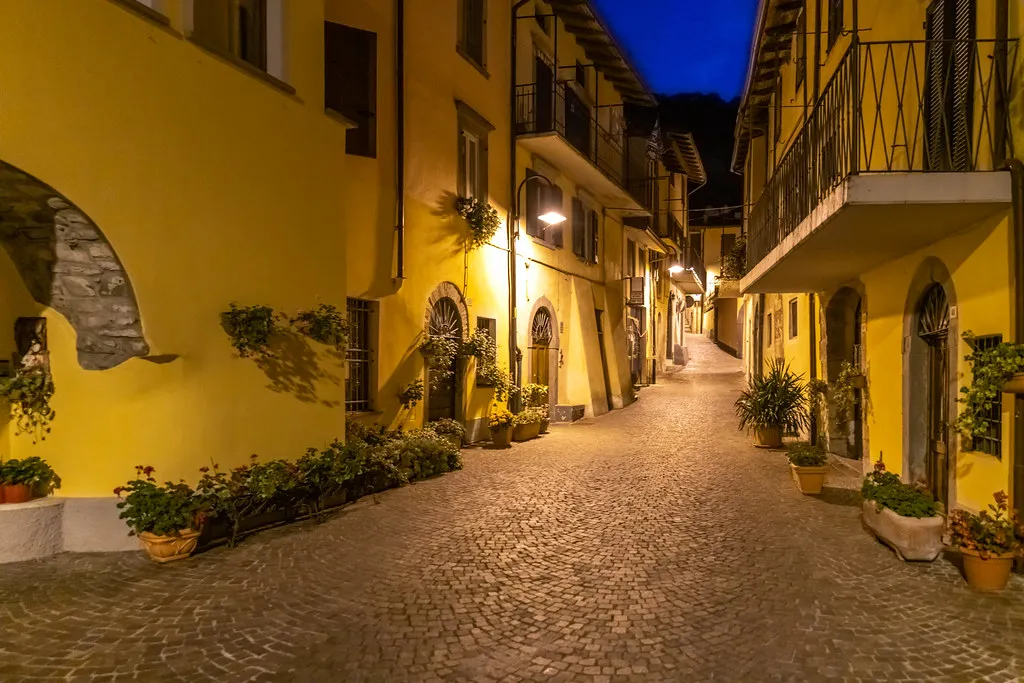
Spanish dining times are much later than what you will experience in the Algarve. Most traditional restaurants in Sevilla do not open for lunch until 1:30 PM and dinner service rarely starts before 8:30 or 9:00 PM. If you plan to eat before driving back, look for tapas bars in Santa Cruz that remain open throughout the afternoon, serving small plates from around noon onward. This timing difference is important to plan around, especially if you are accustomed to the earlier Portuguese meal schedule when comparing Lagos vs other Algarve hubs for departure flexibility.
Ordering Salmorejo is essential. This thick, chilled tomato soup is a classic Andalusian staple, richer and creamier than its cousin gazpacho, typically topped with diced hard-boiled eggs and shavings of cured Iberian ham. A bowl costs about 4 to 5 euros in 2026. Carrillada — slow-cooked pork cheek braised in a rich Pedro Ximénez sherry reduction — is another must-try dish that pairs perfectly with a cold glass of local Manzanilla sherry or a small caña of beer. Small plates usually cost between 3.50 and 8 euros, allowing you to sample five or six different flavors for the price of a single main course.
Avoid the restaurants directly facing the Cathedral, as these charge a premium of 30 to 50 percent for an inferior product. Walk just five minutes into the side streets to find authentic spots like Bodega Santa Cruz (also called Las Columnas), Bar Las Teresas, or Bodeguita Casablanca. These establishments offer fast-paced, energetic dining that is quintessentially Sevillano, with handwritten chalkboard menus and a turnover speed that is ideal when you are on a tight schedule. A satisfying tapas lunch covering four to five plates with drinks typically costs 18 to 25 euros per person in 2026.
Worth a Stop: Sights Along the A22 / A-49 Corridor
If you are driving and have some flexibility, several interesting stops along the A22 / A-49 corridor can break up the journey. The border town of Vila Real de Santo António, just before the Spanish frontier, features a grand Pombaline-era grid plaza and river views across to the Spanish town of Ayamonte. The town can be explored in 30 minutes and provides a pleasant coffee stop.
On the Spanish side, the town of Huelva sits about 90 minutes from Sevilla and offers access to the places where Columbus prepared for his first voyage. The Muelle de las Carabelas in nearby Palos de la Frontera displays full-size replicas of the Niña, Pinta, and Santa María. This stop adds about an hour to the total journey but is worthwhile for history enthusiasts.
The Roman archaeological site of Italica lies just 9 kilometers north of Sevilla and contains one of the largest Roman amphitheaters in the world, capable of seating 25,000 spectators. Entry costs 1.50 euros for EU residents in 2026 and is free on certain days. It makes an excellent first stop before entering the city center, especially if you arrive early and want to avoid waiting for the Cathedral to open.
Hour-by-Hour Itinerary: Lagos to Sevilla and Back
This tested 2026 itinerary maximizes your time in Sevilla while keeping the driving manageable. All times listed are in the local time zone of each location.
7:00 AM (Lagos time): Depart Lagos heading east on the A22. Fill up with fuel before leaving, as Portuguese fuel prices are roughly 8–10 cents per liter lower than in Spain. If you arrived from elsewhere on the Lisbon to Lagos train, pick up your rental car the evening before to avoid morning depot delays.
10:00 AM (Sevilla time): Arrive in Sevilla and park at the underground garage at Plaza de Armas or Paseo de Colón, both within a 10-minute walk of the historic center. Full-day parking costs 22 to 28 euros at these secure facilities in 2026.
10:30 AM – 12:00 PM: Visit the Cathedral and climb the Giralda Tower. Use your pre-booked online ticket to skip the general admission line.
12:15 – 1:30 PM: Walk to Santa Cruz quarter for a tapas lunch. The narrow streets provide shade and the bars are already serving. Four to five plates with drinks will cost 18 to 25 euros.
2:00 – 4:00 PM: Tour the Royal Alcázar with your pre-booked ticket. Spend extra time in the gardens if the afternoon is hot.
4:15 – 5:30 PM: Walk through Maria Luisa Park to Plaza de España. Rent a rowboat on the canal if time allows. Take final photos at the tiled provincial alcoves.
5:45 – 6:30 PM: Optional Triana detour for a sunset caña and a few jamón ibérico tapas on Calle Betis with views back across the river to the Torre del Oro.
6:45 PM (Sevilla time): Begin return journey. Exit the city on the SE-30 ring road heading southwest toward the A-49.
8:30 PM (Lagos time): Arrive back in Lagos. Remember you gain one hour crossing back into Portugal, so 9:30 PM Sevilla time becomes 8:30 PM Lagos time.
Alternatives: Overnight Trip or Two-Day Visit
If you are unwilling to commit to five-and-a-half hours of driving in a single day, an overnight stay in Sevilla is the obvious upgrade and only costs an extra 90 to 160 euros for a mid-range hotel near the cathedral. With one overnight you unlock evening flamenco shows in Triana (Casa Anselma is the most authentic, free to enter, drinks-only minimum), a leisurely 9 PM dinner at a sit-down restaurant rather than a rushed afternoon tapas, the famous Metropol Parasol sunrise rooftop the following morning, and a relaxed second-day Alcázar visit when the gardens are coolest.
Another popular variation is to combine Sevilla with a stop in Huelva or the Doñana National Park wetlands on the way back — Doñana is one of Europe's most important bird-watching reserves and Iberian lynx habitats, and a half-day jeep safari (60 euros per person) makes the return drive a nature highlight rather than just transit. For travelers who want to keep exploring this corner of the Iberian peninsula, also see our guide to other day trips from Lagos Portugal that stay on the Portuguese side of the border.
Practical Tips and What to Bring
Sevilla is significantly hotter than the Algarve coast, particularly between May and September. Summer afternoon temperatures regularly exceed 40 degrees Celsius in the city center, where there is less ocean breeze to provide relief. Bring a refillable water bottle, wear a hat, and plan indoor activities like the Cathedral and Alcázar for the hottest hours (2–5 PM). The shaded streets of Santa Cruz and the Alcázar gardens offer the best natural cooling.
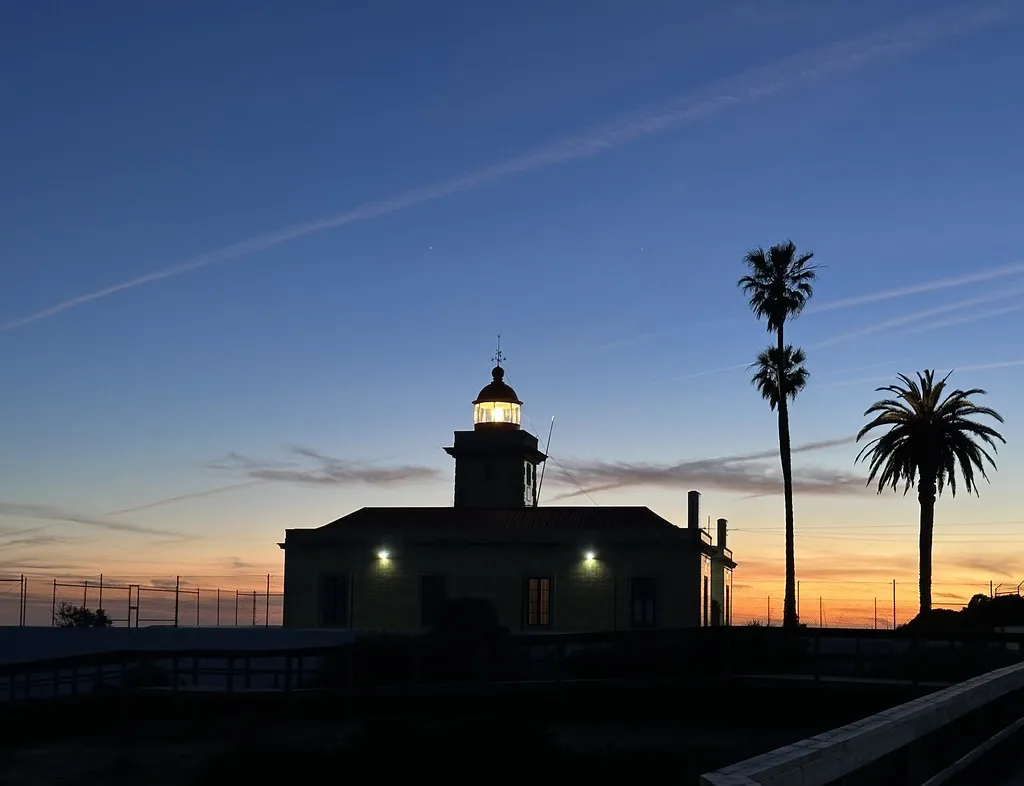
Currency is not an issue since both countries use the Euro, but be aware that some small tapas bars in Sevilla's old quarter are cash-only or impose a 10-euro minimum on card payments. Withdraw euros from a Portuguese ATM before departure to avoid the higher foreign-bank fees that some Spanish ATMs charge. Your Portuguese mobile phone plan should work seamlessly in Spain under EU roaming rules at no extra cost.
Comfortable walking shoes are essential, as you will cover approximately 8 to 10 kilometers on foot during the sightseeing portion of the day. The cobblestones in Santa Cruz are uneven and can be slippery, similar to the calçada in Portuguese cities. Bring a light daypack with sunscreen, a phone charger, and your passport. Leave valuables in the hotel safe in Lagos rather than carrying them through crowded tourist areas — pickpocketing in Plaza de España and around the Cathedral is the most common tourist crime in Sevilla.
Pickpocketing around Plaza de España and the Cathedral is the most common tourist crime in Sevilla. Leave valuables locked in your Lagos accommodation and keep only cash and your phone in a front zip pocket during the sightseeing portion of the day.
Frequently Asked Questions
Is a day trip from Lagos to Sevilla too long?
It is a long day involving about five and a half hours of total driving, but the high-quality A22 and A-49 motorways make it manageable if you start by 7:00 AM. You will have roughly seven to eight hours of sightseeing time in Sevilla, which is enough to see the four major landmarks (Cathedral, Alcázar, Plaza de España, and Triana) and enjoy a tapas lunch. Most travelers find the dramatic cultural contrast between Portugal and Spain makes the effort worthwhile, but if you can spare one overnight you should — it transforms the experience.
Do I need my passport to cross the border into Spain?
Yes, always carry a valid passport or national ID card when crossing the border between Portugal and Spain in 2026. While permanent border checkpoints were removed under the Schengen Agreement, random Guardia Civil and GNR police inspections occur within the 25-kilometer border zone on both sides of the Guadiana bridge. Rental car companies also require your passport details for cross-border insurance coverage, and you may be asked to show it at fuel stations or hotel check-ins.
What is the best way to get from Lagos to Sevilla in 2026?
For solo travelers and couples, an organized bus day tour (75–110 euros per person) is the lowest-stress option. For groups of three or four, self-driving in a small rental car is the cheapest at 75–110 euros total split across the group, plus it gives full schedule flexibility for an early start. The ALSA and FlixBus public coaches are reliable but the limited 16:50 PM return schedule from Sevilla makes them impractical for a meaningful same-day visit. There are no direct trains between the Algarve and Sevilla. Private transfers (220–380 euros per vehicle) work well for groups of two to four who want convenience without driving.
Can I see the main sights of Sevilla in just one day?
You can comfortably visit the Cathedral with Giralda Tower, the Royal Alcázar, Plaza de España, and a brief Triana sunset stop if you book tickets in advance online. These four landmarks sit within walking distance of each other in the historic center. You will not have time for the Metropol Parasol, an in-depth Triana tile-workshop visit, or a formal flamenco show, but you will experience the city's absolute highlights and authentic tapas culture in Santa Cruz.
How much does a Lagos to Sevilla day trip cost in 2026?
Budget approximately 110 to 145 euros per person for a self-drive day trip in 2026. This breaks down to roughly 35–45 euros per car for fuel, 14–18 euros for tolls, 22–28 euros for central parking, 27.50 euros for combined Cathedral and Alcázar entry, and 18–25 euros for a tapas lunch. Car rental costs vary but expect 45–65 euros per day in summer. Splitting fuel, tolls, and parking among two to four travelers reduces the per-person cost significantly. An organized bus day tour costs 75–110 euros per person all-in, plus 25 euros for entrance tickets if not included.
Should I book Cathedral and Alcázar tickets in advance?
Yes — emphatically. Both the Sevilla Cathedral and the Royal Alcázar regularly sell out their online time slots two to three weeks ahead during peak season (April–June, September–October) and one to two weeks ahead the rest of the year. Buying at the door is rarely possible in 2026 and involves multi-hour queues even when stock is available. Book directly on the official catedraldesevilla.es and alcazarsevilla.org websites to avoid third-party markups.
A well-planned Lagos to Sevilla day trip in 2026 offers a magnificent window into Spanish history and culture that provides a striking contrast to any Algarve beach holiday. By accounting for the one-hour time zone shift, booking Cathedral and Alcázar tickets two to three weeks in advance, and following the structured itinerary above, you can enjoy a stress-free international adventure that packs in world-class architecture, authentic Andalusian cuisine, and one of the grandest public spaces in Europe.
The drive itself is straightforward on modern motorways, and the cultural reward of seeing Sevilla's Cathedral, Alcázar, Plaza de España, and Triana in a single day makes the effort worthwhile. Whether you choose to drive, book an organized bus tour, hire a private transfer, or stay overnight to explore more deeply, the journey across the Portuguese-Spanish border remains one of the standout day trips from Lagos Portugal.