Praia da Falésia Guide: Everything You Need to Know
Plan your visit to Praia da Falésia with our expert guide. Discover the best cliff viewpoints, hiking trails, parking tips, and the best time for sunset photos.
On this page
The Ultimate Praia da Falésia Guide
Praia da Falésia stands as one of the most breathtaking coastal stretches in the world. Its towering red-orange cliffs and golden sands create a landscape that feels almost otherworldly. This comprehensive praia da falesia guide covers every practical detail you need for a great visit in 2026. TripAdvisor's Travellers' Choice Awards have ranked it the world's best beach — a title earned by the sheer drama of six kilometres of unbroken cliff and sand.
The contrast between the deep iron-oxide clay and the turquoise Atlantic is unlike any other beach in Europe. Whether you seek a quiet stroll, a beginner surf lesson, or the golden-hour photograph of your trip, this beach delivers. Even at the peak of July and August, the sheer length means you can almost always find space. Read on for access points, parking costs, tide warnings, and the photography viewpoint most guides miss.
Why Visit Praia da Falésia: The Algarve's Most Iconic Cliffs
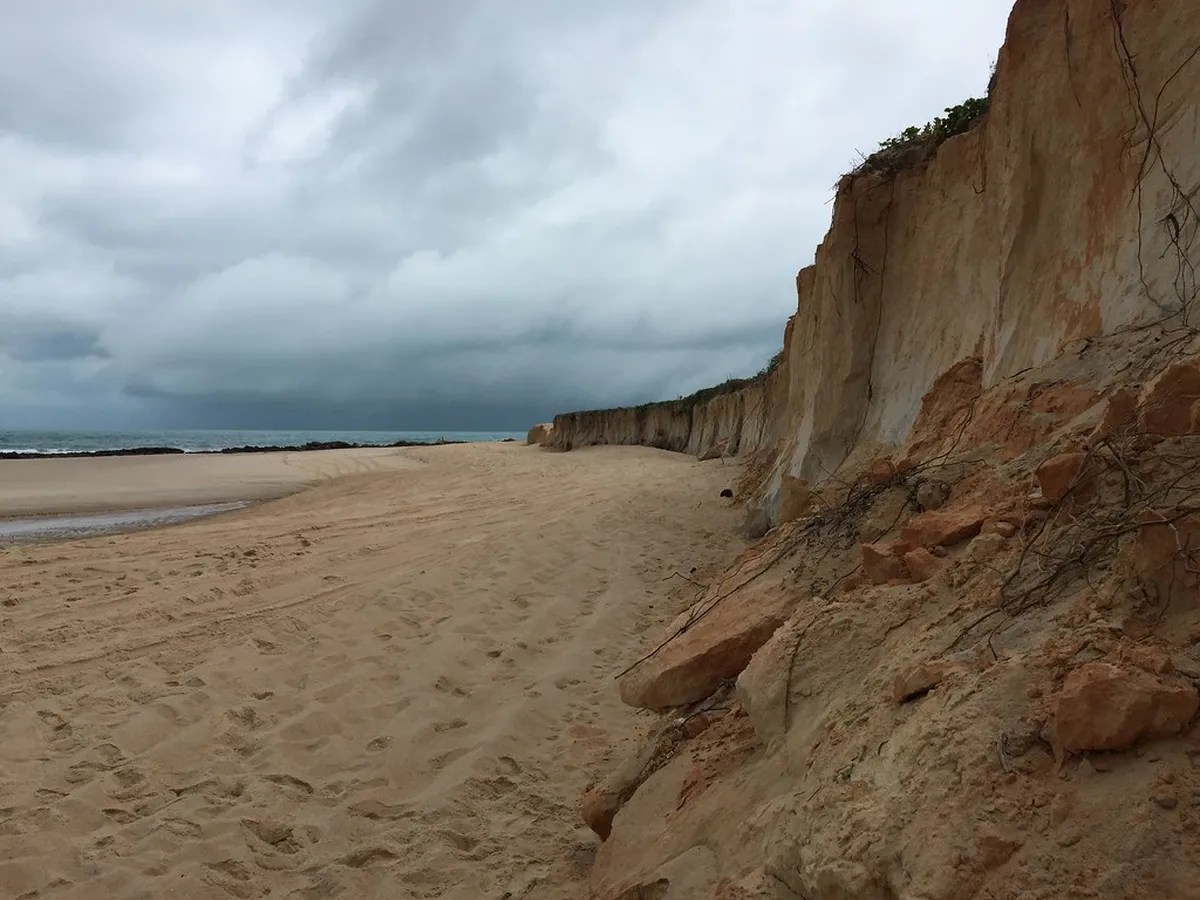
The defining feature is the multi-coloured cliff wall that runs the full length of the beach. These cliffs reach up to 42 metres in height and display layered shades of red, orange, and white — the pigment comes from iron oxide minerals in the Miocene-era sandstone, which oxidise on contact with air. Walking beneath them feels genuinely different from any other Algarve beach. The soft clay layers create a natural mosaic that shifts in colour as the sun arcs across the sky.
Beyond the aesthetics, the beach offers a sense of scale that few other Portuguese shores match. The wide expanse of sand provides room for families, solo travellers, and sports enthusiasts alike. Find a secluded spot by walking just ten minutes from the main access ramps. This balance of accessibility and natural grandeur is why visitors return year after year.
Falésia has held the Blue Flag certification consistently, recognising water quality, safety, facilities, and environmental management. For Portuguese visitors this is one of the best beaches in the Algarve by any metric.
Where is Falésia Beach? Location, Access, and Getting There
Praia da Falésia stretches between the village of Olhos de Água in the west and the Vilamoura marina area in the east. It is centrally located in the Algarve, making it an easy day trip from Albufeira (15 min by car), Faro (35 min), or Lagos (45–60 min). The beach is well-signposted from the N125 and the A22 motorway.
Travelling without a car is straightforward. Vamus Algarve bus line 8 departs from Albufeira bus station and reaches Praia da Rocha Baixinha (eastern end) in about 20 minutes, stopping near the beach ramp. Bus line 6 (Alfamar) also connects central Albufeira to the Açoteias section. Check current timetables at vamusalgarve.pt before you travel — frequencies drop outside the summer season.
The western half from Olhos de Água to the Pine Cliffs resort has the tallest, most dramatic cliffs and the highest concentration of visitors. The eastern half toward Vilamoura sees the cliffs diminish and eventually give way to lower dunes, with a calmer, more local atmosphere. Consulting the Algarve transport guide helps if you plan to combine beach days across several spots.
The Three Access Points: Olhos de Água, Açoteias, and Rocha Baixinha
The beach has three main entry points, each with a distinct character and parking situation. Knowing which one suits your plan saves a frustrating search for a space in July.
The Olhos de Água (western) access offers beach-level entry directly from the village — no cliff stairs required. Parking is very limited; the small lot fills by 09:00 on peak days. This end has the highest, most photographed cliffs and the narrowest sand strip at high tide. The 'tide trap' risk is highest here: at high water, the path along the cliff base can be cut off entirely, forcing a retreat to the clifftop trail.
The Açoteias (central) access is home to the Pine Cliffs resort and has around 80 concrete steps down to the beach, or a boardwalk path with roughly 60 steps via the hotel. The cliff-top car park (GPS: 37.08832, −8.17053) charges approximately €1 per hour and has an unpaved overflow area. This entrance is the most popular and gets congested after 10:00 in high season. Facilities here include public toilets, showers, and sunbed hire (typically €15–25 per day).
The Rocha Baixinha (eastern) access near Vilamoura has a gentler ramp suitable for pushchairs and visitors with reduced mobility. Parking is more ample and charges around €2.80 per hour. The cliffs here are low and dune-like, the atmosphere more energetic, with beach clubs and water-sports concessions operating through the season. Families with young children consistently rate this end highest for ease and facilities.
Tide Times, Safety, and Lifeguard Hours
The Algarve experiences a tidal range of 1.5–3.5 metres, which has a significant effect on Falésia. At low tide the beach is wide, firm underfoot, and ideal for walking the full six-kilometre length. At high tide — particularly on the western section near Olhos de Água — the water can rise to the foot of the cliffs, reducing the walkable sand to as little as 15 metres in places. Always check tide tables at IPMA (Instituto Português do Mar e da Atmosfera) before attempting the shore walk.
If you plan to walk from one end to the other, start at low tide and allow at least 90 minutes at a steady pace. Do not attempt the full beach walk if the tide table shows high water within two hours of your planned arrival at the western cliffs.
Lifeguards patrol the most popular sections from 10:00 to 19:00, June through September. Outside these hours and outside the official season, the beach is unguarded. The Blue Flag certification requires minimum safety standards — flag-pole signals (green = swim, yellow = caution, red = no entry) are posted at each staffed section and should be observed. Check the Algarve weather by month guide for sea-state patterns before booking your dates.
At high tide on the western end near Olhos de Água, the water can rise to the foot of the cliffs, cutting off the beach-level path entirely. Always check tide tables at IPMA before attempting the full six-kilometre shore walk.
Top Things to Do: Surfing, Clay Spa, and Shore Walks
Active visitors will enjoy the consistent Atlantic swell that makes the beach a solid choice for beginner surfing. Several schools operate on the sand, offering lessons and board rentals throughout the warmer months. The gradual ocean floor slope creates a forgiving learning environment, and instructors typically work the Açoteias section where the waves break evenly.
For an entirely free and distinctly local experience, try the natural cliff clay treatment. Where fresh water seeps through the cliff face — look for dark staining on the rock — the clay is soft enough to scoop by hand. Locals apply the mineral-rich white and red sediment to skin as a natural exfoliant, let it dry in the sun, then rinse in the sea. It costs nothing and is the kind of detail most visitors walk straight past.
The six-kilometre shore walk is an easy, flat route on firm sand — best done in the morning when the light is cooler and the tide is receding. Walking from Olhos de Água to Rocha Baixinha takes around 90 minutes at a relaxed pace. Return via the clifftop trail for a completely different perspective: pine-tree shade, panoramic views, and a series of benched viewpoints above the coloured rock faces. The combined loop is the best way to see the full range of scenery the beach offers and requires no special equipment.
Golden-Hour Photography: The Viewpoint Most Guides Miss
Between 17:00 and 19:30 in summer, the low sun strikes the cliff face side-on and the sandstone turns deep amber. Erosion channels cast long shadows across the sand, and the layered geology becomes far more legible than at midday when the light is flat and overhead. This is when Falésia earns its reputation as the best-photographed beach in the Algarve.
The most shared vantage point is the clifftop near the Epic Sana Algarve Hotel — widely known as the Miradouro da Falésia viewpoint. From here you can shoot the coastline receding to the horizon with the full height of the cliffs in the foreground. Arrive 20 minutes before the golden hour to claim a spot on the wooden railings; it gets busy in July and August.
A less-visited alternative: descend to beach level via the Açoteias stairs and position yourself looking west along the cliff base. Shooting horizontally along the cliff face — rather than down from above — captures the texture of the erosion gullies and freestanding pillars that give Falésia its drama. After the sun sets, the sky turns lavender while the cliffs hold a dim orange glow for another 10–15 minutes. Most visitors leave at sunset; staying those extra minutes almost always produces the cleanest shots.
Practical Planning: Parking, Facilities, and Insider Tips
Parking costs and availability vary sharply by access point. The Açoteias central lot charges around €1/hour; the Rocha Baixinha eastern lot around €2.80/hour; the Olhos de Água western area is free but tiny and almost always full by mid-morning in peak season. A practical workaround: the unpaved overflow lot above Açoteias (follow signs from Rua Infante Dom Henrique) is often overlooked by first-time visitors and saves a long walk.
Facilities are well-distributed at the Açoteias and Rocha Baixinha ends: public toilets, outdoor showers, sunbed and parasol hire (€15–25/day), and snack bars. The Olhos de Água end is more rustic — bring your own water and shade. Families with strollers or limited mobility should head to the eastern Rocha Baixinha ramp, which is the only access point that avoids stairs entirely. See our family-friendly Algarve beaches guide for more on accessible beach options nearby.
- Olhos de Água (West): free parking (very limited), no stairs, max cliff height, dramatic scenery, tide-trap risk at high water — best for photography
- Açoteias (Central): ~€1/hour, 80 concrete steps or boardwalk, medium cliffs, Pine Cliffs resort access, full facilities — best for general visitors
- Rocha Baixinha (East): ~€2.80/hour, accessible ramp, low dunes, beach clubs and water sports, most ample parking — best for families
The unpaved overflow lot above the Açoteias central entrance (follow signs from Rua Infante Dom Henrique) is often overlooked by first-time visitors. It saves a long walk and is frequently available even when the main lot is full on peak summer days.
Frequently Asked Questions
Why are the cliffs at Praia da Falésia red?
The vibrant red and orange colors come from high iron oxide content in the sedimentary clay and sandstone layers. These minerals oxidize when exposed to air, creating the striking rust-colored appearance that makes this beach famous worldwide. You can see these layers clearly along the Algarve beach road trip itinerary route.
Can you walk from Vilamoura to Albufeira along the beach?
Yes, you can walk the entire 6km length of the beach between these two areas. However, you must check the tide times before starting your journey. At high tide, the western section near Olhos de Água can become impassable, requiring you to move to the clifftop trails instead.
Is there free parking at Praia da Falésia?
Most parking lots near the beach entrances offer free spaces, though they fill up very early in the summer. The Açoteias and Vilamoura ends have larger unpaved areas where you can park without charge. Always arrive before 10:00 AM during the peak season to secure a spot near the stairs.
What is the best section of Falésia beach for families?
The eastern section near Vilamoura is generally best for families due to the flatter terrain and easier access. The water here tends to be slightly shallower and the walk from the car to the sand is much shorter. You will also find more snack bars and facilities in this specific area.
Combine this with our main Algarve beaches guide for a fuller itinerary. Praia da Falésia remains a must-visit destination for anyone travelling to southern Portugal. Its unique combination of dramatic geology and vast sandy shores offers something for every traveller. Plan your visit during the best time to visit the Algarve to avoid the largest crowds. The memories of a sunset walk under those glowing red cliffs will stay with you long after you leave.
Remember to bring plenty of water and sun protection, as the cliffs reflect a lot of heat. Respect the local environment by staying on marked trails and taking all rubbish back with you. This natural wonder is a fragile ecosystem that deserves care and attention.
For related Algarve beach deep-dives, see our 12 Best Beaches and Coastal Tips in Albufeira and Best Time to Visit Algarve guides.
 Faro Weather By Month: 8 Key Climate InsightsJune 4, 2026