
Madeira in February: Weather, Carnival Guide & Travel Tips
Discover Madeira in February. Get detailed weather stats, Carnival event dates, and expert tips on hiking, canyoning, and avoiding the winter rain.
On this page
Madeira in February: The Ultimate Winter Escape Guide
Madeira in February is a hidden gem for travelers seeking a mild winter escape without massive crowds. While late spring is the peak, mid-February to early March offers the most vibrant local festivals. I visited Madeira in February 2024 and found the island lush, green, and surprisingly warm. Updated October 2025 from my recent winter scouting trip to Funchal.
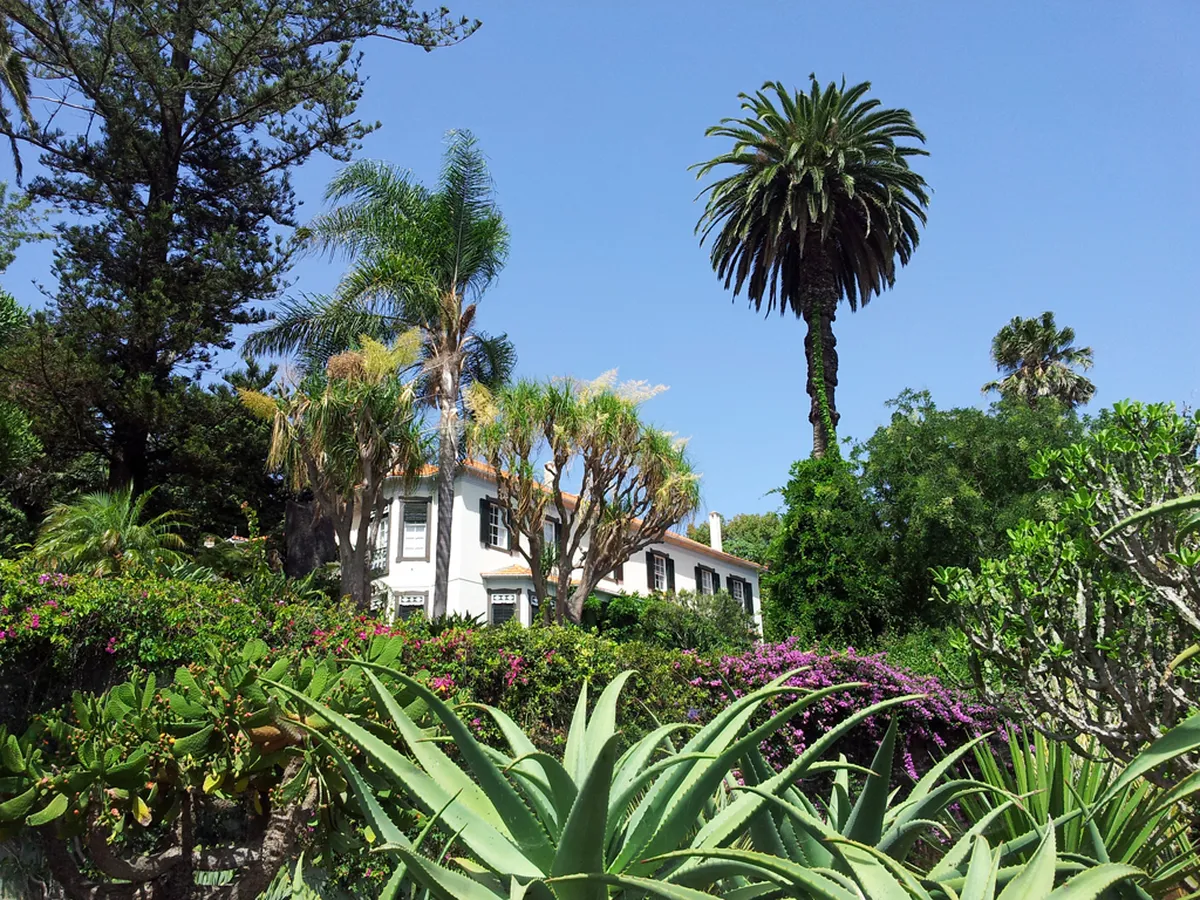
The island feels like eternal spring even during the coldest months of the year. You can enjoy the famous Carnival parades or hike the misty levadas with total peace. Planning a trip now requires understanding the unique microclimates found across the volcanic terrain.
Expect lower hotel prices and easier restaurant bookings compared to the busy summer season. Most travelers find the southern coast around Funchal offers the most reliable sunshine. Our late-February stay coincided with a sudden warm spell that made swimming quite pleasant.
Is February a Good Time to Visit Madeira? (Quick Answers)
Visiting Madeira in February is excellent if you prioritize culture and value over hot beach weather. The island remains much warmer than mainland Europe during this specific winter window. Average daytime highs sit around 18°C / 64°F, making outdoor exploration very comfortable. Check out this comprehensive guide for a broader seasonal overview.
Crowds are generally low except during the week of the massive Carnival celebrations. Flight prices often drop significantly compared to the busy Christmas and New Year period. Nature lovers will appreciate the waterfalls flowing at their full, dramatic capacity. Many locals consider this the best time for quiet reflection in the mountains.
Some travelers worry about rain, but showers usually pass quickly in the breeze. Staying in the south ensures you maximize your chances of seeing the sun. Even rainy days offer beautiful, moody photography opportunities in the forest.
Madeira Weather in February: Temperature, Rain, and Sunshine
The average temperature in Madeira in February stays remarkably consistent across the southern coast. Daytime temperatures usually hover between 16–18°C / 61–64°F near sea level. Nighttime lows rarely dip below 13°C / 55°F in Funchal. The island receives roughly 50mm of rainfall in the city, spread across just 2 rainy days on average — less than most of Northern Europe gets in a week. For detailed meteorological data, consult the Portuguese meteorological institute, which tracks real-time conditions. Check the weather by month for more detailed historical data.
One fascinating regional quirk is the Calima wind that occasionally blows in from the Sahara. This warm, dusty air mass can spike temperatures above 22°C / 72°F for several days at a time, turning mid-winter into something closer to a Mediterranean spring. Its effect is milder here than on the Canary Islands, but it is real and worth hoping for. During a Calima event, sunscreen becomes genuinely necessary even in February.
Sunshine averages 6–7 hours per day, with daylight running from around 07:45 to 18:45. The sun rises and sets early enough that you can squeeze in both a morning hike and an afternoon in the city. In the heights, cloud cover is heavier and conditions can shift within the hour, so always check a local webcam before heading across the central ridge.
Funchal's south-coast location gives it the most reliable sunshine in February, with averages of 6–7 hours of sun per day and daytime highs of 16–18°C. Basing yourself here maximises your chances of warm, clear days even in the depths of winter.
| Location | Avg Temp (Feb) | Sea Temp | Rainfall | Rain Days |
|---|---|---|---|---|
| Funchal (south coast) | 16.5°C / 62°F | 20°C / 68°F | 50mm | ~2 |
| Porto Moniz (north coast) | 17°C / 63°F | 18°C / 64°F | 50mm | ~2–3 |
| Porto Santo (offshore island) | 17.5°C / 63°F | 20°C / 68°F | 57mm | ~2 |
| Mountain interior (Pico Ruivo) | 8–12°C / 46–54°F | — | High | Variable |
Microclimate Strategy: South vs. North in February
Where you base yourself in February matters more than it does in summer. The south coast — anchored by Funchal — sits in a natural amphitheater that blocks the prevailing northeast trade winds. It collects the most sun, and the terraced hillsides above Funchal trap warmth so effectively that sitting outdoors for lunch in a t-shirt is normal even in mid-February.
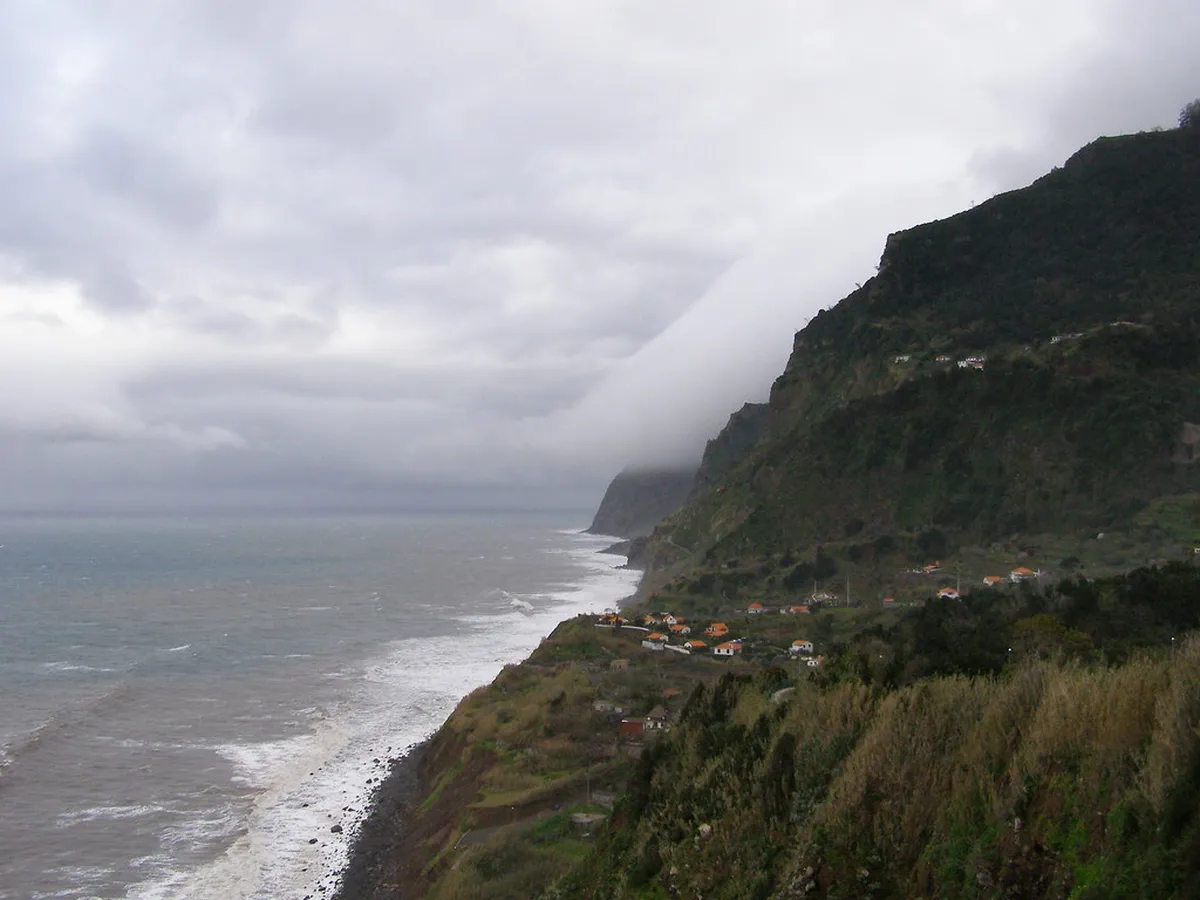
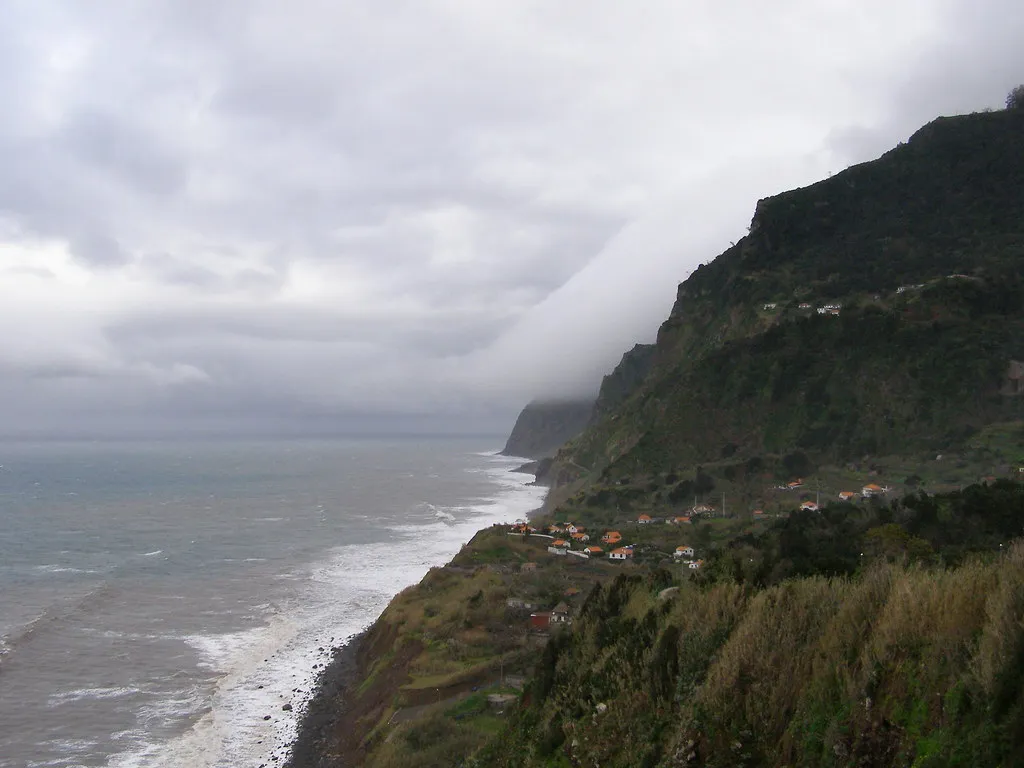
The north coast is a different story. Porto Moniz, Seixal, and Santana face the full force of the Atlantic and tend to be cloudier and a few degrees cooler. This is not a reason to avoid the north — the dramatic sea cliffs, levada tunnels, and lava pools there are genuinely spectacular — but plan north coast excursions around the forecast rather than committing a full day in advance. A morning of cloud and drizzle there often clears to brilliant light by early afternoon.
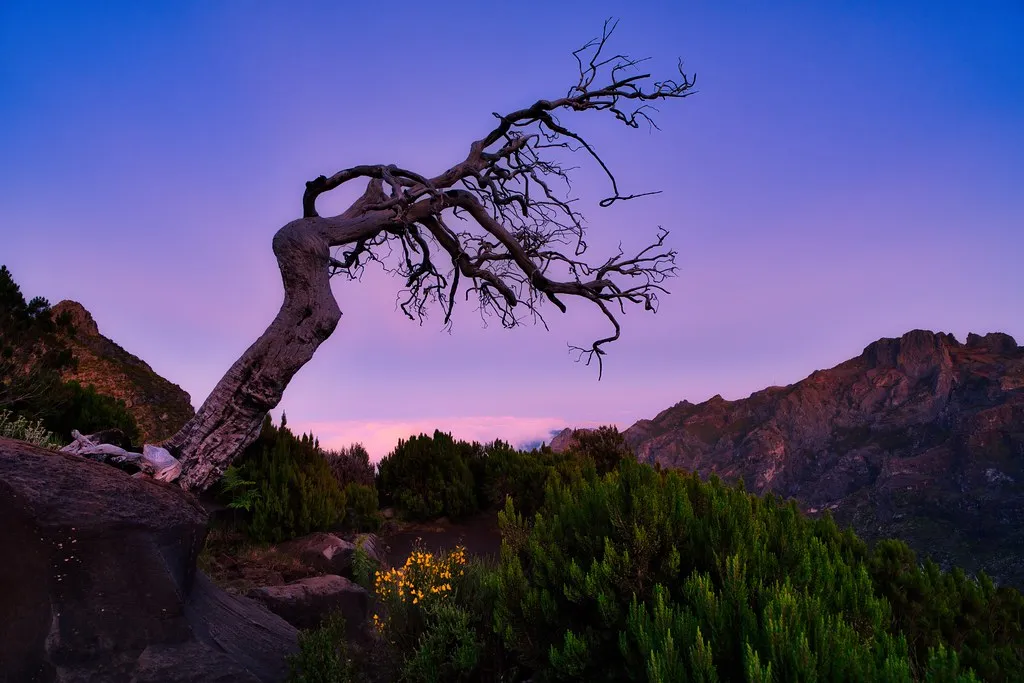
The mountain interior deserves its own warning. Pico Ruivo (1862m) and Pico do Arieiro (1818m) can carry snow in February and temperatures drop to 8–12°C even on clear days. The views from Arieiro on a clear morning are worth the drive, but give yourself a flexible schedule — the summit can disappear into cloud an hour after sunrise. If you drive up and find low cloud, descend to Funchal and try again the following morning rather than waiting it out at altitude.
Top Things to Do in Madeira in February
Exploring Funchal on foot is the natural starting point. The Mercado dos Lavradores (Farmers' Market) is at its most interesting in February, when seasonal produce crowds the stalls: custard apples from the island's northern valleys, passion fruit, baby bananas, and early-season monstera deliciosa. The flower sellers downstairs display strelitzias and proteas in full bloom. It opens Monday to Saturday from 07:00 to 19:00 and entry is free.
Wine tasting fills a cool afternoon beautifully. Blandy's Wine Lodge on Rua dos Ferreiros offers guided tours for around €8–12 per person and explains the unique estufagem heating process that makes Madeira wine virtually indestructible. A glass of 10-year-old Malmsey or Bual is the ideal antidote to a February shower. Most of the historic lodges sit in the old town and make excellent shelter from a passing squall.
The botanical gardens stay in bloom throughout the winter months. Camellias, magnolias, and azaleas are all at or near their peak in February. The Monte Palace Tropical Garden (€12.50 adult entry) is particularly atmospheric after light rain, when the paths steam gently and the lake reflects the surrounding trees. Wear shoes with grip — the cobbled paths become slippery when wet.
On a rainy day, Funchal's museums are genuinely worth your time. The CR7 Museum on Rua Príncipe D. Luís I costs €5 and draws long queues in summer but is quiet in February. The Museu de Arte Sacra on Rua do Bispo houses one of Portugal's finest collections of Flemish religious painting and charges €3 entry. The Madeira Story Centre on Rua D. Carlos I gives a thorough history of the island for €5.
Major February Events: Carnival and Festa dos Compadres
The Carnival in Funchal is the absolute highlight of the February calendar. The main Carnival Float Parade in Funchal falls on the Saturday before Shrove Tuesday. For 2026, that is 28 February. Thousands of dancers in elaborate costumes fill the streets with samba rhythms from around 21:00, and the parade typically runs past midnight. The route follows Avenida do Mar and Avenida Arriaga — staking out a spot on Avenida do Mar by 20:30 gives you good sightlines without a ticket.
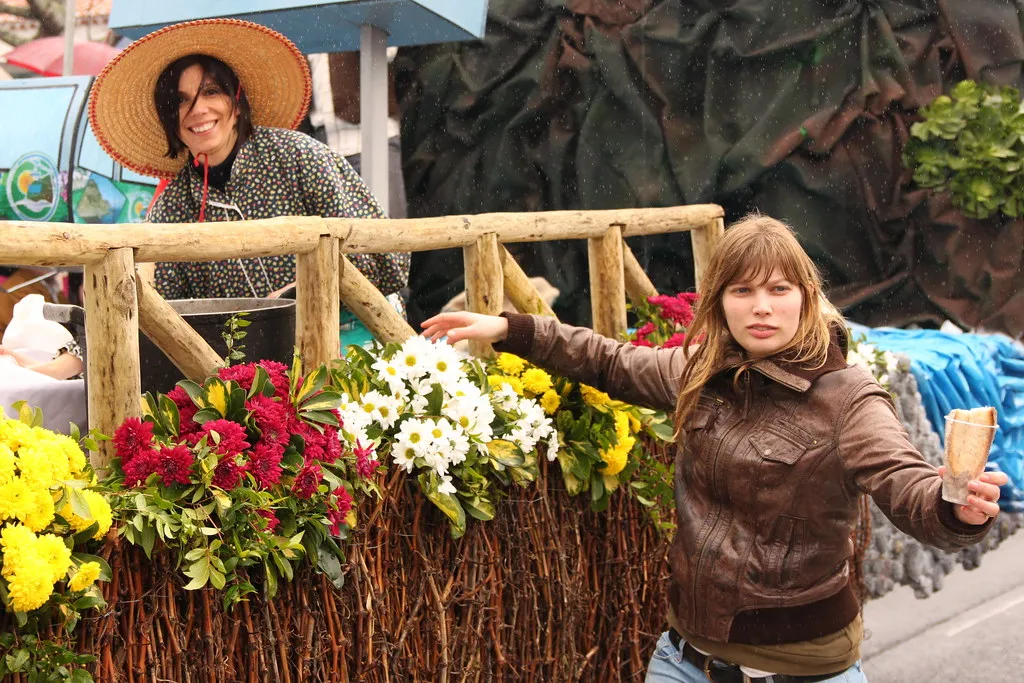
The Children's Carnival Parade runs on 13 February 2026 in Funchal town centre — a daytime event that is far more accessible for families and light on crowds. On Shrove Tuesday itself (3 March 2026), the Slapstick Parade ("Cortejo Trapalhão") offers a satirical, humorous counter to the main event. Locals come in absurdist costumes mocking current affairs. It is rowdier and more spontaneous than the Saturday parade and tends to be the locals' favourite.
In Santana, the Festa dos Compadres marks the true opening of Carnival season. The 2026 event runs on 21–22 February in Santana town centre. The tradition, which has run for over 50 years, centres on giant satirical figurines representing the "Compadre" and "Comadre" — symbolic characters who embody local social commentary. The celebrations build across both evenings with music, food, and humour-filled parades, and culminate in the Trial and Burning ceremony: the figures are put on mock trial, judged, and set alight in a cathartic ritual that clears the slate before Lent. For more on the island's carnival heritage, Wikipedia has a comprehensive overview. It draws a local crowd rather than a tourist one, which makes it one of the most authentic February evenings you can spend on the island.
On 15 February 2026, the Madeira Classical Orchestra performs its Carnival Concert at the Centro de Congressos da Madeira from 18:00. Conducted by Luís Andrade and featuring soloist Alberto Sousa, the evening blends orchestral music with carnival spirit and an open invitation to come in costume. Tickets are available through Ticketline.
Outdoor Adventures: Canyoning, Hiking, and Marine Life
Whale watching in February offers a genuine chance to see deep-water species that summer tourists rarely encounter. Sperm whales are more reliably spotted in Atlantic waters during the winter months, when they feed closer to the surface near the steep underwater shelf off Madeira's south coast. You might also see short-finned pilot whales, bottlenose dolphins, striped dolphins, and common dolphins. The diversity of species is slightly lower than peak summer, but the reduced boat traffic makes sightings feel more intimate. Tours depart from Funchal Marina and provide waterproof ponchos; budget around €50–60 per adult for a three-hour trip.
Hiking the levadas remains possible, but check the regional trails authority website for closures. The Levada das 25 Fontes (moderate, 11km round trip from Rabaçal) and the Levada do Caldeirão Verde (moderate, 13km round trip from Queimadas) are both typically open in February and are at their most dramatic when waterfalls are in full flow. Avoid the higher-altitude PR1 route between Pico do Arieiro and Pico Ruivo if there has been snow in the preceding days — the exposed ridgeline becomes hazardous without crampons. Check the winter hiking conditions page for what to expect on mountain trails.
The Porto Moniz Trail running event on 8 February 2026 draws athletes to the north coast with routes of 13km, 25km, and 43km covering levada paths, forest trails, and mountain terrain. Non-runners can watch the start and finish in Porto Moniz village or walk a lower section of the route independently. The coastal lava pools at Porto Moniz are open year-round (entry around €2) and are heated slightly by the surrounding volcanic rock — cold enough to feel brisk but perfectly safe for a short dip.
Canyoning peaks in winter precisely because the waterfalls are at full flow. Professional guides provide thick 5mm wetsuits and all rigging equipment; book through a certified operator (Lokoloko and Madeira Canyoning are well-regarded) and expect to pay €60–90 per person for a half-day descent. Water temperatures in the canyons run around 14–16°C in February, so the wetsuit is not optional.
The PR1 ridge route between Pico do Arieiro and Pico Ruivo can carry snow and ice in February — avoid it without crampons after snowfall. Summit conditions at 1818–1862m change rapidly; check a local webcam before driving up, and descend to Funchal rather than waiting out cloud at altitude.
Crowds, Costs, and Practical Travel Tips
Early February is the quietest point on Madeira's annual tourism calendar. Visitor numbers are only marginally higher than January. Funchal restaurants have space at short notice, the cable car to Monte has no queue before 10:00, and levada trailheads are empty on weekday mornings. This changes sharply from around 22 February as Carnival week approaches: accommodation in Funchal can sell out weeks ahead for the Saturday parade, and rates on the main Avenida strip jump 40–60% above the January baseline.
Book your Carnival accommodation as early as possible if the parade is the reason for your trip. Staying in São Martinho (a 15-minute Uber from the parade route) or in the hills above Funchal cuts rates considerably while keeping you close to the action. If you are flexible on dates, arriving on Monday 16 February gives you two full weeks before the crowds build — enough time to hike the best levadas, see the Custard Apple Exhibition in Santana (28 Feb–1 March 2026), and still catch the Children's Parade on the 13th.
Public transport covers the main south-coast corridor reliably, but the north and interior require a car. Roads in the north can be single-track with passing places, and mountain passes carry fog warning signs that are worth taking seriously. Car hire from Funchal Airport runs around €25–40 per day in February — significantly cheaper than the summer peak. Fill up in Funchal before heading north; petrol stations become sparse above 600m.
The ferry to Porto Santo is weather-dependent in February and can be cancelled at 24 hours' notice during Atlantic swells. If a day trip to Porto Santo's 9km beach is on your list, book a flexible ticket and have a backup plan. The 90-minute crossing is scenic on a calm day but rough when the swell exceeds 2m.
February Food Scene: What to Eat Right Now
February has a distinct culinary identity in Madeira that most visitors miss entirely. Black scabbard fish (espada preta) is hauled from depths of 800–1200m year-round, but the cooler months produce the best catches and the most consistent prices. Order it at a Funchal restaurant grilled with banana and a glass of Verdelho wine — the combination sounds odd and tastes essential. The dish is on virtually every menu in the old town for around €14–18.
The Annona cherimola — custard apple — reaches peak season from November through March. Grown on terraced plots in the island's north valleys, the fruit is almost impossible to find outside Madeira and the Canary Islands. At the Mercado dos Lavradores, a ripe one costs €1–2 and yields a creamy, vanilla-banana flavoured flesh that locals eat with a spoon. The Regional Custard Apple Exhibition in Santana runs from 28 February to 1 March 2026 and brings growers together in the town square with displays, tastings, and regional cooking demonstrations — genuinely the best food event of the Madeiran winter and entirely overlooked by most guides.
Sonhos are the Carnival-season sweet: fried dough balls dusted in cinnamon sugar, sold at every bakery from mid-February onward. A bag from a padaria costs under €2. Pair them with a bica (espresso) at a street-side café and you have the quintessential February morning in Funchal sorted.
What to Pack for Madeira in February
Packing for Madeira in February requires a strategy of versatile layers. The weather can change from bright sunshine to a cool breeze in minutes. Bring a mix of light summer clothes and warm outer layers. A compact umbrella is more useful than a heavy raincoat in the city — showers are short and the wind defeats an umbrella on mountain trails anyway.
If you plan to hike, waterproof gear is essential. Temperatures in the mountains can be 10°C cooler than in Funchal, and wet levada paths demand shoes with deep grip. Don't forget a swimsuit for heated hotel pools or the lava pools at Porto Moniz. Evening attire on the Funchal seafront should include a light jacket — sea breezes cool quickly after sunset.
- Waterproof hiking boots with ankle support — mud and wet rock are the main hazards on mountain levadas
- Lightweight packable windbreaker — blocks the Atlantic breeze without bulk in a day bag
- Sunscreen SPF 30+ and sunglasses — the February sun is low-angled but intense, especially during a Calima event
- One warm fleece or mid-layer — needed above 600m even on sunny days, and for Carnival evenings that run past midnight
- Compact umbrella — for city use; leave the bulky ones at home
Frequently Asked Questions
Is the weather good in Madeira in February?
Yes, the weather is mild and pleasant with highs of 18°C / 64°F. While rain occurs, it usually passes quickly. The south coast stays the sunniest.
Can you swim in Madeira in February?
The ocean is a cool 18°C / 64°F, which is brisk for most. Many visitors prefer using heated hotel pools. The Porto Moniz natural pools remain open.
What is the main event in Madeira in February?
The Funchal Carnival is the biggest event of the month. It features massive parades, music, and street parties. It is a world-class celebration.
Madeira in February offers a perfect blend of cultural excitement and natural beauty. You can escape the harsh northern winter for a spring-like island atmosphere. The combination of low prices and festive energy makes it a smart travel choice. Whether you hike or dance, the island will leave a lasting impression.
Remember to book your Carnival accommodation early as Funchal fills up fast. Pack your layers and prepare for an unforgettable Atlantic adventure. Madeira remains one of the most reliable winter sun destinations in Europe.
Use our Madeira tourism hub to plan the rest of your trip.
For related Madeira deep-dives, see our 8 Things to Know About Visiting Madeira in December and 8 Things to Know About Visiting Madeira in November guides.
 7 Essential Tips for Visiting Madeira in MarchMay 17, 2026