Hiking in Madeira in November: Weather, Trails, and Packing
Plan your Madeira hiking trip in November with weather insights, trail recommendations (PR1, PR8), packing tips, and local St. Martin's Day traditions.
On this page
Hiking in Madeira in November: Weather, Trails, and Packing Guide
November is one of the quietest and most rewarding months to hike Madeira. Crowd levels drop sharply after the summer rush, levada paths become uncrowded sanctuaries, and the island turns intensely green from the first autumn rains. Temperatures stay mild enough for full trail days, though the mountains require real preparation.
The trade-off is predictability. Rain is more frequent than in summer, and high-altitude trails can close with little warning when wind or mist move in. Our late-November trek to Pico Ruivo was cut short by sudden fog and gusting wind — knowing which trails hold up in poor conditions makes the difference between a great day out and a wasted drive. This guide focuses on that decision. See the Best Time to Visit Madeira: 10 Seasonal Guides & Tips overview for a broader seasonal comparison.
Weather and Microclimates in November
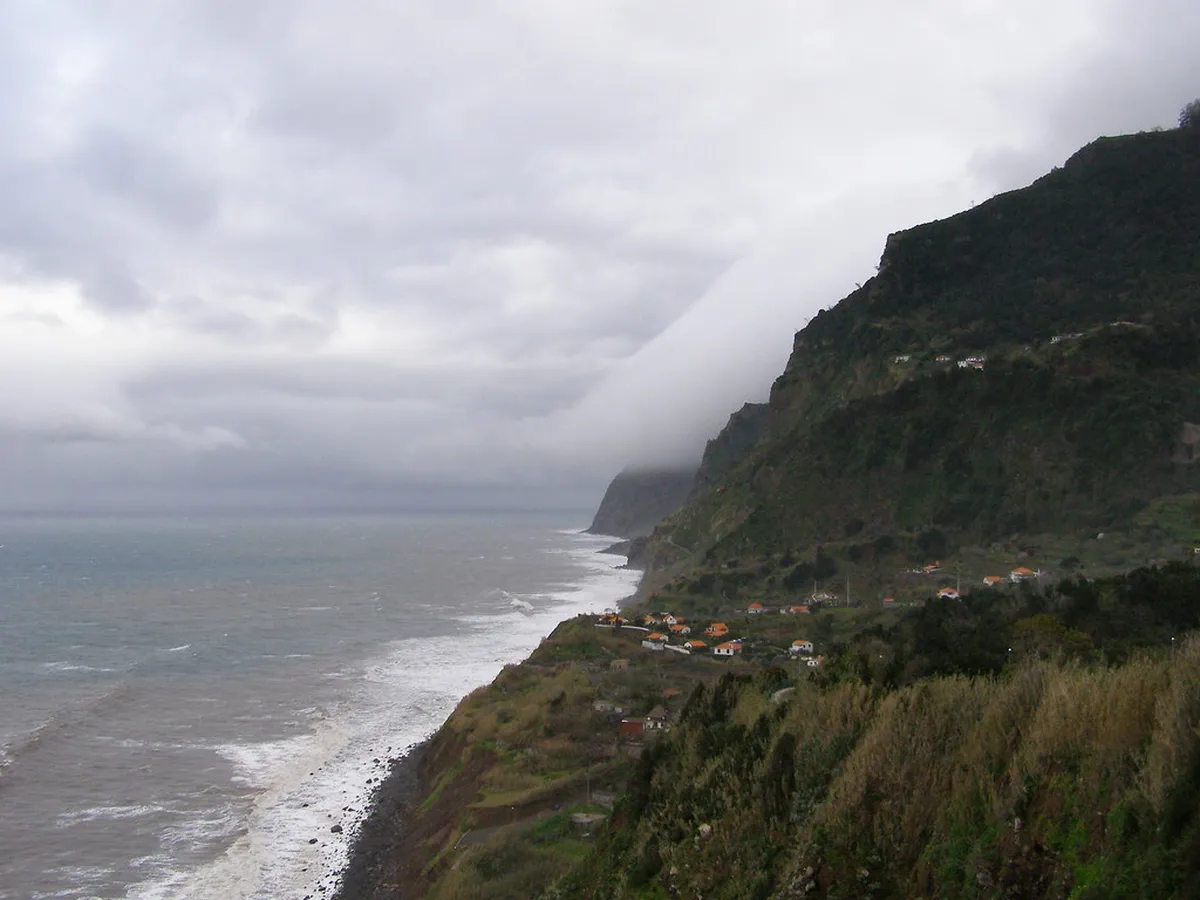
Madeira's famous microclimate system is most pronounced in autumn. The south coast around Funchal holds daily temperatures of 18–21°C / 64–70°F and stays relatively dry. The north coast catches the brunt of Atlantic fronts, meaning trails above Santana or São Vicente frequently sit under low cloud while the south is clear. The central peaks — Pico do Arieiro at 1,818m and Pico Ruivo at 1,862m — can drop to 8–12°C / 46–54°F by mid-afternoon and accumulate ice overnight after cold fronts.
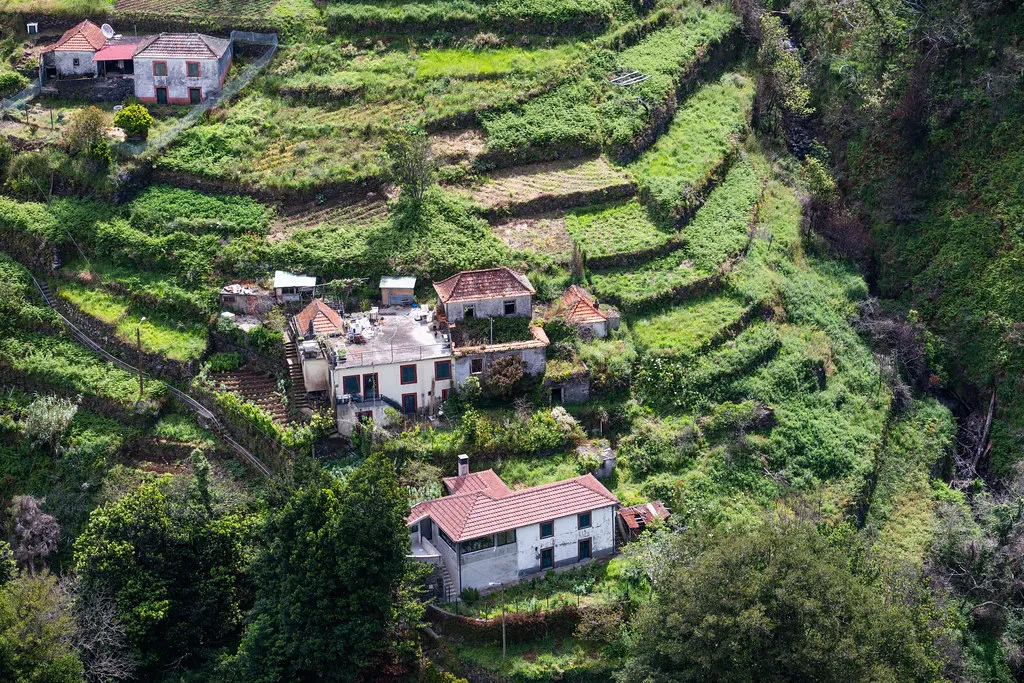
Rain in November rarely lasts all day. Showers are typically short and intense, followed by sunshine and vivid rainbows. The Leste, a warm dusty wind from the Sahara, can still push temperatures above 25°C even in November, turning the island dry and hazy for a day or two. Cloud inversions are common: you can stand in clear sunshine at 1,500m while the valleys below are buried in white cloud. For detailed weather forecasting, consult the official Portuguese meteorological institute.
The smartest thing you can do before any November hike is check the NetMadeira webcam network. Cameras are placed at Pico do Arieiro, Encumeada, Bica da Cana, and the north coast, and refresh every few minutes. If the Arieiro cam shows clear sky at 07:00, the high-altitude PR1 is likely in good shape for the morning. If it shows cloud, head for the coast instead. This real-time sun-hunting takes five minutes and regularly saves a three-hour drive to a trail you cannot see. Check current winter-season conditions alongside the 7 Things to Know About Madeira Winter Temperatures data.
Check the NetMadeira webcam at Pico do Arieiro at 07:00 before committing to any high-altitude route. The central peaks can drop to 8–12°C by mid-afternoon — significantly colder than the 18–21°C coast — so always carry an extra layer even on clear mornings.
Best Hiking Trails for November Conditions
November hiking on Madeira divides naturally into two categories: coastal trails that almost always stay open and accessible, and high-altitude routes that require a clear forecast and a willingness to turn back. Knowing which is which before you arrive saves significant frustration.
The PR8 – Vereda da Ponta de São Lourenço is the standout November trail. This 8.5km out-and-back route runs along Madeira's eastern tip at sea level, cutting through volcanic cliffs above crashing Atlantic surf. Because it sits on the sheltered eastern promontory, it stays sunny on days when the rest of the island is overcast. It is the go-to route when the mountain webcams look poor. Difficulty is moderate, with some exposed rocky sections — good grip is essential.
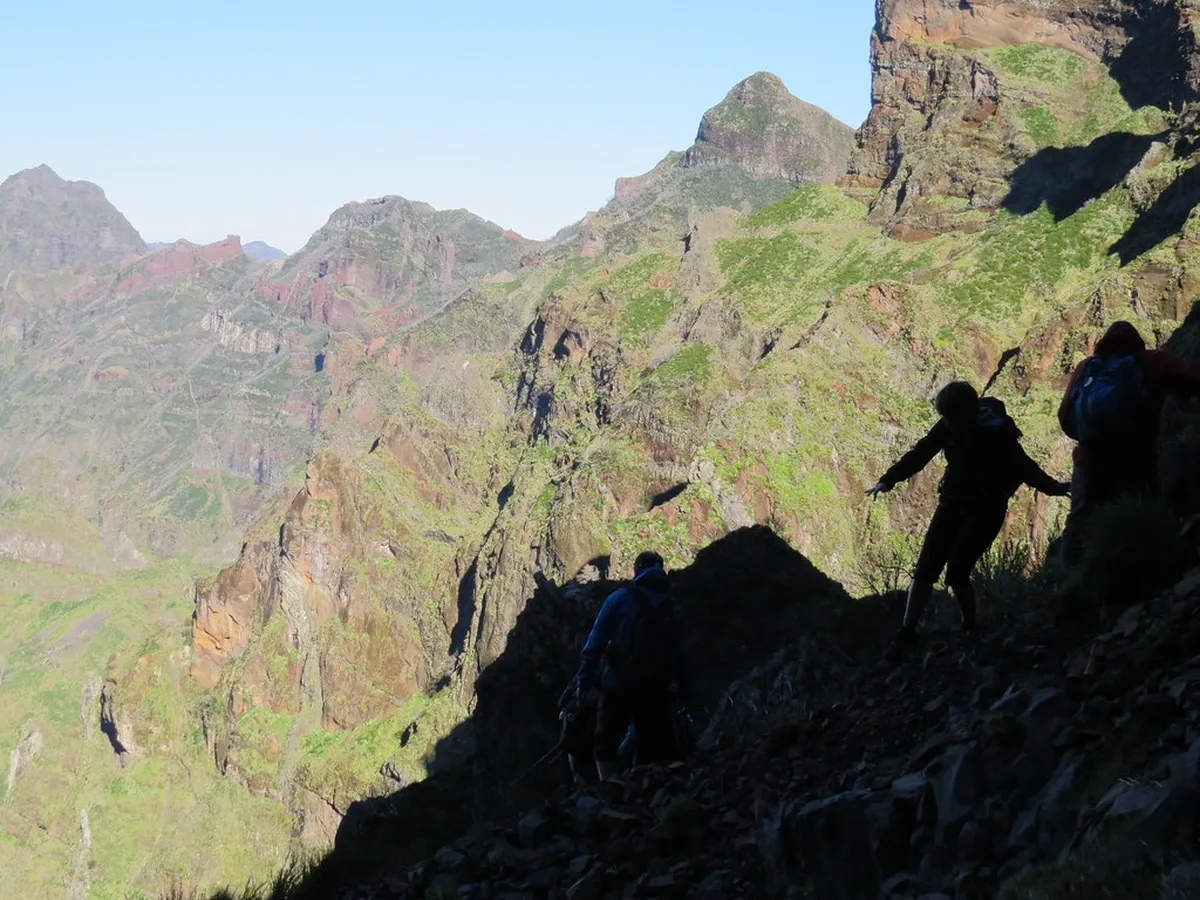
The PR1 – Pico do Arieiro to Pico Ruivo is the most iconic high-altitude traverse on the island, but it demands respect in November. The 11km ridge route crosses three summits above 1,700m and is fully exposed to wind. Trail sections around Pico das Torres involve metal ladders and narrow ledges that become genuinely dangerous in ice or heavy mist. Check the status carefully before committing: in 2026 sections remain affected by wildfire damage from earlier seasons, and the regional government can close the trail on short notice.
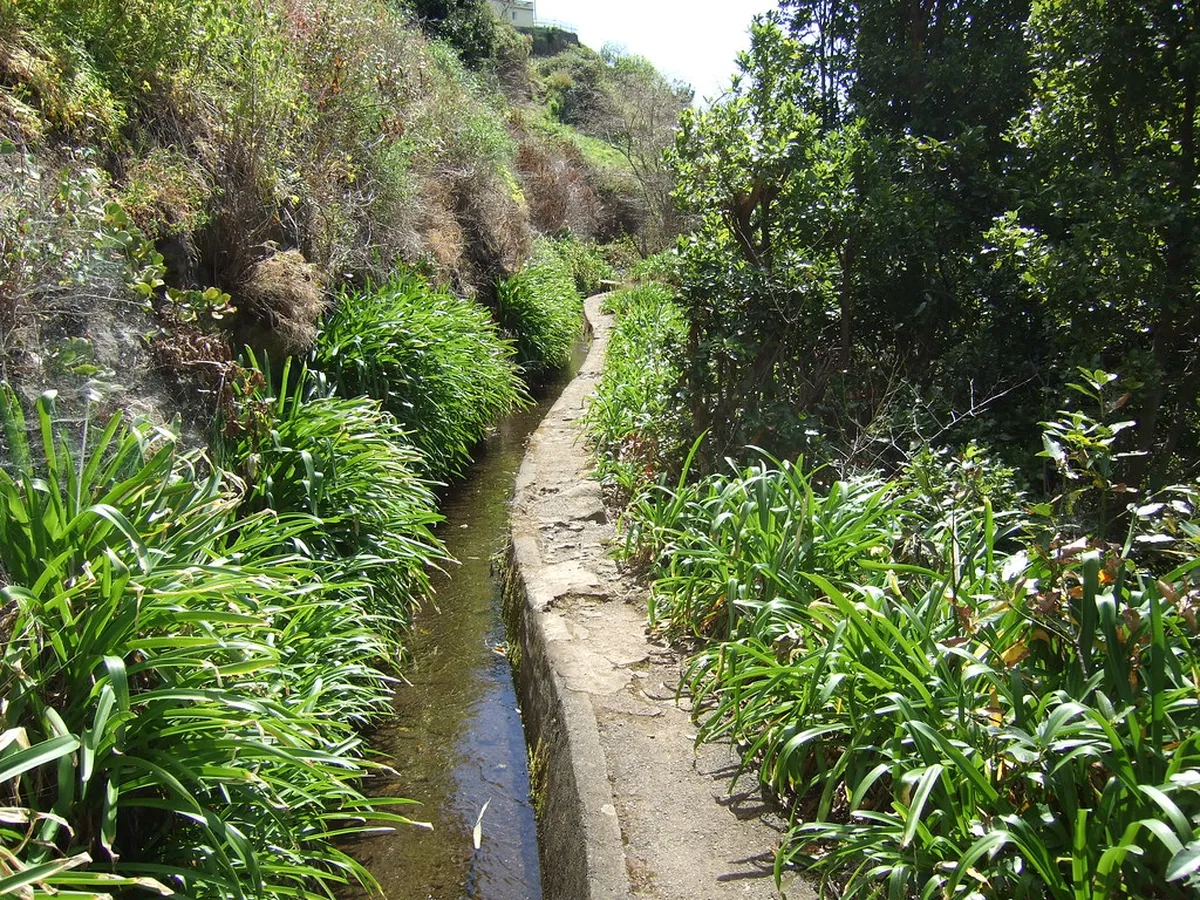
For sheltered forest days, levada walks are ideal. The Levada Nova follows an irrigation channel through terraced farmland and pine forest in the southwest — flat, well-maintained, and suitable for all fitness levels. The PR11 – Vereda dos Balcões is a short 1.5km walk to a balcony viewpoint above the Ribeira da Metade valley, often socked-in from above but clear at trail level. Both routes are sheltered enough to walk in light rain without real discomfort. Many of Madeira's levada trails traverse the laurel forest UNESCO heritage site, one of Europe's rarest ecosystems.
PR1 vs PR8: Choosing the Right Trail on a Mixed-Weather Day
On any given November morning in Madeira, you face the same decision: commit to the mountains or head for the coast. The PR1 and PR8 represent opposite ends of that choice, and understanding the trade-offs helps you pick correctly rather than gambling on a forecast.
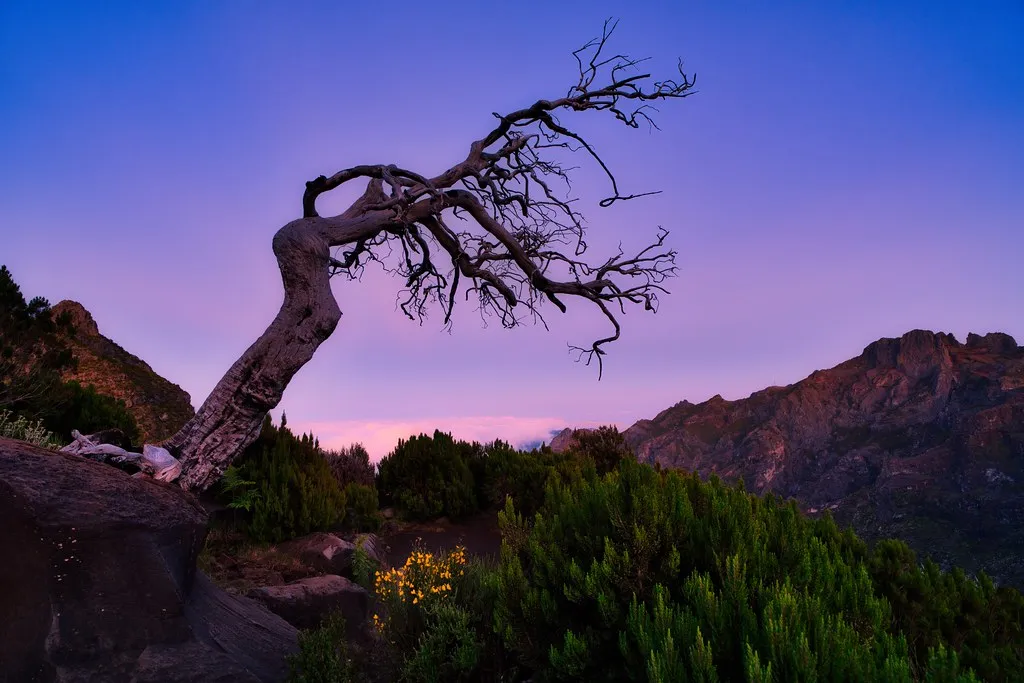
The PR1 from Pico do Arieiro is spectacular when clear. Views stretch to Porto Santo and across the full central massif. But the summit zones hold cloud and wind for hours after the south coast clears, and mist on the metal ladder sections at Torres and Ninho da Manta is a genuine safety issue. If the Arieiro webcam shows less than 200m visibility at 08:00, the PR1 is not worth attempting that morning regardless of what lower-elevation forecasts say. Start time also matters: mountain weather typically deteriorates after 13:00 in autumn, so late starters are much more likely to walk into deteriorating conditions.
The PR8 behaves almost oppositely. Being at sea level and facing east, it gets morning sun early and is largely unaffected by the high-altitude cloud systems. On the same day the PR1 is closed by mist, the PR8 can be brilliantly clear and warm. The one scenario where PR8 suffers is a strong north-east swell with coastal spray, which makes the clifftop sections wet and exposed. Check the Funchal wind forecast rather than the mountain webcams when assessing the PR8. If north-east winds are above 40km/h, save it for a calmer day. Otherwise, in November, the PR8 is almost always a reliable choice.
Essential Gear and Packing for Autumn
Packing for a Madeira November hike requires more thought than packing for summer. The challenge is that temperatures at the start of a hike in Funchal (20°C / 68°F) can be 10 degrees lower at the summit two hours later, and rain can arrive within minutes of sunshine.
The most consequential gear decision is your rain jacket. In 20°C humidity, a fully waterproof but non-breathable jacket becomes uncomfortable quickly — you end up as wet from sweat inside as from rain outside. A breathable waterproof shell (Gore-Tex or equivalent 20,000mm+ hydrostatic head rating) is worth the price difference. On Madeira's humid trails, the breathability matters as much as the waterproofing. If budget is the constraint, a cheaper jacket is still better than nothing, but open the pit zips and pace yourself on climbs to manage moisture buildup. Pack it accessible — not buried in your bag — because November showers arrive in under two minutes.
Footwear matters more than anything else on wet levada paths. The stone-edged channels become extremely slippery under wet leaves in autumn. Waterproof hiking boots with a grippy Vibram sole are significantly safer than trail runners on these surfaces, even though trail runners feel more comfortable on dry days. Trekking poles help considerably on descents after rain. Bring a small daypack with a waterproof liner or a dry bag for electronics — cameras and phones do not survive the inside-the-cloud levada tunnels well.
- Packing checklist for November hiking in Madeira:
- Breathable waterproof shell jacket (Gore-Tex or 20,000mm+ equivalent)
- Waterproof hiking boots with grippy sole
- Moisture-wicking base layer and a lightweight fleece for summits
- Trekking poles (especially for levada descents after rain)
- Dry bag or waterproof liner for electronics and spare clothes
- Headlamp (short November days mean early dark on long routes)
- Sunscreen — UV levels remain high at altitude on clear days
Safety Tips: Navigating Mud and Trail Closures
Levada paths accumulate wet leaves and surface mud quickly after rain. The narrowest sections — where the levada channel runs along a steep cliff face with a drop on one side — require complete attention in these conditions. Walk slowly and plant your feet deliberately. Trekking poles provide the most value here, not on open terrain. Avoid cliff-edge sections during or immediately after heavy rain.
Trail closure information is scattered across several sources and rarely consolidated. The best approach is to check the Visit Madeira official portal and the regional Civil Protection (Proteção Civil da Madeira) website the morning of your hike. The PR1 in particular has had sections closed intermittently since the 2023 wildfires; the closure status can change week to week. Some mountain cafes and snack bars at Rabaçal and near Pico do Arieiro reduce their hours or close entirely from November through March, so carry enough food and water for the full route.
Flash floods are a real risk in the narrow canyon sections of inland levada routes after heavy rainfall. If you hear a sustained roar from a watercourse during rain, move to higher ground immediately. The levada tunnels — some up to 700m long on routes like Levada do Norte — are passable but should be skipped in heavy rain as water levels inside can rise quickly. Carry a fully charged phone with offline maps downloaded via Maps.me or the WalkMe app before you lose signal in the mountains.
The PR1 has had sections intermittently closed since the 2023 wildfires, and the regional government can close trails with little notice. Always check the Visit Madeira portal and Proteção Civil da Madeira the morning of your hike — closure status can change week to week.
Local Events: St. Martin's Day and Post-Hike Traditions
November 11th is Dia de São Martinho, one of Madeira's most genuine local celebrations. The festival marks the end of the harvest season and the tasting of this year's new wine, known as vinho novo. Unlike the summer festivals which cater significantly to tourists, São Martinho is a neighbourhood affair — locals gather in courtyards and village squares rather than ticketed venues.
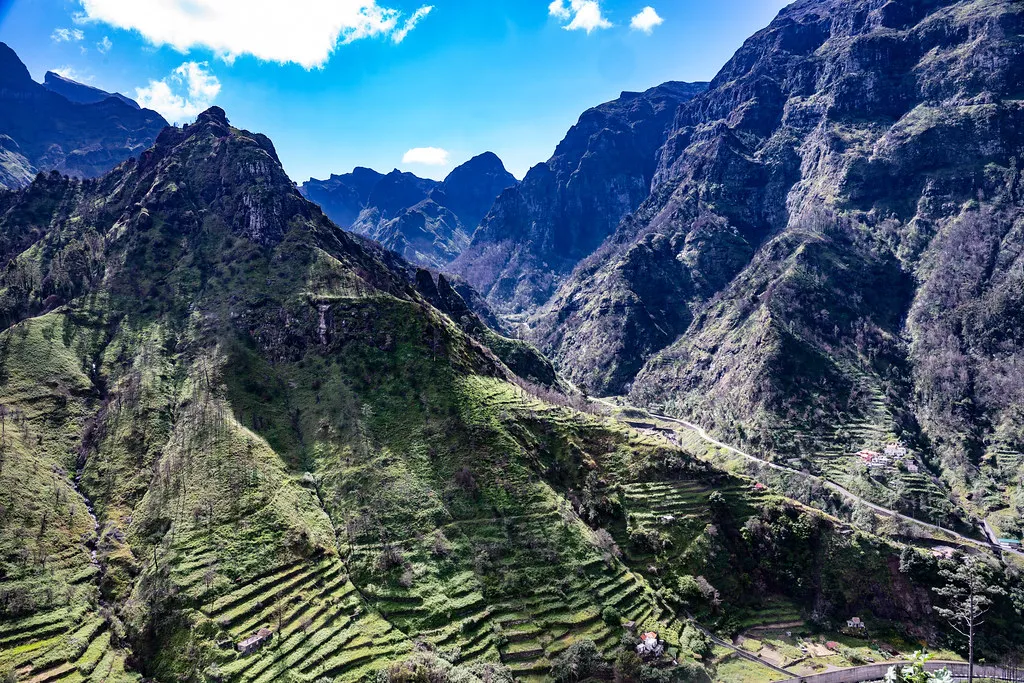
After a hike, the best place to experience it is along Rua dos Ferreiros and the surrounding streets in Funchal's old town, where street vendors set up charcoal braziers selling castanhas assadas (roasted chestnuts) from around 17:00. The smoke from the chestnuts is one of the most distinctive November smells on the island. Village celebrations in Câmara de Lobos and Ribeira Brava are less crowded and more traditional than those in central Funchal — worth the short drive if you are based in the west of the island.
Throughout November, not just on the 11th, local tascas (taverns) offer roasted chestnuts as a free accompaniment to drinks. Order a poncha — Madeira's rum-and-honey cocktail — alongside, and you have the defining off-season post-hike experience. Warm chestnuts are also sold from street carts outside the Mercado dos Lavradores in Funchal until late evening on weekdays.
Frequently Asked Questions
Is November a good month for hiking in Madeira?
Yes, November is excellent for hikers who prefer quiet trails and lush scenery. Temperatures are mild, though you should prepare for some rain. The island is much less crowded than in summer.
What is the weather like in Madeira in November for hikers?
Expect mixed conditions with temperatures between 16–21°C / 61–70°F near the coast. Mountains are cooler and cloudier. Rain showers are frequent but often short-lived throughout the day.
Are the high peaks like Pico Ruivo accessible in November?
Most high peaks remain open unless there is extreme wind or ice. Check the local weather forecast and webcam before starting your climb. Trails may close temporarily for safety during storms.
Hiking in Madeira in November rewards hikers who plan around the island's microclimates rather than hoping for consistent weather. Check the NetMadeira webcams each morning, have a coastal backup trail ready when the mountains cloud over, and pack a breathable waterproof shell regardless of the morning forecast. The quiet trails, intensely green laurel forests, and the warmth of São Martinho street celebrations make November one of the most memorable times to visit.
Pair this with our broader things to do in Madeira guide for the full island overview.
 Best Time To Visit Cascais Travel GuideMay 17, 2026