7 Things to Know About Madeira Winter Temperatures
Discover Madeira winter temperatures, from Funchal's mild coasts to the snowy peaks. Plan your trip with data on rainfall, sea warmth, and packing tips.
On this page
7 Things to Know About Madeira Winter Temperatures
Madeira sits in the Atlantic at 32° North, close enough to the Canary Islands to enjoy subtropical warmth but far enough from the equator for genuine seasons. Winter here feels nothing like winter in Lisbon, let alone London or Berlin. Daytime highs along the coast stay around 18–20°C / 64–68°F throughout December, January, and February, while nights rarely dip below 13°C / 55°F in Funchal.
That mild baseline is only part of the story. Altitude, wind direction, and the island's steep topography create weather pockets that can differ by 10°C within a thirty-minute drive. This guide breaks down what those numbers actually mean for hikers, swimmers, and anyone deciding whether to book a January flight. For a full seasonal comparison, see our Best Time to Visit Madeira: 10 Seasonal Guides & Tips overview.
The Four Seasons of Madeira: A Winter Overview
Madeira earns its "island of eternal spring" nickname because the temperature gap between its coolest and warmest months is remarkably narrow. Summer peaks at roughly 26°C / 79°F on the south coast; mid-winter averages 18–19°C / 64–66°F. That 7–8°C swing is smaller than the daily temperature range in many continental cities.
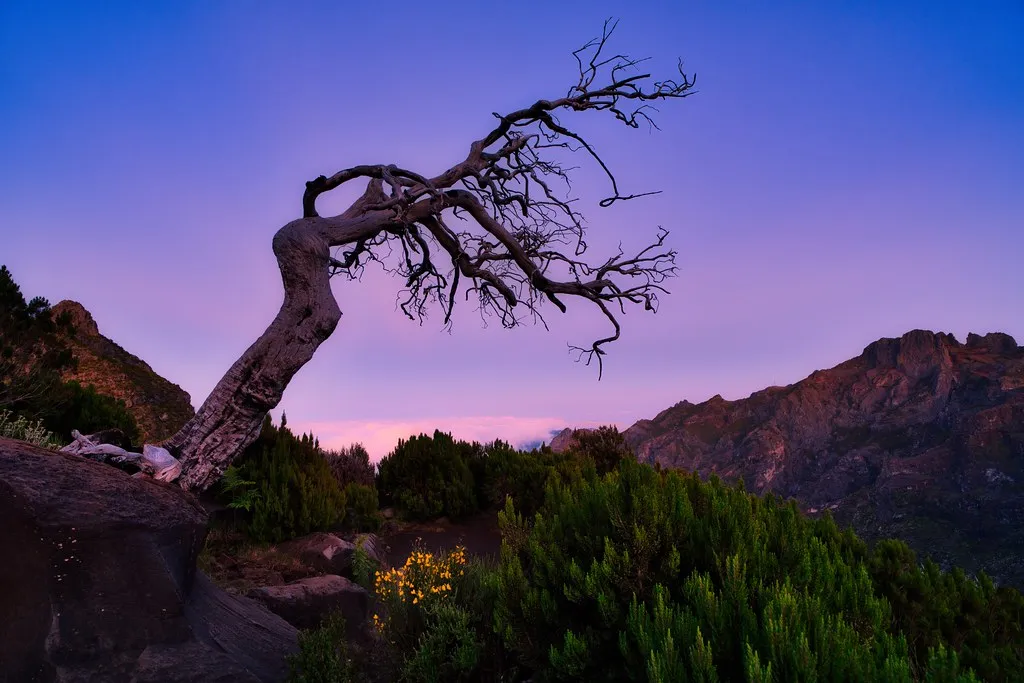
Winter officially runs from December through February. The landscape turns intensely green as rainfall increases, levada trails fill with fast-flowing water, and the mountain peaks occasionally catch snow. Daylight lasts about ten hours, down from thirteen in midsummer, but still enough for a full day of activity. For detailed climate data, see Madeira's climate on Wikipedia.
The island splits into two very different climate zones. The sheltered south coast, where most hotels and the airport sit, stays sunnier and noticeably warmer. The north coast faces the prevailing trade winds, receives more rain, and typically runs 2–3°C cooler. That divide matters for planning daily itineraries in winter.
Average Winter Temperatures: December, January, and February
December opens gently. Average daytime highs in Funchal reach 19–20°C / 66–68°F during the first two weeks, dropping a degree toward Christmas. Nights settle around 14–15°C / 57–59°F. Rainfall climbs but the month still delivers the most festive atmosphere on the island, with Funchal running some of Europe's most elaborate Christmas light installations.
January is the coolest month. Daytime highs average 18–19°C / 64–66°F at sea level, and nights in Funchal bottom out around 13°C / 55°F. Read the dedicated Madeira Weather By Month: The Ultimate Seasonal Guide guide for precise rainfall figures across all twelve months. January also sees the lowest hotel occupancy of the year, which translates directly into price drops of 30–50% versus August.
February warms very slightly as days lengthen. Highs nudge back toward 19–20°C / 66–68°F, and the famous Carnival parade in late February draws moderate crowds without pushing prices back to peak levels. Mountain altitudes tell a different story all three months — Pico Ruivo at 1,862m can sit at 2–5°C / 35–41°F with frost on exposed rocks well into February.
| Month | Avg High (Funchal) | Avg Low (Funchal) | Sea Temp | Rainfall (mm) | Sunshine (hrs/day) |
|---|---|---|---|---|---|
| December | 20°C / 68°F | 15°C / 59°F | 20°C / 68°F | ~90 mm | 5.5 |
| January | 19°C / 66°F | 13°C / 55°F | 18°C / 64°F | ~100 mm | 5.0 |
| February | 19°C / 66°F | 13°C / 55°F | 18°C / 64°F | ~75 mm | 5.5 |
Understanding Rainy Weather in Madeira During Winter
Rain in Madeira rarely follows the northern-European pattern of grey all-day drizzle. Showers arrive fast, often heavy, and then pass within an hour. The dramatic topography forces moist Atlantic air upward, wringing out moisture over the peaks while the south coast stays comparatively dry. Funchal typically sees ten to twelve days with measurable rain in January — the rest are full or partial sun.
The Leste wind is one of Madeira's most striking winter weather events. This warm, dry wind originates over the Sahara Desert and funnels northwest toward the island several times each winter. During a Leste event, temperatures can spike to 25–30°C / 77–86°F within hours. The sky takes on a hazy amber tint and the humidity drops sharply. Leste events last one to three days before Atlantic air returns.
Storms off the wider Atlantic occasionally bring sustained winds above 60 km/h to exposed coastal cliffs and the airport. Flight delays are rare but possible during these windows. Mountain roads in the northwest can flood briefly after very heavy falls, though main roads stay open. Waterfalls become spectacular after any significant rain — the PR6 Rabaçal route is at its most impressive in winter.
Microclimates: Funchal vs. The Mountain Peaks
Local farmers and guides refer to the Banana Line — the band of land below roughly 200 metres where conditions stay mild enough to grow bananas commercially. Nearly all of Funchal and the main resort strip along the south coast sits within this zone. Winter temperatures here rarely fall below 15°C / 59°F even at night, and the risk of prolonged cold or frost is essentially zero.
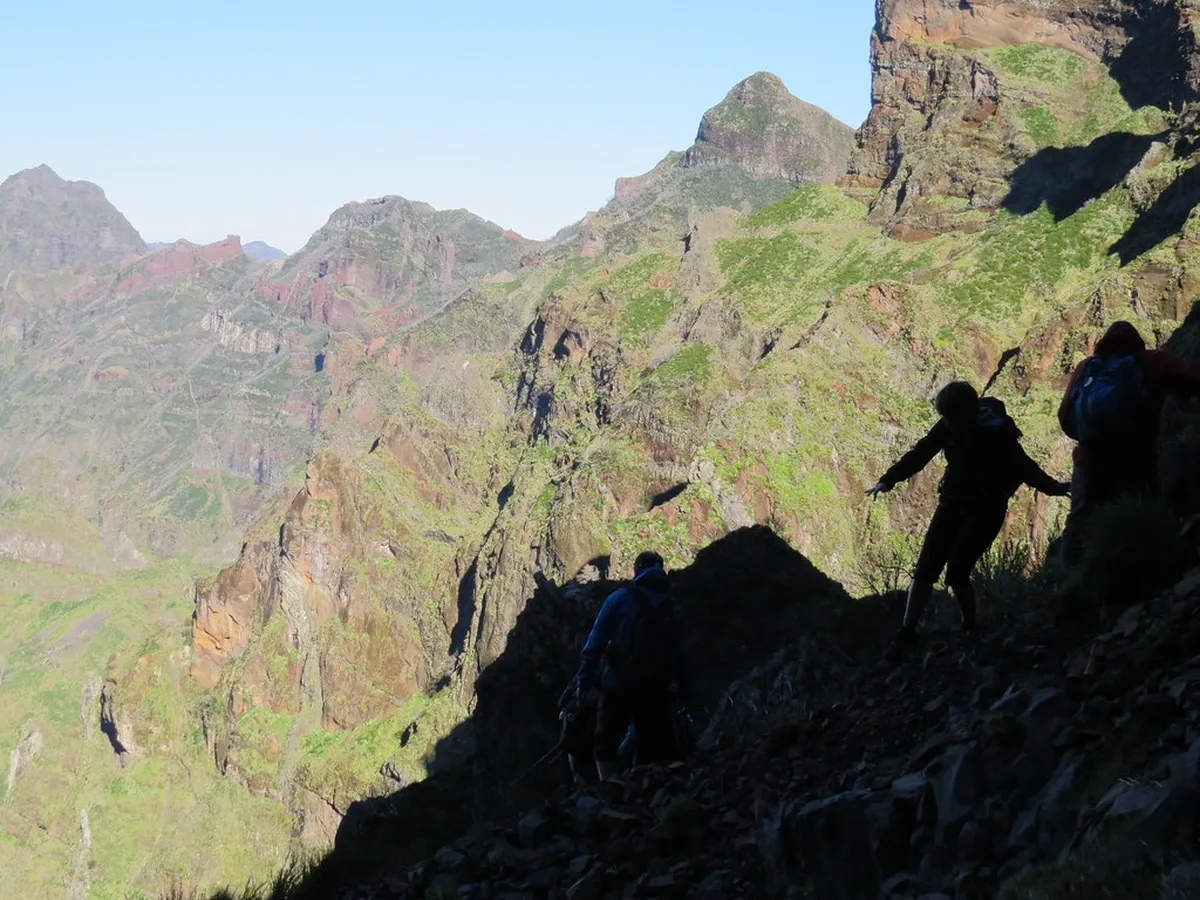
Above 800 metres the picture changes quickly. Ribeiro Frio at 860m runs 5–7°C cooler than coastal Funchal on any given winter day. The summit of Pico Ruivo at 1,862m regularly sees frost after clear nights in January. Snow is uncommon but not rare — the peaks whiten two to five times each winter, usually melting within 48 hours at middle elevations. Always check the mountain webcams at the Madeira cable car website before starting any high-altitude walk in December through February.
The practical difference for hikers is significant. You can leave Funchal in a t-shirt, drive the ER202 toward Paul da Serra plateau, and find yourself in a cold fog within 25 minutes. The plateau at 1,000–1,400m functions as a weather wall, catching cloud that the coast never sees. Pack a proper windproof layer in your daypack regardless of the morning forecast at sea level.
Funchal and the south coast resort strip sit within the "Banana Line" (below 200m), where winter nights rarely drop below 15°C / 59°F and frost risk is essentially zero. Once you climb above 800m toward Ribeiro Frio or Pico Ruivo, temperatures fall 5–7°C and frost is possible after clear January nights.
Real-Feel vs. Thermometer: What the Numbers Don't Tell You
Eighteen degrees Celsius sounds warm until the Atlantic breeze picks up around sunset. Humidity along the Funchal waterfront hovers between 65–75% in winter, and the wind-chill effect on exposed terraces can make the real-feel drop 3–4°C below the recorded air temperature. Many visitors arrive in light clothes, dine well at an outdoor table, and leave shivering by 21:00. Bringing one warm layer specifically for evenings solves this entirely.
The UV index is a counter-intuitive hazard. Madeira sits at a lower latitude than any mainland Portuguese city, and the subtropical sun delivers a UV index of 4–5 even on partly cloudy winter days. For UV guidance, consult Portugal's meteorological authority forecasts. Sunscreen SPF 30–50 is not optional for a full day of outdoor hiking or boat trips, even when the temperature feels mild. First-timers consistently underestimate this and arrive home with an unexpected sunburn despite never feeling hot.
The combination of humidity and warmth also means that exertion on levada walks feels harder than the air temperature suggests. A 19°C day with 70% humidity and a steep coastal trail adds up to real perspiration. Lightweight moisture-wicking fabrics work far better than cotton, which stays damp and makes the evening chill worse.
Sea Temperatures and Winter Swimming Conditions
The Atlantic around Madeira cools gradually through autumn and reaches its annual low in February at around 18°C / 64°F. That figure sits well above the 10–12°C sea temperatures around mainland Portugal in winter. Confident open-water swimmers find it comfortable; most visitors prefer the heated hotel pools or the Lido complex in Funchal, which charges around €2.50 for day entry.
The natural volcanic pools at Porto Moniz on the northwest coast are the most photographed swimming spot on the island. In winter, waves break over the outer rock walls, which dramatically reduces the appeal for casual swimming — the pools fill with cold, churned Atlantic water and the access paths can be slippery. Save Porto Moniz for calmer days or visit for the views rather than a swim. The sheltered pools at Doca do Cavacas, closer to Funchal, offer a better winter swimming option.
Whale and dolphin watching trips from Funchal marina run daily throughout winter. Sperm whales are resident year-round in the deep trench north of the island, and winter passage brings common and bottlenose dolphins in large groups. Sea conditions are the only variable — trips are cancelled when swell exceeds 2 metres, which happens a few times per month in January and February.
The Lido complex in Funchal offers heated pool access all winter for around €2.50 per day — a comfortable alternative to the 18°C Atlantic sea temperature. The natural pools at Porto Moniz are more dramatic but rougher in winter; the sheltered Doca do Cavacas pools near Funchal are the better winter swimming option.
Is January a Good Time to Visit? Crowds and Costs
January is Madeira's quietest month after the New Year fireworks clear the harbour. Hotel occupancy drops sharply, and four-star properties in Funchal that cost €180–220 per night in summer regularly list at €90–130 through January. Budget guesthouses in the old town drop below €60. Flight prices from UK and German airports follow the same downward curve, with returns sometimes half the August price.
Popular levada trails such as the PR1 Vereda do Areeiro feel genuinely uncrowded. The viewpoints at Cabo Girão and Pico dos Barcelos have space to breathe. Local restaurants serve at a relaxed pace, and booking a table at popular spots along Rua de Santa Maria is easy without advance reservations. The trade-off is that a handful of seasonal mountain restaurants and some water-park attractions reduce hours or close for annual maintenance in January.
The New Year fireworks display on 31 December is one of the largest in the world by Guinness criteria, with shells fired simultaneously from dozens of points around the hillside amphitheatre of Funchal. If you time your trip to straddle New Year, expect peak hotel prices for those four nights, then a sharp drop from 3 January onward. Late January through mid-February consistently offers the best price-to-experience ratio of the entire year.
Packing Guide: What to Wear for Madeira's Winter Weather
Layering is the practical answer to Madeira's shifting microclimates. A typical winter day might start at 15°C on a mountain trail, climb to 20°C on a sunny coastal promenade at midday, and feel like 14°C again after sunset with the sea breeze. Packing for all three within one bag is straightforward with the right base layers.
You need a waterproof, windproof outer jacket — not just a shower-proof shell. Atlantic squalls can be brief but intense, and mountain trails offer little shelter. A mid-layer fleece or light down jacket handles the Paul da Serra plateau and Pico Ruivo. For coastal Funchal, a long-sleeved shirt or light jumper covers most evenings. Leave the heavy wool coat at home; it will spend the trip in the wardrobe.
- Waterproof jacket with taped seams — essential for mountain days and sudden coast squalls
- Fleece or light down mid-layer — for altitudes above 800m and cool evenings
- Moisture-wicking base layers — cotton stays wet on humid levada trails; merino or synthetic dries fast
- Sturdy, waterproof hiking boots — levada trails are rocky and slippery after rain
- Swimwear — heated hotel pools are open all winter; sea swimming is possible on calm days
- SPF 30–50 sunscreen — UV index 4–5 year-round, even under cloud cover
- A compact daypack — for shedding layers mid-hike as the coast warms up
Leave umbrella-only rain plans behind. Wind makes umbrellas useless on most exposed trails and cliff roads. A hood integrated into your waterproof jacket is the practical substitute.
Frequently Asked Questions
Is Madeira warm enough in winter?
Yes, Madeira is very mild in winter. Coastal temperatures average 18-20°C / 64-68°F during the day. It feels like a pleasant spring day for most visitors.
Can you swim in Madeira in January?
You can swim in January if you enjoy brisk water. The sea temperature is around 18°C / 64°F. Many hotels offer heated pools for a more comfortable experience.
Does it rain a lot in Madeira in winter?
Rain occurs more often in winter but usually in short bursts. Funchal stays drier than the northern coast. You will still see plenty of sunshine most weeks.
What is the warmest part of Madeira in winter?
The south coast near Funchal is the warmest area. This region is protected from northern winds. Find more tips on the Portugal Wander blog today.
Madeira winter temperatures offer a genuine escape from northern-European cold without sacrificing green scenery or outdoor activity. The coast stays mild enough for daily hiking and evening dining without a heavy coat, while the mountains deliver a dramatic, frost-edged contrast that most visitors never expect to find on a subtropical island. Understanding the microclimate difference between the Banana Line and the high peaks turns a confusing forecast into a manageable day-by-day plan.
Budget-conscious travelers have the strongest case for January — prices drop by a third or more, trails empty out, and the island's volcanic drama looks its best under dramatic winter light. Pack layers, carry SPF, and plan your high-altitude walks for the morning. Madeira rewards the prepared visitor with some of its finest conditions in the quietest weeks of the year. Consider a Madeira and São Miguel - guided island adventures trip for a deeper experience of both Atlantic islands.
Pair this with our broader things to do in Madeira guide for the full island overview.
For related Madeira deep-dives, see our 8 Things to Know About Visiting Madeira in December and 8 Things to Know About Visiting Madeira in November guides.