
7 Essential Tips for Visiting Madeira in March
Discover what Madeira in March is really like. From weather and temperatures to Carnival events and the best hiking trails, plan your perfect spring getaway.
On this page
7 Essential Tips for Visiting Madeira in March
March is one of the most underrated months to visit Madeira. The island is startlingly green from winter rain, the levadas run full, and Carnival fills Funchal with samba floats before the crowds of April and May arrive. I visited in late March 2024 and found quieter trails, lower prices, and weather that swung between sharp sunshine and dramatic Atlantic mist within the same afternoon.
The catch is that March requires flexibility. Mountain paths can be muddier than the Instagram photos suggest, and the north coast gets noticeably more cloud than the south. This guide covers everything you need to plan a realistic trip: temperatures, rainfall patterns, Carnival dates, levada safety, which flowers are blooming, and how costs compare to other months.
Is March a Good Time to Visit Madeira?
March marks the transition from Madeira's mild winter into its famous eternal spring. Daytime temperatures in Funchal are comfortable rather than hot, which suits active visitors who plan to hike rather than lie on a beach. The landscape peaks in lushness because the seasonal rains have just finished, leaving the ravines deep green and the waterfalls impressively full.
This is still shoulder season, so you will find far fewer visitors at popular viewpoints like Pico do Arieiro than you would in May or August. Accommodation prices have not yet jumped for the flower festival, and car rental availability is generally good even if you book only a week or two ahead.
One practical advantage is the absence of cruise-ship congestion. A handful of ships still call at Funchal in March, but the old town streets are far more relaxed than in December or summer. If you prioritize nature over beach time and want the island mostly to yourself, March is a genuinely compelling choice when choosing the best time to visit Madeira.
Madeira Weather in March: Temperature and Rainfall
Funchal's average daily high sits around 19–20°C / 66–68°F in March, with lows dropping to 15–16°C / 59–61°F at night. Mornings feel cool but rarely cold on the coast, and you rarely need more than a light jacket by midday in the south. The central mountains are a different story: Pico Ruivo and Pico do Arieiro can be near freezing overnight and may still hold patches of snow in early March.
Rainfall averages around 40–72mm across roughly 10–12 days of the month. Showers are typically short and followed by rapid clearing, but it is worth checking a forecast each morning before committing to a mountain hike. The north coast, particularly around São Vicente and Porto Moniz, receives considerably more cloud and precipitation than the south due to the trade winds piling moisture against the island's central ridge.
A periodic weather event called the Calima (or Leste) wind blows warm, dusty air off the Sahara and can push Funchal temperatures to 24–26°C / 75–79°F for two or three days at a stretch. It sounds appealing but brings reduced visibility and fine orange dust that settles on everything. Photography at mountain summits suffers, and some visitors find the dry air uncomfortable. The Calima arrives unpredictably and is not specific to any one month.
Sea temperature averages 18–19°C / 64–66°F in March — refreshing rather than warm. Natural lava pools at Porto Moniz are spectacular to visit even if you only wade in up to your knees. Hotel pools without heating will feel brisk for casual swimming. If swimming is a priority, see our guide to Madeira Weather By Month: The Ultimate Seasonal Guide to find the warmest windows.
Funchal averages 19–20°C / 66–68°F in March, but the central mountains can be near freezing — always pack a warm layer if you plan to reach Pico do Arieiro or Pico Ruivo, even on a sunny morning down on the coast.
March Events and Festivals in Madeira
Carnival is the defining event of late February and early March. Funchal's main parade — the Cortejo Alegórico — runs on the Saturday before Shrove Tuesday, filling Avenida Arriaga with elaborate floats, samba costumes, and tens of thousands of spectators. A second parade, the Cortejo Trapalhão (the satirical "motley" parade), follows on the Friday after Ash Wednesday and is arguably more fun for visitors because it is looser, more local, and filled with political humour. In 2026, Carnival falls in late February, meaning the Trapalhão parade lands in early March.
The Festa da Anona takes place each year in Faial on the north coast, celebrating the cherimoya fruit that has been grown in the region for centuries. Expect fruit stalls, folk music, and a relaxed village atmosphere. Exact dates vary by year but typically fall in the second or third weekend of March.
International Day of Forests (21 March) is marked at Funchal's Ecological Park with guided walks, workshops, and nature exhibitions. It is free to attend and a good option if you want a structured introduction to Madeira's laurel forest ecosystem without hiring a private guide. There is no large floral festival in March — the famous Flower Festival falls in April or May — but botanical gardens are already filling with camellias, bird-of-paradise flowers, and early orchid species.
Best Things to Do in Madeira in March
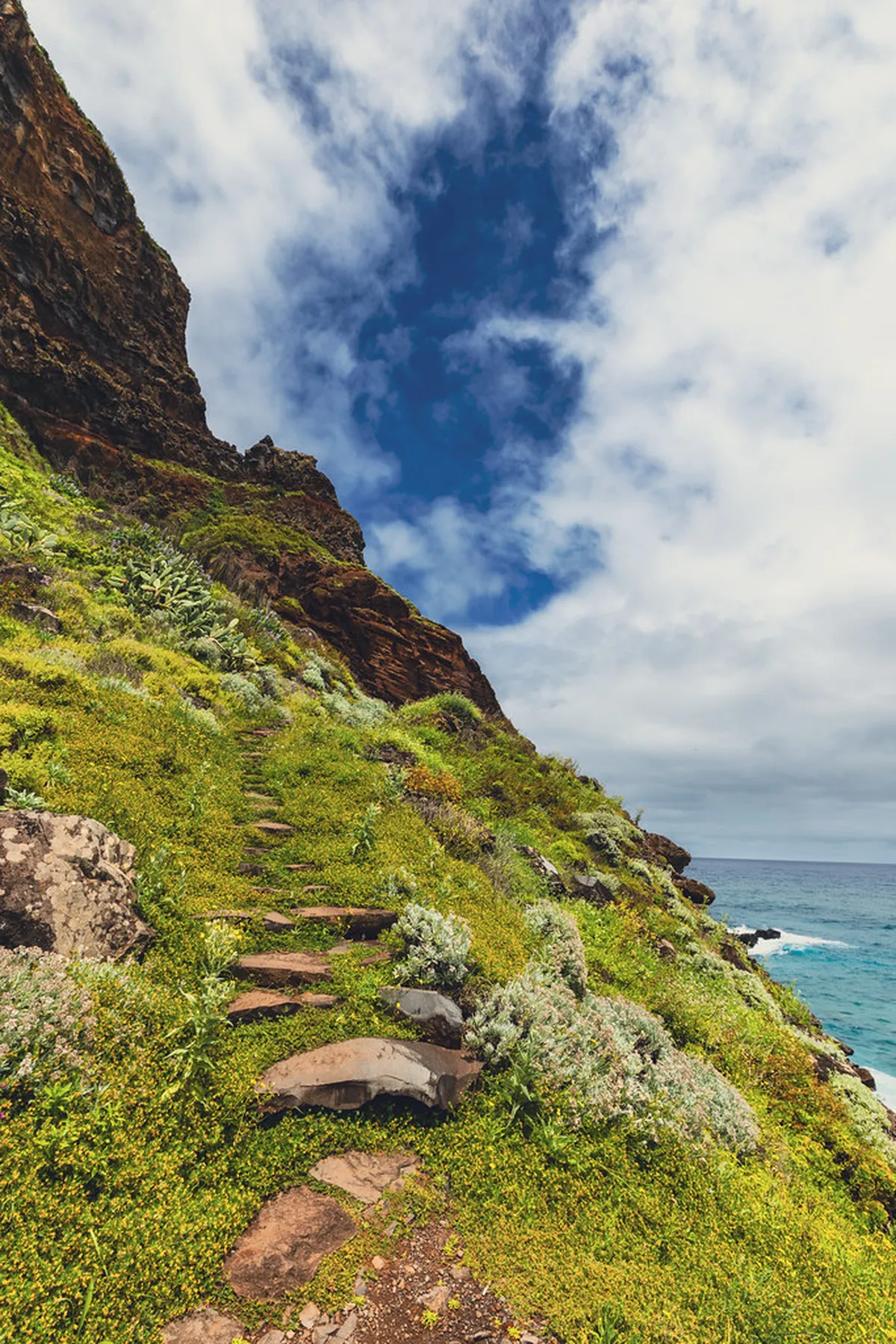
Hiking the levadas is the signature activity and March conditions are ideal: water channels run full, ferns and moss glow intensely green, and the most popular paths like Levada das 25 Fontes and Levada do Risco are quiet on weekdays. The Caldeirão Verde route (PR9) inside the laurisilva forest is one of the most atmospheric walks in the Atlantic islands, and March is among the three best months to do it.
Whale and dolphin watching is excellent in March. Regular sightings include common dolphins, bottlenose dolphins, striped dolphins, and short-finned pilot whales. Sperm whales are also documented in Madeiran waters in spring. Most operators depart from Funchal marina and run two trips daily: around 09:00 and 14:00. Booking one to two days in advance is usually sufficient in March, compared to the same-day full-boat situation in July.
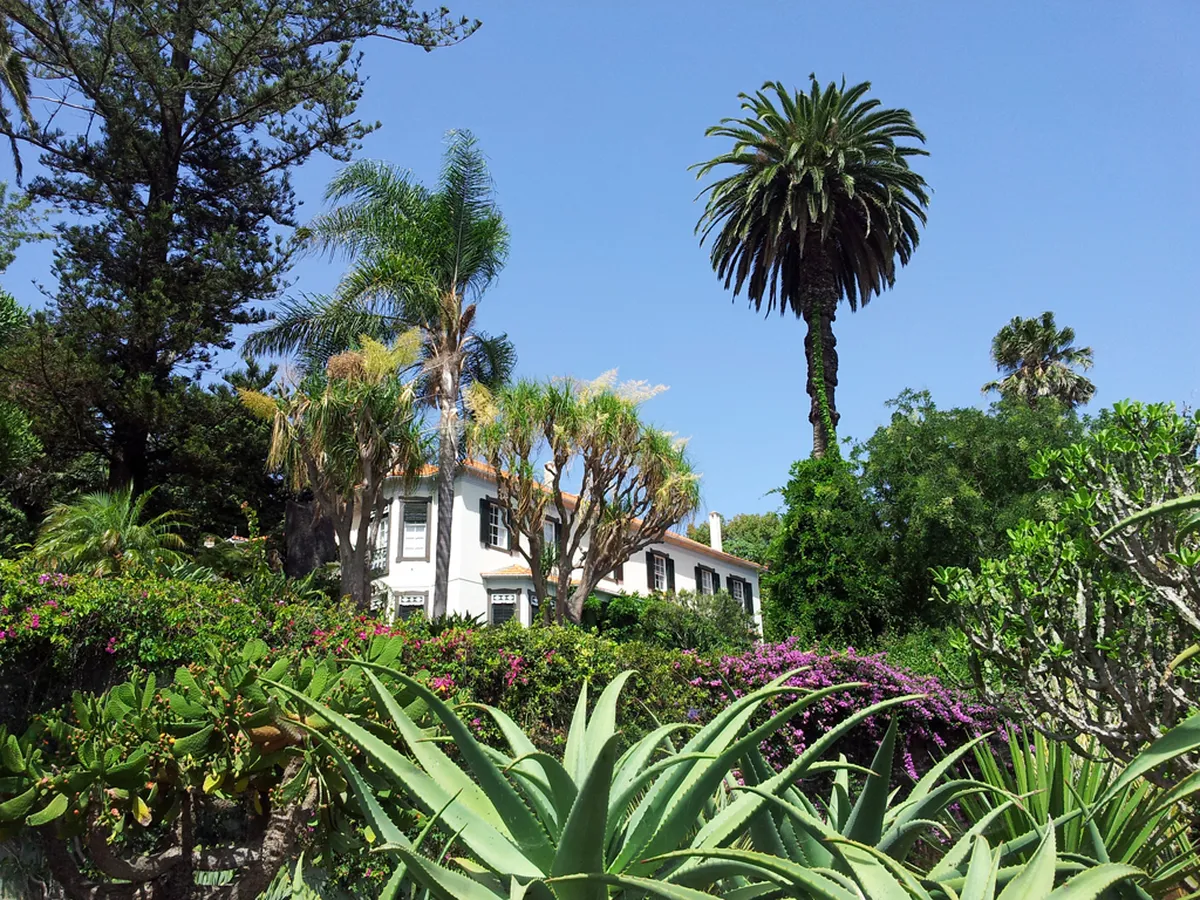
The botanical gardens are worth a half-day. Monte Palace Tropical Garden and Funchal's Jardim Botânico both begin their spring flush in March, with camellias peaking and bird-of-paradise plants in full display. Neither attracts the summer queues at this time of year. Combine a Monte Palace visit with the traditional wicker toboggan ride back down toward Funchal, where queues in March rarely exceed ten minutes.
Sea kayaking, canyoning, and jeep safaris all operate in March with good availability. Canyoning conditions are actually superior to summer because the waterfalls are more powerful. Go with a licensed operator who checks water levels each morning — canyon floors can flood quickly after heavy rain on the central plateau.
Levada Safety After Winter Rainfall
This is the practical detail that most March travel guides gloss over. Winter rain leaves Madeira's levada paths muddier, slicker, and occasionally blocked by small landslides or fallen vegetation. The Regional Park administration carries out trail maintenance in spring, but work is often still in progress during March, meaning specific sections of popular routes may be temporarily closed or diverted.
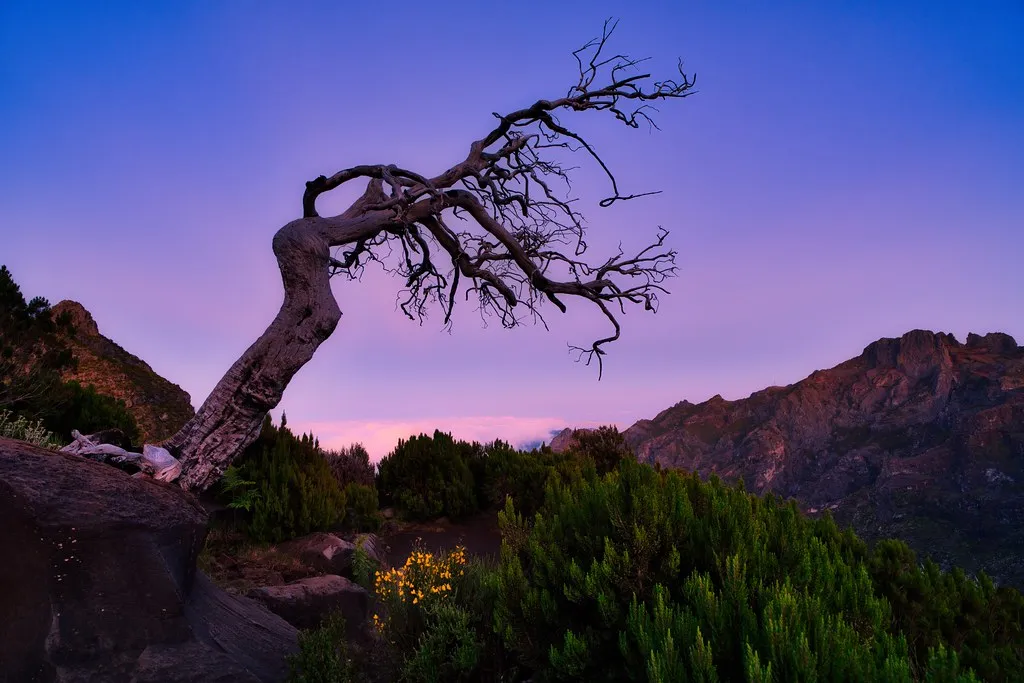
Before heading out, check the official trail status on the IFCN website or ask at your accommodation. The PR9 Caldeirão Verde and PR1 Vereda do Areeiro are the most commonly affected by early-spring maintenance closures. Closures are rarely announced far in advance and can change day-to-day after storms.
Trail conditions also vary sharply by altitude. The section of Levada do Norte above Estreito de Câmara de Lobos might be dry and firm while the high-altitude PR1 (Pico do Arieiro to Pico Ruivo, 1818m) still has ice on shaded sections in early March. Carry trekking poles, wear waterproof boots with ankle support, and bring a head torch for levada tunnels. Some tunnels on the Caldeirão Verde route run for several hundred metres in complete darkness and are consistently wet underfoot regardless of the weather above.
If you hire a local guide, they will know which routes are clean on a given week. For a first visit in March, a guided half-day levada walk is a genuinely practical choice rather than an expensive luxury — guides reroute around closures in real time.
Levada trails such as PR9 Caldeirão Verde and PR1 Vereda do Areeiro are frequently closed or diverted in early March due to winter storm damage and ongoing maintenance. Check the official IFCN trail status at ifcn.madeira.gov.pt each morning before setting out — closures can change day-to-day after rain.
Crowds, Costs, and Booking Tips for March
March splits into two distinct periods from a pricing standpoint. Carnival week (usually the first week of March, depending on Easter) sees Funchal hotels fill up and prices spike to near-peak levels. Book accommodation at least six to eight weeks ahead if your dates overlap with the main parade weekend. Once Carnival ends, the island quiets considerably and rates drop.
Mid-March is the sweet spot for value. Flights from major European hubs are typically 20–35% cheaper than April, and boutique quintas in the hills can be found for half the summer rate. Car rental availability is good and rates are low, though booking a few weeks ahead still pays off. The DiscoverCars platform is reliable for comparing Madeira car hire options across multiple suppliers.
Dining out is noticeably affordable compared to summer. Local restaurants offer prato do dia lunch menus — typically scabbard fish with banana (a Madeiran staple), or grilled espetada beef skewers — for €9–13 including bread and a small carafe of house wine. The tourist restaurant markup that becomes common near the Funchal waterfront in July has not yet arrived in March.
The overall cost of a week-long March trip runs significantly lower than May in Madeira, and warmer and livelier than February in Madeira. For budget-conscious travelers who still want reasonable weather and open trails, mid-March to late-March is the best value window of the year.
What to Pack for Madeira in March
The golden rule is layers, because Madeira's microclimates can shift by 8–10°C between the coast and the mountain ridges. You might leave Funchal in a t-shirt and reach Pico do Arieiro an hour later in fog at 5°C. Packing light without compromising for cold is the wrong trade-off here.
- Waterproof jacket with taped seams — essential for levada walks and mountain excursions, even on sunny mornings
- Waterproof hiking boots with ankle support — muddy paths after winter rain make trainers a poor choice on anything above coastal level
- Mid-layer fleece or merino base layer — for evenings in Funchal and high-altitude walks
- T-shirts and light trousers or shorts — for coastal and low-elevation exploration on sunny afternoons
- Small head torch — mandatory for levada tunnels, several of which are 300–400m long and completely dark
- High-SPF sunscreen — Atlantic UV is stronger than it feels at 19°C, particularly at altitude
- Trekking poles — helpful on slippery descents, especially after rain
Leave bulky beach gear at home. The sea is cool and the natural pools are dramatic but not the focus of a March trip. A medium-sized daypack for trail snacks, a water bottle, and a spare layer will serve you better than a beach bag.
Comparing March to Other Months in Madeira
February is slightly cooler and wetter, with Carnival falling across both months depending on the year. The levadas are fully open and trails can be more congested with organized tour groups during peak Carnival week. March improves on February in both temperature and trail dryness as the month progresses.
April brings the Flower Festival — one of the most photographed events in the Atlantic islands — along with warmer temperatures and steadily rising crowds. Prices jump significantly around the festival weekend. If you want spring flowers without the festival premium, late March already offers camellias, agapanthus, and bird-of-paradise in bloom across Funchal's parks and gardens.
If you prefer guaranteed sun over vivid greenery, the summer months (June to September) deliver more consistent warmth, but trails are busier and accommodation costs roughly twice as much. Spring hikers almost universally prefer March or early April for the combination of full waterfalls, empty paths, and comfortable daytime temperatures. Those visiting for Madeira in April: 10 Things to Know Before You Go should book the Flower Festival weekend well in advance.
December is the other busy exception in the off-season calendar. Madeira's Christmas lights draw significant tourist traffic, and prices rise accordingly. March sits between that peak and the spring surge — accessible, affordable, and genuinely beautiful.
Frequently Asked Questions
Is the weather good in Madeira in March?
Yes, the weather is mild with temperatures around 19°C / 66°F. You should expect some rain showers, but they usually pass quickly. The south coast is generally sunnier than the north.
Can you swim in Madeira in March?
Swimming in the ocean is possible but chilly, as water temperatures are 18°C / 64°F. Most visitors prefer heated hotel pools during this month. The natural pools are still great for a quick dip.
Is March a good time for hiking in Madeira?
March is excellent for hiking because the waterfalls are full and the trails are quiet. You must bring waterproof gear as mountain paths can be damp. The lush green scenery is at its peak.
Madeira in March rewards visitors who plan for variability. Bring waterproof boots, check levada trail status before each hike, and time your visit to avoid Carnival week if you want the best prices. The combination of lush scenery, quiet trails, affordable accommodation, and the island's warmth toward off-season visitors makes March one of the best months the island offers in 2026.
See our Madeira attractions guide for the broader island overview.
 8 Essential Tips for the Madeira Crossing HikeMay 17, 2026