
Madeira in May: Weather, Festivals, and Travel Guide
Planning a trip to Madeira in May? Discover average temperatures, Flower Festival dates, what to pack, and the best things to do this spring.
On this page
Madeira in May: The Ultimate Spring Travel Guide
May is consistently one of the strongest months to visit Madeira. The island's famous Flower Festival fills Funchal with color, temperatures sit comfortably in the low-to-mid 20s Celsius, and rainfall drops to near zero on the southern coast. For 2026, the Flower Festival runs from early to late May, making the whole month worth planning around.
The island earns its "Island of Eternal Spring" reputation most visibly in May. Crowds are moderate rather than overwhelming — heavier than winter, lighter than August. Prices sit in the mid-range. That combination of good weather, major events, and manageable visitor numbers is why May is often cited as the single best month to visit.
May Weather and Climate Conditions
Average highs in Funchal during May sit at 21–23°C / 70–73°F. Nights stay mild at 15–16°C / 59–61°F along the coast. Rainfall in Funchal drops to near zero in May — typically 0 mm over the whole month — while the sun delivers around 7 hours of daylight per day. Sunrise is around 07:10 and sunset around 21:00, giving you 13+ hours to explore. For the full seasonal picture, the Madeira Weather By Month: The Ultimate Seasonal Guide guide breaks down every month in detail.
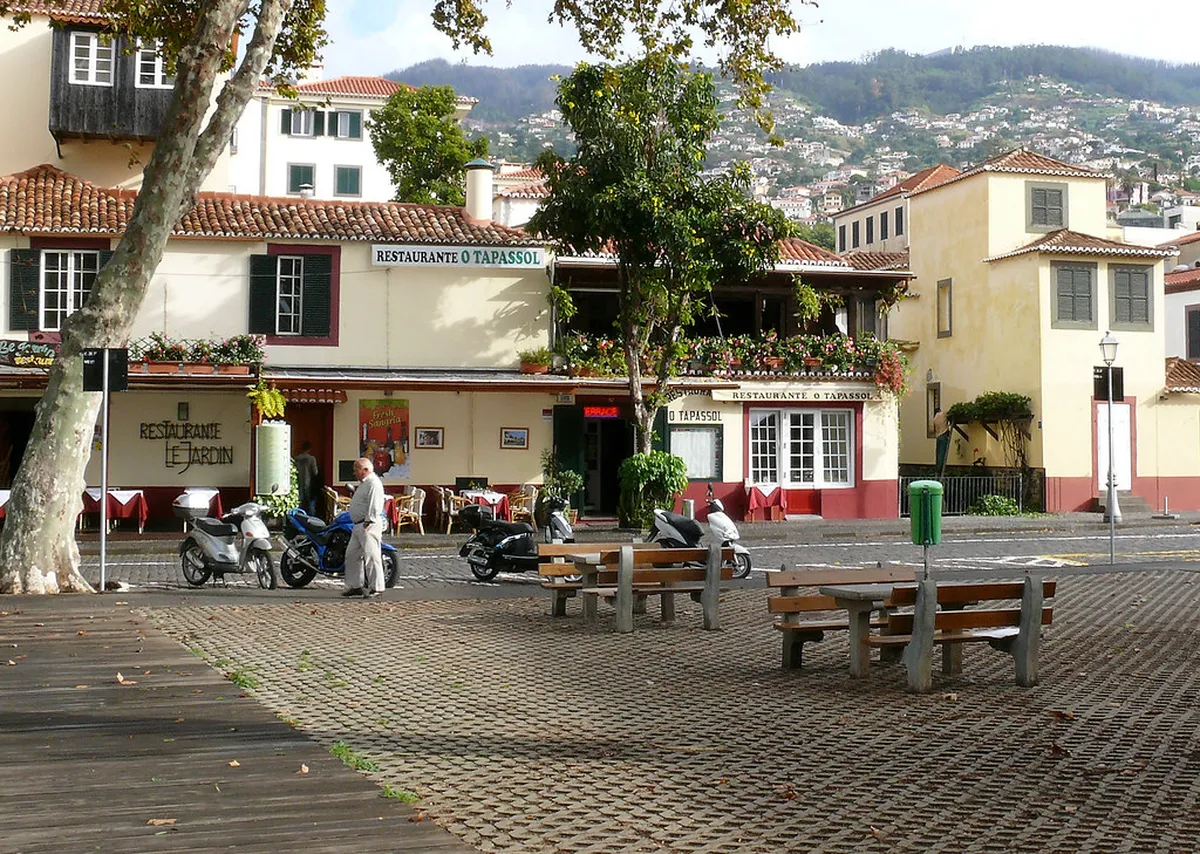
Microclimates are the defining feature of Madeira's weather. The southern coast around Funchal is sheltered, dry, and consistently sunny in May. The north — particularly around Porto Moniz and Santana — sits wetter and cooler, with fog rolling in off the Atlantic. Rainfall in Porto Moniz averages around 16 mm in May versus near-zero in Funchal. If you are choosing between accommodation in the south versus the north, this difference matters significantly for your daily experience.
One weather phenomenon specific to May is the Calima wind. This warm, dusty wind blows in from the Sahara and can spike temperatures to 29–32°C / 84–90°F for one to three days at a time. The Calima is less frequent on Madeira than on the Canary Islands but it does occur, particularly in late May. Visibility drops, the sky turns a faint orange-brown haze, and coastal walks become genuinely hot. It passes quickly — usually within 48 hours — but it is worth checking forecasts before booking outdoor activity days.
Funchal on the south coast sees near-zero rainfall in May and averages 7 hours of sunshine per day, while the north coast at Porto Moniz averages around 16 mm — a significant difference when planning where to stay.
The Madeira Flower Festival (Festa da Flor)
The Flower Festival is the most important cultural event on the Madeira calendar and the main reason many visitors choose May specifically. The festival typically spans three to four weeks, usually starting in late April or the first days of May and running through to the final week of May. In 2025, the official dates ran from 1–25 May. For 2026, check the official Madeira Tourism website as dates shift slightly year to year — but budget for the entire month to be festival-adjacent.
The centerpiece event is the Grand Allegorical Parade, where enormous floral floats process through the streets of Funchal. Parade participants wear globe-shaped floral headdresses and the route fills with spectators hours in advance. The Wall of Hope ceremony is a separate, quieter event, typically held on a Sunday morning before the main parade weekend: local schoolchildren place flowers into a purpose-built wall near the Sé cathedral as a symbol of peace. It draws smaller crowds than the parade and is genuinely moving to watch.
Other scheduled events typically include a Flower Classic Auto Parade (vintage cars decorated with floral arrangements), floral fashion shows in Funchal's main squares, and floral installation art across the city through the final weekend of the festival. The Onion Festival in Caniço, in the south of the island, usually falls in May as well — it is a low-key local affair with a decorated-car parade and market, worth an afternoon if you have a car.
Navigating the Flower Festival Without the Crowds
The Grand Allegorical Parade turns Funchal's center into a genuine bottleneck. The main viewing area along Avenida Arriaga fills two to three hours before the parade starts. If you arrive at street level less than 90 minutes ahead, you are looking at the back of someone else's head for most of it. The practical alternative: book a hotel, café, or restaurant with a balcony or elevated terrace on or above the parade route. Many spots along Rua Dr. Fernão de Ornelas and the streets climbing the hillside have views that street-level crowds never reach.
The Wall of Hope ceremony is the underappreciated highlight. It happens on the Sunday morning of festival weekend — usually around 10:00–11:00 near the Sé cathedral — before the afternoon parade draws the full crowd into the city. Arriving by 09:30 gives you a clear sightline and the genuinely emotional experience of watching local children place individual flowers into the wall. After the ceremony, you are already positioned in the center before the parade crowd floods in.
Away from the parade itself, the floral carpet displays in Funchal's side streets and the Monte Palace Tropical Garden's spring bloom are accessible all day with no queuing. The garden sits above the city via cable car from the seafront — the cable car can queue in the afternoon during festival week, so go in the morning. Smaller towns like Câmara de Lobos and Ponta do Sol host their own low-key flower displays during the festival period with virtually no crowds.
Hiking the Levadas in May
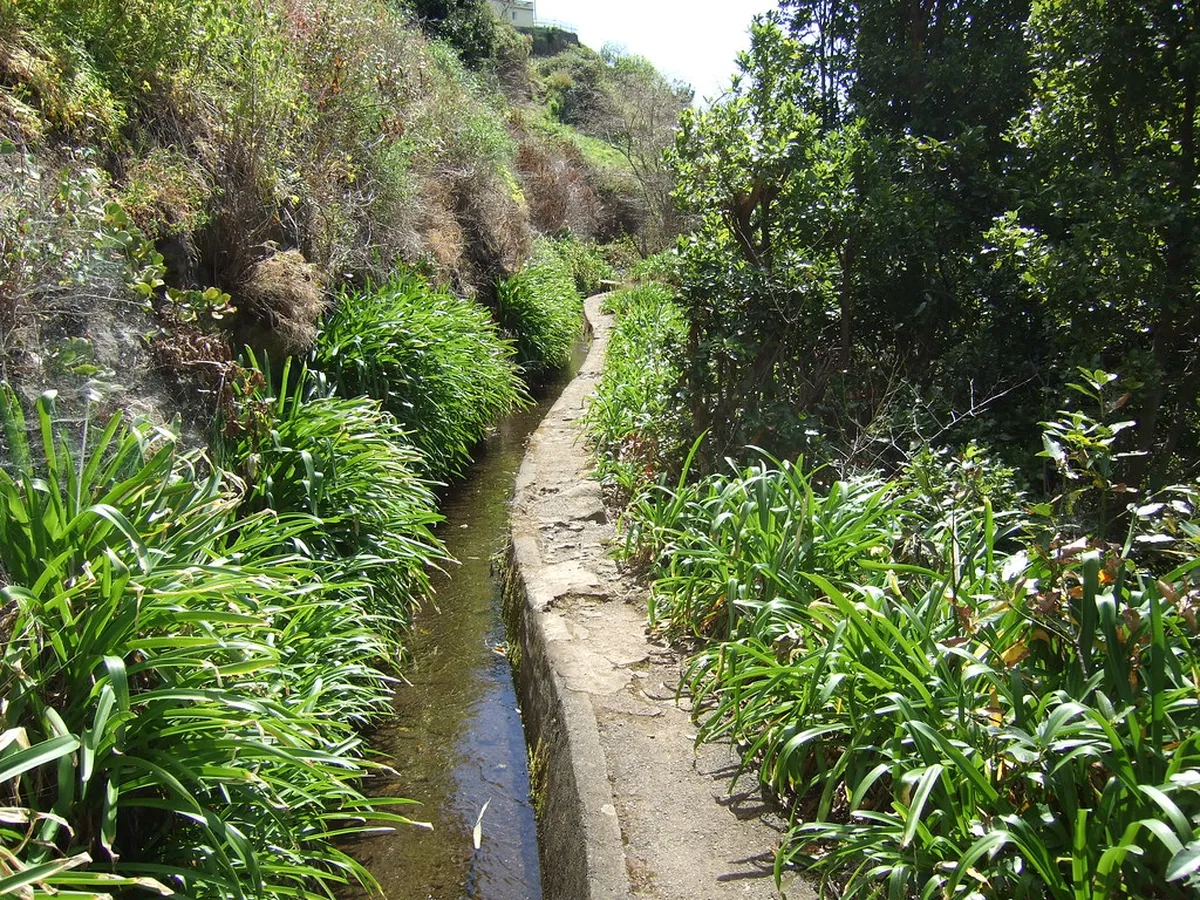
May is the peak month for levada hiking. The endemic flora is in full bloom, waterfalls run strongly from the winter rains that built up through March and April, and temperatures in the mountains — typically 14–17°C at altitude — are ideal for sustained walking. The Levada do Caldeirão Verde in the Queimadas forest park is the classic choice: 13 km return through laurisilva forest, four tunnels, and a dramatic curtain waterfall at the end. Poles and a headlamp for the tunnels are useful even in May.
The 25 Fontes levada near Rabacal is the other essential May walk — 11 km return to a pool fed by 25 small waterfalls, with the forest at its most vivid green. Both trails are accessible without a guide but can get muddy after recent rain, particularly on the north-facing sections. Check the Madeira government's trail status page before departure: some sections close for maintenance after winter storm damage and the information is usually current.
For a guided approach, the Madeira and São Miguel guided island adventures program combines both islands with structured levada days, which is a good option if you want route planning handled. Independently, a rental car is the most practical way to reach trailheads — public bus connections to Queimadas and Rabacal are infrequent. Book through DiscoverCars Madeira a month or more ahead in May, as inventory tightens during festival weeks.
Whale and Dolphin Watching in May
May is one of the best months of the year for cetacean sightings around Madeira. The Atlantic waters warm slightly from April onwards, and from May through October as many as 20 species of whales and dolphins are regularly spotted. Common dolphins, bottlenose dolphins, and Atlantic spotted dolphins are the most frequently encountered. Risso's dolphins tend to move in groups and are a highlight of May trips. Sperm whales and short-finned pilot whales also frequent these waters in spring.
Departure point for most operators is Funchal Marina, with trips running two to three hours. Calmer sea conditions in May — compared to the windier winter months — make the experience more comfortable, particularly for anyone prone to seasickness. Sighting rates are genuinely high in May; most reputable operators offer a return trip guarantee if no cetaceans are spotted, which is rarely needed. Book online a few days ahead during festival week when demand is higher than usual.
Natural Pools and Beaches
Madeira is not known for sand beaches — its coastline is predominantly volcanic rock and shingle. The natural lava pools are the substitute and they are genuinely spectacular. Porto Moniz on the northwest tip has the most-photographed pools: a series of shallow volcanic basins filled and replenished by the Atlantic, surrounded by black lava with mountain views behind. Entry costs around €2–3 and the on-site facilities include changing rooms and a café. Arrive before 11:00 in May to avoid the bus-tour rush that arrives late morning.
The Seixal natural pools, also on the north coast, are less commercial and quieter. They sit directly below the dramatic sea cliffs, and access involves a short walk down a path from the road. Water temperatures in May average 19°C in Funchal and Porto Moniz, and 20°C off Porto Santo — refreshing rather than warm. Porto Santo, the smaller island in the archipelago, has nine kilometres of genuine golden sand beach, largely uncrowded in May. The ferry from Funchal takes around 2 hours 15 minutes each way and runs daily; Porto Santo is worth a day trip or overnight if sand is a priority.
Crowds, Costs, and Booking Tips
May sits in the upper-mid range for both visitor numbers and prices. It is quieter than July and August but meaningfully busier than January or November. Funchal and the main tourist areas are noticeably busy during Flower Festival parade weekend. Outside that specific weekend, you will find the island comfortable rather than crowded.
Flight prices spike during the festival window — expect to pay 20–40% more for flights departing on festival parade weekends versus the same route two weeks earlier or later. Hotels in central Funchal book out weeks ahead for parade weekend; availability in smaller villages like Ponta do Sol, Ribeira Brava, or Santana remains much easier to find, with significantly lower nightly rates. If your main goal is hiking rather than the parade itself, basing yourself outside Funchal saves money and puts you closer to the main trailheads.
Car rental is genuinely necessary for most visitors — the levada trailheads, Porto Moniz, and most viewpoints are impractical without one. Rental prices are moderate in early May but rise as the festival approaches. Book at least four to six weeks ahead to secure both availability and reasonable rates.
Flights and central Funchal hotels cost 20–40% more during the Flower Festival parade weekend. If your goal is hiking rather than the parade, book accommodation in villages like Ponta do Sol or Ribeira Brava — rates are lower and trailheads are closer.
What to Pack for a May Trip
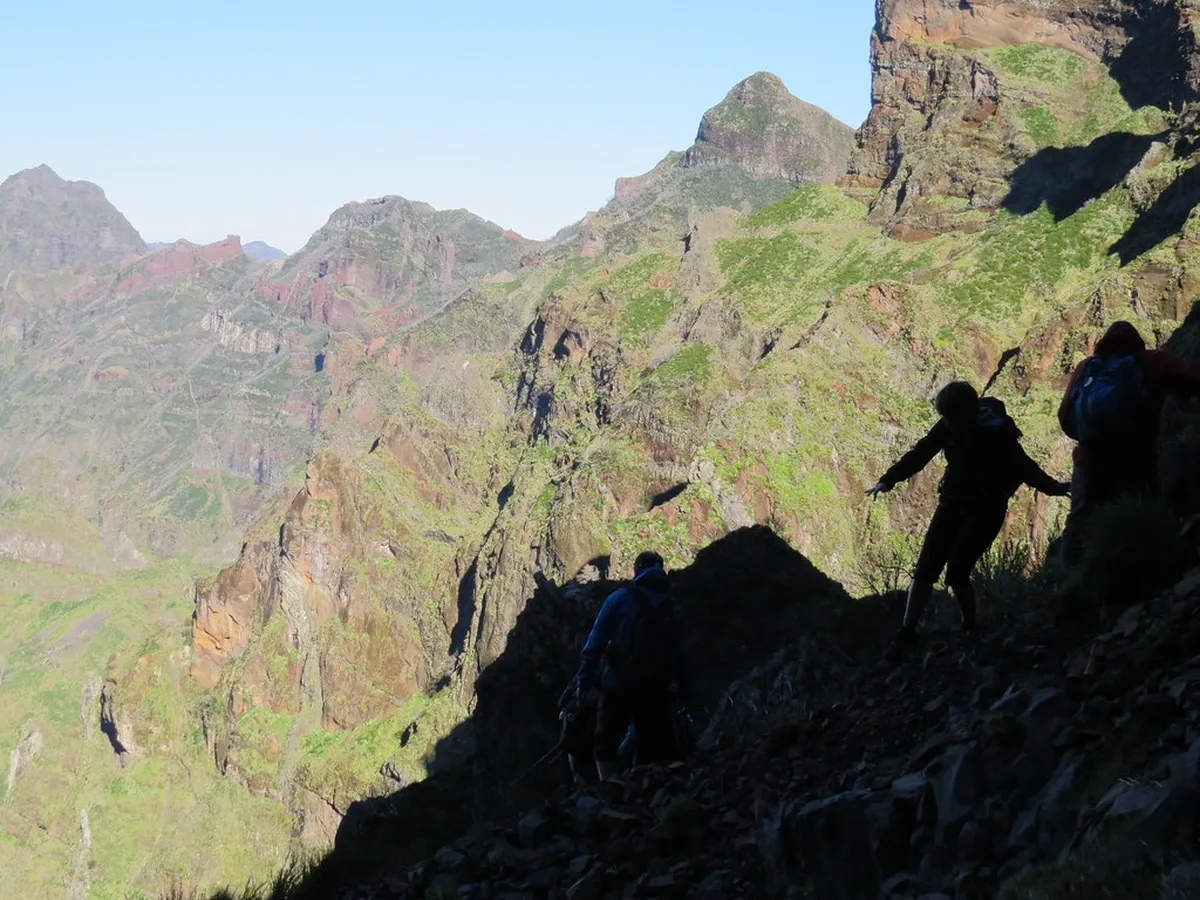
Madeira's microclimate variation means you can experience summer and autumn weather in the same afternoon. Funchal at sea level will feel like a warm spring day; Pico do Arieiro at 1,818 m can be 10°C with mist and wind even in May. Pack accordingly across the temperature range.
- Light daytime layers — breathable cotton or merino T-shirts for the coast, a fleece or light down jacket for mountain hikes
- A waterproof windbreaker — essential for north-coast walks and all high-altitude levadas even on clear days
- Sturdy walking shoes with grip — levada paths can be slippery with moss and the tunnel sections are uneven underfoot
- Swimwear and a light wetsuit rash guard if you feel the cold — 19°C water is refreshing but not tropical
- Sun protection — SPF 30+, a hat, and sunglasses; the UV index climbs significantly from April to May
- A headlamp or torch — several levada tunnels are unlit and can run up to 200 m in length
One item worth adding for May specifically: a small day-bag that can carry a layer and water for the whole day. The Calima can spike temperatures unexpectedly and evening light makes coastal walks worth extending well past what you planned.
How May Compares to Other Months
May is significantly drier and warmer than visiting Madeira in February: Weather, Carnival Guide & Travel Tips or March, when rainfall is at its highest and hiking trails can be partially closed. The landscape is greener and more dramatic in May than in late August, when the vegetation browns off. Compared to Madeira in April: 10 Things to Know Before You Go, May offers slightly warmer temperatures and more reliable sunshine, though April also catches the early Flower Festival window in some years.
| Month | Avg High (Funchal) | Rainfall (Funchal) | Crowds | Relative Cost | Best For |
|---|---|---|---|---|---|
| May | 22°C / 72°F | ~0 mm | Medium–High | Medium–High | Flower Festival, hiking, whale watching |
| April | 20°C / 68°F | 49 mm | Medium | Medium | Flowers, cooler walks |
| July–August | 26°C / 79°F | 9–12 mm | High | High | Sun, swimming |
| October–November | 22°C / 72°F | 82–110 mm | Low | Low | Quiet retreats, autumn walking |
| January–February | 16°C / 61°F | 93–112 mm | Low | Low | Budget winter sun |
For travelers whose priority is the best overall time to visit Madeira, May and September are the two strongest candidates. September has warmer sea temperatures (around 23°C) and no major crowd events to navigate; May has the Flower Festival and greener scenery. The right choice depends entirely on what you are coming for.
Frequently Asked Questions
Is the weather fine in Madeira in May?
Yes, the weather is excellent with average highs of 22°C / 72°F. You will experience mostly sunny days and very little rain. It is perfect for outdoor activities.
What should I wear in Madeira in May?
Pack light layers and a waterproof jacket for the mountains. Bring comfortable hiking shoes for the levadas. Don't forget swimwear for the coastal pools.
Is May a good time for whale watching in Madeira?
May is one of the best months for whale watching. Many species migrate through the area during this time. The sea is usually calm enough for boat trips.
Madeira in May offers a genuinely strong case as the island's best month. The Flower Festival, near-zero rainfall on the south coast, and ideal hiking temperatures all align in the same four-week window. Plan around the parade weekend if you want the festival without the worst of the crowds, and book both accommodation and car rental well ahead.
Whether you are here for the levadas, the whale watching, or simply to sit on a café terrace in Funchal while the city fills with flowers, May delivers. Start planning now to lock in the best rates before the festival dates are confirmed.
See our Madeira attractions guide for the broader island overview.