Where Is Madeira Airport: Location, History, and Travel Guide
Discover exactly where Madeira Airport is located, how to get to Funchal, and the fascinating history behind its world-famous runway on pillars.
On this page
Where Is Madeira Airport: Location, History, and Travel Guide
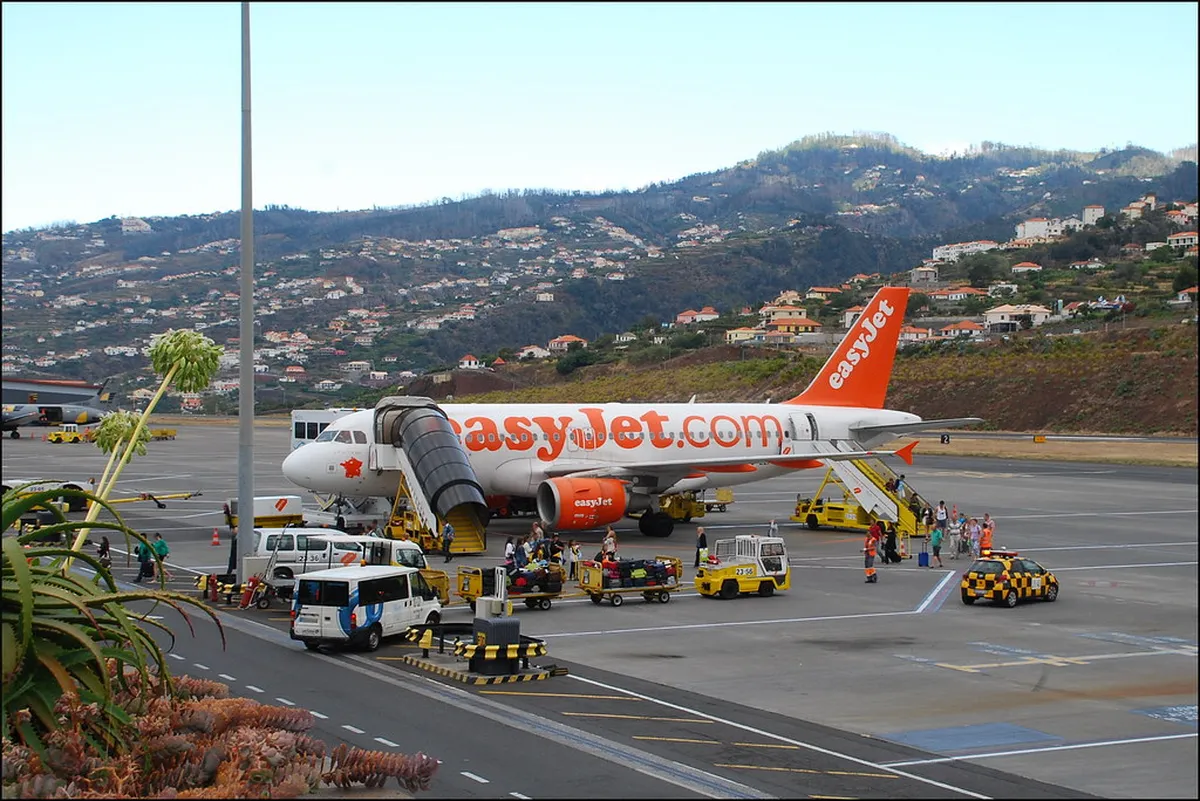
Madeira Airport serves as the primary international gateway for travelers visiting this beautiful Portuguese island. Many first-time visitors wonder where Madeira sits in relation to the mainland before they even look up the airport. The terminal sits perched on the coastline near the charming town of Santa Cruz, roughly 13 kilometers east of Funchal. Every landing here involves an approach over open ocean with volcanic mountains at your back — a combination that makes this one of the most distinctive arrival experiences in Europe.
Understanding the layout of the airport helps ensure a smooth start to your Portuguese holiday. This guide covers the exact location, the history of the famous rename, the runway engineering story, and practical transport tips for getting to Funchal in 2026.
Exact Location: Where is Madeira Airport?
The airport occupies a narrow coastal strip in the municipality of Santa Cruz, on the eastern side of the island. Its official address is Aeroporto Internacional da Madeira, 9100-105 Santa Cruz. You can confirm the precise spot via this Google Maps link for Madeira Airport before you travel. The airport code printed on every boarding pass is FNC.
The capital, Funchal, lies 13 km to the west along the southern coast. Drivers reach the city center in around 20 minutes via the modern VR1 expressway. The nearby town of Machico is even closer, sitting just 5 km north-east of the terminal. Santa Cruz itself is a five-minute drive or a short walk from the arrivals hall.
It is worth noting that this is the only commercial airport on the main island. Porto Santo has its own smaller airfield that handles inter-island flights, but every long-haul and most European routes land at FNC. For official airport details and ground-handling information, consult Aeroportos de Portugal, the national airport authority. If you are flying from Lisbon, London, or Frankfurt, this is where you arrive regardless of which city in Madeira you intend to visit.
The History of Cristiano Ronaldo International Airport
The facility first opened on 8 July 1964 under the name Santa Catarina Airport, named after a nearby village. The inaugural commercial flight was operated by TAP Air Portugal, the national carrier. At that point the runway measured only 1,600 meters, which limited operations to smaller propeller and early-jet aircraft. The island finally had air connections to the Portuguese mainland, replacing boat journeys that had previously taken days.
Between 1982 and 1986 the runway was extended to 1,800 meters to cope with rising tourism. A further and far more ambitious expansion was completed on 15 September 2000, stretching the strip to its current 2,781 meters — an expansion that required building over the sea on concrete pillars. The new terminal that followed opened the island to wide-body jets like the Airbus A340 and Boeing 747 for the first time.
On 23 July 2016, local and regional authorities officially renamed the airport Madeira Airport — Cristiano Ronaldo, in honor of the footballer who was born in Funchal in 1985. A bronze bust of Ronaldo was installed near the departure gates and quickly attracted global attention, not entirely for flattering reasons — the statue's unusual expression became one of the internet's most-shared travel photographs. The name change was not universally welcomed by islanders, some of whom felt the airport's original identity deserved preservation. Despite the debate, the rename succeeded in generating international press coverage that boosted the airport's global name recognition well beyond its size.
Engineering Marvel: The Runway on 180 Pillars
The 2000 runway extension is the element that makes Madeira Airport genuinely unique in world aviation. Engineers faced a hard constraint: the island's steep volcanic terrain left no flat land to expand inland, so the runway had to extend westward over the Atlantic. Portuguese engineer Edgar Cardoso developed the original concept, and the final design was adapted and executed by engineer António Tavares Segadães. The Brazilian construction firm Andrade Gutierrez carried out the physical work between 1996 and 2000, at a total cost of approximately $452.8 million USD.
The resulting structure is a 1,020-meter bridge platform, 180 meters wide, raised 57 meters above the sea surface. It rests on 180 reinforced concrete pillars driven into the ocean floor. Each pillar is visible from the beach below, giving the runway the appearance of a motorway viaduct that happens to have aircraft landing on it. The International Association of Bridge and Structural Engineering awarded the structure its Outstanding Structure Award in 2004.
What the engineering documents do not fully convey is the operational complexity this creates for pilots. The runway 05 approach — used when winds blow from the west — has no Instrument Landing System (ILS). Pilots must fly a visual approach, descending over open water with the mountains rising sharply behind the threshold. Mountain terrain disrupts the prevailing sea breeze, creating strong and unpredictable crosswinds across the runway centerline. For this reason, airlines operating into Madeira must certify their flight crews with a specific type rating qualification that covers visual approaches and crosswind limits at FNC. This is not a formality — it genuinely restricts which pilots can be rostered for Madeira routes and contributes to the occasional go-around that passengers experience on windy days. You can read more technical detail about the approach at the CTI Professional Flight Training runway facts page.
Why Landings Feel Dramatic — and When Flights Divert
First-time passengers often describe their arrival at Madeira as the most memorable landing of their flying life. The approach path brings the aircraft low over the ocean before the runway threshold appears, and the sudden sight of 180 concrete pillars directly below the wheels is startling if you are sitting on the right-hand side. The combination of visual approach, crosswind correction, and the short distance between sea surface and tarmac makes for a noticeably firm touchdown on most days.
The Leste is the weather event that occasionally disrupts this otherwise manageable airport. It is a warm, dry wind that blows off the Sahara Desert from the east, raising temperatures sharply and reducing visibility with dust haze. When Leste conditions exceed safe crosswind limits — typically above 25–30 knots for most commercial aircraft — the approach becomes non-compliant and the captain must divert. The standard diversion airport is Faro on the mainland or, for shorter-range aircraft, Porto Santo Island (PXO), which lies roughly 40 km north-east of Madeira. If you are diverted to Porto Santo, your airline is obligated to arrange onward transport, usually a ferry or a replacement flight. It rarely lasts more than a few hours.
The practical takeaway for travelers: book a flexible fare if you are flying in November through February, when Leste events are more frequent. Check the local forecast the morning of your flight, as ground staff at Funchal are well used to answering questions about conditions. The airport's modern meteorological equipment means diversions are called early and with sufficient time to manage your connection.
During Leste wind events — warm, dry winds blowing off the Sahara — crosswinds can exceed 25–30 knots, forcing flights to divert to Faro or Porto Santo (PXO). This happens more often between November and February, so consider booking a flexible fare if you're traveling in that window.
Transportation: Getting from the Airport to Funchal
Three main options cover the 13 km between the terminal and central Funchal. Each involves a real trade-off between cost, time, and convenience rather than a clear "best" choice for everyone.
The Aerobus (line AE1) departs from directly outside arrivals, runs every 30 minutes, and drops passengers at major hotel zones along the Funchal waterfront. A single ticket costs around €5 in 2026, and the journey takes roughly 45 minutes including intermediate stops. That extra 25 minutes compared to a taxi is noticeable after a long flight with heavy luggage, but for solo travelers or couples traveling light it represents genuine savings.
Taxis queue in a dedicated rank at arrivals. The metered fare to central Funchal generally runs €30–40, and the journey takes 20 minutes on a clear road. Drivers are accustomed to tourists and most carry a basic laminated rate card. For a group of three or four splitting the cost, a taxi beats the Aerobus on both speed and per-person price. Pre-booked private transfers cost a similar amount and allow you to arrange a name-board pickup inside arrivals.
Car rental desks operate inside the terminal building. Picking up a car at arrival rather than in Funchal saves a separate taxi trip into the city, but be aware that Madeira's roads — especially outside the expressway — involve narrow lanes, steep gradients, and tight hairpin bends. Booking your hire car several weeks in advance secures better rates and guarantees vehicle availability during peak summer weeks.
- Aerobus (line AE1): approximately €5 one-way, 45 minutes to Funchal waterfront, every 30 minutes — best for solo budget travelers
- Taxi: €30–40 metered total, 20 minutes to central Funchal, available 24 hours — best for groups or late arrivals
- Car rental: from the terminal desks, flexible access to the whole island — best for travelers planning to explore beyond Funchal
The Aerobus (line AE1) costs around €5 and runs every 30 minutes to the Funchal waterfront — a budget-friendly option for solo travelers. For groups of three or four, splitting a taxi (€30–40) works out cheaper per person and gets you there in just 20 minutes.
Spotter's Guide: Photographing the Runway from Below
Most visitors see the runway pillars only through an aircraft window. A small number of travelers — aviation enthusiasts and photographers — plan specifically to view the structure from ground level, and the access is surprisingly easy. The beach directly beneath the extended platform is Praia da Banda d'Além in Santa Cruz, reachable by following the coastal road east from Santa Cruz town centre. You stand roughly 57 meters below the aircraft belly as jets pass overhead during landing, close enough to read the livery.
The best light for photography is late afternoon when the sun is to the west and illuminates the underside of aircraft against the pillar silhouettes. Runway 05 landings bring planes over the platform from the east, so position yourself on the eastern end of the beach for a head-on approach shot. Avoid midday if possible — direct overhead sun flattens the concrete texture of the pillars and overexposes the fuselage. A standard 70–200 mm lens is sufficient; you do not need specialist telephoto equipment.
Santa Cruz also has a small municipal beach and promenade immediately below the airport perimeter, which gives a different angle — looking up at the runway threshold from close range. The town's seafront cafes are a practical place to wait for the right light and flight frequency, which peaks in mid-morning and late afternoon as European flights arrive.
Must-See Attractions Near Madeira Airport
Visitors with a few hours before a departure can explore Santa Cruz without going near Funchal. The town centre is a five-minute taxi ride from the terminal and has a photogenic covered market, a 15th-century church, and a seafront promenade. The pebble beach directly below the airport is a relaxed spot for a swim with a very unusual backdrop.
Machico, 5 km north-east of the airport, is arguably more rewarding for a short layover. It holds one of Madeira's few genuine sandy beaches — Praia de Machico — and a historic bay where the Portuguese navigator João Gonçalves Zarco landed in 1419. The old fort at the mouth of the bay is still intact. Hire a taxi for a round trip of about €15 and you can see both Machico and the runway pillars from the beach in a single two-hour excursion.
The area around the airport also offers access to several shorter levada walks that do not require driving to the island's interior. The levada de Santa Cruz runs along the hillside above the airport and can be joined from the town without a car. Local markets in nearby villages stock fresh fruit, the island's famous poncha aguardente, and honey cakes for last-minute souvenirs.
Essential Arrival Tips: Know Before You Go
The arrival hall at Cristiano Ronaldo International Airport is compact but well organised. Currency exchange desks, ATMs, a tourist information counter, and a SIM card kiosk are all located before you exit to the taxi and bus ranks. Free Wi-Fi covers the terminal. Baggage claim for most European flights clears within 20–30 minutes of landing.
If your travel insurance includes flight disruption cover, check whether it specifically covers diversions at category-D airports — airports with certified crosswind and visual-approach limitations. Madeira falls into this category, which means standard delay-compensation rules under EU261/2004 can apply if a diversion is caused by factors within the airline's operational control. Check your Madeira safety and travel insurance guide before departure.
Parking at the airport is available in a multi-storey car park adjacent to the terminal. Short-stay rates in 2026 run to approximately €2 per hour. If you are renting a car, the hire desks are inside the arrivals building; the vehicle collection point is a short walk to the adjacent car park. First-time drivers should note that the VR1 expressway exits are signposted in Portuguese only, and the highway feeds directly into Funchal's tunnel network — keep a navigation app active from the moment you leave the airport.
Planning Your Time in Funchal After You Land
Once you clear arrivals, Funchal is 20 minutes away and a strong base for the rest of the island. The city has botanical gardens, the famous cable car to Monte, the Mercado dos Lavradores, and a waterfront lined with cafes and wine lodges. A thorough Madeira Travel Guide: The Ultimate Island Planning Resource can help you decide how to split your days across the city and the island's interior.
Most visitors find that five full days covers Funchal and the main day trips — Cabo Girão, the levada walks, and the natural pools at Porto Moniz. A structured 5-day Madeira itinerary removes the guesswork and ensures you do not miss anything during the short transfer from airport to hotel. For stays under three days, stay in Funchal and keep transport simple — a taxi from the airport and the city's tuk-tuk network for getting around once you arrive.
Frequently Asked Questions About Madeira Airport
Many travelers have specific questions about the safety and logistics of flying into this unique destination. Addressing these common concerns helps you feel more prepared for your upcoming flight. Check the latest travel updates on the Portugal Wander blog for more island tips.
Frequently Asked Questions
Is Madeira airport the same as Funchal airport?
Yes, people often use both names to refer to the same international airport located in Santa Cruz. It was formerly known as Santa Catarina Airport before being renamed to honor Cristiano Ronaldo. Most flight bookings and travel guides list it using the airport code FNC.
Why is Madeira airport runway so famous?
The runway is world-famous because it is built on 180 concrete pillars over the Atlantic Ocean. This engineering marvel was necessary due to the island's steep volcanic terrain. It has won several international awards for its innovative and challenging design.
How far is Madeira airport from the city center?
The airport is located approximately 13 kilometers east of the Funchal city center. A taxi ride typically takes about 20 minutes to reach the main hotel zone. The Aerobus shuttle is a slower but more affordable option for budget-conscious travelers.
Is it scary to land at Madeira airport?
While the landing can feel thrilling due to the coastal views and crosswinds, it is extremely safe. Only specially trained pilots with a specific certification are allowed to land at this airport. Airlines follow very strict safety protocols regarding wind speeds and weather conditions.
What is the best way to get from Madeira airport to Funchal?
The best way depends on your budget and how much luggage you are carrying. Taxis are the most convenient for direct hotel transfers and take only 20 minutes. The Aerobus is the best value for solo travelers who want to save money.
Madeira Airport is more than just a transit hub; it is a fascinating piece of modern engineering set against one of Europe's most dramatic coastlines. Whether you are arriving for a short break or a long holiday, the location in Santa Cruz is convenient for reaching Funchal, Machico, and every part of the island. The unique runway, the Ronaldo rename, and the visual approach certification all add layers of interest that most airports simply cannot match.
Your journey to Funchal is straightforward once you know the transport options and what to expect on arrival. Take a moment at the baggage carousel to look out of the terminal windows — on a clear day you can see the concrete pillars stretching over the Atlantic, which is a fitting introduction to an island where the ordinary and the extraordinary sit side by side.
Pair this with our broader things to do in Madeira guide for the full island overview.