Is Madeira Worth Visiting? 10 Honest Insights for Your Trip
Is Madeira worth the hype? Discover 10 honest insights on weather, hiking, the infamous airport landing, and local culture to help you decide if it's right for you.
On this page
Is Madeira Worth Visiting? 10 Honest Insights for Your Trip
Yes, Madeira is worth visiting — but not for every traveler. The island delivers dramatic volcanic scenery, a world-class network of levada trails, and year-round mild temperatures. If you need white sand and flat beach walks, the neighboring island of Porto Santo is the better call. This review draws on a spring 2026 visit to give you the unfiltered picture.
I arrived expecting a quiet retirement destination and found instead a volcanic adventure island that rewards curiosity. The sheer vertical drama of the landscape — cliffs dropping straight into the Atlantic, ridgelines disappearing into cloud — catches you off guard. But Madeira also has real quirks that you should know before you book.
From the heart-in-mouth airport landing to the surprisingly potent local spirit served alongside wandering bar pigeons, this honest account covers the moments that genuinely shape a trip. You can explore the full list of 22 Best Madeira Activities for Your 2026 Island Adventure once you've decided the island is right for you.
Is Madeira Worth Visiting? (The Verdict)
Madeira earns its hype for the right type of traveler. Active visitors — hikers, photographers, nature lovers — consistently leave wanting to come back. The combination of what makes Madeira famous — the Laurisilva forest, the levadas, the cloud inversions at Pico do Arieiro — delivers genuinely world-class experiences that few Atlantic islands can match.
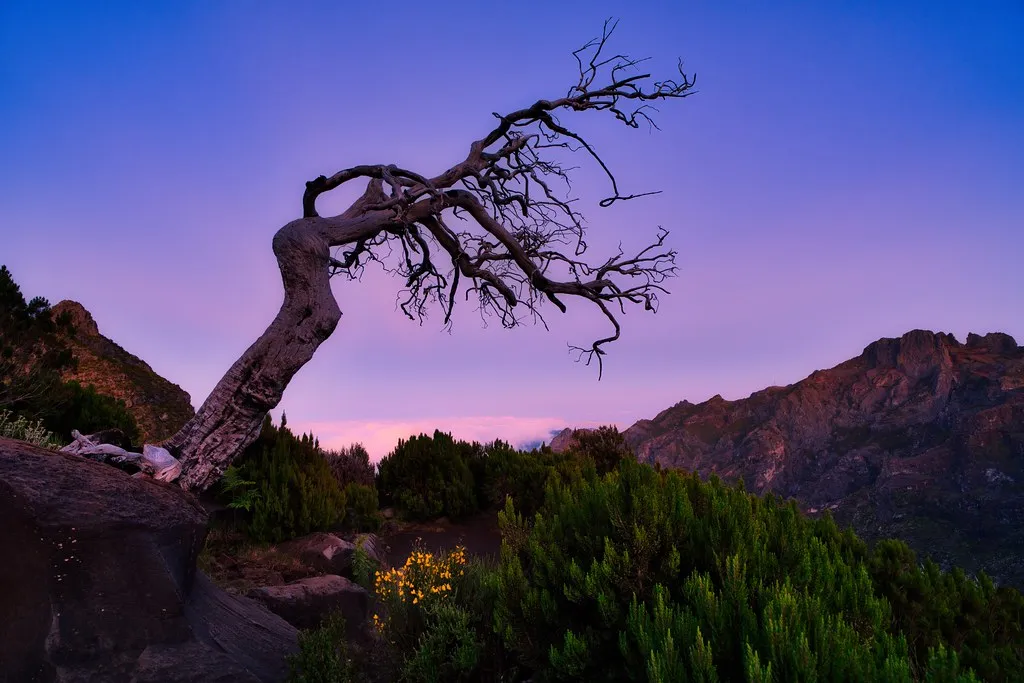
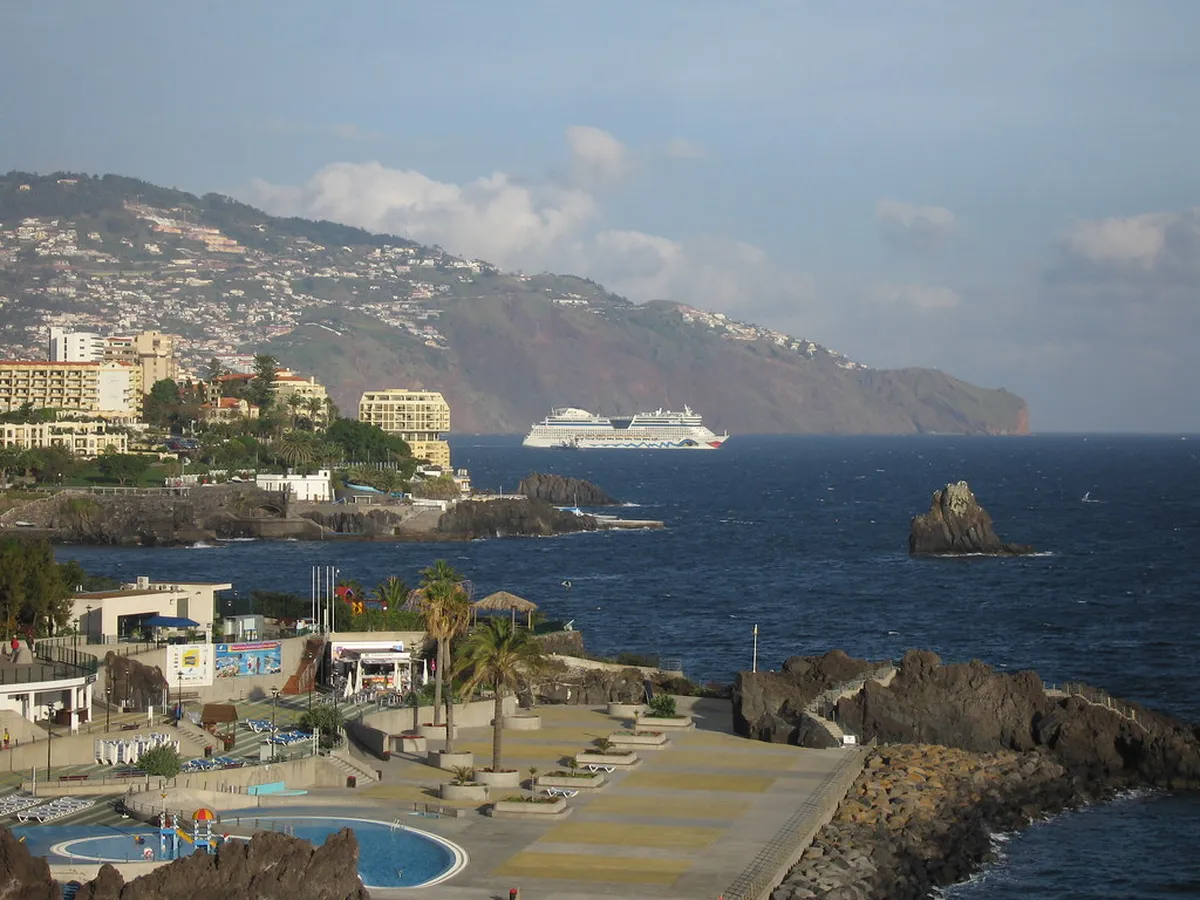
The honest caveat is the beaches. Madeira is volcanic. Its shores are almost entirely pebble or black rock, with man-made seawater pools substituting for swimming beaches. If that matters to you, Porto Santo is a 2.5-hour ferry ride away and has 9km of golden sand. But if beaches aren't your priority, Madeira punches well above its weight.
Prices in 2026 remain reasonable by Western European standards. A mid-range restaurant meal runs €15 to €22 per person. A levada hike is free, or €3 for popular maintained routes. The infrastructure — roads, buses, mobile data coverage — is excellent throughout the island. The main logistical challenges are the airport, the terrain, and the weather, all of which are manageable once you know what to expect.
- Breathtaking mountain and coastal scenery that few European islands match
- Extensive free hiking network on levada trails through UNESCO-listed forest
- Mild spring-like temperatures all year — typically 18°C to 24°C in Funchal
- Safe, clean, and very walkable city center in Funchal
- Very few natural sandy beaches — plan for pebble or man-made pools
- Mountain weather is highly unpredictable — fog can shut out views entirely
- Steep, narrow roads and slippery stone streets require care on foot
- Frequent flight disruptions due to Atlantic crosswinds at Funchal Airport
The Infamous Madeira Airport Landing Experience
Funchal Airport is regularly ranked among the most technically demanding in Europe. The runway sits on a plateau above the sea, exposed to Atlantic crosswinds on three sides. Pilots must complete mandatory additional certification before they are approved to land here, and strict wind limits mean that even a normal approach can be aborted if a gust exceeds the threshold mid-final.
On my spring 2026 arrival, we pulled up sharply at about 30 metres above the runway as the crosswind spiked. We circled for ten minutes before a second, successful approach. The whole cabin clapped. It felt like an outsized reaction at the time, but after researching the airport's record I understood why. Nervous flyers should book morning departures: winds are statistically calmer before midday, and early flights have shorter delay knock-on chains.
Once you land, the runway itself is worth a look. The eastern extension is built on a series of concrete columns rising from the sea — an engineering project you can view from the Miradouro do Pico das Flores lookout above the airport perimeter. Renting a car via Discover Cars Madeira directly at the airport makes sense; driving is the most flexible way to chase good weather across the island's microclimates.
Book morning departures at Funchal Airport — winds are statistically calmer before midday, reducing the chance of aborted landings or delay knock-on chains. Nervous flyers should also sit near the front of the cabin for a smoother experience.
A Hidden Coastal Walk Right at the Airport
Most visitors bolt straight for Funchal after landing, but there is a genuinely excellent short walk accessible within minutes of the terminal that almost no guidebook mentions. The airport sits on a promontory just above the Machico coastline. A pedestrian bridge from the car park level connects to a coastal path that follows the black rock shoreline east toward Machico Bay.
The walk takes 20 to 30 minutes each way and leads past fishermen working the rocks, dramatic basalt formations, and a small traditional cemetery tucked into the cliff face. On a day when mountain trails are fogged in, this route gives you a clear-sky Atlantic view without any driving. It also works perfectly as a final-morning activity before an afternoon departure, when you have already checked out of your accommodation but have hours to fill before your flight.
The path begins at the pedestrian overpass on the north side of the terminal building. There are no signs marking it as a tourist route, which keeps it uncrowded. Wear shoes with grip — the rocks near the water's edge are slippery — and bring water, as there are no cafes on the route itself. For fog-day contingency planning, this is the best backup on the eastern side of the island.
Suite Upgrade: Staying at the Four Views Baia
Staying in the hills above Funchal's harbor puts the bay panorama in front of you from the moment you wake up. The Four Views Baia is one of the best-positioned properties in the city. I was upgraded to a top-floor suite with a jacuzzi terrace overlooking the cruise port, and it reframed the entire trip. Watching containerships and ferries move through the harbor from 80 metres above the waterline is one of those quiet pleasures that sticks.
Standard double rooms typically run €120 to €180 per night depending on season. The walk down into the Old Town takes about fifteen minutes along winding cobblestone lanes. Walking back up is a real test — the gradient is steep enough that most guests use the hotel shuttle at least once per stay. Book early if you're visiting in May, when the Madeira Flower Festival fills the city and rates rise sharply.
The rooftop pool deck is the highlight for any evening stay. Views stretch from the harbor entrance east to the airport peninsula. Breakfast is buffet-style and worth including in your rate; local tropical fruits, fresh bread, and regional cheeses make it among the better hotel breakfasts on the island. Check-in opens at 14:00, check-out at 12:00 — strictly observed during busy periods.
Navigating Funchal's Pretty But Slippery Stone Streets
Funchal's old quarter is paved with calcada portuguesa — intricate black and white mosaic cobblestones laid in sweeping geometric patterns. They are genuinely beautiful and photograph brilliantly. They are also dangerously slippery when wet. The polished limestone surface loses almost all traction in rain, and Funchal gets light showers without warning.
I nearly went down twice during a ten-minute drizzle near the Cathedral. Locals move confidently because they've done it for years. Tourists, especially on the steeper side streets behind the Mercado dos Lavradores, slow to a shuffle. Rubber-soled walking shoes are non-negotiable — flip-flops are a genuine fall risk on any inclined section. Checking the Madeira Weather App before heading out helps you time walks around the rain windows.
The pedestrianized city center makes Funchal extremely pleasant on dry days. Cafes line the main squares, the covered market is five minutes from the waterfront, and the cable car to Monte departs from a station walkable from most central hotels. Most shops open at 09:00 and close by 19:00. The Sunday market on Avenida do Mar is worth arriving for at 08:00 before the cruise ship crowds appear.
The Reality of Levada Hiking: Fog vs. Coastal Walks
Levada walks are central to the Madeira experience. The island's irrigation channels — some dating back to the 15th century — thread through the UNESCO-listed Laurisilva laurel forest, and the walking paths alongside them cover over 2,000km of trail. You can walk from subtropical coast to cloud-wrapped ancient forest in a single morning. That is a rare thing to find anywhere in Europe.
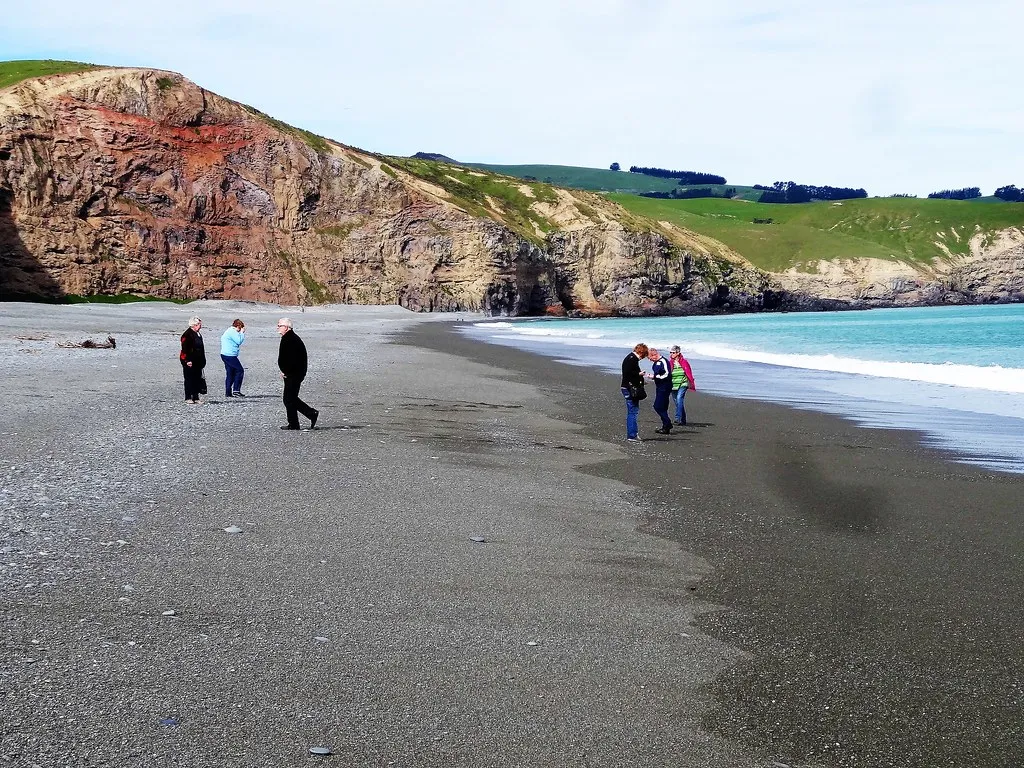
The honest difficulty is the fog. Mountain levadas above 800 metres can disappear into thick cloud within minutes of arriving. On my trip, a guided levada walk was cancelled entirely and replaced with a coastal route along the eastern shore — which turned out to be one of the best hours of the trip. Waves crashed up against the path, the sky was clear, and the guide knew exactly where to stop for views. Coastal alternatives like the Ponta de Sao Lourenco peninsula and the PR9 Vereda do Larano trail provide full-sun hiking when the mountains are socked in.
Check trail status and webcams before leaving your accommodation each morning. Popular levadas like 25 Fontes and Levada do Caldeirão Verde require a permit booked in advance through the SRIAS portal (around €3). Start hiking by 07:00 to beat the tour groups, which arrive in force after 09:30. The 8 Essential Tips for the Madeira Crossing Hike from Encumeada to Pico do Arieiro is the gold-standard full-day route, but check fire closure status — some sections through burned terrain remain restricted in 2026.
Popular levadas like 25 Fontes and Levada do Caldeirão Verde require advance permits via the SRIAS portal (around €3). Start hiking by 07:00 to beat tour groups, which arrive in force after 09:30 — and check webcams before you leave, as mountain fog can roll in quickly above 800 metres.
Trading Burned Trails for the Monte Toboggan Run
When higher mountain paths are closed — whether by fire damage, fog, or seasonal maintenance — the Monte Toboggan run is the default tourist alternative, and it delivers. Two men in white linen and straw hats steer you downhill from Monte village in a wicker sled on polished wooden runners. The sleds reach genuine speed on the smooth asphalt and the 2km descent to Livramento takes around ten minutes.
Pricing in 2026: €27.50 per person, or €35 for two sharing a sled. Add the cable car up from the Funchal waterfront at €18 per adult return. The total outing — cable car up, gardens in Monte, toboggan down — runs around €45 per person and takes three to four hours. Families with children above roughly eight years old find it a highlight. Solo travelers sometimes feel it tips toward the touristy, but the ride itself is genuinely thrilling.
Time your visit carefully. Cruise ship days — typically Tuesday and Thursday — pack the cable car and toboggan queue to an hour or more of waiting. Arriving at Monte by 09:00 and riding before 10:30 cuts the wait to under fifteen minutes. Taxis wait at the Livramento endpoint, but charge premium rates. The better option is to flag down the yellow city bus on the main road, which drops you back at the Funchal waterfront for €1.95.
Experiencing a Cloud Inversion at Pico do Arieiro
Standing on the summit plateau at 1,818 metres while a white sea of cloud fills the valleys below is the single image most associated with Madeira — and it lives up to the photograph. Pico do Arieiro is Madeira's third-highest peak and the only one accessible by sealed road from Funchal (around 45 minutes in a car). No hiking required to reach the viewpoint.
Cloud inversions require a specific combination: high atmospheric pressure pushing cloud down to a tight band, very low winds aloft, and enough overnight cooling to keep the inversion layer stable. Spring and autumn give the best odds — typically mornings between late March and early June. Check the live webcam at the summit the evening before. If the webcam shows cloud below the peak and a star-filled sky above, set an alarm for 05:30. The parking area fills completely by 07:00 on clear mornings; late arrivals park 600 metres down the road and walk up.
Bring a warm layer regardless of sea-level temperatures. The summit regularly sits at 10°C to 12°C below Funchal, and the wind chill on the exposed ridge is significant. The snack bar opens at 09:00 for coffee. The onward trail toward Pico Ruivo offers one of the finest ridge walks in the Atlantic islands, but check closure status before setting out — sections were still restricted in May 2026 due to ongoing fire recovery work.
Funchal's Public Transport and Impressive Bus Drivers
The Horários do Funchal network covers the city and most villages you will want to reach as a visitor. A single journey within the city zone costs €1.95. A 24-hour day pass runs around €5 and covers unlimited travel — worthwhile if you plan to use the bus to reach Monte, the botanical garden, or the western side of Funchal. The app (Horários do Funchal, free on iOS and Android) shows real-time arrivals and route maps, and makes the network genuinely usable for visitors without a car.
The bus drivers are a legitimate talking point. Funchal's streets are steep, narrow, and frequently interrupted by delivery trucks, tour coaches, and pedestrians making poor decisions. The drivers navigate full-size coaches through gaps that look too tight for a large car, at speed, without apparent stress. Sitting at the front of the upper deck on the hilly routes to Monte or Camara de Lobos gives you a driving-game perspective that is either thrilling or terrifying depending on your temperament.
Yellow buses cover city routes. Green and red operators serve the wider island — including routes to Paul da Serra, Ribeira Brava, and Porto Moniz. Avoid the 17:00 to 18:30 window when city buses become crowded with commuters. Most major routes run from roughly 06:30 until midnight; service frequency drops sharply after 21:00 on routes outside Funchal.
Poncha, Pigeons, and Authentic Food Culture
Poncha is the island's traditional spirit — aguardente de cana (sugar cane liquor) blended with honey, lemon juice, and sugar. It is stronger than it tastes. A glass at a venda (a local hillside bar-shop hybrid) costs between €3 and €5. The best vendinhas are found in the villages above Funchal rather than in the tourist zone around the harbor; they are small, rarely labeled in English, and frequented by locals who have been drinking poncha in the same seat for decades.
One evening in a quiet Old Town bar, a pair of pigeons walked in from the street and began systematically working the floor for snacks. Nobody reacted — not the barman, not the regulars. Madeira's town pigeons appear to have a full understanding of where the bar snacks land. Pair your poncha with bolo do caco (a flat garlic bread made with sweet potato) or espetada (beef skewered on laurel wood and cooked over charcoal). The Madeira Food and Drink Guide goes deeper on regional dishes if you want to plan meals in advance.
The Mercado dos Lavradores is visually extraordinary but price-inflated for tourists. Buy tropical fruits — passionfruit, custard apple, banana — at a local mini-market instead. Black scabbard fish with fried banana is the canonical Madeiran dish; try it at a restaurant away from the waterfront, where the tourist premium is lower and the fish is more likely to be locally caught rather than farmed. A three-course meal with wine at a non-tourist-facing restaurant runs €18 to €25 per person in 2026.
Who is a Madeira Holiday Best For? (and Who Isn't)
Madeira works best for active, curious travelers who treat weather variability as part of the adventure rather than a disappointment. Hikers, trail runners, nature photographers, birdwatchers, and botanists will find more to do than a week allows. Couples looking for a romantic, scenery-driven escape with good food and wine consistently rate it highly. Solo travelers report it as one of the safer, more sociable Atlantic island destinations — the infrastructure is solid and the island is compact enough to navigate independently.
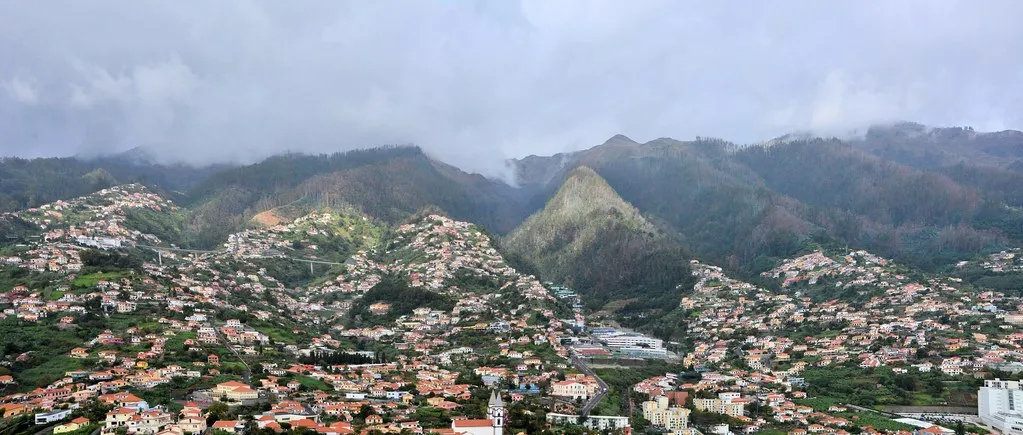
The island is harder to recommend for travelers who need sandy beaches, flat ground, or guaranteed sunshine. Funchal's streets challenge strollers and wheelchairs significantly; the historic center is almost entirely cobblestone and gradient. Families with children under six will find the terrain and unpredictable weather exhausting rather than exhilarating. Those sensitive to high humidity — which builds substantially in July and August — may find summer visits uncomfortable. If your mental image of a Portuguese island holiday involves long afternoons on warm sand, Madeira will disappoint: go to the Algarve or Porto Santo instead.
Plan for at least seven days. A three-day trip is genuinely too short to account for fog delays and one poor-weather day. Seven to ten days lets you experience the mountain levadas, a coastal drive, Funchal in depth, and one morning at Pico do Arieiro with a real chance of catching a cloud inversion. The many 22 Best Madeira Attractions: The Ultimate 2026 Guide span enough variety that a longer stay rarely feels like it's running out of things to show you.
Frequently Asked Questions
Is Madeira worth visiting for a beach holiday?
Not if you want natural sandy beaches. Madeira is a volcanic island with pebble shores. For sand, you must take a ferry to Porto Santo or visit the man-made beach in Calheta.
How many days do you need in Madeira?
I recommend at least seven to ten days. This allows time for mountain hiking, exploring Funchal, and coastal drives. Shorter trips often get ruined by unpredictable mountain fog.
Is Madeira expensive to visit?
Madeira offers excellent value compared to mainland Europe. A mid-range meal costs around €20, and local wine is very cheap. Expect to pay more for guided tours and cable cars.
An honest review of Madeira lands on the same verdict every time: exceptional for active, weather-tolerant travelers; frustrating for those chasing a classic beach holiday. The dramatic peaks, the ancient forest, the vertiginous bus rides, and the bar pigeons combine into an island personality unlike anywhere else in the Atlantic. The logistical quirks — the airport, the cobblestones, the unpredictable cloud — are not bugs. They are features that keep Madeira from being homogenized into just another sun-and-sand destination.
Visit in spring 2026 for the Flower Festival crowds but reliable cloud inversion conditions. Visit in autumn for quieter trails and lower hotel rates. Whichever season you choose, leave at least seven days and keep one morning unscheduled for Pico do Arieiro. You will probably spend your flight home already looking at return dates.
Use our Madeira tourism hub to plan the rest of your trip.
For related Madeira deep-dives, see our 22 Best Madeira Attractions and 22 Best Madeira Activities for Your 2026 Island Adventure guides.