7 Best Areas and Spots for Funchal Nightlife (2026)
Plan your Funchal nightlife experience with our guide to the 7 best areas and spots, including timing tips, dress codes, and local favorites like Poncha.
On this page
7 Best Areas and Spots for Funchal Nightlife
Funchal surprises first-time visitors who arrive expecting a sleepy island town. The capital of Madeira holds its own against any mid-sized European city after dark, with a scene that stretches from cobblestone taverns in a 500-year-old quarter all the way to waterfront clubs that run until sunrise. This guide covers every zone and every major venue you need to plan your 2026 night out.
Most locals eat dinner late — rarely before 20:00 — so bars only genuinely fill up after 22:00 and clubs stay largely empty until past midnight. Understanding that rhythm is the single most useful thing you can know before you go out. This guide covers the essential 10 Best Things to Do for Madeira Nightlife options that locals actually use, not just the venues that appear in hotel lobby brochures.
Zona Velha (Old Town): The Heart of Funchal Nightlife
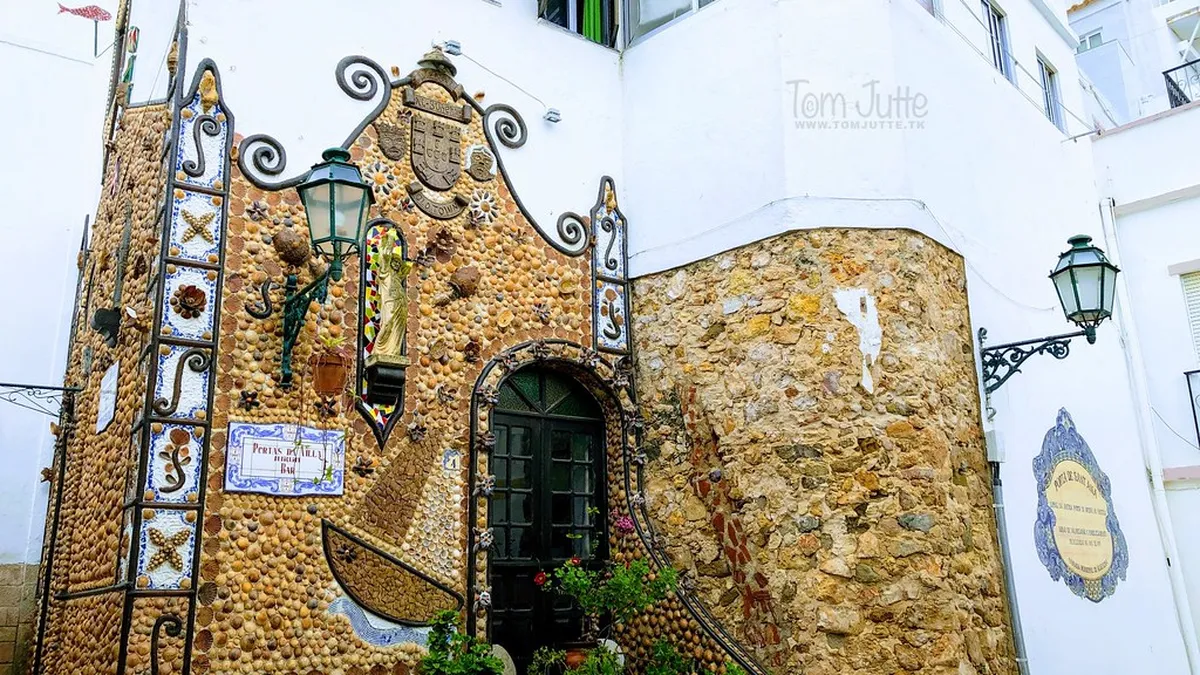
Zona Velha is where almost every good night in Funchal begins. Rua de Santa Maria — the main pedestrian artery of the quarter — is lined with bars that open their doors onto the street, so the entire alley becomes one continuous social gathering by 21:00. The basalt cobblestones, the painted wooden doors (each door is a local art installation), and the smell of charcoal grills create an atmosphere that no Marina club can replicate. The Funchal Old Town Travel Guide: Explore Madeira's Heart is pedestrianized and compact, meaning bar-hopping between venues takes under five minutes on foot.
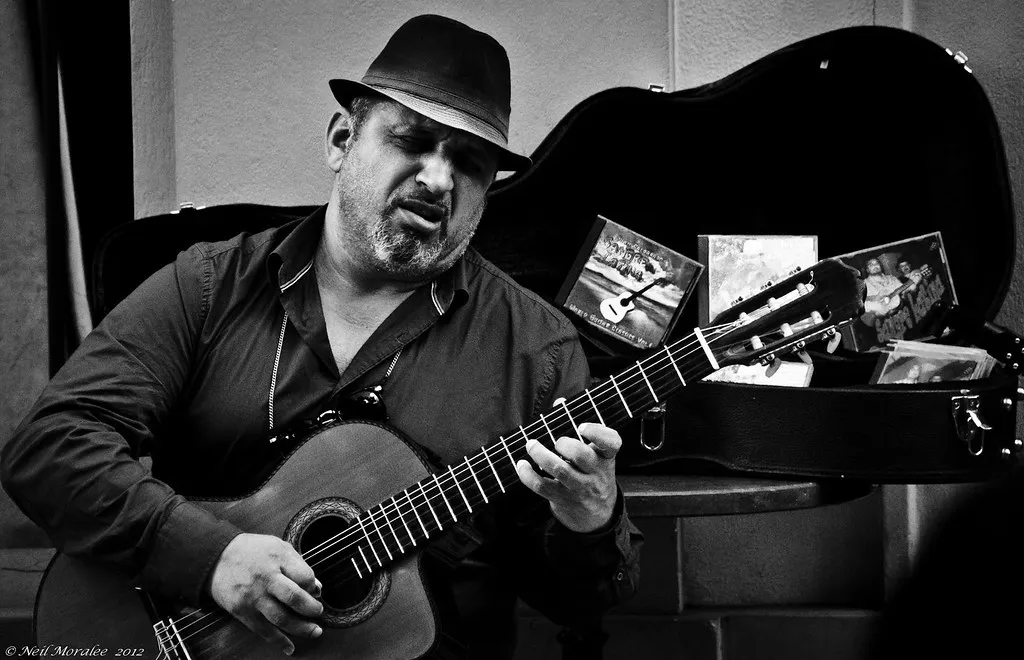
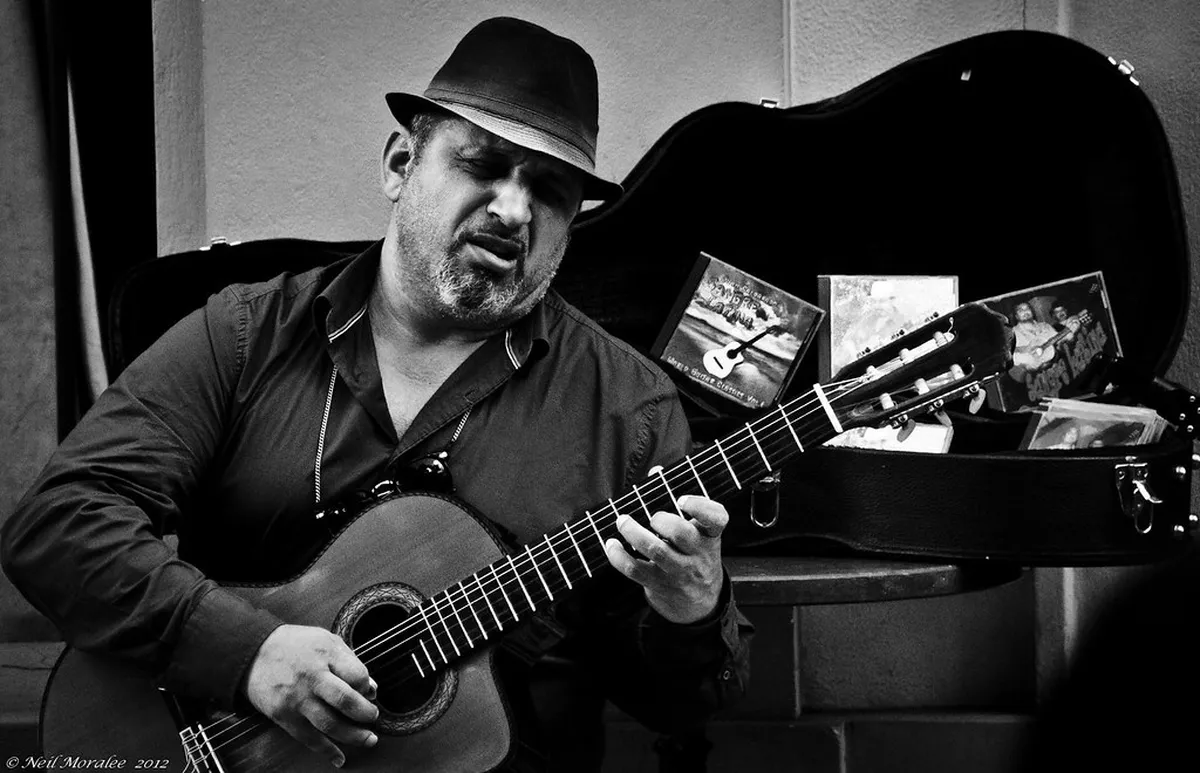
The Old Town caters to a wide mix of people: couples on a first evening out, groups doing a Poncha crawl, older locals who come every Friday without fail. Prices here are the most honest in the city. Expect to pay €3 to €5 for a local beer and €4 to €6 for a well-made Poncha. Most bars accept cards, but a handful of older taverns remain cash-only — carrying €20 in small notes is sensible. The district is the natural starting point before moving on to later venues.
The crowd starts building around 21:30 and peaks between 23:00 and 01:00, after which many people migrate toward the Marina clubs. If you have only one evening in Funchal and prefer atmosphere over volume, the Old Town alone is a complete night out. Staying in the quarter until midnight and then heading home still counts as a full Funchal experience.
Best Bars in Funchal for Poncha and Live Music
Venda Velha is the standard reference point for authentic Poncha in Zona Velha. The bartender mixes each drink individually using a carved wooden tool called a caralhinho, which crushes lemon and honey directly into the aguardente de cana (sugarcane spirit). A standard Regional Poncha costs €4 to €5 here. Open daily from 16:00 to 02:00, it is the correct first stop before anywhere else.
Trap Music Bar offers the best multi-floor live music experience in the city. The building has a rooftop terrace for early evening drinks, a main bar for standing acts, and a basement stage where live rock and pop bands perform from around 22:00. Drinks range from €5 to €12, open 21:00 to 04:00. Barreirinha Bar Café, perched near the old fort at the eastern end of the Old Town, is the city’s best sunset bar: its cliff-side terrace faces the Atlantic directly west. Arrive by 18:30 on clear days to guarantee a terrace table; cocktails cost €7 to €11.
Café do Teatro sits adjacent to the Municipal Theatre and attracts a well-dressed crowd that prefers a lounge atmosphere over a dance floor. DJ sessions begin around midnight and cocktails run €7 to €10. Other reliable spots on Rua de Santa Maria include Revolución Rock Bar (classic rock, 30-plus crowd, no cover), Scat Funchal Jazz Club (live jazz on specific evenings — check their social pages before going), and Moynihan’s Irish Pub (quiz nights, sports broadcasts, a firm expat favourite). All three sit within a two-minute walk of Venda Velha.
Iconic Nightclubs: From Vespas to Copacabana
Vespas is the most famous nightclub on the island and has been running for over 30 years opposite the cruise ship dock. What most visitors do not realise is that Vespas is actually three separate venues inside one building, each with a different entrance and a different atmosphere. Vespas proper plays commercial pop and mainstream international hits, drawing a broad 18–30 crowd. Jam is the room for anyone who grew up in the 1980s and 1990s — the playlist rarely ventures past the year 2000 and the crowd skews over 30. Marginal is the electronic music room, with a harder sound and a more dressed-up crowd that arrives latest of all. Knowing which door to walk through before you join a queue saves both time and disappointment. Entry runs €10 to €20, usually including a drinks credit. Do not arrive before 01:00 on weekends if you want to find a crowd.
Copacabana sits on the ground floor of the Casino da Madeira, the striking Oscar Niemeyer-designed building that anchors the western end of the seafront. The club combines live music sets with DJ nights and themed parties, running Friday and Saturday from 23:00 until around 04:00. Cover charges are €15 to €25. The casino requires photo ID at the door — carry your passport or EU identity card. The dress code is smart-casual: no flip-flops, no athletic shorts, no beachwear. The Copacabana crowd tends to be slightly older and more local than the tourist-heavy Vespas queues.
Dubai Dance Bar on the Marina runs until 06:00 and is the last venue standing for hardened night owls. It sits directly on the waterfront with outdoor seating overlooking the docked yachts, making it work as either an early-evening cocktail stop (€6 to €14) or a final destination after everything else has closed. The music leans Latin and commercial, and the crowd reflects the international mix of yacht crews and tourists the marina naturally attracts.
Local Drinks: Poncha Varieties and Madeira Wine
Poncha is the drink of Madeira and ordering it properly is a small act of cultural fluency that locals appreciate. The base is always aguardente de cana — a sugarcane spirit typically 40 to 48% ABV — which is much stronger than it tastes when diluted with citrus and honey. The classic version, Poncha Regional, uses fresh lemon juice and honey. The Fisherman’s Poncha (Poncha do Pescador) uses concentrated orange and is sharper and more tart. Both cost €4 to €6 at any honest bar in Zona Velha. There is also a Strawberry Poncha and a Passion Fruit variation, popular with visitors, though traditionalists consider them tourist inventions.
A legitimate Poncha is always mixed in front of you using a carved wooden caralhinho tool. If your drink comes from a pre-mixed bottle or flows from a tap, move to the next bar — Venda Velha on Rua de Santa Maria is a reliable choice for the real thing at €4 to €5.
A tourist-trap Poncha is immediately identifiable: it comes from a pre-mixed bottle, flows from a tap, and tastes uniformly sweet. A legitimate Poncha is mixed in front of you using the wooden caralhinho, with lemon squeezed fresh at the bar. If you do not see the mixing ritual, move to the next bar. Venda Velha and several of the smaller unmarked taverns along Rua de Santa Maria are safe choices for the real thing.
Madeira Wine is the island’s other iconic drink and the sensible choice for anyone who wants flavour without the Poncha ABV. The fortified wine comes in four styles: Sercial (dry, best as an aperitif), Verdelho (medium-dry, versatile), Bual (medium-sweet, good with dessert), and Malmsey (sweet, the most common version served in bars). Most bars sell Madeira Wine by the glass from €4 to €8. You can find more food and drink pairings in our guide to the 12 Best Restaurants and Food Experiences in Funchal for a full evening starting with dinner before the nightlife begins.
The Marina and Casino Area: High-Energy Clubs
The seafront strip between the Marina and the Casino da Madeira is Funchal’s modern nightlife face. Walking along Avenida do Mar from the Old Town toward the Marina, the character of the city shifts: glass buildings replace cobblestones, neon replaces candlelight, and the music volumes increase noticeably. This is where international visitors and yacht crews mix with younger locals who want a bigger production than the Old Town offers.

The Casino da Madeira is the visual centrepiece of the zone. Designed by Brazilian architect Oscar Niemeyer and built in the 1970s, the white dome-shaped building is recognisable from anywhere on the waterfront. The complex includes gaming tables, restaurants, and the Copacabana nightclub. Even guests with no interest in gambling visit for the architecture — the interior is worth a look before midnight when the club begins to fill. Photo ID is required at the entrance regardless of age.
The Marina area bars collectively stay open the latest in the city. If your goal is to watch the sun rise over the Atlantic from a bar stool, this zone is where you find that option. Dubai Dance Bar anchors the late-night end of the strip, but several smaller cocktail bars along the waterfront stay past 04:00 on weekends. This is also the most reliably accessible area by taxi or Bolt — drivers know it, the roads are wide, and pickup is straightforward at any hour.
New Year’s Eve: When Funchal Nightlife Reaches Its Peak
Funchal holds a Guinness World Record for the largest fireworks display on earth, a title it has defended multiple years. On 31 December, the hillsides surrounding the city fire from more than 60 simultaneous launch points in a coordinated display that lasts roughly eight minutes and is visible from nearly every street in the city. The spectacle draws crowds that triple the normal tourist population. Hotels book out six months in advance and prices reflect it — this is the most expensive week of the year to visit Madeira.
No competitor guide covers what this means practically for nightlife planning. Every major venue in the city — Vespas, Copacabana, Dubai Dance Bar, Café do Teatro — runs a ticketed New Year’s Eve event with a fixed menu, open bar, or reserved section. These sell out weeks before December. If you are planning a New Year trip in 2026, buy event tickets as soon as they go on sale in October and do not rely on walk-in entry. Standing on the seafront at midnight is free and spectacular, but it requires arriving at least two hours early to claim a clear sightline to the hillsides.
Outside of December, the city also comes alive during the Madeira Flower Festival in April (the four weeks after Easter) and the Atlantic Festival in June, both of which push weekend crowds into the Old Town bars well past midnight. If you are visiting during any festival period, expect venues to be busier from Thursday onwards and book dinner reservations in advance.
Funchal Planning Cheatsheet: Timing and Dress Codes
The practical sequence for a full night: dinner from 20:00 to 22:00, Old Town bars from 22:00 to 01:00, clubs from 01:00 to 06:00. Arriving at Vespas or Copacabana before 01:30 on a Saturday means standing in an empty room. If you have a short night and only want the bar scene, the Old Town is fully active by 22:30 and you can leave by midnight without missing anything.
Dress codes vary sharply by zone. In Zona Velha, shorts, clean trainers, and a casual shirt are fine at every bar. The Casino complex and Copacabana enforce smart-casual: no flip-flops, no beachwear, no sports jerseys. Vespas sits in the middle — they will turn away people in beach sandals at the main door on busy nights. If you are staying at the Living Funchal Apartments near the cathedral, you are within easy walking distance of both the Old Town and a five-minute taxi ride from the Marina.
Getting home requires a plan. Funchal’s steep hills make late-night walking deceptively hard. The Bolt app works reliably in Funchal and is usually cheaper than metered taxis; drivers cluster near the Marina and outside Vespas after 02:00. Always confirm the route before setting off, as hill addresses can confuse drivers unfamiliar with the residential zones above the centre. The polished basalt streets are genuinely slippery after rain — wear shoes with grip if you plan to walk between the Old Town and the waterfront.
Safety Tips and Cultural Etiquette for Madeira
Funchal is consistently ranked among the safest cities in Europe for solo and group travellers. Petty theft in the nightlife areas is rare, police visibility is high, and the local culture is genuinely welcoming. The main physical hazard is the cobblestones — uneven basalt and steep inclines cause more twisted ankles than any criminal activity. If you are looking for things to fill your day before the night begins, our guide to 12 Best Things to Do in Funchal Portugal covers the best daytime options in the city.
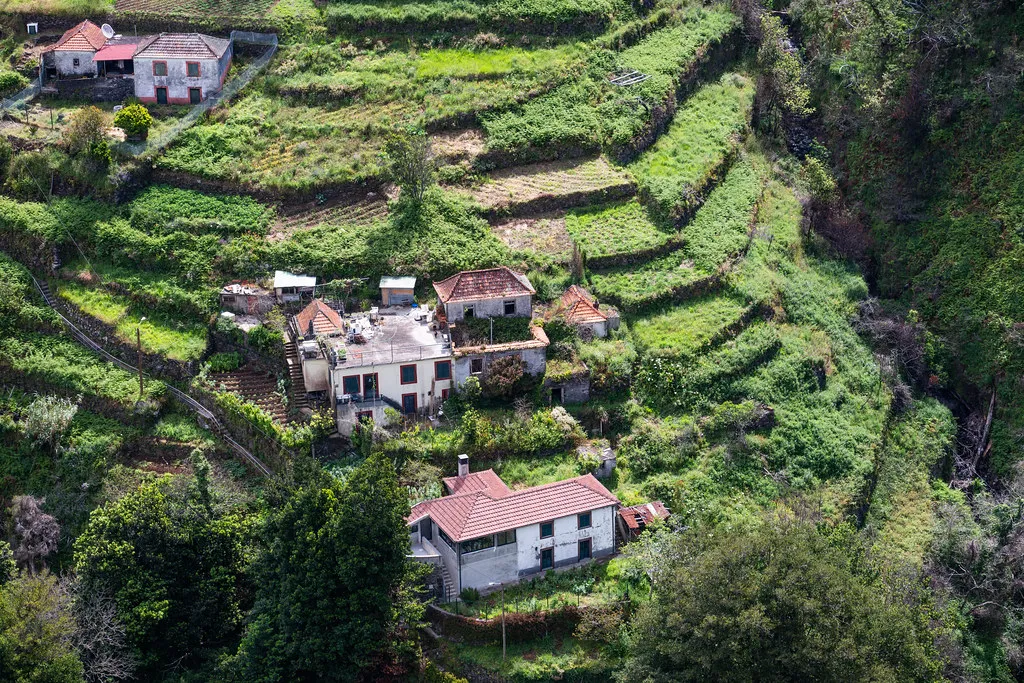
Funchal's polished basalt streets become genuinely slippery after rain. Wear shoes with grip if you plan to walk between the Old Town and the waterfront, and use the Bolt app rather than walking steep hill routes home after midnight.
Culturally, a few points of etiquette matter in Madeira. Locals appreciate a basic attempt at Portuguese — "obrigado" (thank you) and "por favor" (please) go a long way. Do not rush the Poncha mixing ritual at traditional bars; the preparation is part of the experience. Tipping is not mandatory but rounding up the bill or leaving €1 per drink is considered respectful in the Old Town taverns. Do not photograph people in bars without asking.
Solo female travellers consistently report feeling comfortable in all main nightlife zones. The presence of families and older couples eating late adds to the calm atmosphere in Zona Velha. On the Marina strip, the crowd is younger and more anonymous, but it remains well-policed. Stick to Avenida do Mar when walking between zones after midnight rather than cutting through unlit side streets near the port.
Frequently Asked Questions
Where is the best place to go out partying in Madeira?
Funchal is the primary hub for nightlife on the island. The Old Town is best for casual bars and traditional drinks, while the Marina and Casino area host the largest nightclubs for dancing until dawn.
What are the opening times of nightclubs in Madeira?
Most major clubs in Funchal open around 11:00 PM but do not get busy until 2:00 AM. They typically stay open until 6:00 AM or 7:00 AM on Friday and Saturday nights.
What is the dress code for Funchal clubs?
Most bars are casual, but nightclubs like Copacabana require smart-casual attire. Avoid wearing flip-flops, sports jerseys, or beachwear if you plan to enter the larger clubs or the Casino.
Funchal offers a diverse nightlife scene that works for both the relaxed drinker and the dedicated clubber. Starting in Zona Velha for Poncha and live music, then moving to the Marina for the main clubs, gives you the full spectrum of what the city offers in a single evening. Remember to pace yourself with the Poncha — the aguardente base runs 40 to 48% ABV and the lemon masks the strength.
Whether you are visiting for the world-famous New Year's Eve fireworks, the Flower Festival in April, or a summer week on the island, Funchal's after-dark energy is one of the best surprises the city has to offer. The atmosphere is safe, the locals are genuinely welcoming, and the nights are long enough to see everything this Atlantic capital has to offer.
For the wider island context, see our complete guide to things to do in Madeira.
For related Madeira deep-dives, see our 12 Best Things to Do in Funchal and Funchal Old Town Travel Guide guides.
 12 Best Cocktail Bars in Lisbon (2026)May 29, 2026