Madeira Wine Festival 2025: 10 Essential Guide Sections
Plan your 2025 Madeira Wine Festival trip with our guide to dates, grape treading in Estreito, Funchal Wine Lounge events, and exclusive vineyard tours.
On this page
Madeira Wine Festival 2025: 10 Essential Guide Sections
The Madeira Wine Festival is a vibrant celebration of the island's famous fortified wine and historic harvest traditions. Running from August 24 to September 14, 2025, it transforms the streets of Funchal and the mountain village of Estreito de Câmara de Lobos into a three-week feast of music, food, and wine. This guide covers everything you need — from the Funchal Wine Lounge schedule to bus numbers for the harvest village.
This annual event is one of Portugal's most atmospheric cultural festivals. You can find more detailed planning resources on Portugal Wander to enhance your island itinerary. Temperatures during the festival typically range from 22–26°C, making it ideal for outdoor celebrations.
What is the Madeira Wine Festival?
The Madeira Wine Festival celebrates the start of the grape harvest across the island's rugged volcanic slopes. It combines centuries-old traditions with modern festivities to showcase the unique qualities of Madeira wine. Local folklore groups perform in traditional dress while visitors sample various styles of the famous fortified drink. The event serves as a tribute to the farmers who have maintained these steep terraced vineyards for generations.
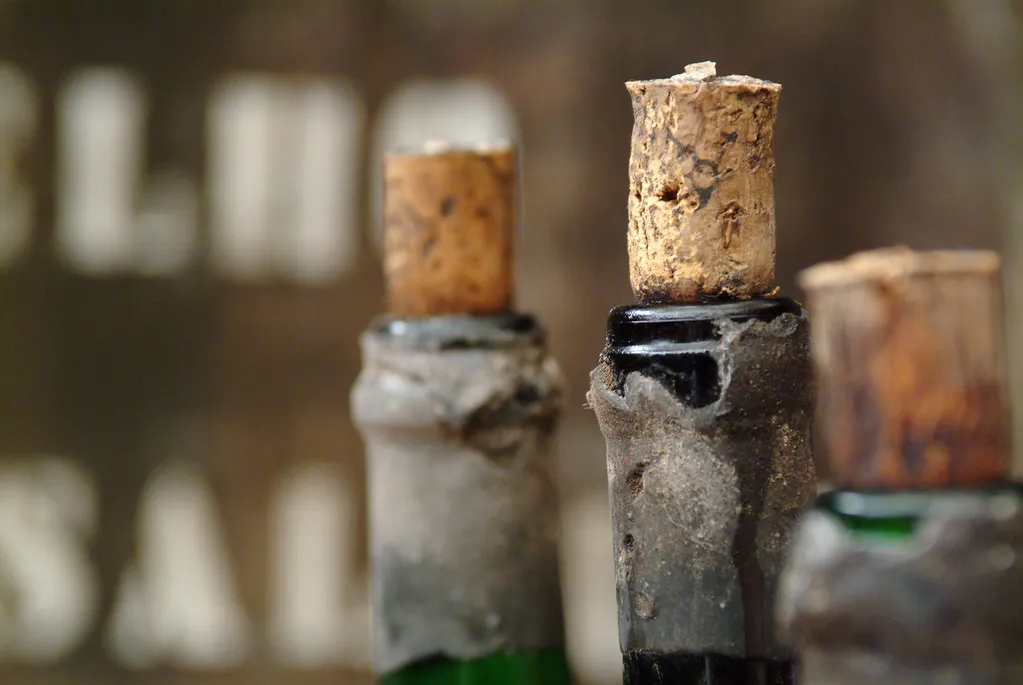
Throughout the festival, Funchal hosts exhibitions, workshops, and street tastings focused on the wine-making process. You will see the city decorated with barrels, wicker baskets, and traditional harvest tools. The festival also features the European Folklore Week, adding international musical flair alongside local performances. It is widely considered one of the most important cultural events on the Madeira calendar.
The celebration is not just for wine experts. It offers hands-on activities for families, casual travelers, and enthusiasts alike. You can enjoy street food, live concerts, participate in the actual grape harvest, and explore historic wine lodges — all within the same three-week window.
2025 Festival Dates and Key Locations
The festival runs from August 24 to September 14, 2025. The main street events in Funchal are concentrated in the final two weeks, with weekends offering the highest density of activities. You can view the full Program of the Madeira Wine Festival 2025 for specific daily timings.
The two main hubs are Avenida Arriaga, where the Funchal Wine Lounge and tasting stalls are set up, and Praça do Povo, which hosts the larger culinary demonstrations and handicraft markets. The street between these two squares is decorated with traditional vineyard props and is easily walkable in under ten minutes. Most visitors use this stretch as their base for evening exploration.
The other essential location is Estreito de Câmara de Lobos, a mountain village about 7 km from Funchal that hosts the live harvest. That event typically falls on the first Saturday of September. Booking accommodation in Funchal for the full festival period is strongly advised — hotels fill up fast from June onward.
The History and Unique Production of Madeira Wine
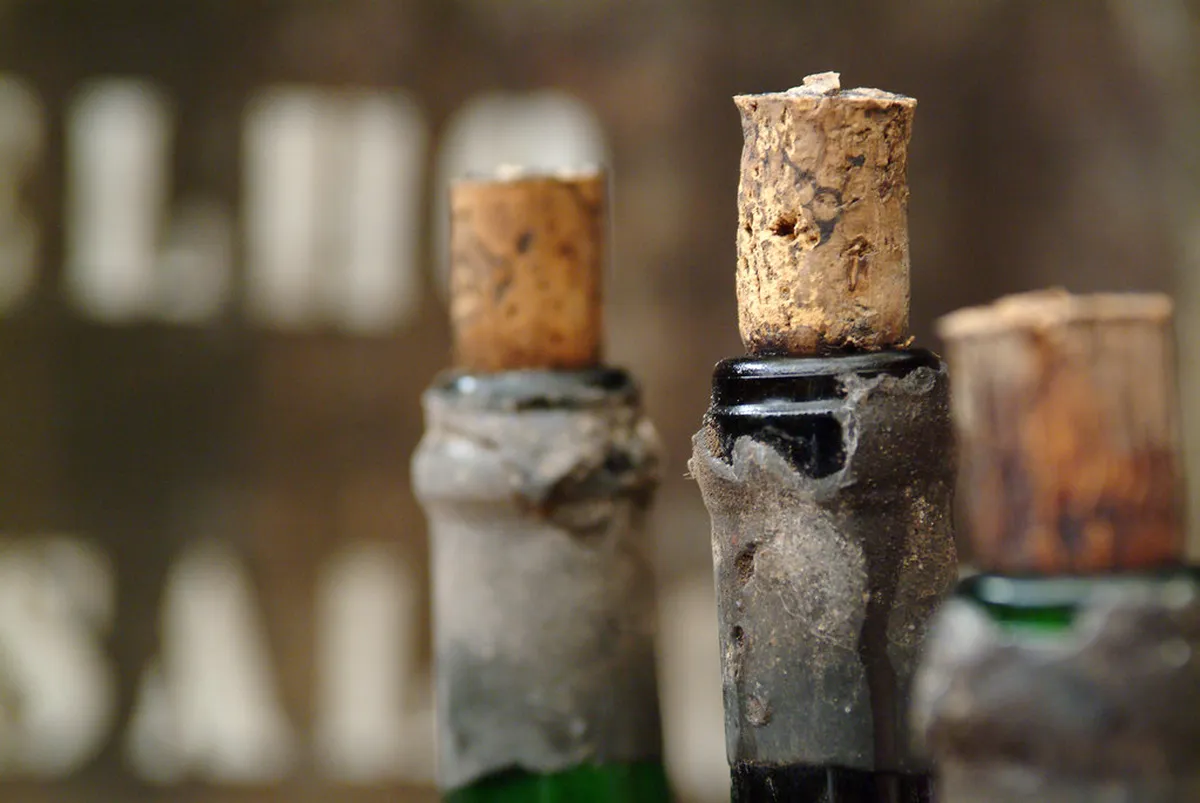
Madeira wine's distinctive character traces back to the 15th century, when the island became a strategic Atlantic stopover for ships traveling between Europe, Africa, and the Americas. Merchants fortified local wines with grape spirit to preserve them on long voyages. Sailors discovered that the heat of the journey actually improved the wine's flavor — deepening it into something richer and more complex. That accidental discovery became a deliberate technique. To experience the aging rooms firsthand, consider booking Madeira wine cellar tours in Funchal during your visit.
Today, producers replicate this process using two methods: Estufagem, which heats the wine in large tanks at 45–50°C for at least 90 days, and Canteiro, a premium method where barrels are stored in warm attic lofts for years. The result is one of the world's most stable wines — a bottle stays fresh for months after opening, unlike almost any other wine.
Many visitors ask how Madeira differs from Port Wine. Both are fortified, but the comparison ends there. The Madeira vs Port Wine Comparison shows the key distinctions clearly.
| Feature | Madeira Wine | Port Wine |
|---|---|---|
| Fortification timing | During or after fermentation | During fermentation (stops sugar conversion) |
| Aging process | Heat treated (Estufagem or Canteiro) | Cold aging in barrels or bottles |
| Oxidation | Intentionally oxidized | Protected from oxygen |
| Shelf life once opened | Months to years | Days to a few weeks |
| Dominant region | Madeira Island, Portugal | Douro Valley, mainland Portugal |
Funchal Wine Lounge and Street Entertainment
The Funchal Wine Lounge is the central meeting point for festival attendees, set up along Avenida Arriaga in the heart of the city. Wooden producer stalls offer tastings of current releases and aged vintages. You can find advice on 10 Best Places and Tips for Buying Madeira Wine in Funchal right at these stands, where producers are often pouring in person. Live jazz and traditional music provide a relaxed soundtrack for evening exploration.
Praça do Povo, a short walk from Avenida Arriaga, hosts culinary demonstrations, regional handicraft markets, and larger stage performances. Chefs show how Madeira wine is incorporated into traditional and modern Portuguese dishes. Entry to both areas is free; you pay only for individual wine tastings, which typically cost €2–5 per pour. The lounge opens around 10:00 and stays busy until midnight on festival weekends.
Pairing wine with local street food is one of the great pleasures of the lounge. Try salty lupin beans or Bolo do Caco flatbread with garlic butter alongside a glass of Verdelho. These snacks complement Madeira's high acidity better than anything elaborate. The table below matches the four main styles to the foods most commonly found at festival stalls.
| Wine Style | Flavor Profile | Festival Street Food Pairing |
|---|---|---|
| Sercial | Bone-dry, citrus, piercing acidity | Lapas grelhadas (grilled limpets), olives |
| Verdelho | Off-dry, smoky, dried fruit | Bolo do Caco with garlic butter, smoked fish |
| Bual | Medium-sweet, caramel, nutty | Espetada (laurel-wood beef skewers), aged cheese |
| Malvasia | Sweet, rich, figs and molasses | Bolo de Mel (honey cake), dark chocolate |
The Live Harvest in Estreito de Câmara de Lobos
The most authentic part of the festival happens in Estreito de Câmara de Lobos, a hillside village about 7 km west of Funchal. This is the heart of the island's wine production and the site of the live harvest event. Locals gather to pick grapes and carry them in traditional wicker baskets to the village center. Participating in 10 Essential Tips for Booking Madeira Wine Tours that include this village is a must for enthusiasts.
The day begins with a parade of folk groups in traditional dress and culminates in communal grape treading in large stone lagares. The streets fill with the scent of fresh must and the sound of regional music. The event typically starts around 09:00 and wraps up in the early afternoon, followed by a communal feast. Arriving early is essential — the village fills quickly once the morning buses from Funchal arrive.
Getting to Estreito by public bus is straightforward. The table below shows the three main Rodoeste routes, with additional services laid on for the main harvest Saturday.
| Bus Number | Departure Point in Funchal | Destination | Frequency |
|---|---|---|---|
| Rodoeste 3 | Avenida do Mar (seafront) | Estreito de Câmara de Lobos | Every 30 min |
| Rodoeste 7 | Funchal City Center | Câmara de Lobos town | Hourly |
| Rodoeste 96 | Main Bus Terminal (Rodoviária) | Estreito (express service) | Limited — harvest day only |
Traditional Grape Treading: How to Join the Fun
Barefoot grape stomping is the single most memorable activity at the festival. Participants step into a stone lagar filled with freshly picked grapes and tread them to a rhythm beaten by drums and braguinha players. The cool, sticky must rising between your toes is an experience that no wine tour can replicate. It connects you directly to a process that predates mechanical presses by centuries.
Spots in the lagar are allocated on the day at the Estreito village center, not online. Arrive by 09:00 at the lagar staging area to join the informal sign-up queue — groups fill quickly once the morning buses arrive from Funchal, and late arrivals (after 10:30) regularly miss the chance entirely. Wear shorts or trousers you can roll to the knee. Bring a small towel, as foot-washing stations are set up near the lagar exit but can get crowded.
Organized tours that include the harvest experience do sell out months in advance and are a reliable alternative if you cannot arrive by 09:00. These tours typically include return transport from Funchal, a regional buffet lunch with espetada and local wines, and a guided outdoor tasting at a traditional estate. Book at least three months ahead for September weekend dates.
Spots in the lagar are allocated on the day at Estreito village center — there is no online booking. Arrive by 09:00 to join the sign-up queue; late arrivals after 10:30 regularly miss the chance entirely.
Vineyard Concerts and Folklore Performances
The festival schedule includes vineyard concerts held in locations overlooking the Atlantic. Performances range from classical ensembles to fado singers and modern acts in intimate outdoor settings. Tickets for headline concerts sell out weeks ahead due to limited seating — check the official programme as soon as it publishes in July.
Folklore groups from across the island and from continental Europe participate in the European Folklore Week. You will see dancers performing the Bailinho da Madeira in colorful traditional costumes, accompanied by the braguinha and rajão instruments. These performances take place on stages throughout Funchal and in rural villages, and most are free to attend.
The energy of the folklore groups is contagious and often draws audience participation. Watching these groups perform under the warm evening sky is a highlight for many visitors. The festival genuinely bridges the island's rural past with its festive present, and the European Folklore Week gives it an unexpectedly international feel.
Blandy's Wine Festival and Lodge Activities
Blandy's Wine Lodge on Rua dos Ferreiros is one of the most iconic wine destinations in Funchal. Housed in a 17th-century former Franciscan monastery, it runs its own parallel program during the festival weeks. You can check the Blandy's Wine Lodge Festival Info for the latest activities and tasting schedules. Entry to the lodge and its museum is ticketed separately from the street festival.
Guided tours take you through aging rooms where barrels sit for decades. The distinctive smell of evaporating wine — the "angel's share" — fills the corridors. Blandy's often runs vertical tastings during the festival where you can sample the same wine across multiple harvest years, from 5-year blends up to rare Frasqueira (vintage) bottles.
The lodge's courtyard is a calm retreat from the busy Avenida Arriaga crowds, with live music and food pairings on festival evenings. Make time to visit their museum, which includes some of the oldest dated bottles of Madeira wine still in existence. It is a premium experience that puts the history you read about into a very tangible context.
Fajã dos Padres: A Unique Vineyard Visit
Fajã dos Padres is a hidden organic vineyard at the foot of a 300-meter sea cliff on Madeira's south coast. It is only accessible by a private cable car descent — the ride alone is worth the trip. The vineyard is famous for the Malvasia Candida grape, a near-extinct variety that was revived here and exists nowhere else on the island at commercial scale. This is the grape behind Madeira's most celebrated sweet wines, sometimes called the "Château d'Yquem of Madeira" by wine writers. The Fajã dos Padres Vineyard History explains this designation in detail.
The microclimate below the cliff is significantly warmer and more sheltered than the surrounding coastline, allowing the Malvasia Candida grapes to reach very high sugar levels. The result is a wine of exceptional richness and longevity. You can tour the small vineyard and then have lunch at the restaurant right on the pebble beach, with grilled fish and stunning Atlantic views.
Visiting during the festival provides a quiet contrast to the Funchal crowds. The cable car runs on a fixed schedule, so check times at the base station in Quinta Grande before you travel. Book your lunch table at least two weeks in advance for September weekends — the restaurant is small and locals book it for special occasions too.
Essential Logistics: Transport and Accommodation Tips
Book your flights and accommodation at least four months before the festival. Funchal hotels in the zones closest to Avenida Arriaga fill up fast once the official programme publishes in July. The Old Town (Zona Velha) and the hotel strip along Estrada Monumental are both within walking distance of the main festival venues. Mid-range hotels in Funchal typically range from €90–160 per night during the festival, roughly 30–40% higher than the shoulder season rate.
Getting around Funchal during the festival on foot is easy — the Avenida Arriaga to Praça do Povo corridor is about 700 meters and takes ten minutes to walk. For the Estreito harvest, use the Rodoeste bus network (see the table in the Estreito section above). Taxis are available but expensive on harvest Saturday due to demand; a ride from Funchal to Estreito costs around €15 one-way. Car rental is not recommended on the main harvest Saturday — parking is extremely limited near the village.
Pack light layers for the festival. Funchal sits at sea level and daytime temperatures hit 24–26°C, but the mountain events at Estreito can feel noticeably cooler in the early morning. Comfortable walking shoes are essential for the cobblestone streets. During the festival, a warm wind called the Leste occasionally blows from the Sahara and can briefly push temperatures above 30°C for a day or two — always check the local forecast before planning mountain activities.
Funchal hotels near Avenida Arriaga cost roughly 30–40% more during the festival than the shoulder season. Book at least four months ahead — availability typically drops sharply once the official programme publishes in July.
Frequently Asked Questions
When is the Madeira Wine Festival 2025?
The festival takes place from August 24 to September 14, 2025. This period covers the main harvest activities in Funchal and Estreito. Most major street events occur during the final two weeks.
Where can I participate in grape treading in Madeira?
The best place for grape treading is in Estreito de Câmara de Lobos. This village hosts a live harvest event where visitors can join barefoot stomping. It typically happens on the first Saturday of September.
What is the difference between Madeira wine and Port?
Madeira is unique because it is intentionally heated and oxidized during aging. This creates a stable wine that lasts for months once opened. Port is aged in cooler conditions and spoils faster.
The Madeira Wine Festival is more than just a tasting event — it is a deep dive into island culture. From the barefoot treading in Estreito to the jazz-filled nights in Funchal, the variety is unmatched. Whether you are a wine expert or a casual traveler, the 2025 festival promises an unforgettable experience.
Remember to book your accommodation early and arrive at Estreito by 09:00 if you want a spot in the lagar. By following this guide, you can navigate the festivities like a local and enjoy every drop. We hope to see you raising a glass of Malvasia in the Funchal sun next September.
Use our Madeira tourism hub to plan the rest of your trip.
For related Madeira deep-dives, see our 10 Essential Tips for Booking Madeira Wine Tours and 10 Best Places and Tips for Buying Madeira Wine in Funchal guides.