8 Essential Tips for Visiting Portugal in December
Plan your trip to Portugal in December with this guide on weather, Christmas markets, New Year's Eve, and regional highlights from Lisbon to the Algarve.
On this page
8 Essential Tips for Visiting Portugal in December
Portugal in December is one of Europe's best-kept winter travel secrets. Crowds thin dramatically, hotel rates drop by thirty to forty percent versus summer, and the country settles into a warm festive rhythm that runs from Lisbon's light-strung boulevards all the way south to the Algarve's sun-bright cliffs. The trade-off is Atlantic rain — but it arrives in short bursts, not all-day downpours, and a good rain jacket keeps most itineraries on track.
Understanding the regional differences is the key to getting this trip right. Porto and Lisbon operate as classic winter-city escapes; the Algarve and Madeira are genuine mild-weather retreats with daily highs that can brush 20°C / 68°F. Most visitors find that portugal weather by month varies significantly between the north and south, and December is where that gap is widest. This guide covers weather, Christmas traditions, New Year's options, practical packing, and the logistics that most articles leave out.
Why Visit Portugal in December? The Pros and Cons
The single biggest advantage is space. I stood in front of the Belém Tower last December with almost no one else around — something that is genuinely impossible in July. Entry queues at the Jerónimos Monastery and the Palácio da Pena in Sintra are short or nonexistent. You can book a table at popular restaurants the same day rather than weeks out. That breathing room completely changes the quality of a trip.
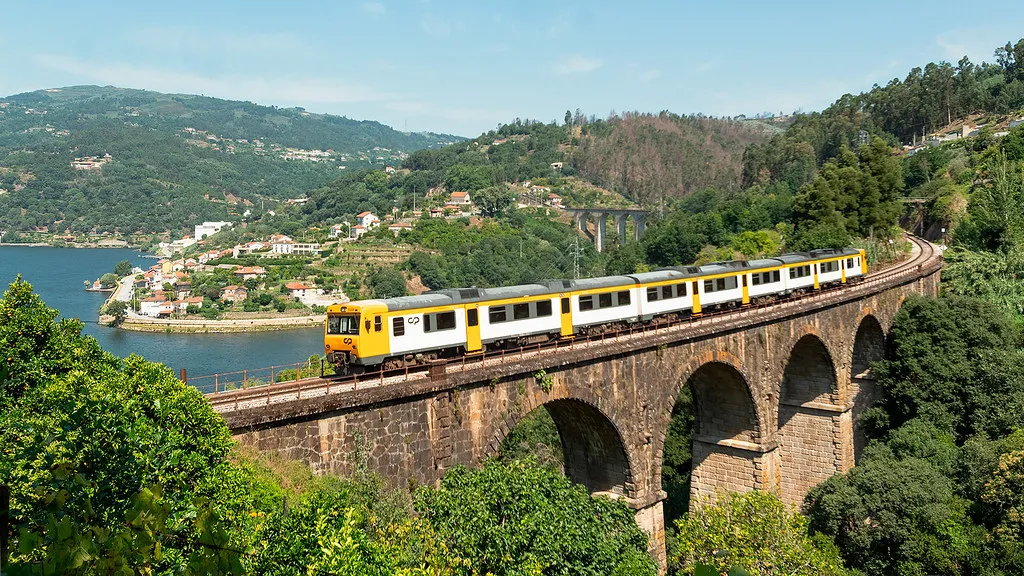
Prices follow the crowds downward. Midrange hotels in Lisbon's Bairro Alto that cost €180 a night in August regularly drop to €100–€120 in December. Car rental across the country follows a similar pattern. Algarve five-star resorts that are untouchable in summer become genuinely affordable, which is the best time to treat yourself to a property with a heated indoor pool.
The main drawback is Atlantic rain. Porto is particularly wet, with around fifteen rainy days in December and grey skies that can persist for several days running. Lisbon averages twelve rainy days but typically sees more clear intervals. Outdoor dining is still possible at heated terraces, but you need a waterproof layer every single day. Daylight also runs short — sunset falls around 17:20–17:30 across the country, so early starts matter.
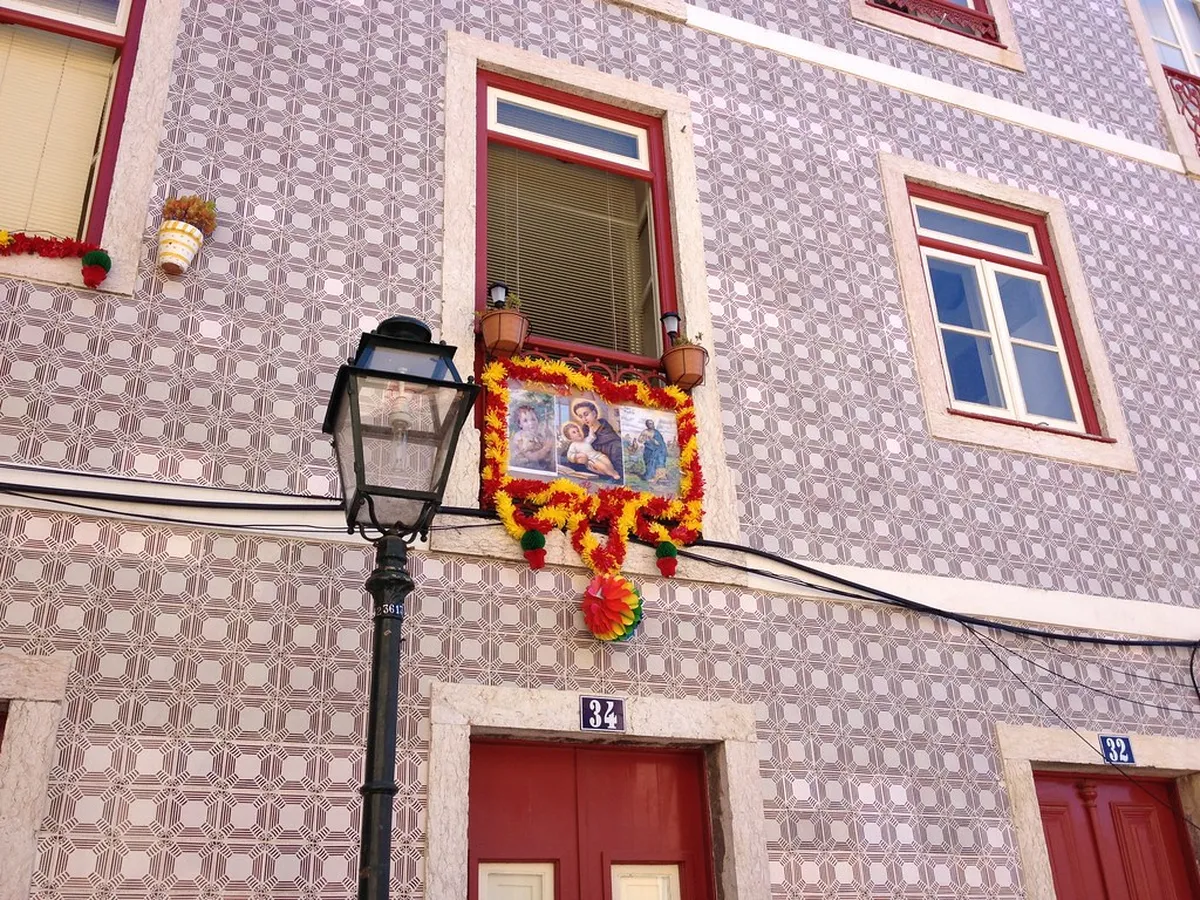
The festive atmosphere largely compensates for the weather. Christmas lights go up in mid-November and stay lit through Epiphany (January 6th). Seasonal pastries fill every bakery window. The country is quietly, genuinely festive in a way that feels local rather than manufactured for tourists. Check the lisbon in winter off-season guide for specific neighborhood tips on making the most of short daylight hours.
Portugal December Weather: Regional Temperature Guide
Portugal's north-south divide is at its sharpest in December. Porto and the Minho region sit in the Atlantic's full path, with average daytime highs of 9–14°C / 48–57°F, around fifteen rainy days, and a damp river-valley humidity that makes the cold feel sharper than a thermometer suggests. Lisbon is milder and sunnier, averaging 10–15°C / 50–59°F with roughly twelve rainy days and more frequent blue-sky afternoons. The Algarve reads differently again — daytime highs regularly reach 15–19°C / 59–66°F, with only six to eight rainy days, and on clear afternoons the sun is strong enough to sit outside without a jacket.
Atlantic humidity is the variable most guides underestimate. At 12°C / 54°F with high humidity and a coastal wind, you feel significantly colder than at 5°C / 41°F in a dry inland climate. Merino wool base layers or silk long-johns are far more effective than a thick cotton sweater at managing this. The damp seeps into older stone buildings too — book accommodation with central heating rather than just a portable radiator.
Book accommodation with central heating, not just a portable radiator — older stone buildings in Porto and Lisbon absorb Atlantic damp and stay cold even when the outside temperature reads mild. Merino wool or silk base layers regulate warmth far better than cotton in Portugal's humid winter air.
Snow is rare in the cities but reliable in the Serra da Estrela mountains, which sit about two hours northeast of Coimbra. If a ski day sounds appealing, December and January are the window. Madeira stands apart from the mainland entirely, with Funchal averaging 15–20°C / 59–68°F and only seven rainy days — genuinely the warmest December option under a Portuguese flag.
| Region | Avg Daytime Temp | Avg Rainy Days | Sunshine Hours/Day | Best For |
|---|---|---|---|---|
| Porto & North | 9–14°C / 48–57°F | ~15 days | 3–4 hrs | Wine cellars, moody photography |
| Lisbon & Centre | 10–15°C / 50–59°F | ~12 days | 4–5 hrs | Festive lights, day trips |
| Algarve | 15–19°C / 59–66°F | ~7 days | 5–6 hrs | Hiking, coastal walks, golf |
| Madeira | 15–20°C / 59–68°F | ~7 days | 5–6 hrs | New Year's fireworks, warmth |
Best Places to Visit: From Lisbon to the Algarve
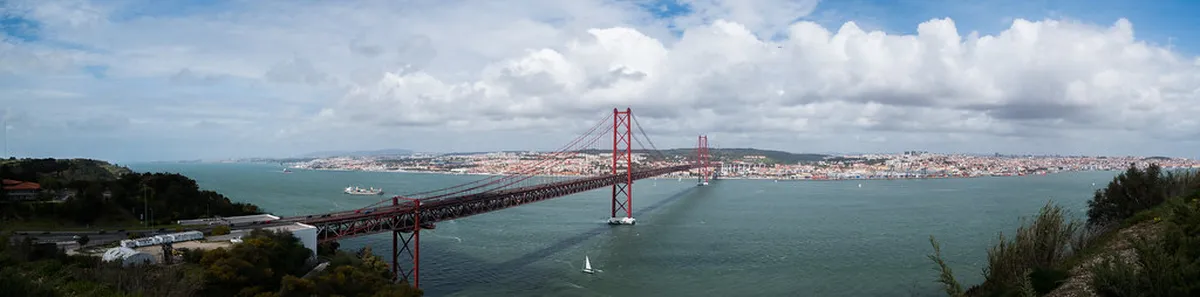
Lisbon is the natural festive hub. The Praça do Comércio anchors a waterfront stretch of pop-up markets and food stalls that stays busy through New Year's Day. The Baixa district lights up with layered installations that run late into the evening, and the tram network is far less packed than in summer — you can actually board a tram 28 without a forty-minute wait. Nearby, a From Lisbon: Fatima, Batalha, Nazare, Obidos - Small Group day tour covers four sites in a single efficient loop, including the Christmas Village at Óbidos.
Porto offers a moodier, more atmospheric winter. The Ribeira district looks spectacular in low December light reflected off the Douro River, and the port wine cellars in Vila Nova de Gaia are warm, fragrant, and entirely appropriate for a rainy afternoon. The best time to visit porto for indoor attractions is unquestionably the cooler months. Use the Metro do Porto to reach the upper deck of the Luís I Bridge without a taxi — Line D stops at Jardim do Morro directly.
The Algarve is the right choice for anyone who wants guaranteed sunshine odds and coastal scenery without summer madness. Lagos, Tavira, and Sagres all stay open and lively enough to feel like real destinations rather than off-season ghost towns. Hiking the Seven Hanging Valleys Trail between Benagil and Praia de Marinha is arguably better in December than in August — no heat, no crowds, and golden light across the limestone arches. The Domes Lake Algarve in Vilamoura is one of the better heated-pool options on the coast for a winter stay.
Sintra deserves a mention as a December day trip from Lisbon. The palace hilltops are often above the cloud layer on winter mornings, giving surreal fog views over the Serra da Sintra. The Christmas Village in Sintra town runs through late December and includes a market and light tour of the historic streets — a quieter alternative to Óbidos for those who prefer fewer tour buses.
Christmas Markets and Holiday Traditions
The Óbidos Christmas Village is the country's most complete festive experience. The entire medieval walled town transforms from the first weekend of December through January 6th — every shop, café, and archway gets dressed out in lights and decorations, and an ice rink sits inside the castle walls. The ginjinha served here in small chocolate cups is genuinely the best version you will find in Portugal. Visit on a weekday morning to avoid the tour buses that arrive from Lisbon from about 11:00 onwards; the village takes on a completely different character before the crowds.
In Lisbon, Wonderland Lisboa at Parque Eduardo VII is the largest dedicated market, featuring a Ferris wheel, a skating rink, and dozens of food stalls running through early January. Smaller pop-up markets appear at Rossio Square, Campo Pequeno, and most major viewpoints — if there is an open plaza in Lisbon in December, there is probably a cluster of stalls in it. In Porto, the Batalha Square Christmas Market and the Jardim da Cordoaria market are the main anchors, both featuring natural ice rinks and regional handicrafts.
Portugal is a deeply Catholic country and the lead-up to Christmas reflects that. Christmas Eve (Consoada) is the main family gathering night, centered on a dinner of bacalhau com todos — salted cod with potatoes, eggs, and cabbage — followed by Missa do Galo (Midnight Mass). Bolo Rei, a ring cake stuffed with nuts and dried fruit, appears in bakeries from early December and is eaten through Three Kings Day on January 6th. Arroz Doce (sweet rice pudding dusted with cinnamon) is the other ubiquitous seasonal dessert you will find in every café.
Janeiras is a lesser-known tradition that begins after Christmas and runs through the first week of January. Groups of neighbors walk the streets singing traditional songs door-to-door to welcome the new year. It is most common in smaller towns and rural villages rather than the major cities, but it is worth keeping an ear out in quieter neighborhoods — hearing a Janeiras group in a narrow alley on a cold January evening is one of those genuinely local moments that no guidebook can fully prepare you for.
Christmas Eve Planning: What Most Visitors Get Wrong
December 24th is the single day in Portugal that catches unprepared travelers hardest. Most Portuguese families celebrate Consoada at home, which means the majority of restaurants — including many that are open daily throughout December — close their doors by 19:00 on Christmas Eve. The metro in Lisbon stops earlier than usual, and taxis and Ubers are in short supply late in the evening as drivers head home to their own families.
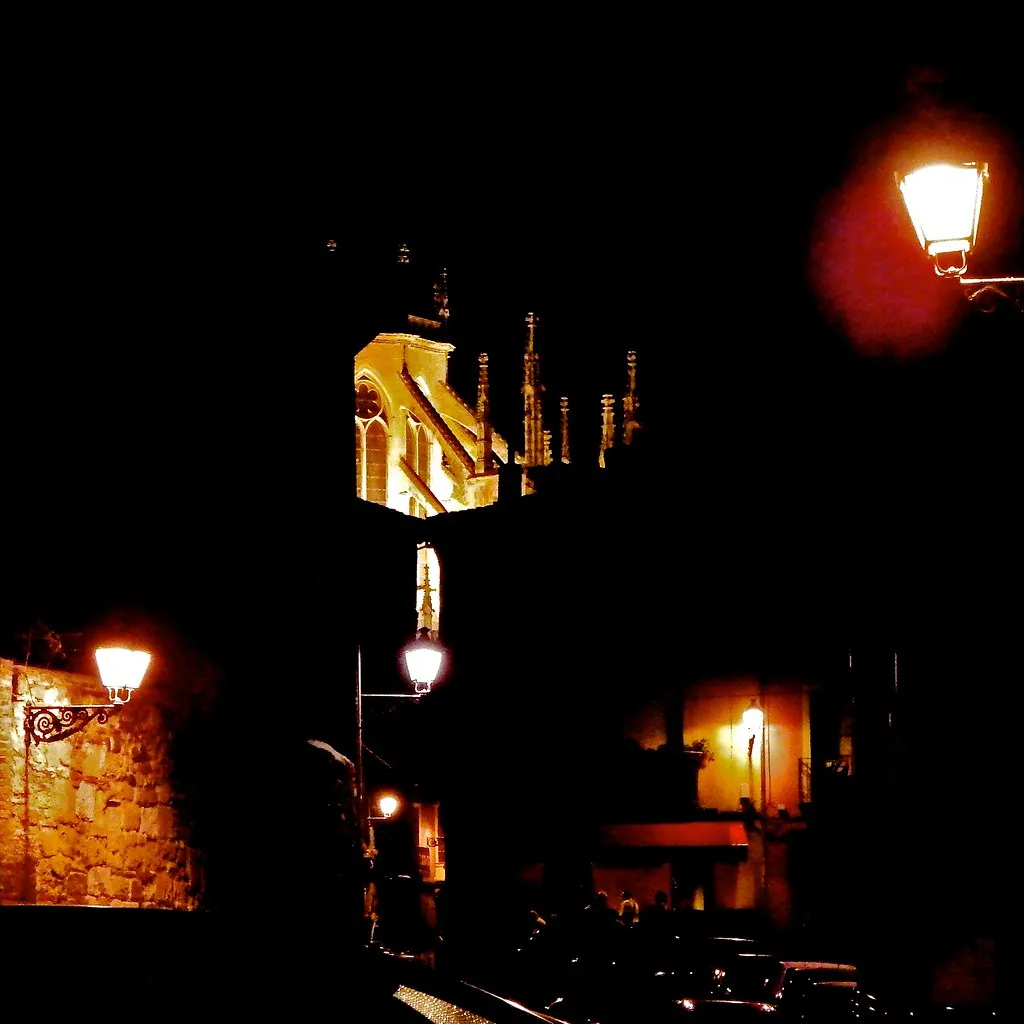
If you are in Lisbon, Porto, or a smaller town on December 24th and have not booked a restaurant specifically for that evening, your realistic options narrow quickly. A handful of hotel restaurants stay open and take reservations — book those at least two to three weeks ahead. Some Indian and Chinese restaurants in city centers remain open, as they do not observe the tradition. The most practical fallback is to stock up at a supermarket in the afternoon: most close by 15:00–16:00 on Christmas Eve, so do not leave this until the evening. A decent spread from a Continente or Pingo Doce can easily become a pleasant picnic at your accommodation.
Christmas Day itself is a public holiday and follows a similar pattern — reduced transport, limited restaurant hours — but recovers faster, with many places reopening for lunch. The week between Christmas and New Year is entirely different: restaurants, shops, and markets are all busy, and popular dinner spots in Lisbon and the Algarve benefit from a reservation even during that quieter stretch of the calendar.
Most supermarkets close by 15:00–16:00 on Christmas Eve and many restaurants shut by 19:00 — if you haven't reserved a Christmas Eve dinner table at least two to three weeks ahead, stock up at a Continente or Pingo Doce in the afternoon to avoid being caught without food options.
Top Winter Activities and Seasonal Attractions
December is consistently the best month for hiking in Portugal. The summer heat is gone, the trails are uncrowded, and many coastal paths look better under a low winter sun than they do in peak season. In the Algarve, the Seven Hanging Valleys Trail (Percurso dos Sete Vales Suspensos) is the standout — a 5.7 km clifftop path between Marinha and Benagil that is manageable in two to three hours and requires no special gear. The Ria Formosa Nature Reserve near Tavira and Olhão is also excellent in winter: flamingos and wading birds arrive in large numbers from October onwards and are easiest to spot on a calm December morning boat trip.
Golf is a genuine winter strength in the Algarve. Courses in the Vilamoura and Portimão areas stay green and well-maintained, green fees drop compared to peak season, and tee times are easy to secure. For non-golfers, the Portimão Museum offers a surprisingly absorbing afternoon covering the town's sardine-canning industry, and the Lagos food tour is a solid rainy-day option that gives a good grounding in Algarvian cuisine before you spend the rest of the week eating your way through it.
Fado is worth seeking out specifically in December. The smaller fado houses in Lisbon's Alfama and Mouraria neighborhoods are less overcrowded than in summer, which means the atmosphere is more intimate and the acoustics benefit from fewer bodies filling the room. Book a table for a dinner fado session at a mid-tier house — the tourist trap venues are usually obvious from their street-touting and fixed tourist menus, while the better spots fill by word of mouth and have shorter queues. In Porto, fado and live music bars along the Rua Galeria de Paris operate at their most hospitable pace through December.
Where to Celebrate New Year's Eve in Portugal
Lisbon's free waterfront celebration at Praça do Comércio is the easiest option for most travelers. A main stage runs concerts from late afternoon, and fireworks launch from barges on the Tagus River at midnight. The crowd is large but manageable — it disperses surprisingly quickly after midnight and walking back to the Bairro Alto or Chiado neighborhoods takes about twenty minutes without significant congestion. Arrive after 22:00 if you want to skip the concert hours; the waterfront stalls between Praça do Comércio and Cais do Sodré are a good place to hold a spot with drinks.
Madeira is world-renowned for its fireworks display, which holds a Guinness World Record for largest fireworks show and is launched simultaneously from multiple points around Funchal's natural amphitheater harbor. The display begins at midnight and lasts around eight minutes. For the best views, book a hotel room or restaurant table with a direct harbor sight-line well in advance — prime spots sell out months ahead. A catamaran or boat charter on the harbor is the most dramatic viewing position. You can learn more in this best time to visit madeira guide for seasonal events.
Albufeira in the Algarve has quietly become one of the best-value New Year's destinations in Portugal. Free concerts at Fishermen's Beach run on December 30th and 31st, and the combined fireworks and laser show at midnight is genuinely impressive — past editions have matched or exceeded what you would see in major European cities. Portimão runs a similar program. Both towns fill up significantly around New Year, so book accommodation at least six to eight weeks ahead. Porto celebrates along Avenida dos Aliados with live music, and the Douro River reflections of the midnight fireworks are consistently striking.
Travel Logistics: Crowds, Costs, and Booking Tips
Outside the Christmas (December 23–27) and New Year's (December 29–January 2) windows, December is genuine low season. Flight prices from northern Europe and North America to Lisbon and Faro are typically thirty to fifty percent cheaper than July or August. The period from December 1st to 20th offers the lowest hotel rates of the year — a useful window if your trip is flexible. The week between Christmas and New Year sees a moderate uptick in both prices and crowds, particularly in the Algarve, where European families with school-age children concentrate their winter escapes.
Booking ahead is more important in December than the low season label suggests. Guided tours operate on reduced schedules, with fewer departure times and smaller group sizes — many popular Benagil Cave boat tours run only once or twice a day rather than every hour. Salt mine tours, vineyard visits in the Douro Valley, and smaller day-trip operators often have just one daily slot and will turn away walk-ins. Book activities three to seven days ahead rather than on the day. For New Year's Eve specifically, restaurant reservations for December 31st need to go in four to eight weeks before your arrival.
Public transport runs on reduced schedules on December 25th and January 1st. The Lisbon metro closes early on Christmas Eve (last trains around 23:00 depending on the line) and runs limited service on Christmas Day. Porto's metro follows a similar holiday timetable. Uber and Bolt are available in both cities and the Algarve, but surge pricing applies around midnight on New Year's Eve — factor that into your plan if you need to travel after the fireworks. Renting a car is the most efficient way to cover the Algarve coast, and December rates are the cheapest of the year.
Packing Guide: What to Wear for Portugal's Winter
Layering is the operating principle for Portugal in December, but the type of layers matters. Atlantic humidity makes cotton feel cold and clammy once damp; merino wool or silk base layers regulate temperature far more effectively. A mid-weight fleece or light knit sweater works for most daytime sightseeing. The outer layer should be a packable rain shell with a hood — a full puffer coat is often too warm during the day but useful for late-night events like New Year's Eve. You can read the portugal rainy season guide for a more detailed look at what months call for what kit.
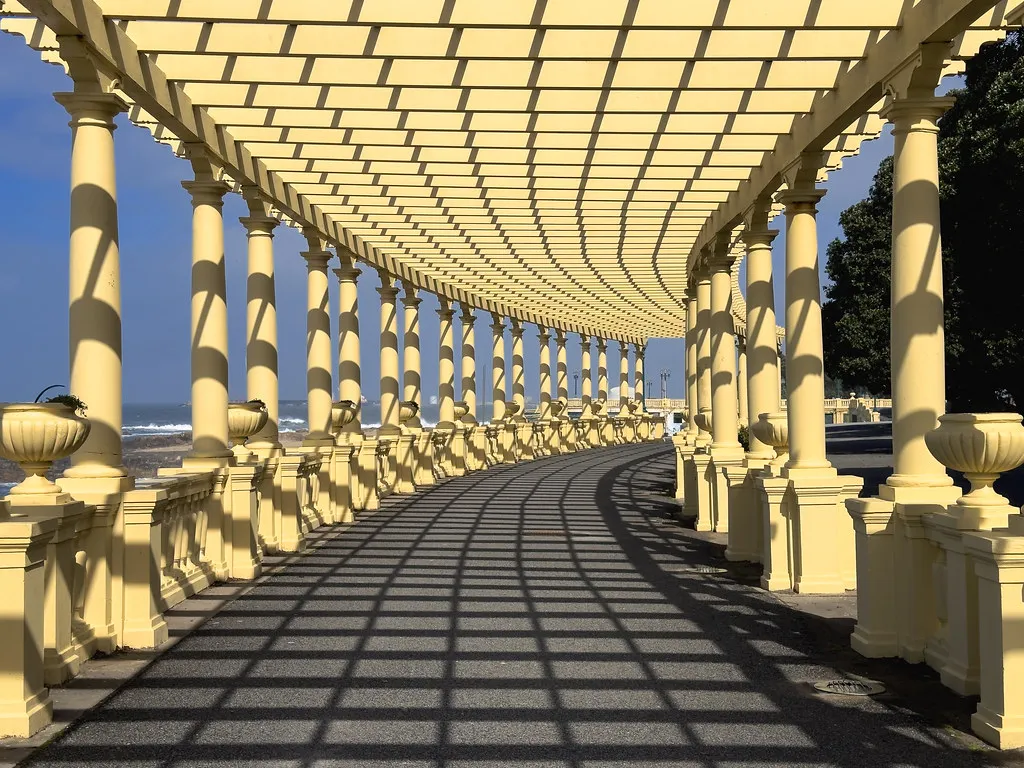
Footwear is the decision most people regret getting wrong. Portuguese cobblestones — calcada portuguesa — become dangerously slippery when wet. Waterproof walking shoes or hiking boots with a rubber sole are non-negotiable. Sandals and flat-soled canvas shoes are a wet-pavement hazard in Lisbon and Porto. If you plan a smarter evening out on New Year's Eve, pack one pair of dressier shoes and take a taxi rather than walking the cobblestones in them.
- Merino wool or silk base layer — manages humidity better than cotton
- Mid-weight fleece or light sweater — core layer for daytime temperatures
- Packable rain shell with a hood — wind and rain are better managed than a standard umbrella
- Waterproof walking shoes or light hiking boots — mandatory on wet cobblestones
- Light scarf and packable gloves — useful for evenings above 10°C / 50°F, essential at night in Porto
- Portable power bank — cold and navigation apps drain batteries faster than expected
For the Algarve specifically, sunny days in December can hit 18–20°C / 64–68°F and a light sweater may be all you need during the warmest hours. Pack one pair of lightweight trousers that work for both hiking and evening restaurants — you will use them every day.
Frequently Asked Questions
Is Portugal warm in December?
Portugal is mild but not truly warm in December. Temperatures range from 8°C / 46°F in the north to 17°C / 63°F in the south. You will need layers and a rain jacket for the Atlantic humidity.
Are Christmas markets good in Portugal?
Yes, the Christmas markets are charming and festive. The Obidos Christmas Village and Lisbon's Wonderland Park are the top highlights. They offer traditional crafts, seasonal sweets, and a magical atmosphere for families.
Is everything open in the Algarve in December?
Most major attractions and hotels stay open, but some beach bars close. Boat tours to the Benagil Cave are weather-dependent. You can find more details in our Lagos winter guide.
Portugal in December rewards travelers who plan two things carefully: the Christmas Eve meal and their outdoor footwear. Get those right, pick your regional base to match your weather tolerance, and the rest of the trip tends to fall into place. The festive atmosphere, low prices, and unhurried pace make this one of the most satisfying windows of the year to visit — especially if your last experience of the country was a sweltering August queue for a tram.