Portugal in January: 10 Essential Tips & Places to Visit
Planning a trip to Portugal in January? Discover the best places to visit, weather expectations, low-season cost savings, and 10 essential tips for a perfect winter getaway.
On this page
Portugal in January: 10 Essential Tips & Places to Visit
Late spring and early autumn are the classic peak windows for Portugal, but January has a quiet magic that those seasons can't match. I visited Lisbon in January 2024 and spent ten days wandering nearly empty miradouros, paying half the summer rate for a room in Alfama, and watching waves the size of apartment blocks roll into Nazaré. You are rolling the dice on the weather, but with any luck you'll be drinking white wine under clear winter skies before your first afternoon is done.
January sits at the heart of the low season across the entire country. Flights and accommodation are at their annual cheapest. The queues that swarm the Jerónimos Monastery in July simply do not exist. Expect a mix of bright, crisp days and sudden Atlantic rain showers — sometimes both in the same morning. This guide covers everything you need to plan a confident, realistic trip for 2026.
January Weather Across Portugal
The weather in January varies significantly between north and south. In Lisbon, expect average highs around 15°C / 59°F and lows around 8°C / 46°F. Daytime sunshine is common — locals report more blue-sky days in January than you might expect. The portugal weather by month guide breaks down the full annual picture if you are comparing months.
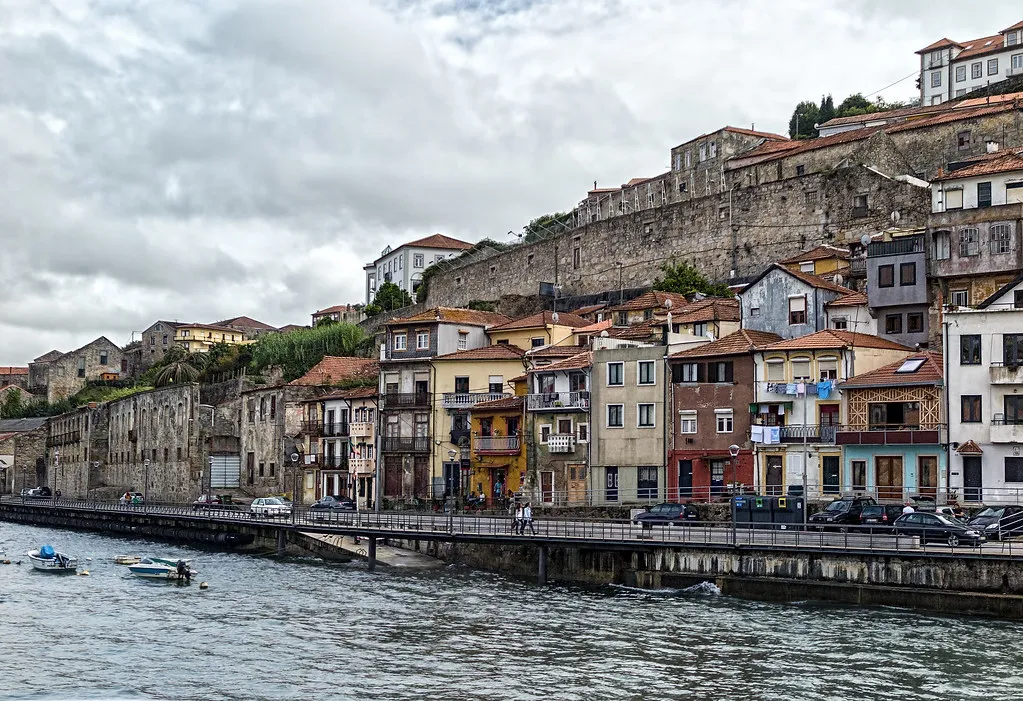
Porto is noticeably cooler and wetter. The city receives roughly 150 rain days a year and most of them fall between October and March. Highs hover around 14°C / 57°F with lows down to 6°C / 43°F. Pack a proper waterproof jacket before heading north. Check the porto weather by month for the detailed breakdown.
The Algarve is the warmest mainland region in winter. Daytime highs often reach 16°C / 61°F under reliably blue skies — the southern coast famously claims more than 300 days of sunshine a year. The portugal rainy season affects the north and centre far more than the Algarve. Sea temperatures sit around 17°C / 62°F: cold for swimming, fine for a coastal hike. Snow is extremely rare except in the Serra da Estrela mountains, where a small ski resort opens when conditions allow.
| Region | Average High | Average Low | Rain Risk | Notes |
|---|---|---|---|---|
| Algarve (Faro) | 16°C / 61°F | 8°C / 46°F | Low | Best winter sunshine |
| Lisbon | 15°C / 59°F | 9°C / 48°F | Moderate | Often sunny, breezy |
| Porto | 14°C / 57°F | 6°C / 43°F | High | Bring full waterproofs |
| Serra da Estrela | 5°C / 41°F | -2°C / 28°F | Moderate | Snow possible; ski resort |
Crowds and Travel Costs in the Low Season
January is the cheapest month to visit Portugal, and it is not close. Luxury hotels in Lisbon regularly drop their rates by 40–50 percent versus peak summer. A five-star room in Chiado that costs €350 a night in August can fall below €150 in January. For budget travellers, hostel dorms that run €35 in summer often drop below €20. The best month to visit portugal guide compares the full year if you want to weigh costs across seasons.
Car rentals offer the most dramatic winter discounts in all of southern Europe. Local agencies — searchable on aggregator sites like Discovercars.com — sometimes list compact cars for as little as €3 for an entire week. These deals are real but come with fine print: confirm the insurance excess and whether the price includes a collision damage waiver. Booking at least a week ahead, and choosing a local company over the major international brands, tends to produce the best rates at Faro, Lisbon, and Porto airports.
January is Portugal's cheapest travel month — luxury Lisbon hotels that cost €350 per night in August can fall below €150, and hostel dorms drop from €35 to under €20. Car rental deals at Faro, Lisbon, and Porto airports are especially dramatic with local agencies.
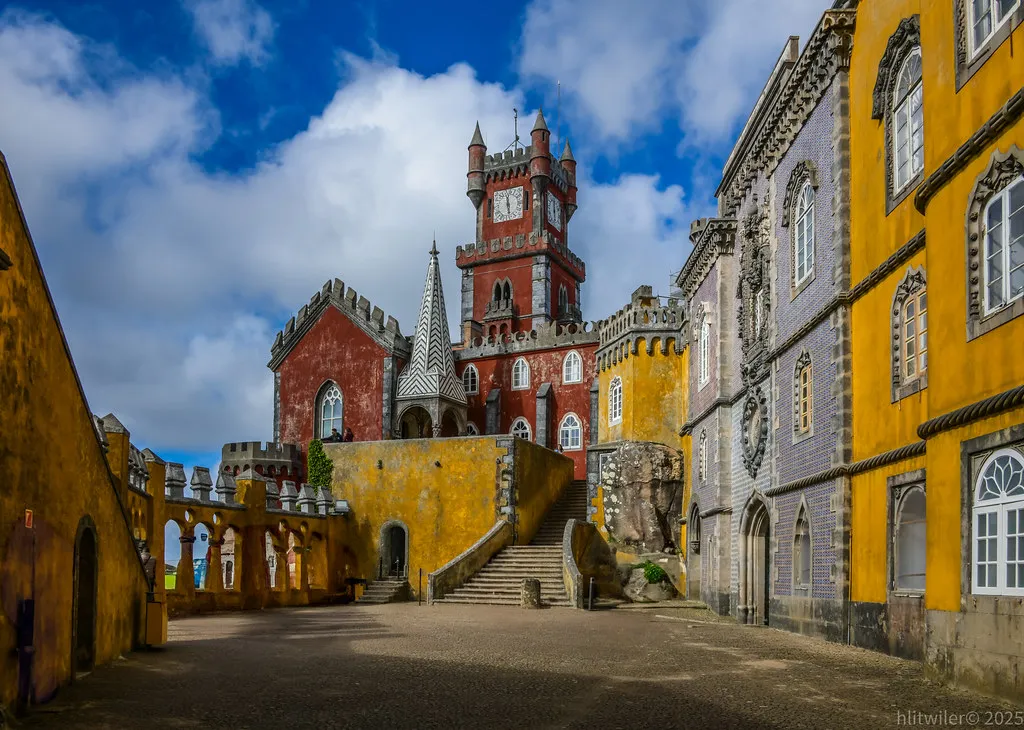
The absence of crowds is the other major dividend. You can walk into Pena Palace in Sintra without queuing. The Monastery of Jerónimos is navigable rather than a crush. Locals in smaller towns and villages are genuinely relaxed, with time to talk and recommend places that never make it onto summer itineraries.
Top Places to Visit in Portugal in January
Lisbon is the strongest all-round winter destination. The city stays lively, the museums and restaurants run full timetables, and the winter light at the miradouros — especially Miradouro São Pedro de Alcântara at sunset — is genuinely stunning for photography. Explore the Alfama district early in the morning when the limestone alleys are quiet. Visit the lisbon in winter off season guide for a full activity rundown.
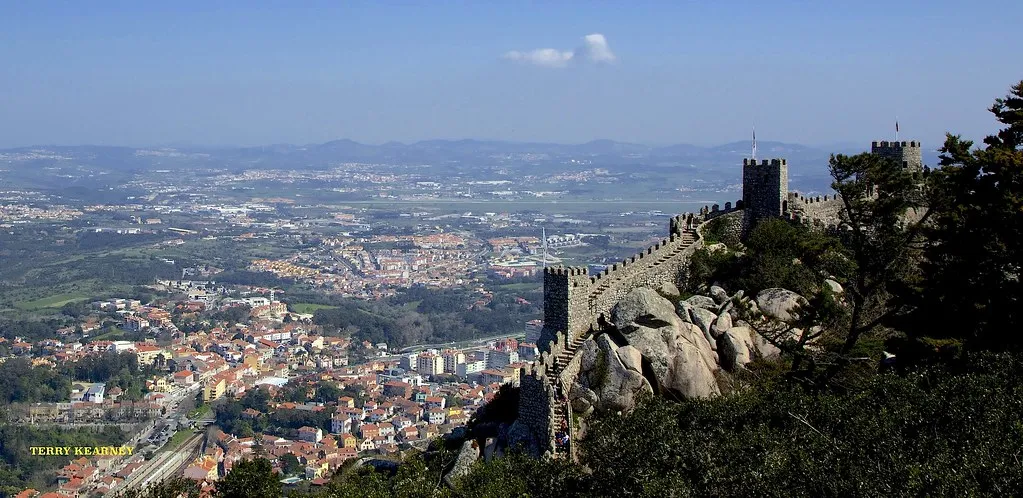
Sintra is magical in January mist. The hilltop palaces feel straight out of a fairytale when cloud rolls through the Serra de Sintra. Pena Palace and Quinta da Regaleira see just a fraction of the summer visitor numbers, which means you can actually linger and read the interpretive panels rather than shuffle past them. The cooler air also makes the steep climbs considerably easier. Consult the weather in sintra portugal by season before your day trip.
The Algarve is the right choice if sunshine is your priority. While the sea is too cold for swimming, the clifftop trails around Lagos and Ponta da Piedade are spectacular in clear winter light. Small boat trips still operate out of Lagos on calm days. The algarve weather by month has tide and sunshine hour data to help you plan coastal hikes. Tavira and Sagres remain charming and partially open in winter, though many beachfront bars close from November through March — call ahead before making them the centrepiece of a day.
Porto rewards those who accept the grey. Spend wet afternoons touring the Port wine lodges in Vila Nova de Gaia — queues are minimal and lodge guides have genuine time for conversation. The famous Livraria Lello bookshop, which can feel overwhelming in summer, is accessible and atmospheric in January. Coimbra, midway between Lisbon and Porto, is another low-key winter gem: the medieval university quarter buzzes with students year-round, and the fado clubs here are the real, unselfconscious kind.
Best Things to Do in Portugal in January
January is prime time for indoor cultural depth that summer crowds make impractical. In Lisbon, the Museu Nacional do Azulejo traces 500 years of tile-making with no queues. The Museu Calouste Gulbenkian holds one of the finest small art collections in Europe and costs just €10 entry. Both stay on normal winter hours through January. In Porto, the Museu Nacional Soares dos Reis — Portugal's oldest public museum — is almost entirely crowd-free.
Surf watching at Nazaré is one of the most spectacular free experiences in Europe. The giant swells at Praia do Norte only form between November and March, when North Atlantic storms push waves up to 30 metres high. The cliff viewpoint at Forte de São Miguel Arcanjo is free and accessible, and you may catch a professional big-wave session if conditions align. January is statistically the most reliable month for large swell.
Food tourism works beautifully in January. Try a fado vadio night — informal fado sung by locals rather than staged performances — in Lisbon's Mouraria quarter or Porto's Ribeira. Warm up with a caldo verde (potato and kale soup) at any old-school tasca, or sit at the counter of a neighbourhood café nursing a bica espresso and a pastel de nata straight from the oven. Prices in these local spots are unchanged from any other season: a full lunch typically runs €9–12 with wine.
Seasonal Events and Traditions
Dia de Reis (Three Kings Day) on 6 January marks the official end of the Christmas season across Portugal. Children leave shoes out the night before; in return the Three Kings fill them with sweets. Every padaria stocks bolo rei — a ring-shaped cake loaded with candied fruit and nuts, and traditionally containing a hidden fava bean for luck. Families gather, streets stay lively, and the festive atmosphere carries through the first week of January.
The Janeiras are a specifically Portuguese tradition that most visitors never witness. Groups of singers walk from house to house in villages and small towns, performing traditional songs about the birth of Christ and the Epiphany. In return, the household offers wine and sweets. I heard a group performing in a small village near Évora during my January trip — it was spontaneous and completely unhurried, nothing like a scheduled performance.
Two festivals outside the usual tourist circuit are worth planning around. The Festas de São Gonçalinho in Aveiro (around 10 January) involves crowds gathering around a hexagonal chapel while sweet breads called cavacas are thrown from the rooftop into fishing nets, umbrellas, and improvised catching devices below. It is surreal, joyful, and entirely local. The Festa das Fogaceiras in Santa Maria da Feira (20 January) dates to the 16th century: girls in white dresses parade through town balancing castle-shaped loaves of sweet bread on their heads in thanks to São Sebastião for saving the city from plague. In the north, the Feira do Fumeiro — a smoked sausage and cured meats festival — draws food pilgrims to the Trás-os-Montes region. None of these events appear on most travel itineraries, which makes them genuine highlights.
The No-Indoor-Heating Reality
This is the single most important practical warning for January visitors, and most travel guides bury it or skip it entirely. Portuguese buildings — especially older apartments, guesthouses, and converted historic hotels — are built for hot summers, not cold winters. Stone walls absorb the damp, and central heating is uncommon outside the higher-end hotel category. At night when temperatures drop to 8–9°C outside, a room with no heat source can feel genuinely cold.
The fix is simple once you know the issue: always check whether your accommodation has air conditioning (which also heats) or a portable electric radiator. Any reputable booking platform lists this in the amenities. Hotels in the four-star and above category almost universally have heating; budget guesthouses and Airbnb apartments in older buildings frequently do not. The Ola Daniela blog, written by someone who has spent seven winters in Lisbon, makes the same point: you sometimes go outside to warm up, not in.
A secondary issue is humidity. Older buildings in Porto especially can have damp walls in winter that make rooms feel colder than the thermostat suggests and occasionally leave a musty smell. If you are sensitive to mold, look for recently renovated properties or newer builds. Reading the recent winter reviews on your booking platform specifically for "cold" or "heating" mentions takes five minutes and can save a miserable night.
Many older guesthouses and Airbnb apartments in Portugal lack central heating — stone walls can make rooms feel genuinely cold at night when outside temperatures drop to 8–9°C. Always confirm your accommodation has air conditioning (which also heats) or a portable electric radiator before booking.
Sample 7-Day January Itinerary
This itinerary is built around the Lisbon-Algarve axis, which maximises sunshine probability in January while keeping travel simple. It works with a rental car booked at Lisbon airport — pick it up Day 1 and drop it at Faro airport on Day 7 for a one-way fee that is typically low in the off-season.
- Day 1–2, Lisbon: Arrive, drop bags in Chiado or Bairro Alto (walkable to everything). Afternoon: wander Alfama. Evening: fado in Mouraria. Day 2: Jerónimos Monastery in the morning before 10:00 when it is emptiest, Museu Nacional do Azulejo in the afternoon.
- Day 3, Sintra day trip: Train from Rossio station takes 40 minutes. Arrive by 09:00. Visit Pena Palace, walk to the Castle of the Moors, lunch in the village. Return to Lisbon by early evening.
- Day 4, drive south: Collect car at Lisbon airport. Drive to Évora (1.5 hours). See the Bone Chapel at the Igreja de São Francisco, the Roman Temple. Overnight in Évora or continue to the Algarve (another 2 hours).
- Day 5–6, Algarve: Base in Lagos or Tavira. Day 5: cliff walk at Ponta da Piedade, boat trip if sea is calm. Day 6: drive the western coast to Sagres, visit the fortress and watch the Atlantic from the southwestern tip of Europe.
- Day 7, Faro and fly: Morning walk in Faro's old town, lunch at the Mercado Municipal, afternoon flight home from Faro airport.
If the Festas de São Gonçalinho (around 10 January) or the Festa das Fogaceiras (20 January) fall during your trip, it is worth rerouting a day north to Aveiro or Santa Maria da Feira. Both are under two hours from Lisbon by train and easily added before heading south.
Practical Booking Tips: Flights and Transport
January is the weakest demand month for flights into Portugal, which translates into the lowest fares of the year from most European cities. Ryanair and easyJet frequently offer return fares under €60 from London, Paris, or Amsterdam to Lisbon or Faro. If you are flexible on dates, mid-week departures in the first three weeks of January — before the school half-term in northern Europe — are consistently cheapest. Book direct with the airline rather than through a comparison site to avoid extra fees at check-in.
For ground transport, the Comboios de Portugal (CP) train network covers the Lisbon–Porto corridor efficiently. The Alfa Pendular service takes 2 hours 45 minutes and costs €25–35 if booked a few days ahead on cp.pt. Lisbon–Faro by Intercidades train takes about 3 hours 15 minutes and costs €22–30. Both routes run full January timetables. If you are renting a car, use Discovercars.com or Rentalcars.com to compare local Portuguese agencies alongside the international brands — the price difference in January can be dramatic, sometimes €3–10 per week for a basic compact versus €60–80 with a major company.
One logistical point specific to January: the Ria Formosa ferry services to the barrier islands near Faro run on reduced winter timetables. Some tourist-focused boat tours in the Algarve operate only when the sea is calm enough. Always check current schedules on the local operator's website rather than relying on summer information. In Lisbon and Porto, all public transport runs its full year-round service with no winter reductions.
What to Pack for a Portuguese Winter
The key to packing for January in Portugal is layers, not bulk. Mornings can be cold enough for gloves; by early afternoon on a sunny day you may be down to a long-sleeve shirt. A lightweight down jacket that compresses into a bag is more useful than a heavy overcoat. Always carry a waterproof layer in your daypack — Atlantic showers arrive fast and are usually over within the hour.
Footwear matters more in Portugal than in most European cities. The traditional limestone calçada pavements are beautiful but become genuinely slippery when wet. Rubber-soled boots or waterproof walking shoes with grip are essential. Avoid smooth leather soles entirely. Lisbon's hills amplify the risk — I watched three tourists slip on the same patch of wet calçada near the Santa Justa Lift in the space of an afternoon.
- Waterproof jacket or a winter coat that repels light rain
- Warm scarf, light gloves, and a beanie for evenings
- Sturdy walking shoes or boots with rubber grip soles
- Thin base layer for extra warmth under a standard jumper
- Small daypack for carrying a layer when temperatures rise by noon
Why January is the Best Time for Slow Travel
Slow travel — staying long enough in one place to feel like a temporary resident rather than a tourist — is almost impossible in Portugal's peak months. The sheer volume of visitors in July and August turns Lisbon's Alfama and Porto's Ribeira into crowded outdoor queues. In January those same streets return to the locals, and the difference in atmosphere is not subtle. You can sit in a small fado house without being surrounded by tour groups. The café where you take your morning coffee will fill up with people who live in the building, not fellow visitors.
The low prices extend this effect: the same budget that buys a single week in summer can stretch to two or three weeks in January. That extra time is what enables the deeper experience. You learn which bakery opens at 07:00, which miradouro the Lisbon residents use at sunset rather than the tourist-facing ones, and which restaurant has no English menu but serves the best grilled fish in the neighbourhood.
January is also the month that separates the Portugal of the travel poster from the Portugal that actually exists. The country's café culture, the weekend food festivals in provincial towns, the janeiras singers wandering through village streets — these are not performances staged for visitors. They are the local rhythm, and January is the one month when you are likely to be there for it.
Frequently Asked Questions
Does it snow in Portugal in January?
Snow is very rare in most of Portugal during January. It only falls regularly in the Serra da Estrela mountains. You will not see snow in Lisbon, Porto, or the Algarve coastal regions.
Is the Algarve warm enough for the beach in winter?
The Algarve is sunny but not warm enough for traditional beach swimming. Water temperatures are quite cold at this time. However, the beaches are perfect for long walks and enjoying the coastal scenery.
Are attractions closed in Portugal during the low season?
Major historical sites and museums remain open throughout the winter. Some seasonal beach bars and rural restaurants may close for the season. Always check the specific hours for smaller venues before you visit.
Is Lisbon worth visiting in January?
Yes, Lisbon is excellent in January due to its mild climate and low prices. You can enjoy the city's culture and food without the summer heat. The winter light is also incredible for photography.
Visiting Portugal in January is a rewarding choice for the savvy traveller. You trade swimming weather for empty streets and significant cost savings. The authentic atmosphere, local traditions, and world-class winter surf make it a genuinely memorable escape rather than a compromise. The no-indoor-heating reality is worth knowing upfront, but it is easy to plan around with the right accommodation choices.
Pack your layers, verify the heating situation at your accommodation, and give yourself at least a week. Portugal in January is the country at its most honest — slower, quieter, and entirely worth it.