Lisbon in Winter Off Season Guide: Best Travel Tips
Lisbon in winter guide for 2026. Mild weather, 30-40% cheaper hotels, no crowds, roasted chestnuts, and Fado nights. Everything you need for an off-season trip.
On this page
Essential Lisbon in Winter Off Season Guide for 2026
Lisbon is the sunniest capital city in Europe — and that reputation holds even during the winter months. While northern European cities shiver under grey skies, Lisbon averages 4-5 hours of daily sunshine from December through February, with afternoon temperatures that regularly reach a comfortable 14-16°C. This Lisbon in winter off season guide reveals why the cooler months are actually one of the smartest times to visit: hotel prices drop by 30-40%, iconic attractions have minimal queues, and the city's cozy indoor culture — Fado houses, historic cafes, and hearty Portuguese stews — comes alive in a way that summer visitors never experience.
Many travelers now recognize that the best time to visit Lisbon depends entirely on what kind of trip you want. Summer delivers guaranteed sunshine and beach weather but also intense crowds, prices at their peak, and temperatures that can exceed 35°C. Winter offers a city that feels authentically Portuguese rather than tourist-dominated — locals reclaim their favorite restaurants, viewpoints are peacefully uncrowded, and you experience a slower, more intimate rhythm that is impossible to find between June and September.
Winter Price Savings vs Summer: What You Actually Pay in 2026
The financial case for a winter trip is compelling. Across hotels, flights, and transport, visitors to Lisbon in January and February consistently save 30-50% compared to peak summer rates. The table below uses real 2026 figures to show the size of the discount across every major spending category.
| Category | Winter (Jan-Feb 2026) | Summer (Jul-Aug 2026) | Saving |
|---|---|---|---|
| Mid-range hotel (per night) | €80–120 | €200–320 | ~40-60% |
| Boutique hotel (per night) | €100–160 | €180–250 | ~30-40% |
| 1-bed apartment (Airbnb/Booking) | €55–70 | €120–160 | ~50% |
| Flights (from major European cities, return) | €80–140 | €200–320 | ~40-55% |
| Jerónimos Monastery (adult) | €18 | €18 | 0% — but 10-min queue vs 90 min |
| São Jorge Castle (adult) | €17 | €17 | 0% — but near-empty vs packed |
| Pena Palace Sintra (adult) | €14 | €14 | 0% — but 15-min queue vs 2-3 hrs |
| Lunch at a tasca | €8–12 | €8–14 | ~10-15% (tourist markup drops) |
| Bica (espresso) | €1.00–1.50 | €1.00–1.50 | Same — consistency year-round |
The headline takeaway: entrance fees at Lisbon's major monuments are identical year-round, but the effective value of your visit is dramatically higher in winter when you are not competing with summer crowds. A winter Jerónimos visit where you can linger in the South Portal for 20 uninterrupted minutes is a fundamentally different experience to a summer rush-through with 500 other visitors.
Winter Weather Month by Month: What to Actually Expect
Lisbon's winter is mild by European standards, but the weather varies significantly between December, January, and February, so understanding the differences helps you pack correctly and plan activities. December averages highs of 15°C and lows of 9°C, with about 6 rainy days throughout the month. The festive atmosphere with Christmas markets and light displays makes December feel vibrant despite the shorter days, and sunset arrives around 5:15 PM.
January is the coldest and wettest month, with average highs of 14°C, lows of 8°C, and approximately 8 days of rain. However, the rain usually comes in short, heavy showers rather than all-day drizzle — you might experience a 30-minute downpour followed by bright sunshine for the rest of the afternoon. This pattern means you can still enjoy extensive outdoor sightseeing as long as you carry a light waterproof jacket. Sunshine hours average 5 per day even in January, which is more than London, Paris, or Amsterdam receive in their sunniest summer month.
February begins the transition toward spring, with temperatures climbing to 16°C by month's end and rainfall decreasing noticeably. Almond trees begin to blossom throughout the city, adding unexpected bursts of pink and white to the urban landscape. By late February, some outdoor cafe terraces reopen for afternoon drinks, and the golden-hour light at the miradouros becomes particularly warm and photogenic. February is arguably the best value month for a Lisbon trip — prices are at their annual low, the weather is improving, and the first hints of spring create a hopeful energy throughout the city.
Humidity from the Atlantic Ocean can make the air feel 2-3 degrees cooler than the thermometer suggests, especially near the Tagus River where coastal winds pick up in the late afternoon. The famous Calçada Portuguesa limestone sidewalks become genuinely dangerous when wet — their polished surface offers almost no grip, and winter visitors without proper footwear are the most common patients at Lisbon's tourist medical clinics. Rubber-soled waterproof boots are not optional; they are essential safety equipment.
Lisbon's Calçada Portuguesa limestone cobblestones become extremely slippery when wet. Visitors wearing smooth-soled shoes on the steep Alfama hills are at genuine risk of falling — rubber-soled waterproof boots are essential safety equipment, not just a comfort choice.
- Month-by-month winter averages for Lisbon in 2026
- December: 15°C high / 9°C low, 6 rain days, sunset 5:15 PM
- January: 14°C high / 8°C low, 8 rain days, sunset 5:30 PM
- February: 16°C high / 9°C low, 5 rain days, sunset 6:15 PM
2026 Attraction Prices and Winter Opening Hours
Many of Lisbon's major museums and monuments operate on shortened winter schedules between November and March. Getting the hours wrong is the most common planning mistake — several top attractions close earlier than you would expect, and a handful are shut on Mondays or Tuesdays throughout the year. All prices below are verified for 2026.
Jerónimos Monastery (Mosteiro dos Jerónimos)
2026 winter price: €18 adult / €9 youth (13–24) & senior (65+) / free under 12. The church is free year-round. Winter hours (Oct–Apr): Tuesday–Sunday 10:00–17:30 (last entry 17:00). Closed Mondays and on 1 January, Easter Sunday, 1 May, 13 June, and 25 December. The monastery closes a full hour earlier in winter than in summer (18:30), so afternoon visits need to be timed carefully. In January expect under 10 minutes to enter — a transformative contrast to summer's 60–90 minute queues.
São Jorge Castle (Castelo de São Jorge)
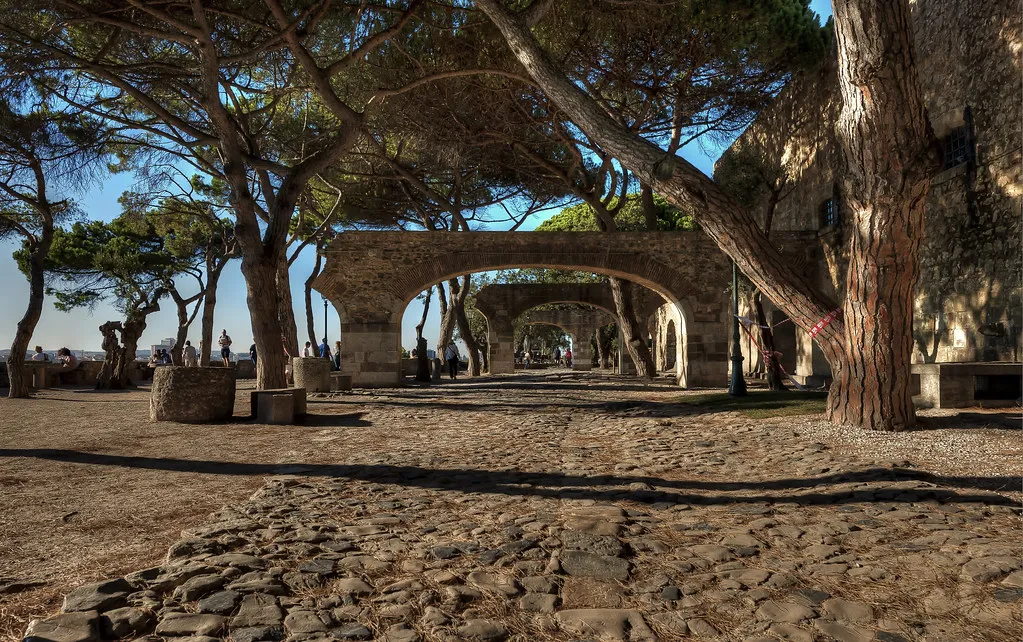
2026 price: €17 adult. Winter hours (Nov–Feb): daily 09:00–18:00 (last entry 17:30). Summer hours extend to 21:00, so the winter schedule is 3 hours shorter. The castle is open every day of the year except 1 January, 1 May, 24 December, 25 December, and 31 December. With a 60-70% drop in winter visitor numbers the ramparts feel genuinely medieval — you can hear the peacocks and not the selfie crowd.
MAAT — Museum of Art, Architecture and Technology
2026 price: €11 adult (covers both MAAT Gallery and MAAT Central). Hours: Wednesday–Monday 10:00–19:00. Closed Tuesdays, New Year's Day, Christmas Day, and Labour Day. No seasonal hour reduction — MAAT keeps consistent hours year-round, making it one of the most reliable wet-weather escapes in winter. The walkable rooftop is particularly dramatic on stormy days when Atlantic clouds build over the Tagus.
Museu Nacional de Arte Antiga (MNAA)
2026 note: The museum is currently closed for renovation and is expected to reopen in May 2026. When open, admission is €10 adult / €5 concession / free under 12; hours are Tuesday 14:00–18:00, Wednesday–Sunday 10:00–18:00, closed Mondays. First Sunday of each month is free entry. Check museudearteantiga.pt for the exact reopening date before planning your visit.
Pena Palace, Sintra
2026 price: €14 for palace admission (park only €10). Winter/year-round hours: daily 09:00–18:00, last admission 17:30. (Summer: 09:00–19:00.) Book online — winter queues rarely exceed 15 minutes, versus 2-3 hours in July. The train from Rossio to Sintra takes 40 minutes and costs €2.55 single / €5.10 return (2026 CP fares).
Quinta da Regaleira, Sintra
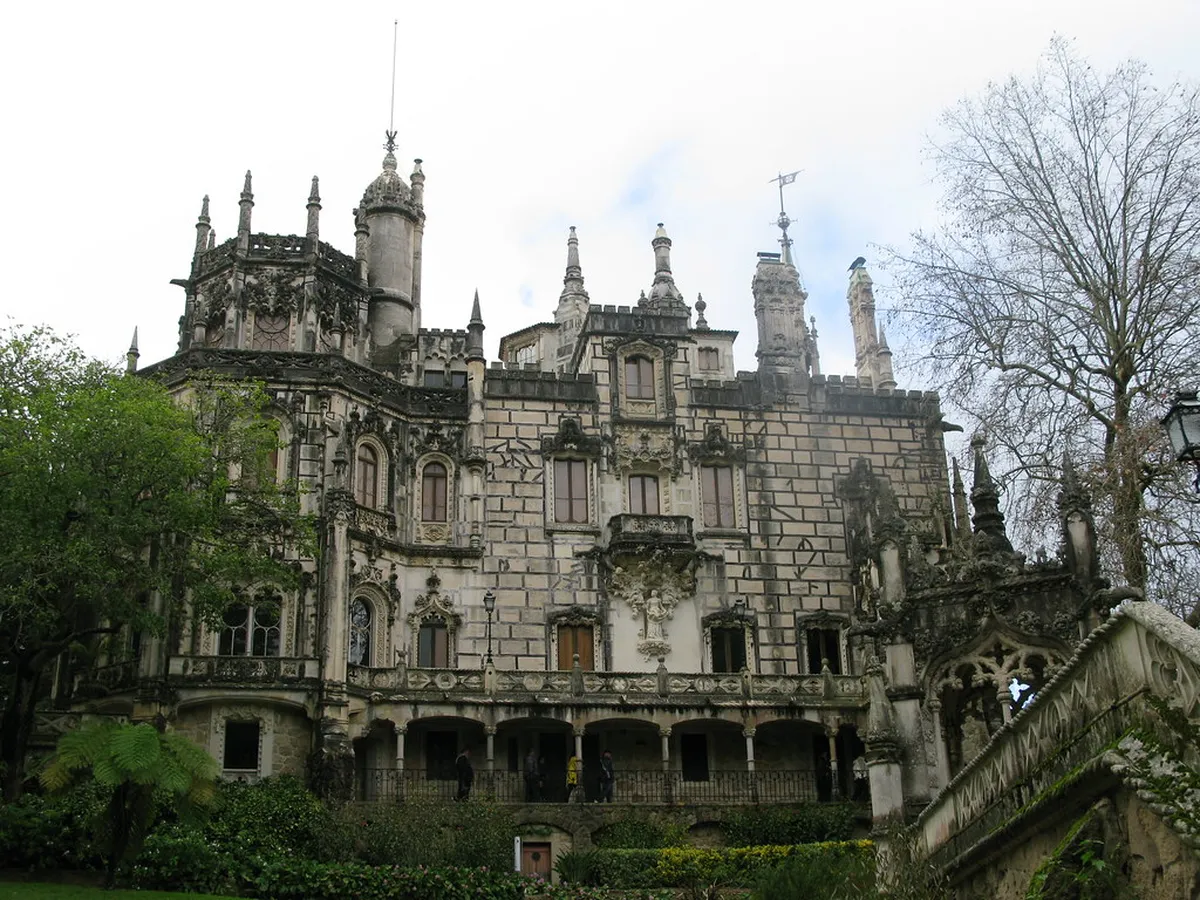
2026 price: €15 adult / €10 youth (6–17) & senior (65+) / free under 6. Winter hours (Oct–Mar): daily 10:00–18:30, last entry 17:30. Closed 1 January, 24 December, 25 December, 31 December. The misty gardens and Initiation Well are especially atmospheric in winter when low cloud drifts through the cypress trees.
Key Transport Prices (2026)
- Tram 28 single: €3.30 on-board / €1.72 with Navegante Zapping card
- 24-hour public transport pass (includes all trams, metro, buses): €7.25
- Santa Justa Elevator: €5.30 return (ride) / €1.50 observation deck only
- Lisbon–Sintra train (Rossio): €2.55 single / €5.10 return
- Lisbon–Évora train (Oriente): €12.50 single / €22.50 return
What to Pack for a Winter Trip to Lisbon
Packing for Lisbon in winter is about layering rather than heavy winter coats. Daytime temperatures in the mid-teens mean you will be comfortable in a light merino wool sweater or cotton long-sleeve shirt, with a waterproof windbreaker for rain showers and evening wind. Temperatures can swing by 8-10 degrees between a sunny midday and a breezy evening, so carrying a packable down jacket in your daypack gives you flexibility without bulk.
Footwear is the most important decision in your packing list. The beautiful Portuguese cobblestones become extremely slippery when wet, and winter visitors who wear smooth-soled fashion sneakers or leather boots frequently slip on the steep Alfama hills. Invest in rubber-soled waterproof ankle boots or trail shoes with proper tread — brands like Merrell, Timberland, and Blundstone are excellent choices. You will be walking 12,000-18,000 steps per day on uneven surfaces, so comfort and grip matter more than style.
A compact windproof umbrella is essential, but choose a sturdy model because Atlantic gusts can destroy flimsy travel umbrellas. Quick-dry fabrics for base layers are smarter than cotton, which stays damp and cold after a rain shower. Sunglasses are still necessary — the winter sun sits lower in the sky and can be blindingly bright when reflecting off white limestone buildings and wet pavement. Pack a light scarf for evenings when the riverside wind picks up.
- Essential packing list for winter Lisbon
- Footwear: Rubber-soled waterproof ankle boots (non-negotiable)
- Outerwear: Waterproof windbreaker + packable down jacket
- Layers: Merino wool sweaters, quick-dry base layers
- Accessories: Windproof umbrella, light scarf, sunglasses
- Optional: Packable rain pants for Sintra day trips
Accommodation: Where to Stay and How Much You Save
Winter accommodation savings in Lisbon are dramatic. Mid-range hotels that charge €200-320 per night in July drop to €80-120 in January and February — a saving of 40-60%. Boutique properties in Baixa and Chiado that cost €180-250 in peak season routinely come down to €100-160 in winter. Luxury addresses like the Bairro Alto Hotel and Memmo Alfama occasionally include breakfast in winter packages at rates 40% below summer pricing. The savings are even sharper on vacation rentals: spacious one-bedroom flats in the center that exceed €120 per night in summer drop to €55-70 in January.
Choosing the right neighborhood matters more in winter than summer because heating quality varies enormously between buildings. Modern apartments in the Avenidas Novas and Parque das Nações districts typically have effective heating systems (radiators or split AC with heat mode). Traditional buildings in Alfama, Mouraria, and older parts of Bairro Alto often lack central heating entirely and rely on small electric heaters that struggle to warm stone-walled rooms. When exploring the best areas to stay in Lisbon, always confirm heating availability — check reviews for phrases like "cold at night" or "great heater" to gauge warmth levels.
Winter hotel prices in Lisbon drop 40–60% versus summer — mid-range rooms fall from €200–320 to €80–120 per night. Direct booking through hotel websites frequently yields an extra 5–10% discount on top of already lower off-season rates.
The lower tourist numbers mean better availability and often better rooms — hotels that assign their best rooms to high-commission OTA bookings in summer will often give winter guests upgrades simply because occupancy is lower. Direct booking through hotel websites frequently yields additional discounts of 5-10% compared to third-party platforms. Consider extending your stay to five or more nights, as many properties offer significant long-stay discounts during the off season.
Winter Food, Seasonal Flavors, and Culinary Experiences
Lisbon's culinary scene shifts dramatically in winter toward hearty comfort food that reflects centuries of Portuguese cooking tradition. Street vendors selling hot roasted chestnuts (castanhas assadas) appear on nearly every major corner from November through February — a paper cone of smoky, sweet chestnuts costs about €3 and warms both your hands and your stomach. The smell of roasting chestnuts drifting through the streets of Baixa and Chiado is one of the most evocative sensory experiences of a Lisbon winter.
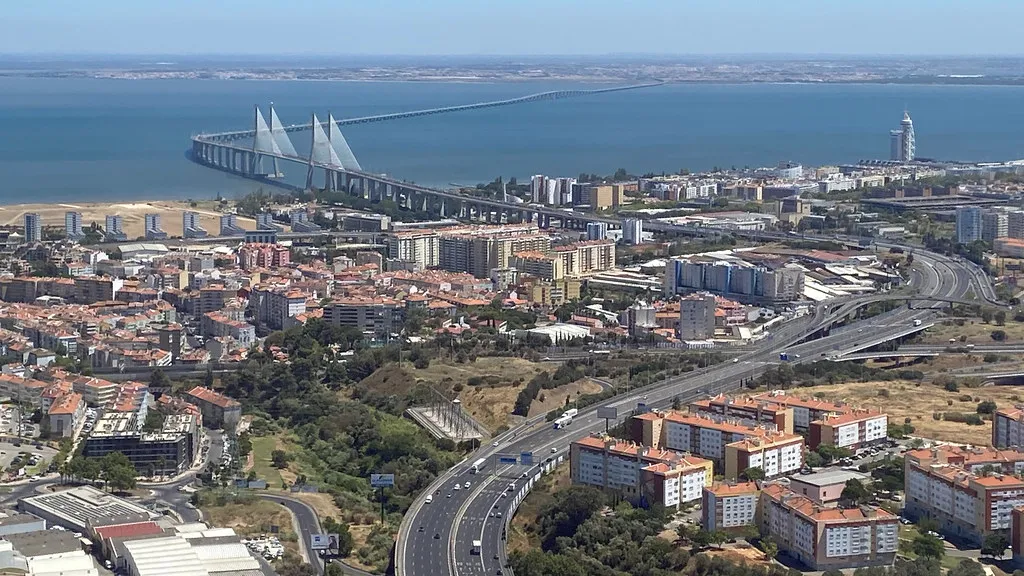
Restaurants replace summer salads and grilled fish with slow-cooked winter stews that are among the best dishes in Portuguese cuisine. Cozido à Portuguesa is a massive meat-and-vegetable stew with beef, pork, chicken, chorizo, cabbage, and potatoes — a single serving is easily enough for two moderate eaters and costs €12-16 at a traditional tasca. Caldo Verde, the iconic Portuguese green soup made with kale, potato, and smoky chouriço sausage, appears on virtually every menu and provides a perfect warm starter for €3-4. Açorda de marisco — a rich bread soup with seafood, garlic, and cilantro — is another winter specialty worth seeking out. A full set lunch (menu do dia) at a local tasca — starter, main, dessert, drink, and coffee — typically runs €8-12, among the best food value in Western Europe.
Coffee culture reaches its peak during the cooler months as locals spend longer hours inside historic cafes reading newspapers, meeting friends, and savoring slow meals. A bica (the Lisbon word for espresso) costs €1.00-1.50, and a galão (Portuguese latte) runs about €2. The grand cafes of Chiado — Café A Brasileira, the Pastelaria Versailles on Avenida da República, and the Confeitaria Nacional near Rossio — transform into warm, atmospheric retreats where you can spend a peaceful hour with a book and a fresh custard tart from the display case. A pastel de nata costs €1.20-1.50 at the source and is best eaten warm with a dusting of cinnamon.
Winter is also the season for Bolo Rei (King Cake), a circular fruit bread studded with candied fruits and nuts that is Portugal's traditional Christmas and Epiphany dessert. Available from early December through January, the best versions are found at neighborhood bakeries rather than tourist shops. A large Bolo Rei costs about €8-12 and makes an excellent edible souvenir.
Sightseeing Without the Crowds: What Winter Changes
The practical impact of fewer tourists on your daily experience is transformative. The Jerónimos Monastery, which has 60-90 minute queues in summer, often has wait times under 10 minutes in January. Pastéis de Belém, where the summer line stretches 30 meters down the street, serves walk-in customers within 2-3 minutes during winter months. The São Jorge Castle, which feels like a crowded open-air museum in July, regains its atmospheric medieval tranquility when winter visitor numbers drop by 60-70%.
Museums offer a perfect indoor escape during occasional rainy days. The MAAT museum in Belém provides stunning architecture and river views from its walkable rooftop, which is especially dramatic on stormy days when the Atlantic clouds create theatrical skyscapes. MAAT is open Wednesday–Monday 10:00–19:00 (€11 adult) — no seasonal hour cut, making it a reliable wet-weather fallback. Note that the Museu Nacional de Arte Antiga is closed for renovation until May 2026; check their website before planning a visit. Most major museums are free on the first Sunday of each month. Explore the full list of things to do in Lisbon to plan your indoor-outdoor mix.
Sunset arrives earlier in winter — around 5:15 PM in December and 6:15 PM in February — which actually works in your favor for photography. You do not need to wait until 9:00 PM for golden hour as you would in summer, and the low winter sun creates longer, more dramatic shadows across the Alfama rooftops. The miradouros are much less crowded during winter sunsets, and the air is often clearer than in hazy summer months, making for sharper photographs with better visibility of distant landmarks like the Serra da Arrábida.
Public transport runs on its regular schedule throughout winter. The famous Tram 28 is still operational and far less crowded — you can actually sit down and enjoy the ride through Alfama and Graça rather than standing packed against other tourists. Buy a Navegante Zapping card (€0.50 for the card) and rides drop to €1.72 versus €3.30 cash, a significant saving over a multi-day trip. The Glória and Bica funiculars operate normally, and the Santa Justa Elevator queue drops from 30-45 minutes in summer to under 5 minutes in winter (€5.30 return ride / €1.50 observation deck only).
Evening Entertainment: Fado, Wine Bars, and Winter Nightlife
Winter evenings in Lisbon have a moody, atmospheric quality that perfectly complements the city's most intimate experiences. Fado music — the soulful, melancholic Portuguese art form recognized by UNESCO as Intangible Cultural Heritage — sounds most powerful when experienced in a small, candlelit venue on a cold winter night. The Mouraria and Alfama neighborhoods host the most authentic Fado houses, where local performers sing unprompted sets rather than staged tourist shows. Venues like Tasca do Chico (no cover charge, minimum drink order ~€10) and Mesa de Frades (€25-30 per person including dinner) offer genuine experiences. Reservations are recommended even in winter for the most popular spots.
Wine bars are another winter highlight, particularly in the Príncipe Real and Santos neighborhoods where stylish spots pour Portuguese wines by the glass for €4-8. Portugal is the world's seventh-largest wine producer, and winter is the perfect time to explore regional varieties — Alentejo reds are bold and warming, Douro wines are complex and food-friendly, and Vinho Verde from the north offers a crisp, refreshing contrast. Several wine bars offer guided tasting flights of 4-6 wines for €15-25, providing an excellent education in Portuguese wine regions.
The Bairro Alto nightlife scene continues through winter, though the outdoor street drinking that defines summer nights moves indoors to cozy bars and cocktail lounges. Many bars on Rua da Barroca and Rua da Atalaia do not open until 10 PM and stay lively until 3-4 AM on weekends. Ginjinha — sour cherry liqueur — is the quintessential Lisbon nightcap, served in tiny chocolate cups for about €2 at specialized ginjinha bars near Rossio square.
Winter Day Trips: Sintra, Cascais, and Beyond
Sintra is magical in winter — the misty forests surrounding the palaces create an ethereal atmosphere that sunny summer photos cannot capture. The Pena Palace emerging from low clouds looks genuinely like a fairy-tale castle, and the Quinta da Regaleira gardens feel mysterious and enchanted in the soft winter light. Most importantly, summer queue times of 2-3 hours at major palaces drop to under 15 minutes in winter. The train from Rossio takes 40 minutes and costs €2.55 single / €5.10 return (2026 CP fares) — one of the best-value day trips in Europe. Remember that Pena Palace closes at 18:00 in winter (last entry 17:30), and Quinta da Regaleira closes at 18:30 (last entry 17:30), so aim for a morning departure to have time for both.
Cascais transforms from a busy beach resort into a peaceful coastal town in winter. The dramatic Atlantic waves crashing against the cliffs at Boca do Inferno (Hell's Mouth) are far more spectacular in winter storms than in calm summer weather. Many seaside restaurants stay open year-round and serve fresh grilled fish at lower prices than peak season. The coastal walk from Cascais to Guincho beach (about 8 kilometers) is one of the most scenic winter walks near Lisbon, with the wild ocean providing a dramatic soundtrack.
Évora, the UNESCO-listed Alentejo capital famous for its Roman temple and eerie Chapel of Bones, makes an excellent winter day trip. The train from Oriente takes 93 minutes and costs €12.50 single / €22.50 return (2026 CP fares). Weekday departures leave at 07:02, 09:02, 13:35, 17:02, and 19:02 from Oriente — the 09:02 train combined with a 16:57 return gives you a comfortable 7-hour visit. Winter temperatures in the Alentejo interior are comfortable for walking; always verify closing times for smaller monuments before departing as some reduce hours in the off season. Regional train travel with CP Portugal runs on regular schedules throughout winter.
Christmas and New Year in Lisbon
If you visit during the holiday season, Lisbon offers a festive atmosphere without the bone-chilling cold of northern European Christmas markets. The Praça do Comércio hosts a large Christmas market with handicrafts, food stalls, and a towering tree. The Baixa shopping streets — Rua Augusta, Rua do Ouro, and Rua da Prata — are draped in elaborate light installations that create a golden canopy overhead. WonderLisboa, a Christmas theme park in Parque Eduardo VII, features an ice rink, a Ferris wheel, and carnival rides for families.
New Year's Eve in Lisbon is celebrated with a massive outdoor concert and fireworks display at Praça do Comércio, overlooking the Tagus River. The event is free, attracts over 100,000 people, and features live performances starting at 10 PM. Many restaurants offer special New Year's menus (€40-80 per person), and hotels in the Baixa district with river views charge premium rates for the night. Book well in advance if you plan to visit during the holiday week, as this is the only winter period when prices approach summer levels.
Be aware that Christmas Day (December 25) and New Year's Day (January 1) see widespread closures — most restaurants, shops, and some attractions close for the day. Plan ahead by stocking up on groceries from Pingo Doce or Continente supermarkets, or book a hotel with breakfast included. Most attractions reopen on December 26 and January 2.
A Sample Winter Day in Lisbon
A well-structured winter day makes the most of shorter daylight hours and the relaxed pace of the off season. Start at Pastéis de Belém at 09:30 — no queue, warm custard tarts fresh from the oven (€1.50 each). Walk five minutes to the Jerónimos Monastery, which opens at 10:00 (€18 adult). With no summer crowds, budget 90 minutes to explore the South Portal and cloister at your own pace — last entry is 17:00, closing at 17:30 in winter.
Head back into the city for a tasca lunch in Alfama or Mouraria: a full menu do dia with wine costs €8-12. Spend the afternoon at the MAAT (€11, open until 19:00) or exploring the Miradouro das Portas do Sol before the 5:15–6:15 PM golden-hour sunset. Evening: Fado dinner at Mesa de Frades (~€30) or a wine-tasting flight in Príncipe Real (€15-25). This full day costs under €80 per person including transport, admissions, food, and a glass of wine — less than the price of a single night's mid-range hotel in July. For a full route, see our Lisbon 1-day itinerary.
Frequently Asked Questions
Is Lisbon worth visiting in winter?
Absolutely — Lisbon is one of the best European cities for a winter break. Average temperatures of 14-16°C are mild enough for comfortable outdoor sightseeing, and the city receives more winter sunshine than any other European capital (around 4-5 hours daily even in January). Hotel prices drop 40-60% compared to summer (mid-range rooms fall from €200-320 to €80-120 per night), queues at major attractions shrink dramatically, and the winter food scene — roasted chestnuts (€3 a cone), hearty stews, warm custard tarts — is exceptional. The only trade-off is occasional rain, which typically comes in short showers rather than all-day drizzle.
How cold does Lisbon get in winter?
Lisbon's winters are mild by any European standard. Daytime highs average 14-16°C from December through February, and temperatures rarely drop below 5°C even on the coldest nights. January is the coldest month with lows around 8°C. Atlantic humidity can make temperatures feel 2-3 degrees cooler than the thermometer reads, especially near the Tagus River in the afternoons. You will not need a heavy winter coat — a waterproof windbreaker, merino wool layers, and waterproof boots are sufficient for comfortable sightseeing throughout the winter months.
Does it rain a lot in Lisbon during winter?
January is the wettest month with about 8 days of rainfall, but rain in Lisbon typically arrives in short, intense showers lasting 20-40 minutes rather than persistent all-day drizzle. December averages 6 rainy days and February about 5. Most days feature a mix of clouds and sunshine, and you can usually plan outdoor activities around the rain. Always carry a waterproof jacket and a sturdy umbrella, but do not let rain concerns deter you — many winter days are completely dry and sunny.
What is closed in Lisbon in January?
Very little is permanently closed — Lisbon's main attractions operate throughout January. However, several important details apply: New Year's Day (January 1) sees near-total closures of museums, attractions, and many restaurants. The Museu Nacional de Arte Antiga is closed for renovation throughout winter 2026 (reopening May 2026). The Jerónimos Monastery is closed Mondays year-round. São Jorge Castle is closed January 1. Most other attractions operate on their winter schedules: Jerónimos is open Tuesday–Sunday 10:00–17:30, São Jorge Castle daily 09:00–18:00, and MAAT Wednesday–Monday 10:00–19:00. Always check current hours on the official website before visiting smaller monuments, as rural sites near Sintra often reduce off-season hours.
How much cheaper is Lisbon in winter compared to summer?
Winter savings are substantial. Hotels are typically 40-60% cheaper: mid-range rooms fall from €200-320 in July to €80-120 in January-February. One-bedroom apartments drop from €120-160 to €55-70 per night. Flights from major European cities are 40-55% cheaper in January versus peak summer. Restaurant prices stay consistent year-round, but popular spots no longer apply tourist markups, so you get better service and quality for the same price. Attraction admission fees are identical year-round, but shorter queues save you hours of time. Overall, a winter trip costs roughly 35-50% less than an equivalent July visit.
Are attractions and restaurants open in Lisbon during winter?
Yes, virtually all major attractions, restaurants, and public transport operate normally throughout winter. The only widespread closures occur on Christmas Day (December 25) and New Year's Day (January 1). Some attractions have shorter winter hours — notably the Jerónimos Monastery (closes 17:30 vs 18:30 in summer) and São Jorge Castle (closes 18:00 vs 21:00 in summer). Restaurants are open year-round, and many even maintain outdoor terrace seating on sunny winter afternoons. Tram 28, the funiculars, and the metro all run on normal schedules throughout the winter months.
Can I still visit the beach near Lisbon in winter?
Swimming is generally too cold in winter (water temperatures drop to 14-15°C), but the beaches near Cascais and the Arrábida coast are spectacular for winter walks. The dramatic Atlantic waves at Guincho beach attract surfers year-round, and watching the powerful winter swells crash against the cliffs at Boca do Inferno is more impressive than calm summer seas. Coastal walks along the Estoril-Cascais promenade are popular among locals on sunny winter days, with temperatures perfect for brisk walking. The train to Cascais from Cais do Sodré takes 33 minutes and costs the same as Sintra — a cheap and rewarding half-day trip.
Lisbon in winter is one of Europe's best-kept travel secrets — a city where mild sunshine, dramatically lower prices, and the absence of summer crowds combine to create an experience that many travelers prefer to the peak season. The cozy indoor culture of Fado houses, historic cafes, and candlelit wine bars reaches its peak during the cooler months, and the hearty winter cuisine of stews, roasted chestnuts, and warm custard tarts provides daily comfort against the occasional Atlantic shower.
Whether you are a budget traveler looking to maximize value (hotels from €80/night, full lunches from €8, monuments the same price as summer but queue-free), a photographer chasing the beautiful low-angle winter light, or a culture lover who wants to experience authentic Portuguese daily life without tourist crowds, winter delivers. Pack your waterproof boots, layer up, and embrace the slower pace — you will discover a side of Lisbon that summer visitors never see. For the fuller picture on when to plan your trip, check our guide to Portugal weather by month and start planning your 2026 off-season getaway.
 How to Get to Braga: 6 Best Ways to TravelJune 4, 2026