
Penha Mountain Guimaraes Travel Guide: Cable Car, Sanctuary & Trails
Discover Penha Mountain in Guimarães. Our guide covers the Teleférico cable car, the Santuário da Penha, hiking trails through granite caves, and essential visitor tips.
On this page
Penha Mountain Guimaraes
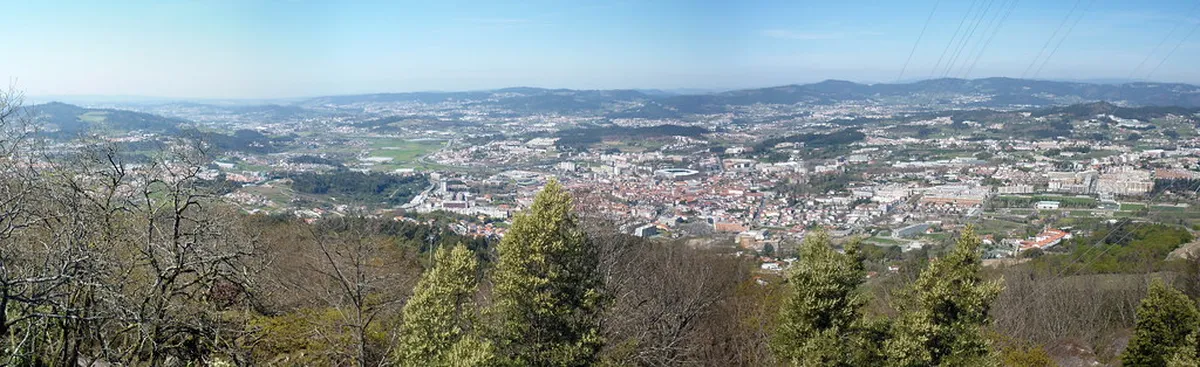
Penha Mountain, or Montanha da Penha, rises to 617 metres above Guimarães and combines a revered religious sanctuary with 60 hectares of granite-studded natural park. It is one of the most rewarding half-day trips from the city centre — spiritual or otherwise. Whether you arrive by cable car or on foot, the views over the Minho heartland justify the journey on their own.
This guide covers the cable car timetable and 2026 prices, the key viewpoints and trails, practical advice for families and budget travellers, and one logistical tip — hiking one way — that saves money and makes the experience genuinely memorable.
Must-See Penha Attractions
The Santuário de Nossa Senhora do Carmo da Penha crowns the summit and is the mountain's spiritual anchor. Construction began in the early 20th century and the church blends neo-Romantic facades with modernist interior detailing. Pilgrims and curious visitors alike find the interior calm and worth the few minutes it takes to walk through. Visit on a weekday morning for the quietest experience.
Varanda de Pilatos is the standout viewpoint. From a natural granite platform you look directly down over the rooftops of Guimarães, the tower of the Collegiate Church visible on clear days. The drop is abrupt enough to feel dramatic. Arrive before 09:30 or after 17:00 to have the ledge to yourself. Bring a wide-angle lens if you shoot.
Several smaller miradors are scattered along the access road and main trails — each frames a different slice of the Minho valley. An Official Penha Mountain Map marks all of them and is the fastest way to plan a logical circuit. Download it before you go, as mobile signal on the upper trails can be patchy.
Teleférico Cable Car: Prices and Hours for 2026
The Teleférico de Guimarães departs from the lower station at Penha Park, near the city centre, and reaches the summit in roughly 10 minutes. In 2026 the standard adult return fare is approximately €7; a single (one-way) ticket runs around €4. Children under 5 ride free; those aged 5–12 pay a reduced rate. Prices are set by the operator and can change seasonally — confirm on the official Teleférico website before you visit.
Operating hours in 2026 are typically 10:00–19:00 in summer (June–September) and 10:00–17:30 in winter (October–May). The cable car closes on Mondays for maintenance, except on public holidays. It also suspends service in strong winds or when visibility is poor — a genuine risk in autumn and early winter. If you are visiting specifically for the cable car, check the operator's social media the morning of your trip.
The Teleférico closes every Monday for scheduled maintenance unless it falls on a public holiday. If visiting on a Monday, plan to drive or hike instead. Strong winds and poor visibility may also cause temporary closures in autumn and early winter.
| Ticket Type | Price (2026) | Duration |
|---|---|---|
| Single (One-way up) | ~€4 | 10 minutes |
| Return | ~€7 | Round-trip |
| Child (5–12) | Reduced | Varies |
| Under 5 | Free | — |
The best practical tip for 2026: buy a single ticket up and walk or hike back down. The descent takes 45–60 minutes on the marked trail and puts you in a different part of the city — no queue on the way back, and you see far more of the mountain's lower granite formations. More on that route in the hiking section below.
Cable car fares can change seasonally. Always confirm current prices on the official Teleférico website before your visit. Check operating hours too, especially if planning a visit in winter or on a Monday when maintenance closures occur.
Museums, Art, and Culture in Penha
The sanctuary's architecture repays close attention. The two flanking bell towers frame the main facade in a way that borrows from northern Portuguese Baroque without copying it. Inside, hand-painted azulejo panels line the lower walls — an unusual decorative choice for a 20th-century church and worth a slow look. Photography is generally permitted outside of mass times.
Dotted across the mountain are small hermitages and chapels built by hermits who retreated here in earlier centuries. These rough-stone oratories are easy to miss if you stay on the main road; they appear along the wilder footpaths. Each one reflects a tradition of solitary devotion that predates the grand sanctuary by hundreds of years. You can learn more about their history through the Visit Guimarães page on Montanha da Penha.
The Grande Peregrinação — the mountain's great pilgrimage — falls on the second Sunday of September each year. Tens of thousands of devotees walk from Guimarães city centre to the sanctuary at dawn, and the road is closed to general traffic from the early hours. If you want to witness it, go early and expect dense crowds around the church itself. If you want to hike or visit the viewpoints in peace, simply avoid that date; the rest of the month is quiet.
Granite Labyrinth, Trails, and Outdoor Spots
The mountain's 60 hectares are defined by their geology. Enormous granite boulders — some the size of a house — sit piled and balanced across the hillside, creating a natural labyrinth of narrow passages, tunnels, and shallow caves. You can squeeze through gaps, duck under overhangs, and climb onto flat-topped rocks for unplanned viewpoints. Wear closed shoes with grip; the granite is smooth and slippery after rain.
The main hiking trails are well marked and cater to different levels. The most popular circuit from the cable car arrival point loops past the sanctuary, Varanda de Pilatos, and several of the larger boulder formations before returning — roughly 3 km and under an hour at an easy pace. A longer route follows the ridge south and picks up more dramatic rock clusters. Trail information is available at the visitor centre near the summit car park, and the free downloadable map covers all named paths.
For the descent-only option: a waymarked trail drops from the sanctuary area down through dense woodland to the lower part of Guimarães. The path is clearly signed and takes 45–60 minutes. It crosses several small streams and passes two of the older hermitages — sections you would never see from the cable car or road. This is the route that transforms a scenic cable-car outing into a proper half-day walk. Discover more things to do in Guimarães if you plan a full day in the area.
Family-Friendly and Budget-Friendly Options
The mountain has a mini-golf course near the summit that keeps children occupied for an hour without demanding serious hiking from adults. Shaded picnic areas with fixed tables are positioned at several points around the summit plateau — bring your own food and you will spend almost nothing on lunch. The sanctuary, viewpoints, and boulder labyrinth are all free to enter.
A mountain camping park sits on the lower slopes and offers one of the cheapest overnight stays in the Guimarães area. Pitches are basic but the setting — among pines and granite — is exceptional. Booking in advance for July and August is advisable; shoulder months are quiet and easy to book last-minute. Staying a night means you can catch the sunrise from Varanda de Pilatos before any day-trip visitors arrive.
The main paid items are the cable car (around €4–7 depending on one-way or return) and mini-golf. Everything else — trails, viewpoints, sanctuary, hermitages — is free. Even on a tight budget, a full day here is entirely achievable. Find more free things to do in Guimarães to round out your trip without overspending.
How to Get to Penha Mountain
The cable car is the most convenient option and the one most visitors choose. The lower station is a short walk from Guimarães city centre; look for signs to "Teleférico da Penha" near the Largo do Toural area. The 10-minute ride up is genuinely scenic — the cabin climbs steeply through woodland with the city spreading out below. Round-trip: approximately €7. One-way up only: approximately €4 (then hike down — see the trails section).
Driving takes 15–20 minutes via the winding 5 km road to the summit. The road is well-maintained and passable year-round. Parking near the sanctuary is free but limited; the car park fills quickly on summer weekends. Arrive before 09:00 or after 16:00 to guarantee a space. There are also informal layby spots along the access road if the main car park is full.
Walking up from the city is possible but demanding — roughly 5 km of ascent over about 90 minutes, gaining around 400 metres of elevation. Few visitors do this as an ascent route. The smarter approach is cable car up, walk or drive down — or drive up, walk the summit trails, and drive back. The one-way descent on foot adds almost no extra cost and significantly improves the day. Check Guimarães travel tips for general logistics advice including bus connections to the cable car station.
On the Mountain: Food, Accommodation, and Facilities
The Hotel da Penha sits at the summit and is the only hotel on the mountain itself. Rooms have views of either the surrounding woodland or the city below. It is a straightforward, comfortable option — not a luxury stay, but the location is unique. Book well ahead for September when pilgrimage traffic fills the hotel. A restaurant on-site serves Portuguese standards at reasonable prices for a tourist-summit location.
Several other restaurants and café-bars operate near the sanctuary, with outdoor terraces that work well on warm afternoons. You can get a full lunch of grilled meat and soup for under €15 per person at most of them. Snack kiosks near the main car park handle quick coffees and pastries. Public restrooms are located near the sanctuary and at the cable car upper station.
Souvenir shops sell local religious items, ceramics, and regional food products. The Santuário da Penha on Google Maps is the best reference point for navigation to all summit facilities — pin it offline before you drive up, since the signal on the road is inconsistent.
Penha in the Broader Minho Context
Montanha da Penha sits within the Eixo Atlántico cross-border tourism corridor that connects the cities of northern Portugal with Galicia in Spain. For travellers exploring the Minho region, this matters: Guimarães — a UNESCO World Heritage city — Braga, Viana do Castelo, and the Spanish cities of Vigo and Pontevedra are all within 90 minutes of each other. Penha works well as a half-day stop that anchors a Guimarães day without competing with the city's historic centre.
If you are combining Penha with a broader trip, consider visiting the city's historic centre in the morning — Guimarães Castle, the Ducal Palace, and the medieval lanes around Largo da Oliveira — then taking the cable car up to Penha for the afternoon. The light on the valley viewpoints is best from 15:00 onwards. For side trips, Braga is 25 minutes by train and offers the Bom Jesus sanctuary staircase as a compelling parallel to Penha's own pilgrimage tradition.
Frequently Asked Questions
How do I get to Penha Mountain from Guimarães city center?
You can reach Penha Mountain via the Teleférico (cable car) from the city center. The ride takes about 10 minutes and offers scenic views. Alternatively, you can drive up the winding 5km road to the summit. Both options provide convenient access to the mountain's attractions.
How much does the Guimarães cable car cost?
The Guimarães cable car typically costs around €5-€7 for a round-trip ticket. Prices can vary, so it is always best to check the official Teleférico website for the most current fares. Children and seniors often receive discounted rates. Confirm current prices before your visit.
Is Penha Mountain worth visiting for non-religious travelers?
Absolutely, Penha Mountain offers much more than just religious significance. Non-religious travelers can enjoy stunning panoramic views, extensive hiking trails, unique granite rock formations, and peaceful picnic areas. The natural beauty and outdoor activities make it a worthwhile destination for everyone. It is a fantastic escape into nature.
What are the best hiking trails on Montanha da Penha?
Montanha da Penha features several well-marked hiking trails suitable for various fitness levels. Popular routes lead through the "Granite Labyrinth" and to various viewpoints like Varanda de Pilatos. The trails vary in length and difficulty. Always wear appropriate footwear and carry water. An Official Penha Mountain Map can help you choose the best trail.
Are there restaurants at the top of Penha Mountain?
Yes, there are several restaurants and bars located at the summit of Penha Mountain. These establishments offer a range of food and drink options, from quick snacks to full meals. You can enjoy traditional Portuguese cuisine with beautiful views of Guimarães and the surrounding landscape. They provide a convenient place to refuel.
Penha Mountain earns its place on any Guimarães itinerary whether you come for the sanctuary, the views, the granite boulders, or simply an hour away from the city. The cable car is the obvious way up — but buying a single ticket and walking the descent trail is the move that turns a tourist tick into a proper experience of the mountain.
Plan for at least half a day. Arrive early or late to avoid the summit car park crowds. Check the cable car schedule on Mondays. And if your visit coincides with the second Sunday of September, expect the pilgrimage atmosphere to change the mountain entirely — worth experiencing in its own right, or easily avoided if you prefer solitude.
 10 Best Tips for Timing Your Visit to GuimarãesJune 8, 2026
 9 Essential Tips for Visiting Guimarães CastleJune 8, 2026
 Guimaraes Travel Tips Travel GuideJune 8, 2026