15 Best Seafood Restaurants in Lagos Portugal (2026)
Discover the best seafood restaurants in Lagos, Portugal. From traditional Cataplana to fresh grilled fish, our guide covers 15 essential dining spots.
On this page
15 Essential Tips and Spots for Seafood in Lagos Portugal
Lagos sits at the western edge of the Algarve, where the Atlantic pushes cold, nutrient-rich water into rocky coves and the day's catch lands at the municipal dock by 07:00. That geography shapes everything on the menu: clams pulled from tidal mudflats, percebes (goose barnacles) prised from wave-battered cliff faces, and whole fish grilled minutes after the ice melts. After spending several summers eating my way through the old town and the marina strip, I have found that the best seafood restaurants in Lagos Portugal reward visitors who look past the tourist-board photographs and eat like the fishermen do.
This guide focuses specifically on seafood — the signature Algarve dishes, the marisqueiras (shellfish houses) and fish taverns, and the one market that underpins it all. For a broader view of restaurants across every cuisine, see the our complete Lagos restaurants guide. Here, the aim is to go deeper: which dishes to order by season, how to navigate the couvert charge, and which rooms fill up on a Tuesday night because locals have figured something out.
Signature Algarve Seafood Dishes to Know Before You Sit Down
Understanding what you are ordering matters more in Lagos than in most tourist towns, because menus often skip explanations and waiters are busy. The cataplana de marisco is the flagship dish: a copper-pot stew of prawns, clams, mussels, and sometimes monkfish, slow-steamed until the shellfish release their briny liquor into a fragrant tomato and white wine base. It is almost always served for a minimum of two people and takes 25–30 minutes to prepare, so ordering it when you first sit down is the right move.
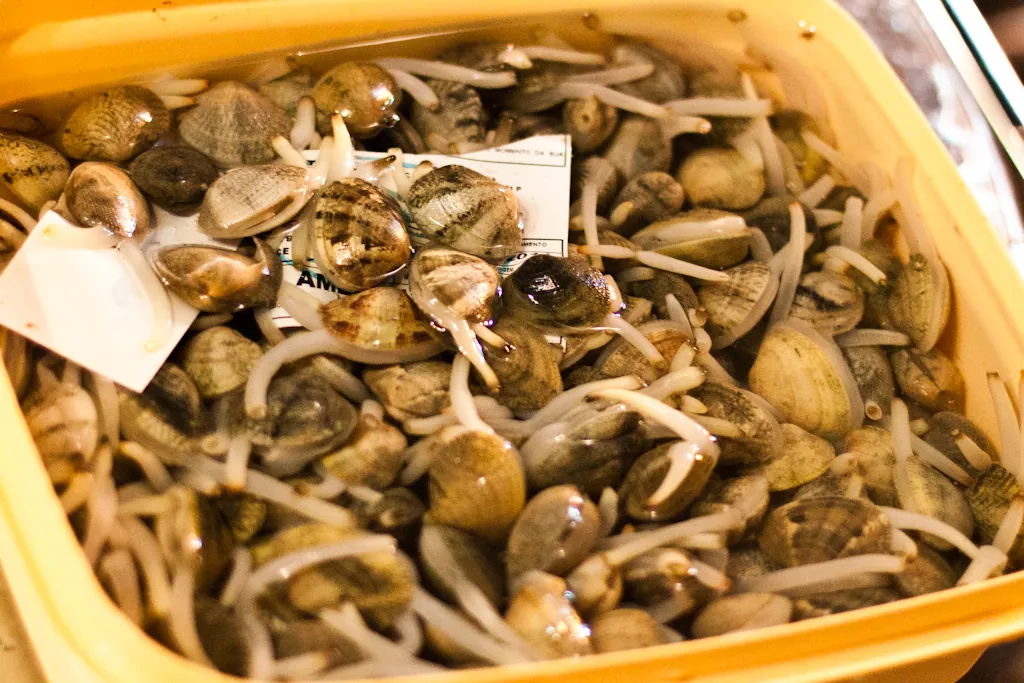
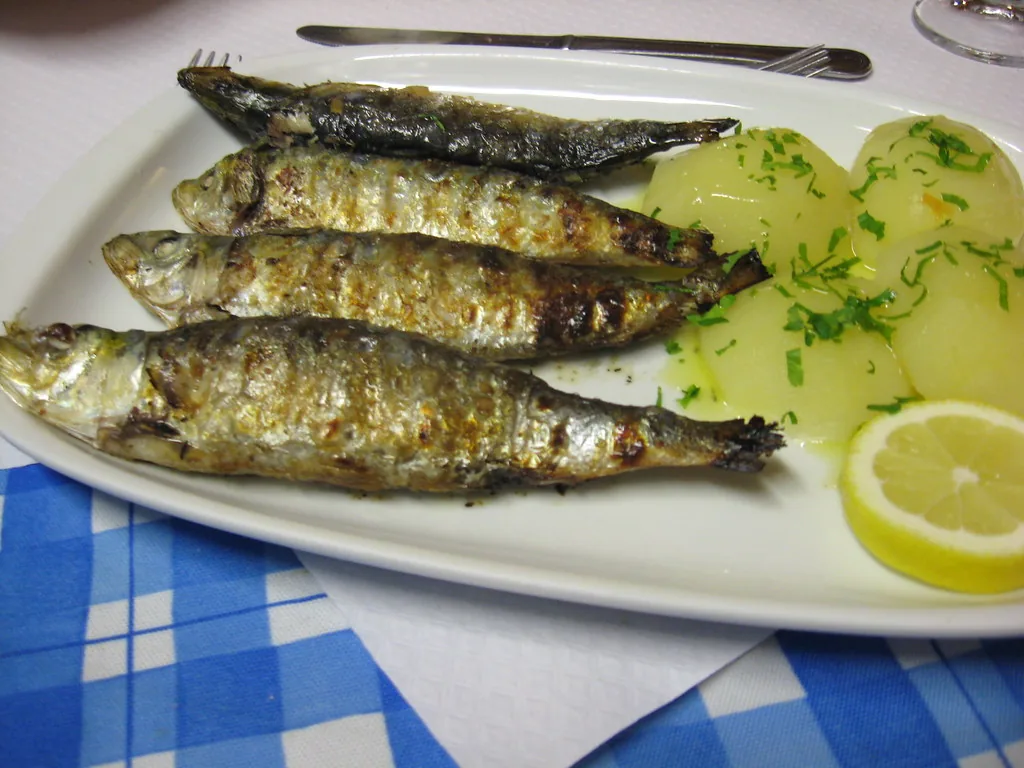
Arroz de marisco is a looser, soupy shellfish rice that locals order more often than the cataplana. It arrives in a wide, shallow pan and should be eaten immediately — the rice continues cooking in the residual heat, so waiting for photographs is genuinely punished. Amêijoas à Bulhão Pato are clams opened in a cast-iron pan with olive oil, garlic, white wine, and coriander. They take five minutes to cook and cost around €12–€18; the bread that comes with your couvert is made specifically for mopping that pan. Grilled sardines run June through September and are the simplest, most honest expression of what the Atlantic offers here — order six, eat them with your hands, and drink whatever white is cheapest on the list.
Percebes (goose barnacles) look prehistoric and taste like distilled seawater in the best possible sense. They are a speciality of the western Algarve coastline and are sold by weight at marisqueiras; expect €25–€40 per 200g. They need nothing but boiling water and salt, and are best eaten with your fingers by twisting the rubbery stalk away from the shell.
Lagos Seasonal Shellfish Calendar: When to Order What
| Species | Season (Peak Months) | Notes | Typical Price Range |
|---|---|---|---|
| Amêijoas (Clams) | Spring (March–May) | Cold water, fat and briny. Best in garlic and white wine sauce. | €12–€18 |
| Percebes (Goose Barnacles) | Spring (March–May) | Harvested from exposed cliffs during lowest spring tides. Boiled in salt water, no garnish needed. | €25–€40 per 200g |
| Lagostins (Dublin Bay Prawns) | Summer (June–August) | Largest specimens from coastal suppliers. Ask if "do dia" (fresh) or frozen. | €18–€28 |
| Sardines (Grilled) | Summer (June–September) | Honest expression of Atlantic. Order six, eat with your hands. | €8–€14 |
| Bruxas (Velvet Swimming Crab) | Autumn (September–November) | Intensely flavoured, messy to eat. Steamed or in bisque soup. | €16–€25 |
| Camarão Mouro (Deep-Water Red Prawns) | Winter (December–February) | From Algarve trawlers. Lower prices in off-season. Disappear by March. | €20–€32 |
No SERP guide tells you this, but timing your shellfish order to the season makes a significant difference to what lands on your plate. In Lagos, the shellfish market follows Atlantic rhythms that restaurant menus rarely spell out. Spring (March–May) is the prime window for amêijoas (clams): the water is cold, plankton is abundant, and the clams are fat and briny. This is also when percebes are at peak flavour, harvested from the exposed rock shelves between Sagres and Burgau during the lowest spring tides.
Summer (June–August) belongs to sardines and to lagostins (Dublin Bay prawns). Cataplana portions are generous all year, but summer kitchens source the largest tiger prawns from coastal suppliers rather than importers, which you will taste immediately. Ask whether the prawns are "do dia" (of the day) or frozen — any honest kitchen will tell you. Autumn (September–November) brings bruxas, the velvet swimming crabs that Marisqueira O Perceve and a handful of other shellfish houses serve steamed or in a bisque-style soup. They are intensely flavoured and messy to eat, and locals queue for them. Winter (December–February) is the overlooked window: fewer tourists, lower prices, and the best camarão mouro (deep-water red prawns from Algarve trawlers), which disappear from menus by March when demand outstrips supply again.
If a restaurant offers percebes or bruxas during summer, they are likely frozen imports from previous seasons, not freshly harvested. These species are best in spring and autumn respectively. Ordering them out of season is not dangerous — just inferior. Ask the kitchen directly if a species is seasonal or imported.
Couvert Etiquette and Cash vs Card: Two Things They Don't Put on the Menu
When a waiter sets down bread, olives, marinated carrots, and local cheese the moment you sit down, do not assume it is complimentary. This is the couvert — a standard part of the Algarve meal that is charged per person for whatever you consume. In most traditional seafood restaurants in Lagos, expect €1.50–€3.50 per person. The quality is usually high: house-baked bread, hand-pitted olives, and sometimes a small plate of atum em azeite (tuna in olive oil). If you do not want the couvert, you can ask the waiter to take it back and you will not be charged, but this is considered unusual in a local tavern.
On the card question: the old town has improved, but a meaningful number of traditional tascas and family-run marisqueiras still operate cash-only or apply a minimum card spend of €20–€30. A Barrigada, some stalls inside the Mercado Municipal, and a few of the more rustic shellfish spots near the docks fall into this category. Carry €40–€60 in cash per person if you plan to eat across multiple restaurants in an evening — it avoids the awkward moment when the machine "is not working" and the nearest ATM is a ten-minute walk into the Praça Gil Eanes.
In traditional Lagos seafood restaurants, if you don't want the couvert, simply ask the waiter to take it back when it arrives. You will not be charged. However, in local taverns, refusing it is considered unusual — the complimentary bread, olives, and cheese are part of the dining ritual and rarely declined by regular patrons.
Planning Your Visit to Lagos, Portugal
Getting to Lagos is straightforward. Most visitors fly into Faro Airport and take a regional train westward — the journey takes around 90 minutes and costs under €10. A rental car is worth considering if you want to reach the more secluded cliff-top restaurants or explore the wider Algarve coastline after eating. The old town is compact and walkable; offline maps or local signage are useful for navigating the tighter alleyways where several of the best seafood spots hide.
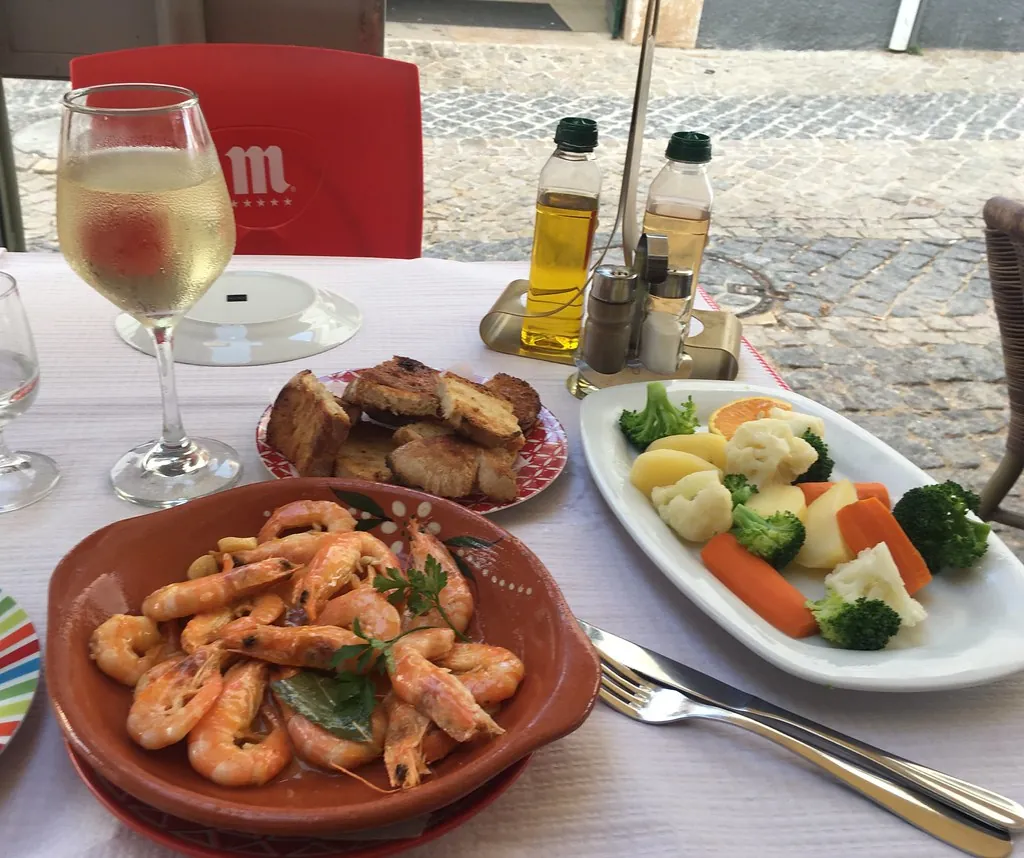
Reservations are non-negotiable in July and August. The best-known places — O Camilo, A Tasca do Kiko, Monte Mar — fill their terraces within hours of booking windows opening, sometimes days in advance. Shoulder season (late May and September) is significantly calmer. Off-season weekday lunches, particularly at traditional fish taverns, need no booking at all, and you will often be the only non-local in the room. That is the ideal condition for great seafood at honest prices.
Best Seafood Restaurants and Marisqueiras in Lagos
The restaurants below are organised from traditional to modern, because that maps roughly onto how much you will spend. None of them is a bad choice; the ones near the top of the list are simply the places where locals eat without prompting from TripAdvisor.
O Pescador
The name means "the fisherman," and the restaurant delivers on that promise without flourish. Grilled seabass arrives with a few spoonfuls of olive oil and a wedge of lemon; the garlic-butter shrimp is addictive. Meals run €15–€28 per person. A no-frills room, a steady local crowd, and reliable quality make this the first port of call for any visitor who wants to eat the way the Algarve actually eats.
Casinha do Petisco
Casinha is the name most locals give when asked where to eat cataplana. The room seats perhaps thirty people, the kitchen operates at a deliberate pace, and the copper pots emerge steaming and fragrant. Budget €40–€60 for two sharing a cataplana plus wine. They close Wednesdays; arrive at opening (12:00) rather than hoping to walk in at 13:00, when the wait is already long.
Marisqueira O Perceve
Named after the goose barnacle, this shellfish house is the clearest expression of what the western Algarve coastline produces. Percebes, bruxas, amêijoas, and lagostins are all priced by weight. A full shellfish spread for two costs €60–€90 depending on what is in season. Closed Tuesdays. Ask what has arrived that morning and order accordingly — the chalkboard is more reliable than the printed menu.
A Barrigada
This is Lagos's rodízio de peixe — an all-you-can-eat rotating service where waiters bring successive trays of grilled fish to the table. The fixed price is €18–€22 per person. Strategy matters: the first tray is usually the most accessible fish (bream, mackerel), and the better specimens — robalo, red mullet, whole gilt-head — come through 20–30 minutes into service. Pace yourself accordingly. They serve lunch and dinner daily except Sunday evenings, and the room fills with families by 13:00.
O Camilo
Perched on the clifftops above Praia do Camilo, this glass-clad restaurant is a step up in price and presentation. Main courses run €18–€35, and the wine list rewards careful reading. The view justifies the premium: the terrace overlooks the sea stack formations that define this stretch of coast. Book the glass-enclosed terrace for sunset; a whole red snapper from the fish counter is the order to make. Closed Mondays.
Monte Mar Lagos
The most polished dining room in the Lagos seafood scene. Monte Mar focuses on grilled whole fish and refined shellfish presentations — hake fillets with cockle rice is the signature. Expect €50–€80 per person, a long wine list, and attentive service. Book a table well ahead in peak season; this is where the town celebrates anniversaries and business dinners. The kitchen sources daily from trusted local suppliers rather than the broader wholesale market.
Restaurante Adega da Marina
A cavernous former warehouse near the marina that runs on volume and momentum. It is the most democratic room on this list: daily specials board, honest portions, €15–€25 per person, open every day. The fish of the day is usually the safest order — whatever the boat brought in, the kitchen has been preparing it since morning. Large groups and families do well here without needing a reservation on weekdays.
A Forja
The blue-painted exterior on Rua dos Ferreiros is a local landmark. Inside, the menu covers all the Portuguese seafood standards: arroz de marisco, grilled squid with garlic butter, and bacalhau preparations for those who want salt cod. The arroz arrives steaming and loose, packed with conger eel (safio) and shrimp. Meals cost €15–€25 and the room is cash-preferred. Closed Sundays.
The Mercado Municipal de Lagos: Market-to-Table for Seafood Lovers
The the Mercado Municipal is not merely a sightseeing stop — it is the supply chain that feeds every restaurant on this list. The ground floor fish hall opens at 08:00 and runs until stock sells out, typically by 12:00. Fishmongers display the morning's catch in iced trays: whole atum (bluefin tuna), slabs of swordfish, boxes of sardines, sea urchins, and whatever the boats brought up from deeper water. Arriving at 09:00 gives you time to see the full range before the restaurant buyers clear the premium cuts.
The practical seafood tip is simple: if you see a species in the market that you have not encountered on a menu before, note the Portuguese name and ask for it specifically at dinner. Many kitchens prepare daily specials based on exactly what they sourced here that morning. A Saturday visit is especially rewarding — the Saturday market extends to the surrounding square and includes producers from the broader Algarve interior. The upper floor of the market has a small café terrace where an espresso and a pastry costs under €2, with a view across the marina that no restaurant in town can match at that price.
Modern Seafood Tapas and Wine Bars Worth Adding to the List
A Tasca do Kiko near the boatyard has built a reputation on creative small plates that take traditional Portuguese ingredients in contemporary directions. The tuna tartare is the dish most people mention, but the smoked mackerel rillettes and salt cod croquettes demonstrate the same precision in less photogenic formats. Expect €25–€45 per person. They open Tuesday through Saturday from 12:30 and do not always take reservations, so arriving at opening is the safest approach.

For wine alongside your seafood, the Lagos bar scene has grown significantly since 2022. Travia focuses on low-intervention wines — their Peluda rosé from the Vinho Verde region is a clean, high-acid match for percebes and clams. Taninos lines its walls with bottles and sells by the glass at fair prices; the smoked cod carpaccio there is one of the best petiscos in the city. Mimar does a spicy seabass ceviche that is worth the visit alone. These bars charge €8–€16 per small plate and are appropriate for an evening that starts late and ends later.
If you prefer to finish with something sweet rather than another glass of wine, Pastelaria Algarve on the waterfront does a torta de laranja — an orange-flavoured sponge roll — that pairs well with a bica. For a livelier end to the evening, The Collab Bar serves bao alongside cocktails and has a relaxed, mixed crowd of locals and visiting diners. The Algarve's seafood traditions are best understood by lingering in these rooms where locals and visitors alike celebrate the day's catch.
Frequently Asked Questions
Which seafood restaurants in Lagos are best for first-time visitors?
Casinha do Petisco and Adega da Marina are perfect for first-timers. They offer a classic atmosphere and represent the core of traditional Algarve flavors. Be sure to try the Cataplana at Casinha for a truly iconic meal.
Do I need to book a table for seafood in Lagos?
Yes, reservations are highly recommended during the summer months. Many top-rated spots like A Tasca do Kiko and O Camilo fill up days in advance. Call ahead or visit the restaurant early in the day to secure a spot.
What is the most famous seafood dish in the Algarve?
The Cataplana de Marisco is the most famous regional dish. It is a slow-cooked seafood stew prepared in a unique copper vessel. Most restaurants serve this as a shared meal for at least two people.
Finding the best seafood restaurants in Lagos Portugal is a process of working through the hierarchy from market to table. Start at the Lagos's municipal market hall to understand what the Atlantic is producing this week, then match your restaurant choice to the season and your budget. The general dining landscape, including international options and wine bars, is covered in depth in the the full Lagos dining guide. For seafood specifically, the rooms listed above are where the city does its best work — unpretentious, precise, and grounded in an ocean that is still very much working.
 9 Best Lagos Portugal Food and Wine Tours (2026)June 2, 2026