10 Day Portugal Road Trip Itinerary: The Ultimate Guide
Plan the perfect 10 day Portugal road trip itinerary. Includes a driving route from Lisbon to Porto, Algarve stops, and essential toll road tips.
On this page
10 Day Portugal Road Trip Itinerary
I built this 10 day portugal road trip itinerary after my third visit to this stunning country. This guide is perfect for first-timers wanting to see the best of Portugal without the stress. The route runs south to north: Lisbon, the wild Alentejo coast, the Algarve, Évora, Coimbra, the Douro Valley, and finally Porto. Ten days is tight but achievable if you pick up the car on day 3 and drive with intention.
Many travelers wonder How Many Days in Portugal: 10-Day Essential Itinerary are actually needed for a full loop. While two weeks is ideal, this 10-day plan focuses on high-impact stops and scenic coastal drives. The key is renting the car in Lisbon and returning it in Porto — one-way drop fees are real but typically add only €40–80 and save you hours of backtracking. Following a logical south-to-north route means every kilometre is new ground.
10-Day Portugal Road Trip At a Glance
This summary gives you the full shape of the route before you dive into the daily detail. The total driving distance from Lisbon to Porto via the coast and inland stops is roughly 1,100 km. You will spend 2 nights in Lisbon, 3 nights in the Algarve, 1 night each in Évora and Coimbra, 1 night in the Douro Valley, and 2 nights in Porto.
- Day 1: Lisbon — Alfama, Belém, Chiado fado dinner
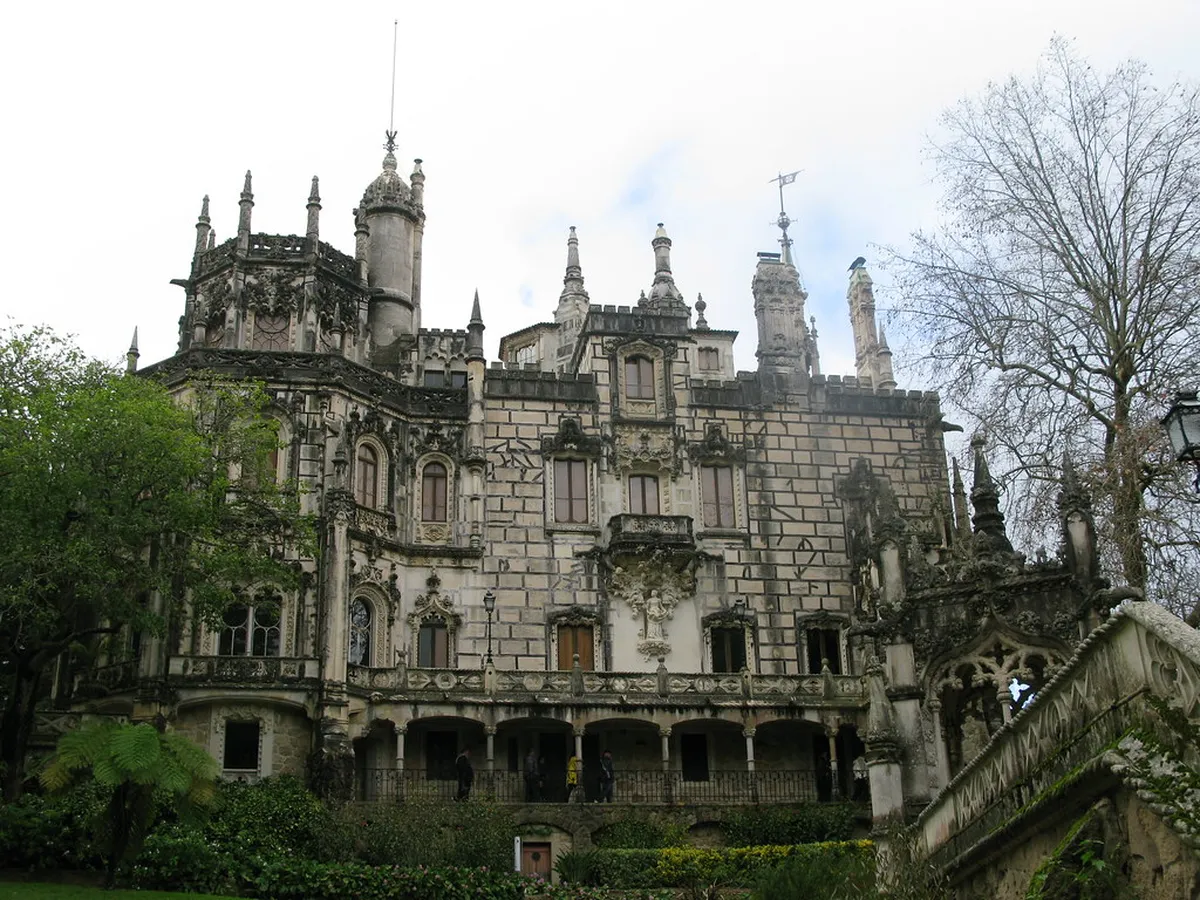
- Day 2: Sintra day trip — Pena Palace at 09:00, Quinta da Regaleira, Cabo da Roca sunset
- Day 3: Drive the Costa Vicentina — Vila Nova de Milfontes, Praia do Amado, overnight Lagos
- Day 4: Western Algarve — Ponta da Piedade boat tour, Lagos old town, Sagres cliffs
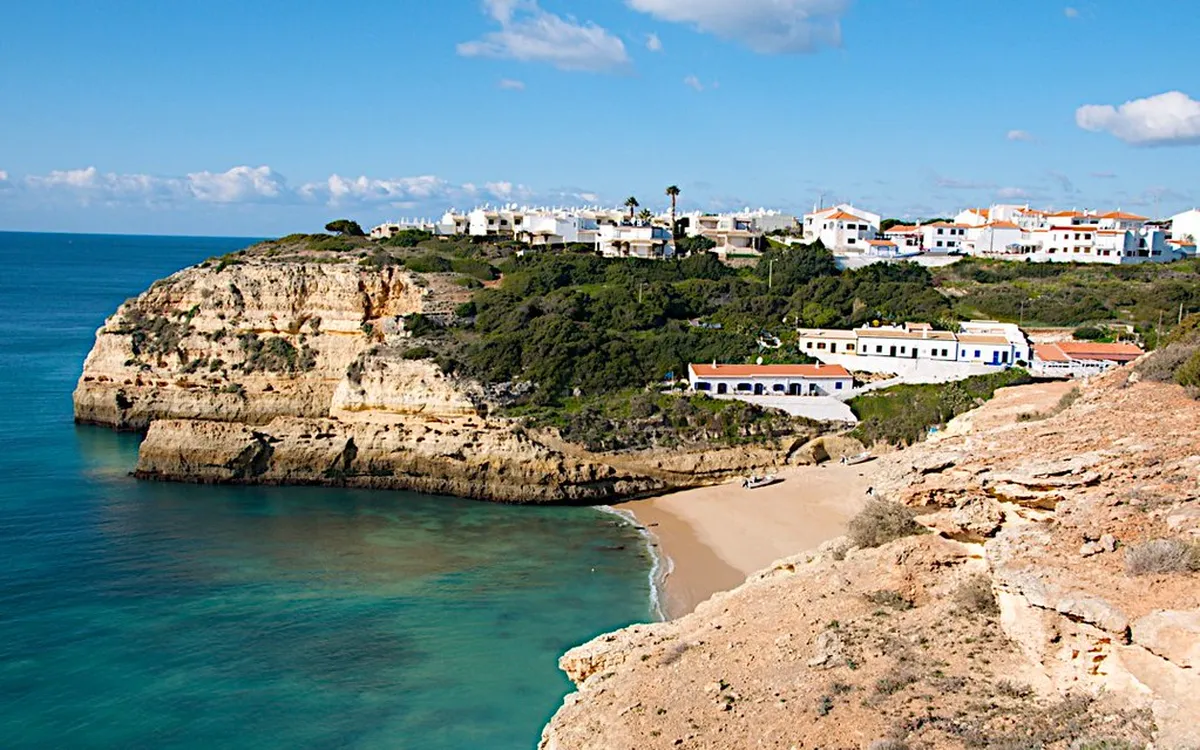
- Day 5: Central Algarve — Benagil Cave, Algar Seco boardwalk, Carvoeiro dinner
- Day 6: Évora — Roman Temple, Chapel of Bones, Alentejo wine in Giraldo Square
- Day 7: Coimbra — Joanina Library, university old town, Coimbra fado
- Day 8: Douro Valley — scenic drive to Pinhão, vineyard tour, riverside dinner
- Day 9: Porto — Ribeira, São Bento station, Dom Luís I Bridge
- Day 10: Vila Nova de Gaia — port wine cellars, Foz do Douro, farewell dinner
| Day | Region | Highlights | Driving Time | Nights |
|---|---|---|---|---|
| 1 | Lisbon | Alfama, Belém, fado dinner | — | 1 |
| 2 | Lisbon/Sintra | Pena Palace, Quinta da Regaleira, Cabo da Roca | 1 hr (day trip) | 1 |
| 3 | Algarve | Costa Vicentina, Praia do Amado, Lagos | 4–4.5 hrs | 1 |
| 4 | Algarve | Ponta da Piedade, Lagos old town, Sagres | short drive | 1 |
| 5 | Algarve | Benagil Cave, Algar Seco, Seven Hanging Valleys trail | 45 mins | 1 |
| 6 | Alentejo | Évora: Roman Temple, Chapel of Bones, wine square | 2.5 hrs | 1 |
| 7 | Central Portugal | Coimbra: Joanina Library, university, Coimbra fado | 3 hrs | 1 |
| 8 | Douro Valley | Pinhão, vineyard tour, riverside dinner | 2 hrs | 1 |
| 9 | Porto | Ribeira, São Bento station, Dom Luís I Bridge | 1.5 hrs | 1 |
| 10 | Porto | Vila Nova de Gaia wine cellars, Foz do Douro | — | — |
Best Time to Visit Portugal for a Road Trip
Late April through early June is the sweet spot for this itinerary. Temperatures across the country sit between 18–25°C, the Algarve beaches are swimmable, and the Douro Valley is a vivid green before the summer heat bleaches it out. Crowds are building but have not yet reached the suffocating levels of July and August, and hotel prices are still 20–30% below peak.
September and October are the second-best window. The grape harvest turns the Douro Valley terracotta-gold and temperatures drop to comfortable levels for driving and hiking. Évora in autumn is particularly pleasant — the Roman ruins glow in the low afternoon light and tourist numbers are thin. Avoid late June through August for this route: Algarve traffic is brutal, Évora can hit 40°C, and parking anywhere near Lagos or Sagres requires patience you may not have.
Winter is viable only if you skip the Algarve beaches and focus on the cities. Lisbon and Porto are mild (10–15°C in January), and the Joanina Library and Douro estates are far less crowded. The N120 coastal road can be empty and moody on a January afternoon in a way that rewards photographers. Just expect some rain north of Coimbra from November through February.
Essential Tips for Car Rentals and Driving in Portugal
Do not rent the car on day 1 or 2. Lisbon is a walking city and parking in the historic centre costs €3–5 per hour with almost no available street spots near Alfama. Pick up your car on the morning of day 3 when you leave for the coast. This cuts your rental to 8 days rather than 10 and removes two days of unnecessary parking fees. Return the car in Porto on the evening of day 9, as the city's metro covers everything you need on day 10.
For one-way rentals from Lisbon to Porto, Europcar, Hertz, and Sixt all operate both cities. Shop via a comparison site like Discover Cars or Rentalcars.com — local agencies frequently undercut the multinationals by 25%. Book with a credit card that includes collision damage waiver (CDW) as a card benefit and decline the rental company's own CDW, which can add €15–25 per day. Always photograph the car thoroughly before driving off, including the tyres and undercarriage.
Driving in Portugal is straightforward on the motorways. Speed limits are 120 km/h on autoestradas, 100 km/h on national roads, and 50 km/h in towns. Police use fixed and mobile radar cameras extensively, particularly on the A2 south of Lisbon. International licences are accepted for all EU, US, Canadian, Australian, and UK drivers. The one challenging stretch on this route is the Douro Valley mountain roads near Pinhão — they are narrow, single-lane in places, and have steep drops without guardrails. Drive them slowly and avoid reversing on blind bends.
Portugal Toll Roads: The Via Verde System Explained
Portugal's electronic tolls catch nearly every foreign driver off guard. Several major motorways — particularly the A22 across the Algarve and stretches of the A1 north of Lisbon — have no cash booths at all. They are electronic-only roads. If you pass through without a transponder or registered number plate, you will receive a fine to your rental address, typically €25–85 per unpaid toll plus the original toll charge.
The solution is the Via Verde transponder. When collecting your rental car, ask explicitly for a Via Verde device to be added to the contract. Most agencies include it for €1–3 per day and it handles all tolls automatically. The device attaches to the windscreen and beeps as you pass through green-laned toll booths. Do not queue in the white-lane manual booths with a Via Verde — they will not register your transponder. If your agency cannot supply a device, rent a Tollpass or EasyToll unit from a dedicated toll rental kiosk at Lisbon Airport (arrivals hall, before luggage collection).
Approximate toll costs for this full route: Lisbon to Lagos via the A2 and A22 costs around €18. Lagos to Évora via the A22 and A2 is roughly €14. Évora to Coimbra via the A6 and A1 is about €12. Coimbra to Porto on the A1 adds another €7. Budget €55–70 in total tolls for the full south-to-north route. Check our 9 Essential Things to Know About Portugal Toll Roads (Via Verde) for a full per-road breakdown and the latest tariff updates for 2026.
Decline the rental company's optional collision damage waiver (CDW) if your credit card covers it — this alone saves €15–25 per day. Always photograph the entire rental car (including tyres and undercarriage) before driving off, and request the Via Verde transponder at pickup to avoid surprise toll fines to your home address.

Days 1–2: Lisbon Highlights and Sintra Day Trip
Spend your first morning in Alfama, Lisbon's oldest neighbourhood. Walk up from the Sé Cathedral through the tiled alleys to Miradouro das Portas do Sol for river views, then continue to Miradouro da Graça — the best viewpoint in the city, and far less crowded than the castle esplanade. The afternoon belongs to Belém: the Jerónimos Monastery (book online, €10 adults) and the Belém Tower, with the mandatory stop at Pastéis de Belém for custard tarts. End the day with dinner and fado in Chiado. See our Lisbon Neighbourhood Guide for the full area breakdown.
On day 2, take the train from Rossio station to Sintra (40 minutes, €2.35 each way). Arrive before 09:00 and go directly to the Pena Palace on the 434 bus — the queue for timed entry tickets is manageable at this hour and overwhelming by 11:00. Tickets cost €20 for palace and park. After Pena, walk 15 minutes downhill to Quinta da Regaleira (€10), with its spiral Initiation Well and fairy-tale gardens. Leave Sintra by 16:00 and detour to Cabo da Roca by car or taxi for sunset over the westernmost point of continental Europe. Return to Lisbon for a final night before the road trip starts.
Day 3: The Scenic Costa Vicentina Coastal Route
This is the best driving day of the entire itinerary. Collect your rental car from Lisbon and head south on the A2 motorway. After passing Setúbal, exit onto the N120 — resist the temptation to stay on the motorway all the way to the Algarve. The N120 hugs the coastline of the Costa Vicentina, a protected natural park where Atlantic cliffs drop straight into surf beaches with almost no development. The contrast with the tourist-heavy Algarve further south is striking.
The drive from Lisbon to Lagos via the N120 takes 4 to 4.5 hours with stops, not the 2.5 hours that Google Maps shows via the motorway. That difference is the point. Stop first at Vila Nova de Milfontes, a riverside fishing town with a white fortress and excellent grilled fish. Restaurante Farol on the main square serves fresh sea bass (robalo) for around €14 and is a reliable local spot. Continue south and stop at Praia do Amado near Carrapateira — a wide, windswept beach popular with surfers and almost entirely free of sunlounger vendors. Arrive in Lagos by early evening and check in for two nights.
Days 4–5: Discovering the Algarve Coastline
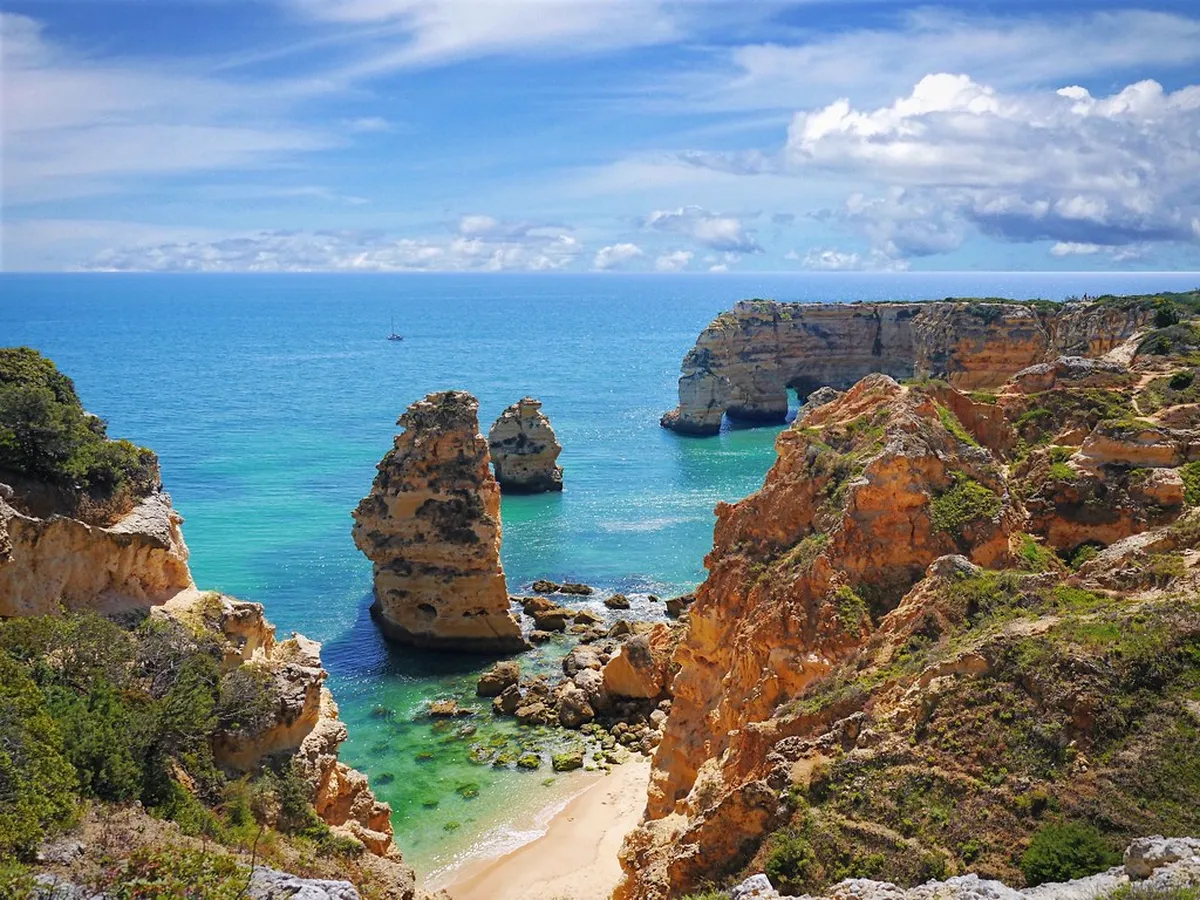
Day 4 is for the western Algarve's most dramatic scenery. Drive the short distance to Ponta da Piedade and park at the lighthouse car park (free). Walk the cliff path down to the water-level boardwalk for views of the golden limestone arches. A boat tour from the Lagos marina (€20–25 per person, 1 hour) takes you inside the sea caves — book ahead in summer as they sell out. Spend the afternoon walking Lagos old town: the slave market museum on Praça Infante Dom Henrique tells a history most guides gloss over. End the day driving to Sagres for sunset at the fortress on Cape St. Vincent, Portugal's southernmost point. Check our best beaches in the Algarve for the full coastal guide.
Day 5 shifts east along the Algarve. Drive 45 minutes to Carvoeiro and take the morning Benagil Cave boat tour (€18–25, departs from Praia da Marinha or Carvoeiro beach). Book at least two weeks ahead from June through September — these sell out completely. After the cave tour, walk the Algar Seco cliff boardwalk just east of Carvoeiro: volcanic rock formations and natural pools at sea level that you can reach by a short staircase. Consider hiking a section of the Seven Hanging Valleys trail (Percurso dos Sete Vales Suspensos), a 5.7 km cliff-edge path between Marinha and Benagil that is arguably the best coastal walk in Portugal. Dinner in Carvoeiro village — try Restaurante O Castelo for grilled cataplana (around €22 per person).
Book popular Algarve boat tours (Benagil Cave, Ponta da Piedade) and Sintra attractions (Pena Palace, Quinta da Regaleira) at least 2 weeks in advance during June–September. Early-morning arrival at Pena Palace (before 09:00) avoids queues entirely. The Joanina Library in Coimbra also fills by noon daily.
Day 6: Alentejo Heritage and the City of Évora
The drive from the Algarve to Évora takes 2.5 hours via the A2. Break the journey in Beja, a quiet Alentejo market town with a well-preserved 14th-century castle that you can walk entirely in 30 minutes. Évora itself is one of Portugal's most rewarding stops and is often skipped by travellers who take the direct motorway north — a significant mistake. The entire city centre is a UNESCO World Heritage Site.
Arrive by early afternoon and start with the Roman Temple of Évora (Templo Romano), 14 Corinthian columns still standing on a raised platform in the centre of town — free to view from the outside. Walk five minutes to the Évora Cathedral (Sé de Évora), the largest medieval cathedral in Portugal, where the rooftop terrace costs €3 and gives sweeping Alentejo plains views. The unmissable stop is the Chapel of Bones (Igreja de São Francisco), built from the skulls and bones of 5,000 monks. Entry costs €5. For dinner, sit in Praça do Giraldo, the central square, and order a plate of migas with pork and a glass of Alentejo red — the region produces some of Portugal's most full-bodied wines for under €12 a bottle.
Day 7: Central Portugal — Tomar Option and Coimbra
The drive from Évora to Coimbra takes about 3 hours. If you have the energy, detour through Tomar, home of the Convento de Cristo — a Knights Templar castle-convent perched above the town that is far more architecturally dramatic than its low profile in most travel guides suggests. The Manueline window inside the Chapter House is among the most ornate pieces of stonework in Portugal. Allow 90 minutes and book tickets online (€6).
Arrive in Coimbra by early afternoon and go directly to the University of Coimbra on the hilltop. The Biblioteca Joanina (Joanina Library) is the highlight: a baroque library from 1724 with gold-leaf shelving and a colony of bats that emerges at night to eat book-eating insects. Entry requires a timed ticket (€12.50 for the full university complex); book in advance as slots sell out by noon. Walk the old university district — the students still wear traditional black capes — then descend to the riverbank for a late afternoon walk along the Mondego. Coimbra fado is distinct from Lisbon's: performed by students rather than professionals, it is rawer and more spontaneous. Ask your hotel which restaurant is hosting a session that evening.
Day 8: Douro Valley Vineyards and River Views
The drive from Coimbra to Pinhão, the heart of the Alto Douro wine region, takes about 2 hours. The scenery transforms completely as you leave the A4 motorway and drop down into the valley: the river curves between terraced hillsides planted with Touriga Nacional, Tinta Roriz, and Tinta Barroca vines. The descent from the plateau into the valley on the IP4/N322 is genuinely spectacular, particularly in late afternoon light when the stone terraces catch the sun.
In Pinhão, park at the riverside car park (free) and spend 20 minutes inside the train station — its azulejo tile panels depicting the grape harvest are among the best in Portugal. Then visit a quinta for an afternoon tasting. Quinta do Crasto (open daily 10:00–17:00, tasting from €15) and Quinta da Roêda in Pinhão both run walk-in tours. Book ahead for dinner at DOC Restaurant (Chef Rui Paula) on the river at Folgosa: a three-course meal with local wine runs €55–70 per person and the view across the valley at dusk justifies every euro. Stay overnight at a local quinta to wake up in the valley before the drive to Porto.
Day 9: Porto's Historic Ribeira and City Center
The drive from Pinhão to Porto takes 1.5 hours. Drop your luggage at the hotel and return the rental car — most agencies have a central Porto office near the Trindade metro station, or you can return it to the airport (25 minutes by metro). From this point, you do not need a car; Porto is walkable and the metro is excellent.
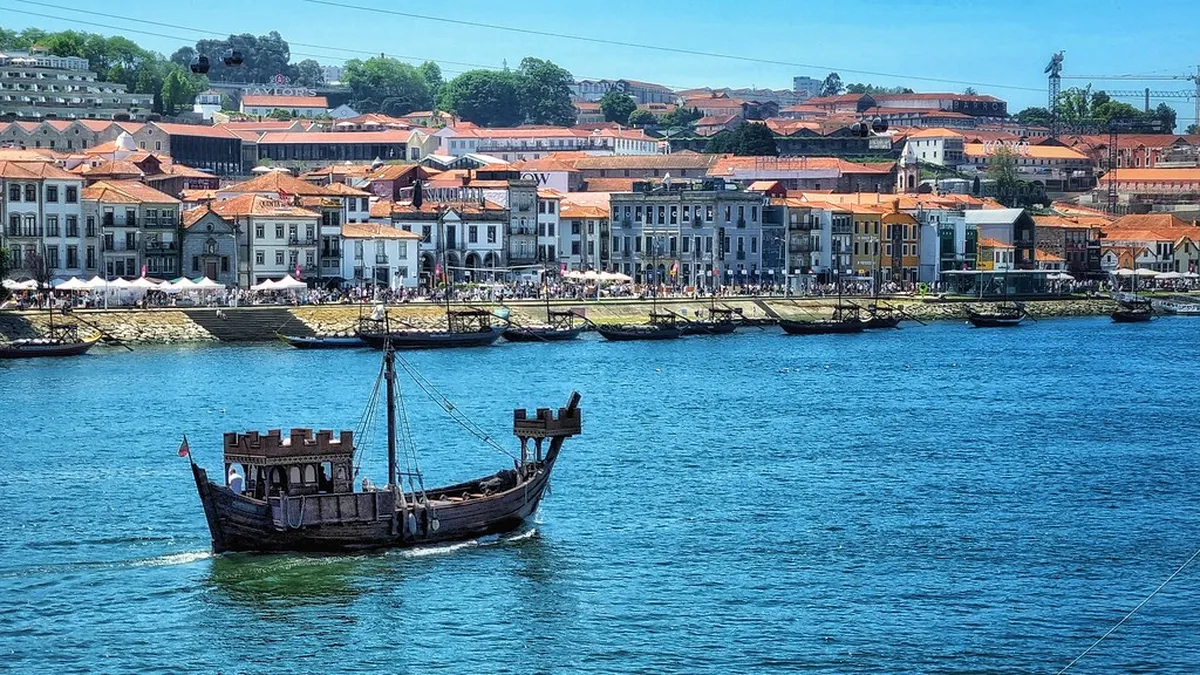
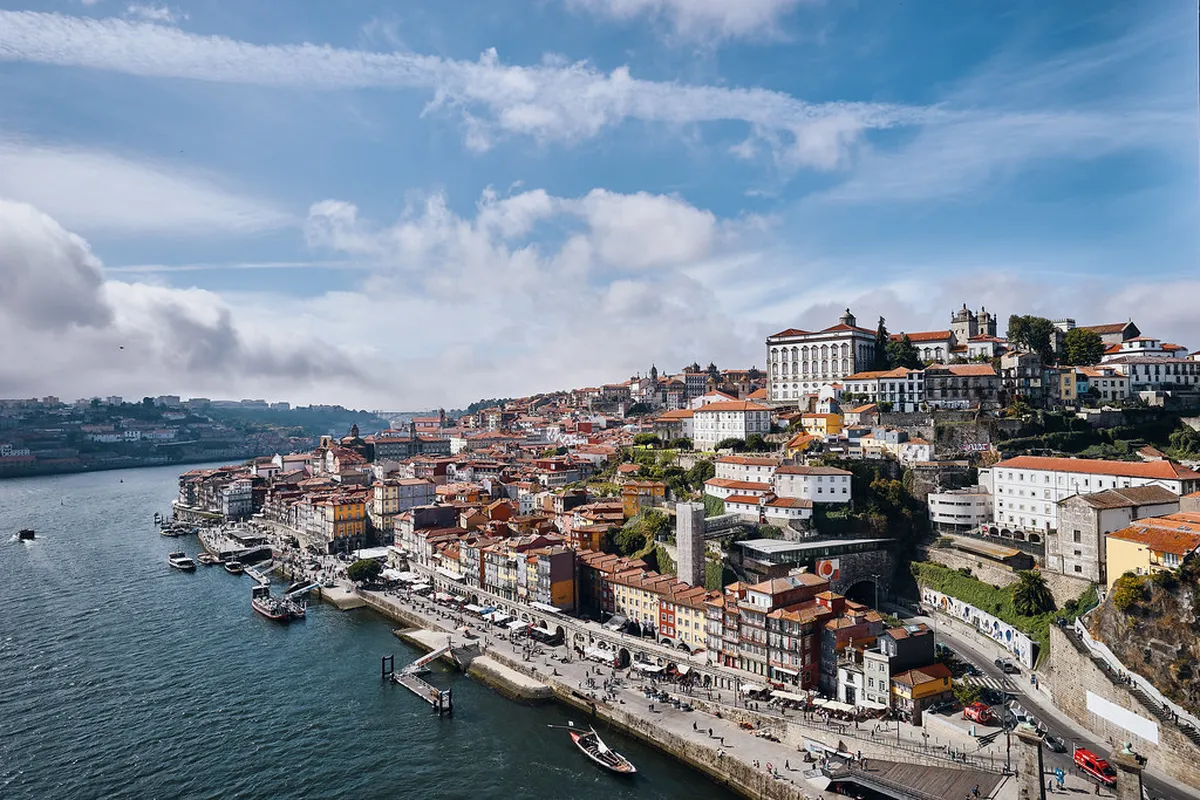
Spend the morning in the Ribeira district along the Douro waterfront: the narrow medieval lanes behind the riverside terraces are the best part of Porto and require no particular agenda. Walk west to the Sé Cathedral for panoramic views and then to São Bento station to see the entrance hall's 20,000 azulejo tiles depicting Portuguese history. Climb the Torre dos Clérigos (€8) for a 360-degree city view. In the afternoon, cross the upper level of the Dom Luís I Bridge on foot (free) — the view looking back at Porto from the Gaia side is the definitive photograph of the city. End the day with dinner in the Foz do Douro neighbourhood, about 4 km west of the centre, where Porto locals actually eat. The seafood restaurants along Avenida Montevideu are consistently better value than the Ribeira tourist traps.
Day 10: Port Wine Tasting and Foz do Douro
Spend the morning in Vila Nova de Gaia, the south-bank municipality where the port wine lodges are concentrated. The major cellars — Graham's, Taylor's, Sandeman, and Cálem — all offer 45-minute tours followed by a tasting for €15–22. Graham's has the best production tour; Cálem is the most tourist-friendly. Book ahead for late-morning slots. Our Porto Wine Tasting Guide covers every major cellar with current prices and booking links.
After the cellar visit, walk west along the Gaia riverbank to the Jardim do Morro cable car station and take the Teleférico de Gaia down to the waterfront (€6 one way). Spend the afternoon at Foz do Douro, where the river meets the Atlantic — the Praia de Molhe is swimmable in summer and the seafront esplanade is good for a long final afternoon walk. Return to Porto by metro (São Bento station, line D) for a farewell dinner in the Cedofeita neighbourhood, which has the highest concentration of non-tourist restaurants in the city.
What to Eat and Where Along the Route
Portuguese food changes markedly as you move north, and this itinerary crosses four distinct culinary regions. In the Algarve, the signature dish is cataplana — a slow-cooked seafood or pork stew made in a copper clamshell pot. Order it for two people (€30–40 total) at any restaurant away from the main beach promenades. Amêijoas à Bulhão Pato (clams in white wine and garlic) is the best €12 you will spend in Lagos. Along the Costa Vicentina, the fresh grilled fish at small tasca restaurants in Milfontes and Zambujeira do Mar costs half what you pay in the Algarve resort towns.
In the Alentejo — Évora specifically — eat migas (pork fat-soaked bread with greens), carne de porco à alentejana (pork and clams), and the local sheep's cheese Queijo de Évora, which you can buy directly from the market stalls in Praça do Giraldo. In Coimbra, try the chanfana (slow-braised goat in red wine) at a traditional tasca near the university. The Douro Valley calls for hearty food: bacalhau à lagareiro (salt cod baked in olive oil) at riverside quintas, paired with a Douro white. In Porto, the Francesinha is obligatory — a layered meat sandwich drenched in a beer-and-tomato sauce. A proper version (not the tourist-cafe version) costs €9–13 at places like Bufete Fase in Cedofeita or Café Santiago in the centre.
Extending the Trip: Sintra, Braga, and More Algarve Time
If you have 12 days, add a night in Braga between Coimbra and the Douro. Portugal's third city is undervisited by foreign tourists and has a density of baroque churches, a strong restaurant scene, and the hilltop Bom Jesus do Monte sanctuary reachable by the world's oldest hydraulic funicular. From Braga you can take a short taxi to Guimarães, the birthplace of the Portuguese nation, for a half-day visit to its castle and medieval centre.
If you have 14 days, split the Algarve section into east and west — add nights in Tavira (the most beautiful Algarve town, east of Faro) and explore the Ria Formosa natural park by ferry boat. Two extra days in the Algarve also makes a longer Rota Vicentina coastal hike possible. The Fishermen's Trail section between Odeceixe and Aljezur is 2–3 days of dramatic cliff-top walking.
Conversely, if 10 days is all you have and you find the pace too rushed, cut Tomar from day 7 and combine Évora and Coimbra as a single long driving day with a lunch stop in Beja. This reduces hotel check-ins from six different hotels to five and gives you a slower Douro Valley day without shortening the Porto segment.
Practical Travel Tips for Portugal in 2026
Portugal uses the euro (€). ATMs are widely available in all cities and most towns on this route, including Vila Nova de Milfontes and Carvoeiro. Credit cards are accepted almost everywhere, though small tascas and village petrol stations occasionally prefer cash — carry €40–60 at all times. Tipping is not obligatory but leaving 10% in restaurants is appreciated and increasingly expected in tourist areas.
Portuguese is the language and locals genuinely appreciate any attempt to use it. "Obrigado" (thank you, male speaker) or "Obrigada" (female speaker), "por favor" (please), and "faz favor" (excuse me, to get a waiter's attention) will take you far. English is widely spoken in hotels and tourist areas in all cities on this route. In rural Alentejo villages, less so. Google Translate with offline Portuguese loaded is a useful backup.
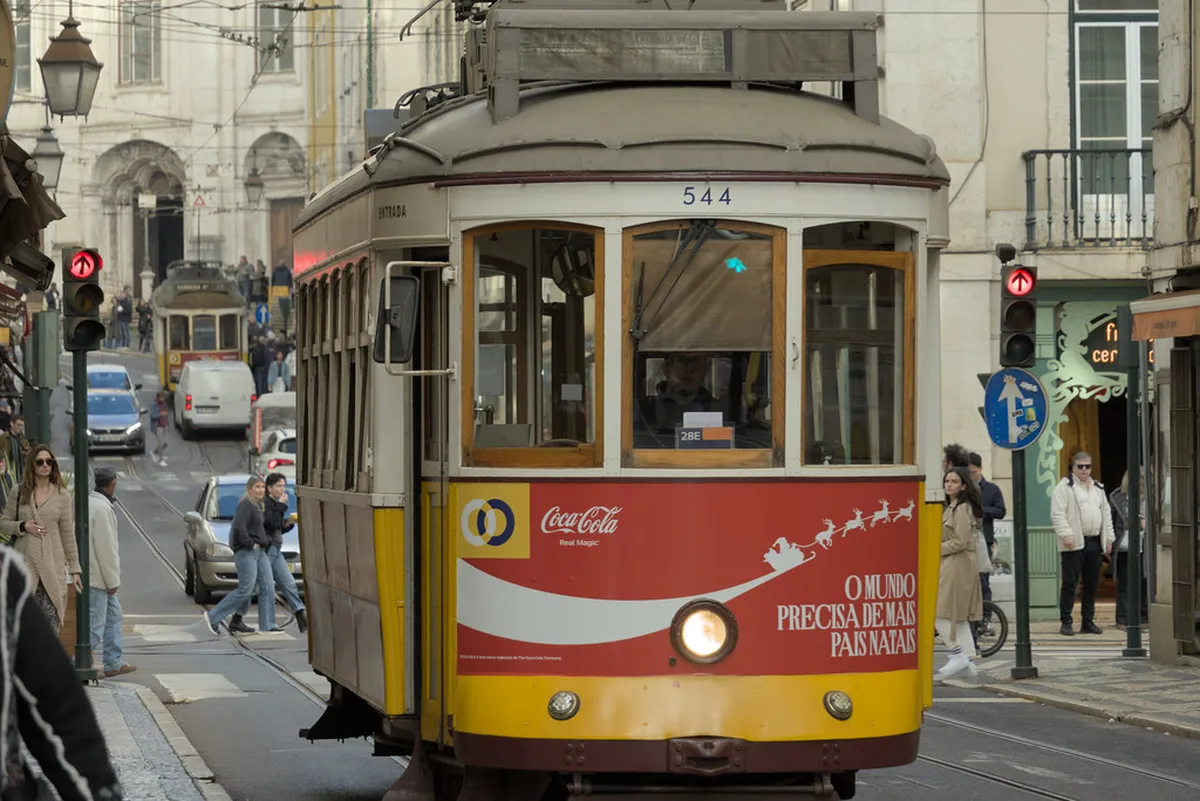
Safety is rarely a concern in Portugal — it consistently ranks in the top 10 safest countries in the world. The main precaution is standard urban pickpocketing in Lisbon (particularly on Tram 28 and in Alfama) and in Porto's Ribeira tourist strip. Use a cross-body bag and keep phones in pockets rather than hands. Driving at night in rural areas requires attention: unlit roads and occasional livestock crossings are the main hazards, not crime.
City Parking Strategy for Lisbon and Porto
You do not have a car in Lisbon on days 1 and 2, so parking is not your problem yet. On day 3, when you collect the rental car and leave for the coast, the agency handles this. The issue arises only if you drive back into Lisbon for any reason — which you should not plan to do.
In Porto on days 9 and 10, the strategy is simple: return the rental car immediately upon arrival and use the metro and taxis. If you must keep the car overnight in Porto, the Parque de Estacionamento Sá da Bandeira (underground, Rua de Passos Manuel) charges around €1.50 per hour and is a 10-minute walk from Ribeira. The Parque das Antas near the eastern metro station is cheaper for longer stays at €8–12 per day. Do not park on the streets of Ribeira — it is resident permit-only and enforcement is consistent.
At Algarve beach stops, parking lots near Ponta da Piedade and Benagil fill by 09:30 in July and August. Arrive before 09:00 or use the park-and-walk option from Lagos town centre (15 minutes on foot to the Ponta da Piedade cliff path). In Évora, the large free car park outside the city walls on Avenida Túlio Espanca is 5 minutes on foot from the Roman Temple and is free all day.
Frequently Asked Questions
Is it easy to drive in Portugal as a tourist?
Yes, driving in Portugal is generally easy on well-maintained major highways. You must be careful in narrow historic city centers where streets are very tight. Always use a GPS and secure a toll transponder for the best experience.
How much does a 10-day Portugal road trip cost?
A mid-range trip typically costs between $1,500 and $2,500 per person. This includes car rental, fuel, tolls, boutique hotels, and daily local meals. You can save money by eating at local tascas and booking flights early.
Should I rent a car in Lisbon or Porto?
I recommend renting your car in Lisbon as you head south to the Algarve. You do not need a car while staying in Lisbon or Porto city centers. This strategy saves you money on rental days and expensive city parking fees.
This 10 day portugal road trip itinerary offers a balanced look at the country. You will see everything from royal palaces to rugged Atlantic coastal cliffs. Portugal is a welcoming country with incredible food and a very rich history. I hope this guide helps you plan an unforgettable driving adventure through Iberia. For the complete route overview, see our Portugal road trip itinerary guide.