Things To Do In Coimbra Travel Guide
Plan things to do in coimbra with top picks, neighborhood context, timing tips, and practical booking advice for a smoother trip.
On this page
Things To Do In Coimbra
Coimbra is a historic city that served as the medieval capital of Portugal.
It sits halfway between Lisbon and Porto on the banks of the Mondego River.
The city is most famous for its ancient university and unique musical traditions.
Travelers often find that the steep streets lead to incredible hidden gems.
Key Takeaways
- Book your University and Joanina Library tickets online to secure a time slot.
- Wear comfortable walking shoes for the steep, cobblestone streets of the old town.
- Experience a live Fado performance to connect with the city's unique musical soul.
Must-See Coimbra Attractions
The University of Coimbra is the top site for any visitor to explore. It was founded in 1290 and remains one of the oldest universities in the world. The campus occupies the former Royal Palace at the highest point of the city and dominates the skyline. Check out this university visitor guide for ticket details and entry times.

The Joanina Library is a masterpiece of Baroque design located within the university. Built in the early 18th century, it houses more than 70,000 historic volumes behind gilded wood and painted ceilings. A resident colony of bats protects the books by feeding on insects at night. Visitors must follow strict time slots to protect the delicate environment, so book in advance. Read more about the Coimbra library to plan your specific entry window.
The Joanina Library operates strict timed-entry slots to protect its 70,000 historic volumes. Book your ticket online before you arrive, as walk-in availability is very limited, especially in peak season.
You should also discover Coimbra's own brand of fado music during your stay. Unlike the fado in Lisbon, Coimbra fado is traditionally sung only by men, usually in black academic capes. The lyrics are often about love for a woman, university life, or politics. Fado ao Centro on Rua Quebra Costas 7 runs daily performances at 18:00 — book ahead as it fills quickly.
The Mondego River provides a scenic backdrop for evening walks along the water. You can cross the Pedro e Inês bridge for great skyline views. This pedestrian bridge features colorful glass panels that glow in the sun. It is a perfect spot for photography as the city lights come on.
UNESCO World Heritage Coimbra
The University of Coimbra received full UNESCO World Heritage status in 2013 — one of only a handful of universities in the world to earn this designation. The listing covers the entire Alta district at the top of the hill, including the Royal Palace, the Joanina Library, the Chapel of São Miguel, and the 16th-century São Sebastião aqueduct. A practical tip: walk up alongside the aqueduct rather than climbing the monumental staircase on Rua Oliveira Matos — it is noticeably less steep.
Rua Sofia, the long avenue linking the lower town to the university, is also part of the UNESCO designation. When religious orders were abolished in the 19th century, several former convent buildings along this street were folded into the university. Walking its length puts you past the Monastery of Santa Cruz, the Sé Velha, and the Palácio de Sub Ripas in a single route.
One of Coimbra's most distinctive living traditions tied to the university is the Repúblicas. These are communal student houses with centuries-old self-governing customs that no university rulebook has ever fully replaced. More than 20 remain active today, identifiable by their hand-painted signs and eccentric facades in the old town. You cannot enter, but spotting them is free and gives you a genuine sense of student Coimbra that museum tickets cannot provide.
The Chapel of São Miguel, included with the university ticket, is worth slowing down for. The azulejo panels, gilded details, and Baroque organ inside are exceptional. Many visitors rush past it on the way to the library, which is a mistake.
Museums, Art, and Culture in Coimbra
The Museu Nacional Machado de Castro is a premier cultural destination in the city. It is built over an ancient Roman cryptoportico that you can still walk through — the cool underground tunnels are 2,000 years old and genuinely atmospheric. Important for 2026 visitors: the museum is currently closed for conservation and renovation works and is expected to reopen in June 2026. Check the museum website before planning your visit, as this affects a major chunk of the itinerary.
The Museu Nacional Machado de Castro and the Santa Clara-a-Velha Convent are both closed for renovation works in 2026. Confirm the current opening status on their official websites before finalizing your itinerary.
The Círculo de Artes Plásticas de Coimbra focuses on contemporary art styles and hosts rotating exhibitions from local and international artists. Entry is often free or very low cost. The Edificio Chiado on Rua Ferreira Borges 85 is another easy stop: the ground floor hosts free temporary exhibitions inside a beautifully decorated former department store, and the upper floors cost only a couple of euros.
Casa Museu Bissaya Barreto, opposite the botanical gardens just before the Arcos de São Sebastião, is undervisited and worth the detour. The former home of a prominent university professor conceals a walled garden full of sculptures and azulejos behind a high white wall. Even if you skip the furnished interior, the garden alone justifies the stop.
The Science Museum of the University of Coimbra offers a different cultural perspective. It contains a massive collection of 18th-century scientific instruments and natural history specimens. The historic laboratory looks much like it did hundreds of years ago. Students and families often enjoy the interactive displays in the newer wing.
What to See in Coimbra: Religious Monuments
The Sé Velha, or Old Cathedral, is a stunning Romanesque monument that looks more like a fortress than a church with its thick defensive walls. Construction began in the 12th century when Coimbra was the capital of a new frontier kingdom. The carved stonework around the main doorway is characteristic of the Romanesque period, while side doorways added in the 16th century show the later Renaissance style. Pay the small entrance fee to see the Seville tiles, Gothic altarpiece, and the tomb of Sisnando Davides, the first Governor of Coimbra.
The Monastery of Santa Cruz is the final resting place of Portugal's first two kings, including Afonso Henriques who made Coimbra his capital. It sits in the heart of the lower town near the main square at Praça 8 de Maio. The facade is a masterpiece of Manueline architectural style, and the interior features intricate tile work and carved wood. When you are done, the Café Santa Cruz next door occupies a medieval space and is one of the oldest and most atmospheric cafes in the city.
Jardim da Manga is a unique Renaissance structure behind the Santa Cruz Monastery, built in 1528. It features several yellow domes and water channels in a circular layout. This photo by GFreihalter shows the striking design. Legend holds that King João III sketched the plan for its ornamental fountain on his sleeve during a visit.

Across the river, the ruins of Santa Clara-a-Velha Convent tell a story of repeated Mondego flooding and eventual abandonment in the late 1600s. The monastery is currently closed for renovation works in 2026, so check the official website before visiting. When open, the excavated ruins and Gothic stonework are well worth the crossing.
Parks, Gardens, and Outdoor Spots in Coimbra
The Botanical Garden of the University of Coimbra is a peaceful sanctuary. Founded in 1772, the gardens contain several highlights: Lime Tree Avenue at the upper level, a renovated greenhouse, a massive strangler fig, and a bamboo grove lower down. A path connecting the upper and lower gardens has been recently restored, making it possible to walk from the university down to the city walls and an old cistern. The iron gates and tiered fountains make the whole space feel like a secret world away from the steep tourist streets.

Parque Verde do Mondego, known locally as the Green Park, is the city's main outdoor gathering place. A giant green bear sculpture is the most photographed landmark here. You can rent bikes and pedalos, or walk across the glass-sided Pedro and Inês bridge for river views. The riverside bars and restaurants on the Docas esplanade are a good spot for coffee in the afternoon.
Mata Nacional do Choupal is an 80-hectare riverside forest planted in the late 18th century to control Mondego flooding. Today it serves as Coimbra's most popular local escape, with shaded walking and cycling trails beneath poplars and willows. It is particularly popular with runners and families but rarely feels crowded. Without a car, the easiest way to reach it is by Uber or taxi from the city center.
Penedo da Saudade is a rocky hillside garden with panoramic views over the eastern city and surrounding hills. Originally called Stone of the Winds, it became a gathering place for academics and alumni who carve poems dedicated to Coimbra into stone tablets. This view captured by Joehawkins shows the scenic overlook. The garden is especially atmospheric in late afternoon light.

Quinta das Lágrimas is perhaps the most romantic spot in all of Portugal. It is the site of the legendary love story of Pedro and Inês de Castro — the Fonte dos Amores, shown here by Vitor Oliveira from Torres Vedras, PORTUGAL, is where they reportedly met in secret. The gardens are part of a luxury hotel but remain open to the public for a small fee.
.jpg)
Other Things to See in Coimbra
The Municipal Market on Rua Olímpio Nicolau Rui Fernandes is open Monday to Saturday from 07:00 to 19:00 and is one of the most rewarding free stops in the city. The exterior wall opposite the entrance features hand-painted tile panels depicting Coimbra's historic buildings — a useful overview if you are still planning which monuments to visit. Inside, fresh produce stalls spread over two levels, and the Praça da Restauração food hall on the upper floor serves a hot lunch. Go before noon while the fresh fish is still on display.
The Patio da Inquisição is a quiet square in the old town that most visitors walk past without a second thought. In the 16th century it served as the headquarters of the Inquisition Court. An uneven stone near one corner is believed to be the beheading block. An archway leads to partially excavated former jail cells. There is no entry fee and no interpretation signs — just a small, sobering piece of history that almost no one on a standard itinerary visits.
The Almedina Arch and the Barbican gate on Rua Ferreira Borges give you the clearest surviving sense of Coimbra's medieval fortifications. The arch was once the main entrance to the walled city, and the narrow alley through it climbs steeply toward the university. Follow a Coimbra old town walking guide to connect these fragments into a coherent route through the historic center.
A traditional Serrana boat trip on the Mondego is a genuinely different way to see the city. These flat-bottomed wooden boats were once used for river trade. Short sightseeing cruises run from the riverbank near Parque Verde and offer views of the university skyline and riverside parks from an angle you cannot get on foot. On a hot afternoon, the river breeze makes it particularly welcome.
Family-Friendly and Budget-Friendly Options in Coimbra
Portugal dos Pequenitos is a famous theme park designed for children. It features miniature versions of Portuguese monuments and traditional houses sized so that kids can actually walk inside and explore. This park has been a family favorite since it opened in 1940 and is arguably the single most recognizable attraction in Coimbra for Portuguese families. Allow two to three hours and combine it with a walk along the riverbank afterward.
Ciência Viva de Coimbra is a modern interactive science center just outside the city center that works well for children who have had enough of medieval architecture. It covers nature and astronomy in a hands-on format. Less known to foreign tourists than Portugal dos Pequenitos, it is usually much less crowded.
Many of the best things to do in Coimbra are free. You can join a free walking tour starting at Largo da Portagem near the river — tipping the guide is expected but the information is valuable and the route covers key monuments efficiently. The Municipal Market, the Patio da Inquisição, the Repúblicas spotting, and the Botanical Garden (free entry) all cost nothing. Eating on a budget is easy if you follow students to the side streets and look for the prato do dia — a plate of the day usually under €10.
The public elevators connecting the lower town to the university hill are cheap and save significant energy. A single ride on the Elevador do Mercado costs very little and delivers you to the upper city with views over the rooftops. Check out the best restaurants in Coimbra for student-friendly dining spots within this neighborhood.
Getting to Coimbra
Coimbra sits almost exactly halfway between Lisbon and Porto, which makes it one of the easiest Portuguese cities to slot into any north-south itinerary. By fast train, the Alfa Pendular service takes about 1 hour 45 minutes from Lisbon (tickets €13–€26) and 1 hour from Porto (tickets €9–€20). From Lisbon there are more than 20 daily departures between 06:00 and 22:00. Most long-distance trains arrive at Coimbra-B station on the outskirts — you then take a short local train or bus into the city center.
The bus is cheaper and sometimes faster door-to-door. Rede Expressos and FlixBus both serve the Lisbon–Coimbra and Porto–Coimbra routes with tickets from €3 to €10. Lisbon to Coimbra takes about 2.5 hours by bus; Porto takes about 1.5 hours. If you are travelling on a tight budget and do not mind the terminal location, this is the most economical choice. Read the full breakdown on Lisbon to Coimbra travel options here.
By car, Coimbra sits directly on the A1 highway and is straightforward to reach from either direction. On arrival, free parking is available near the Avenida Marginal and by Parque do Choupalinho. Paid garages are also available in the Baixa section. Having a car is worthwhile if you plan to visit nearby destinations like Bussaco Forest, the Schist Villages, or Serra da Lousã, which are impractical to reach by public transport. Renting a car is the most practical way to reach them, and the official Centro de Portugal tourism board maps out the wider region if you continue your journey north from Coimbra to Porto when ready.
How to Plan a Smooth Coimbra Attractions Day
A successful day in Coimbra requires a bit of strategic planning around the hill. Start at the top — walk up alongside the São Sebastião aqueduct rather than the monumental staircase on Rua Oliveira Matos, which is far steeper. Most major sites open by 09:00 during peak season. Tackle the Joanina Library and university complex first while your legs are fresh, then work your way down through Rua Sofia and the old town toward Baixa.
Lunch fits naturally in the lower town between noon and 14:00. The Baixa area around Praça 8 de Maio and Praça do Comércio has the best range of traditional restaurants. Try the local Chanfana (slow-cooked marinated goat) or Leitão à Bairrada (roast suckling pig) if you see them on the board. Zé Manel dos Ossos is a neighborhood institution where you can eat for around €5 a person.
One thing most itineraries miss: Coimbra's energy changes dramatically by day of week. During the week the streets fill with students and the city buzzes. On weekends when there are no classes — and especially in summer — many students leave for their hometowns and the city takes on a quieter, more serene character. If you want atmosphere and nightlife, visit mid-week. If you want easier access to the main sites without crowds, a weekend works well. Plan accordingly.
Finish your day by watching the sunset from the riverbank at Parque Verde or the Docas esplanade. The golden light on the university buildings is a reliable reward after a long day of climbing. Many locals gather here in the cooler evening air, and an evening fado show at Fado ao Centro at 18:00 caps the day perfectly.
Expert Guidance for Planning a Trip to Portugal
Planning a trip to Portugal requires some knowledge of the local rhythm. Lunch is served between 12:30 and 14:30 across the country, and dinner starts later than in Northern Europe — usually after 19:30. Many smaller shops may close for a few hours mid-afternoon. In Coimbra specifically, some venues reduce hours outside university term time, so check ahead if you are visiting in summer.
The train system is the most efficient way to travel between major cities. Book tickets on the CP website in advance, especially for the Alfa Pendular fast service. Always validate your ticket before boarding at regional stations to avoid heavy fines. For more on how to structure your time in central Portugal, the Portugal Wander blog covers itineraries for different lengths of stay.
Learning a few basic Portuguese phrases goes a long way. Most people in the tourism industry speak excellent English. However, a simple obrigado (thank you) or por favor (please) is always appreciated. It signals respect for local culture and usually produces a warmer response from staff at smaller cafes and shops.
Keep some cash for small purchases in local markets. While most places accept cards, smaller cafes may have a minimum charge. ATMs are widely available and called Multibanco machines — they allow multiple banking tasks and are generally reliable. For 2026 travel, also confirm the current opening status of the Machado de Castro museum and Santa Clara-a-Velha before finalizing your plan, as both are undergoing renovation.
Frequently Asked Questions
Where is Coimbra?
Coimbra is located in central Portugal, about 200 kilometers north of Lisbon. It sits on the banks of the Mondego River. You can find more details on where is Coimbra to help plan your route.
How many days do you need in Coimbra?
Two days are usually enough to see the main attractions like the university and old town. If you want to take day trips to nearby villages, plan for three days. This allows for a more relaxed pace.
What should you do in Coimbra?
You should visit the University of Coimbra, explore the Joanina Library, and listen to traditional Fado. Walking through the medieval old town is also a must. These activities cover the city's best history and culture.
When should you go?
Spring and fall offer the best weather for walking the steep streets. Summer can be very hot, while winter is often rainy. April and May are particularly beautiful when the gardens are in bloom.
Where should you eat and drink?
The lower town or Baixa area has the best variety of traditional restaurants. Look for places near Praça do Comércio for authentic local dishes. Try the local wine and the famous Santa Clara pastries.
Coimbra offers a unique blend of academic history and romantic legends.
From the heights of the university to the riverbanks, there is much to see.
Planning your visit in advance will help you make the most of your time.
Enjoy your journey through one of the most historic cities in Portugal.
Explore More Coimbra Guides
Deep-dive guides for planning a Coimbra trip — the university and its baroque library, the old town, day trips, where to eat, and how to get there by train.
Attractions & Experiences
- University Of Coimbra Visitor Guide Travel Guide
- Biblioteca Joanina Coimbra Library Guide Travel Guide
- Coimbra Old Town Walking Guide: 2-Day Travel Itinerary
Food & Drink
Day Trips & Itineraries
Practical & Transport
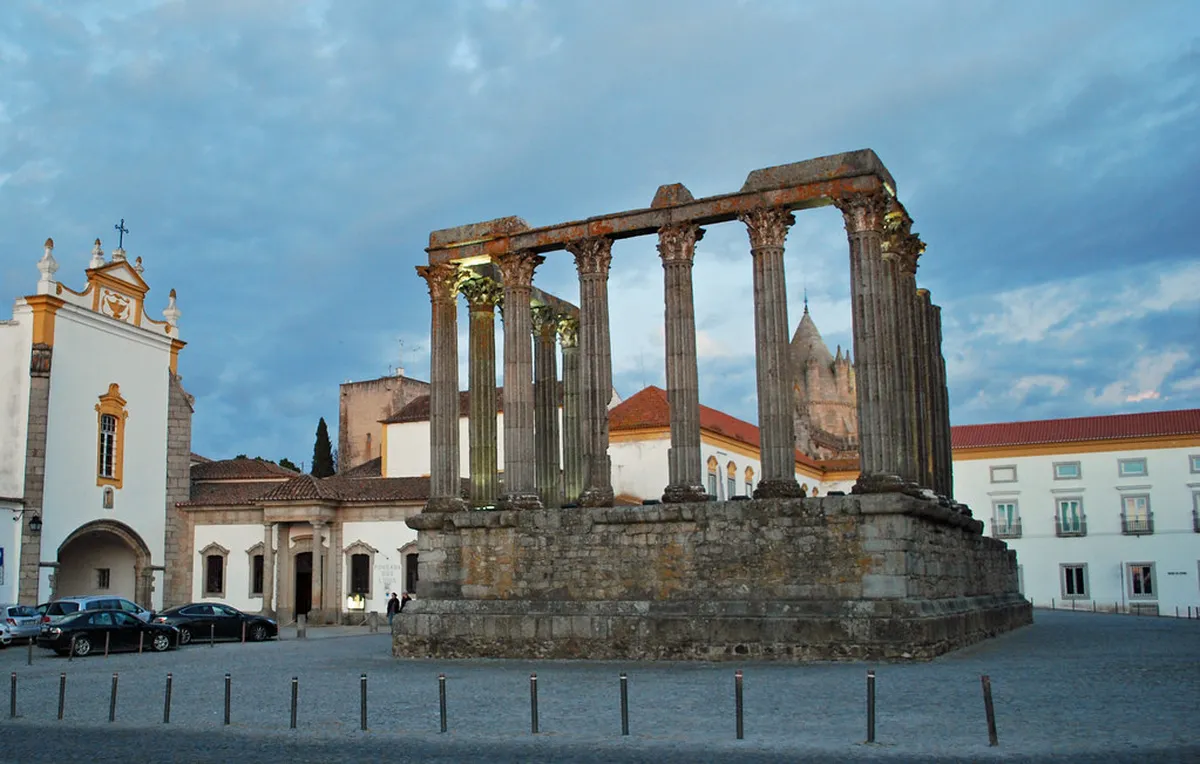 Roman Temple of Évora (Temple of Diana) GuideJune 8, 2026
 11 Best Things to Do in Évora, Portugal (2026)June 8, 2026