Lisbon to Porto Road Trip: 10 Best Stops and Driving Route
Discover the ultimate Lisbon to Porto road trip itinerary. Explore 10 scenic stops including Nazaré, Óbidos, and Coimbra, plus essential driving tips and toll info.
On this page
3-Day Lisbon to Porto Road Trip: 10 Best Stops and Driving Route
Driving from Lisbon to Porto is one of the best road trips in Europe. The Silver Coast route takes you through medieval walled villages, Gothic monasteries, and Atlantic surf towns. Most travelers skip straight from city to city on the A1 and miss everything worth seeing. This guide covers 10 stops across a 3-day itinerary, plus the logistics you need to make it work in 2026.
The direct highway from Lisbon to Porto covers around 315 km and takes about 3 hours nonstop. On the scenic A8 coastal route with stops, plan for two full driving days. The extra time is worth it. You will cover UNESCO heritage sites, try regional food that doesn't exist outside its hometown, and arrive in Porto with far more context for what makes Portugal distinct from the south to the north.
For a broader overview of the country by car, see our 10 Essential Sections for a Portugal Road Trip Itinerary guide. This article focuses specifically on the Lisbon to Porto corridor via the Silver Coast.
A1 vs. A8: Which Route Should You Take?
The A1 is the fastest option. It runs inland and connects Lisbon to Porto in around 3 hours without stops. It is the sensible choice if you are transiting between cities and plan to sightsee from Porto as your base. Toll costs on the A1 from Lisbon to Porto run approximately €20–22 for a standard car in 2026.
The A8 is the scenic coastal route. It branches northwest from Lisbon and follows the Silver Coast through Óbidos, Nazaré, and Peniche before rejoining the A17 toward Coimbra and Aveiro. If you are stopping at any of the towns in this guide, the A8 is the natural spine of your itinerary. Allow 3 to 4 hours of pure driving time spread across two days, excluding stops.
The practical answer: take the A8 heading north, then jump onto the A1 or IP1 for the final push from Coimbra to Porto if you need speed. Most travelers on a 3-day trip do exactly this. The A8 is not significantly slower per kilometer, but there are more junctions and roundabouts through coastal towns.
- A1 direct: ~3 hours, ~€21 in tolls, inland scenery, best for travel days
- A8 coastal: ~3.5–4 hours driving, lower per-km toll cost, access to all Silver Coast stops
- Mixed route: A8 north to Coimbra, then A1/IP1 Coimbra to Porto — the default for road trippers
Portugal's toll system charges separately for the A1 and A8. If your rental car has a Via Verde transponder (highly recommended), tolls are debited automatically. Without it, pay at manual lanes with card or cash to avoid being invoiced later with admin fees.
| Stop | From Lisbon | Stop Duration | Overnight? | Top Reason to Visit |
|---|---|---|---|---|
| Óbidos | 80 km / 1h | 1.5–2h | Optional | Medieval walled village + Ginja chocolate cups |
| Peniche | 100 km / 1.5h | 2–3h | No | Fresh seafood + Berlengas Islands access |
| Nazaré | 115 km / 1.5h | 2–3h | No | Giant waves viewpoint + lighthouse museum |
| Batalha | 135 km / 1.75h | 1.5–2h | No | Gothic monastery + Unfinished Chapels |
| Tomar | 140 km / 1.75h | 2.5–3h | Optional | Convent of Christ + Knights Templar history |
| Coimbra | 200 km / 2.25h | Half day–full day | Recommended | Joanina Library + oldest university + Fado music |
| Aveiro | 255 km / 2.75h | 2–3h | Optional | Canal boat rides + Art Nouveau architecture |
| Porto | 325 km / 3.5h | 2+ days | Recommended | Ribeira riverfront + port wine cellars |
Óbidos: The Medieval Walled Wedding City
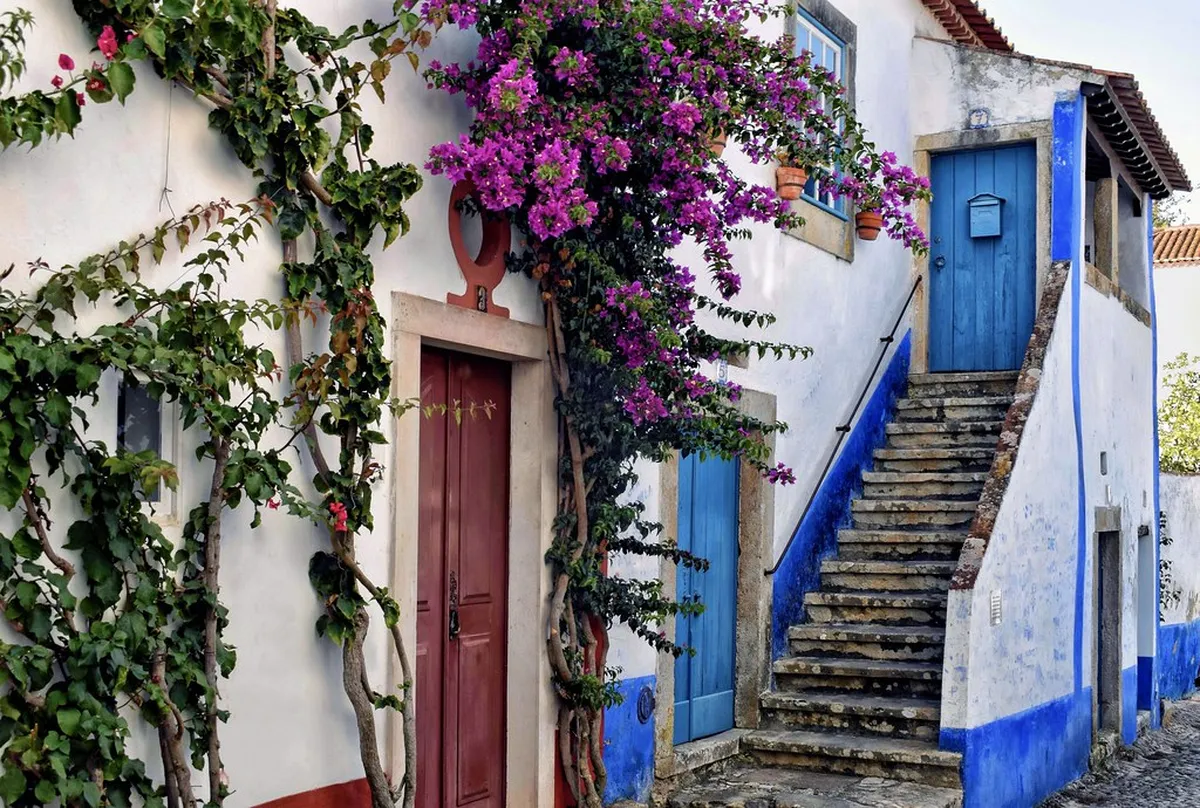
Óbidos sits about 80 km north of Lisbon, a 65-minute drive via the A8. In 1282, King Dinis gave the town to Queen Isabel as a wedding gift, a tradition that continued for centuries. Today it is one of the best-preserved medieval villages in Portugal and completely walkable within two hours. The whitewashed houses with yellow and blue trim look like a film set, but this is a living town with around 3,000 residents.
Walk the top of the fortified walls for a full circuit of the village. The ramparts are wide enough to walk without a barrier in most sections, though there are drops, so watch children carefully. The castle at the far end of the village is now the Pousada Castelo de Óbidos — one of the few places in Portugal where you can sleep inside a 14th-century castle.
Before you leave, buy Ginja. This cherry liqueur is sold throughout Portugal, but in Óbidos it is served in a small chocolate cup that you eat after drinking. It costs around €1.50 and is one of the more memorable small pleasures of the Silver Coast. You will find sellers at stalls along the main street, Rua Direita.
- Distance from Lisbon: 80 km, about 65 minutes on the A8
- Time needed: 1.5 to 2 hours
- Parking: Large free lot outside the Porta da Vila gate — do not attempt to drive inside the walls
- Top sight: Wall walk and Porta da Vila entrance gate with azulejo tiles
Óbidos walls are open year-round from dawn to dusk, but arrive before 10:00 AM in July and August to avoid crowds of tour groups. The ramparts get slippery when wet, so wear shoes with good grip if rain is forecast.
Peniche: Surf, Seafood, and Scenic Cliffs
Peniche is 20 km west of the A8 on a peninsula that juts into the Atlantic. The detour takes about 25 minutes from Óbidos and is worth it for seafood alone. The town has one of the most active fishing ports on the Silver Coast. Lisbon chefs regularly drive up to source fish directly from the market here — caldeirada (fish stew) and grilled sea bass are both exceptional.
Peniche is also the main access point for the Berlengas Islands, a protected nature reserve 12 km offshore. In summer (June to September), ferries run daily and take about 45 minutes each way. The island has a 17th-century fort, clear water for snorkelling, and trails around the rocky coastline. Visitor numbers are capped to protect the ecosystem — book the ferry well in advance for July and August dates.
For surfers, Supertubos beach just south of town hosts the World Surf League's Portugal Pro each October. Even outside competition season, the beach break here is consistent and attracts intermediate to advanced surfers. Beginners will find calmer conditions at Baleal beach 5 km north of town.
- Distance from Óbidos: 20 km, about 25 minutes
- Time needed: 2 to 3 hours, or a full day if going to Berlengas
- Parking: Large waterfront lot near the fish market, generally free
- Top sight: Berlengas Islands ferry trip or Supertubos beach
Nazaré: Home to the World's Biggest Waves
Nazaré sits about 90 minutes from Lisbon via the A8. The town has two parts: the lower praia (beach) and the upper Sítio, connected by a paid funicular (around €1.20) or a free footpath. The lower half is a half-moon bay with striped beach huts in summer and traditional fish-drying racks in autumn. The upper part is where the famous surf action unfolds.
The Forte de São Miguel Arcanjo lighthouse sits at the edge of the Sítio cliff and is the epicenter of the big wave phenomenon. Entry costs €2 and includes a small museum with surfboards, photographs, and video footage of the record-breaking swells. The waves are driven by the Nazaré Canyon, an underwater gorge 5 km deep that funnels Atlantic swells into concentrated walls of water. The record wave at Nazaré was surfed at over 26 metres.
Wave season runs from October through March. Summer visits are pleasant for the beach but the ocean is calm — the canyon only activates under heavy Atlantic storm swells. If big waves are your reason for visiting, check the surf forecast for NW swells above 4 metres at 16+ seconds period before driving to Nazaré. Arrive before 09:00 to beat the coach tours at the lighthouse viewpoint.
- Distance from Lisbon: ~115 km, about 90 minutes on the A8
- Time needed: 2 to 3 hours
- Parking: Pay lot near the funicular in the Sítio, or free along the promenade below
- Top sight: Lighthouse viewpoint (€2 entry) and Sítio cliff in big-wave season
Tomar: Following the Knights Templar Legacy
Tomar is an inland detour from the A8, about 90 minutes from Lisbon via the A1/IC3. It is the least-visited major stop on this route and arguably the most historically significant. The Knights Templar chose this hilltop in 1160 to build their Portuguese headquarters. What followed over the next 500 years was one of the most architecturally layered buildings in Portugal.
The Convent of Christ is a UNESCO World Heritage Site that contains at least eight distinct architectural styles stacked on one site — from the 12th-century Romanesque Charola (the original Templar church modelled on the Church of the Holy Sepulchre in Jerusalem) to Manueline cloisters added during Portugal's age of exploration. The most photographed detail is the Manueline window on the Chapter House, a carved stone composition of maritime ropes, coral, and armillary spheres that is considered one of the finest examples of that decorative style anywhere.
Entry costs €6 per adult. Allow at least 90 minutes inside. The site sits above a well-maintained park with the Rio Nabão running through it. Tomar's town center below the hill has several good lunch options near the central praça. This stop works well on Day 2 of the itinerary before continuing to Coimbra.
- Distance from Lisbon: ~140 km, about 90 minutes via A1/IC3
- Time needed: 2.5 to 3 hours including lunch in town
- Parking: Free lot at the base of the convent hill
- Top sight: Convent of Christ Charola and Manueline window (€6 entry)
Batalha: The Gothic Masterpiece of Batalha Monastery
Batalha Monastery is one of the finest Gothic buildings in Iberia and a mandatory stop if you care about architecture. Built to honour a 1385 military victory over Castile, it took over 150 years to complete and was never fully finished — intentionally. The Capelas Imperfeitas (Unfinished Chapels) at the rear of the building were commissioned by King Duarte but left open to the sky when construction halted. The incomplete arches and doorway remain as Portugal's most hauntingly beautiful ruin.
Entry costs €6 per adult. The main cloister, the Royal Pantheon, and the Founder's Chapel are all included. The monastery is generally open 09:00 to 18:00 daily, with last entry at 17:30. In summer, queues at the ticket desk can stretch 30 to 45 minutes. Buying tickets online at patrimoniocultural.gov.pt eliminates the wait.
Parking is the one logistical challenge here. The main car park on the west side of the monastery is sized for regular cars but fills fast in summer. Large campervans and motorhomes struggle with the low-clearance section near the entrance. If you are driving a larger vehicle, use the secondary parking area on the N356 road toward Leiria, about 400 metres from the main gate.
- Distance from Nazaré: ~20 km, about 20 minutes inland via IC9
- Time needed: 1.5 to 2 hours
- Parking: Main lot west of the monastery (tight for large vehicles); secondary lot on N356
- Top sight: Unfinished Chapels (Capelas Imperfeitas) — free to view from outside if the gate is open
Coimbra: History at Portugal's Oldest University
Coimbra was Portugal's capital from 1131 to 1255 and still carries that weight. The University of Coimbra, founded in 1290, sits on a hilltop above the city in a former royal palace. Entry to the university circuit — which includes the Joanina Library, the baroque chapel, and the examination room — costs around €12 per adult in 2026. The Joanina Library operates timed entry slots and sells out weeks ahead in July and August. Book online at uc.pt well before your visit.
The library itself is remarkable. Three floors of gilded shelving hold around 300,000 books. The building hosts a colony of bats that emerge at night to eat the insects that would otherwise damage the manuscripts. Staff place leather mats on the 17th-century tables each evening to protect them from bat droppings — a detail that surprises most visitors and explains why the library only allows access in timed groups of 20 to 30 people.
Coimbra also has its own distinct Fado tradition. Fado de Coimbra differs from Lisbon Fado in one key respect: it is sung exclusively by men, specifically current and former university students. The tone is more poetic and melancholy than Lisbon's style. Several restaurants in the university district host live performances in the evenings. If you are spending the night in Coimbra, this is the best version of a Fado dinner available outside Lisbon.
- Distance from Batalha: ~55 km, about 45 minutes via A1
- Time needed: Half a day minimum; a full day if you want the evening Fado experience
- Parking: ZER (restricted vehicle zone) covers the upper city — use Parque de Estacionamento Mercado Municipal below the hill (~€1.20/hour)
- Top sight: Joanina Library and old university courtyard (book ahead)
Aveiro: The "Venice of Portugal" and Art Nouveau
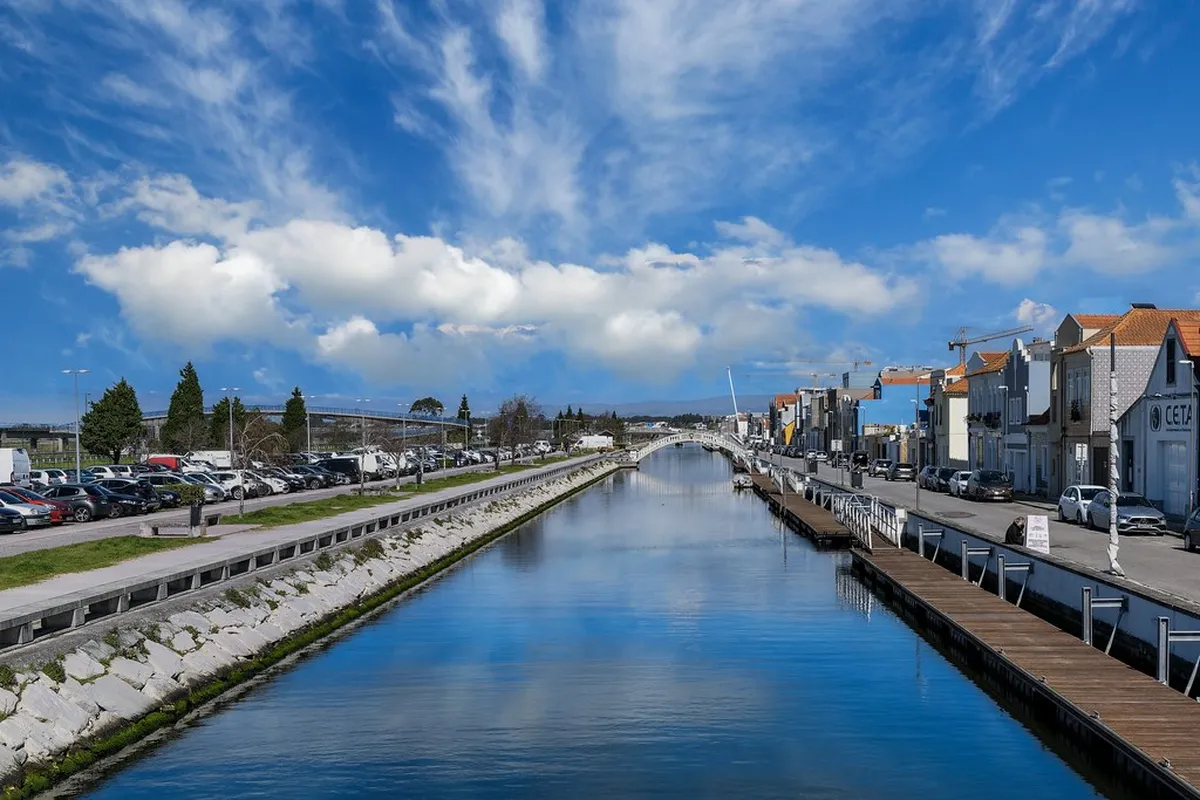
Aveiro is about 55 minutes north of Coimbra via the A1. The comparison to Venice is used loosely — Aveiro is a compact university city with a network of canals running through its historic center, and the moliceiro boats that cruise them were traditionally used to harvest seaweed from the Ria de Aveiro lagoon. Today they ferry tourists along the central canal for about €15 per person on a 45-minute circuit. It is one of the more charming short boat rides in Portugal.
The city's Art Nouveau architecture is concentrated along the canal and in the streets between the train station and the central market. Several buildings have been painted in pastel blues, pinks, and yellows with elaborate tile facades. An official Art Nouveau trail links the 12 most significant buildings and takes about an hour on foot. Pick up the trail map at the tourist office near the canal.
Ovos Moles are the essential Aveiro food purchase. These small sweets consist of egg yolk and sugar paste folded into a thin rice-wafer shell shaped like a fish, shell, or barrel. They were originally made by nuns from the convent of Jesus in the 16th century. The best-known producer is Peixinhos near the central market, though several shops along the canal sell good versions. Expect to pay around €8 for a box of 12 — they travel well and last several days.
- Distance from Coimbra: ~55 km, about 55 minutes via A1
- Time needed: 2 to 3 hours
- Parking: Paid lots near the train station or along the canal periphery (~€1/hour); the canal zone itself is pedestrianised
- Top sight: Moliceiro boat ride (€15) and Costa Nova striped houses 8 km west by car
The Foodie Route: Eating Your Way from Lisbon to Porto
Each stop on this drive has a specific food you can only eat properly in one place. In Óbidos, it is Ginja in a chocolate cup. In Peniche, it is caldeirada de peixe from one of the port-side restaurants that sources the catch that morning. Nazaré is the place for dried and salted fish — look for the racks of drying polvo (octopus) and salted cod hanging outside the market stalls near the beach.
Between Coimbra and Aveiro on the A1, the town of Mealhada is the home of Leitão à Bairrada — suckling pig roasted over wood until the skin blisters and cracks. Several roadside restaurants along the N234 in Mealhada serve it for lunch from noon. The most famous names are Pedro dos Leitões and A Carne de Porco à Alentejana. A full lunch for two including wine runs around €30–40. This is one of Portugal's most specific regional dishes and is worth the 15-minute detour off the A1.
In Aveiro, finish with Ovos Moles before pushing on to Porto. By the time you arrive in Porto's Ribeira, you will have eaten six distinct regional foods across three days — a more authentic introduction to Portuguese cuisine than any restaurant tour in Lisbon or Porto alone can provide.
End in Porto: One of Europe's Best City Destinations
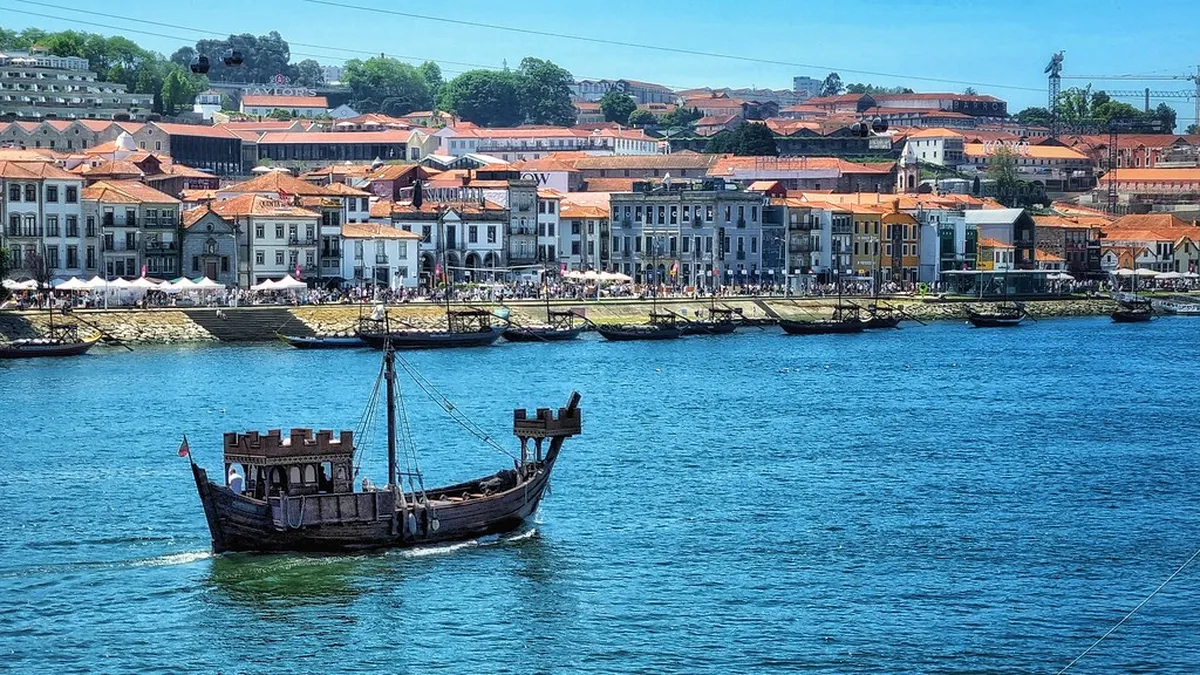
Porto is about 70 km north of Aveiro via the A1, roughly 50 minutes without traffic. Arrive in the late afternoon if possible — the light on the Ribeira district from the Dom Luís I bridge is particularly good around 17:00 to 19:00. Check into your accommodation and walk down to the riverfront for dinner. The Ribeira quayside has dozens of restaurants, though the better-value options are one or two streets back from the water.
For accommodation, the Cocorico Luxury House – Porto near the Ribeira district is an excellent boutique option with well-designed rooms and easy walking access to the main sights. If you want to understand what makes Porto different from Lisbon before you arrive, read this overview of Porto's pros and cons — it covers the realistic trade-offs including the wetter climate and steeper streets.
Allow at least two full days in Porto after the road trip. The port wine cellars in Vila Nova de Gaia across the river, the São Bento train station azulejos, and the Livraria Lello bookshop all require time. Porto is compact enough that most things are walkable from the city center.
Essential Logistics: Drive Times, Tolls, and Transport Options
Portugal's toll system has two components: Via Verde electronic lanes and manual payment lanes. Via Verde requires a transponder fitted to the windscreen. Most rental cars offer this as an add-on for around €2–5 per day, and using it is strongly recommended. With Via Verde you drive through green-marked gantries without stopping, and the cost is charged to your rental account at return. Without Via Verde, you must use the manual lanes and pay in cash or card — these lanes exist on older toll plazas but are absent on some newer sections of the A8/A17, where electronic-only gantries scan your number plate. If your rental does not have a Via Verde transponder and you pass through an electronic-only gantry, the toll is invoiced to the rental company and added to your bill with an administration fee of €5–15 per transaction. Ask your rental company explicitly before driving.
For car hire, use Discover Cars to compare prices across local and international suppliers. In summer 2026, expect to pay €45–65 per day for a compact automatic. Booking 3 to 4 weeks ahead locks in better rates and ensures automatic transmission availability — manual gearboxes are cheaper but Portugal's medieval town streets involve frequent hill starts.
If you are not driving, the train is the best alternative. The high-speed Alfa Pendular train runs from Lisboa Santa Apolónia or Oriente station to Porto Campanhã in just under 3 hours. Tickets cost €25–35 one way and should be booked on Comboios de Portugal (CP) website or the Trainline app. The bus (FlixBus) takes about 3.5 hours and costs €8–15 one way from Lisboa Oriente to Porto Campanhã. Neither option replicates the Silver Coast stops, but both are sensible for a point-to-point journey. For an overview of all road rules before you drive, see our 9 Essential Tips for Driving in Portugal.
For managing your overnight stops and where to book in Lisbon before departure, the Dare Lisbon House near Chiado offers a central location with easy highway access. Allow time on your final morning in Lisbon to clear the city before 09:00 to avoid commuter traffic on the IC19 toward Sintra and the A8 north.
Frequently Asked Questions
How long is the drive from Lisbon to Porto with stops?
The direct drive takes about 3 hours on the A1. However, with scenic stops in Nazaré and Óbidos, plan for 6 to 8 hours. This allows time for lunch and quick sightseeing.
Is it better to take the A1 or A8 from Lisbon to Porto?
Take the A8 if you want coastal views and beach town stops. Choose the A1 if you are in a hurry to reach Porto. The A8 is more scenic but has more curves.
How do tolls work for rental cars in Portugal?
Most rentals include a Via Verde transponder for a small daily fee. This device tracks your tolls electronically as you drive. You pay the total balance when returning the car.
A road trip from Lisbon to Porto via the Silver Coast is not a sightseeing tick-list — it is the most efficient way to understand the range of Portuguese culture, history, and food in three days. Medieval walls, Gothic monasteries, Atlantic surf, canal towns, and a university city all fall within a single northward drive. The A8 route rewards the extra planning it requires.
Book your rental car and key tickets early, especially for the Joanina Library in Coimbra and the Berlengas Island ferry in Peniche during summer. Everything else on this route can be managed without advance booking. Check out our How Many Days in Portugal: 10-Day Essential Itinerary guide if you are deciding how to split time across the country before or after this drive.