
Palace Of The Dukes Of Braganza Guimaraes Travel Guide
Plan palace of the dukes of braganza guimaraes with top picks, neighborhood context, timing tips, and practical booking advice for a smoother trip.
On this page
Palace Of The Dukes Of Braganza Guimaraes
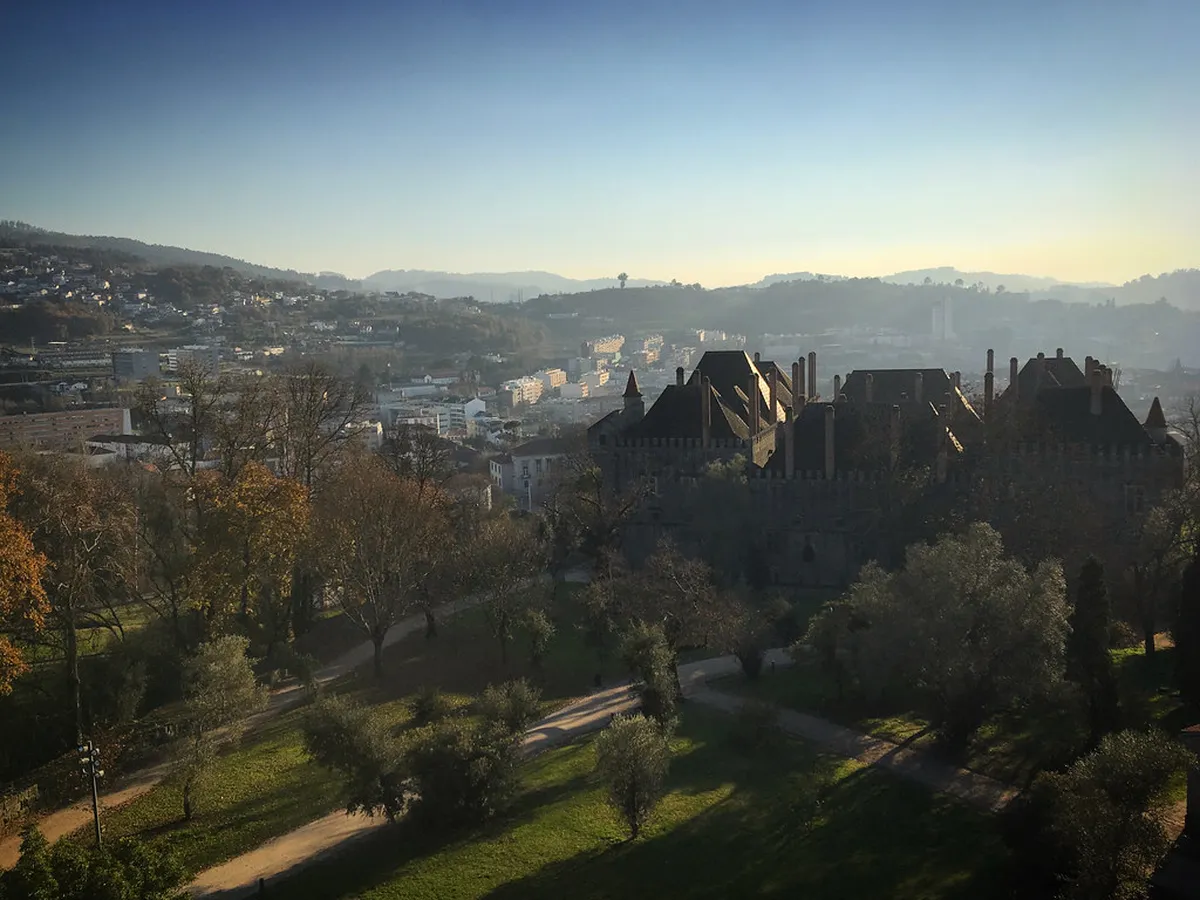
The Palace of the Dukes of Braganza in Guimarães is a 15th-century ducal estate that sits on Sacred Hill, a short walk above the medieval old town. Its 39 conical brick chimneys and Gothic stone façade make it one of the most photographed buildings in northern Portugal. The palace now functions as a national museum and an official presidential residence, so you are visiting a working state building as well as a historic monument. It ranks among the most essential things to do in Guimarães for anyone with even a passing interest in Portuguese history.
Construction began around 1420 under D. Afonso, the first Duke of Braganza and illegitimate son of King João I, timed to coincide with his marriage to D. Constança de Noronha. The palace housed the powerful Braganza family for several generations before falling into disuse and eventual ruin. A comprehensive state restoration carried out between 1937 and 1959 brought the building back to its current condition. Understanding the context of that restoration is key to appreciating what you will see inside.
Must-See Palace Attractions
The Great Banqueting Hall is the showpiece room of the interior. Its ceiling is formed from an inverted wooden ship hull, a rare construction technique that creates a long, vaulted nave effect. The hall is large enough that tour groups rarely feel cramped, and the acoustics make it a regular venue for chamber music performances. This room alone justifies the entrance fee.
The Ducal Chapel, at the far end of the main floor, offers a quieter atmosphere. Carved stonework frames the altar and stained glass sends warm light across the floor during the morning hours. Arriving before 11:00 gives you a better chance of experiencing the chapel without background noise from other visitors. It is a stark contrast to the martial tone of the armory section just down the corridor.
The central courtyard is the best spot to photograph the full height of the chimneys against the sky. From here you can see the Gothic window arches that run along the upper gallery, a detail that reads differently in person than in photographs. The courtyard is included in the standard ticket and is accessible from the main entrance without queuing separately.
Museums, Art, and Culture in Palace
The museum occupies the first floor and holds one of the strongest decorative arts collections in northern Portugal. The Flemish and French tapestries are the headline pieces. The Pastrana tapestries in particular — large woven scenes depicting Portuguese military campaigns in North Africa — are considered among the finest surviving examples of 15th-century Flemish weaving in Europe. Art historians travel specifically to see them.
Beyond the tapestries, the collection includes Chinese porcelain, oriental carpets, period furniture in heavy oak, early firearms, and suits of armor. A portrait of D. Catarina de Braganza and a painting of the Paschal Lamb attributed to Josefa de Óbidos are among the notable individual works. Room labels are present in Portuguese and English, though the English translations are occasionally brief. Picking up the free printed guide at the entrance desk fills in the gaps.
The armory section draws visitors who are less interested in decorative arts. Swords, halberds, and early pistols are displayed with dated cards explaining their role in Portuguese military history. The section is compact but well-curated and a natural counterpart to the castle ruins a few hundred meters away.
The Estado Novo Restoration — What Visitors Often Miss
The palace you visit in 2026 is not entirely a 15th-century building. By the 19th century the original structure had deteriorated badly, used at one point as a military barracks during the Napoleonic-era French invasions. The rebuilding project ordered by the Salazar government between 1937 and 1959 was essentially a reconstruction from near-ruins, completed just in time for the palace to be inaugurated as an official presidential residence in 1959.
Contemporary critics and later architectural historians have debated the authenticity of the restoration. Some argue that the regime used the project as a propaganda statement — a literal re-creation of medieval Portuguese power to serve nationalist ideology. The result is a palace that looks unusually pristine compared to other genuinely preserved medieval buildings. This does not diminish its visual impact or the quality of the collections, but it does explain why the interior feels more like a furnished period reconstruction than a place worn by centuries of continuous use.
Knowing this context changes how you read the palace. The tapestries and armory are the authentic core of the collection; the architectural shell around them is a 20th-century interpretation of what the original may have looked like. Many visitors leave without this distinction and assume everything dates to the 1400s. It is a useful point to raise if you are visiting with a tour guide or a group.
Parks, Gardens, and Outdoor Spots
The palace grounds sit on the Penha hillside area known as Sacred Hill. Mature trees line the paths that connect the palace to the castle and the small Romanesque church of São Miguel do Castelo. The walk between these three monuments takes no more than ten minutes and the paths are paved and well-maintained. It is one of the few places in Guimarães where you can cover three major historical sites on foot without re-entering a ticket queue.
A large bronze statue of King Afonso Henriques — Portugal's first king — stands in the plaza below the palace entrance. The monument is a popular landmark and an obvious first stop for photographs before heading inside. The surrounding open ground offers a clear view back toward the old town rooftops and the peaks to the north.
The grounds are free to walk through even without a palace ticket. Families with children often use the open grassy areas for a break between sites. The paths down the hill back into the historic center are steep in places, so wear shoes with grip, especially after rain.
Ticket Prices, Discounts, and Budget Tips
Standard adult admission to the palace museum is €5 in 2026. A combined ticket covering both the palace and the Guimarães Castle costs approximately €7 and is the better deal if you plan to visit both sites on the same day, which most visitors do. Children under 12 and visitors over 65 qualify for reduced rates; bring identification to the ticket desk. EU nationals under 30 should also ask about youth discount eligibility.
The combined palace and castle ticket at €7 offers exceptional value compared to paying separately. Purchasing both on the same visit saves approximately €1. Groups of 10 or more should inquire about group rates at the ticket desk, which can provide additional discounts. No advance booking is required for standard visits.
Free admission windows exist for specific groups and occasions. Sundays before 14:00 are free for Portuguese residents, and national holidays sometimes include universal free entry — worth checking the DGPC (Directorate-General of Cultural Heritage) website before your visit if budget is a concern. The palace grounds and the exterior are free to enjoy at all times without a ticket.
The palace is closed on Mondays, so do not plan your Guimarães day around it at the start of the week. Opening hours run from 09:30 to 18:00 (last entry 17:30) on Tuesday through Sunday. A small café and gift shop operate inside the main entrance and are accessible to visitors without a museum ticket.
The palace is closed every Monday for maintenance. Tuesday–Sunday hours are 09:30–18:00, with last entry at 17:30. Plan your visit accordingly to avoid arriving on a closed day. Summer peak hours (July–August) can see queues; arriving by 10:00 ensures the shortest wait.
How to Plan Your Visit
Arrive by 10:00 to get ahead of organized tour groups, which typically arrive from Porto or Braga between 10:30 and 11:30. The palace opens at 09:30, and the first 90 minutes are noticeably quieter. Check the best time to visit Guimarães to understand how shoulder season (March–April and September–October) affects crowd levels across all the hilltop sites.
Budget 90 minutes for a thorough walk through the museum collections. Add 30 minutes if you intend to spend time in the courtyard and chapel. If you are combining the palace with the castle and São Miguel church, a full morning from 09:30 to 13:00 is a realistic allocation. The downhill walk to the old town for lunch takes about 15 minutes.
Tickets can be purchased at the door; queues are rarely longer than 10 minutes except during August weekends and the Festas Gualterianas in the first week of August. The palace address is Rua Conde Dom Henrique 3, Guimarães. The View on Google Maps link is accurate for navigation. The uphill walk from Largo da Oliveira takes about 12 minutes on flat cobblestones followed by a short incline.
Palace of the Dukes of Braganza Reviews
Visitor feedback is consistently positive about the tapestry collection and the banqueting hall, which are cited as highlights in the majority of English-language reviews. The architectural spectacle of the chimneys and courtyard draws praise from first-time visitors who were not expecting a palace of this scale in a relatively small city. Most reviewers rate the experience as better value than the castle next door, given that the castle interior is largely empty.
The most common criticism is the unevenness of English-language signage. Some rooms have detailed bilingual cards; others have only a single short description. Using the free printed guide or downloading the SIPA (System of Information for Architectural Heritage) reference on your phone before arriving addresses this gap. Deciding whether Guimarães is worth visiting is rarely in question for history-focused travelers — the palace alone is reason enough for a day trip from Porto.
A smaller number of reviews flag that the Presidential wing on the second floor is not always open to the public. Access depends on whether the state rooms are in active use for official functions. If you visit on a weekday outside of August you will usually find access unrestricted, but it is not guaranteed. The ground-floor museum circuit is always fully available.
Nearby Sites in Guimarães
The Guimarães Castle is a two-minute walk from the palace entrance. Built in the 10th century, it served as the original fortification against Moorish and Norse raids before the Braganza family commissioned the palace as a more comfortable residence on the adjacent hillside. The castle walls and eight towers can be partially walked, giving elevated views over the palace chimneys. The combined ticket makes visiting both sites straightforward.
The Church of São Miguel do Castelo sits between the two monuments and is easily overlooked. It is a small, unadorned Romanesque building with a single nave and a baptismal font where tradition holds that Afonso Henriques, the first king of Portugal, was baptized. Entry is quick and free. It provides a sense of the city's earliest Christian history that neither the palace nor the castle conveys.
The descent from Sacred Hill brings you into the medieval old town in about 12 minutes. Largo da Oliveira is the central square, lined with medieval arcades, the Nossa Senhora da Oliveira church, and several good lunch spots. The Alberto Sampaio Museum, housed in the former convent buildings adjacent to the church, holds a collection of medieval silverwork and religious sculpture that complements what you have seen in the palace. It is a 15-minute detour worth making if you have the afternoon free.
Getting There and Independent Traveler Tips
The fastest option from Porto is the CP train from Porto Campanhã or São Bento to Guimarães, a journey of about 70 minutes. Trains run roughly every 30–45 minutes and cost around €3.55 one-way in 2026. From the Guimarães train station it is a 20-minute walk through the city to the base of Sacred Hill, or a short taxi ride. Check how to get to Guimarães for current timetable and bus alternatives if you are traveling from Braga.
The city is compact and almost entirely walkable. The only stretch requiring effort is the incline up to Sacred Hill. Solo travelers will find the route well-signposted from the old town, and the city feels safe at all hours. English is spoken reliably in the tourist zone, though knowing a few words of Portuguese is appreciated by local café owners.
If you want a structured plan rather than wandering, follow a one day in Guimarães itinerary that sequences the hilltop monuments in the morning and the old town and Alberto Sampaio Museum in the afternoon. This order prevents doubling back and keeps you moving downhill as the day warms up. Budget around €15–20 for entry fees, a sit-down lunch, and a coffee in the old town.
Guimarães in the Eixo Atlántico Region
Guimarães is a member of the Eixo Atlántico, a network of cities spanning northern Portugal and Galicia, Spain. The network promotes shared cultural routes between its member cities, and Guimarães sits near the southern end of several of these routes, which extend north to Vigo and east toward Ourense. Travelers interested in medieval heritage can build a multi-city trip that connects the Ducal Palace here with Romanesque cathedrals and coastal fortifications across the border.
The vive.eixoatlantico.com portal lists current events, cultural passes, and route maps covering all member cities. In practice, the most useful feature for visitors to the palace is the regional heritage passport, which bundles discounts at sites across several cities and is worth calculating if you are spending more than three days in the region. Check for updated pricing and eligibility before your 2026 visit as terms change seasonally.
Practical Resources for Your Visit
The Guimarães tourism office is located near Largo da Oliveira and stocks printed maps, event calendars, and combined-ticket information. Staff speak English and can advise on current opening hour changes — useful in 2026 when some heritage sites in Portugal are adjusting summer hours to manage overtourism pressure. Visit them before heading uphill if you want up-to-date confirmation.
For broader planning, the Guimarães travel tips guide covers local etiquette, transport, restaurant recommendations, and photography timing for the hilltop monuments. The official DGPC website (patrimoniocultural.gov.pt) lists current admission prices and special closure dates for all state-managed palaces including this one. Most public areas in the old town have free Wi-Fi, and the palace has a small free hotspot in the entrance lobby.
Frequently Asked Questions
Which palace of the dukes of braganza guimaraes options fit first-time visitors?
First-time visitors should focus on the main museum circuit which includes the Banqueting Hall and the tapestry galleries. A combined ticket with the castle is the best value. This allows you to see the city's most iconic landmarks in one afternoon while staying within a reasonable budget.
How much time should you plan for palace of the dukes of braganza guimaraes?
Plan for at least 1.5 to 2 hours to explore the interior rooms and the chapel. If you include the surrounding gardens and the walk to the castle, a full morning is ideal. This pace allows you to read the exhibits without feeling rushed through the large estate.
What should travelers avoid when planning palace of the dukes of braganza guimaraes?
Avoid visiting on Monday mornings when some sections might have limited access for maintenance. Do not wear uncomfortable shoes as the uphill walk and stone floors can be tiring. Also, try to avoid the peak midday heat by visiting the interior during the warmest hours of the day.
Is palace of the dukes of braganza guimaraes worth including on a short itinerary?
Yes, it is the most impressive historical building in the city and essential for understanding Portuguese heritage. Even with only a few hours, the architecture and the courtyard are worth the visit. It provides a more complete historical experience than the castle ruins alone.
The Palace of the Dukes of Braganza Guimarães is the most rewarding single site on Sacred Hill and one of the strongest medieval palace museums in Portugal. The tapestry collection is world-class, the architecture is striking, and the surrounding hilltop circuit — castle, church, and palace together — makes for a morning that few visitors to northern Portugal forget. Plan your 2026 visit for a Tuesday through Sunday morning, buy the combined ticket, and allow enough time to linger in the banqueting hall and the courtyard before heading downhill for lunch.
 Óbidos Castle: Complete Visitor's Guide (2026)June 11, 2026
 10 Best Tips for Timing Your Visit to GuimarãesJune 8, 2026
 Free Things To Do In Guimaraes Travel GuideJune 8, 2026