
10 Best Tips for Timing Your Visit to Guimarães
The best time to visit Guimarães — month-by-month weather, festival dates, and crowd tips to plan the perfect 2026 trip to this historic city.
On this page
10 Best Tips for Timing Your Visit to Guimarães
The best time to visit Guimarães is between mid-May and late June, or in September and early October. These windows give you warm days, manageable crowds, and the lush green landscape that makes the Minho region so photogenic. Late spring sits in the sweet spot between winter rains and the intense August heat.
One important clarification before you plan: many searches for "Guimarães" surface results about Chapada dos Guimarães in Brazil. That is a national park in Mato Grosso with a tropical climate and a completely different travel context. This guide is entirely about the medieval Portuguese city in the north of Portugal — the UNESCO World Heritage Site known as the birthplace of Portugal.
Guimarães, Portugal vs. Chapada dos Guimarães, Brazil
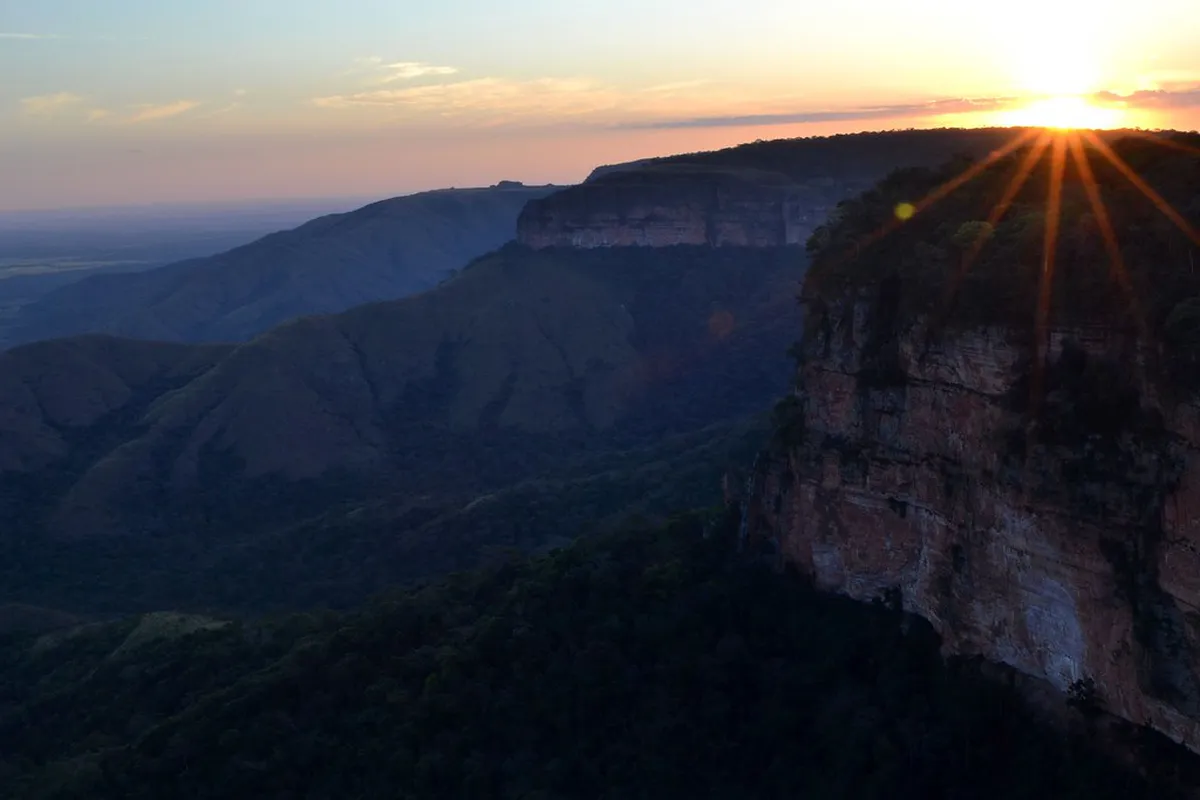
Chapada dos Guimarães is a stunning red-sandstone plateau in the Mato Grosso region of central Brazil. It has waterfalls, canyons, and a wet/dry season cycle typical of the southern hemisphere cerrado. It is completely unrelated to the Portuguese city of the same name. If your search results show tropical weather charts, you are looking at the wrong destination.
The Portuguese Guimarães is a UNESCO World Heritage Site with a temperate Atlantic climate, documented in detailed historical and geographical records. It sits in the green Minho region of northern Portugal, about 55 km northeast of Porto. Winters are wet and mild; summers are warm and dry. Rain is heaviest from November through February, often exceeding 150 mm per month.
Always verify the country code when searching for flights, hotels, and weather forecasts. A traveler who books Portuguese flights but packs for a tropical climate — or vice versa — will have a very uncomfortable trip. The two destinations share only a name.
Season Comparison: Best Time to Visit Guimarães
The northern Portuguese climate varies significantly across the four seasons. Spring and autumn offer the most balanced conditions for walking the historic center. Summer brings warmth and the city's biggest festivals. Winter is the cheapest and quietest time but requires tolerance for frequent Atlantic rain.
Accommodation prices peak in July and August, when Portuguese families also take their holidays. Shoulder months — May, June, September, and October — give you comfortable weather at noticeably lower rates. January and February are the cheapest months but also the wettest. The table below gives a quick overview of what each season delivers.
| Season | Temperature | Crowds | Prices | Key Events | Best for |
|---|---|---|---|---|---|
| Spring (Mar–May) | 12–20°C / 54–68°F | Moderate | Mid-range | Holy Week (April) | Gardens, walking |
| Summer (Jun–Aug) | 18–28°C / 64–82°F | High | Peak | Gualterianas (Aug) | Festivals, long days |
| Autumn (Sep–Nov) | 14–22°C / 57–72°F | Moderate | Mid-range | Nicolinas (Nov–Dec) | Wine harvest, photography |
| Winter (Dec–Feb) | 8–14°C / 46–57°F | Low | Budget | Christmas markets | Museums, low cost |
Spring Season (March – May) and Floral Blooms
Spring is the most underrated season for visiting Guimarães. Temperatures sit between 12–20°C and the gardens surrounding the Palace of the Dukes are at their most vibrant in April. Occasional light showers keep the landscape intensely green, but they rarely last long enough to disrupt a full day of sightseeing. Portugal's national weather institute confirms mild Atlantic conditions through April and May.
Easter is a significant period in the Minho region. Traditional Holy Week processions wind through the historic center, and the local churches are decorated with elaborate flower arrangements. The atmosphere is culturally rich without the high-season crowds. Walking through the medieval streets during this period feels genuinely unhurried.
May is the single best month for visiting the nearby Citânia de Briteiros. The Iron Age ruins sit in green hills covered with wildflowers, and trail conditions on Monte da Penha are excellent. Families with children will find late May particularly comfortable — school holidays have not yet started, so the key attractions are uncrowded and the midday heat has not arrived.
Late May offers the ideal balance for families: mild weather (12–20°C), fully open outdoor attractions like the Monte da Penha cable car, and fewer crowds than August. School holiday rush has not started yet, so museums and monuments are uncrowded and manageable for children.
Must-See Attractions by Season: Summer and Festivals
Summer is the best time to visit Guimarães Castle if you want long evening light and a lively atmosphere in the city below. Days stretch past 21:00, giving you plenty of time to visit the main sites and still enjoy a late outdoor dinner in Largo da Oliveira. Temperatures peak around 28°C / 82°F, but the narrow medieval alleys provide good shade through the hottest part of the afternoon.
The Festas Gualterianas, held in the first weekend of August, is the city's most important annual event. It traces its roots to the 14th century and features medieval costume parades, live music, and traditional markets. In 2026 the main parade takes place on the evening of Saturday 1 August, with street events running through Sunday 2 August. Book your accommodation at least two months in advance for this weekend.
June is a strong alternative to August if you want the warmth of summer without the festival crowds. Outdoor dining at Guimarães restaurants around Largo da Oliveira is excellent from mid-June onward. The square becomes a communal living room after 20:00, with locals of all ages filling the café terraces and the Gothic shrine of Nossa Senhora da Oliveira lit up behind them.
Autumn Season (September – November) in the Minho Region
September is arguably the best single month to visit Guimarães. The summer heat softens, temperatures stay between 18–22°C, and most of the August tourist groups have gone home. The grape harvest is underway in the surrounding Vinho Verde vineyards, and the countryside takes on a golden tone. You can photograph the granite facades without competing with tour groups.
The Festas Nicolinas run from late November into early December. This student-led festival dedicated to Saint Nicholas involves drumming processions, rituals, and traditional street events that are almost entirely attended by locals rather than tourists. It is one of the most authentic annual events in northern Portugal and worth timing a visit around if you are in the region.
October sees the first serious Atlantic rains arrive, but daytime conditions remain generally pleasant. If you catch a clear October day, the autumn light on the castle and the ducal palace is spectacular. This month also works well for a combined visit with Braga, which is only 20 minutes away by train.
Guimarães Christmas Markets and Winter Events
The Christmas season transforms the historic squares of Guimarães from late November through early January. In 2026, the city council is expected to open the main illuminations in the first week of December, with traditional craft and food markets in Largo do Toural and Praça de Santiago. Temperatures sit between 8–14°C, and the Atlantic mist that often settles around the castle in December makes the medieval silhouette look genuinely ancient.
Winter is the best time to spend extended hours in the city's indoor attractions. The Palace of the Dukes of Bragança is warm, unhurried, and fully accessible without the summer queues. Admission is currently discounted to 5€ due to a partial renovation closure. The Alberto Sampaio Museum and the Martins Sarmento Society are equally rewarding on a rainy afternoon and cost less than 3€ each to enter.
Accommodation prices drop sharply from mid-January through February. Boutique hotels in the historic center that run at 150–200€ per night in August can be found for 60–90€. The pousada on the hill above the city — the Pousada Mosteiro de Guimarães — becomes genuinely affordable in winter and the experience of waking up inside a historic monastery with mist in the valley is hard to match.
Museums, Art, and Culture in Guimarães
Guimarães' indoor cultural sites are worth prioritizing regardless of season, but they become essential when the weather turns rainy. The Palace of the Dukes of Bragança (Paço dos Duques) is open daily from 10:00–18:00 and takes two to three hours to do properly. The collection includes Flemish tapestries, period furniture, and Portuguese military artifacts. Even with the current partial closure reducing access to some upper rooms, it remains one of the most impressive medieval palaces in Portugal.
The Alberto Sampaio Museum occupies the Gothic cloister of the Collegiate Church of Oliveira, just off Largo da Oliveira. Its collection of medieval silver and religious sculpture includes the tunic reputedly worn by King João I at the Battle of Aljubarrota in 1385. Entry costs 2€. It is the kind of museum that deserves a slow hour on a wet afternoon.
For pre-Roman history, the Martins Sarmento Society museum is the best rainy-day choice in the city. It houses artifacts from the Citânia de Briteiros and other Castro culture sites and costs between 1.50€ and 3€ to enter. The building itself — a 19th-century neo-classical structure on Rua Paio Galvão — is worth seeing even from the street. Note that this museum is closed on Mondays.
Parks, Gardens, and Outdoor Spots: Best Weather Windows
Monte da Penha (Serra da Penha) is the outdoor highlight of any visit to Guimarães and is best experienced between May and September. The cable car (Teleférico da Penha) runs daily during this window and costs 7.50€ for adults and 3.50€ for children. It closes for annual maintenance in late January, so check the schedule if you visit in winter. The views from the top across the Ave river valley are among the best in the Minho region.
The gardens at the Palace of the Dukes are well maintained year-round but are most photogenic in April and May when the flowerbeds are in full colour. The Jardim do Largo da República, at the edge of the historic center, is a good place to orient yourself on arrival. In summer its fountains provide a cooling pause between monuments.
The walkway along the old city walls, including the section near the castle with the famous "Aqui Nasceu Portugal" inscription, is pleasant in any dry weather. Clear days in September and October are best for this short outdoor circuit, as the autumn light brings out the texture of the granite stonework. The walk takes about 20 minutes at a slow pace.
The Sunday Strategy: Opening Hours You Need to Know
Several key attractions in Guimarães are closed on Sundays, Mondays, or both — a detail that can significantly change your experience if you arrive unaware. Igreja de Nossa Senhora do Carmo, the beautiful tiled Baroque church on the route up to the castle, is closed on Saturdays and Sundays. The Church of Saint Francis (Igreja de São Francisco, R. Padre Gaspar Roriz 124) closes early on Sundays at 13:00 and is shut on Mondays. The Martins Sarmento museum is closed all day Monday.
That said, Sunday has a specific advantage that no other day offers. The full outdoor terrace culture of Largo da Oliveira is at its peak on Sunday afternoons, when local families spend the entire day at the café tables. If you can schedule your visit so that you complete the main monuments on a weekday and reserve Sunday for wandering and eating, you get the best of both — open churches and a genuinely local Sunday atmosphere.
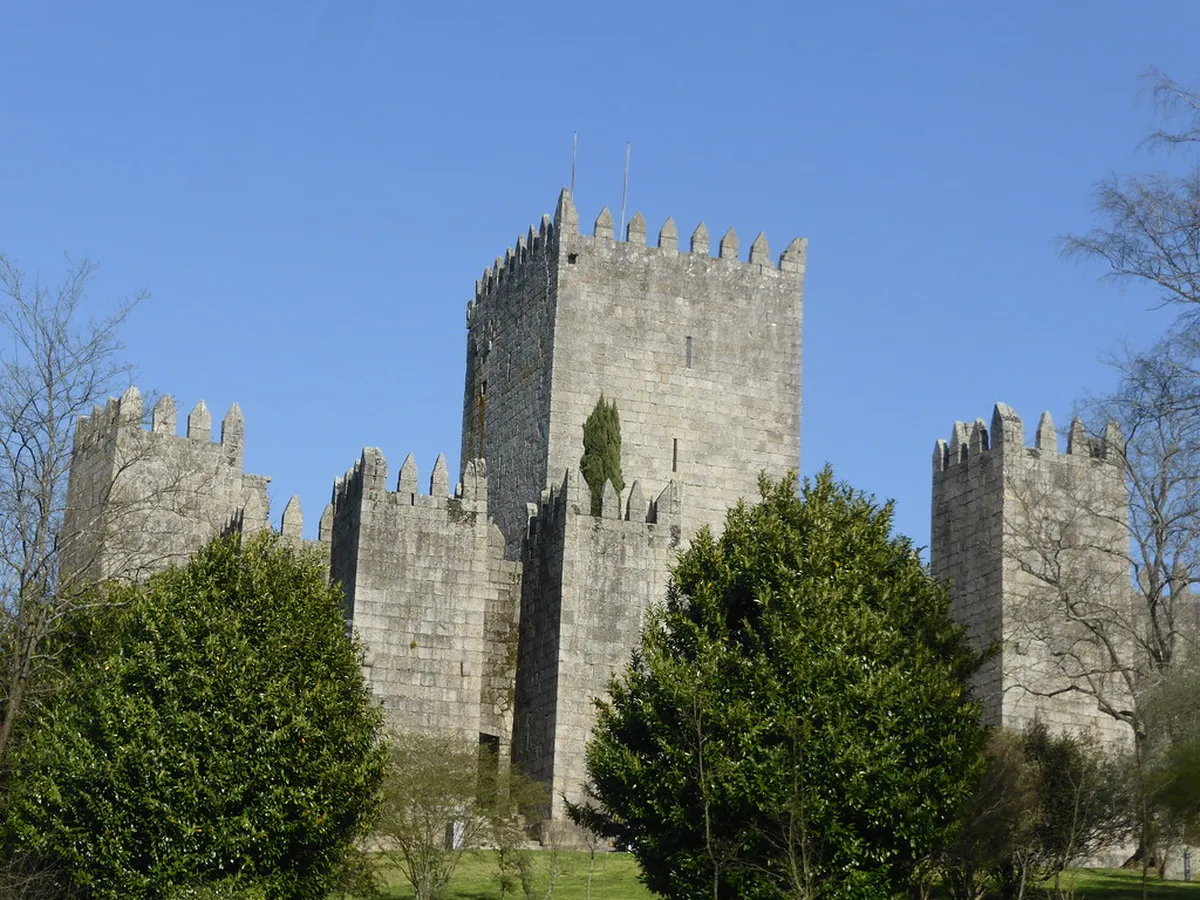
The Guimarães Castle and the Palace of the Dukes of Bragança are both open daily from 10:00–18:00, so they are reliable anchors regardless of what day you arrive. These two sites alone justify the visit and together take a full morning to cover properly.
Family-Friendly and Budget-Friendly Timing Tips
Families traveling with children get the most from Guimarães in late May or early June. The weather is mild enough for long walking days, the cable car to Monte da Penha is running, and the castle courtyard is uncrowded enough for children to explore freely. School holiday rush has not yet started, so you avoid the August queues at the main monuments. Children under 12 enter the Church of Saint Francis for free, and the castle charges a reduced rate for under-14s.
Budget travelers should target late January through mid-March. Hotel rates are at their annual low and the city's museums and cafes are open without the seasonal closures that affect some summer months. A full day in Guimarães — castle (5€), Palace of the Dukes (5€ at current discounted rate), Alberto Sampaio Museum (2€), cable car (7.50€ return), and lunch — costs well under 40€ per person if you eat at a local tasca rather than the tourist-facing cafes on Largo da Oliveira.
Solo photographers and couples without children do best in September or early October. Crowds are thin, the golden-hour light lasts past 19:30, and the overnight accommodation options — including the Pousada Mosteiro de Guimarães above the city — are more affordable than in high season. The stay at the Pousada Mosteiro de Guimarães is particularly recommended for couples visiting in the shoulder season; waking up in a hilltop monastery with early autumn mist below is genuinely special.
How to Plan a Smooth Day Trip to Guimarães
Most visitors arrive on a Porto to Guimarães day trip and the logistics are straightforward. The bus is the fastest and cheapest option: Rede Expressos and FlixBus both depart from Porto Campanhã station, with tickets starting at 2.95€ and the journey taking about 45 minutes. The bus terminal in Guimarães is a 15-minute walk from the historic center. The bus is the better choice if you want to maximize time in the city rather than on the road.
The Comboios de Portugal (CP) train is slightly slower at 70–75 minutes due to frequent stops, with tickets at around 3.55€ one-way from Campanhã. One critical detail that most guides do not mention: the Porto–Guimarães train splits during the journey. Some carriages branch off toward Braga while others continue to Guimarães. If you board the wrong carriage, you will arrive in Braga instead. Always ask at the station which carriage is the Guimarães section, or check the carriage sign before departure. The mistake is easy to make and easy to avoid once you know about it.
Driving takes about 40 minutes from Porto along the A3 and A11 motorways. Paid parking within the center costs up to 10€ for a full day; a free car park is located at Rua de Dona Mafalda 9 but fills up early on weekends. Rideshare (Uber/Bolt) from Porto costs 30–50€ each way and is difficult to arrange for the return journey due to low driver availability in Guimarães. Aim to arrive by 10:00 regardless of transport method to cover the castle and palace before the midday crowds arrive.
The Porto–Guimarães train splits partway through the journey—some carriages branch toward Braga while others continue to Guimarães. Always check the carriage sign or ask station staff which section goes to Guimarães before boarding, or you could end up in the wrong city.
Frequently Asked Questions
Is Guimarães worth a day trip from Porto?
Yes, Guimarães is absolutely worth a day trip for its history. You can easily see the castle and palace in one day. The train from Porto makes the journey simple and cheap.
When is the cheapest time to go to Guimarães?
The cheapest time to visit is during the winter months of January and February. Flight and hotel prices are at their lowest then. You will find the city very quiet and peaceful.
Is Guimarães too hot in the summer?
Summer temperatures usually stay around 28°C / 82°F, which is manageable for most. The narrow streets provide plenty of shade during the hottest parts of the day. It is rarely as hot as southern Portugal.
Guimarães rewards visitors in every season, but the clearest sweet spots are May–June and September. These months give you mild weather, reasonable prices, and the Minho landscape at its most photogenic. If you are here for the festivals, target early August for Gualterianas or late November for Nicolinas. If you want the lowest prices and the most atmospheric streets, January works perfectly as long as you pack waterproofs.
Whatever month you choose, wear comfortable shoes — the cobblestones are beautiful and uneven in equal measure. Plan your arrival for a weekday to make sure you catch the churches and museums on their full opening hours. The birthplace of Portugal is a small city that takes just one well-timed day to cover properly.
 9 Essential Tips for Visiting Guimarães CastleJune 8, 2026
 How Many Days In Guimaraes Travel GuideJune 8, 2026